
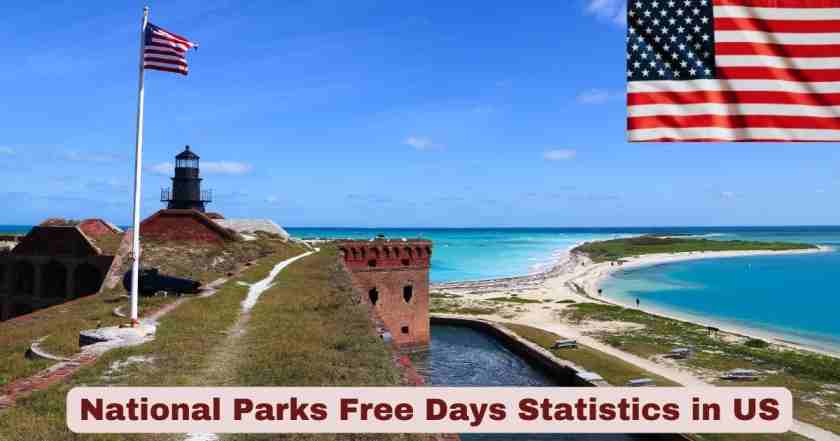
National Parks Free Days in the US 2026
The United States National Park System enters 2026 with significant changes to its free entrance day program, marking a transformative shift in accessibility policy after decades of universal access. For the first time in the program’s history, free entrance days are now exclusively available to U.S. citizens and permanent residents, while international visitors must continue paying standard entrance fees plus newly implemented nonresident surcharges. This policy change, announced by the Department of the Interior in December 2025, expands the number of free days from 6 to 10 annually while fundamentally altering who can benefit from these opportunities. The 2026 calendar includes Presidents Day, Memorial Day, Flag Day, Independence Day weekend (all three days), the National Park Service’s 110th birthday, Constitution Day, Theodore Roosevelt’s birthday, and Veterans Day—replacing the previous inclusion of Martin Luther King Jr. Day, Juneteenth, and National Public Lands Day.
These changes arrive as America’s national parks experience unprecedented popularity, with the National Park Service recording a historic 331.9 million recreation visits in 2024—surpassing the previous record set in 2016. Approximately 108 of the 433 National Park Service sites charge entrance fees ranging from $10 to $35 per vehicle, making these free entrance days valuable opportunities for budget-conscious families to explore iconic landscapes from the Grand Canyon to Yosemite without paying admission costs. However, visitors should understand that free entrance does not eliminate all expenses—camping fees, boat launches, guided tours, parking at certain locations, and concessionaire services remain subject to normal charges. The economic implications are substantial, as national park visitors contributed $56.3 billion to the U.S. economy in 2024 through $29 billion in direct spending near park entrances, supporting over 340,100 jobs in gateway communities across America.
Interesting Facts About National Parks Free Days in the US 2026
| Category | Fact Description | Verified Data |
|---|---|---|
| Total Free Days 2026 | Significant increase in free entrance opportunities | 10 free days (up from 6 in 2025) |
| Citizenship Requirement | First year implementing residency restrictions | U.S. citizens and permanent residents only |
| Replaced Holidays | Civil rights observances removed from calendar | MLK Day and Juneteenth no longer free |
| New Free Days Added | Additional patriotic holidays included | Constitution Day and Roosevelt’s birthday |
| Independence Day Weekend | Extended holiday weekend access | July 3-5, 2026 all three days free |
| Record 2024 Visitation | Historic attendance milestone achieved | 331.9 million recreation visits |
| Parks Charging Fees | Minority of sites require entrance payment | 108 out of 433 total NPS units |
| Economic Contribution 2024 | Massive economic impact on communities | $56.3 billion total economic output |
| Visitor Direct Spending 2024 | Money spent in gateway communities | $29 billion in local spending |
| Jobs Supported 2024 | Employment created by park tourism | 340,100 jobs nationwide |
| Nonresident Surcharge | New additional fee for international visitors | $100 per person at 11 busiest parks |
| Annual Pass Cost Change | Tiered pricing by residency status | $80 residents, $250 nonresidents |
Data Source: National Park Service, Department of the Interior, NPS Visitor Spending Effects Report (November 2025 – February 2026)
The expansion to 10 free entrance days in 2026 represents the most generous free access calendar since 2016, when the National Park Service celebrated its centennial with 16 free days. However, the new citizenship requirement fundamentally changes the program’s character—for the first time ever, international visitors cannot benefit from these promotional days regardless of which holidays are selected. The removal of Martin Luther King Jr. Day and Juneteenth sparked considerable controversy, as these were among the few free days specifically honoring civil rights achievements and African American history. Their replacement with Flag Day—which coincides with President Trump’s birthday on June 14—and Theodore Roosevelt’s birthday on October 27 reflects a deliberate shift toward what the administration terms “patriotic fee-free days.”
The Independence Day weekend expansion to include July 3, 4, and 5 provides Americans with three consecutive days of free access during peak summer travel season, potentially helping families manage vacation costs during one of the busiest periods. The National Park Service’s 110th birthday on August 25, 2026 continues the tradition of celebrating the agency itself with free admission. Economically, these free days drive significant visitation spikes—parks typically experience 15 to 25 percent increases in attendance on free weekends compared to similar non-free periods. The record 331.9 million visits in 2024 occurred despite charging regular fees on most days, demonstrating the parks’ enduring appeal. With visitors generating $29 billion in direct spending and supporting over 340,100 jobs, even modest attendance increases on free days create measurable economic boosts for gateway communities that depend on park tourism for their livelihoods.
Free Entrance Days List 2026
| Date | Holiday/Observance | Day of Week |
|---|---|---|
| February 16, 2026 | Presidents Day (Washington’s Birthday) | Monday |
| May 25, 2026 | Memorial Day | Monday |
| June 14, 2026 | Flag Day / President Trump’s Birthday | Sunday |
| July 3, 2026 | Independence Day Weekend – Day 1 | Friday |
| July 4, 2026 | Independence Day Weekend – Day 2 | Saturday |
| July 5, 2026 | Independence Day Weekend – Day 3 | Sunday |
| August 25, 2026 | 110th Birthday of National Park Service | Tuesday |
| September 17, 2026 | Constitution Day | Thursday |
| October 27, 2026 | Theodore Roosevelt’s Birthday | Tuesday |
| November 11, 2026 | Veterans Day | Wednesday |
Data Source: National Park Service official fee-free days announcement, Department of the Interior press release (November 2025)
The 2026 free entrance calendar strategically positions free days throughout the year, though with notable seasonal clustering during summer months when parks experience peak visitation. Presidents Day on February 16 serves as the first opportunity, falling during winter when many northern parks face challenging weather but southern and southwestern parks enjoy ideal conditions. Memorial Day on May 25 marks the unofficial start of summer travel season and provides access during the critical shoulder season when crowds remain manageable but weather improves significantly.
Flag Day on June 14 represents the most controversial addition to the 2026 calendar, as it replaces Juneteenth while simultaneously coinciding with President Trump’s birthday—an unprecedented decision to align a presidential birthday with a free entrance day for a sitting president. The Independence Day weekend from July 3-5 offers unprecedented access during America’s premier patriotic holiday, though visitors should expect extremely heavy crowds at popular destinations. August 25 celebrating the National Park Service’s 110th birthday falls on a Tuesday, making it potentially less crowded than weekend free days. Constitution Day on September 17 provides a Thursday opportunity during the excellent fall shoulder season. Theodore Roosevelt’s birthday on October 27 honors the president most closely associated with conservation and national park expansion, falling during spectacular autumn colors at many parks. Veterans Day on November 11 concludes the calendar and has historically been the one free day that remained consistent across most years, honoring military service members who have always received free lifetime access regardless of these promotional days.
Visitor Statistics and Trends for National Parks in the US 2026
| Visitation Metric | 2024 Data | Comparison/Context |
|---|---|---|
| Total Recreation Visits | 331.9 million | All-time record, surpassing 2016 |
| Increase from 2023 | 6.36 million visits (2% growth) | Continued upward trend |
| Previous Record (2016) | 330.97 million visits | Stood for 8 years |
| Visitor Hours Spent | 1.4 billion hours | Cumulative time across all sites |
| Parks Setting Records | 28 individual parks | 7% of reporting units |
| Parks Above 10-Year Average | 38 parks all 12 months | Sustained high visitation |
| Peak Summer Months | June and July | Most popular visiting periods |
| Off-Season Visitation | 55% of parks above average | February-June, October-December |
| Overnight Stays Increase | 2.6% growth from 2023 | Both NPS and concession facilities |
| Concession Lodging Growth | 11.7% increase | Commercial accommodation surge |
Data Source: National Park Service Visitor Use Statistics, NPS Stats Dashboard (2024-2026)
The 331.9 million recreation visits recorded in 2024 cement the National Park System’s position as one of America’s most beloved public resources, with attendance equivalent to nearly every U.S. resident visiting a park site at least once during the year. This 2 percent growth over 2023 continues a remarkable recovery and expansion following the COVID-19 pandemic’s disruption in 2020, when visitation dropped approximately 20 percent. The 2024 total finally surpassed the previous record of 330.97 million set during the 2016 centennial celebration, which featured an unprecedented 16 free entrance days and extensive promotional campaigns that drove exceptional attendance.
The distribution of visits reveals important trends beyond simple totals. Twenty-eight parks established new individual attendance records in 2024, while 38 parks exceeded their 10-year average visitation during every single month of the year—indicating sustained interest rather than temporary spikes. Seasonal patterns show that while June and July remain peak months with over 40 percent of annual visitation concentrated in summer, 55 percent of parks experienced above-average attendance during shoulder seasons (February through June and October through December). This suggests visitors are increasingly spreading trips throughout the year to avoid summer crowds and heat, a trend park managers actively encourage through dynamic pricing and reservation systems at high-demand locations. The 11.7 percent increase in concession-operated lodging occupancy signals strong demand for on-site overnight accommodations, while the overall 2.6 percent growth in overnight stays demonstrates visitors’ preference for multi-day immersive experiences over quick day trips.
Economic Impact Statistics for National Parks in the US 2026
| Economic Indicator | 2024 Amount | Economic Sector |
|---|---|---|
| Direct Visitor Spending | $29.0 billion | Local gateway communities |
| Total Economic Output | $56.3 billion | U.S. economy contribution |
| Labor Income Generated | $18.8 billion | Wages and salaries |
| Jobs Supported | 340,100 jobs | Employment nationwide |
| Lodging Sector Output | $11.1 billion | Highest sector contribution |
| Restaurant Sector Output | $5.7 billion | Second-highest contribution |
| Direct Economic Output | $24.6 billion (43.7%) | Primary visitor transactions |
| Secondary Economic Output | $31.8 billion (56.3%) | Multiplier effects |
| Spending Per Visit (Average) | Approximately $87 per visit | Calculated from total spending |
| Economic Output Per Visit | Approximately $170 per visit | Includes multiplier effects |
Data Source: 2024 National Park Visitor Spending Effects Report, National Park Service Economics Division (2026)
The economic impact of America’s national parks far exceeds the modest entrance fees they collect, generating an extraordinary return on public investment. The $29 billion in direct visitor spending during 2024 flowed into local gateway communities—the counties and towns within 60 miles of park boundaries where visitors purchase lodging, meals, fuel, groceries, and recreational services. This spending created a total $56.3 billion economic output when accounting for both direct purchases and secondary effects as businesses and employees spend their revenues and wages within local economies. The nearly 2:1 multiplier demonstrates how park tourism dollars circulate through regional economies multiple times before leaving the area.
The lodging sector captured the largest share with $11.1 billion in economic output, reflecting the multi-day nature of most park visits and the necessity of overnight accommodations in often remote locations. Restaurants and food services generated $5.7 billion, benefiting from both visitors’ need to eat and their tendency to dine out while traveling. The 340,100 jobs supported by park visitation span diverse sectors including hospitality, retail, transportation, recreation outfitters, and countless small businesses in gateway towns that might not exist without park traffic. These positions generated $18.8 billion in labor income—wages and salaries that support families and communities throughout the nation. The secondary economic output of $31.8 billion (comprising 56.3 percent of total impact) illustrates how initial visitor spending triggers additional economic activity as businesses purchase supplies and employees spend their paychecks, creating a cascading beneficial effect that extends well beyond direct tourism transactions.
Most Visited National Park Sites in the US 2026
| Rank | Park Name | 2024 Visitors | Location |
|---|---|---|---|
| 1 | Golden Gate National Recreation Area | 17.18 million | California |
| 2 | Blue Ridge Parkway | 16.73 million | North Carolina / Virginia |
| 3 | Great Smoky Mountains National Park | 12.19 million | Tennessee / North Carolina |
| 4 | Gateway National Recreation Area | 8.92 million | New York / New Jersey |
| 5 | Lincoln Memorial | 8.47 million | Washington, D.C. |
| 6 | Gulf Islands National Seashore | 7.80 million | Florida / Mississippi |
| 7 | Natchez Trace Parkway | 7.36 million | Mississippi / Alabama / Tennessee |
| 8 | George Washington Memorial Parkway | 6.78 million | Virginia / Maryland / D.C. |
| 9 | Lake Mead National Recreation Area | 6.41 million | Nevada / Arizona |
| 10 | Vietnam Veterans Memorial | 5.29 million | Washington, D.C. |
Data Source: National Park Service official 2024 visitation statistics, NPS Stats (2025)
The most visited National Park Service sites reveal that national recreation areas, parkways, and memorials often attract more visitors than iconic national parks themselves. Golden Gate National Recreation Area topped all sites with 17.18 million visits, representing a remarkable 15 percent increase from 2023. This San Francisco Bay Area complex encompasses military sites like the Presidio, beaches, coastal trails, and 19 distinct ecosystems from redwood forests to Pacific shoreline. Its proximity to major population centers and free entrance year-round make it exceptionally accessible.
Blue Ridge Parkway, traditionally the most visited site, saw 16.73 million visitors despite temporary closures from Hurricane Helene damage that would have pushed numbers even higher. Great Smoky Mountains National Park retained its crown as the most visited true national park with 12.19 million visitors, benefiting from its location between major southeastern population centers, spectacular mountain scenery, free entrance (it charges no fee unlike most parks), and excellent accessibility via multiple gateway communities. Several Washington, D.C. sites make the top ten including the Lincoln Memorial (8.47 million), George Washington Memorial Parkway (6.78 million), and Vietnam Veterans Memorial (5.29 million)—these benefit from the capital’s tourist draw and urban location allowing visitors to see multiple sites in single trips. Notably, Gateway National Recreation Area in the New York metropolitan region attracted 8.92 million despite being relatively unknown nationally, demonstrating how urban park units serve vital roles providing nature access to dense population centers.
Top 10 Traditional National Parks Visitation in the US 2026
| Rank | National Park | 2024 Visitors | State(s) |
|---|---|---|---|
| 1 | Great Smoky Mountains National Park | 12.19 million | Tennessee / North Carolina |
| 2 | Zion National Park | 4.94 million | Utah |
| 3 | Grand Canyon National Park | 4.91 million | Arizona |
| 4 | Yellowstone National Park | 4.74 million | Wyoming / Montana / Idaho |
| 5 | Rocky Mountain National Park | 4.15 million | Colorado |
| 6 | Yosemite National Park | 4.12 million | California |
| 7 | Acadia National Park | 3.96 million | Maine |
| 8 | Olympic National Park | 3.71 million | Washington |
| 9 | Grand Teton National Park | 3.62 million | Wyoming |
| 10 | Glacier National Park | 3.20 million | Montana |
Data Source: National Park Service 2024 visitation statistics for designated national parks (2025)
When examining only the 63 designated national parks (excluding recreation areas, memorials, parkways, and other site types), familiar names dominate the rankings. Great Smoky Mountains maintained its decades-long position as America’s most visited national park, welcoming 12.19 million visitors—nearly 2.5 times more than second-place Zion. The Smokies’ success stems from strategic location between major population centers (Atlanta, Charlotte, Knoxville), spectacular biodiversity, extensive trail networks, historical structures, free entrance year-round, and multiple gateway towns providing easy access from various directions.
Zion National Park attracted 4.94 million visitors, edging out Grand Canyon (4.91 million) in their perennial battle for second place. Zion’s dramatic red rock canyons, iconic trails like The Narrows and Angels Landing, and convenient location near Las Vegas make it extraordinarily popular despite implementing mandatory shuttle systems to manage overcrowding. Yellowstone National Park, America’s first national park established in 1872, drew 4.74 million visitors to experience geothermal features including Old Faithful geyser, diverse wildlife populations, and stunning mountain scenery across three states. Rocky Mountain National Park (4.15 million) benefits from proximity to Denver’s metropolitan area and spectacular alpine landscapes along the Continental Divide. Yosemite National Park (4.12 million) remains iconic for granite cliffs like El Capitan and Half Dome, despite implementing reservation systems to control Valley overcrowding. The remaining top ten showcase geographic diversity from Acadia’s rocky Maine coastline to Olympic’s Pacific Northwest rainforests to Glacier’s dramatic Montana peaks—demonstrating the variety of landscapes protected within the National Park System.
Entrance Fee Structure for National Parks in the US 2026
| Fee Type | Amount | Coverage Details |
|---|---|---|
| Standard Vehicle Pass | $30-35 | Private vehicle, valid 7 consecutive days |
| Motorcycle Pass | $25-30 | Single motorcycle, valid 7 consecutive days |
| Individual Entry (Walk/Bike) | $15-20 | Per person, valid 7 consecutive days |
| Annual Resident Pass | $80 | U.S. citizens/residents, all parks, 1 year |
| Annual Nonresident Pass | $250 | International visitors, all parks, 1 year |
| Senior Pass (Annual) | $20 | Age 62+, U.S. citizens/residents only |
| Senior Pass (Lifetime) | $80 | One-time fee, U.S. citizens/residents |
| Military Pass | Free | Active duty/dependents, annual pass |
| Access Pass | Free | Permanent disability, lifetime pass |
| 4th Grade Pass | Free | All 4th graders and families, annual |
| Nonresident Surcharge (11 Parks) | $100 per person | Additional fee at busiest parks, age 16+ |
Data Source: National Park Service fee schedule, Department of the Interior pricing structure (January 2026)
The 2026 entrance fee structure implements the most significant pricing changes in decades, introducing tiered rates based on residency status effective January 1, 2026. Standard 7-day vehicle passes at popular parks cost $30 to $35, while motorcycles pay $25 to $30, and individuals entering on foot or bicycle pay $15 to $20 per person. These passes cover seven consecutive days from first entry, allowing visitors to explore parks thoroughly without repurchasing admission. Some less-visited parks charge lower fees around $10 to $15, while many smaller sites charge no entrance fee whatsoever.
The America the Beautiful annual pass provides unlimited entrance to all federal recreation sites managed by the National Park Service, Forest Service, Bureau of Land Management, and other agencies. For U.S. citizens and permanent residents, the cost remains $80—unchanged from previous years and representing exceptional value for anyone visiting three or more parks annually. However, international visitors now pay $250 for the same pass, more than triple the resident rate. This dramatic increase aims to ensure American taxpayers who fund park operations receive preferential pricing. Senior citizens age 62 and older can purchase annual passes for just $20 or lifetime passes for $80, though these discounts apply exclusively to U.S. citizens and residents. Active military personnel, veterans with proper identification, individuals with permanent disabilities, and all 4th grade students receive free annual passes. The most controversial change imposes a $100 per person nonresident surcharge at 11 of the busiest parks—Acadia, Arches, Bryce Canyon, Everglades, Glacier, Grand Canyon, Grand Teton, Rocky Mountain, Yellowstone, Yosemite, and Zion—charged in addition to standard entrance fees for international visitors age 16 and older who lack annual passes.
Parks Requiring Entrance Fees in the US 2026
| Fee Status | Number of Sites | Percentage |
|---|---|---|
| Total NPS Units | 433 sites | 100% |
| Sites Reporting Visitation | 404 sites | 93.3% |
| Parks Charging Entrance Fees | 108 sites | 24.9% |
| Free Entrance Year-Round | 325 sites | 75.1% |
| New Sites in 2024 | 4 sites | Began reporting data |
| Designated National Parks | 63 parks | Premium locations |
| Parks Charging Fees (of 63) | Approximately 48 parks | About 76% of national parks |
| Parks with Timed Entry | Varies seasonally | High-demand locations |
| Parks with $35 Fee | Approximately 30 parks | Highest entrance cost |
| Parks Under $15 Fee | Approximately 25 parks | Lower-cost options |
Data Source: National Park Service fee schedule, NPS organizational structure data (2026)
The vast majority of National Park Service sites charge no entrance fees whatsoever, with 325 of 433 units (75.1 percent) offering completely free access year-round regardless of citizenship. Only 108 sites (24.9 percent) charge standard entrance fees, though these tend to be the most visited and recognizable locations. Among the 63 designated national parks—the crown jewels of the system—approximately 48 parks charge entrance fees while 15 including Great Smoky Mountains (the most visited), Hot Springs, Congaree, and others maintain free admission. The free sites encompass national monuments, battlefields, historic sites, memorials, seashores, rivers, trails, and smaller recreation areas that serve vital roles in preserving history and providing public access to protected lands without financial barriers.
The 108 fee-charging parks vary considerably in pricing. Approximately 30 parks charge the maximum $35 per vehicle fee, primarily iconic western destinations like Yellowstone, Grand Canyon, Yosemite, Zion, Arches, Glacier, and Grand Teton. Another 25 to 30 parks charge moderate fees between $15 and $30, while approximately 20 parks charge minimal fees under $15. Fee revenue doesn’t flow to the U.S. Treasury but stays with the National Park Service under the Federal Lands Recreation Enhancement Act, with 80 percent remaining at the collecting park for improvements and 20 percent distributed system-wide. Many high-demand parks now employ timed entry reservation systems during peak seasons regardless of pass type—Arches, Rocky Mountain, Yosemite Valley, Glacier’s Going-to-the-Sun Road, and others require advance reservations for vehicle entry during busy periods. These systems aim to prevent overcrowding and environmental damage while ensuring visitors who obtain reservations enjoy quality experiences rather than gridlocked roads and overflowing parking lots.
Policy Changes for National Parks in the US 2026
| Policy Change | Description | Implementation Date |
|---|---|---|
| Citizenship Requirement | Free days restricted to U.S. residents only | January 1, 2026 |
| Nonresident Pricing | Annual pass increased from $80 to $250 | January 1, 2026 |
| Nonresident Surcharge | $100 additional fee at 11 busiest parks | January 1, 2026 |
| MLK Day Removal | Martin Luther King Jr. Day no longer free | 2026 calendar |
| Juneteenth Removal | Juneteenth removed from free days | 2026 calendar |
| Flag Day Addition | Trump’s birthday added as free day | June 14, 2026 |
| Digital Passes | All passes available digitally via Recreation.gov | January 1, 2026 |
| Motorcycle Coverage | Passes now cover 2 motorcycles | January 1, 2026 |
| Holiday Changes | Added Constitution Day and Roosevelt birthday | 2026 calendar |
| Total Days Increased | From 6 to 10 free days annually | 2026 calendar |
Data Source: Department of the Interior announcements, National Park Service policy updates (December 2025 – January 2026)
The 2026 policy changes represent the most significant overhaul of National Park Service access policies in decades, generating substantial controversy alongside operational improvements. The citizenship requirement for free entrance days fundamentally alters the program’s egalitarian character—for over 20 years since fee-free days began in 2007, these promotions welcomed everyone regardless of nationality. The new policy requires international visitors to pay standard entrance fees plus applicable surcharges even on designated free days, effectively creating a two-tiered system where Americans receive promotional benefits unavailable to foreign tourists who travel great distances specifically to experience American natural wonders.
The removal of Martin Luther King Jr. Day and Juneteenth sparked immediate backlash from civil rights organizations, historians, and Democratic lawmakers who view the decision as diminishing recognition of African American history and civil rights achievements. These were among the few free days specifically honoring Black history and the struggles for equality. Their replacement with Flag Day—which coincides with President Trump’s birthday—represents an unprecedented decision to align a presidential birthday with a free entrance promotion for a sitting president, raising questions about appropriate use of public resources for political purposes. Adding Constitution Day and Theodore Roosevelt’s birthday alongside expanding Independence Day to three days reflects the administration’s emphasis on what it terms “patriotic fee-free days,” though critics note Roosevelt—despite his conservation legacy—also has problematic aspects of his record regarding race and Native Americans that complicate his lionization. The digital pass system launched via Recreation.gov modernizes access by allowing instant purchase and mobile storage, eliminating the need to physically obtain passes at park entrances. The motorcycle coverage expansion ensures two motorcycles can enter on a single pass, addressing equity concerns from riders who previously paid per vehicle like cars despite smaller party sizes.
Visitor Demographics and Behavior in the US 2026
| Demographic Category | Statistic | Context |
|---|---|---|
| Average Age Range | 45-64 years old | Most common visitor age group |
| Visitors Under 12 | Approximately 15% | Children and families |
| First-Time Visitors | About 25% | New to national parks |
| Domestic Travelers | About 55% | U.S. resident visitors |
| International Visitors | About 12% | Foreign tourists |
| Average Stay Duration | 3.4 days | Domestic visitors |
| International Stay Duration | 4.2 days | Foreign visitors stay longer |
| Summer Month Concentration | Over 40% of annual visits | June, July, August dominance |
| Peak Months | July and August | Highest attendance periods |
| Recommendation Rate | Nearly 85% | Would recommend to others |
| Primary Motivation | Over 70% | Experience natural beauty |
| Photography Participation | More than 50% | Engage in outdoor photography |
Data Source: National Park Service visitor surveys, demographic research studies (2024-2025)
National park visitors skew slightly older than the general population, with the 45-64 age range representing the largest demographic segment. This reflects both the discretionary income and time flexibility required for multi-day park trips, along with growing interest in outdoor recreation among aging Baby Boomers and Generation X. Children under 12 comprise approximately 15 percent of visitors, indicating significant family travel though smaller than might be expected given America’s demographics—a disparity the National Park Service actively works to address through programs like the Every Kid Outdoors initiative providing free 4th grade passes.
Approximately 25 percent of visitors are experiencing national parks for the first time, demonstrating ongoing success in attracting new audiences despite the maturity of the park system. Domestic travelers from within the United States represent about 55 percent of visitors, while international tourists constitute roughly 12 percent—a substantial presence that generates significant economic impact despite representing a minority of total visitation. The new $100 nonresident surcharge at popular parks may reduce international attendance, though the full impact remains uncertain. International visitors tend to stay longer (4.2 days average) compared to domestic visitors (3.4 days), likely because they travel greater distances and invest more time and money in their park experiences. The concentration of over 40 percent of annual visits during June, July, and August creates significant management challenges including overcrowding, resource damage, and visitor safety concerns, prompting efforts to encourage off-season visitation. The 85 percent recommendation rate and 70 percent of visitors citing natural beauty as their primary motivation underscore the parks’ continued relevance and appeal in an increasingly digital society.
Popular Activities and Visitor Experiences in the US 2026
| Activity Type | Participation Rate | Category |
|---|---|---|
| Hiking and Walking | Over 80% of visitors | Physical recreation |
| Outdoor Photography | More than 50% | Creative activity |
| Wildlife Viewing | Approximately 60% | Nature observation |
| Scenic Driving | About 70% | Passive enjoyment |
| Camping (All Types) | Approximately 20% | Overnight activity |
| Ranger-Led Programs | About 15% | Educational programs |
| Visitor Center Visits | Over 65% | Information gathering |
| Picnicking | Around 40% | Social activity |
| Fishing | About 10% | Recreation |
| Backpacking | Less than 5% | Advanced recreation |
| Rock Climbing | Less than 3% | Specialized activity |
| Boating/Paddling | Approximately 8% | Water recreation |
Data Source: National Park Service visitor activity surveys, recreation participation studies (2024-2025)
Hiking and walking dominate visitor activities with over 80 percent participation, ranging from short interpretive trails to strenuous all-day treks. Parks invest heavily in trail maintenance—approximately 18,000 miles of trails exist across the system—though backlogs of deferred maintenance affect many routes. Outdoor photography engages more than half of all visitors, driven partly by social media’s influence on travel motivations. Instagram-worthy locations like Yosemite’s Half Dome, Zion’s Angels Landing, and Yellowstone’s Grand Prismatic Spring attract photographers willing to wake before dawn for optimal lighting.
Wildlife viewing appeals to approximately 60 percent of visitors, with parks like Yellowstone (bison, wolves, grizzly bears), Great Smoky Mountains (black bears, elk), and Everglades (alligators, wading birds) offering exceptional opportunities. Scenic driving accommodates visitors with limited mobility or time, with destinations like Blue Ridge Parkway, Going-to-the-Sun Road in Glacier, and various park loop roads specifically designed for automobile touring. Camping participation around 20 percent encompasses everything from developed campgrounds with facilities to primitive backcountry sites, though securing reservations at popular campgrounds often requires booking months in advance. Ranger-led programs including guided walks, evening presentations, and Junior Ranger activities engage about 15 percent of visitors, providing crucial education about natural and cultural resources. Visitor centers serve as primary information hubs for over 65 percent of guests, offering orientation, exhibits, bookstores, and emergency services. More specialized activities like backpacking (under 5 percent), rock climbing (under 3 percent), and boating (about 8 percent) serve smaller but dedicated audiences who often become parks’ most passionate advocates.
Alternative Ways to Access Free Parks in the US 2026
| Access Method | Eligibility | Cost |
|---|---|---|
| Military Annual Pass | Active duty U.S. Armed Forces and dependents | Free |
| Military Lifetime Pass | Veterans with valid ID, Gold Star Families | Free |
| Access Pass | U.S. citizens/residents with permanent disabilities | Free (lifetime) |
| Senior Pass (Annual) | U.S. citizens/residents age 62 and older | $20 per year |
| Senior Pass (Lifetime) | U.S. citizens/residents age 62 and older | $80 one-time |
| 4th Grade Pass | All U.S. 4th graders and accompanying family | Free (annual) |
| Volunteer Programs | Hours-based service may provide passes | Varies by program |
| Non-Fee Parks | 325 sites charge no entrance fee year-round | Free always |
| Veterans Day | All veterans receive free entrance November 11 | Free annually |
| Fee-Free Days | 10 designated days for U.S. citizens/residents | Free (10 days total) |
Data Source: National Park Service pass programs, America the Beautiful pass series (2026)
Beyond the 10 designated free entrance days, numerous programs provide year-round free access to specific populations. Active duty U.S. military personnel and their dependents receive free annual passes honoring their service, while veterans with valid identification and Gold Star Families (immediate relatives of fallen service members) qualify for free lifetime passes. These military benefits represent permanent recognition of service members’ sacrifices and ensure those who defend the nation can freely enjoy the public lands they protect.
U.S. citizens and permanent residents with permanent disabilities receive free lifetime Access Passes regardless of age, ensuring persons with mobility challenges, visual impairments, or other disabilities face no financial barriers to park access. The pass also provides 50 percent discounts on some amenity fees like camping. Senior citizens age 62 and older enjoy exceptionally affordable access through $20 annual passes or $80 lifetime passes—remarkable values given many seniors visit parks frequently. The Every Kid Outdoors program provides free annual passes to all 4th grade students nationwide and extends coverage to accompanying family members, introducing children to parks during a developmentally appropriate age and potentially establishing lifelong appreciation for public lands. Some volunteer programs offer passes to individuals donating significant service hours, though policies vary by park. Most importantly, 325 of 433 National Park Service sites (over 75 percent) charge no entrance fees whatsoever year-round, including numerous spectacular locations that provide exceptional experiences without any cost. Strategic trip planning focusing on these free sites allows budget-conscious families to enjoy extensive park experiences without paying entrance fees regardless of free day schedules.
Technology and Modernization for National Parks in the US 2026
| Technology Feature | Implementation | Availability |
|---|---|---|
| Digital Passes | Available via Recreation.gov website and app | January 1, 2026 launch |
| Instant Purchase | Buy and use passes immediately online | Full implementation |
| Mobile Storage | Store passes on smartphones and devices | Digital wallet compatible |
| Physical Card Linking | Link digital pass to physical card | Optional for users |
| Timed Entry Systems | Advanced reservations required at busy parks | Seasonal at select locations |
| Recreation.gov Platform | Central booking for camping, tours, passes | Fully operational |
| Virtual Tours | Online exploration of parks remotely | Expanding content |
| Park Apps | Individual park mobile applications | Available for major parks |
| Real-Time Conditions | Current weather, road, and facility status | Website and app updates |
| Social Media Presence | Instagram, Facebook, Twitter engagement | Active across platforms |
Data Source: Recreation.gov platform, National Park Service digital initiatives (2026)
The National Park Service embraces 21st-century technology to improve visitor access and experience while managing increasing demand on finite resources. The January 1, 2026 launch of fully digital America the Beautiful passes through Recreation.gov represents the most significant operational change, allowing visitors to purchase passes online and use them instantly without waiting for physical cards to arrive by mail. Digital passes can be stored on smartphones, linked to Recreation.gov accounts, and presented at park entrances via mobile devices—eliminating the need to carry physical cards that can be lost or forgotten. Users who prefer tangible cards can still request them and link them to digital accounts.
Timed entry reservation systems employ technology to manage crowding at high-demand locations including Arches National Park, Rocky Mountain National Park, Yosemite Valley, Glacier’s Going-to-the-Sun Road, and others during peak seasons. Visitors must secure reservations online before arriving, with systems releasing slots months in advance and sometimes offering day-of availability. While criticized by some as barriers to spontaneity, these systems prevent gridlocked roads and parking lots while ensuring those who obtain reservations enjoy quality experiences. Recreation.gov serves as the centralized platform for booking not just entrance reservations but also campgrounds, tours, permits, and activity reservations across federal lands—streamlining what was previously a fragmented process of contacting individual parks. The website and mobile app provide real-time information on road closures, weather conditions, facility status, and alerts, helping visitors make informed decisions before traveling. Individual parks increasingly offer dedicated mobile applications with interactive maps, augmented reality features, self-guided tour audio, and offline functionality for areas without cell service. The National Park Service maintains active social media presence across platforms, using Instagram, Facebook, and Twitter to share inspiring photography, educational content, safety messages, and updates—recognizing that 60 percent of visitors discover parks through online sources and social media.
Planning Tips for Free Days in the US 2026
| Planning Consideration | Recommendation | Rationale |
|---|---|---|
| Advance Reservations | Book 6+ months ahead for popular parks | Limited campsite/lodging availability |
| Timed Entry Permits | Secure required reservations months early | Many parks require advance booking |
| Arrive Early Morning | Before 8 AM to secure parking | Parking lots fill quickly on free days |
| Weekday Free Days | Target Tuesday/Thursday free days | Constitution/Roosevelt days less crowded |
| Shoulder Season Selection | Choose February, September, October dates | Better weather than summer, fewer crowds |
| Alternative Parks | Consider less-visited parks nearby | Same region, fewer visitors |
| Multi-Day Trips | Extend stay beyond free days | Regular 7-day passes offer better value |
| Annual Pass Investment | Purchase $80 pass if visiting 3+ parks | Better value than single fees |
| Concession Costs | Budget for camping, tours, parking | Free entrance doesn’t eliminate all fees |
| Flexibility | Have backup plans for full parks | Consider pivoting to nearby alternatives |
Data Source: National Park Service visitor planning resources, gateway community tourism data (2026)
Successfully visiting national parks on free entrance days requires significantly more planning than typical trips due to dramatically increased attendance. Popular parks like Yellowstone, Yosemite, Grand Canyon, Zion, and Rocky Mountain experience 15 to 25 percent attendance increases on free weekends compared to similar regular-fee periods, creating severe parking shortages, longer wait times, and crowded trails. Visitors should secure required timed entry reservations as soon as booking windows open—often several months in advance—particularly for holiday weekends like Independence Day. Camping and lodging reservations require even longer lead times, with desirable campgrounds at popular parks booking within minutes of release dates six months early.
Weekday free days offer strategic advantages—Constitution Day (Thursday, September 17), Theodore Roosevelt’s birthday (Tuesday, October 27), and the NPS birthday (Tuesday, August 25) typically draw smaller crowds than weekend or Monday holiday free days when most Americans can travel. Shoulder season dates in February (Presidents Day), September, and October provide generally better weather than sweltering summer heat while avoiding peak tourist season congestion. Visitors should consider exploring less-visited parks that offer comparable experiences without overwhelming crowds—for instance, Capitol Reef or Canyonlands instead of nearby Zion and Arches, or North Cascades instead of Mount Rainier. For those planning visits to three or more parks annually, the $80 America the Beautiful annual pass provides better value than paying individual entrance fees and covers both free and non-free days throughout the year. Free entrance doesn’t eliminate all costs—camping fees typically range $15 to $40 nightly, guided tours cost $25 to $100+, parking fees apply at some locations, and concessionaire services charge regular rates. Smart planning means budgeting for these additional expenses beyond entrance admission.
Regional Distribution and Park Accessibility in the US 2026
| Region/State | Number of Parks | Notable Parks |
|---|---|---|
| California | 9 national parks | Yosemite, Joshua Tree, Sequoia & Kings Canyon, Death Valley |
| Alaska | 8 national parks | Denali, Glacier Bay, Katmai, Gates of the Arctic |
| Utah | 5 national parks | Zion, Bryce Canyon, Arches, Canyonlands, Capitol Reef |
| Colorado | 4 national parks | Rocky Mountain, Mesa Verde, Great Sand Dunes, Black Canyon |
| Washington | 3 national parks | Olympic, North Cascades, Mount Rainier |
| Arizona | 3 national parks | Grand Canyon, Saguaro, Petrified Forest |
| Florida | 3 national parks | Everglades, Biscayne, Dry Tortugas |
| States with 0 Parks | 20 states | Primarily eastern and midwestern states |
| Closest to Urban Areas | Varies | Gateway Arch, Cuyahoga Valley, Golden Gate NRA |
| Most Remote | Alaska parks | Gates of the Arctic, Lake Clark, Kobuk Valley |
Data Source: National Park Service geographic distribution, park location data (2026)
California boasts the most national parks with nine spectacular locations ranging from Yosemite’s granite cliffs to Death Valley’s extreme desert to Redwood’s towering ancient trees—providing extraordinary diversity within a single state. Alaska follows with eight national parks encompassing vast wilderness areas that dwarf lower-48 parks in size and remoteness, including Gates of the Arctic (the least visited national park in the system with typically under 12,000 annual visitors) and Katmai (famous for brown bear viewing at Brooks Falls). Utah’s “Mighty Five” national parks—Zion, Bryce Canyon, Arches, Canyonlands, and Capitol Reef—attract millions of visitors annually to experience dramatic red rock landscapes within relatively compact geographic proximity.
Twenty states have no designated national parks within their borders, though many host other National Park Service units like monuments, historic sites, and battlefields. This geographic concentration in western states reflects both historical accident (early parks protected spectacular western landscapes) and the reality that vast federal public lands in the West provided opportunities for park establishment that rarely existed in the more privately-owned East. However, 30 states do contain at least one national park, ensuring reasonable accessibility for most Americans. Urban and near-urban parks like Gateway Arch in St. Louis, Cuyahoga Valley near Cleveland, and Golden Gate in San Francisco provide critical opportunities for city dwellers to experience national park lands without traveling great distances. Conversely, remote Alaska parks require expensive bush plane flights to reach, creating significant access barriers despite their unparalleled wilderness character. The National Park Service continually grapples with balancing preservation of unique resources wherever they exist with equitable public access regardless of location or income level—a tension particularly acute as visitation concentrates at the most accessible and iconic destinations while remote parks struggle to attract visitors despite extraordinary qualities.
Climate Change and Environmental Challenges for National Parks in the US 2026
| Environmental Threat | Impact Description | Affected Parks |
|---|---|---|
| Wildfire Frequency | Increasing fire intensity and season length | Western parks primarily |
| Glacier Retreat | Dramatic ice loss and melting | Glacier, North Cascades, Mount Rainier |
| Sea Level Rise | Coastal erosion and habitat loss | Everglades, Biscayne, Gulf Islands |
| Extended Droughts | Water shortages and ecosystem stress | Southwest parks especially |
| Extreme Heat Events | Visitor safety risks and wildlife stress | Desert parks particularly |
| Flooding and Storms | Infrastructure damage and closures | Multiple parks nationwide |
| Species Migration | Wildlife movement seeking suitable habitat | All parks experiencing shifts |
| Invasive Species | Non-native plants and animals spreading | Widespread across system |
| Coral Bleaching | Marine ecosystem degradation | Virgin Islands, Dry Tortugas |
| Shortened Snow Seasons | Winter recreation impacts | Mountain parks |
Data Source: National Park Service climate change reports, scientific research studies (2025-2026)
Climate change poses existential threats to national parks, fundamentally altering the landscapes, ecosystems, and visitor experiences they were established to protect. Wildfire frequency and intensity have increased dramatically, with 2024 seeing major fires at Black Canyon of the Gunnison (causing 26.7 percent visitation decline), Grand Canyon (contributing to 10 percent decline), and Olympic (resulting in 2.6 percent drop). These fires don’t just threaten immediate safety—they destroy infrastructure, eliminate wildlife habitat, and can alter landscapes for decades. Glacier National Park’s namesake features are disappearing, with scientists projecting most glaciers could vanish within 20 to 30 years if warming trends continue, fundamentally changing what future visitors will experience.
Sea level rise threatens coastal parks including Everglades, where saltwater intrusion damages freshwater ecosystems that thousands of species depend upon, and Biscayne, where coral reefs face multiple stressors including warming waters, ocean acidification, and pollution. Extended droughts affect southwestern parks severely, reducing river flows, eliminating seasonal waterfalls, and stressing wildlife populations already adapted to harsh desert conditions. Extreme heat creates visitor safety crises—Death Valley reached 134°F during summer 2024, forcing temporary closures and making daytime hiking potentially fatal. Hurricane Helene in 2024 demonstrated how powerful storms increasingly damage infrastructure, with Blue Ridge Parkway suffering extensive closures that would have driven visitation even higher had roads remained open. Perhaps most insidiously, species are migrating as temperature zones shift northward and upward, with parks potentially losing iconic animals and plants they were specifically created to protect. The National Park Service invests heavily in climate adaptation and mitigation, but the challenges exceed any single agency’s capacity—requiring coordinated national and international responses to preserve parks for future generations.
Future Outlook and Projections for National Parks in the US 2026
| Trend/Projection | Description | Timeline |
|---|---|---|
| Visitation Growth | Continued attendance increases expected | Through 2030+ |
| Crowding Management | More reservation and permit systems | Expanding 2026-2030 |
| Infrastructure Investment | Addressing $22+ billion maintenance backlog | Multi-year process |
| Technology Integration | Enhanced digital services and virtual access | Ongoing implementation |
| International Visitation | Uncertain impact from new fee structure | Monitoring 2026-2027 |
| Climate Adaptation | Facilities and programs adjusting to changes | Long-term priority |
| Diversity Initiatives | Expanding access for underrepresented groups | Continuing focus |
| Partnership Expansion | Growing collaborations with gateway communities | Strategic priority |
| Funding Challenges | Federal budget constraints amid rising costs | Persistent concern |
| America’s 250th Anniversary | Major celebration approaching July 4, 2026 | Immediate planning |
Data Source: National Park Service strategic plans, visitor trend analyses, policy projections (2026)
The National Park System faces a complex future balancing record visitation with staffing constraints, infrastructure needs, and environmental challenges. Visitation growth appears likely to continue through at least 2030, driven by demographic trends including retiring Baby Boomers with time for travel, growing social media influence exposing parks to younger audiences, and sustained public desire for outdoor recreation following COVID-19 pandemic experiences that emphasized nature’s mental and physical health benefits. This growth necessitates increasingly sophisticated crowding management including expansion of timed entry systems, dynamic pricing, and permit requirements for popular trails and areas—steps that improve experiences for visitors who secure access but create new barriers and frustrations for those unable to plan months ahead.
The $22+ billion deferred maintenance backlog requires sustained investment to repair aging roads, bridges, water systems, and facilities before catastrophic failures force emergency closures. However, federal budget constraints make adequate funding uncertain despite parks’ obvious popularity and economic value. Technology integration will continue expanding, with enhanced mobile apps, virtual reality experiences for those unable to visit physically, and improved reservation systems, though this risks creating digital divides where tech-savvy visitors secure access while others struggle. The international visitation impact from the new $250 nonresident pass and $100 surcharge at popular parks remains uncertain—dramatic fee increases could significantly reduce foreign tourism with corresponding losses to gateway economies, or demand may prove relatively inelastic if parks remain must-see destinations. Climate change adaptation requires reimagining how parks protect resources and serve visitors as familiar features disappear and new challenges emerge. America’s 250th birthday on July 4, 2026 promises exceptional visitation during that extended free weekend, potentially overwhelming parks but also providing opportunities for patriotic celebration and renewed commitment to public lands. The National Park Service’s ability to navigate these challenges while preserving resources “unimpaired for the enjoyment of future generations” will determine whether today’s parks remain tomorrow’s treasures.
Disclaimer: This research report is compiled from publicly available sources. While reasonable efforts have been made to ensure accuracy, no representation or warranty, express or implied, is given as to the completeness or reliability of the information. We accept no liability for any errors, omissions, losses, or damages of any kind arising from the use of this report.