
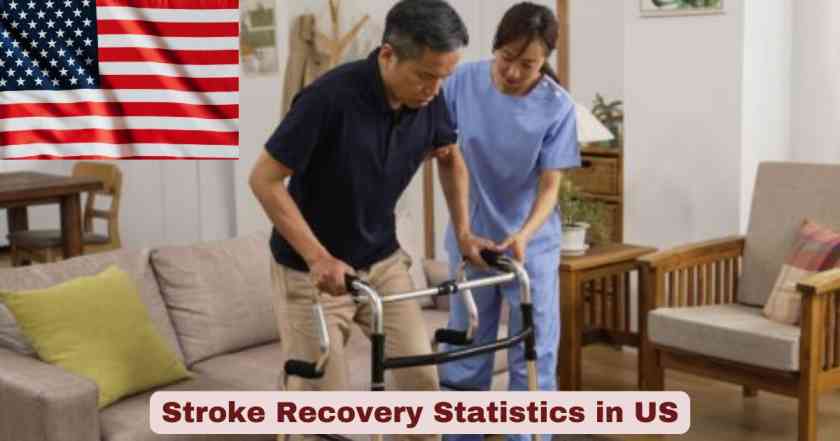
Stroke Recovery in US 2025
Stroke recovery remains one of the most critical healthcare challenges facing the United States in 2025, with recovery outcomes varying significantly based on multiple factors including the timing of treatment, rehabilitation intensity, and individual patient characteristics. The landscape of stroke recovery has evolved substantially, driven by advances in acute stroke interventions, evidence-based rehabilitation protocols, and growing recognition of the importance of early intensive therapy. Understanding current stroke recovery statistics provides essential insights for patients, families, healthcare providers, and policymakers working to improve outcomes for the more than 795,000 Americans who experience a stroke annually.
The journey of stroke recovery extends far beyond the initial acute treatment phase, encompassing months to years of rehabilitation, lifestyle modifications, and ongoing medical management. Recent data from the Centers for Disease Control and Prevention (CDC) and the American Heart Association reveals that while mortality rates have shown modest improvement with the stroke death rate decreasing from 39.5 per 100,000 in 2022 to 39.0 per 100,000 in 2023, the burden of long-term disability remains substantial. Stroke continues to be a leading cause of serious long-term disability in the United States, with more than half of stroke survivors age 65 and older experiencing reduced mobility. These statistics underscore the critical importance of comprehensive stroke recovery programs and highlight the need for continued investment in rehabilitation services, research, and patient education to optimize functional outcomes and quality of life for survivors.
Interesting Facts and Latest Statistics on Stroke Recovery in the US 2025
| Key Stroke Recovery Fact | 2025 Statistics/Data |
|---|---|
| Annual stroke incidence in US | 795,000 people experience a stroke each year |
| First-time vs recurrent strokes | 610,000 are first strokes; 185,000 are recurrent strokes |
| Stroke occurrence frequency | Every 40 seconds, someone in the US has a stroke |
| Stroke death frequency | Every 3 minutes and 14 seconds, someone dies from stroke |
| Stroke-related deaths from cardiovascular disease | 1 in 6 deaths (17.5%) from cardiovascular disease is due to stroke |
| Complete recovery rate | Approximately 10 percent of patients recover almost completely |
| Minor impairments rate | About 25 percent experience only minor impairments |
| Moderate to severe disability rate | Roughly 40 percent face moderate to severe disabilities requiring specialized care |
| Good outcome recovery within 1 year | More than 40 percent recover to good outcomes within 1 year after treatment optimization |
| Functional independence after intensive rehab | 72.8 percent achieve functional independence upon discharge |
| Ischemic stroke percentage | 87 percent of all strokes are ischemic strokes |
| Hemorrhagic stroke percentage | 13 percent are hemorrhagic strokes |
| Stroke as disability cause | Stroke is the #1 cause of adult disability in the USA |
| Economic impact | Stroke costs nearly $56.2 billion annually (2019-2020 data) |
Data sources: Centers for Disease Control and Prevention (CDC), American Heart Association 2025 Heart Disease and Stroke Statistics, National Institute of Neurological Disorders and Stroke (NINDS), National Center for Health Statistics
The current stroke recovery statistics paint a complex picture of outcomes in the United States for 2025. The data reveals that stroke affects nearly 800,000 Americans annually, with every 40 seconds marking another stroke occurrence nationwide. The severity of stroke as a public health crisis becomes evident when examining mortality figures showing that every 3 minutes and 14 seconds, a life is lost to stroke in this country. Among cardiovascular disease deaths, stroke accounts for a substantial 17.5 percent, representing 1 in 6 deaths. However, the picture is not entirely bleak, as recovery data shows variability in outcomes based on multiple factors.
Recovery outcomes demonstrate significant variation across the stroke survivor population. Research indicates that approximately 10 percent of stroke patients achieve nearly complete recovery, particularly when treatment begins early within 30 days of the stroke event. An additional 25 percent experience only minor impairments that allow them to maintain substantial independence. However, a considerable portion—roughly 40 percent of survivors—face moderate to severe disabilities necessitating ongoing specialized care and support. The encouraging finding that more than 40 percent recover to good outcomes within 1 year following successful treatments and health optimization underscores the critical importance of comprehensive acute care and rehabilitation services. The data further reveals that 87 percent of strokes are ischemic strokes caused by blood flow blockage, while 13 percent are hemorrhagic strokes involving bleeding in the brain. With stroke being the #1 cause of adult disability in America and costing nearly $56.2 billion annually, these statistics emphasize the urgent need for enhanced prevention strategies, improved acute treatment protocols, and comprehensive stroke recovery programs.
Stroke Recovery Timeline and Outcomes in the US 2025
| Recovery Timeframe | Expected Outcomes and Recovery Statistics in 2025 |
|---|---|
| First 24-48 hours | Rehabilitation begins; critical window for treatment initiation |
| First 3 months post-stroke | Most dramatic improvements occur; 70 percent of patients follow proportional recovery rule; intensive rehabilitation period with 3 hours daily therapy minimum |
| 3-6 months post-stroke | Continued significant functional gains; spontaneous biological recovery slows; 60 percent of non-ambulatory patients regain walking ability by 6 months with rehabilitation |
| 6-12 months post-stroke | Ongoing functional improvements; over 50 percent of survivors recover capacity for activities of daily living; detectable improvements in motor function and self-reported health |
| 1 year post-stroke | 40 percent achieve good outcomes with proper treatment; 40 percent of survivors remain physically inactive |
| Beyond 1 year | Continued recovery possible with consistent rehabilitation; neuroplasticity remains active with dedicated therapy |
| Functional independence at discharge | 72.8 percent achieve functional independence (mRS 0-2) after comprehensive rehabilitation |
| Motor domain independence | 13 percent at admission, 30 percent at discharge, 76 percent at six months achieve complete/partial independence |
| Cognitive domain independence | 61 percent at admission, 75 percent at discharge, 86 percent at six months achieve complete/partial independence |
Data sources: American Heart Association, National Institute of Neurological Disorders and Stroke (NINDS), CDC National Center for Health Statistics, peer-reviewed rehabilitation research studies 2023-2025
Understanding the stroke recovery timeline is essential for patients, families, and healthcare providers to set realistic expectations and optimize rehabilitation strategies. The recovery journey begins immediately following the acute event, with rehabilitation typically starting within the critical 24-48 hour window after stroke onset. This early initiation is vital, as evidence consistently demonstrates that starting rehabilitation as soon as possible after the cause of the stroke is treated significantly improves outcomes. During this initial period, healthcare teams conduct comprehensive assessments to evaluate the extent of deficits and begin formulating individualized rehabilitation plans.
The first 3 months post-stroke represent the most intensive and critical rehabilitation period, often referred to as the window of maximal spontaneous recovery. During this timeframe, approximately 70 percent of stroke survivors demonstrate recovery patterns consistent with the proportional recovery rule, showing improvements that reflect the brain’s natural healing processes. Patients participating in intensive rehabilitation programs receiving a minimum of 3 hours of daily therapy for at least 5 days per week show significantly better functional outcomes. Research confirms that this therapy intensity is the gold standard for maximizing neuroplasticity, the brain’s remarkable ability to rewire itself and relearn lost skills. The 3-6 month period continues to show substantial functional gains, though spontaneous biological recovery begins to slow. Remarkably, 60 percent of patients who were non-ambulatory and participated in inpatient rehabilitation regain the ability to walk by the 6-month mark, demonstrating the brain’s resilience with proper therapeutic intervention. Between 6-12 months post-stroke, survivors continue experiencing detectable improvements, with over 50 percent recovering the capacity to perform activities of daily living. At the 1-year milestone, more than 40 percent achieve good outcomes when receiving optimal treatment and health optimization. However, concerning data shows that 40 percent of stroke survivors report being physically inactive 1 year after their stroke, highlighting the need for better long-term engagement strategies. Recovery continues beyond 1 year, as the brain maintains neuroplastic capabilities with dedicated rehabilitation, though progress typically occurs at a slower pace requiring sustained commitment.
Rehabilitation Intensity and Functional Recovery Statistics in the US 2025
| Rehabilitation Factor | Impact on Recovery Outcomes in 2025 |
|---|---|
| Minimum effective therapy duration | 3 hours daily, 5 days per week considered gold standard for neuroplasticity activation |
| Intensive therapy outcomes (>3 hours daily) | Significantly greater functional gains compared to <3 hours daily; average 26-point FIM improvement (national average 24 points) |
| Training over 120 hours total | Leads to substantial improvements in motor functions and independence |
| Combined physical and occupational therapy | Enhanced recovery prospects; higher likelihood of regaining mobility, arm function, and daily activities |
| Early rehabilitation (within 24-48 hours) | Vital for optimal outcomes; reduces disability and improves long-term functional status |
| Subacute period intervention (2-3 months) | Most clinically significant improvements; +6.87 ± 2.63 ARAT points improvement vs control |
| FIM score improvement rates | Median scores: 86 at admission, 102 at discharge, 119 at six-month follow-up |
| Discharge destination with intensive rehab | 100 percent to community (vs 80 percent nationally); 93 percent remain in community at 3 months |
| Patient satisfaction with intensive rehab | 100 percent overall satisfaction with staff, treatment plan, care received, and progress |
| Robotic-assisted therapy effectiveness | Moderate but statistically significant effect (SMD = 0.59, 95% CI: [0.33; 0.84], p < 0.001) |
Data sources: American Heart Association Guidelines for Adult Stroke Rehabilitation and Recovery, VA Stroke Optimization Active Rehabilitation (SOAR) Program, Centers for Medicare & Medicaid Services IRF regulations, Systematic reviews and meta-analyses 2024-2025
The intensity and timing of rehabilitation therapy serve as critical determinants of stroke recovery outcomes in 2025. Current evidence-based guidelines establish 3 hours of daily therapy for at least 5 days per week as the gold standard for inpatient rehabilitation facilities (IRFs) treating stroke patients. This intensive approach is not arbitrary but rather grounded in neuroscience research demonstrating that this level of intensity optimally activates neuroplasticity mechanisms, enabling the brain to rewire neural pathways and relearn lost skills. Medicare regulations for IRFs specifically mandate this 3-hour minimum, recognizing that lower therapy doses produce inferior functional outcomes.
Comparative studies consistently demonstrate that patients receiving more than 3 hours of therapy daily achieve significantly greater functional gains than those receiving less intensive rehabilitation. Data from the VA’s Stroke Optimization Active Rehabilitation (SOAR) Program exemplifies these outcomes, showing an average improvement of 26 points on the Functional Independence Measure (FIM) from admission to discharge, exceeding the national average of 24 points. More remarkably, 100 percent of SOAR program participants were discharged to community settings compared to 80 percent nationally, and 93 percent remained living in the community at the 3-month follow-up. Patient and caregiver satisfaction reached 100 percent across all measured domains including staff quality, treatment plans, care received, length of stay, training provided, and overall progress, validating the intensive rehabilitation model.
Research further indicates that cumulative therapy hours matter tremendously, with studies showing that training totaling over 120 hours leads to substantial improvements in motor functions and independence. The combination of physical therapy and occupational therapy enhances recovery prospects beyond what either discipline achieves alone, with patients receiving adequate combined therapy demonstrating higher likelihood of regaining mobility, arm function, and the ability to perform activities of daily living. The timing of intervention proves equally crucial, with early rehabilitation initiated within 24-48 hours being vital for optimal outcomes, while the subacute period intervention delivered between 2-3 months post-stroke produces the most clinically significant improvements, showing an average +6.87 ± 2.63 points on the Action Research Arm Test (ARAT) compared to control groups. Innovative approaches including robotic-assisted therapy have demonstrated moderate but statistically significant effects with a standardized mean difference of 0.59 (95% CI: [0.33; 0.84], p < 0.001), providing additional tools to enhance traditional rehabilitation protocols.
Stroke Recovery by Age and Severity in the US 2025
| Age Group | Survival and Recovery Statistics in 2025 |
|---|---|
| Under 45 years | Survival rates 85-90 percent; highest recovery potential due to superior physiological reserve |
| 18-25 years | Survival rates 94-96 percent; exceptional outcomes due to optimal neuroplasticity |
| 45-64 years | Stroke death rate 23.9 per 100,000 (2022); increased from 20.2 per 100,000 (2012) |
| 65 and older | More than half experience reduced mobility; increased comorbidity burden affects outcomes |
| 75 and older | Survival rates 55-65 percent; multiple factors including reduced cardiac function impact recovery |
| Over 85 years | Survival rates 45-58 percent; highest challenges due to multiple comorbidities |
| Moderate stroke severity | Greater functional recovery in first 3 months compared to severe group |
| Severe stroke patients | Significant changes continue up to 18-24 months when measured by FIM |
| Age and recovery correlation | Reverse correlation between age and FIM improvement; younger patients show better outcomes |
| Stroke survivors under 65 | 38 percent of people hospitalized for stroke in 2014 were less than 65 years old |
Data sources: CDC National Vital Statistics System, American Heart Association 2025 Statistics, National Center for Health Statistics, peer-reviewed studies on age-related stroke outcomes
Age represents one of the most significant predictors of stroke recovery outcomes in the United States for 2025. The data reveals a clear inverse relationship between age and recovery potential, with younger patients demonstrating substantially higher survival rates and better functional outcomes compared to older populations. Patients under 45 years achieve survival rates between 85-90 percent, attributed to their superior physiological reserve and lower burden of comorbid conditions. The youngest age bracket of 18-25 years achieves the most remarkable outcomes with survival rates reaching 94-96 percent, benefiting from optimal neuroplasticity, absence of significant comorbidities, and robust cardiovascular reserve that enables aggressive rehabilitation protocols.
The middle-aged population aged 45-64 years presents a concerning trend, with the stroke death rate increasing from 20.2 per 100,000 in 2012 to 23.9 per 100,000 in 2022, reflecting rising risk factors including obesity, hypertension, diabetes, and sedentary lifestyles in this demographic. This age group’s deteriorating outcomes underscore the urgent need for enhanced prevention strategies targeting modifiable risk factors during middle age. Older adults aged 65 and older face increased challenges, with more than half experiencing reduced mobility following stroke. The comorbidity burden, including heart disease, diabetes, and chronic kidney disease, significantly impacts their recovery trajectory and functional outcomes.
Elderly patients aged 75 and older experience survival rates between 55-65 percent, with recovery complicated by multiple factors including reduced cardiac function, medication complications, and delayed recovery processes. The oldest age group, those over 85 years, faces the greatest challenges with survival rates dropping to 45-58 percent, reflecting the cumulative impact of advanced age, multiple comorbidities, frailty, and decreased physiological reserve. Beyond survival, stroke severity significantly influences recovery patterns. Patients with moderate stroke severity demonstrate greater functional recovery during the critical first 3 months compared to those with severe strokes. However, patients with severe strokes continue showing significant functional changes for extended periods up to 18-24 months when measured using the Functional Independence Measure (FIM), suggesting that this population benefits from prolonged rehabilitation interventions. Research confirms a reverse correlation between age and FIM improvement, with younger patients consistently achieving better functional outcomes. The data showing that 38 percent of people hospitalized for stroke in 2014 were less than 65 years old highlights that stroke is not exclusively a disease of the elderly and emphasizes the need for age-appropriate rehabilitation strategies across all age groups.
Disability and Long-Term Outcomes After Stroke in the US 2025
| Disability Measure | Statistics and Outcomes in 2025 |
|---|---|
| Stroke as disability cause | Leading cause of serious long-term disability; #1 cause of adult disability in USA |
| Mobility reduction in older adults | More than 50 percent of stroke survivors age 65 and older experience reduced mobility |
| Complete/partial motor independence at 6 months | 76 percent achieve score of 6 or 7 on motor domain tasks |
| Complete/partial cognitive independence at 6 months | 86 percent achieve score of 6 or 7 on cognitive domain tasks |
| Community-dwelling survivors with disabilities | Approximately one-third have disabilities |
| Impaired mobility long after stroke | Approximately 50 percent experience impaired mobility long-term |
| Cognitive impairments | Many experience prolonged reduction in memory, problem-solving, and spatial orientation |
| Physical inactivity at 1 year | 40 percent report being physically inactive 1 year after stroke |
| Activities of daily living recovery | Over 50 percent recover capacity to perform ADLs |
| Functional disability 5 years post-MT | About 31-36 percent remain functionally disabled 5 years after mechanical thrombectomy |
Data sources: Centers for Disease Control and Prevention, American Heart Association, National Institute of Neurological Disorders and Stroke, Population-based disability studies 2023-2025
The long-term disability burden following stroke remains substantial in the United States for 2025, with stroke maintaining its position as the leading cause of serious long-term disability and the #1 cause of adult disability in the nation. The impact extends across multiple functional domains, affecting mobility, cognition, communication, and the ability to perform basic and instrumental activities of daily living. More than 50 percent of stroke survivors aged 65 and older experience reduced mobility, significantly impacting their independence and quality of life. This mobility impairment represents one of the most visible and functionally limiting consequences of stroke, often necessitating the use of assistive devices and creating barriers to community participation.
Despite these challenges, recovery data provides some encouragement. By 6 months post-stroke, 76 percent of patients achieve complete or partial independence (scores of 6 or 7) on individual functional tasks within the motor domain, while 86 percent achieve similar independence levels in the cognitive domain. These statistics demonstrate that while initial impairments may be severe, many stroke survivors make substantial functional gains with appropriate rehabilitation. However, approximately one-third of community-dwelling stroke survivors continue living with disabilities, and approximately 50 percent experience impaired mobility long after their stroke, highlighting the chronic nature of stroke-related disability.
The cognitive and emotional impacts warrant equal attention. Many stroke survivors experience prolonged reductions in cognitive abilities including memory, problem-solving, and spatial orientation, which can be as functionally limiting as physical impairments yet often receive less recognition and treatment. The statistic showing 40 percent of stroke survivors report being physically inactive 1 year after their stroke is particularly concerning, as physical inactivity both results from and contributes to ongoing disability, creating a negative cycle. Physical activity has been shown to boost stroke recovery outcomes, making engagement in regular exercise a critical component of long-term recovery. On a more positive note, over 50 percent of stroke survivors recover the capacity to perform activities of daily living, which represents a meaningful threshold for maintaining independence and quality of life. Data from patients who received advanced acute interventions like mechanical thrombectomy indicates that about 31-36 percent remain functionally disabled 5 years post-stroke, demonstrating that while modern acute treatments improve survival and reduce disability, a substantial proportion of survivors continue facing long-term functional limitations requiring ongoing support and services.
Stroke Recurrence Rates and Secondary Prevention in the US 2025
| Recurrence Timeframe | Recurrence Statistics in 2025 |
|---|---|
| Annual recurrent strokes in US | Approximately 185,000 of 795,000 annual strokes are recurrent (23-25 percent) |
| Recurrence within first 30 days | 1.2-3 percent have another stroke within first 30 days |
| Recurrence within 90 days | 3.4-9 percent within first 90 days (3 months) |
| Recurrence within 1 year | 7.4-16 percent within 1 year; rate varies by study population |
| Recurrence within 5 years | 12-19.4 percent within 5 years; reduced from 18 percent (1995-1999) to 12 percent (2000-2005) |
| Nearly 1 in 4 survivors | Will have another stroke in their lifetime (23-25 percent) |
| Recurrence rate at 1 year | 9.96 percent in recent multicenter analysis |
| Combined death/stroke recurrence at 1 year | 21.83 percent within 365 days |
| Secondary prevention impact | Preventive care can reduce second stroke risk by up to 80 percent |
| Annual recurrence rate by year | Year 1: 7.4%; Year 2: 3.7%; Year 3: 2.8%; Year 4: 2.9%; Year 5: 2.6% |
Data sources: CDC, American Heart Association, American Stroke Association, Johns Hopkins Medicine, World Stroke Organization Global Stroke Fact Sheet 2025, multicenter recurrence studies
Stroke recurrence represents a major concern for survivors, with approximately 185,000 of the 795,000 annual strokes in the United States being recurrent events, meaning that 23-25 percent of strokes occur in individuals who have previously experienced a stroke. The risk of recurrence follows a predictable temporal pattern, with the highest risk occurring in the immediate post-stroke period. Between 1.2-3 percent of stroke survivors experience another stroke within the first 30 days, highlighting the critical importance of early secondary prevention interventions. This risk increases to 3.4-9 percent within the first 90 days (3 months), and 7.4-16 percent within the first year, with variation depending on study populations and secondary prevention implementation.
The 5-year recurrence rate ranges from 12-19.4 percent, representing a modest improvement from historical rates of 18 percent (1995-1999) to 12 percent (2000-2005), though rates have shown little further improvement since 2005 despite advances in secondary prevention management. Recent multicenter analysis indicates a stroke recurrence rate of 9.96 percent within one year, with a combined death or stroke recurrence rate reaching 21.83 percent within 365 days, underscoring both the severity of recurrence and associated mortality. The statistic that nearly 1 in 4 stroke survivors will have another stroke emphasizes the chronic nature of cerebrovascular disease and the lifelong need for risk factor management.
Annual recurrence rates decline progressively after the first year, with 7.4 percent in year one, 3.7 percent in year two, 2.8 percent in year three, 2.9 percent in year four, and 2.6 percent in year five, though even these lower rates represent significant absolute numbers given the large survivor population. The encouraging finding is that preventive care measures can reduce the risk of a second stroke by up to 80 percent, demonstrating the substantial potential of comprehensive secondary prevention strategies. These measures include lifestyle modifications such as maintaining a balanced diet, staying physically active, managing blood pressure, controlling cholesterol, managing diabetes, and adhering to prescribed antithrombotic medications. However, implementation remains suboptimal, with prescription rates and adherence to secondary prevention medications showing little change since 2005, explaining the stagnant recurrence rates despite available effective interventions. Key risk factors for recurrence identified in recent studies include history of prior stroke, smoking, hypertension, diabetes mellitus, atrial fibrillation, increased stroke severity at initial presentation, receiving tissue plasminogen activator (tPA), experiencing seizures, and presence of depression. Addressing these modifiable risk factors through targeted interventions represents a critical opportunity to reduce the substantial burden of recurrent strokes in the United States.
Healthcare Utilization and Economic Impact of Stroke Recovery in the US 2025
| Healthcare Factor | Statistics and Economic Data in 2025 |
|---|---|
| Total annual stroke-related medical encounters | Over 2.6 million annually |
| Physician office visits | 2.2 million visits reflecting critical role of outpatient follow-up care |
| Emergency department visits | 448,000 ED visits for acute stroke requiring urgent intervention |
| Stroke-related costs (2019-2020) | Nearly $56.2 billion including healthcare services, medicines, and missed work |
| Stroke as percentage of national health expenditures | 1.7 percent of total national health expenditures |
| Global estimated cost | Over $890 billion (0.66 percent of global GDP) |
| Typical hospital stay after stroke | 5-7 days average acute care hospitalization |
| Inpatient rehabilitation average stay | Approximately 2 weeks in IRF vs about 1 month in SNF |
| Access to timely advanced stroke care | 20 percent of US adult population (49 million people) live beyond 60-minute drive time |
| Stroke prevalence projected growth | Expected to increase from 3.1 percent to 3.88 percent by 2030 |
Data sources: CDC National Hospital Ambulatory Medical Care Survey, American Heart Association 2025 Statistics, World Stroke Organization Global Stroke Fact Sheet 2025, Healthcare utilization studies 2024-2025
The healthcare utilization and economic burden associated with stroke recovery in the United States for 2025 is substantial and growing. The US healthcare system manages over 2.6 million stroke-related medical encounters annually, placing considerable demand on clinical services across the care continuum. The majority of these encounters—2.2 million visits—occur in physician offices, reflecting the critical role of primary care and neurology follow-up in post-stroke recovery, secondary prevention efforts, and ongoing chronic disease management. Meanwhile, 448,000 emergency department visits annually underscore the acute onset and severe nature of many stroke episodes requiring urgent intervention, emphasizing the importance of efficient stroke identification systems, timely emergency response protocols, and strong coordination between emergency and definitive care settings.
The economic impact is staggering, with stroke-related costs totaling nearly $56.2 billion between 2019-2020, encompassing the cost of healthcare services, medications to treat stroke, and missed days of work due to disability. Stroke currently accounts for 1.7 percent of national health expenditures, a figure projected to climb as the population ages and stroke prevalence increases. Globally, the estimated cost of stroke exceeds $890 billion, representing 0.66 percent of global GDP, highlighting the worldwide economic burden of cerebrovascular disease. The typical acute care hospital stay following stroke averages 5-7 days, during which patients receive critical acute interventions and initial rehabilitation assessments. Following acute care, patients transition to various post-acute settings based on functional status and rehabilitation needs.
Inpatient rehabilitation facilities (IRFs) provide the most intensive rehabilitation, with patients typically staying approximately 2 weeks and receiving at least 3 hours of therapy daily for 5 days per week. In contrast, skilled nursing facilities (SNFs) provide less intensive rehabilitation, with average stays of about 1 month and 1-2 hours of daily therapy. While IRF care is more intensive and shorter in duration, systematic reviews and observational studies indicate better adjusted functional outcomes compared to SNFs, though care setting decisions must balance individual patient needs, insurance coverage, and geographic availability. Geographic disparities in access present additional challenges, with approximately 20 percent of the US adult population—49 million people—residing in census tracts beyond a 60-minute drive from advanced stroke care facilities. These areas often have higher prevalence of stroke risk factors, compounding the access problem. Looking forward, stroke prevalence is projected to increase from 3.1 percent to 3.88 percent of adults by 2030, driven by the aging baby boomer generation and increasing incidence of chronic diseases. This projected growth will place even greater demand on healthcare systems, necessitating expanded rehabilitation capacity, improved care coordination, and enhanced preventive strategies to manage both the clinical and economic burden of stroke recovery in the coming years.
Racial and Ethnic Disparities in Stroke Recovery Outcomes in the US 2025
| Population Group | Disparity Statistics in 2025 |
|---|---|
| Non-Hispanic Black adults first stroke risk | Nearly twice as high as Non-Hispanic White adults |
| Non-Hispanic Black and Pacific Islander death rates | Highest stroke-related death rates among all racial groups |
| Black men stroke death rates (ages 45-64) | 2-3 times higher than all other race and Hispanic-origin groups in each region |
| Black women stroke death rates (ages 45-64) | 2-5 times higher than all other race and Hispanic-origin groups depending on region |
| Black men highest rate region (South) | 65.7 per 100,000 stroke death rate |
| Black women rates by region | Midwest: 41.0; South: 41.6; West: 45.0; Northeast: 26.9 per 100,000 |
| Socioeconomic status impact on recovery | Lower SES associated with barriers to specialized rehabilitation services and prolonged recovery |
| Educational level and outcomes | Lower education linked to reduced health literacy and worse adherence to rehabilitation |
| Census tracts lacking timely access | Higher prevalence of health risk factors in areas beyond 60-minute drive to stroke care |
Data sources: CDC National Center for Health Statistics, American Heart Association 2025 Statistics, CDC NCHS Data Brief on Stroke Death Rates, Sociodemographic studies on rehabilitation outcomes 2024-2025
Significant racial and ethnic disparities persist in stroke incidence, mortality, and recovery outcomes in the United States for 2025, representing one of the most concerning inequities in American healthcare. Non-Hispanic Black adults face nearly twice the risk of experiencing a first stroke compared to Non-Hispanic White adults, a disparity that reflects cumulative effects of social determinants of health, higher prevalence of risk factors including hypertension and diabetes, and potentially differential access to preventive care. Even more troubling, Non-Hispanic Black and Pacific Islander adults exhibit the highest stroke-related death rates among all racial groups, indicating both higher incidence and worse outcomes following stroke events.
Age-specific data reveals the stark magnitude of these disparities. Among adults aged 45-64 years, Black men have stroke death rates 2-3 times higher than all other race and Hispanic-origin groups across every region of the country, with the South showing the highest rate at 65.7 per 100,000. Black women in this age group face even more severe disparities, with stroke death rates 2-5 times higher than other groups depending on region. The regional variation among Black women is notable, with rates of 41.0 per 100,000 in the Midwest, 41.6 in the South, 45.0 in the West, and 26.9 in the Northeast, suggesting that geographic and regional factors interact with race to influence outcomes.
Socioeconomic status (SES) emerges as a critical factor influencing stroke recovery outcomes, with individuals from lower SES backgrounds encountering significant barriers in accessing specialized stroke rehabilitation services, experiencing prolonged recovery periods, and achieving less favorable functional outcomes. Lower SES is associated with reduced transportation access to rehabilitation appointments, inability to afford outpatient therapy copayments, limited availability of home modifications to accommodate disabilities, and reduced access to assistive devices and technologies that facilitate independence. Educational level correlates strongly with recovery outcomes, as individuals with lower educational attainment often have reduced health literacy, making it more difficult to understand rehabilitation instructions, medication regimens, and lifestyle modification recommendations necessary for optimal recovery and secondary prevention.
Geographic factors compound these disparities, with census tracts lacking timely access to advanced stroke care facilities—those beyond a 60-minute drive—demonstrating higher prevalence of stroke risk factors and often correlating with areas where racial and ethnic minorities and lower-income populations reside. This creates a double burden where populations at highest risk for stroke face the greatest barriers to receiving timely acute treatment and accessing comprehensive rehabilitation services. Addressing these pervasive racial, ethnic, and socioeconomic disparities requires multifaceted interventions including expanding access to preventive care in underserved communities, improving health literacy through culturally tailored educational programs, increasing availability of rehabilitation services in underserved areas, enhancing care coordination following hospital discharge, implementing community health worker programs, and addressing upstream social determinants including poverty, food insecurity, housing instability, and environmental factors that contribute to elevated stroke risk and impaired recovery outcomes among vulnerable populations.
Emerging Stroke Recovery Interventions and Technologies in the US 2025
| Intervention Type | Evidence and Application in 2025 |
|---|---|
| Robotic-assisted rehabilitation | Moderate statistically significant effect (SMD = 0.59, 95% CI: [0.33; 0.84], p < 0.001); increasingly integrated into standard rehabilitation |
| Constraint-induced movement therapy (CIMT) | Strong evidence for upper extremity recovery; requires intensive 2-6 hours daily for 2-3 weeks |
| Virtual reality rehabilitation | Growing evidence base; improves motor function, balance, and patient engagement |
| Transcranial magnetic stimulation (TMS) | Emerging evidence for enhancing motor recovery when combined with physical therapy |
| Brain-computer interfaces | Investigational stage; showing promise for severe motor impairments |
| Telerehabilitation services | Expanded access during and after COVID-19; addresses geographic barriers to care |
| Task-specific training intensity | Evidence supports high-intensity, repetitive, task-specific practice for motor learning |
| Early supported discharge programs | Reduces length of hospital stay without compromising outcomes for selected patients |
| Intensive comprehensive aphasia programs | 60+ hours over 2-4 weeks shows meaningful communication improvements |
Data sources: Systematic reviews and meta-analyses 2023-2025, American Heart Association Guidelines for Adult Stroke Rehabilitation, NIH/NINDS-funded research trials, FDA-cleared rehabilitation devices
The landscape of stroke recovery interventions in 2025 has expanded substantially, with emerging technologies and novel therapeutic approaches complementing traditional rehabilitation methods. Robotic-assisted rehabilitation has moved from experimental to increasingly mainstream application, with systematic reviews demonstrating moderate but statistically significant effects with a standardized mean difference of 0.59 (95% CI: [0.33; 0.84], p < 0.001). These robotic devices, including end-effector and exoskeleton systems, enable higher intensity and more repetitive practice than possible with therapist-assisted training alone, while providing precise measurement of performance metrics that inform treatment progression and outcomes assessment.
Constraint-induced movement therapy (CIMT) represents one of the most rigorously studied approaches for upper extremity recovery following stroke, with strong evidence supporting its effectiveness. CIMT protocols typically require intensive practice of 2-6 hours daily for 2-3 weeks, during which the less-affected limb is constrained while the affected limb is engaged in massed practice of functional tasks. This approach capitalizes on neuroplasticity principles and has demonstrated superior outcomes compared to conventional therapy for appropriately selected patients with some residual hand and wrist movement. Virtual reality rehabilitation applications have proliferated, leveraging gaming technology to create engaging, customizable practice environments that improve motor function, balance, and cognitive abilities while maintaining high patient motivation through interactive feedback and gamification elements.
Transcranial magnetic stimulation (TMS) has emerged as a promising adjunctive intervention, with growing evidence that combining TMS with physical therapy enhances motor recovery beyond physical therapy alone. TMS modulates cortical excitability in targeted brain regions, potentially facilitating motor learning and functional reorganization. Brain-computer interfaces remain largely investigational but represent a frontier technology showing promise for individuals with severe motor impairments who have limited ability to participate in conventional rehabilitation. Telerehabilitation services expanded dramatically during the COVID-19 pandemic and have been maintained in 2025, addressing geographic barriers by enabling remote therapy sessions, though they work best for patients with adequate technology access, internet connectivity, and caregiver support. Evidence continues supporting the core rehabilitation principle that high-intensity, repetitive, task-specific practice drives motor learning and functional recovery, with task specificity meaning practice should closely resemble the actual functional activities patients need to perform in daily life. Early supported discharge programs, which transition appropriate patients from hospital to home-based rehabilitation earlier than traditional protocols, have demonstrated the ability to reduce hospital length of stay without compromising functional outcomes for carefully selected patients. For individuals with aphasia (language impairments), intensive comprehensive aphasia programs delivering 60+ hours of therapy over 2-4 weeks have shown meaningful improvements in communication abilities, demonstrating that the intensity-outcome relationship extends beyond motor recovery to language and cognitive rehabilitation domains. These emerging interventions and technologies represent important additions to the stroke recovery toolkit, though successful implementation requires appropriate patient selection, adequate training of rehabilitation professionals, consideration of cost-effectiveness, and integration into comprehensive rehabilitation programs rather than standalone applications.
Disclaimer: This research report is compiled from publicly available sources. While reasonable efforts have been made to ensure accuracy, no representation or warranty, express or implied, is given as to the completeness or reliability of the information. We accept no liability for any errors, omissions, losses, or damages of any kind arising from the use of this report.