
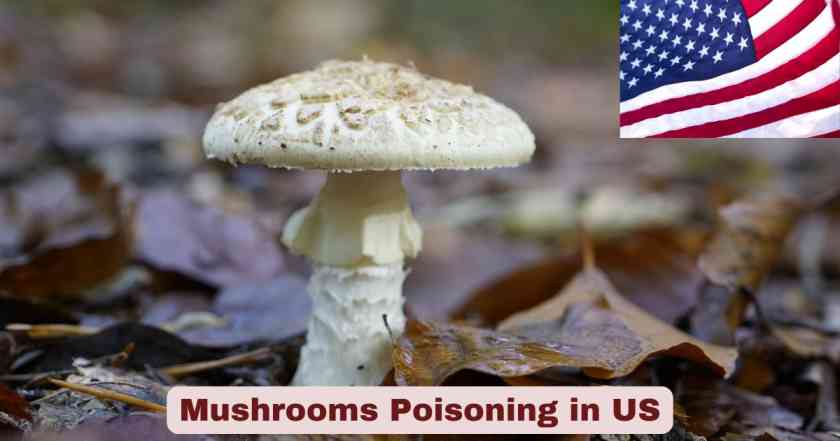
Mushrooms Poisoning in America 2025
Mushroom poisoning remains a significant public health concern across the United States, with thousands of Americans experiencing toxic exposures annually. The landscape of mushroom-related poisonings has evolved dramatically, particularly as wild mushroom foraging gains unprecedented popularity nationwide. From backyard explorers to seasoned foragers, individuals of all ages continue to face life-threatening risks when consuming unidentified fungi. The most recent data reveals that the United States records over 7,400 mushroom exposure cases each year, with children under six years old accounting for more than half of all incidents.
The severity of mushroom poisoning in the US extends far beyond simple gastrointestinal discomfort. While approximately 86% of exposures result in no harm or only minor symptoms, the remaining cases can progress to catastrophic outcomes including acute liver failure, kidney damage, neurological complications, and death. Amatoxin-containing mushrooms, particularly the notorious death cap (Amanita phalloides), are responsible for more than 90% of all mushroom-related fatalities in America. The December 2025 California outbreak, which claimed 1 life and hospitalized multiple patients including children, underscores the ongoing danger that toxic mushrooms pose to public health, especially during optimal growing seasons when rainfall creates ideal conditions for deadly species to proliferate.
Interesting Facts About Mushroom Poisoning in the US 2025
| Mushroom Poisoning Facts | Details |
|---|---|
| Total Annual Mushroom Exposures in US | Over 7,400 cases per year (based on 2023 National Poison Data System data) |
| Children Under 6 Years Affected | More than 62% of all mushroom poisoning cases |
| Most Dangerous Mushroom Species | Death cap (Amanita phalloides) – responsible for over 90% of mushroom-related deaths |
| Recent California Outbreak (December 2025) | 21 confirmed poisoning cases, 1 death, multiple patients with severe liver damage |
| Average Annual Fatalities | Approximately 2.9 deaths per year from mushroom poisoning nationwide |
| Emergency Department Visits (2016) | 1,328 ED visits associated with accidental mushroom ingestion |
| Hospitalizations (2016) | 100 hospitalizations with average length of stay of 2.4 days |
| Peak Poisoning Season | Summer and fall months, particularly after rainfall |
| Most Affected US Region | Western United States accounts for 37.3% of all ED visits |
| Liver Transplant Cases | Approximately 10-15% of severe amatoxin poisoning cases require emergency liver transplantation |
| Symptom Onset for Deadly Mushrooms | 6-24 hours after ingestion (delayed onset indicates potentially fatal poisoning) |
| Mortality Rate for Amatoxin Poisoning | 10-15% overall mortality rate even with aggressive treatment |
| Number of Toxic Mushroom Species in US | Approximately 100 species out of 100,000 mushroom species worldwide |
| California Annual Mushroom Poisoning Cases | Hundreds of cases reported to California Poison Control System annually |
| Midwest Regional Increase (2024) | 246% increase in poison control calls (from 26 calls to 90 calls in 4-month period) |
Data sources: National Poison Data System (NPDS) 2023 Annual Report, CDC MMWR, California Department of Public Health, America’s Poison Centers
The statistics paint a sobering picture of mushroom poisoning prevalence across the United States. With over 4,500 cases of unidentified mushroom exposure reported to America’s Poison Centers in 2023 alone, the public health burden remains substantial. What makes these figures particularly alarming is the demographic distribution—more than 62% of mushroom poisoning cases involve children under six years old, who often pick and consume wild mushrooms during outdoor play without understanding the deadly consequences. The December 2025 California outbreak demonstrates how quickly mushroom poisoning can escalate, with 21 confirmed cases emerging in clusters around the Monterey and Bay Area regions, resulting in one fatality and several patients requiring intensive care for severe liver damage.
The geographic concentration of mushroom poisoning cases reveals critical patterns about where Americans face the greatest risk. The Western United States accounts for 37.3% of all emergency department visits related to mushroom poisoning, followed by the South at 28%, the Midwest at 18.5%, and the Northeast at 16.1%. This regional distribution correlates directly with the prevalence of toxic species like Amanita smithiana, which is particularly common in the Pacific Northwest and causes acute kidney failure. The average cost burden is significant, with hospitalizations averaging $7,626 per patient and aggregate national costs exceeding $762,000 annually. The 2.9 deaths per year from mushroom poisoning, while seemingly small, represent entirely preventable tragedies that devastate families and communities across America.
National Mushroom Poisoning Cases in the US 2023-2025
| Year | Total Exposures Reported | Single-Substance Exposures | Major Harm Cases | Fatalities | Children Under 6 Cases |
|---|---|---|---|---|---|
| 2023 | 4,500+ unidentified mushroom cases | 7,215 single-substance exposures | 1,569 serious exposures | 4 deaths | Approximately 2,790 (62%) |
| 2016-2018 (Multi-year) | 7,428 cases per year average | Data not specified | 704 exposures resulted in major harm | 52 total deaths (2.9/year) | 4,235 per year (62%) |
| 2016 (CDC Study) | Part of 7,428 annual average | Not specified | Not specified | Part of 2.9/year average | Part of 62% demographic |
| 1999-2016 (18-year period) | 133,700 total cases | Not specified | 704 total major harm | 52 total deaths | 83,000+ cases (62%) |
| California Only (1993-1997) | 6,317 exposures over 5 years | 6,201 (98.2%) single substance | Not specified separately | 1 death in study period | 4,235 total (67%) |
Data sources: National Poison Data System 2023 Annual Report, CDC Morbidity and Mortality Weekly Report, America’s Poison Centers, California Poison Control System
The National Poison Data System provides the most comprehensive surveillance of mushroom poisoning incidents across the United States, revealing both encouraging and concerning trends. The 2023 data shows that over 4,500 cases of unidentified mushroom exposure were reported, with 7,215 single-substance mushroom exposures documented through the poison control network. Among these cases, 1,569 exposures were classified as serious, requiring significant medical intervention, and tragically, 4 deaths were recorded for that year alone. The demographic breakdown is particularly striking—approximately 2,790 cases (representing 62% of all exposures) involved children under six years old, highlighting the vulnerability of young children who often encounter mushrooms during outdoor play without recognizing the danger.
Historical data spanning from 1999 to 2016 demonstrates the persistent nature of this public health challenge, with 133,700 total cases documented over the 18-year period, averaging 7,428 cases annually. The long-term fatality rate has remained relatively stable at approximately 2.9 deaths per year, with 52 total deaths recorded during this extended timeframe. California’s five-year study from 1993-1997 provides additional granular insights, documenting 6,317 total exposures with 6,201 cases (98.2%) involving mushrooms as the single toxic substance. The 67% of cases occurring in children under six in California mirrors the national pattern, reinforcing that young children represent the highest-risk demographic for accidental mushroom poisoning across all regions of the United States.
Emergency Department Visits for Mushroom Poisoning in the US 2016
| Metric | Number/Details |
|---|---|
| Total ED Visits (2016) | 1,328 visits (SE = 100) |
| Primary Insurance: Private | 567 visits (42.7%) |
| Primary Insurance: Medicaid | 451 visits (34.0%) |
| Primary Insurance: None/Uninsured | 187 visits (14.1%) |
| Regional Distribution: West | 495 visits (37.3%) |
| Regional Distribution: South | 372 visits (28.0%) |
| Regional Distribution: Midwest | 246 visits (18.5%) |
| Regional Distribution: Northeast | 214 visits (16.1%) |
| Residence: Medium/Small Metro | 497 visits (37.4%) |
| Residence: Suburban Areas | 335 visits (25.2%) |
| Total Hospitalizations (2016) | 100 hospitalizations (SE = 22) |
| Average Length of Stay | 2.4 days (SE = 0.4) |
| Mean Cost Per Hospitalization | $7,626 (SE = 1,407) |
| Total National Hospitalization Costs | $762,574 aggregate costs |
| Serious Adverse Outcomes (2016-2018) | 8.6% of 556 patients (48 patients) |
Data source: CDC Healthcare Cost and Utilization Project (HCUP), National Emergency Department Sample (NEDS) and National Inpatient Sample (NIS) 2016
The Centers for Disease Control and Prevention analysis of 2016 healthcare utilization data provides critical insights into the medical burden of mushroom poisoning across emergency departments nationwide. An estimated 1,328 emergency department visits occurred specifically due to accidental poisonous mushroom ingestion, with the Western United States bearing the highest burden at 495 visits representing 37.3% of the national total. This geographic concentration reflects both the prevalence of deadly mushroom species like Amanita smithiana in the Pacific Northwest and the popularity of mushroom foraging in Western states. The insurance status breakdown reveals that 42.7% of patients had private insurance coverage, while 34.0% relied on Medicaid, and 14.1% were uninsured, suggesting that mushroom poisoning affects Americans across all socioeconomic levels.
The severity of mushroom poisoning cases requiring hospitalization underscores the serious nature of toxic mushroom exposure. In 2016, an estimated 100 patients required inpatient admission, with an average length of stay of 2.4 days and a mean hospitalization cost of $7,626 per patient. The aggregate national hospitalization costs totaled $762,574, representing a significant economic burden on the healthcare system. Analysis of 556 patients who sought medical care for poisonous mushroom ingestion between 2016 and 2018 revealed that 8.6% experienced serious adverse outcomes including liver failure, kidney damage, and death. Patients with Medicaid insurance were significantly more likely to experience serious adverse outcomes (11.5%) compared to those with commercial insurance or Medicare (6.7%), highlighting potential disparities in recognition, treatment timing, or access to specialized care for mushroom poisoning across different populations in the United States.
Types of Mushroom Poisoning Without Statistics
Amatoxin Poisoning (Cyclopeptide Toxicity)
Amatoxin poisoning represents the most lethal form of mushroom toxicity in the United States, primarily caused by ingestion of death cap mushrooms (Amanita phalloides), destroying angel mushrooms (Amanita virosa, Amanita bisporigera, Amanita ocreata), and certain Galerina and Lepiota species. These cyclopeptide toxins work by inhibiting RNA polymerase II, which disrupts protein synthesis at the cellular level, leading to catastrophic hepatocellular necrosis. The clinical presentation follows a characteristic three-phase pattern: an initial asymptomatic latent period lasting six to twenty-four hours, followed by severe gastrointestinal symptoms including profuse watery diarrhea, vomiting, abdominal pain, and dehydration. The third phase, occurring forty-eight to ninety-six hours post-ingestion, involves the onset of fulminant hepatic failure with jaundice, coagulopathy, hepatic encephalopathy, and potential multi-organ failure.
The insidious nature of amatoxin poisoning lies in the deceptive recovery period between the gastrointestinal phase and the onset of liver failure. Patients often feel improved during this “honeymoon phase,” leading to false reassurance before sudden deterioration. Treatment requires aggressive supportive care including fluid resuscitation, correction of coagulopathy, and various pharmacological interventions. Multiple antidotes have been utilized including high-dose intravenous penicillin, N-acetylcysteine, silibinin, and continuous renal replacement therapy to enhance toxin elimination. Despite maximal medical therapy, emergency liver transplantation remains the definitive life-saving intervention when fulminant hepatic failure develops unresponsive to conservative management.
Gyromitrin Poisoning (Monomethylhydrazine Toxicity)
Gyromitrin poisoning occurs following ingestion of false morel mushrooms, primarily Gyromitra esculenta, which contain the toxin gyromitrin that metabolizes into monomethylhydrazine in the gastrointestinal tract. This toxin causes multiple organ system damage through several mechanisms: it inhibits glutamic acid decarboxylase activity, preventing formation of gamma-aminobutyric acid (GABA) and leading to pyridoxine deficiency, resulting in neurological symptoms including seizures. Additionally, gyromitrin demonstrates hepatotoxic properties similar to amatoxins, causing liver damage through oxidative stress and cellular injury. The compound can also induce methemoglobinemia by causing oxidative damage to hemoglobin molecules.
Clinical manifestations of gyromitrin poisoning typically begin four to ten hours after ingestion, presenting with gastrointestinal symptoms, headache, dizziness, fatigue, ataxia, tremor, and nystagmus. Severe cases progress to generalized seizures, altered mental status, hemolysis with hemoglobinemia, and hepatic dysfunction ranging from mild transaminitis to fulminant hepatic failure. The carcinogenic potential of gyromitrin adds long-term health concerns even following sublethal exposures. Treatment focuses on seizure control with benzodiazepines and high-dose pyridoxine, typically administered at seventy milligrams per kilogram with a maximum dose of five grams. For methemoglobinemia, intravenous methylene blue at one to two milligrams per kilogram is administered over at least five minutes. Supportive care includes aggressive fluid resuscitation, correction of electrolyte abnormalities, and monitoring for development of hepatotoxicity requiring management similar to amatoxin poisoning.
Orellanine Poisoning (Delayed Nephrotoxicity)
Orellanine poisoning results from consumption of Cortinarius species mushrooms, particularly Cortinarius orellanus and Cortinarius rubellus, containing the nephrotoxic bipyridine compound orellanine. This toxin exhibits unique delayed toxicity with an extraordinarily long latent period ranging from three days to three weeks, with symptom onset typically occurring around eleven days post-ingestion. The mechanism involves oxidation of orellanine to quinone metabolites that accumulate in renal tubular cells, causing direct cellular damage through covalent binding to biological structures and generation of reactive oxygen species through redox cycling with iron.
The clinical course of orellanine poisoning begins with nonspecific symptoms including nausea, vomiting, abdominal pain, headache, and malaise during the early phase. As renal damage progresses, patients develop intense thirst, polyuria or oliguria, flank pain, and eventually acute kidney injury manifesting as elevated creatinine, decreased urine output, and electrolyte disturbances. Approximately eleven percent of patients progress to end-stage renal disease requiring chronic hemodialysis or kidney transplantation. The extended latency period between ingestion and symptom onset poses significant diagnostic challenges, as patients may not connect their illness to mushroom consumption that occurred weeks earlier. Treatment remains primarily supportive with aggressive fluid management, correction of electrolyte abnormalities, and renal replacement therapy when indicated. The lack of specific antidotes and the severe, often irreversible nature of kidney damage make orellanine poisoning one of the most devastating forms of mushroom toxicity.
Muscarine Poisoning (Cholinergic Syndrome)
Muscarine poisoning occurs after ingestion of mushrooms containing significant quantities of the alkaloid muscarine, primarily species from the Inocybe and Clitocybe genera, particularly Clitocybe dealbata. Contrary to popular belief, Amanita muscaria contains only trace amounts of muscarine and produces toxicity through different compounds. Muscarine acts as a direct agonist at muscarinic acetylcholine receptors throughout the parasympathetic nervous system, triggering widespread cholinergic activation. As a quaternary amine, muscarine cannot cross the blood-brain barrier, limiting toxicity to peripheral effects on the autonomic nervous system.
Symptoms of muscarine poisoning develop rapidly, typically within fifteen to thirty minutes of ingestion, presenting with the classic cholinergic toxidrome remembered by the mnemonic SLUDGE: salivation, lacrimation, urination, defecation, gastrointestinal distress, and emesis. Additional manifestations include diaphoresis, bronchorrhea, bronchospasm, blurred vision due to miosis, bradycardia (though reflex tachycardia may occur), and potentially dangerous hypotension. Severe cases can progress to respiratory failure due to excessive bronchial secretions and bronchospasm. The headache and dizziness occasionally reported result from peripheral cardiovascular and respiratory effects rather than direct central nervous system activity. Treatment involves supportive care with particular attention to airway management and secretion control. Atropine serves as the specific antidote, administered intravenously at doses of 0.5 to 2 milligrams in adults, titrated to effect by monitoring heart rate, blood pressure, and secretion reduction. Most patients recover completely within twenty-four hours with appropriate management.
Psilocybin and Psilocin Poisoning (Hallucinogenic Toxicity)
Psilocybin poisoning results from ingestion of mushrooms containing the indole alkaloids psilocybin and psilocin, found in species including Psilocybe, Conocybe, Gymnopilus, and Panaeolus genera. These compounds function as serotonergic agonists or partial agonists at 5-hydroxytryptamine (5-HT) receptor subtypes, particularly 5-HT2A receptors, producing profound alterations in perception, cognition, and consciousness. Psilocybin is rapidly dephosphorylated to psilocin following ingestion, which crosses the blood-brain barrier to exert psychoactive effects.
Clinical manifestations of psilocybin poisoning begin thirty minutes to two hours after ingestion, producing altered sensory perception, visual and auditory hallucinations, synesthesia, euphoria or dysphoria, time distortion, and significant changes in thought patterns and emotional experiences. Physical symptoms include mydriasis, tachycardia, hypertension, hyperthermia, nausea, tremor, hyperreflexia, and ataxia. While generally considered less dangerous than other forms of mushroom toxicity, serious complications can occur including severe anxiety, panic reactions, traumatic accidents during altered consciousness, serotonin syndrome when combined with other serotonergic medications, and precipitation of psychiatric crises in vulnerable individuals. Young children who accidentally ingest these mushrooms may develop more severe symptoms including seizures, hyperthermia, and loss of consciousness. Treatment focuses on supportive care in a calm, reassuring environment. Benzodiazepines effectively manage anxiety, agitation, and seizures. Most patients recover completely within four to twelve hours as effects naturally resolve, though psychological distress may persist longer following particularly adverse experiences.
Ibotenic Acid and Muscimol Poisoning (Isoxazole Toxicity)
Ibotenic acid and muscimol poisoning occurs following ingestion of Amanita muscaria (fly agaric) and Amanita pantherina mushrooms containing these isoxazole compounds. Ibotenic acid acts as a glutamate receptor agonist with stimulatory effects, while its decarboxylation product muscimol functions as a GABA-A receptor agonist producing inhibitory central nervous system effects. The mushrooms naturally contain both compounds, with the ratio shifting toward muscimol through drying or cooking, accounting for variable clinical presentations. These mushrooms also contain small amounts of anticholinergic compounds contributing to symptom profiles.
The clinical syndrome of ibotenic acid and muscimol poisoning typically manifests thirty minutes to two hours after ingestion with a unique biphasic pattern reflecting the combined stimulatory and depressant neurotransmitter effects. Initial symptoms often include dizziness, ataxia, euphoria, visual distortions, and muscle twitching. As effects progress, patients may experience alternating periods of agitation and sedation, confusion, delirium, hallucinations, dysarthria, and lack of coordination. Physical findings include mydriasis from anticholinergic effects, flushing, tachycardia, muscle fasciculations, myoclonus, hyperreflexia, and potentially seizures. Severe intoxications can lead to profound central nervous system depression, coma, and respiratory depression requiring mechanical ventilation. Unlike most poisonous mushroom ingestions, ibotenic acid and muscimol toxicity causes fever relatively commonly. Treatment remains supportive with benzodiazepines for agitation and seizures, airway protection when indicated, and symptomatic management. Physostigmine, a cholinesterase inhibitor that crosses the blood-brain barrier, has been suggested as an antidote for severe anticholinergic symptoms but should be used cautiously due to potential complications. Most patients recover completely within twelve to twenty-four hours.
Coprine Poisoning (Disulfiram-Like Reaction)
Coprine poisoning represents a unique form of mushroom toxicity that remains entirely harmless unless alcohol is consumed in temporal proximity to the mushroom ingestion. Coprine is found primarily in Coprinus atramentarius (common inky cap) and related species. Following ingestion, coprine is metabolized to 1-aminocyclopropanol, which inhibits aldehyde dehydrogenase, the enzyme responsible for metabolizing acetaldehyde, the primary metabolite of ethanol. This mechanism mirrors that of disulfiram (Antabuse), a medication used to treat alcohol dependence.
When alcohol is consumed anywhere from a few hours before to several days after eating coprine-containing mushrooms, acetaldehyde accumulates in the bloodstream, producing the characteristic disulfiram reaction. Symptoms develop fifteen to thirty minutes after alcohol consumption and include facial flushing, sensation of heat, throbbing headache, palpitations, tachycardia, hypotension, nausea, vomiting, chest pain, dyspnea, sweating, weakness, and anxiety. In severe cases, cardiovascular collapse, cardiac arrhythmias, and shock may occur. The reaction can be triggered by even small amounts of alcohol and may persist for up to five days after mushroom consumption due to the prolonged inhibition of aldehyde dehydrogenase. Treatment is supportive, focusing on fluid resuscitation, antiemetics, and cardiovascular monitoring. Severe hypotension may require vasopressor support. Patients must be counseled to abstain from alcohol for at least five days following consumption of these mushrooms. While the reaction can be extremely unpleasant and occasionally dangerous, it is rarely fatal with appropriate medical management.
Gastrointestinal Irritant Mushrooms
Gastrointestinal irritant mushroom poisoning represents the most common form of mushroom toxicity, caused by a wide variety of species containing various uncharacterized irritant compounds. These mushrooms include numerous “little brown mushrooms” found in yards and parks, small white mushrooms forming fairy rings, Chlorophyllum molybdites (green-spored parasol), Omphalotus species (jack-o’-lantern mushrooms), Lactarius species (milk caps), and many others. The toxins involved are poorly characterized but appear to cause direct mucosal irritation and inflammation of the gastrointestinal tract.
Clinical manifestations of gastrointestinal irritant poisoning develop rapidly, typically within twenty minutes to four hours of ingestion, presenting with nausea, vomiting, abdominal cramping, and diarrhea that may be profuse and watery. Unlike the delayed-onset gastrointestinal symptoms associated with deadly amatoxins, these symptoms occur promptly after eating. The rapid onset actually serves as a favorable prognostic indicator, as life-threatening mushroom poisonings typically exhibit delayed symptom onset beyond six hours. Severe cases may lead to dehydration, electrolyte abnormalities, and hypovolemia requiring medical intervention. Young children and elderly individuals face higher risks of complications due to their decreased physiological reserves. Treatment focuses on symptomatic management with antiemetics, fluid and electrolyte replacement either orally for mild cases or intravenously for severe dehydration. While hospitalization may be required for significant fluid losses, the vast majority of patients recover completely once the irritant has been expelled from the gastrointestinal system, typically within twenty-four hours. The critical importance of distinguishing this syndrome from more dangerous poisonings underscores the necessity of carefully documenting the time from ingestion to symptom onset, as delayed gastrointestinal symptoms beyond six hours raise serious concerns for potentially fatal amatoxin or gyromitrin toxicity.
Regional Mushroom Poisoning Trends in the US 2024-2025
| Region/State | Time Period | Cases Reported | Notable Details |
|---|---|---|---|
| California | December 2025 | 21 confirmed poisonings | 1 death, multiple hospitalizations, severe liver damage cases, children and adults affected |
| California – Monterey Area | December 2025 | Part of 21 total cases | Cluster of poisonings from death cap mushrooms near oak trees |
| California – Bay Area | December 2025 | Part of 21 total cases | Cluster of poisonings requiring hospitalization, at least 1 patient may need liver transplant |
| California (Historical) | Annual average | Hundreds of cases yearly | Ongoing high-risk state for wild mushroom poisoning |
| Minnesota | April-July 2024 | 90 poison control calls | 246% increase from 26 calls same period 2023 |
| Midwest Region | Summer 2024 | Significant surge | Bumper crop of wild mushrooms due to warm, soggy summer |
| Pacific Northwest | Ongoing 2024-2025 | Elevated risk | High prevalence of Amanita smithiana causing kidney failure |
| Western United States | 2016 baseline | 495 ED visits (37.3%) | Highest regional burden nationwide |
| Southern United States | 2016 baseline | 372 ED visits (28.0%) | Second highest regional burden |
| Midwest United States | 2016 baseline | 246 ED visits (18.5%) | Third in regional distribution |
| Northeastern United States | 2016 baseline | 214 ED visits (16.1%) | Lowest regional burden |
Data sources: California Department of Public Health, Minnesota Regional Poison Center, CDC HCUP-NEDS 2016, Regional Poison Control Centers
The 2024-2025 mushroom poisoning trends reveal significant geographic and temporal variations across the United States, driven by environmental conditions favoring mushroom growth and regional foraging culture. The December 2025 California outbreak represents one of the most significant clusters of recent years, with 21 confirmed amatoxin poisoning cases emerging in the Monterey area and Bay Area. The outbreak resulted in one fatality and multiple patients suffering severe liver damage, with at least one individual requiring liver transplant evaluation. Both children and adults were affected, highlighting that toxic mushroom exposure transcends age boundaries when wild foraging occurs. California health authorities emphasized that the risk extends statewide, as fall and winter rainfall creates optimal growing conditions for death cap mushrooms near oak and other hardwood trees throughout the state.
The Midwest experienced a dramatic surge in mushroom-related poison control calls during 2024, with the Minnesota Regional Poison Center documenting a 246% increase in exposures. Between April and July 2024, the center received 90 calls for potential mushroom exposures, compared to only 26 calls during the same period in 2023. This dramatic increase was attributed to the warm, soggy summer that followed several years of severe drought, creating a “perfect storm” for abundant mushroom growth throughout the region. The Minnesota cases included both curious children who encountered mushrooms during outdoor play and experienced foragers who made identification errors. The Western United States continues to bear the highest long-term burden of mushroom poisoning, accounting for 37.3% of all emergency department visits (495 visits in 2016), reflecting both the prevalence of particularly dangerous species like Amanita smithiana in Pacific Northwest forests and the popularity of recreational mushroom foraging in California, Oregon, and Washington. The geographic clustering emphasizes that mushroom poisoning risk in the United States is not uniformly distributed but instead concentrates in regions where toxic species proliferate and foraging culture thrives.
Demographics of Mushroom Poisoning Victims in the US 2016-2025
| Demographic Category | Percentage/Number | Details |
|---|---|---|
| Children Under 6 Years | 62% of all cases | Most vulnerable age group, primarily accidental backyard exposures |
| Children Ages 6-12 Years | 541 cases (California 1993-1997 study) | School-age children with exploratory behavior |
| Adolescents Ages 13-19 Years | 667 cases (California 1993-1997 study) | May involve intentional hallucinogenic mushroom use |
| Adults 20+ Years | 865 cases (California 1993-1997 study) | Primarily foragers misidentifying wild mushrooms |
| Unintentional Exposures | 83% of all cases | Accidental ingestion or misidentification |
| Intentional Exposures | 17% of all cases | Deliberate consumption for recreational/medicinal purposes |
| Male Patients | Data varies by study | Liver transplant study showed 15 males of 39 patients |
| Female Patients | Data varies by study | Liver transplant study showed 24 females of 39 patients |
| Median Age (Liver Transplant Patients) | 41 years (range 36 years) | Adults requiring emergency transplantation for severe poisoning |
| Recent Immigrants | Higher risk subgroup | May mistake US toxic mushrooms for safe species from home countries |
| Foragers/Recreational Mushroom Hunters | Significant proportion of adult cases | Experienced foragers can still make fatal identification errors |
| Medicaid-Insured Patients | 34.0% of ED visits | Experienced higher rates of serious adverse outcomes (11.5%) |
| Privately Insured Patients | 42.7% of ED visits | Lower rates of serious adverse outcomes (6.7%) |
| Uninsured Patients | 14.1% of ED visits | May delay seeking medical care |
Data sources: National Poison Data System, California Poison Control System, CDC Healthcare Utilization Studies, Liver Transplantation Research Studies
The demographic profile of mushroom poisoning victims in the United States reveals distinct patterns across age groups, exposure circumstances, and socioeconomic factors. The most striking finding is that children under six years old account for 62% of all mushroom exposure cases, representing the highest-risk demographic for accidental poisoning. These young children typically encounter mushrooms growing in residential yards, parks, or daycare facilities, picking and eating them during outdoor play without adult supervision or understanding of the danger. The high incidence among toddlers and preschoolers reflects their natural exploratory behavior, tendency to put objects in their mouths, and inability to distinguish poisonous from edible species. California data from 1993-1997 provides additional granularity, documenting 4,235 cases in children under six, 541 cases in children ages six to twelve, 667 cases in adolescents ages thirteen to nineteen, and 865 cases in adults twenty years and older.
The circumstances surrounding mushroom poisoning differ markedly across age groups and demographic characteristics. An overwhelming 83% of all exposures are unintentional, primarily involving young children’s accidental ingestion and adult foragers’ misidentification of wild species they believed to be edible. The remaining 17% of exposures are intentional, often involving adolescents and young adults seeking hallucinogenic effects from psilocybin-containing mushrooms or adults using mushrooms for perceived medicinal purposes. Socioeconomic factors play a role in outcomes, with patients covered by Medicaid experiencing serious adverse outcomes at a rate of 11.5%, nearly double the 6.7% rate observed among those with private insurance or Medicare. This disparity may reflect delayed presentation to healthcare facilities, differences in access to specialized toxicology services, or other social determinants of health. Recent immigrants represent another vulnerable population, as they may mistake deadly North American species for similar-looking edible mushrooms from their countries of origin, leading to catastrophic consequences from confident consumption of familiar-appearing but actually toxic species.
Age-Specific Mushroom Poisoning Patterns in the US 2023-2025
| Age Group | Cases (Number/Percentage) | Common Exposure Scenarios | Typical Severity |
|---|---|---|---|
| Under 1 Year | Part of under-6 demographic | Crawling infants encountering yard mushrooms | Variable, often minimal due to small ingestion amounts |
| 1–5 Years | Approx. 2,790 cases (62% of total) | Backyard play, daycare outdoor areas, parks | Ranges from asymptomatic to severe depending on species |
| 6–12 Years | 541 cases (California 1993–1997) | Exploratory behavior, outdoor play, curiosity | Moderate risk; children can report symptoms |
| 13–19 Years | 667 cases (California 1993–1997) | Intentional hallucinogenic use, foraging experiments | Variable; includes psilocybin-related exposures |
| 20–39 Years | Part of adult demographic | Recreational foraging, misidentification of wild species | Higher risk of serious poisoning from larger ingestions |
| 40–65 Years | Part of adult demographic | Experienced foragers making identification errors | High risk due to confident consumption of larger amounts |
| 65+ Years | Smaller proportion of cases | Immigrant populations mistaking species while foraging | Higher mortality risk due to lower physiological reserve |
| Median Age Requiring Liver Transplant | 41 years (range 36 years) | Severe amatoxin poisoning among adult foragers | Extremely severe, life-threatening |
Data sources: National Poison Data System 2023, California Poison Control System, Medical Toxicology Literature
The age distribution of mushroom poisoning cases demonstrates clear patterns in both exposure circumstances and clinical severity across different life stages. The dominance of children under six years old at 62% of all cases reflects their universal vulnerability to accidental poisoning during the critical developmental period when exploration through touching and tasting objects is developmentally normal behavior. These young children most commonly encounter mushrooms growing in familiar environments—residential lawns, parks, playgrounds, and daycare outdoor spaces—where supervision may be intermittent and toxic species can proliferate unnoticed. While the majority of these pediatric exposures involve small amounts of mushroom material and result in no symptoms or only minor gastrointestinal upset, the occasional ingestion of highly toxic species like death caps can prove fatal even in small quantities.
School-age children and adolescents demonstrate different exposure patterns and risk profiles compared to younger children. The 541 cases in children ages six to twelve documented in California’s five-year study typically involve more deliberate exploratory behavior, with older children possessing greater mobility to encounter mushrooms in diverse outdoor settings but still lacking the knowledge to distinguish dangerous species. Adolescents aged thirteen to nineteen years accounted for 667 cases, with this age group showing a higher proportion of intentional exposures related to experimentation with psilocybin-containing hallucinogenic mushrooms or dare-related behavior. Adult cases, while fewer in raw numbers, carry disproportionately high risks of severe outcomes because adults typically consume larger quantities of misidentified mushrooms with confidence in their identification skills. The median age of 41 years among patients requiring emergency liver transplantation for amatoxin poisoning underscores that middle-aged adults—often experienced foragers who develop false confidence through years of successful mushroom hunting—face the greatest risk of catastrophic poisoning when a single identification error leads to consumption of substantial amounts of deadly species.
Clinical Outcomes of Mushroom Poisoning in the US 2016-2023
| Outcome Category | Number/Percentage | Details |
|---|---|---|
| No Effect or Minor Effect | 86% of all exposures | Patients experienced no symptoms or minimal symptoms not requiring treatment |
| Moderate Effects | Part of remaining 14% | Required medical treatment but no life-threatening complications |
| Major Effects/Life-Threatening | 8.6% of patients seeking medical care | Severe liver damage, kidney failure, neurological complications |
| Deaths (2023) | 4 fatalities | From approximately 7,215 single-substance mushroom exposures |
| Deaths (Annual Average 1999-2016) | 2.9 deaths per year | Consistent fatality rate over 18-year period |
| Deaths (Total 1999-2016) | 52 total fatalities | Cumulative deaths over 18-year surveillance period |
| Emergency Liver Transplants | 10-15% of severe amatoxin cases | Patients with fulminant hepatic failure requiring transplantation |
| Liver Transplant Survivors (1999-2016) | 39 total patients | Required emergency transplantation for mushroom-induced liver failure |
| Kidney Failure from Amanita smithiana | Specific subset of cases | Primarily Pacific Northwest, acute renal failure requiring dialysis |
| Chronic Kidney Disease from Orellanine | 11% of orellanine poisoning cases | Long-term or permanent dialysis dependence |
| Complete Recovery (Gastrointestinal Irritants) | Nearly 100% of cases | Most patients recover within 24 hours with supportive care |
| Serious Adverse Outcomes (Medicaid Patients) | 11.5% | Higher than privately insured patients |
| Serious Adverse Outcomes (Private Insurance) | 6.7% | Lower rate of serious complications |
Data sources: National Poison Data System 2023 Annual Report, CDC Studies, Transplant Registry Data, America’s Poison Centers
The spectrum of clinical outcomes following mushroom poisoning in the United States ranges from completely benign to rapidly fatal, with the vast majority of exposures resulting in no significant harm. An encouraging 86% of all mushroom exposures reported to poison control centers produce either no symptoms or only minor effects that resolve without medical intervention, typically involving species that cause brief gastrointestinal upset without organ damage. This high percentage of benign outcomes reflects that most accidental exposures involve small amounts of moderately toxic or non-toxic species, particularly in young children who may taste but not fully consume mushroom material. However, the remaining 14% of cases that require medical attention include a subset with potentially devastating consequences.
Among patients who sought medical evaluation for mushroom poisoning between 2016 and 2018, approximately 8.6% experienced serious adverse outcomes including organ failure, need for intensive care, and death. The 2023 data documented 4 deaths among approximately 7,215 single-substance mushroom exposures, maintaining the long-term average of 2.9 deaths annually that has remained remarkably consistent over the eighteen-year period from 1999 to 2016. The most catastrophic outcomes involve amatoxin poisoning from death cap mushrooms, where 10-15% of severe cases progress to fulminant hepatic failure requiring emergency liver transplantation. Between 1999 and 2016, a total of 39 patients required emergency liver transplantation specifically for mushroom-induced acute liver failure in the United States. Additionally, Cortinarius mushrooms containing orellanine cause delayed kidney failure, with approximately 11% of poisoned patients developing end-stage renal disease requiring permanent dialysis or kidney transplantation. The disparity in outcomes based on insurance status is particularly striking, with Medicaid-insured patients experiencing serious complications at a rate of 11.5% compared to 6.7% among those with private insurance, suggesting that socioeconomic factors influence both exposure circumstances and healthcare access following poisoning.
Seasonal Patterns of Mushroom Poisoning in the US 2024-2025
| Season/Time Period | Poisoning Activity | Environmental Factors |
|---|---|---|
| Fall (September-November) | Peak poisoning season | Abundant mushroom fruiting after summer/fall rains |
| Summer (June-August) | High poisoning season | Warm temperatures plus moisture create ideal growth conditions |
| Winter (December-February) | Moderate to high risk | California winter rains trigger death cap fruiting near oak trees |
| Spring (March-May) | Moderate risk | Spring morels attract foragers, some toxic look-alikes consumed |
| December 2025 California | Major outbreak period | Winter rainfall created optimal conditions for death caps |
| April-July 2024 Midwest | 246% increase in calls | Warm, soggy summer following years of drought |
| Post-Drought Years | Elevated risk periods | “Bumper crops” of mushrooms following rainfall return |
| Heavy Rainfall Periods | Increased poisoning incidence | Moisture triggers fruiting of both edible and toxic species |
| Warm, Wet Summers | High foraging activity | Favorable conditions bring foragers and mushrooms together |
Data sources: California Department of Public Health, Minnesota Regional Poison Center, Seasonal Public Health Advisories, Mycological Literature
The temporal distribution of mushroom poisoning cases across the United States follows predictable seasonal patterns driven primarily by environmental conditions favoring mushroom fruiting and human outdoor activity. Fall months (September through November) represent the peak danger period for mushroom poisoning, as cooling temperatures combined with autumn rainfall create optimal conditions for massive mushroom fruitings across diverse ecosystems. This period coincides with increased recreational foraging activity as enthusiasts search for prized edible species like chanterelles, porcini, and chicken of the woods. Unfortunately, the same conditions that produce abundant edible mushrooms also trigger fruiting of deadly species, creating situations where even experienced foragers encounter unfamiliar toxic species or make critical identification errors in the excitement of finding large quantities.
The December 2025 California outbreak exemplifies how winter weather patterns can create unexpected high-risk periods for mushroom poisoning. California’s Mediterranean climate features wet winters that trigger death cap mushrooms to fruit abundantly near oak trees precisely when many people are outdoors enjoying cooler weather. The 21 confirmed poisoning cases with one death in December 2025 occurred after fall and early winter rains created ideal conditions for Amanita phalloides proliferation throughout the state. Similarly, the Midwest’s 246% increase in poison control calls during the April to July 2024 period demonstrates how unusual weather patterns can dramatically increase poisoning risk. Following several years of severe drought that suppressed mushroom populations, the warm, soggy summer of 2024 produced what mycologists described as a “bumper crop” of mushrooms throughout Minnesota and surrounding states, bringing both experienced foragers and curious novices into contact with abundant fungi. The dramatically increased mushroom availability, combined with people eager to forage after years of scarcity, created perfect conditions for a surge in toxic exposures across the region.
Most Dangerous Mushroom Species in the US 2025
| Mushroom Species | Toxin Type | Mortality Rate | Geographic Distribution |
|---|---|---|---|
| Death Cap (Amanita phalloides) | Amatoxin (cyclopeptides) | 10-15% even with treatment; responsible for 90% of mushroom deaths | California, Pacific Northwest, spreading to Northeast and Mid-Atlantic states |
| Destroying Angels (Amanita bisporigera, virosa, ocreata) | Amatoxin (cyclopeptides) | 10-15% mortality rate | Nationwide distribution, particularly Eastern US and Pacific Coast |
| Funeral Bell (Galerina marginata) | Amatoxin (cyclopeptides) | 10-15% mortality rate | Nationwide on dead wood, commonly mistaken for hallucinogenic species |
| Deadly Galerina (Galerina autumnalis) | Amatoxin (cyclopeptides) | 10-15% mortality rate | Nationwide, grows on decaying wood |
| Smith’s Amanita (Amanita smithiana) | Unique nephrotoxins | Lower mortality but high morbidity | Pacific Northwest, causes acute kidney failure |
| Deadly Webcap (Cortinarius rubellus) | Orellanine | Rarely fatal but causes irreversible kidney damage | Primarily Pacific Northwest |
| Fool’s Webcap (Cortinarius orellanus) | Orellanine | 11% develop end-stage renal disease | Pacific Northwest, requires dialysis or transplant |
| False Morel (Gyromitra esculenta) | Gyromitrin (monomethylhydrazine) | Variable mortality, can cause liver failure | Nationwide in spring, near conifers |
| Fly Agaric (Amanita muscaria) | Ibotenic acid, muscimol | Rarely fatal but causes severe neurological symptoms | Nationwide, iconic red-capped mushroom |
| Panther Cap (Amanita pantherina) | Ibotenic acid, muscimol (higher concentrations) | More dangerous than A. muscaria, can cause coma | Western US, Pacific Northwest |
Data sources: North American Mycological Association, Medical Toxicology Literature, Regional Poison Control Centers, Mushroom Identification Resources
The hierarchy of dangerous mushroom species in the United States is dominated by amatoxin-containing fungi, particularly members of the Amanita genus. The death cap mushroom (Amanita phalloides) stands alone as the single most lethal species, responsible for more than 90% of all mushroom-related fatalities worldwide and in the United States. Originally native to Europe, death caps have established invasive populations along the Pacific Coast, particularly throughout California where they form symbiotic relationships with ornamental trees planted in urban and suburban landscapes. The mushroom’s deadly reputation is well-earned: a single death cap contains sufficient amatoxin to kill an adult human, and the mortality rate of 10-15% persists even with aggressive modern medical treatment including high-dose penicillin, N-acetylcysteine, and emergency liver transplantation when necessary.
The destroying angel complex (Amanita bisporigera, Amanita virosa, and Amanita ocreata) represents another group of amatoxin-containing species with mortality rates equivalent to death caps. These pure white mushrooms are distributed more widely across the United States than death caps, with Amanita bisporigera common in Eastern forests, Amanita ocreata prevalent along the Pacific Coast, and Amanita virosa found in Northern regions. The entirely white appearance of destroying angels makes them particularly treacherous, as novice foragers may mistake them for edible white mushrooms like meadow mushrooms or horse mushrooms. Galerina marginata (funeral bell) and related Galerina species contain lethal concentrations of amatoxins comparable to Amanita species but grow on dead wood rather than soil. These small brown mushrooms have caused numerous fatalities when foragers seeking hallucinogenic Psilocybe species growing on wood chips mistakenly collected deadly Galerinas instead. The tragedy of these poisonings is compounded by the delayed symptom onset characteristic of amatoxins—victims may consume lethal doses, feel fine for twelve to twenty-four hours, then develop gastrointestinal symptoms that initially resolve before catastrophic liver failure develops days later when treatment options become severely limited.
Prevention Strategies for Mushroom Poisoning in the US 2025
| Prevention Strategy | Target Audience | Effectiveness Level |
|---|---|---|
| Never eat wild mushrooms | General public, children, families | Highest effectiveness – eliminates exposure risk completely |
| Purchase from reputable commercial sources only | All consumers | Very high effectiveness – commercial mushrooms undergo safety screening |
| Supervise young children outdoors | Parents, caregivers, daycare staff | High effectiveness – prevents accidental ingestion by children under 6 |
| Remove mushrooms from yards and play areas | Homeowners, property managers | Moderate-high effectiveness – reduces but doesn’t eliminate exposure risk |
| Expert identification before consumption | Foragers, mushroom hunters | Moderate effectiveness – experts can still make fatal errors |
| Never rely on smartphone apps alone | Novice foragers | Critical warning – apps frequently misidentify species |
| Avoid foraging during high-risk seasons | Recreational foragers | Moderate effectiveness – after heavy rains in fall/winter |
| Learn deadly species characteristics | Serious foragers | Moderate effectiveness – death caps look like edible species |
| Join mycological societies | Aspiring foragers | Moderate-high effectiveness – provides expert mentorship |
| Seek immediate medical care for any symptoms | All mushroom consumers | Very high effectiveness – early treatment improves outcomes |
| Call Poison Control immediately (1-800-222-1222) | Anyone with suspected exposure | Very high effectiveness – 24/7 expert guidance |
| Preserve mushroom specimens | Patients/caregivers | High effectiveness – aids in species identification and treatment |
| Educate immigrant communities | Public health agencies | High effectiveness – addresses knowledge gaps about US species |
Data sources: California Department of Public Health, America’s Poison Centers, Poison Control System, Medical Toxicology Guidelines
The most effective strategy for preventing mushroom poisoning is remarkably simple but often ignored: never consume wild mushrooms foraged from natural environments. The California Department of Public Health’s December 2025 advisory explicitly states this recommendation following the outbreak that resulted in 21 poisonings and 1 death. Dr. Erica Pan, CDPH Director and State Public Health Officer, emphasized that because death caps can easily be mistaken for edible safe mushrooms, the public should not forage for wild mushrooms at all during high-risk seasons. This absolute prohibition represents the only truly foolproof protection against toxic exposure, as even the most experienced mycologists acknowledge that deadly species frequently possess appearance characteristics that overlap with edible varieties.
For families with young children, environmental controls and supervision represent critical prevention layers given that children under six years old account for 62% of all mushroom poisoning cases. Parents and caregivers should regularly inspect yards, playgrounds, and outdoor spaces where children play, removing any mushrooms promptly before children can access them. This practice is particularly important after rainfall when mushroom fruiting accelerates. However, mushroom removal alone cannot guarantee safety, as fungi can appear rapidly—sometimes overnight—and complete eradication from an outdoor environment is impossible. Therefore, active supervision of young children during outdoor play remains essential, combined with age-appropriate education teaching children never to touch or eat mushrooms, plants, or berries without adult permission. Daycare facilities and preschools should implement policies requiring daily pre-opening inspections of outdoor play areas to identify and remove any mushrooms before children arrive.
Treatment Approaches for Mushroom Poisoning in the US 2025
| Treatment Intervention | Poisoning Type | Timing/Administration |
|---|---|---|
| Activated Charcoal | All types if within 1-2 hours | 1 gram per kilogram body weight, maximum 50-100 grams |
| Aggressive IV Fluid Resuscitation | All types | Immediate, continues throughout treatment course |
| High-Dose Penicillin G | Amatoxin poisoning | 300,000-1,000,000 units/kg/day IV, controversial efficacy |
| N-Acetylcysteine (NAC) | Amatoxin poisoning | Standard IV protocol similar to acetaminophen overdose |
| Silibinin (Milk Thistle Extract) | Amatoxin poisoning | 20-50 mg/kg/day IV if available, limited US availability |
| Continuous Renal Replacement Therapy | Amatoxin, orellanine | Enhances toxin elimination, supports organ function |
| Emergency Liver Transplantation | Severe amatoxin poisoning | 10-15% of severe cases, requires rapid evaluation |
| Atropine | Muscarine poisoning | 0.5-2 mg IV adults, titrated to effect |
| Pyridoxine (Vitamin B6) | Gyromitrin poisoning | 70 mg/kg IV, maximum 5 grams for seizures |
| Methylene Blue | Gyromitrin-induced methemoglobinemia | 1-2 mg/kg IV over 5 minutes |
| Benzodiazepines | Multiple types | Seizure control, agitation management, anxiety |
| Hemodialysis | Amanita smithiana, orellanine | Acute kidney failure management |
| Supportive Care | All types | Antiemetics, electrolyte correction, monitoring |
| Poison Control Consultation | All suspected cases | 1-800-222-1222 available 24/7 nationwide |
Data sources: Medical Toxicology Guidelines, Clinical Toxicology Literature, Emergency Medicine Protocols, Poison Control Treatment Recommendations
The treatment of mushroom poisoning in the United States requires rapid recognition, aggressive supportive care, and syndrome-specific interventions tailored to the toxin involved. The cornerstone of early management for all mushroom exposures is gastrointestinal decontamination with activated charcoal if the patient presents within one to two hours of ingestion, administered at a dose of one gram per kilogram of body weight with a typical maximum of 50-100 grams for adults. However, the critical window for effective charcoal administration often closes before patients develop symptoms, particularly with deadly amatoxin-containing mushrooms where the latent period before symptom onset ranges from six to twenty-four hours. This delayed presentation challenges emergency providers, as the mushroom material may have already transited through the gastrointestinal tract and begun systemic absorption by the time patients seek medical attention.
For amatoxin poisoning, which accounts for the majority of mushroom-related deaths, treatment protocols have evolved to include multiple pharmacological interventions though none have definitively proven efficacy in rigorous clinical trials. High-dose intravenous penicillin G at doses ranging from 300,000 to 1,000,000 units per kilogram per day has been used based on theoretical benefits of interrupting enterohepatic recirculation of toxins and potential hepatoprotective effects, though evidence remains controversial. N-acetylcysteine (NAC) is administered using protocols similar to acetaminophen overdose management, theoretically providing antioxidant protection to hepatocytes under toxic stress. The most promising treatment is silibinin (milk thistle extract) administered intravenously at 20-50 mg/kg/day, which has shown potential benefit in European studies but remains difficult to obtain in the United States, where it lacks FDA approval. When fulminant hepatic failure develops unresponsive to medical management, emergency liver transplantation becomes the only life-saving option, with 10-15% of severe amatoxin poisoning cases requiring this definitive intervention. The 39 patients who underwent emergency liver transplantation for mushroom-induced liver failure between 1999 and 2016 represent survivors who would have otherwise died without this resource-intensive intervention.
Public Health Response to Mushroom Poisoning in the US 2025
| Public Health Initiative | Implementing Agency | Target Impact |
|---|---|---|
| California Statewide Advisory (December 2025) | California Department of Public Health | Warn residents against foraging during high-risk season |
| National Poison Data System Surveillance | America’s Poison Centers | Track exposures, identify outbreak clusters, monitor trends |
| Annual NPDS Reports | America’s Poison Centers | Published each September with previous year’s data |
| Poison Control Hotline (1-800-222-1222) | Regional Poison Control Centers | 24/7 free expert consultation for suspected exposures |
| CDC Outbreak Investigation | Centers for Disease Control and Prevention | Investigate clusters, identify causal species, prevention guidance |
| Seasonal Public Health Warnings | State and local health departments | Alert communities before high-risk mushroom seasons |
| Healthcare Provider Education | Medical toxicology organizations | Train physicians in recognition and treatment protocols |
| Community Outreach Programs | Local health departments, mycological societies | Educate immigrant populations about dangerous US species |
| School and Daycare Safety Guidelines | State education and licensing agencies | Require mushroom removal from play areas, staff training |
| Regulatory Oversight of Commercial Mushrooms | FDA, state agriculture departments | Ensure safety of mushrooms sold through commercial channels |
Data sources: California Department of Public Health, America’s Poison Centers, CDC, State Public Health Agencies
Public health initiatives in the U.S. play a critical role in reducing mushroom poisoning risks by combining surveillance, rapid response, and community education. The California Department of Public Health issues statewide advisories during high-risk seasons, while America’s Poison Centers monitor exposures through the National Poison Data System and publish annual reports to track national trends. Public warnings are reinforced by state and local health departments, especially ahead of peak mushroom growth periods, ensuring communities receive timely, location-specific alerts.
To support prevention and early treatment, regional Poison Control Centers provide 24/7 free expert consultation, and the CDC conducts outbreak investigations to identify toxic species and recommend safety measures. Healthcare providers receive specialized training from medical toxicology groups, while targeted outreach programs educate immigrant communities unfamiliar with dangerous U.S. mushroom species. Schools and daycare centers follow mandatory safety guidelines, and regulatory bodies such as the FDA oversee the safety of commercially sold mushrooms, creating a multilayered system designed to minimize poisoning incidents nationwide.
Disclaimer: This research report is compiled from publicly available sources. While reasonable efforts have been made to ensure accuracy, no representation or warranty, express or implied, is given as to the completeness or reliability of the information. We accept no liability for any errors, omissions, losses, or damages of any kind arising from the use of this report.