
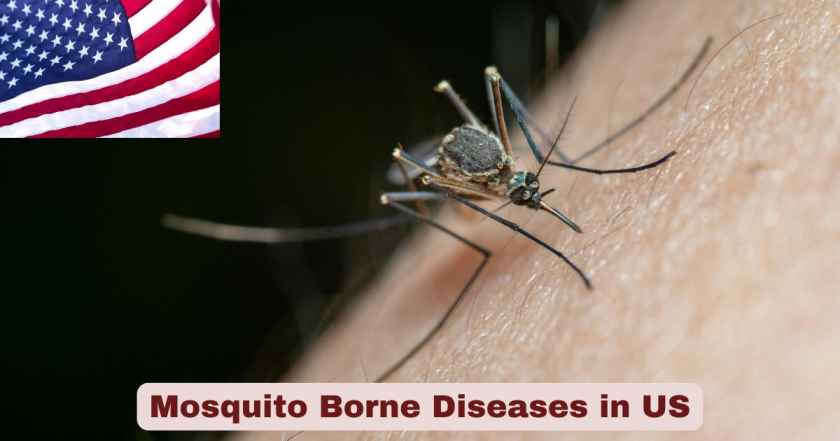
Mosquito Borne Diseases in America 2025
Mosquito borne diseases continue to pose a significant public health challenge across the United States in 2024, with multiple pathogens transmitted by various mosquito species causing thousands of infections annually. These diseases, transmitted primarily through the bites of infected mosquitoes, range from mild febrile illnesses to severe neuroinvasive conditions that can result in hospitalization and death. The surveillance data from the Centers for Disease Control and Prevention reveals that arboviral diseases—infections caused by viruses transmitted by arthropods like mosquitoes—have shown concerning trends with 2,770 cases reported in 2023 alone, and preliminary 2024 data indicating continued transmission patterns across the continental United States.
The landscape of mosquito borne diseases in the US has evolved dramatically since West Nile virus first emerged in New York City in 1999. Today, Americans face threats from multiple mosquito-transmitted pathogens including West Nile virus, dengue, malaria, Eastern equine encephalitis, and others. The 2024 year marked record-breaking dengue activity with over 13 million cases reported in the Americas region, leading to increased travel-associated cases and locally acquired infections in states like Florida, California, and Texas. Understanding the current statistics, geographic distribution, and trends of these diseases is crucial for healthcare providers, public health officials, and the general public to implement effective prevention and control measures.
Key Facts About Mosquito Borne Diseases in the US 2025
| Interesting Fact | Details |
|---|---|
| Leading Mosquito Borne Disease | West Nile virus is the most common mosquito-borne disease in the continental United States, accounting for 95% of all arboviral disease cases in 2023 |
| Total Arboviral Cases in 2023 | 2,770 confirmed and probable cases of domestic arboviral diseases were reported across 48 states and the District of Columbia |
| Hospitalization Rate | 73% of arboviral disease patients (2,022 individuals) required hospitalization in 2023 |
| Fatality Count | 208 deaths occurred from arboviral diseases in 2023, representing an 8% case fatality rate |
| Record Dengue Year | 2024 witnessed over 13 million dengue cases in North, Central, and South America—the highest number ever recorded |
| US Dengue Cases 2024 | 3,483 travel-associated dengue cases were identified in 2024, representing an 84% increase compared to the previous year |
| Locally Acquired Dengue 2024 | 110 locally acquired dengue cases were reported in the continental US in 2024 (91 in Florida, 18 in California, 1 in Texas) |
| Malaria Returns After 20 Years | 8 locally acquired malaria cases were confirmed in 2023—the first such cases since 2003 (7 in Florida, 1 in Texas) |
| Peak Transmission Season | 91% of arboviral disease cases occurred during July through September in 2023 |
| Age Most Affected | 57% of reported arboviral disease cases occurred in patients aged 60 years or older |
| Gender Disparity | 63% of all arboviral disease cases in 2023 occurred in males |
| Geographic Hotspots 2023 | Colorado, South Dakota, and Nebraska had the highest West Nile virus incidence rates at 5.38, 5.00, and 4.60 cases per 100,000 population respectively |
Data Source: CDC Morbidity and Mortality Weekly Report, June 2025; CDC Health Alert Network Notices, 2024-2025
The facts presented in this table demonstrate the substantial burden of mosquito borne diseases across the United States. West Nile virus dominates as the primary mosquito-transmitted pathogen, responsible for the overwhelming majority of cases, while dengue has emerged as an escalating threat with unprecedented case numbers in 2024. The high hospitalization rate of 73% underscores the severity of these infections, with many patients developing neuroinvasive disease affecting the brain and nervous system. The 208 deaths reported in 2023 highlight the potentially fatal nature of these infections, particularly among older adults and individuals with weakened immune systems.
The geographic concentration of cases in western states like Colorado, South Dakota, and Nebraska reflects both environmental conditions favorable for mosquito breeding and the presence of competent vector species. The dramatic 84% increase in travel-associated dengue cases and the emergence of 110 locally acquired cases in 2024 signal a concerning shift in dengue transmission patterns within the continental United States. The return of locally acquired malaria after a 20-year absence demonstrates that even eliminated diseases can re-emerge when conditions allow. These statistics emphasize the critical need for continued surveillance, vector control efforts, and public awareness campaigns to protect Americans from mosquito borne diseases in 2024 and beyond.
West Nile Virus Disease in the US 2025
| Metric | 2023 Data |
|---|---|
| Total Cases | 2,628 |
| Neuroinvasive Cases | 1,789 (68%) |
| Non-Neuroinvasive Cases | 839 (32%) |
| Total Hospitalizations | 1,891 (72%) |
| Neuroinvasive Hospitalizations | 1,665 (88% of neuroinvasive cases) |
| Deaths | 194 (7% case fatality rate) |
| States Affected | 46 states plus District of Columbia |
| Counties Reporting Cases | 692 counties (22% of all US counties) |
| National Neuroinvasive Incidence | 0.53 cases per 100,000 population |
| Peak Season | July through September (91% of cases) |
| Median Patient Age | 63 years |
| Male Percentage | 63% |
| California Neuroinvasive Cases | 334 |
| Colorado Neuroinvasive Cases | 316 |
| Texas Neuroinvasive Cases | 122 |
| Organ Transplant Cases | 3 cases from 2 donors |
Data Source: CDC MMWR Volume 74, Number 21, June 2025
West Nile virus remained the dominant mosquito borne disease in the United States during 2023, with 2,628 cases representing a 132% increase from the 1,132 cases reported in 2022. This substantial rise demonstrates the variable nature of arboviral disease transmission, which depends on factors including weather patterns, mosquito populations, bird reservoir hosts, and human exposure behaviors. The 68% rate of neuroinvasive disease indicates that a significant proportion of diagnosed cases involved serious complications affecting the central nervous system, including encephalitis (brain inflammation), meningitis (inflammation of membranes surrounding the brain and spinal cord), and acute flaccid paralysis. The 72% hospitalization rate and 7% case fatality rate underscore the severe public health impact of West Nile virus infections.
Geographic analysis reveals stark regional differences in West Nile virus transmission across the United States. Colorado reported the highest neuroinvasive disease incidence at 5.38 cases per 100,000 population, followed by South Dakota at 5.00 and Nebraska at 4.60 per 100,000—rates more than 10 times higher than the national average. California, Colorado, and Texas together accounted for 43% of all neuroinvasive cases nationwide, with 772 cases among them. The concentration of cases in western and central states reflects ecological conditions including arid climates, irrigation systems, and the presence of Culex tarsalis mosquitoes—the primary vector in these regions. Age played a critical role in disease severity, with neuroinvasive disease incidence increasing from 0.02 per 100,000 among persons under 10 years to 1.56 per 100,000 among those 70 years or older, highlighting the heightened vulnerability of elderly populations to severe West Nile virus disease in the US in 2024.
Dengue Fever Cases in the US 2025
| Category | 2024 Data |
|---|---|
| Travel-Associated Cases | 3,483 |
| Locally Acquired Cases (Continental US) | 110 |
| Florida Locally Acquired | 91 |
| California Locally Acquired | 18 |
| Texas Locally Acquired | 1 |
| Florida Travel Cases | 1,016 |
| California Travel Cases | 648 |
| New York Travel Cases | 327 |
| Increase from 2023 | 84% increase in travel-associated cases |
| Previous Year Travel Cases (2023) | 1,893 |
| Americas Region Total Cases 2024 | 13 million |
| Americas Region Deaths 2024 | 8,200 |
| Predominant Serotype 2024 | DENV-3 |
Data Source: CDC Health Alert Network HAN-00523, March 2025
Dengue fever emerged as the most rapidly escalating mosquito borne disease threat in the United States during 2024, with 3,483 travel-associated cases marking an 84% surge compared to 2023. This unprecedented increase reflected the record-breaking dengue epidemic sweeping through the Americas, where more than 13 million cases overwhelmed healthcare systems from Mexico to Argentina. The United States experienced spillover effects as travelers returned from endemic regions carrying the virus, with Florida reporting 1,016 imported cases, California 648 cases, and New York 327 cases. These numbers shattered previous records and demonstrated that global dengue trends directly impact domestic case counts regardless of local transmission potential.
The emergence of 110 locally acquired dengue cases in the continental United States during 2024 represents a concerning development that signals changing transmission dynamics. Florida bore the brunt with 91 locally transmitted cases, primarily concentrated in Miami-Dade County and other southern regions where Aedes aegypti and Aedes albopictus mosquitoes—the primary dengue vectors—maintain year-round populations. California reported 18 locally acquired cases, with Los Angeles County identifying unprecedented local transmission in the San Gabriel Valley across cities including Baldwin Park, El Monte, and Pasadena. Texas documented 1 locally acquired case in Cameron County. These locally transmitted cases occurred despite the fact that most dengue infections in the United States historically stem from international travel, marking a shift toward autochthonous (local) transmission in areas with competent mosquito vectors. The predominance of DENV-3 serotype with increasing proportions of DENV-4 in 2024 indicates diverse viral strains circulating among travelers and potentially establishing in domestic mosquito populations, heightening the risk of severe dengue among individuals with prior infections from different serotypes in 2024.
Eastern Equine Encephalitis Virus Disease in the US 2025
| Metric | 2023 Data |
|---|---|
| Total Cases | 7 |
| States Reporting | 4 states |
| Neuroinvasive Cases | 7 (100%) |
| Hospitalizations | 7 (100%) |
| Deaths | 1 (14% case fatality rate) |
| Median Patient Age | 64 years |
| Male Cases | 6 (86%) |
| Peak Season Cases | 5 cases in July-September |
| Early Season Cases | 2 cases in April-June |
| Historical Median (2003-2022) | 7 cases annually |
Data Source: CDC MMWR Volume 74, Number 21, June 2025
Eastern equine encephalitis (EEE) maintains its position as one of the most severe mosquito borne diseases in the United States, with all 7 cases reported in 2023 classified as neuroinvasive disease requiring hospitalization. This 100% neuroinvasive rate distinguishes EEE from other arboviral diseases and reflects the virus’s propensity to cause severe central nervous system infections. The 14% case fatality rate, while lower than historical averages that can reach 30% to 50%, nonetheless demonstrates the life-threatening nature of EEE infections. The 2023 case count matched the median number of 7 cases reported annually during 2003-2022, indicating relatively stable but persistent transmission patterns in endemic regions.
The geographic and seasonal distribution of EEE cases provides insights into transmission dynamics. The 4 states reporting cases in 2023 typically include northeastern and southeastern regions where freshwater swamps and coastal marshes provide ideal breeding habitats for Culiseta melanura mosquitoes, the primary enzootic vector that maintains EEE virus circulation among wild bird populations. While 5 cases occurred during the traditional peak season of July through September when mosquito activity reaches maximum levels, 2 cases emerging during April through June demonstrate that EEE transmission can begin earlier in the warm season. The predominance of male cases (86%) and the median age of 64 years suggests that outdoor occupational or recreational activities in swampy areas may increase exposure risk among middle-aged and older men. The universal requirement for hospitalization among EEE patients in 2023 underscores the disease’s severity and the critical importance of early recognition and supportive care, as no specific antiviral treatment exists for this devastating mosquito borne disease affecting Americans in 2023.
Powassan Virus Disease in the US 2025
| Metric | 2023 Data |
|---|---|
| Total Cases | 49 |
| States Reporting | 11 states |
| Neuroinvasive Cases | 47 (96%) |
| Hospitalizations | 44 (90%) |
| Deaths | 8 (16% case fatality rate) |
| Median Patient Age | 68 years |
| Median Age of Deaths | 71 years |
| Male Percentage | 65% |
| Season of Transmission | April through December (96% of cases) |
| Maine Neuroinvasive Incidence | 0.50 per 100,000 population |
| New Hampshire Neuroinvasive Incidence | 0.29 per 100,000 population |
| Vermont Neuroinvasive Incidence | 0.15 per 100,000 population |
| Record Status | Highest number since reporting began in 2004 |
Data Source: CDC MMWR Volume 74, Number 21, June 2025
Powassan virus disease emerged as a growing concern in 2023, with 49 reported cases representing the highest number since the virus became a separately reportable condition in 2004. Unlike mosquito-borne West Nile virus, Powassan virus is transmitted by Ixodes scapularis ticks, but is included in arboviral disease surveillance due to its similar clinical presentation and neuroinvasive potential. The 96% neuroinvasive rate rivals that of Eastern equine encephalitis, indicating that nearly all diagnosed Powassan infections result in serious neurological complications including encephalitis and meningitis. The 16% case fatality rate—the highest among commonly reported arboviruses—combined with the 90% hospitalization rate demonstrates the severe public health impact of this emerging tick-borne pathogen.
The geographic concentration of Powassan virus disease in northeastern states reflects the distribution of black-legged ticks and their wildlife hosts. Maine reported the highest neuroinvasive disease incidence at 0.50 cases per 100,000 population—nearly equivalent to the national West Nile virus neuroinvasive incidence—followed by New Hampshire at 0.29 and Vermont at 0.15 per 100,000. The extended transmission season from April through December, with cases evenly distributed throughout this period rather than concentrated in summer months, distinguishes Powassan from mosquito-borne diseases and reflects tick activity patterns in cooler temperatures. The 68-year median patient age and 65% male predominance suggest that outdoor activities in wooded and brushy areas where ticks reside may increase exposure risk among older adults. Maryland reported its first Powassan case in 2023 in a resident who contracted the virus in Canada, demonstrating the potential for geographic expansion. The record-high case count in 2023 raises concerns about increasing Powassan virus disease incidence in the northeastern US in 2023 and beyond.
La Crosse Virus Disease in the US 2025
| Metric | 2023 Data |
|---|---|
| Total Cases | 35 |
| States Reporting | 10 states |
| Neuroinvasive Cases | 34 (97%) |
| Hospitalizations | 35 (100%) |
| Deaths | 0 (0% case fatality rate) |
| Pediatric Cases (Under 18) | 32 (91%) |
| Male Percentage | 60% |
| Peak Season Cases | 27 cases in July-September (77%) |
| Ohio Cases | 12 (35% of total) |
| Ohio Neuroinvasive Incidence | 0.10 per 100,000 population |
| West Virginia Neuroinvasive Incidence | 0.28 per 100,000 population |
| Tennessee Neuroinvasive Incidence | 0.07 per 100,000 population |
Data Source: CDC MMWR Volume 74, Number 21, June 2025
La Crosse virus disease holds the distinction as the most common cause of arboviral disease among American children, with 91% of 2023 cases occurring in patients under 18 years of age. This pediatric concentration distinguishes La Crosse from other mosquito borne diseases and reflects both the behavioral patterns of children playing outdoors in rural and suburban areas and the ecology of Aedes triseriatus mosquitoes, which breed in tree holes and artificial containers in wooded environments where children often play. The 97% neuroinvasive rate indicates that diagnosed La Crosse infections nearly always present as serious neurological illness, typically encephalitis, requiring hospitalization for 100% of cases in 2023. Despite this high rate of severe disease, the 0% case fatality rate provides reassurance that with appropriate supportive medical care, children can recover from La Crosse encephalitis without dying, though some may experience long-term neurological sequelae.
The geographic distribution of La Crosse virus disease centers on the Appalachian region and upper Midwest. Ohio led the nation with 12 cases representing 35% of the total national burden, while West Virginia reported the highest neuroinvasive disease incidence at 0.28 cases per 100,000 population—nearly 3 times the Ohio rate despite having fewer absolute cases due to its smaller population. Tennessee documented an incidence of 0.07 per 100,000 population. The 10 states reporting cases in 2023 typically include North Carolina, Tennessee, West Virginia, Ohio, Indiana, Illinois, Wisconsin, and other states with extensive deciduous forests where Aedes triseriatus mosquitoes thrive. The 77% of cases occurring during July through September aligns with peak mosquito activity and children’s summer vacation when outdoor play increases. The 60% male predominance among pediatric cases may reflect gender differences in outdoor activity patterns and risk-taking behaviors. Parents, pediatricians, and public health officials in endemic regions must remain vigilant for La Crosse virus disease as a cause of pediatric encephalitis during summer months in the US in 2023.
Jamestown Canyon Virus Disease in the US 2025
| Metric | 2023 Data |
|---|---|
| Total Cases | 27 |
| States Reporting | 7 states |
| Neuroinvasive Cases | 20 (74%) |
| Hospitalizations | 25 (93%) |
| Deaths | 3 (11% case fatality rate) |
| Median Patient Age | 60 years |
| Male Percentage | 74% |
| Peak Season Cases | 23 cases in April-September (85%) |
| Wisconsin Neuroinvasive Incidence | 0.19 per 100,000 population |
| Michigan Neuroinvasive Incidence | 0.05 per 100,000 population |
| Minnesota Neuroinvasive Incidence | 0.03 per 100,000 population |
Data Source: CDC MMWR Volume 74, Number 21, June 2025
Jamestown Canyon virus disease represents an underrecognized but serious mosquito borne disease that affects primarily middle-aged and older adults in the upper Midwest and northern states. The 27 cases reported in 2023 likely represent only a fraction of actual infections, as the disease’s nonspecific symptoms often lead to underdiagnosis and underreporting. The 74% neuroinvasive rate and 93% hospitalization rate demonstrate that recognized Jamestown Canyon infections typically cause severe illness requiring intensive medical care. The 11% case fatality rate—higher than West Nile virus but lower than Powassan—indicates that this pathogen carries significant mortality risk, particularly among the elderly patients who comprise the majority of cases.
The transmission ecology of Jamestown Canyon virus differs from other arboviruses due to the wide variety of mosquito species capable of transmitting the virus, including multiple Aedes and Culiseta species. Wisconsin reported the highest neuroinvasive disease incidence at 0.19 cases per 100,000 population, with Michigan at 0.05 and Minnesota at 0.03 per 100,000 among the 7 states documenting cases in 2023. The extended transmission season with 85% of cases occurring during April through September—earlier than West Nile virus—reflects the cold-tolerant nature of mosquito vectors that can be active during cooler spring temperatures. The 60-year median age and 74% male predominance suggest that outdoor occupational activities such as farming, forestry, and construction in rural areas may increase exposure to infectious mosquitoes. The 3 deaths in 2023 underscore that Jamestown Canyon virus disease can be fatal, necessitating consideration of this pathogen in the differential diagnosis of encephalitis cases in the upper Midwest and northern US in 2023.
St. Louis Encephalitis Virus Disease in the US 2025
| Metric | 2023 Data |
|---|---|
| Total Cases | 21 |
| States Reporting | 3 states |
| Neuroinvasive Cases | 14 (67%) |
| Hospitalizations | 17 (81%) |
| Deaths | 2 (10% case fatality rate) |
| Median Patient Age | 62 years |
| Male Percentage | 67% |
| Peak Season Cases | 17 cases in July-September (81%) |
| California Neuroinvasive Incidence | 0.03 per 100,000 population |
| Historical Significance | Third highest case count in 2 decades |
| South Carolina Status | First-ever human disease case reported |
Data Source: CDC MMWR Volume 74, Number 21, June 2025
St. Louis encephalitis virus disease experienced a notable resurgence in 2023, with 21 cases representing the third-highest count in 20 years and signaling increased transmission activity for this historically important but recently uncommon pathogen. St. Louis encephalitis was a major public health concern in the mid-20th century, causing large urban outbreaks, but cases declined dramatically after West Nile virus arrived in 1999 and out-competed it ecologically. The 67% neuroinvasive rate and 81% hospitalization rate demonstrate that most diagnosed St. Louis encephalitis infections cause serious neurological illness, though these percentages are lower than other arboviruses, suggesting that some milder cases are now being recognized. The 10% case fatality rate indicates significant mortality risk among infected individuals.
The geographic concentration in just 3 states reporting cases in 2023 contrasts with West Nile virus’s broad distribution and reflects localized transmission foci. California reported the majority of cases with a neuroinvasive disease incidence of 0.03 per 100,000 population. South Carolina’s documentation of its first-ever human St. Louis encephalitis case marked a historic development and raised questions about whether the virus is expanding into new geographic areas or whether improved diagnostic testing is revealing previously undetected circulation. The 81% of cases occurring during July through September follows typical arboviral seasonality when Culex mosquitoes—the primary vectors—reach peak abundance. The 62-year median age and 67% male predominance align with patterns seen in other arboviruses affecting older adults. The resurgence of St. Louis encephalitis virus disease in 2023 after years of low transmission serves as a reminder that historically important pathogens can increase unexpectedly and highlights the need for continued surveillance and diagnostic capability for the full range of mosquito borne diseases in the US in 2023.
Locally Acquired Malaria Cases in the US 2025
| Metric | 2023 Data |
|---|---|
| Total Locally Acquired Cases | 8 |
| Florida Cases | 7 |
| Texas Cases | 1 |
| Maryland Cases | 1 (Added in August 2023) |
| Sarasota County, Florida | 6 cases |
| Cameron County, Texas | 1 case |
| Plasmodium Species | Plasmodium vivax (Florida and Texas), Plasmodium falciparum (Maryland) |
| Hospitalizations | 7 (88%) |
| Severe Disease | 0 cases |
| Deaths | 0 |
| Previous Local Transmission | 2003 (Palm Beach County, Florida – 8 cases) |
| Years Since Last Local Case | 20 years |
Data Source: CDC Health Alert Network HAN-00494 and HAN-00496, 2023; CDC MMWR September 2023
The identification of 8 locally acquired malaria cases in the United States during 2023 marked the first autochthonous mosquito-transmitted malaria infections in 20 years, shattering two decades without domestic transmission. Florida reported 7 cases, with 6 concentrated in Sarasota County, while Texas documented 1 case in Cameron County along the Mexican border, and Maryland subsequently reported 1 case in the National Capital Region. This unexpected cluster of locally acquired cases occurred despite malaria being declared eliminated from the United States in 1951 through aggressive mosquito control programs, drainage of breeding sites, and other public health interventions that interrupted the transmission cycle. The cases demonstrated that Anopheles mosquitoes capable of transmitting malaria still exist throughout many US regions and can facilitate local transmission when they bite malaria-infected individuals.
The 88% hospitalization rate among the 8 locally acquired malaria cases underscores the serious nature of these infections, though encouragingly, no patients developed severe malaria or died, and all responded well to antimalarial treatment. Florida and Texas cases involved Plasmodium vivax—a less deadly malaria species that can cause debilitating illness and has the unique ability to remain dormant in the liver for months to years before reactivating—while Maryland’s case involved Plasmodium falciparum, the most dangerous malaria species that can rapidly progress to cerebral malaria and death if not treated promptly. The Florida cases showed no epidemiologic connection to the Texas or Maryland cases, indicating independent transmission events in multiple locations. Four Florida patients were homeless, and one reported intravenous drug use, suggesting that vulnerable populations may face higher exposure risks. The lack of severe disease and deaths reflects prompt diagnosis and treatment but should not diminish concerns about malaria’s return. The 2023 locally acquired malaria cases serve as a wake-up call that eliminated diseases can re-emerge and highlight the need for clinicians to consider malaria in febrile patients even without international travel history, particularly in areas where local transmission has been documented in the US in 2023.
Imported Malaria Cases in the US 2023-2024
| Metric | Data |
|---|---|
| Annual Imported Cases (Typical Year) | Approximately 2,000 cases |
| Pre-COVID Annual Deaths | 5-10 deaths |
| Most Common Species | Plasmodium falciparum (95% of imported cases) |
| Primary Travel Regions | Sub-Saharan Africa, South Asia |
| Southern Border Surge 2023 | 68 cases (Pima Arizona 18, San Diego California 27, El Paso Texas 23) |
| 2022 Border Cases (Comparison) | 28 cases (Pima 3, San Diego 12, El Paso 13) |
| Percent Increase | 143% increase in 2023 vs 2022 |
| New Arrivals as Risk Group | Asylum seekers and migrants with complex travel through endemic areas |
| Malaria-Endemic Countries Globally | 87 countries |
Data Source: CDC Malaria Surveillance Reports; CDC MMWR May 2024
While locally acquired malaria garnered significant attention in 2023, imported malaria cases from international travel continue to represent the overwhelming majority of US malaria burden. In a typical year, approximately 2,000 malaria cases are diagnosed in Americans who contracted the infection while traveling to malaria-endemic regions, primarily in sub-Saharan Africa where transmission intensity remains highest globally. These imported cases result in 5-10 deaths annually, primarily among individuals who either did not take prophylactic antimalarial medications (95% of travelers with malaria did not use appropriate prevention), took inadequate regimens, or experienced delayed diagnosis and treatment. Plasmodium falciparum causes most imported cases and poses the greatest risk for progression to severe disease including cerebral malaria, acute respiratory distress syndrome, renal failure, and death if treatment is delayed.
A concerning trend emerged in 2023 with dramatically increased imported malaria cases among asylum seekers and migrants entering across the southern US border. Three border jurisdictions—Pima County Arizona, San Diego County California, and El Paso County Texas—reported 68 imported malaria cases in 2023 compared to just 28 cases in 2022, representing a 143% surge. Pima County cases jumped from 3 to 18, San Diego from 12 to 27, and El Paso from 13 to 23. Many patients were new arrivals to the United States with recent, complex transit through at least one malaria-endemic country in Central or South America, where malaria transmission persists in rural and jungle regions. These individuals faced higher risk for severe illness for reasons not fully understood, possibly related to delayed care-seeking, lack of immunity, nutritional deficiencies, or other stressors associated with migration. The surge in border malaria cases highlights the need for enhanced screening, diagnostic capacity, and clinical preparedness in border regions to identify and treat imported malaria promptly, preventing progression to severe disease and minimizing the already low but present risk of local transmission in areas with competent Anopheles mosquito vectors in the US in 2023-2024.
Mosquito Species and Vector Distribution in the US 2025
| Mosquito Species | Diseases Transmitted | Geographic Distribution | Habitat Preferences |
|---|---|---|---|
| Culex pipiens (Northern House Mosquito) | West Nile virus, St. Louis encephalitis | Eastern and central US, northern states | Urban and suburban areas, artificial containers, catch basins |
| Culex tarsalis (Western Encephalitis Mosquito) | West Nile virus, St. Louis encephalitis | Western and central US, west of Mississippi River | Agricultural areas, irrigation systems, rural habitats |
| Culex quinquefasciatus (Southern House Mosquito) | West Nile virus, St. Louis encephalitis | Southern US from California to Florida | Urban areas, polluted water, septic systems |
| Aedes aegypti (Yellow Fever Mosquito) | Dengue, Zika, chikungunya, yellow fever | Southern states (Florida to California), limited northern expansion | Urban areas, artificial containers near homes, clean water |
| Aedes albopictus (Asian Tiger Mosquito) | Dengue, Zika, chikungunya | Eastern US from Florida to New England, expanding westward | Suburban and rural areas, artificial containers, tree holes |
| Anopheles quadrimaculatus (Common Malaria Mosquito) | Malaria | Eastern and southeastern US | Freshwater marshes, ponds, slow-moving streams |
Disclaimer: This research report is compiled from publicly available sources. While reasonable efforts have been made to ensure accuracy, no representation or warranty, express or implied, is given as to the completeness or reliability of the information. We accept no liability for any errors, omissions, losses, or damages of any kind arising from the use of this report.