
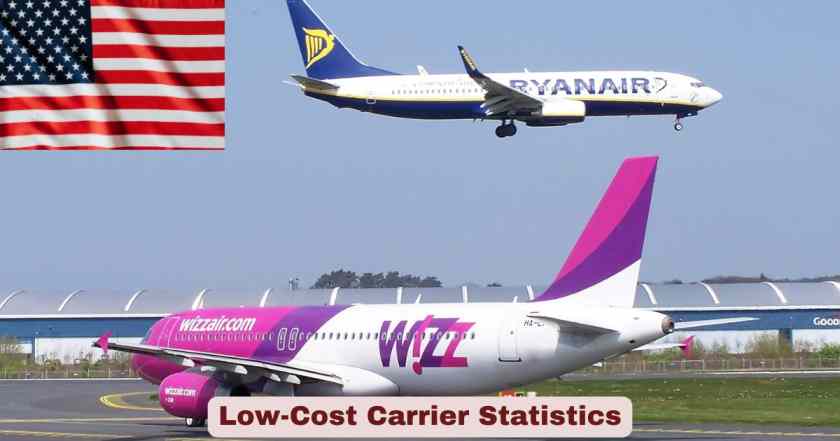
Low-Cost Carriers in 2026
Low-cost carriers (LCCs) — also called budget airlines or ultra-low-cost carriers (ULCCs) when stripped to their barest no-frills form — are airlines that have built their entire business model around one promise: getting passengers from A to B for less money than the legacy competition. They do this through a combination of point-to-point routing that avoids expensive hub connections, single aircraft-type fleets that reduce training and maintenance costs, high seat density configurations that maximize revenue per flight, secondary airport preferences that slash landing fees, and unbundled ancillary pricing that charges separately for everything from baggage to boarding priority to a bottle of water. The model was pioneered in the United States by Southwest Airlines in the 1970s, adopted in Europe by Ryanair and easyJet in the 1990s, and has since spread to every aviation market on earth — reshaping who flies, where they fly, and what they expect from the experience of air travel.
In 2026, the global low-cost carrier market is valued at approximately $375 billion — on its way to nearly $1.5 trillion by 2035 — and accounts for approximately 33% of all scheduled airline seats and 30% of all scheduled flights worldwide. But the statistics that define the LCC landscape in 2026 are not the bullish growth projections. They are the wreckage. Spirit Airlines — the carrier that invented the ULCC model in the United States, that flew 40 million passengers a year at its peak, and that spent the last four years trying to survive a sequence of regulatory defeats, operational disasters, and financial crises — ceased all operations at midnight on May 1–2, 2026, becoming the first major US airline to liquidate in two decades. The 95% spike in aviation fuel prices driven by the US-Israel war against Iran that began February 28, 2026, the collapse of a last-minute $500 million federal bailout, and the accumulated weight of $5.9 billion in losses since 2020 ended 34 years of Spirit’s history with a post on its website and a final flight landing in Dallas before dawn. The LCC market in 2026 is simultaneously the fastest-growing aviation segment in history and the one that just suffered its most dramatic failure.
📊 Key Low-Cost Carrier Facts in 2026 — At a Glance
| Low-Cost Carrier Fact | Data Point |
|---|---|
| Global LCC market size (2025) | ~$266–$350 billion (varies by research firm scope) |
| Global LCC market size (2026) | $375.11 billion (Precedence Research) |
| Global LCC market projected (2035) | $1,490.05 billion (Precedence Research) |
| Global LCC market CAGR (2026–2035) | 16.61% (Precedence Research) |
| LCC share of all global scheduled seats (weekly) | ~33% (Research Nester / IATA) |
| LCC share of all scheduled flights globally | ~30% (Research Nester) |
| Asia-Pacific LCC market share (2025) | ~39–46% of global revenue — dominant region |
| North America LCC market value (2025) | $70.2 billion — 20.10% of global market |
| US LCC domestic market share (Cognitive, 2025) | ~19.53% of global LCC market |
| Narrowbody aircraft share of LCC fleet (2025) | 72–82% of deployed LCC capacity |
| Direct online booking share of LCC revenue (2025) | 93.22% of all LCC distribution |
| Ancillary revenue per passenger (Spirit, 2022 peak) | $67.61 per passenger — 54.3% of total revenue |
| Spirit Airlines final operations date | May 2, 2026 — ceased all flights |
| Spirit Airlines total losses (2020–2025) | ~$5.9 billion |
| Spirit Airlines bankruptcies filed | 2 — November 2024 and August 2025 (“Chapter 22”) |
| Spirit’s US domestic market share (Feb 2026) | 3.9% — down from 5.1% in Feb 2025 |
| Spirit’s employees at time of collapse | ~17,000 workers and contractors |
| US jet fuel price spike (Iran war, 2026) | ~95% — from ~$2.24/gal assumed to ~$4.51/gal by Apr 2026 |
| Deutsche Bank: airline industry fuel bill increase (2026) | +$24 billion YoY from Iran war |
| Ryanair passengers carried (FY2024–2025) | ~200 million — world’s largest LCC by passengers |
Source: Precedence Research LCC Market (January 2026); Research Nester LCC Market (September 2025); Fortune Business Insights LCC Market; Mordor Intelligence LCC Market (January 2026); NPR (May 2, 2026); CBS News (May 2, 2026); Axios (May 2, 2026); AeroTime (May 2, 2026); Aviation Week (May 2, 2026); Simple Flying (May 1, 2026); Detroit News (May 2, 2026); Skift (April 22, 2026); Cirium airline data; Deutsche Bank airline fuel analysis
The twenty facts above frame the entire LCC story of 2026 in a single tension: a market growing at 16.61% annually toward a $1.5 trillion valuation by 2035, and yet the originator of the ULCC model in the United States collapsed entirely on the same day this article was compiled. The $375 billion global LCC market of 2026 is a macro story of democratized air travel, rising Asian middle classes, point-to-point route expansion, and ancillary revenue innovation. The Spirit Airlines collapse of May 2, 2026 is a micro story of how a single carrier can lose $5.9 billion over five years, file bankruptcy twice in nine months, and then be destroyed by a fuel-price shock it never saw coming — a 95% spike in jet fuel costs caused by a war that began with two months’ notice and ended Spirit’s restructuring plan in weeks. Both stories are true simultaneously, and neither cancels the other out.
Global Low-Cost Carrier Market Size in 2026
📊 Global LCC Market — Revenue Growth Trajectory (2024–2035)
━━━━━━━━━━━━━━━━━━━━━━━━━━━━━━━━━━━━━━━━━━━━━━━━━━━━━━━━━━
  2024   █████████████████████████       $261.5B (Business Research Company)
  2025   ████████████████████████████    $266B–$350B (varies by scope)
  2026   █████████████████████████████   $375.11B (Precedence) / $397.3B (Fortune BI)
  2030   ████████████████████████████████████ $516.89B (Business Research)
  2034   ████████████████████████████████████████ $1,287.2B (Fortune Business Insights)
  2035   █████████████████████████████████████████ $1,490.05B (Precedence Research)
━━━━━━━━━━━━━━━━━━━━━━━━━━━━━━━━━━━━━━━━━━━━━━━━━━━━━━━━━━| Global Market Metric | Value | Source |
|---|---|---|
| Global LCC market (2025) | $266.07–$349.8 billion | Business Research / Fortune BI |
| Global LCC market (2026) | $375.11 billion | Precedence Research (Jan 2026) |
| Global LCC market (2026, alt.) | $397.30 billion | Fortune Business Insights |
| Global LCC market (2026, alt.) | $384.75 billion | Research Nester |
| Global LCC market (2030) | $516.89 billion | Business Research Company |
| Global LCC market (2034) | $1,287.2 billion | Fortune Business Insights |
| Global LCC market (2035) | $1,490.05 billion | Precedence Research |
| Global LCC CAGR (2026–2035) | 16.61% | Precedence Research |
| Global LCC CAGR (2026–2034, FortBI) | 15.80% | Fortune Business Insights |
| Global LCC CAGR (2026–2030, BRC) | 14.5% | Business Research Company |
Source: Precedence Research “Low-Cost Carrier Market Size” (January 2026); Fortune Business Insights “Low Cost Carrier Market” (updated 2025–2026); Business Research Company “Low-Cost Carrier Global Market Report 2026” (March 2026); Research Nester “Low-Cost Carrier Market Size, Share & Growth Forecast 2035” (September 2025); Mordor Intelligence “LCC Market” (January 2026)
The global low-cost carrier market is one of the fastest-growing segments in the entire transportation and travel industry — and the range of headline market size figures, from $266 billion to $397 billion in 2026, reflects differences in research methodology rather than genuine disagreement about the direction or pace of growth. Every major market research firm tracking this sector — Precedence Research, Fortune Business Insights, Business Research Company, Research Nester, and Mordor Intelligence — agrees on a CAGR between 14.5% and 16.61% through 2030 and beyond, making the LCC sector one of the most reliably fast-growing commercial markets of the 2020s decade. The Precedence Research figure of $375.11 billion in 2026 growing to $1.49 trillion by 2035 represents a roughly four-fold increase in less than a decade — a growth curve driven by the structural expansion of air travel in the developing world, the continued shift of legacy carrier passengers toward budget options in mature markets, and the maturation of ancillary revenue models that allow LCCs to offer low base fares while generating per-passenger economics that are often superior to full-service competitors.
The fundamental drivers behind this growth are not going away. The International Air Transport Association (IATA) projects global passenger numbers reaching 5.2 billion in 2025 — a 6.7% rise from 2024 — and LCCs are capturing a disproportionately large share of that growth. Narrowbody aircraft, led by the Airbus A320neo and Boeing 737 MAX families, account for 72–82% of deployed LCC capacity — the backbone of single-type-fleet economics that keep per-unit costs lower than the mixed-fleet legacy carriers. The most structurally important enabler of LCC growth is digital distribution: direct online bookings now capture 93.22% of all LCC revenue, according to Mordor Intelligence’s January 2026 data, eliminating the travel agency commission layer and enabling the real-time dynamic pricing that allows LCCs to maximize yield on every seat down to the final minute before departure.
Regional LCC Market Share in 2026
📊 Global LCC Market — Regional Revenue Share (2025)
━━━━━━━━━━━━━━━━━━━━━━━━━━━━━━━━━━━━━━━━━━━━━━━━━━━━━━━━━
  Asia-Pacific      ████████████████████████████████████  39.4–46.13%
  North America     ████████████████████████              20.10%
  Europe            █████████████████████████             25.60%
  Middle East/Afr   █████████                              9.00%
  Latin America     ██████                                  5.90%
━━━━━━━━━━━━━━━━━━━━━━━━━━━━━━━━━━━━━━━━━━━━━━━━━━━━━━━━━
Asia-Pacific projected share by 2035: 48.20%| Region | LCC Market Value (2025) | Share | Projected (2026) |
|---|---|---|---|
| Asia-Pacific | $138–$148.76 billion | 39.4–46.13% | $158B+ |
| Europe | $89.7 billion | 25.60% | $102.3 billion |
| North America | $70.2 billion | 20.10% | $79.3 billion |
| Middle East & Africa | $31.48 billion | 9.00% | $35.36 billion |
| Latin America | $20.6 billion | 5.90% | $22.41 billion |
| UK (standalone) | — | — | $22 billion (2026 projected) |
| Germany (standalone) | — | — | $27.5 billion (2026 projected) |
| US share of global LCC | $58.8 billion | ~19.53% of global LCC | Growing |
| Asia-Pacific CAGR (2026–2035) | — | — | 16.92% — fastest growing |
| MEA CAGR (2026–2031) | — | — | 17.43% — fastest growth (Mordor) |
Source: Precedence Research (January 2026); Fortune Business Insights LCC Market Report; Mordor Intelligence (January 2026); Cognitive Market Research (February 2026)
Asia-Pacific is the unambiguous engine of global LCC growth in 2026, and the numbers confirm this dominance both in present value and in trajectory. The region accounts for 39.4% to 46.13% of global LCC revenue in 2025 — a variance in the range that reflects different analysts’ treatment of India, China, and Southeast Asia’s partially hybrid carrier models — and is projected to reach 48.20% of the global market by 2035, a growing concentration that reflects the structural tailwinds of rising Asian middle-class incomes, explosive smartphone penetration enabling mobile booking, and the hundreds of underserved city pairs in India, Indonesia, Vietnam, and the Philippines that LCCs are the primary mechanism for connecting. IndiGo in India, AirAsia across Southeast Asia, Lion Air Group across Indonesia and the Philippines, VietJet in Vietnam, and Cebu Pacific in the Philippines are the primary growth machines in this region, each expanding capacity at double-digit rates annually. Europe is the second-largest regional market at $89.7 billion in 2025 — home to Ryanair, easyJet, Wizz Air, and Eurowings, collectively accounting for approximately 45% of intra-European aviation capacity — while North America at $70.2 billion represents the most mature and currently most turbulent regional LCC market.
Spirit Airlines Collapse — Full Statistics in 2026
📊 Spirit Airlines — From Peak to Collapse (2019–May 2, 2026)
━━━━━━━━━━━━━━━━━━━━━━━━━━━━━━━━━━━━━━━━━━━━━━━━━━━━━━━━━━
  2019   Peak profitability — net profit ~$250M
  2020   COVID-19 losses begin — $428M net loss
  2021   Losses continue — ULCC model under pressure
  2022   Frontier merger agreed → JetBlue $3.8B counterbid → DOJ blocks JetBlue deal
  2023   Pratt & Whitney GTF engine recall grounds ~40+ Spirit aircraft
  2024   JetBlue deal nullified (Jan) → Ch.11 bankruptcy #1 (Nov)
  2025   Emerges bankruptcy (Mar) → Ch.11 bankruptcy #2 (Aug) → 4,000 jobs cut
  Apr 2026  Iran war fuel spike → $4.51/gal vs. $2.24 assumed → rescue talks begin
  May 2, 2026  Spirit ceases ALL operations 12:00AM — final flight NK1833 (DTW→DFW)
━━━━━━━━━━━━━━━━━━━━━━━━━━━━━━━━━━━━━━━━━━━━━━━━━━━━━━━━━━| Spirit Airlines Collapse Metric | Statistic | Source |
|---|---|---|
| Spirit operations ceased | May 2, 2026 — effective immediately | NPR / CBS News / AeroTime (May 2, 2026) |
| Final flight operated | NK1833 — Detroit (DTW) to Dallas-Fort Worth (DFW) | AeroTime (May 2, 2026) |
| Total losses (2020–2025) | ~$5.9 billion | Axios (May 2, 2026) |
| Net loss (full year 2025) | $2.76 billion | Aviation Week (May 2, 2026) |
| Net loss (full year 2024) | $1.22 billion | Aviation Week (May 2, 2026) |
| Debts at first bankruptcy (Nov 2024) | Exceeding $7.4 billion | Cuba Headlines / AeroTime |
| Bankruptcies filed | 2 — November 2024 + August 2025 (“Chapter 22”) | CBS News / AeroTime |
| Employees at collapse | ~17,000 workers and contractors | CBS News / NPR (May 2, 2026) |
| Aircraft at time of collapse | 148 Airbus A320/A321 aircraft (93 active) | AeroTime (May 2, 2026) |
| Average aircraft age | 7.1 years — relatively young fleet | AeroTime |
| US domestic market share (Feb 2026) | 3.9% — down from 5.1% in Feb 2025 | Cirium data via Detroit News |
| US domestic market share (peak) | ~5% of all US flights | Detroit News (May 2, 2026) |
| Government bailout sought | $500 million — talks failed May 1–2, 2026 | Reuters / CBS News |
| Proposed government equity stake | Up to 90% in exchange for $500M | Cuba Headlines |
| Jobs cut in 2025 | ~4,000 | CBS News |
| Routes eliminated in 2025 | ~200 underperforming routes | CBS News |
Source: Aviation Week Network “Spirit Airlines Shuts Down After Rescue Talks Collapse” (May 2, 2026); NPR “Spirit Airlines ceases operations after escalating financial struggles” (May 2, 2026); CBS News “Spirit Airlines shutting down after failed rescue deal” (May 2, 2026); Axios “Spirit Airlines shuts down after two bankruptcies and a failed rescue plan” (May 2, 2026); AeroTime “Spirit Airlines collapses, ceases all operations” (May 2, 2026); Detroit News (May 2, 2026); Cuba Headlines (May 2, 2026); Cirium airline data; Simple Flying (May 1, 2026); Skift (April 22, 2026)
Spirit Airlines ceased all operations effective immediately on May 2, 2026 — today — making it the first major US airline to fully liquidate in approximately two decades, and the most dramatic failure in the history of the ultra-low-cost carrier model that Spirit itself pioneered in the United States when it began unbundling its fares in 2007. The statistics of its collapse are staggering in their cumulative weight: $5.9 billion in losses from 2020 through 2025, two Chapter 11 bankruptcy filings in nine months (a sequence so rare it has been labeled “Chapter 22” by aviation analysts — referencing two times Chapter 11), the elimination of 4,000 jobs and 200 routes in 2025, a fleet that shrank from 175 active aircraft to 93, and a US domestic market share that had eroded from 5.1% in February 2025 to 3.9% in February 2026 and was projected to fall to 1.8% in May 2026. The final instrument of destruction was a fuel price that Spirit could not survive: Spirit’s restructuring plan assumed jet fuel at $2.24 per gallon for 2026. By the end of April 2026, the US-Iran war that began February 28 had driven jet fuel to approximately $4.51 per gallon — a 95% increase — pushing Spirit’s projected 2026 operating margin from a barely-viable 0.5% to approximately negative 20% and making the math of its survival impossible.
J.P. Morgan estimated that maintaining fuel at $4.60 per gallon would add approximately $360 million to Spirit’s annual expenses — a figure that exceeded the airline’s entire cash balance at year-end 2025. The $500 million federal bailout that the Trump administration proposed in exchange for a 90% government equity stake — itself a nearly unprecedented peacetime government intervention in a commercial airline — collapsed on the night of May 1 when a key group of bondholders refused the proposed terms and the administration decided not to override them. President Trump told reporters at the White House that “if we can help them, we will, but we have to come first.” By midnight, there was no deal, no cash, and no Spirit Airlines. The last commercial flight was NK1833, which departed Detroit’s Metropolitan Airport at 10:31 PM local time on May 1 and landed at Dallas-Fort Worth just after midnight — the final act of a carrier that flew its first passengers in 1990 and had flown tens of millions since.
Spirit Airlines — Causes of Collapse in 2026
📊 Spirit Airlines — Root Causes of Failure (2022–2026)
━━━━━━━━━━━━━━━━━━━━━━━━━━━━━━━━━━━━━━━━━━━━━━━━━━━━━━━━━━
  Factor                            Impact on Spirit
  Frontier merger blocked (2022)    Lost financial scale advantage
  JetBlue $3.8B merger blocked      Lost premium M&A exit ($3.8B cash)
  P&W GTF engine recall (2023)      40+ aircraft grounded for months
  Rising labor costs (2022–2025)    ULCC cost advantage eroded
  Legacy carrier basic economy      Big 4 undercut Spirit on price
  Passenger preference shift        Consumers chose comfort over cheapest
  Iran war fuel spike (2026)        Fuel: $2.24/gal assumed → $4.51/gal actual
  Failed $500M US govt. bailout     May 1–2, 2026 — collapse triggered
━━━━━━━━━━━━━━━━━━━━━━━━━━━━━━━━━━━━━━━━━━━━━━━━━━━━━━━━━━| Cause of Collapse | Key Statistic / Detail | Source |
|---|---|---|
| DOJ blocked Frontier merger (2022) | Spirit shareholders had approved $2.9B Frontier deal | Skift Timeline |
| DOJ blocked JetBlue merger (Jan 2024) | JetBlue offer: $3.8 billion — antitrust ruling killed it | Skift / Simple Flying |
| Pratt & Whitney GTF engine recall (2023) | 40+ Spirit Airbus A320neo aircraft grounded for months | Simple Flying |
| Labor cost inflation (2022–2025) | Post-pandemic labor costs eliminated ULCC cost edge | Simple Flying / NPR |
| Legacy carrier “basic economy” competition | Delta, United, American launched stripped fares matching ULCC pricing | NPR (April 2026) |
| Consumer preference shift | Passengers increasingly willing to pay more for comfort | CBS News / Simple Flying |
| Iran war fuel spike | Fuel rose from ~$2.24/gal (assumed) to ~$4.51/gal (actual) — 95% jump | Detroit News / CBS |
| $360M additional annual fuel cost | J.P. Morgan estimate — exceeded Spirit’s full cash reserves | Simple Flying |
| $500M US govt. bailout collapsed | Bondholders refused terms; White House said “must be good deal” | CBS News / Reuters |
| Total accumulated losses (2020–2025) | ~$5.9 billion | Axios (May 2, 2026) |
Source: Simple Flying “Spirit Airlines Is Rewriting The Rules Of Budget Flying After Bankruptcy” (May 1, 2026); Skift “How Spirit Airlines Fell Apart: A Complete Timeline” (April 22, 2026); NPR (April 22, 2026 and May 2, 2026); CBS News (May 2, 2026); Axios (May 2, 2026); Detroit News (May 2, 2026)
The collapse of Spirit Airlines is best understood not as a single failure but as a compounding sequence of setbacks that each independently removed one of the pillars Spirit needed to survive, until the final fuel-price shock demolished the last one. The DOJ’s 2022 antitrust intervention that blocked Spirit’s merger with Frontier eliminated the first escape route — a deal that would have given Spirit the combined fleet scale to compete more effectively with the Big Four on costs. When JetBlue then proposed a $3.8 billion all-cash acquisition that Spirit’s shareholders preferred, the DOJ’s second successful antitrust challenge — a ruling that a federal judge upheld in January 2024 — removed the last clearly viable exit. The Pratt & Whitney Geared Turbofan engine recall of 2023 then grounded a substantial portion of Spirit’s Airbus A320neo fleet for months, eliminating revenue while costs continued accumulating. Rising post-pandemic labor costs eroded the ULCC’s foundational advantage — the ability to offer materially lower operating costs than legacy competitors — while the Big Four’s “basic economy” fares began meeting Spirit’s prices at the bottom of the market, removing the competitive moat that bare-bones pricing had always provided.
What makes Spirit’s story particularly instructive for the broader LCC market is the passenger preference shift that accelerated throughout this period. Consumers who flew Spirit during the COVID recovery increasingly chose not to return, gravitating toward carriers that offered more reliability and even modest comfort improvements for a marginally higher price. A Georgetown University professor and aviation expert summarized it most bluntly to CBS News: “When you’re a low-cost carrier, by definition, you’re relying on having a cost advantage. And they just don’t have that anymore.” The Iran war fuel shock was therefore not the cause of Spirit’s collapse — it was the detonator on a structure that was already failing. Deutsche Bank estimated the Iran war would add $24 billion to the entire US airline industry’s annual fuel bill — and while Delta, United, American, and Southwest had revenue bases, cash reserves, and premium-cabin yield to absorb that shock, Spirit had none of those buffers. The numbers simply ran out.
US Low-Cost Carrier Market in 2026
📊 US LCC / ULCC Competitive Landscape — 2026
━━━━━━━━━━━━━━━━━━━━━━━━━━━━━━━━━━━━━━━━━━━━━━━━━━━━━━━━━━
  Southwest Airlines    ██████████████████████  ~16–18% domestic share (LCC leader)
  JetBlue Airways       ████████                ~5–6% domestic share (hybrid LCC)
  Frontier Airlines     ████████                ~4–5% domestic share (ULCC)
  Allegiant Air         ████                    ~3% domestic share (leisure ULCC)
  Breeze Airways        ██                      ~1% domestic share (new entrant)
  Avelo Airlines        ██                      ~0.5% domestic share (new entrant)
  Spirit Airlines       ❌                      CEASED OPERATIONS May 2, 2026
━━━━━━━━━━━━━━━━━━━━━━━━━━━━━━━━━━━━━━━━━━━━━━━━━━━━━━━━━━| US LCC / ULCC Carrier | 2026 Status | Key Metric |
|---|---|---|
| Southwest Airlines | Operational — restructuring | ~16–18% domestic share; $28.1B revenue in 2025 |
| JetBlue Airways | Operational — growing post-Spirit | ~5–6% domestic share; launched $99 Spirit rescue fares |
| Frontier Airlines | Operational — absorbing Spirit routes | Adding 9 new routes + 15 daily flights on former Spirit markets |
| Allegiant Air | Operational — froze fares post-Spirit | Leisure-focused ULCC; announced fare freeze on Spirit-overlap routes |
| Breeze Airways | Operational | Young carrier — focused on underserved routes |
| Avelo Airlines | Operational | Secondary airport focus; growing leisure markets |
| Spirit Airlines | ❌ CEASED May 2, 2026 | Pioneered US ULCC model; 17,000 jobs lost |
| US market share freed by Spirit exit | ~3.9% of domestic passengers | Cirium data (Feb 2026) |
| Spirit’s Fort Lauderdale share (2025) | ~27–28% — its largest hub by far | BTS / Cuba Headlines |
| Fort Lauderdale — Spirit impact | Largest single airport hit; Spirit was No. 1 carrier | Cuba Headlines (May 2, 2026) |
Source: Cirium airline data (February 2026); NPR (April 22, 2026 and May 2, 2026); CBS News (May 2, 2026); Detroit News (May 2, 2026); Cuba Headlines (May 2, 2026); The Global Statistics — US Airline Industry (March 2026); BTS Bureau of Transportation Statistics
The US low-cost and ultra-low-cost carrier landscape has been permanently reshaped by the events of May 2, 2026, and the beneficiaries were already moving before Spirit’s final flight landed. Frontier Airlines — Spirit’s long-time rival and would-be merger partner — announced “rescue fares” halving base fares across its network until May 10, while also expanding into more than 100 routes previously flown by Spirit with plans to add 9 additional routes and 15 daily flights across 18 former Spirit markets this summer. JetBlue offered $99 fares to stranded passengers and announced expansion at Spirit’s dominant hub, Fort Lauderdale, adding 11 new destinations. Southwest announced special stranded-passenger fares, United capped prices on one-way tickets, American added rescue fares while committing to review capacity additions on Spirit’s key routes, and Allegiant froze fares across routes overlapping with Spirit. The DOT’s Secretary Sean Duffy announced a formal coordinated action plan — a playbook that mirrors the government response to previous major airline collapses.
The competitive consequence of Spirit’s exit that consumer advocates warned about most loudly is the fare environment on routes Spirit served. William McGee of the American Economic Liberties Project told NPR: “You do not have to fly a small carrier in order to benefit from its presence, because they will bring down the big guys’ fares.” Spirit’s 3.9% domestic market share understates its competitive impact — on the specific city pairs it flew, it served as a fare anchor that depressed prices for all competitors on those routes. Fort Lauderdale will bear the sharpest immediate impact: Spirit was the airport’s number one carrier with a 27–28% market share in 2025, and its exit creates the largest single-airport competitive vacuum since the collapse of an airline of comparable size. The near-term consensus among aviation analysts is that fares on former Spirit routes will rise in the 10–25% range before Frontier, JetBlue, and Southwest backfill sufficient capacity to restore competitive pressure.
Global LCC Failures & Challenges in 2026
📊 LCC Failures, Vulnerabilities & Industry Challenges — 2024–2026
━━━━━━━━━━━━━━━━━━━━━━━━━━━━━━━━━━━━━━━━━━━━━━━━━━━━━━━━━━
  Spirit Airlines (US)       ❌ Ceased operations May 2, 2026
  Boeing 737 MAX delays      Backlog >7 years; lease rates up 15%+ in 2024–25
  Airbus A320neo delays      CFM LEAP engine shortage + fuselage quality snags
  EU ETS (2026)              Free allowances eliminated — CO2 permits >€80/tonne
  CORSIA mandates            Offsets required for 129 states (2019 baseline)
  Iran war fuel shock        Jet fuel ~95% spike — $24B extra US industry cost
  Pratt & Whitney GTF recall Grounded 100s of A320neo/A321neo globally 2023–24
  WizzAir debt pressures     Rising leverage ratio in 2025
━━━━━━━━━━━━━━━━━━━━━━━━━━━━━━━━━━━━━━━━━━━━━━━━━━━━━━━━━━| LCC Challenge / Failure | Detail | Source |
|---|---|---|
| Spirit Airlines — ceased operations | May 2, 2026 — first major US airline liquidation in ~20 years | NPR / CBS / Aviation Week |
| Boeing 737 MAX delivery backlog | Over 7 years — lease rates for MAX rose >15% in 2024–25 | Mordor Intelligence (Jan 2026) |
| Airbus A320neo delays | CFM LEAP engine shortages + fuselage quality issues forced lease extensions | Mordor Intelligence |
| EU Emissions Trading System (ETS) | Free allowances eliminated for aviation by 2026 — CO₂ permits >€80/tonne | Mordor Intelligence |
| CORSIA offsets | Mandatory carbon offsets for 129 states above 2019 baseline emissions | Mordor Intelligence |
| Iran war fuel shock | ~95% jet fuel spike — Deutsche Bank: +$24B annual airline fuel bill (US) | CBS News / Deutsche Bank |
| Pratt & Whitney GTF recall | Grounded 100s of A320/A321neo aircraft globally — ongoing 2023–2025 | Simple Flying |
| Aircraft supply chain constraint | Demand exceeds supply — LCCs cannot scale fast enough to capture peaks | Mordor Intelligence |
| Ancillary revenue maturation | Spirit’s model generated $67.61/passenger — 54.3% of revenue from extras | Research Nester |
| Consumer preference premium shift | Post-pandemic travelers increasingly willing to pay for comfort | Simple Flying / NPR |
Source: Mordor Intelligence “LCC Market” (January 2026); Simple Flying (May 1, 2026); NPR (April 22, 2026 and May 2, 2026); CBS News (May 2, 2026); Aviation Week (May 2, 2026); Deutsche Bank airline analysis (2026); Research Nester (September 2025)
The challenges facing low-cost carriers globally in 2026 are more complex and structurally embedded than at any prior point — and Spirit’s collapse, while the most dramatic single event, is part of a broader pattern of stress across the ULCC segment globally. The aircraft supply chain crisis that emerged from the combination of Boeing’s manufacturing challenges and Airbus’s own delivery shortfalls has directly undermined one of the LCC model’s core economic assumptions: that you can reliably grow capacity in response to demand. Order backlogs stretching more than seven years, combined with a 15%+ increase in lease rates for Airbus A320neo and Boeing 737 MAX variants in 2024–25, mean that LCCs which planned fleet expansion are instead extending expensive leases on older, less fuel-efficient aircraft — precisely the opposite of the fuel economy improvement their business plans required. The Pratt & Whitney Geared Turbofan (GTF) engine recall, which began in 2023 and grounded hundreds of A320neo and A321neo aircraft globally, affected Spirit severely but also impacted WizzAir, Indigo, Vueling, and IndiGo — carriers who lost revenue-generating aircraft while still paying lease obligations.
The regulatory environment is also tightening in ways that specifically hurt LCCs’ cost advantage. The EU Emissions Trading System’s elimination of free carbon allowances for aviation in 2026 — requiring airlines to purchase permits priced above €80 per ton of CO₂ — falls more heavily on short-haul operators (LCCs’ core market) than on long-haul premium carriers, because the per-seat environmental cost of a two-hour intra-European flight is much less efficiently distributed than on an eleven-hour transatlantic service. CORSIA’s mandatory carbon offset framework adds a second compliance cost layer for international LCCs. Together, these regulatory costs are estimated to add 5–10% to operating expenses for European short-haul LCCs — a burden that fundamentally challenges the fare-gap between LCCs and legacy carriers that justifies the entire model. The market will continue growing because the structural demand for affordable air travel is real and global — but the LCC carriers of 2035 will operate under meaningfully more demanding cost, regulatory, and competitive conditions than the carriers that built this market in the 2000s.
Key LCC Carriers & Market Leaders in 2026
📊 World's Largest Low-Cost Carriers by Revenue & Passengers (2025–2026)
━━━━━━━━━━━━━━━━━━━━━━━━━━━━━━━━━━━━━━━━━━━━━━━━━━━━━━━━━━
  Ryanair        ~200M passengers/yr — largest global LCC by pax
  Southwest      ~167M passengers (2025) — largest US LCC — $28.1B revenue
  IndiGo         ~120M passengers — largest Indian LCC — rapid fleet growth
  easyJet        ~90M passengers — 2nd largest European LCC
  AirAsia Group  ~70M passengers — dominant SE Asia LCC
  Wizz Air       ~65M passengers — Central/Eastern Europe LCC leader
  Frontier       ~30M passengers — US ULCC growth after Spirit exit
  JetBlue        ~50M passengers — US hybrid LCC (premium focus)
  Norwegian      Relaunching long-haul LCC model (new US routes 2025)
━━━━━━━━━━━━━━━━━━━━━━━━━━━━━━━━━━━━━━━━━━━━━━━━━━━━━━━━━━| Carrier | Region | 2025 Key Metric | 2026 Notable Development |
|---|---|---|---|
| Ryanair | Europe | ~200M passengers/yr | Largest global LCC; 2nd largest airline worldwide by passengers |
| Southwest Airlines | US | $28.1B revenue (record) — ~167M pax | Undergoing restructuring; expanding post-Spirit in LAS, MCO, FLL |
| IndiGo | India | Largest Indian airline — ~50% India domestic market | Fleet of 350+ aircraft; ordering hundreds more |
| easyJet | Europe | ~90M passengers | Expanding package holidays; resilient despite cost pressures |
| AirAsia Group | SE Asia | ~70M passengers across group | Regional LCC dominance; AirAsia X resuming long-haul |
| Wizz Air | E. Europe | ~65M passengers | Expanding Middle East routes; managing GTF-related grounding |
| JetBlue Airways | US | Hybrid LCC | Growing post-Spirit: $99 rescue fares, 11 new FLL destinations |
| Frontier Airlines | US | ULCC growth | Adding 9 new routes + 15 daily flights on former Spirit markets |
| Norse Atlantic | Norway | Long-haul LCC | New LA–Athens route from June 3, 2025 from $269 one-way |
| Allegiant Air | US | Leisure ULCC | Froze fares post-Spirit; 70+ thin leisure markets |
Source: Statista Low-Cost Carrier market worldwide (updated March 30, 2026); Precedence Research (January 2026); Research Nester (September 2025); NPR / Aviation Week / CBS News (May 2, 2026); The Global Statistics US Airline Industry (March 27, 2026)
The global LCC competitive landscape in 2026 is shaped by the dominance of a handful of truly scaled operators — carriers whose size, network density, and operational efficiency have allowed them to build genuine cost advantages that newer or smaller entrants struggle to match. Ryanair, the Irish carrier that has consistently operated at the lowest cost per passenger of any major airline in Europe, carries approximately 200 million passengers annually and has leveraged its giant fleet orders, secondary airport contracts, and maximum aircraft utilization into a pricing power that defines the ceiling for European short-haul fares. Southwest Airlines generated a record $28.1 billion in 2025 revenue — making it the largest LCC by revenue in the United States — though its own strategic challenges, including pressure from activist investors and a costly cabin reconfiguration toward assigned seating, mean that “the Southwest model” is itself in transition. IndiGo in India may be the most important LCC story globally in 2026: with approximately 50% of India’s domestic aviation market, a fleet of 350+ aircraft, hundreds more on order, and a market of 1.4 billion people that is only beginning to access air travel, IndiGo’s growth trajectory over the next decade will likely make it the world’s largest airline by passengers before 2035.
The emergence of a new generation of US LCCs — Breeze Airways, Avelo Airlines, and the restructured JSX — alongside Frontier’s consolidation of Spirit’s former route network, ensures that the ULCC segment in the United States will not remain permanently diminished by Spirit’s exit. Frontier’s aggressive post-Spirit expansion — halving base fares network-wide, adding nine new routes and 15 new daily flights across former Spirit markets — is a direct commercial opportunism play that transforms Spirit’s collapse into Frontier’s growth catalyst. The long-haul LCC segment also continues to evolve: Norse Atlantic Airways launched a new direct Athens–Los Angeles service in June 2025 at fares from $269 one-way, and Qazaq Air and Vietjet’s May 2025 joint venture connecting Kazakhstan to Southeast Asia signals that the point-to-point international LCC model is now operating in market pairs that would have been unthinkable for a budget carrier a decade ago. The Spirit story is an ending — but it is not the ending of the LCC industry.
Disclaimer: This research report is compiled from publicly available sources. While reasonable efforts have been made to ensure accuracy, no representation or warranty, express or implied, is given as to the completeness or reliability of the information. We accept no liability for any errors, omissions, losses, or damages of any kind arising from the use of this report.