
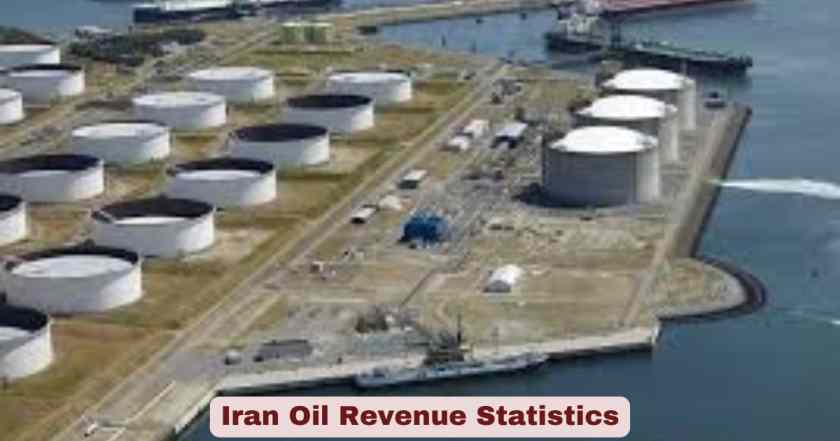
Understanding Iran’s Oil Economy in 2026
Oil is not merely an important sector of Iran’s economy — it is the economy’s central pillar and primary lifeline. Since the early 20th century, when British engineers discovered oil at Masjid-i-Suleiman in 1908, petroleum has defined Iran’s fiscal architecture, its geopolitical relationships, and its capacity to function as a modern state. Today, oil and gas revenues account for more than 40% of Iran’s government budget revenues and contribute over 50% of the country’s total export earnings. Iran holds the world’s fourth-largest proven oil reserves at approximately 157 billion barrels — representing roughly 9% of global proven reserves — and is a founding member of OPEC, which it joined at the organisation’s creation in 1960 in Baghdad. Its production capacity, when unconstrained by sanctions or war, has historically approached 4 million barrels per day (bpd). The country also holds the world’s second-largest natural gas reserves at over 34 trillion cubic metres, giving it an energy endowment that would rank among the world’s top three energy nations if fully monetised. None of that potential, however, has been consistently realisable in the face of one of the most comprehensive and sustained sanctions regimes ever imposed by the United States and its allies.
As of May 2, 2026, Iran’s oil economy is in the most severe crisis of its modern history — worse than the 2012 European Union embargo, worse than the 2018–2020 maximum pressure campaign, and categorically different from anything that came before because it is now layered atop an active military conflict. The 2026 Iran war, which began on February 28, has since added the physical destruction of energy infrastructure, the complete closure of the Strait of Hormuz by Iran’s own forces, and a US naval blockade of all Iranian ports imposed from April 13 to what the timeline as of today suggests is an indeterminate end date. The IMF now projects Iran’s economy will contract by 6.1% in 2026 with inflation approaching 68.9%. The Iranian rial hit a record low of 1.81 million per US dollar on April 29, 2026 — down roughly 15% in a single week. Two million jobs have been lost since February 28. And Iran’s oil export volume dropped to just 300,000 barrels per day in the first weeks of the active blockade — a collapse of more than 80% from the 1.84 million bpd it was exporting in March. This article documents all of these numbers in full, drawing exclusively from verified official and authoritative sources through May 2, 2026.
Interesting Key Facts About Iran Oil Revenue 2026
| Fact | Detail |
|---|---|
| Iran’s proven oil reserves | ~157 billion barrels — 4th largest in the world |
| Iran’s share of global proven reserves | ~9% of total world proven oil reserves |
| Iran’s natural gas reserves rank | 2nd largest globally — over 34 trillion cubic metres |
| Oil’s share of Iran’s export revenues | Over 50% of total export earnings |
| Oil’s share of government budget | More than 40% of government budget revenues |
| 2024 total oil export revenue | ~$43 billion — highest since 2018 sanctions reimposition |
| 2024 export volume | ~1.47–1.61 million bpd (annual average) |
| 2025 first-half export volume | ~1.7 million bpd — IEA data |
| 2025 oil export revenue (first half FY) | $30.7 billion in first 6 months of Iranian fiscal year — CBI data |
| January 2026 export volume | ~1.39 million bpd — down 26% from January 2025 — Kpler |
| Post-blockade export volume (April) | Only ~300,000 bpd moved into Indian Ocean (Apr 13–25) — Reuters |
| Iran’s daily oil revenue (pre-blockade) | ~$139 million/day — FDD Analysis |
| Iran’s daily combined trade loss (blockade) | ~$435 million/day — oil + petrochemicals + other exports — FDD/CNBC |
| Iran oil revenue lost: Apr 13–May 1 | $4.8 billion — US Department of Defense official estimate |
| Iran’s peak annual oil revenue | >$50 billion in 2018 — before JCPOA withdrawal |
| Iran’s lowest oil revenue in modern era | $6.01 billion in 2020 — sanctions + COVID collapse |
| Kharg Island dominance | Over 90% of Iran’s crude exports depart from Kharg Island |
| China’s share of Iran’s oil exports | ~80–90% — primary and effectively only major buyer under sanctions |
| Iran’s oil export discount to Brent | $8–10/barrel discount on Iranian crude vs Brent benchmark |
| Iran crude price in 2025 | Generally low-to-mid single digits per barrel in some transactions; as low as $7–8 — Stimson |
| Iran’s 2026 GDP contraction | –6.1% — IMF World Economic Outlook, April 2026 |
| Iran’s 2026 inflation forecast | 68.9% — IMF (The National cites up to 70%) |
| Iran’s rial record low | 1.81 million rials per US dollar — April 29, 2026 (Bloomberg/AP) |
| Iran’s rial decline in one week | –15% (approximately) in week of April 22–29 — Bloomberg |
| Iran’s rial decline in one year | –70% in 2025 — Times of Israel |
| Iran oil export revenue share cut by blockade | Oxford Economics: blockade could cut 70% of export revenues — April 15, 2026 |
| Iran monthly economic damage (full blockade) | ~$13 billion/month — FDD Analysis |
| Iran’s annual trade through Strait | 90%+ of $109.7 billion annual trade — FDD |
| Iran’s oil field decline rate | 5–8% annually — natural decline; no Western EOR technology access |
| Permanent production loss risk (blockade) | 300,000–500,000 bpd permanently lost if blockade continues past April 26 — FDD |
| Jobs lost since February 28, 2026 | 2 million — Iran Deputy Work Minister confirmed April 21 |
| Iran war total damages | ~$270 billion in direct + indirect damages — Iranian government spokesperson |
| Iran energy infrastructure repair cost | Up to $50 billion (oil + gas alone) — Rystad Energy (revised April estimate) |
| Iran’s business operating capacity | 39% of capacity in autumn 2025 — Iran Chamber of Commerce survey, 3,000+ firms |
| Iran’s poverty rate (March 2025 estimates) | 22–50% of Iranians below the poverty line — Iran International |
Source: IEA Oil Market Report; Kpler trade intelligence (Iran International, February 2026); EIA Iran Country Analysis; US Department of Defense estimates (May 1, 2026); FDD Analysis — What the US Naval Blockade Would Mean for Iran’s Economy (April 13, 2026); CNBC — Iran Economy in Charts (April 23, 2026); Bloomberg — Iran’s Rial Sinks 12% (April 29, 2026); IMF World Economic Outlook Update (April 2026); The National — War Pushes Iran’s Economy to Brink (April 21, 2026); Times of Israel (April 29, 2026); Wikipedia — Economic Impact of the 2026 Iran War; Wikipedia — Iranian Economic Crisis; Iran International (February 18, 2026); Stimson Center (October 2025); TradeImeX Blog (October 2025); Economics Insider (March 2026)
The range of numbers in this facts table is the story of an oil economy that was already under severe strain before the first bombs fell on February 28, and has since been subjected to a compounding shock of unprecedented intensity. The journey from $50 billion in annual oil revenues in 2018 to a potential $6 billion in 2026 — if the blockade persists — would represent a 88% collapse in Iran’s primary income source over just eight years, with each stage of that decline driven by a different combination of sanctions, geopolitics, and now active warfare. The rial’s 70% decline in 2025 and its subsequent additional 15% crash in a single week in late April 2026 illustrate what happens to a currency when its underlying export revenue basis is simultaneously sanctioned, blockaded, and physically disrupted by infrastructure attacks. The $270 billion in estimated total war damages — cited by Iranian government spokespersons — represents a figure equivalent to multiple years of Iran’s entire oil revenue stream, suggesting that even a full restoration of oil exports after any future resolution would face years of rebuilding before pre-war economic function could be restored.
Iran Oil Production Statistics 2024–2026 | Output Trends & Capacity
Iran Crude Oil Production — Historical Trend (OPEC / CEIC / EIA)
━━━━━━━━━━━━━━━━━━━━━━━━━━━━━━━━━━━━━━━━━━━━━━━━━━━━━━━━━━━━━
Year/Period         Production (bpd)   Notes
━━━━━━━━━━━━━━━━━━━━━━━━━━━━━━━━━━━━━━━━━━━━━━━━━━━━━━━━━━━━━
2004 (all-time high) 3,987,000         OPEC / CEIC data
2020 (all-time low)  1,930,000         Sanctions + COVID low
2023 annual avg      ~3,500,000        Recovery underway
Mid-2024             ~3,750,000        +13% growth; multi-year high
Early 2025 avg       ~3,280,000        Stabilising 3.2–3.3M range
Dec 2025             3,210,000         CEIC / OPEC data
Jan 2026             3,129,000         Decline begins; CEIC
Feb 2026             3,241,000         Brief recovery
Mar 2026             3,060,000         War disruption visible
━━━━━━━━━━━━━━━━━━━━━━━━━━━━━━━━━━━━━━━━━━━━━━━━━━━━━━━━━━━━━
Theoretical capacity: 3.8–4.0 million bpd (EIA estimate)
Investment needed for 4M target: $3–5 billion/year (Iranian officials)
Natural field decline rate: 5–8% per year
━━━━━━━━━━━━━━━━━━━━━━━━━━━━━━━━━━━━━━━━━━━━━━━━━━━━━━━━━━━━━| Production Metric | Figure | Source / Period |
|---|---|---|
| All-time production high | 3,987,000 bpd | July 2005 — CEIC / OPEC data |
| All-time production low (modern era) | 1,930,000 bpd | July 2020 — COVID + sanctions low |
| 2023 annual average production | ~3,500,000 bpd | EIA / TradeImeX |
| Mid-2024 production | ~3,750,000 bpd | +13% from 2023 — TradeImeX |
| Early 2025 production | ~3,280,000 bpd | Range 3.2–3.3M bpd — TradeImeX |
| December 2025 production | 3,210,000 bpd | CEIC / OPEC |
| January 2026 production | 3,129,000 bpd | CEIC / OPEC (decrease from Dec) |
| February 2026 production | 3,241,000 bpd | CEIC / OPEC (brief recovery) |
| March 2026 production | 3,060,000 bpd | Trading Economics / OPEC (war disruption) |
| Theoretical production capacity | 3.8–4.0 million bpd | EIA estimate |
| Investment needed to reach 4M bpd | $3–5 billion/year | Iranian government officials — TradeImeX |
| Annual natural field decline rate | 5–8% per year | FDD Analysis; industry consensus |
| Impact of blockade on oil fields | Risk of permanent well damage from overflow pressure | FDD — wells at risk if blockade extended past April 26 |
| Major producing fields | Ahvaz, Marun, Gachsaran, South Pars | Producing since 1960s; aging infrastructure |
| Refining capacity (by 2024) | Exceeds 2.3 million bpd | TradeImeX |
| Key refinery complexes | Abadan, Bandar Abbas, Persian Gulf Star | Persian Gulf Star processes South Pars condensate |
| EIA data summary (Mar 2025) | Iran OPEC production 3.38 million bpd (EIA STEO April 2026) | EIA April 2026 STEO Table |
Source: CEIC Data — Iran Crude Oil Production (updated April 2026); Trading Economics — Iran Crude Oil Production (reporting March 2026 figure); EIA Iran Country Analysis and STEO April 2026; TradeImeX — Iran Oil Export Data (October 2025); FDD Analysis (April 2026)
The production numbers tell a story of a country that had succeeded, against considerable odds, in growing its oil output to near-decade highs by mid-2024 — reaching 3.75 million bpd through a combination of revived idle wells, local engineering workarounds, and field optimisation across ageing reservoirs. That achievement was entirely the product of Iranian technical adaptation to the loss of Western technology partnerships: without access to enhanced oil recovery (EOR) technology from international operators, Iranian engineers have squeezed additional output from mature fields like Ahvaz and Gachsaran by relying on domestic expertise and equipment. The 5–8% annual natural decline rate is the structural constraint that hangs over all of this: without sustained investment in EOR and field maintenance, Iran’s reserves will continue to deplete faster than they can be replenished. The March 2026 production figure of 3,060,000 bpd — down from the pre-war trend of ~3.2–3.3 million — already reflects early war disruption to field operations, infrastructure, and logistics. The critical risk flagged by FDD analysts is that prolonged blockade-induced well shutdowns could permanently reduce recoverable reserves by 300,000–500,000 bpd, as oil becomes physically trapped in rock pores under excess pressure — a geological consequence that no future diplomatic settlement can reverse.
Iran Oil Export Statistics 2014–2026 | Volume & Revenue History
Iran Oil Export Revenue & Volume — 10-Year History
━━━━━━━━━━━━━━━━━━━━━━━━━━━━━━━━━━━━━━━━━━━━━━━━━━━━━━━━━━━━━
Year    Revenue ($B)  Volume (M bpd)   Notes
━━━━━━━━━━━━━━━━━━━━━━━━━━━━━━━━━━━━━━━━━━━━━━━━━━━━━━━━━━━━━
2014    ~50           ~2.5             Pre-JCPOA, pre-collapse
2015    ~36           ~2.0             Sanctions pressure
2016    ~24           ~2.2             JCPOA relief begins
2017    ~42           ~2.5             JCPOA peak
2018    >50           ~2.3             Highest revenue year (pre-withdrawal)
2019    ~26           ~1.0             JCPOA withdrawn; new sanctions
2020    6.01          0.44             All-time low — sanctions + COVID
2021    19.51         ~0.7             Recovery begins
2022    32.98         ~1.0             Continued recovery
2023    ~40.28        1.45–1.50        Steady growth
2024    ~43           1.47–1.61        Highest since 2018
2025 H1 (CBI data)  30.70 (first 6mo) ~1.7 (IEA H1 avg) Declining under pressure
Jan 2026             —                1.39 (–26% YoY) Kpler data
Apr 2026 (blockade)  —                ~0.30 (blockaded) Near-total halt
━━━━━━━━━━━━━━━━━━━━━━━━━━━━━━━━━━━━━━━━━━━━━━━━━━━━━━━━━━━━━
Peak revenue year: 2018 (>$50 billion)
Trough revenue year: 2020 ($6.01 billion)
Revenue range over 10 years: $6B – $50B+
━━━━━━━━━━━━━━━━━━━━━━━━━━━━━━━━━━━━━━━━━━━━━━━━━━━━━━━━━━━━━| Year / Period | Oil Export Revenue | Export Volume | Key Context |
|---|---|---|---|
| 2018 (peak) | >$50 billion | ~2.3 million bpd | Highest in recent decade; JCPOA in force |
| 2019 | ~$26 billion | ~1.0 million bpd | US withdrew from JCPOA; new maximum pressure sanctions |
| 2020 (trough) | $6.01 billion | 0.44 million bpd | All-time modern low; COVID + maximum pressure |
| 2021 | $19.51 billion | ~0.7 million bpd | Recovery begins; shadow fleet growth |
| 2022 | $32.98 billion | ~1.0 million bpd | Continued recovery; China ramp-up |
| 2023 | ~$40.28 billion | ~1.45–1.50 million bpd | Strong recovery; near pre-sanction volumes |
| 2024 | ~$43 billion | 1.47–1.61 million bpd | Highest revenue since 2018; best annual volume since then |
| 2024 Dec (CEIC/OPEC) | — | 1,566,220 bpd | Year-end export data; OPEC/CEIC |
| 2025 H1 (FY — CBI data) | $30.7 billion (first 6 months) | ~1.7 million bpd (IEA H1 avg) | 10% decline in oil revenue YoY; capital flight accelerating |
| January 2026 | — | 1.39 million bpd | –26% vs January 2025 — Kpler; trend since October 2025 |
| April 13–25, 2026 (blockade) | — | ~300,000 bpd moving to Indian Ocean | –80%+ vs pre-blockade — Reuters / Times of Israel |
| Iran’s 10-year revenue range | $6B–$50B+ | 0.44M–2.3M bpd | Illustrates extreme sanctions vulnerability |
Source: Economics Insider — Iran Oil Export Value 2014–2025 (March 2026); Iran International (February 18, 2026); Kpler via Iran International (January 2026); Times of Israel (April 29, 2026); CEIC Data — Iran Crude Oil Exports; IEA Oil Market Report; TradeImeX Iran Oil Export Data (October 2025)
The ten-year export revenue history from 2014 to 2026 is a masterclass in how sanctions, geopolitics, and commodity prices interact to produce wild swings in a petrostate’s income. The $50+ billion peak of 2018 — the year President Obama’s JCPOA was in full force and Iranian barrels were flowing freely to European and Asian buyers — looks almost unimaginable against the $6 billion trough of 2020, when Iran was simultaneously hit by the harshest sanctions ever imposed and a global pandemic that destroyed oil demand. What is remarkable is the recovery from 2021 to 2024: through a combination of discounted pricing to China, shadow fleet development, and grey-market transshipment through Malaysia and the UAE, Iran rebuilt its export revenues from $6 billion to $43 billion in just four years — a sevenfold increase achieved entirely by working around, rather than resolving, the sanctions architecture. The January 2026 decline to 1.39 million bpd (-26% year-on-year) began even before the war, driven by renewed US enforcement pressure on Chinese banks and tightening secondary sanctions. The April 2026 collapse to ~300,000 bpd of actual delivery represents the combined effect of the physical blockade and tanker diversion — a near-total halt to the export lifeline that had taken four years to rebuild.
Iran Oil Revenue Losses 2026 | The Blockade’s Economic Damage
Iran Oil Revenue & Economic Loss — April 13 to May 2, 2026
━━━━━━━━━━━━━━━━━━━━━━━━━━━━━━━━━━━━━━━━━━━━━━━━━━━━━━━━━━━━━
Daily losses (FDD Analysis / CNBC):
  Crude oil exports:              ~$139 million/day halted
  Petrochemical exports:          ~$54 million/day halted
  Other maritime exports (~90%):  ~$79 million/day halted
  Combined daily economic damage: ~$435 million/day

DoD official (May 1, 2026):
  Iran oil revenue lost (Apr 13–May 1): $4.8 billion

Oxford Economics (April 15, 2026):
  Blockade could cut 70% of Iran's export revenues

FDD (if blockade continues):
  Monthly total economic damage: ~$13 billion/month

Permanent damage risk:
  Oil field production loss: 300,000–500,000 bpd permanently
  Annual revenue impact:     $9–15 billion/year permanently lost
━━━━━━━━━━━━━━━━━━━━━━━━━━━━━━━━━━━━━━━━━━━━━━━━━━━━━━━━━━━━━
Iran's total war damages (direct + indirect, since Feb 28):
  ~$270 billion — Iranian government spokesperson
  Energy infrastructure repair alone: $50 billion (Rystad Energy)
━━━━━━━━━━━━━━━━━━━━━━━━━━━━━━━━━━━━━━━━━━━━━━━━━━━━━━━━━━━━━| Revenue Loss Metric | Figure | Source |
|---|---|---|
| Daily crude oil export revenue lost | ~$139 million/day | FDD Analysis (April 13, 2026) |
| Daily petrochemical export revenue lost | ~$54 million/day | FDD Analysis |
| Daily non-oil maritime export revenue lost | ~$79 million/day (~90% of $88M/day) | FDD Analysis |
| Combined daily economic damage (blockade) | ~$435 million/day | FDD / CNBC (April 15, 2026) |
| Iran oil revenue confirmed lost (Apr 13–May 1) | $4.8 billion | US Department of Defense, May 1, 2026 |
| Share of export revenues blockade could cut | 70% | Oxford Economics (April 15, 2026) |
| Estimated monthly damage (full blockade) | ~$13 billion/month | FDD Analysis |
| Iran’s current oil delivery under blockade | ~300,000 bpd to Indian Ocean (Apr 13–25) | Reuters / Times of Israel |
| Decline from pre-blockade export level | 1.84 million bpd → ~300,000 bpd = –84% | Kpler; Reuters |
| Revenue survival capacity (pre-loaded cargoes) | Potentially until August 2026 | Kenneth Katzman, analyst (Al Jazeera, April 24) |
| Permanent oil field damage if extended | 300,000–500,000 bpd permanently lost | FDD — risk from well pressure and overflow |
| Annual permanent revenue loss | $9–15 billion/year permanently | FDD ($9–15B range) |
| Iran’s total war damages (direct + indirect) | ~$270 billion since February 28 | Iranian government spokesperson (The National) |
| Energy infrastructure repair cost | Up to $50 billion for oil + gas facilities alone | Rystad Energy revised estimate (April 2026) |
| Iran’s annual trade through Strait | 90%+ of $109.7 billion total — mostly maritime | FDD Analysis |
| Broader blockade economic context | Blockade “shuts down one of Tehran’s main lifelines” — Brookings | Robin Brooks, Brookings Institution (CNBC) |
| Iran’s balance of payments risk | Blockade “brings forward the point when Iran’s balance of payments hits a wall” | Robin Brooks, Brookings (CNBC) |
Source: FDD Analysis (April 13, 2026); US Department of Defense (May 1, 2026); Oxford Economics — Deputy Chief Emerging Markets Economist Jason Tuvey note (April 15, 2026) via CNBC; Reuters (Times of Israel, April 29, 2026); Kpler intelligence; Rystad Energy (April 2026); The National — Iran War Economy (April 21, 2026); Brookings Institution / Robin Brooks (CNBC, April 23, 2026)
The revenue loss calculations present a picture that is stark in its precision. The FDD’s breakdown of Iran’s maritime trade — $139M/day from crude, $54M/day from petrochemicals, $79M/day from other maritime exports — adds up to $435 million in daily economic damage, a figure the CNBC reporting explicitly cited and which Oxford Economics independently confirmed by estimating the blockade could cut 70% of Iran’s total export revenues. The DoD’s official figure of $4.8 billion in oil revenue lost in the first 18 days is the most authoritatively sourced number in this table, coming directly from the US government’s own accounting of the blockade’s oil-specific impact through May 1. Extending the FDD daily figure across a full month produces a $13 billion monthly damage estimate — which, set against Iran’s $43 billion in total 2024 oil revenues, means a single month of full blockade would inflict losses equivalent to roughly 30% of an entire year’s oil income. The permanent damage risk is the number that has drawn the least attention but may prove the most consequential: if well pressure in Iran’s ageing Kharg Island fields was not relieved by export resumption by the analysts’ April 26 deadline, the geological damage to reservoirs could permanently reduce production capacity by 300,000–500,000 bpd — a loss that would persist long after any diplomatic resolution is reached.
Iran Oil Sanctions History & Statistics 2012–2026 | Rounds of Pressure
Iran Oil Sanctions — Key Rounds & Revenue Impact
━━━━━━━━━━━━━━━━━━━━━━━━━━━━━━━━━━━━━━━━━━━━━━━━━━━━━━━━━━━━━
2012:  EU oil embargo + US banking sanctions
       Exports fell from ~2.5M → ~1.0M bpd
       Revenue dropped sharply; rial collapses

2016:  JCPOA relief — sanctions rolled back
       Exports recover to ~2.5M bpd by 2017
       Revenue rises to ~$42B

2018 (May):  US withdraws from JCPOA
       Secondary sanctions reimposed
       Exports: ~2.3M → ~1.0M bpd (12 months)
       Revenue: $50B+ → $26B (2019) → $6B (2020)

2021–2024:  No JCPOA restoration
       Iran rebuilds via China / shadow fleet
       Revenue: $6B → $19B → $33B → $43B

Late 2025:  Renewed US sanctions enforcement
       January 2026 exports: –26% YoY

2026 (Feb 28):  War begins; Strait blocked by Iran
2026 (Apr 13):  US naval blockade imposed
       Revenue: ~$0 per day from sea exports
━━━━━━━━━━━━━━━━━━━━━━━━━━━━━━━━━━━━━━━━━━━━━━━━━━━━━━━━━━━━━
All sanctions rounds since 1979 Islamic Revolution
━━━━━━━━━━━━━━━━━━━━━━━━━━━━━━━━━━━━━━━━━━━━━━━━━━━━━━━━━━━━━| Sanctions Round / Period | Key Impact on Oil Revenue | Source |
|---|---|---|
| 1979 — First US sanctions | Following Islamic Revolution; US Executive Order 12170 froze assets; oil relationship ruptured | Historical record |
| 1995–2012 — Escalating US unilateral | Progressive restrictions on investment, shipping, banking; Iran adapts gradually | Congressional Research Service |
| 2012 — EU oil embargo + US SWIFT | Exports fell to ~1.0M bpd from ~2.5M; first major revenue collapse; rial collapses | Stimson Center |
| 2015–2016 — JCPOA | Sanctions relief; exports recover to ~2.5M bpd; revenues reach ~$42B by 2017 | IEA; Economics Insider |
| 2018 (May) — JCPOA withdrawal | US reimposed sanctions; secondary sanctions target all buyers; exports fall ~57% in 12 months | EIA; Economics Insider |
| 2019–2020 — Maximum pressure | Exports: 0.44M bpd (2020); revenue: $6.01 billion (2020) — both all-time modern lows | Economics Insider |
| 2021–2024 — Shadow fleet recovery | No sanctions relief; Iran adapts through China (90% of buyers), shadow tankers, grey-market transshipment | Stimson; TradeImeX |
| 2025 — Renewed enforcement | China purchases slow; January 2026 exports –26% YoY; revenue falling 10% in H1 FY2025 | Iran International (February 2026) |
| Iranian crude price discount | Traded at $8–10/barrel below Brent; sometimes as low as $7–8/barrel in 2025 | Stimson Center (October 2025) |
| Chinese independent refiner dependency | ~80–90% of Iranian oil goes to Chinese independent refiners in Shandong province | TradeInt; Stimson |
| Transshipment hubs | Crude relabelled/transshipped through Malaysia and Indonesia to obscure Iranian origin | TradeInt |
| Iran’s total frozen assets abroad | Estimated $100–200 billion in potentially recoverable assets | Iran International (February 2026) |
| 2026 — War + blockade | Near-total halt to maritime oil exports; ~300,000 bpd vs 1.84M bpd (–84%) | Kpler; Reuters |
| Impact on CBI debt | Government debt to banking system up 41% YoY by November 2025; central bank borrowing +68% | Iran International (February 2026) |
| Sanctions legacy — infrastructure | No access to Western EOR technology; declining field productivity; maintenance backlogs | TradeImeX; Stimson |
Source: Economics Insider (March 2026); Iran International (February 2026); Stimson Center (October 2025); TradeInt (March 2026); TradeImeX (October 2025); EIA; IEA
The sanctions history is essential context for understanding why the 2026 crisis has hit harder than any predecessor. Each previous sanction round found Iran in better underlying economic and infrastructure shape than it is in today. In 2012, Iranian oil fields were in reasonable condition, international reserves were adequate, and the banking system — while stressed — was functioning. By 2026, the cumulative effect of more than 40 years of financial isolation has left Iran with oil fields declining at 5–8% annually without access to the enhanced recovery technology needed to slow that depletion, a banking system where only 9 banks are not considered insolvent by the Central Bank’s own criteria, a rial that had already lost 70% of its value in 2025 alone, and government debt to the banking system surging at 41–68% annually. The China dependency — where 80–90% of all Iranian oil flows to a single country — is simultaneously the lifeline that has kept revenues flowing and the greatest strategic vulnerability: any serious US enforcement action against Chinese banks processing Iranian oil payments could collapse that last remaining revenue channel. Stimson analysts confirmed in October 2025 that stricter enforcement could cut Iranian shipments to 1.0–1.2 million bpd even without a physical blockade, bringing daily gross earnings to just $45–60 million — confirming that the financial pressure tools available even short of military action were substantial.
Iran’s Currency & Macro-Economic Statistics 2026 | Rial, Inflation & GDP
Iran Macroeconomic Indicators — Pre-War vs 2026
━━━━━━━━━━━━━━━━━━━━━━━━━━━━━━━━━━━━━━━━━━━━━━━━━━━━━━━━━━━━━
Indicator           Pre-War (2024/early 2025)  Current (April–May 2026)
━━━━━━━━━━━━━━━━━━━━━━━━━━━━━━━━━━━━━━━━━━━━━━━━━━━━━━━━━━━━━
GDP growth          Modest positive            –6.1% (IMF 2026 forecast)
Inflation           40–50% (2025)              68.9% (IMF); near 70% forecast
Rial / USD          ~800,000–1,000,000/USD     1.81M/USD (Apr 29 record low)
Rial change (2025)  —                          –70% over 2025 (Times of Israel)
Rial change (1wk)   —                          –15% week of Apr 22–29 (Bloomberg)
Business capacity   ~50–60%                    39% (autumn 2025 survey)
Poverty rate        22–40% estimates           22–50% estimates (Mar 2025)
Gov. debt to banks  Baseline                   +41% YoY by Nov 2025
CBI borrowing       Baseline                   +68% YoY by Nov 2025
Banking solvency    9+ solvent banks           Only 9 banks solvent (CBI criteria)
Money supply (liq.) Baseline                   +40% YoY November 2025
━━━━━━━━━━━━━━━━━━━━━━━━━━━━━━━━━━━━━━━━━━━━━━━━━━━━━━━━━━━━━
Central bank issued largest-ever banknote: 10 million rial note
Jobs lost since Feb 28: 2 million (confirmed by Deputy Minister)
━━━━━━━━━━━━━━━━━━━━━━━━━━━━━━━━━━━━━━━━━━━━━━━━━━━━━━━━━━━━━| Macro Indicator | Figure | Source / Period |
|---|---|---|
| IMF 2026 GDP growth forecast (Iran) | –6.1% | IMF World Economic Outlook, April 2026 |
| IMF 2026 inflation forecast (Iran) | 68.9% | IMF World Economic Outlook |
| Alternative inflation projection | Approaching 70% | The National (April 21, 2026) |
| Rial record low (April 29, 2026) | 1.81 million rials per USD | Bloomberg / AP / RFE-RL |
| Rial decline in one week (Apr 22–29) | –15% approximately | Bloomberg; Iranian media |
| Rial decline in full year 2025 | –70% | Times of Israel (April 29, 2026) |
| Rial at October 2025 (Time/Euronews/Al-Monitor) | 1,750,000 rials per USD | Wikipedia — Iranian Economic Crisis |
| Rial at January 2026 | ~1.1–1.32 million per USD | Wikipedia — Iranian Economic Crisis; CNBC |
| Rial in April 2026 (CNBC average) | ~1.32 million per USD | CNBC (April 23, 2026) |
| Rial peak low (April 29) | 1.81 million per USD | Bloomberg / AP |
| Pre-2015 rial rate (for historical context) | ~42,000 rials per USD | Wikipedia |
| Total rial depreciation (2015 → 2026) | From 42,000 to 1,810,000 — a ~43-fold collapse | Wikipedia historical data |
| Iran inflation (2025 average) | >40–50% | Various; CNBC; Iran International |
| Iran inflation (January 2026) | 60% year-on-year | Iran International (February 2026) |
| Iran inflation (October 2025) | 48.6% | Wikipedia — Iranian Economic Crisis |
| Government budget requirement | ~$25 billion/year (~$2B/month) — at 1.62M rial/USD | Iran International (February 2026) |
| Government debt to banking system (Nov 2025) | +41% year-on-year | CBI data via Iran International |
| Government debt to central bank (Nov 2025) | +68% year-on-year | CBI data via Iran International |
| Commercial bank borrowing from CBI (Nov 2025) | +63% year-on-year | CBI data via Iran International |
| Money supply / liquidity (Nov 2025) | +40% year-on-year | CBI data via Iran International |
| Business operating capacity (autumn 2025) | 39% — survey of 3,000+ firms | Iran Chamber of Commerce via Iran International |
| Jobs lost since Feb 28, 2026 | 2 million | Iran Deputy Work Minister Gholamhossein Mohammadi |
| New 10M rial banknote issued | Largest denomination ever — signal of hyperinflationary pressure | Wikipedia — Iranian Economic Crisis |
| Iran frozen foreign assets | $100–200 billion potentially recoverable | Iran International (February 2026) |
| Expected reconstruction time | More than a decade — senior Iranian economic officials | CNBC (April 23, 2026) |
Source: IMF World Economic Outlook Update (April 2026); Bloomberg (April 29, 2026); CNBC — Iran Economy in Charts (April 23, 2026); AP / US News (April 29, 2026); Iran International (February 18, 2026); Times of Israel (April 29, 2026); Wikipedia — Iranian Economic Crisis (updated May 2026); The National (April 21, 2026); RFE/RL via GlobalSecurity.org (April 30, 2026); OilPrice.com (April 30, 2026)
The macroeconomic indicators paint a portrait of an economy where oil revenue collapse is transmitting rapidly through every other economic variable simultaneously. The rial’s journey from 42,000 per dollar in the pre-sanctions era to 1.81 million per dollar on April 29, 2026 — a 43-fold collapse — is the most visible single metric of what four decades of financial isolation, compounded by two months of active warfare, looks like in practice. Every 100,000-rial increase in the exchange rate represents a direct increase in the cost of every imported good — from food and medicine to machinery and raw materials — for ordinary Iranian consumers already facing 60–70% inflation. The IMF’s projection of –6.1% GDP contraction is a conservative base case: it assumes some eventual normalisation, but even senior Iranian economic officials have reportedly told President Pezeshkian that reconstruction could take more than a decade. The $100–200 billion in frozen assets abroad — a figure cited by Iranian officials as potentially recoverable through a future settlement — represents the potential offset to years of lost revenue, but accessing those assets would require the precise kind of diplomatic normalisation and sanctions relief that the current conflict has made more distant rather than closer.
Iran’s Oil Export Destinations 2025–2026 | China Dependency Statistics
Iran Oil Export Buyers — 2025 Data
━━━━━━━━━━━━━━━━━━━━━━━━━━━━━━━━━━━━━━━━━━━━━━━━━━━━━━━━━━━━━
Buyer           Share     Volume         Revenue (2025)
━━━━━━━━━━━━━━━━━━━━━━━━━━━━━━━━━━━━━━━━━━━━━━━━━━━━━━━━━━━━━
China           ~80–90%   ~1.38M bpd     ~$32 billion
UAE             Small     re-export hub  ~$4.4 billion (oil + products)
Oman            Small     transit        ~$463 million
Syria           Minimal   —              ~$1.1 billion (aid/trade)
Others          Minimal   —              —
━━━━━━━━━━━━━━━━━━━━━━━━━━━━━━━━━━━━━━━━━━━━━━━━━━━━━━━━━━━━━
China's discharges at Chinese ports (Jan 2026): 1.13M bpd
  Down from 1.4M bpd average in 2025 (–19%)
China's independent refiners (Shandong):
  Primary buyers — not state-owned majors
Chinese share of Iran seaborne crude imports: ~13–14%
Iran crude discount to Brent: $8–10/barrel
━━━━━━━━━━━━━━━━━━━━━━━━━━━━━━━━━━━━━━━━━━━━━━━━━━━━━━━━━━━━━
Kharg Island (Kharg):  >90% of all crude exports
South Pars:            LNG + condensate — Persian Gulf Star
Assaluyeh:             Petrochemical exports
━━━━━━━━━━━━━━━━━━━━━━━━━━━━━━━━━━━━━━━━━━━━━━━━━━━━━━━━━━━━━| Export Destination Metric | Figure | Source |
|---|---|---|
| China’s share of Iran’s oil exports | ~80–90% — primary and effectively only major buyer | TradeInt; TradeImeX; Stimson |
| China daily discharges (2025 average) | ~1.4 million bpd at Chinese ports | Iran International (February 2026) |
| China daily discharges (January 2026) | 1.13 million bpd — –19% from 2025 average | Kpler via Iran International |
| China’s direct revenue from Iran oil (2025) | ~$32 billion — largest single market | Economics Insider (March 2026) |
| China’s share of Iran seaborne crude | ~13–14% of China’s total seaborne crude imports | TradeInt |
| Type of Chinese buyer | Primarily independent refiners in Shandong province — not state-owned majors | TradeInt; Stimson |
| Reason for Chinese concentration | Iran crude priced at $8–10/barrel below Brent — cost advantage for low-margin refiners | TradeInt; Stimson |
| UAE as secondary market | $4.4 billion in oil + petroleum products exported to UAE in 2025 | TradeInt |
| UAE’s role | Regional re-export and trading hub — not direct end consumer | TradeInt |
| Oman | ~$463 million — transit and regional supply | TradeInt |
| Syria | ~$1.1 billion — political/aid relationship | Economics Insider |
| Transshipment intermediaries | Malaysia and Indonesia — crude relabelled to obscure origin | TradeInt |
| Ship-to-ship transfers | Conducted on the high seas to shift cargo to non-sanctioned vessels | Stimson; Al Jazeera |
| Kharg Island | >90% of crude export capacity — only facility of scale for Gulf crude export | FDD; TradeImeX |
| Caspian Sea alternative | Minor — Israeli Air Force bombed Iranian naval installations in Caspian pre-ceasefire | Wikipedia |
| Overland export capacity | Limited — not enough to replicate blocked sea routes | Times of Israel (April 29, 2026) |
| Chinese state-owned company stance | Largely avoided direct Iranian purchases to limit sanctions exposure | TradeInt; Stimson |
Source: TradeInt — Iran Oil Export 2025 (March 2026); Economics Insider (March 2026); Iran International (February 18, 2026); TradeImeX (October 2025); Stimson Center (October 2025); Times of Israel (April 29, 2026)
The China dependency statistics reveal both the extraordinary resilience and the fundamental fragility of Iran’s post-sanctions oil export model. The fact that 80–90% of all Iranian oil flows to a single country — and within that country, primarily to independent refiners in Shandong province rather than state-owned majors — reflects the market reality of life under maximum pressure sanctions. Chinese state-owned oil companies, with significant US market exposure and dollar-denominated financing needs, have largely declined direct Iranian purchases to avoid secondary sanctions exposure. It is the smaller, independent Shandong refiners — which operate with narrow margins and have much less to lose from US regulatory pressure — who have been willing to pay slightly above spot price for discounted Iranian crude, creating the commercial demand that kept Iranian export revenues recovering from 2021 to 2024. The January 2026 decline to 1.13 million bpd of Chinese discharges — down 19% from the 2025 average — pre-dated the blockade and reflected US pressure on Chinese financial intermediaries processing Iran-related payments, confirming that financial enforcement can reduce volumes even without physical interdiction. Now with the blockade in effect, even the shadow tankers that had successfully bridged the gap face the challenge of navigating around or through an active US naval interdiction operation that extends beyond the Gulf into Asian waters through INDOPACOM.
Disclaimer: This research report is compiled from publicly available sources. While reasonable efforts have been made to ensure accuracy, no representation or warranty, express or implied, is given as to the completeness or reliability of the information. We accept no liability for any errors, omissions, losses, or damages of any kind arising from the use of this report.