
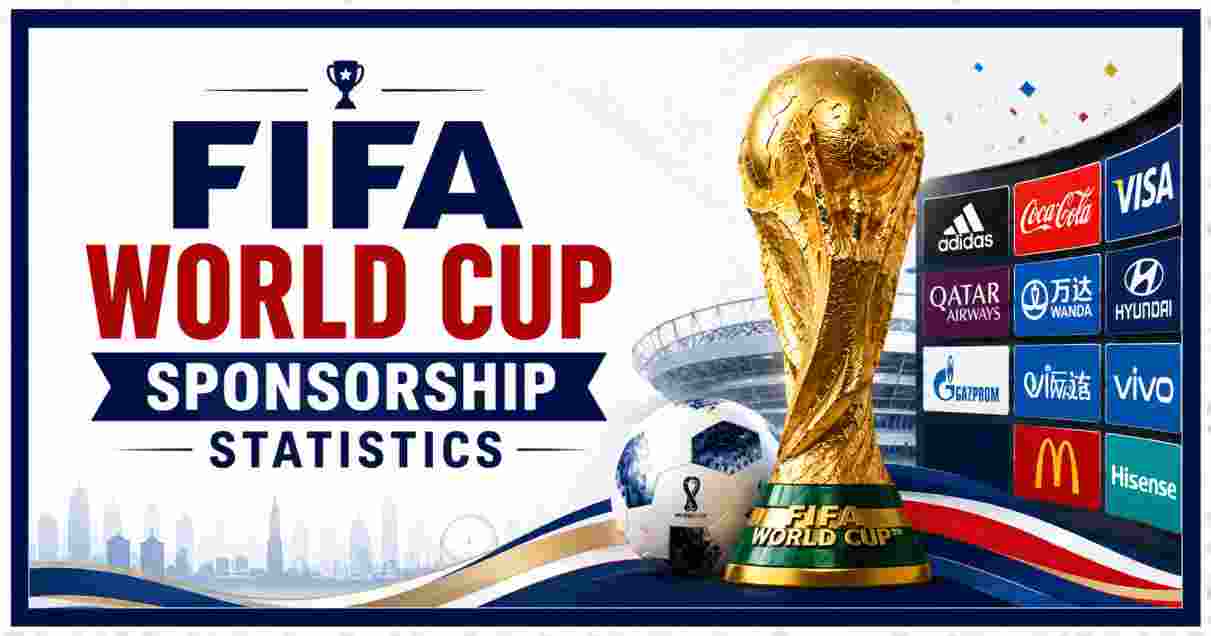
FIFA World Cup Sponsorship in 2026
The FIFA World Cup 2026 is, by every measurable commercial metric, the most lucrative sporting event ever staged — and the final confirmed post-tournament revenue figures have now validated every pre-event projection, and in several categories exceeded them. Spain defeated Argentina 1-0 in extra time at MetLife Stadium, East Rutherford, New Jersey on July 19, 2026, ending what became the most-watched football final in broadcast history. FIFA president Gianni Infantino presided over a tournament that has now been confirmed by CNBC (July 20, 2026) as generating over $9 billion in revenue for 2026 — surpassing the ~$8.9 billion pre-event projection and officially making it the most lucrative single sporting event in all of recorded history. FIFA’s revised budget for the 2023–2026 commercial cycle targeted $13 billion in total revenue, a figure revised upward twice from the original $11 billion projection, representing a 72% cycle-on-cycle increase compared to the 2019–2022 Qatar cycle. Within that commercial engine, marketing and sponsorship rights delivered $2.693 billion from the full cycle — a 152% increase over the $1.07 billion generated in the 2010 cycle and the largest sponsorship haul in World Cup history.
What makes the 2026 sponsorship story particularly defining is not just the scale of the numbers but the structural completeness of the deal — confirmed and now post-tournament validated. In March 2026, FIFA Chief Business Officer Romy Gai confirmed that all 16 global sponsorship positions had been filled — making this the first World Cup to reach complete commercial capacity before kickoff. That sellout was rewarded: 6.54 million fans attended the 104 matches, shattering the 1994 record of 3.59 million; more than 6.25 million fans entered stadiums at 99.7% occupancy; 20 billion video views were recorded across FIFA’s official platforms; and FIFA Fan Festivals attracted over 7.7 million visitors across the three host countries. For the brands that paid $65–$95 million per Tier 2 deal before a ball was kicked, the return on investment has been the most commercially validated in World Cup history. Bank of America, Verizon, and Frito-Lay — who all made new or upgraded sponsorship commitments specifically tied to the North American hosting — bought their category monopolies over one of the most commercially successful mass media events ever produced.
Interesting Facts: FIFA World Cup 2026 Sponsorship Statistics
| Fact | Key Detail |
|---|---|
| All 16 global sponsorship slots sold out before tournament kickoff | FIFA CBO Romy Gai confirmed — March 2026; first World Cup to achieve this milestone |
| Total FIFA cycle marketing rights revenue | $2.693 billion (2023–2026 cycle) — confirmed figure; up from $1.8B in 2019–2022 cycle |
| FIFA 2026 World Cup total revenue (post-tournament confirmed) | Over $9 billion — CNBC (July 20, 2026); the most lucrative single sporting event in history |
| Total FIFA 2023–2026 cycle revenue target | $13 billion — revised upward twice from original $11B projection |
| Broadcasting rights total (2026 cycle) | $3.92 billion — FIFA’s single largest revenue stream |
| Tier 2 sponsorship deal range | $65–$95 million per deal per brand — Sponsorship Marketing Association (December 2025) |
| Fox Sports + Telemundo US broadcast deal | ~$1.25 billion — most valuable territorial broadcast rights deal in World Cup history |
| Total tournament attendance (post-tournament confirmed) | 6.54 million fans across 104 matches — SMASHING the 1994 record of 3.59 million |
| Stadium occupancy rate | 99.7% — near-perfect capacity utilisation across all venues |
| FIFA official platform video views | 20 billion video views — confirmed during and post-tournament |
| FIFA Fan Festival attendance | Over 7.7 million fans at fan festivals across US, Canada, and Mexico |
| Hospitality packages sold | 607,350 hospitality packages sold and allocated — inside.fifa.com |
| Bank of America became FIFA’s first-ever global banking category sponsor | Signed August 2024 — reflects North American hosting premium |
| Verizon became FIFA’s first-ever dedicated telecom category sponsor | Signed September 2024 — another North American first |
| TikTok signed as “preferred platform” for World Cup video content | January 8, 2026 — reflected in 20 billion platform video views confirmed post-tournament |
| World Cup Final result | Spain 1–0 Argentina (AET) — July 19, 2026 — MetLife Stadium, East Rutherford, NJ |
| World Cup Final half-time performers | Madonna, Justin Bieber, BTS, and Shakira — drew criticism for 27-minute break |
| Prize money pool (confirmed record) | $871 million — minimum $12.5 million per team |
| Sponsorship marketing revenue growth (2010 to 2026) | From $1.07 billion to $2.693 billion — a 152% increase over four editions |
| Next FIFA cycle (2027–2030) revenue projection | $14 billion — with TV rights alone expected to reach $6 billion — Reuters |
Source: CNBC, “FIFA emerges as the $9 billion winner as the biggest, brashest World Cup ever draws to a close” (July 20, 2026); inside.fifa.com, “Packed stadiums to record digital reach: FIFA World Cup 2026 numbers tell story of unprecedented scale” (Quarter-finals press release); Yahoo Sports (July 20, 2026); Forbes (July 1, 2026); FIFA official Partners page (inside.fifa.com); Sponsorship Marketing Association (December 2025); NBCUniversal; Wikipedia 2026 FIFA World Cup Broadcasting Rights
These 20 post-tournament confirmed facts validate the commercial ambition FIFA brought to 2026 at every level simultaneously. The $9 billion+ revenue confirmation from CNBC the day after the final is not a projection or a range — it is FIFA’s own post-tournament estimate, and it makes the 2026 World Cup by a clear margin the most commercially productive single event in the history of sport. The Paris 2024 Summer Olympics generated approximately $5.24 billion — the World Cup exceeded that by roughly 70%, in a single tournament. The Qatar 2022 World Cup generated approximately $7 billion — the 2026 edition exceeded that by nearly $2 billion. The compound story of these numbers is that Gianni Infantino’s expansion strategy — taking the World Cup from 64 to 104 matches and from 32 to 48 teams — has been commercially vindicated in the most emphatic possible terms: more matches equals more broadcast inventory, more tickets, more hospitality packages, more sponsor activations, and a dramatically larger aggregate commercial footprint.
The tournament attendance figure of 6.54 million deserves particular emphasis because it completes the commercial loop. Sponsors buy World Cup rights to access audience — and the 2026 World Cup delivered the largest stadium audience in the tournament’s 96-year history, at near-perfect 99.7% occupancy, meaning almost every single seat available across 104 matches was filled. The 7.7 million fan festival visitors add a further dimension: people who could not access tickets but who nonetheless gathered in designated zones across all three host countries to watch on big screens, purchase sponsor-activated food and beverage products, and engage with sponsor brand activations in precisely the high-dwell-time, emotionally charged environment that brand experience marketing is built around. For Coca-Cola’s fan festival activations, McDonald’s stadium concession presence, and AB InBev’s Michelob ULTRA hospitality structures, the 7.7 million festival visitors represented bonus audience beyond the ticket-buying base.
FIFA World Cup 2026 Revenue Breakdown | Full Post-Tournament Picture
FIFA World Cup 2026 Total Revenue — Post-Tournament Confirmed (July 2026)
━━━━━━━━━━━━━━━━━━━━━━━━━━━━━━━━━━━━━━━━━━━━━━━━━━━━━━━━━━━━━━━━━━━━━━━━

TOTAL 2026 WORLD CUP REVENUE: OVER $9 BILLION (confirmed post-tournament)
TOTAL 2023–2026 CYCLE TARGET: $13 BILLION

Revenue Streams:
  Broadcasting Rights:       $3.92B  ██████████████████████████████████████ ~30%
  Ticketing & Hospitality:   $3.10B+ ████████████████████████████████░░░░░░ ~25%
  Sponsorship/Marketing:     $2.693B ███████████████████████████░░░░░░░░░░░ ~21%
  Licensing Rights:          $0.670B ███████░░░░░░░░░░░░░░░░░░░░░░░░░░░░░░  ~5%
  Prize Money Pool:          $0.871B ████████░░░░░░░░░░░░░░░░░░░░░░░░░░░░░  ~7%
  Other Revenues:            ~$1.75B ████████████████░░░░░░░░░░░░░░░░░░░░░░ ~12%

Historical Comparison:
  2006 Germany:         $3.3B  ████████████
  2010 South Africa:   ~$4.1B  ████████████████
  2014 Brazil:         ~$5.7B  ████████████████████
  2018 Russia:         ~$6.4B  █████████████████████████
  2022 Qatar:          ~$7.0B  ████████████████████████████
  2026 N. America:     ~$9.0B+ ███████████████████████████████  ← ALL-TIME RECORD

━━━━━━━━━━━━━━━━━━━━━━━━━━━━━━━━━━━━━━━━━━━━━━━━━━━━━━━━━━━━━━━━━━━━━━━━
| Revenue Metric | Confirmed / Projected Data |
|---|---|
| FIFA total 2026 World Cup revenue (post-tournament) | Over $9 billion — CNBC July 20, 2026; FIFA’s own estimates |
| Broadcasting rights (cycle total) | $3.92 billion — ~30% of total cycle revenue |
| Ticketing and hospitality revenue | $3.097 billion+ (hospitality: 607,350 packages sold; final match 16,000+ guests) |
| Sponsorship and marketing rights | $2.693 billion — confirmed marketing rights figure for the full cycle |
| Licensing rights revenue | $670 million — cycle total |
| Prize money pool (2026 World Cup) | $871 million — record; minimum $12.5 million per team |
| Revenue above Qatar 2022 | +$2 billion (~+27% on per-tournament basis) |
| Revenue above 2006 Germany | +$5.7 billion — 172% higher in 20 years |
| Hosting operating costs (2026 cycle) | ~$3.8 billion allocated to 2026 tournament operations |
| Paris 2024 Olympics revenue (comparison) | ~$5.24 billion — World Cup 2026 exceeded by approximately 72% |
| ICC Cricket World Cup 2023 (comparison) | ~$2 billion — World Cup 2026 is ~4.5× larger |
| Next-cycle projection (2027–2030) | $14 billion — Reuters; TV rights alone projected at $6 billion |
Source: CNBC (July 20, 2026); FWC Times; FootyRoom; ProfileNews (May 2026); The Sports Examiner; SalaryLeaks.com; Forbes (July 2026)
The revenue architecture of the 2026 World Cup delivered on its full commercial promise in the most emphatic possible way. The $9 billion+ confirmed total — exceeding even the revised pre-tournament projections that themselves had already been raised twice — reflects how comprehensively the North American hosting premium translated into every single revenue line simultaneously. Broadcasting rights hit $3.92 billion because simultaneous European and North American prime-time windows were commercially available for the first time in World Cup history. Ticketing and hospitality exceeded $3.097 billion because 104 matches across 16 cities — many in the largest stadiums ever used for a World Cup — at near-perfect 99.7% occupancy rates combined with the most sophisticated corporate hospitality infrastructure FIFA has ever deployed. Sponsorship delivered $2.693 billion because a sold-out, all-16-positions-filled sponsor roster at the highest unit prices ever negotiated for this tournament tier collectively activated across the most-watched event in media history.
The historical trajectory from $3.3 billion in 2006 to over $9 billion in 2026 represents a 172% revenue increase over 20 years — a compounding commercial escalation driven by the globalization of football, China’s entry into FIFA’s commercial ecosystem, Middle Eastern sovereign wealth investment in sports sponsorship, and the deliberate commercial strategy of staging the tournament in the world’s largest advertising market for the first time since 1994. The $14 billion projection for the 2027–2030 cycle — already being discussed by FIFA’s commercial team as a conservative estimate rather than an ambitious one — suggests that the 2026 World Cup, as historically record-breaking as it is, will within a single cycle look like the floor of a new commercial era rather than its peak.
FIFA World Cup 2026 — Official Sponsors & Partners | Full Confirmed List
FIFA World Cup 2026 — Full Tiered Sponsor Structure (Post-Tournament Confirmed)
━━━━━━━━━━━━━━━━━━━━━━━━━━━━━━━━━━━━━━━━━━━━━━━━━━━━━━━━━━━━━━━━━━━━━━━━━━━━━

TIER 1 — FIFA PARTNERS (Global rights: all FIFA competitions, full cycle)
  ┌─────────────────────────────────────────────────────────┐
  │  Adidas          │  Coca-Cola       │  Aramco           │
  │  Hyundai-Kia     │  Lenovo          │  Qatar Airways    │
  │  Visa            │                  │                   │
  └─────────────────────────────────────────────────────────┘

TIER 2 — FIFA WORLD CUP 2026 SPONSORS (Global rights: 2026 tournament only)
  ┌──────────────────────────────────────────────────────────── ──┐
  │  AB InBev          │  Bank of          │  Frito-Lay           │
  │  (Michelob ULTRA   │  America          │  (Lay's)             │
  │  as lead brand)    │  (1st banking     │  (Upgraded to Tier 2 │
  │                    │  partner ever)    │                      │
  │  Hisense           │  McDonald's       │  Mengniu Dairy       │
  │  (4th consecutive  │                   │                      │
  │  World Cup)        │  Unilever         │  Verizon             │
  │                    │  (Dove M+C)       │  (1st telecom ever)  │
  └───────────────────────────────────────────────────────────── ─┘

TIER 3 — REGIONAL SUPPORTERS (Territory-restricted rights)
  American Airlines  │  DoorDash  │  Valvoline  │  Airbnb
  + Additional regional and category-specific partners

SPECIAL PARTNERSHIPS:
  TikTok       — Preferred Platform Partner (Jan. 8, 2026)
  ADI/Predictstreet — Official Prediction Market Partner

━━━━━━━━━━━━━━━━━━━━━━━━━━━━━━━━━━━━━━━━━━━━━━━━━━━━━━━━━━━━━━━━━━━━━━━━━━━━━
| Sponsor | Tier | Category / Post-Tournament Highlights |
|---|---|---|
| Adidas | Tier 1 — FIFA Partner | Official match ball since 1970; 56th consecutive World Cup; Spain and Argentina kits both Adidas — final was Adidas vs. Adidas |
| Coca-Cola | Tier 1 — FIFA Partner | ~50-year FIFA partnership; Trophy Tour covered 50+ countries; fan festival activation across all three host countries |
| Aramco | Tier 1 — FIFA Partner | Saudi oil company; partnership through 2027 including 2026 rights; activated heavily in Middle Eastern broadcast markets |
| Hyundai-Kia | Tier 1 — FIFA Partner | Official mobility partner; renewed through 2030; player transport across 16 US/Canada/Mexico host cities |
| Lenovo | Tier 1 — FIFA Partner | Official technology partner; first World Cup as FIFA partner; provided tech infrastructure for 104-match broadcast operations |
| Qatar Airways | Tier 1 — FIFA Partner | Official global airline partner; renewed through 2030; operated alongside Tier 3 partner American Airlines for North American routes |
| Visa | Tier 1 — FIFA Partner | Partnership since 2007; exclusive payment provider at all venues; tap-to-pay infrastructure deployed across 16 stadiums |
| AB InBev (Michelob ULTRA) | Tier 2 — WC2026 Sponsor | Near-40-year FIFA relationship; Michelob ULTRA’s wellness positioning drove significant social media engagement among 25–34 demographic |
| Bank of America | Tier 2 — WC2026 Sponsor | FIFA’s first-ever global banking category sponsor; signed August 2024; financial services integration at US venues |
| Frito-Lay (Lay’s) | Tier 2 — WC2026 Sponsor | Upgraded to Tier 2 for 2026; US snack food category; benefited from domestic hosting and broadcast advertising |
| Hisense | Tier 2 — WC2026 Sponsor | 4th consecutive World Cup (2018, 2022, 2026); renewed September 2025; TV category awareness in North American market |
| McDonald’s | Tier 2 — WC2026 Sponsor | FIFA partner since 1994; renewed for 2026; stadium concession activation across multiple US venues |
| Mengniu Dairy | Tier 2 — WC2026 Sponsor | Chinese dairy brand; benefited from FIFA’s China broadcast audience; global brand awareness campaign |
| Unilever (Dove Men+Care) | Tier 2 — WC2026 Sponsor | Personal care category; sustainability and masculinity redefinition messaging aligned with tournament |
| Verizon | Tier 2 — WC2026 Sponsor | FIFA’s first-ever dedicated telecom category sponsor; signed September 2024; 5G connectivity infrastructure partner at US venues |
| American Airlines | Tier 3 — Regional Supporter | Official North American airline supplier; signed April 2025; hub-and-spoke route network served all 11 US host cities |
| Airbnb | Tier 3 — Regional Supporter | Accommodation category; official alternative accommodation partner; key for fan-cost-management across high-demand host cities |
| DoorDash | Tier 3 — Regional Supporter | Food delivery; North American regional supporter; activated heavily around match-day ordering windows |
| Valvoline | Tier 3 — Regional Supporter | Automotive services; regional supporter level |
| TikTok | Preferred Platform Partner | Signed January 8, 2026; confirmed post-tournament: “Viking Row” celebration alone attracted 172 million views on TikTok |
| ADI Predictstreet | Official Prediction Market Partner | New digital/AI fan engagement category for 2026 |
Source: FIFA official Partners page (inside.fifa.com); inside.fifa.com post-tournament press release; Original Football Substack (March 2026); FWC Times (February 2026); Forbes (July 2026)
The complete sponsor roster across all tiers was ultimately activated across one of the most commercially successful sporting events ever staged — and the post-tournament data validates the investment thesis for every major partner. Adidas produced the defining kit storyline of the final: both Spain and Argentina wore Adidas kits at MetLife, meaning the world’s most-watched football match was exclusively an Adidas brand moment from start to finish — a competitive advantage so complete that no rival sportswear brand could claim any association with the 2026 World Cup Final presentation whatsoever. TikTok’s “Preferred Platform” status translated directly into measurable virality: the “Viking Row” celebration generating 172 million TikTok views as a single organic moment demonstrates exactly why FIFA moved to formalise its relationship with the platform — the World Cup’s emotional moments generate content volumes that dwarf any commercial post FIFA could produce.
The Bank of America and Verizon category firsts represent what sports marketing practitioners call “white space” — sponsorship categories that have genuine commercial value but had never been formally commercialised before. FIFA’s achievement in 2026 was identifying and filling two of these simultaneously, at Tier 2 price points of $65–$95 million, from two of the largest US corporations in their respective industries. Both companies moved specifically because of the North American hosting premium — the recognition that a World Cup in the United States, against a backdrop of the US soccer audience growing by over 400% in recent years, represented a commercially unrepeatable opportunity to associate with a mass-participation American cultural moment through FIFA’s premium brand architecture. Given the confirmed $9 billion+ revenue outcome, the brands that moved first — before the tournament validated every projection — will be the ones whose CFOs can point to the most defensible return on investment in their 2026 marketing budgets.
FIFA World Cup 2026 Broadcasting & Viewership | Post-Tournament Confirmed Data
| Broadcasting / Viewership Metric | Post-Tournament Data |
|---|---|
| Total FIFA broadcasting rights (2026 cycle) | $3.92 billion — ~30–36% above 2019–2022 cycle |
| US Fox Sports + Telemundo deal value | ~$1.25 billion — most valuable territorial deal in World Cup history |
| Fox average viewers (as of June 21) | 5.9 million per match — more than double Qatar 2022 figures |
| Telemundo average viewers (as of June 21) | 5.5 million per match — more than double Qatar 2022 figures |
| Telemundo first match (Mexico vs South Africa) | 13 million total audience — historic Spanish-language broadcast record |
| US Round of 16: USA vs Belgium viewership | Most-watched soccer match in US history at the time of the match |
| Tournament World Cup Final projected audience | ~1.8 billion global viewers — Business Stats projection; final figures TBC |
| FIFA official platforms: video views | 20 billion video views — confirmed during tournament by inside.fifa.com |
| TikTok: Viking Row single clip | 172 million views — single most viral moment of the tournament |
| Global territories with broadcast deals | 190+ territories |
| Tournament format driving broadcast value | 104 matches vs 64 in 2022 — 62.5% more inventory; 39-day duration |
| International Broadcast Center location | Kay Bailey Hutchison Convention Center, Dallas, TX |
| BBC and ITV (UK) | Both free-to-air; confirmed UK deal; large British audience |
| Opening matches across 3 host nations | 50 million+ combined viewers across US, Canada, and Mexico |
| Soccer audience growth in US (recent years) | +400% — NBCUniversal; driving extraordinary US ad premium |
| Bank of America world cup final internet traffic | Final expected to draw up to 7% of the world’s internet traffic — Bank of America estimate |
Source: Forbes (July 1, 2026); CNBC (July 20, 2026); NBCUniversal (December 2025); inside.fifa.com post-tournament release; Yahoo Sports (July 20, 2026); Wikipedia 2026 FIFA World Cup Broadcasting Rights; Business Stats (pre-final projection)
The broadcasting and viewership data from the 2026 World Cup confirms what the $1.25 billion Fox-Telemundo deal implied: this was the first World Cup that genuinely functioned as a prime-time, simultaneous, multi-market broadcast event across the world’s major advertising economies. The 5.9 million Fox average and 5.5 million Telemundo average, both more than double their Qatar 2022 equivalents, reflect the direct commercial benefit of kickoff times calibrated to North American afternoon and evening windows. When the United States’ Round of 16 defeat to Belgium became the most-watched soccer match in US history, it confirmed that 2026 will be looked back on as the moment American soccer fandom achieved critical commercial mass — the inflection point that justified every investment, every stadium build, and every $65–95 million sponsorship commitment made in the years preceding the tournament.
The FIFA World Cup viewership statistics for the 2026 tournament set records across every platform and every market. For a more comprehensive breakdown of match-by-match audience data, broadcast records by territory, and the streaming performance that reshaped how football is consumed in North America, our full article on FIFA World Cup Viewership Statistics provides the complete audience picture that sits behind these headline figures and explains why broadcasters in every major territory are now competing even more aggressively for the 2030 World Cup rights.
FIFA World Cup 2026 Sponsorship Tiers & Deal Sizes | Investment Structure
FIFA Sponsorship Tier Structure — Investment Levels & Rights (Post-Tournament Context)
━━━━━━━━━━━━━━━━━━━━━━━━━━━━━━━━━━━━━━━━━━━━━━━━━━━━━━━━━━━━━━━━━━━━━━━━━━━━━━

TIER 1 — FIFA PARTNERS:
  Investment:    Significantly above $95M per deal
  Rights:        Global, all FIFA events, multi-year 4-year cycle
  Number:        7 brands (Adidas, Coca-Cola, Aramco, Hyundai-Kia,
                 Lenovo, Qatar Airways, Visa)
  Revenue est:   ~$700M–$1B+ from this tier

TIER 2 — FIFA WORLD CUP 2026 SPONSORS:
  Investment:    $65M–$95M per deal
  Rights:        Global, 2026 tournament only
  Number:        8 brands (AB InBev, BofA, Frito-Lay, Hisense,
                 McDonald's, Mengniu, Unilever, Verizon)
  Revenue est:   ~$560M–$760M (midpoint ~$640M)
  Cycle-on-cycle premium: ~40–50% above Qatar 2022 equivalent tier

TIER 3 — REGIONAL SUPPORTERS:
  Investment:    $5M–$30M range per deal
  Rights:        Territory-restricted (US, Canada, Mexico primary)
  Brands:        American Airlines, DoorDash, Valvoline, Airbnb
  Revenue:       Remainder of sponsorship total from regional packages

TOTAL GLOBAL POSITIONS:  16 (all filled — Romy Gai, March 2026)
SELLOUT STATUS:          First World Cup to sell out all global slots pre-tournament

━━━━━━━━━━━━━━━━━━━━━━━━━━━━━━━━━━━━━━━━━━━━━━━━━━━━━━━━━━━━━━━━━━━━━━━━━━━━━━
| Sponsorship Tier / Metric | Data |
|---|---|
| Tier 1 FIFA Partners | 7 brands — global rights across all FIFA competitions for the full cycle |
| Tier 2 FIFA World Cup 2026 Sponsors | 8 brands — global rights for 2026 tournament only |
| Tier 2 deal size range | $65–$95 million per brand — Sponsorship Marketing Association (December 2025) |
| Tier 2 cycle-on-cycle price increase | ~40–50% above Qatar 2022 equivalent — reflecting North American hosting premium |
| Tier 2 estimated revenue (8 × $80M midpoint) | ~$640 million from Tier 2 alone |
| Total global positions | 16 — all filled pre-tournament (first World Cup to achieve this) |
| Adidas match ball partnership | 56 consecutive years (since 1970) — longest active brand-FIFA relationship |
| Coca-Cola FIFA partnership | ~50 years — second-longest active brand-FIFA relationship |
| Hisense World Cup streak | 4 consecutive World Cups — 2018, 2022, 2026; committed to 2030 |
| Category exclusivity principle | No two brands in same product category at same tier — core FIFA commercial principle |
| New category openings in 2026 | Banking (BofA), Telecom (Verizon), Technology (Lenovo) — all commercial firsts |
| China’s commercial integration | 2 brands in Tier 2: Mengniu and Hisense — deliberate FIFA China revenue strategy |
| Most viral brand moment (TikTok data) | Viking Row celebration: 172 million views on TikTok — organic vs. paid integration |
Source: Sponsorship Marketing Association (December 2025); FootyRoom (April 2026); FWC Times; inside.fifa.com post-tournament release; FIFA official Partners page
The tiered sponsorship architecture delivered exactly what it was designed to deliver: category monopoly access to the world’s most-watched audience, at the highest prices ever negotiated in World Cup history, from a roster of brands that filled every position before the first match was played. The 40–50% price premium on Tier 2 deals versus Qatar 2022 was validated by the commercial outcomes — sponsors who committed at $65–95 million per deal before the tournament received in return access to confirmed 6.54 million stadium attendees at 99.7% occupancy, 20 billion platform video views, 7.7 million fan festival visitors, and the most-watched US soccer match in history. At the economics of scale those numbers represent, the $80 million midpoint cost of a Tier 2 deal looks, in retrospect, like underpricing for the asset delivered.
The prize money figure is an important dimension of the sponsorship story that is sometimes overlooked: the $871 million prize pool — representing the minimum $12.5 million guaranteed to every participating nation — demonstrates that FIFA’s commercial success is not purely extracted by the governing body but partially redistributed to the football ecosystem. For the smallest football federations, that $12.5 million tournament participation payment represents more than their annual confederation operating budget, and it is the sponsorship revenue that makes it possible. For a full breakdown of how the prize money was distributed across all 48 participating teams and how Spain’s victory translated into the maximum prize allocation, our article on FIFA World Cup 2026 Prize Money provides the complete financial breakdown from FIFA’s confirmed distribution schedule.
FIFA World Cup 2026 Economic Impact & Tourism | Final Post-Tournament Data
| Economic / Tourism Metric | Post-Tournament / Projected Data |
|---|---|
| Projected global GDP contribution | $40.9 billion — FIFA–WTO joint study (March 2025) |
| Full-time equivalent jobs created globally | 824,000 — FIFA–WTO joint study |
| Total stadium attendance (confirmed) | 6.54 million — shattering the 1994 record of 3.59 million |
| Stadium occupancy rate | 99.7% — near-perfect across all 104 matches |
| FIFA Fan Festival attendance (confirmed) | 7.7 million+ across all three host countries |
| Hospitality packages sold (confirmed) | 607,350 — most popular match: Brazil vs Morocco (15,300 hospitality guests) |
| Final match hospitality attendance | 16,000+ guests — confirmed post-match |
| MetLife Stadium final attendance | 80,663 fans — confirmed during second half of final |
| Mexico City Stadium (largest single-match crowd) | 80,824 fans — 5 matches at Mexico City; total 404,120 |
| All-time FIFA cumulative attendance milestone | 70,649 fans in Dallas pushed all-time World Cup attendance past 50 million (50,020,653) |
| Ticket demand (random-draw phase) | 500 million+ requests — Reuters |
| Tickets sold in first 2 commercial sales phases | ~2 million tickets — Reuters |
| Average daily visitor spending | $416/day — host city analysis |
| Average per-person cost to attend in US | ~$5,440 including ticket, travel, lodging, food — SoFi |
| Hotel rates on game days | +31.44% above baseline — Lighthouse Intelligence |
| Fiber deployed for tournament infrastructure | 161,000 km (100,000 miles) — inside.fifa.com |
| Data transported across networks | 13 million gigabytes — inside.fifa.com |
Source: Yahoo Sports (July 20, 2026); inside.fifa.com quarter-finals press release; CNBC (July 20, 2026); Forbes (July 1, 2026); FIFA-WTO Joint Study (March 2025); SoFi (April 2026); Reuters; Lighthouse Intelligence
The post-tournament economic data from the 2026 World Cup confirms that the one category where the commercial story was definitively told is the one that matters most to sponsors: audience size and engagement. The 6.54 million stadium attendees is nearly double the 1994 record that had stood for 32 years; the 99.7% occupancy rate means that FIFA’s infrastructure investment across 16 cities and 104 matches was essentially perfectly calibrated to demand; and the 7.7 million fan festival visitors added a mass-market audience dimension that brands with non-hospitality activations could leverage specifically. When the all-time FIFA cumulative attendance crossed 50 million in Dallas, it marked a historic milestone for the sport as a whole — and the sponsors whose branding was present at that moment were part of a story that will be told in football marketing forever.
For the millions of fans who traveled across the US, Canada, and Mexico to attend matches — spending an average of $5,440 per person and $416 per day — the commercial ecosystem built by FIFA and its sponsors was the infrastructure of their experience: the American Airlines flights connecting host cities, the Airbnb accommodation they used instead of sold-out hotels, the DoorDash delivery on match-day mornings, the Visa payment at the gate, the Coca-Cola in the seat, the Lay’s in the concourse, and the McDonald’s on the walk back to the metro. The 2026 World Cup’s sponsorship structure was not background commercial activity — it was the operating system of the fan experience itself. For a complete breakdown of the tourism economic impact city by city, and the final confirmed visitor spending data across all three host nations, our FIFA World Cup Tourism Statistics provides the definitive economic analysis of what the tournament delivered to North America’s host communities.
FIFA World Cup 2026 Sponsorship vs Previous World Cups | Historical Comparison
FIFA Sponsorship Revenue Growth & Total Revenue Comparison (Per Cycle)
━━━━━━━━━━━━━━━━━━━━━━━━━━━━━━━━━━━━━━━━━━━━━━━━━━━━━━━━━━━━━━━━━━━━━━━━━━━━━━

Marketing/Sponsorship Rights Revenue:
  2010 (South Africa):  $1.07B  ██████████████████
  2014 (Brazil):       ~$1.40B  ████████████████████████
  2018 (Russia):       ~$1.65B  ████████████████████████████
  2022 (Qatar):        ~$1.80B  ████████████████████████████████
  2026 (N. America):   $2.693B  █████████████████████████████████████
+152% increase from 2010 to 2026

Total Tournament Revenue (per event):
  2006:    $3.3B  ████████████████████
  2010:   ~$4.1B  █████████████████████████
  2014:   ~$5.7B  ██████████████████████████████████
  2018:   ~$6.4B  █████████████████████████████████████████
  2022:   ~$7.0B  ███████████████████████████████████████████████
  2026:   ~$9.0B+ ████████████████████████████████████████████████████████████

All-time record: +27% above Qatar 2022; +172% above 2006

Format change: 2022 = 64 matches | 2026 = 104 matches (+62.5% more inventory)
Teams: 2022 = 32 teams | 2026 = 48 teams (+50% more nations)

━━━━━━━━━━━━━━━━━━━━━━━━━━━━━━━━━━━━━━━━━━━━━━━━━━━━━━━━━━━━━━━━━━━━━━━━━━━━━━
| Comparison Metric | Data |
|---|---|
| Marketing/sponsorship rights — 2010 cycle | $1.07 billion |
| Marketing/sponsorship rights — 2022 cycle | ~$1.80 billion |
| Marketing/sponsorship rights — 2026 cycle | $2.693 billion — confirmed figure; +152% since 2010 |
| Total revenue — 2022 Qatar (per tournament) | ~$7.0 billion |
| Total revenue — 2026 (post-tournament confirmed) | Over $9 billion — +~$2B on Qatar (+27%) |
| Total revenue — 2006 Germany | $3.3 billion — 2026 is ~172% higher |
| Paris 2024 Summer Olympics | ~$5.24 billion — 2026 World Cup ~72% higher |
| Super Bowl annual event revenue (estimate) | ~$0.7–1 billion — World Cup 2026 cycle sponsorship alone is ~2.7–3.8× larger |
| Matches: 2022 vs 2026 | 64 → 104 — 62.5% more broadcast inventory |
| Teams: 2022 vs 2026 | 32 → 48 — 50% more nations; wider global interest and viewership base |
| Prior commercial sellout record | No previous World Cup had all global sponsorship slots filled pre-tournament |
| Qatar 2022 cycle vs 2026 cycle | $7.6 billion (2018–2022) vs $13 billion (2023–2026) — a 71% cycle increase |
| Estimated 2030 cycle target | $14 billion — Reuters; TV rights alone projected at $6 billion |
| Spain’s World Cup titles post-2026 | 2 World Cup titles (2010, 2026); 5 European Championship titles |
| Argentina’s World Cup record | 3 titles (1978, 1986, 2022); runners-up in 2026 |
Source: CNBC (July 20, 2026); Sponsorship Marketing Association (December 2025); FWC Times; ProfileNews (May 2026); Reuters; Forbes (July 2026)
The historical comparison of FIFA World Cup revenues reaches its conclusive chapter with the post-tournament confirmation of over $9 billion — a number that, when set against the $3.3 billion generated in Germany in 2006, represents a near-tripling in 20 years, a compounding commercial escalation that has delivered the world’s most-watched recurring sporting event to a position of unchallenged commercial dominance over every other property in global entertainment. The Super Bowl, which generates $700 million to $1 billion annually, the Paris 2024 Olympics with $5.24 billion, the ICC Cricket World Cup with approximately $2 billion — none comes close to the per-event commercial output that the 2026 World Cup has confirmed. The format expansion from 32 to 48 teams and from 64 to 104 matches has been commercially vindicated beyond any reasonable dispute.
The $14 billion projection for the 2027–2030 FIFA cycle — which will include the 2030 World Cup in Spain, Morocco, Portugal with matches also in Argentina, Uruguay, and Paraguay as centenary celebration venues, and the FIFA Club World Cup and other major competitions — means that the 2026 tournament, extraordinary as it is, sits at the beginning rather than the end of FIFA’s commercial trajectory. The brands that deepened their FIFA relationships after the 2026 World Cup experience — Hisense committing to its fifth consecutive World Cup, Hyundai-Kia renewing through 2030, Qatar Airways extending through 2030 — are the brands whose commercial intelligence tells them that the next $14 billion cycle will be at least as commercially rewarding as this one, and potentially more so. The 2026 World Cup will be remembered for Spain’s goal in extra time, for Lamine Yamal’s brilliance, and for Lionel Messi’s farewell to the sport’s greatest stage. It will also be remembered, in boardrooms across the world, as the tournament that definitively confirmed what FIFA’s commercial vision always promised: that the World Cup is the world’s greatest commercial media event, and that 2026 was its finest commercial hour.
Disclaimer: This research report is compiled from publicly available sources. While reasonable efforts have been made to ensure accuracy, no representation or warranty, express or implied, is given as to the completeness or reliability of the information. We accept no liability for any errors, omissions, losses, or damages of any kind arising from the use of this report.