
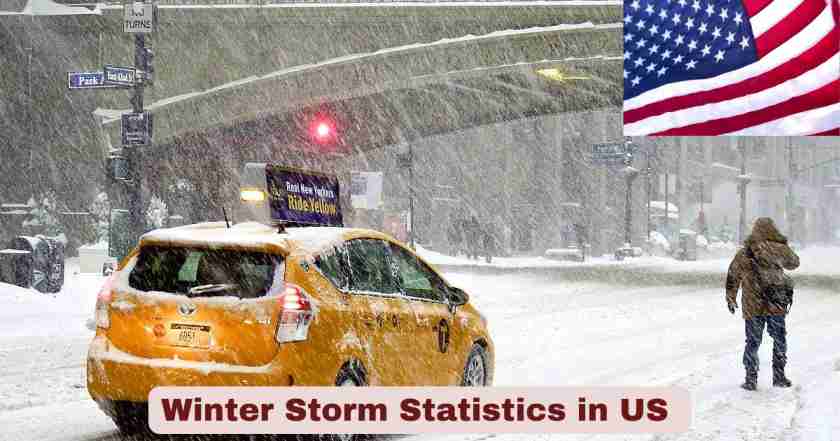
Winter Storm in America 2025
The year 2025 has witnessed some of the most extraordinary and historic winter storm events across the United States, marking it as a particularly active season for extreme cold weather phenomena. From unprecedented snowfall totals in the traditionally warm Gulf Coast to record-breaking blizzards sweeping through the Midwest, this winter season has challenged meteorological expectations and tested emergency response systems nationwide. The winter storms that have battered America throughout 2025 have not only shattered numerous weather records but have also caused significant disruptions to transportation networks, power infrastructure, and daily life for millions of residents across multiple states.
What makes the winter storms in the US 2025 particularly noteworthy is their geographical reach and intensity. Regions unaccustomed to heavy snowfall, including Louisiana, Alabama, Mississippi, and Florida, experienced historic winter weather events that brought their first-ever blizzard warnings. Meanwhile, traditional snow belt areas from the Great Lakes to the Northeast faced their own challenges with a steady succession of powerful storm systems. The combination of Arctic air masses plunging deep into southern latitudes and moisture-laden systems from the Gulf of Mexico created perfect conditions for record snowfall accumulations. These winter storms have served as a stark reminder of nature’s power and the importance of winter preparedness across all regions of the country, regardless of historical climate patterns.
Key Winter Storm Facts and Statistics in the US 2025
| Winter Storm Fact | 2025 Data | Significance |
|---|---|---|
| Total Named Winter Storms | 15+ major events | Below the 2013-14 record of 26 storms |
| Most Historic Event | Gulf Coast Blizzard (January 20-21) | First blizzard warnings ever issued for Louisiana coast |
| Record Snowfall – New Orleans, LA | 8.0 inches | Snowiest day since 1948; previous record was 4.9″ in 1963 |
| Record Snowfall – Pensacola, FL | 8.9 inches | Breaking Florida’s all-time state record of 4.0″ from 1954 |
| Record Snowfall – Mobile, AL | 7.5 inches | Most snow since records began in 1881 |
| Record Snowfall – Baton Rouge, LA | 7.6 inches | Snowiest day since records began in 1892 |
| Chicago November Record | 8.4 inches (November 29) | Highest November single-day snowfall on record, beating 1951 |
| Total Storm-Related Fatalities | At least 20+ deaths | January Gulf Coast storm: 10 deaths; January 5-6 blizzard: 10 deaths |
| Peak Power Outages (January) | 365,000+ customers | Virginia had the most with 110,000 customers affected |
| Flight Cancellations (January 6) | Over 2,600 flights | Nearly 7,000 additional flights delayed |
| Flight Cancellations (November 29-30) | 2,200+ flights | Thanksgiving weekend travel severely disrupted |
| States Under Winter Warnings | 20+ states simultaneously | Extended from Colorado to Maryland at peak |
Data sources: National Weather Service, NOAA Climate.gov, FlightAware, PowerOutage.us, Weather Prediction Center, Local NWS Offices, January-December 2025
The winter storm statistics presented in this table reveal the extraordinary nature of the 2025 winter season in America. The most remarkable aspect is the historic Gulf Coast blizzard that occurred during January 2025, which brought unprecedented snowfall to regions that rarely see frozen precipitation. The fact that New Orleans received 8.0 inches of snow represents a once-in-a-century event, with many residents experiencing significant snowfall for the first time in their lives. Similarly, Pensacola’s 8.9 inches more than doubled Florida’s previous state record, demonstrating just how exceptional this storm was for the Deep South.
The human impact of these winter storms throughout 2025 has been substantial, with at least 20 fatalities directly attributed to winter weather events and their aftermath, including hypothermia, traffic accidents on icy roads, and storm-related emergencies. The infrastructure strain is evident in the power outage statistics, where hundreds of thousands of customers across multiple states lost electricity during the peak of major storms. Transportation disruptions reached unprecedented levels, particularly during the January 6 winter storm, when more than 2,600 flights were canceled and nearly 7,000 were delayed, affecting travel hubs from Washington D.C. to Dallas. These numbers underscore the far-reaching consequences of winter storms on American society, economy, and daily operations.
Major Winter Storm Events in the US 2025
| Storm Event | Dates | Affected Regions | Impact Highlights |
|---|---|---|---|
| Winter Storm Blair | January 3-6 | Kansas to Virginia | 10 deaths, 365,000 power outages, 2,600+ flight cancellations |
| Gulf Coast Blizzard | January 20-22 | Texas to Florida | 10+ deaths, historic snowfall records, 200-mile I-10 closure |
| February Coast-to-Coast Storm | February 7-9 | Multiple states | Widespread snow from west to east |
| February Tidewater Storm | February 18-20 | Virginia to North Carolina | 8-14 inches Hampton Roads, isolated outages |
| Mid-March Blizzard | March 19-20 | Plains to Midwest | 250,000 power outages, 38 wildfires sparked |
| Post-Thanksgiving Storm | November 29-30 | Midwest to Great Lakes | 2,200 flight cancellations, record November snowfall |
Data source: Weather Prediction Center, National Weather Service, Wikipedia storm summaries, Multiple NWS offices, 2025
The 2025 winter season was characterized by a relentless series of significant storm systems that impacted virtually every region of the continental United States. Winter Storm Blair, which struck during the first week of January, set the tone for what would become an exceptionally active winter period. This massive system brought blizzard conditions from Kansas through Missouri and into the Mid-Atlantic states, with Kansas City recording 11 inches of snow—the heaviest snowfall there since 1993. The storm claimed at least 10 lives and left 365,000 customers without power across multiple states, with Virginia experiencing the worst outages. The economic impact was substantial, with over 2,600 flights canceled and thousands more delayed, disrupting post-holiday travel for millions of Americans.
The succession of major winter storms continued throughout the season, with February seeing multiple coast-to-coast systems that brought heavy snow and ice to regions spanning from the Rockies to the Atlantic seaboard. The Mid-March blizzard that struck on March 19-20 was particularly noteworthy, affecting the Plains and Midwest with powerful winds and heavy snow that knocked out power to 250,000 customers and unexpectedly sparked 38 wildfires across Arkansas due to downed power lines. The season concluded with another significant event—the post-Thanksgiving winter storm of November 29-30, which disrupted one of the busiest travel periods of the year. This storm forced the cancellation of more than 2,200 flights and set remarkable snowfall records, including Chicago’s highest November single-day snowfall of 8.4 inches, breaking a record that had stood since 1951. The frequency and intensity of these storms throughout 2025 underscore the volatile nature of winter weather patterns and their profound impact on American infrastructure and society.
Winter Storm Fatalities and Casualties in the US 2025
| Storm Event | Confirmed Deaths | Primary Causes | Most Affected States |
|---|---|---|---|
| January 5-6 Blizzard | 10+ deaths | Traffic accidents, hypothermia, snow removal injury | Missouri, Kansas, Illinois, Texas |
| Gulf Coast Storm (January 20-22) | 10+ deaths | Hypothermia, cold exposure, traffic crashes | Texas, Louisiana, Alabama, Georgia |
| Overall 2025 Season | 20+ confirmed | Vehicle accidents, exposure, medical emergencies | Multiple states nationwide |
| Injuries Reported (January 6 alone) | 38+ injuries | Traffic collisions, falls | Missouri and surrounding states |
| Milwaukee Hypothermia Death | 1 death | Overnight fall, hypothermia | Wisconsin |
Data source: Reuters, Axios, NBC News, NPR, Local Medical Examiners, State Highway Patrol Reports, January-December 2025
The human toll of the 2025 winter storms has been devastating, with at least 20 confirmed deaths directly attributed to winter weather events throughout the year. The January 5-6 blizzard, known as Winter Storm Blair, claimed 10 lives across multiple states, including a public works employee in Jackson County, Missouri, who died while performing snow removal operations, and five people killed in a single collision on an icy Texas road southwest of San Antonio. In Kansas, the Highway Patrol reported multiple fatal weather-related crashes, including two people killed when a vehicle spun out of control on Interstate 235 in Wichita. The storm’s casualties extended from the Great Plains through the Midwest and into the Mid-Atlantic, highlighting the widespread danger posed by icy roads, reduced visibility, and extreme cold.
The historic Gulf Coast blizzard of January 20-22 added another 10 fatalities to the season’s grim toll, with deaths reported across Texas, Louisiana, Alabama, and Georgia. Austin-Travis County emergency officials responded to more than a dozen cold exposure calls during the storm period, including two fatal incidents. In Georgia, at least one person died of hypothermia in the Atlanta area, while Alabama’s Dale County confirmed two storm-related deaths. Beyond fatalities, the January 6 storm alone resulted in at least 38 injuries in Missouri, primarily from traffic collisions on ice-covered roadways. The Missouri State Highway Patrol reported 248 crashes requiring their response during a 48-hour period, along with 1,788 stranded motorists. These statistics emphasize the deadly nature of winter storms and the critical importance of heeding weather warnings, staying off roads during dangerous conditions, and taking proper precautions against hypothermia and cold exposure during extreme winter weather events in the US 2025.
Power Outages from Winter Storms in the US 2025
| Storm Event | Peak Outages | Most Affected State | Duration | Recovery Time |
|---|---|---|---|---|
| January 5-6 Blizzard | 365,000+ customers | Virginia (110,000) | 24-72 hours | 2-4 days |
| Mid-March Storm | 250,000+ customers | Multiple states | Extended period | Several days |
| January 5 Ice Storm | 100,000+ residents | Southeast Missouri, Southern Illinois | Peak night of Jan 5-6 | 3-5 days |
| Outage Distribution (Jan 6) | Kentucky: 76,000<br>West Virginia: 50,000<br>Illinois: 36,000<br>Missouri: 30,000 | Various | 24-48 hours | Variable by location |
| Overall 2025 Impact | 45% of customers | Nationwide average | Intermittent | Varies by storm |
Data source: PowerOutage.us, CBS News, National Weather Service, Utility Companies, J.D. Power Survey, January-December 2025
Power outages emerged as one of the most significant impacts of the 2025 winter storms, affecting hundreds of thousands of Americans across multiple states and regions. The January 5-6 blizzard alone resulted in more than 365,000 customers losing electricity at its peak, with Virginia bearing the brunt of the outages as 110,000 customers—approximately 3% of the state’s total—sat in the dark amid frigid temperatures. The cascading effect of power loss during winter storms creates compound dangers, as households lose heating capabilities precisely when temperatures plummet to dangerous levels. Following Virginia, Kentucky experienced 76,000 outages, West Virginia saw 50,000, Illinois had 36,000, and Missouri reported 30,000 customers without power during the same storm system.
The Mid-March blizzard of 2025 knocked out power to an additional 250,000 customers across multiple states, while the January 5 ice storm affecting Southeast Missouri and Southern Illinois left over 100,000 residents without electricity at its peak on the night of January 5-6. Ice accumulations ranging from 0.25 to 0.75 inches brought down trees, power lines, and utility poles across the region, with some areas like Williamson County, Illinois, reporting more than 11,000 customers affected in a single county alone. According to a J.D. Power survey conducted in 2025, approximately 45% of utility customers nationwide experienced at least one power outage during the first half of the year, with the average duration of the longest outage increasing to 12.8 hours—up from 8.1 hours in 2022. Customers in the South experienced the longest outages, averaging 18.2 hours, while the West averaged 12.4 hours. These extended outage durations during winter storms create life-threatening situations for vulnerable populations and highlight the ongoing challenges facing America’s aging electrical infrastructure in the face of increasingly extreme weather events.
Flight Disruptions and Cancellations in the US 2025
| Storm Event/Date | Flights Canceled | Flights Delayed | Most Affected Airports | Economic Impact |
|---|---|---|---|---|
| January 6 Winter Storm | 2,600+ flights | 6,900+ flights | Reagan National (80% canceled), Dulles, BWI | Severe travel disruption |
| November 29-30 (Thanksgiving) | 2,200+ flights | 15,000+ delayed | Chicago O’Hare (1,100+ canceled), Midway, Milwaukee | Major holiday impact |
| December 7-8 Storm | 203 canceled | 2,800+ delayed | Chicago O’Hare (600+ delays, 145 canceled) | Ongoing disruptions |
| Post-Thanksgiving Sunday | 900+ canceled | 9,400+ delayed | Chicago, Texas, Southeast hubs | Extended weekend chaos |
| Overall Winter Impact | Thousands | Tens of thousands | Major hubs nationwide | Billions in losses |
Data source: FlightAware, CNBC, NPR, FAA, Aviation A2Z, ABC News, November-December 2025
The aviation industry bore a crushing burden during the 2025 winter storm season, with thousands of flight cancellations and tens of thousands of delays disrupting travel plans for millions of passengers across the United States. The January 6 winter storm stands out as one of the most severe disruption events, with more than 2,600 flights canceled and nearly 6,900 flights delayed by 5:45 PM ET alone. Ronald Reagan Washington National Airport was hit hardest, with over 80% of the day’s scheduled flights canceled, while Washington Dulles International Airport and Baltimore/Washington International Thurgood Marshall Airport each saw approximately one-third of their flights scrapped. The cascading effect meant that even airports far from the storm’s center, including Dallas/Fort Worth International and Chicago O’Hare, experienced significant slowdowns.
The post-Thanksgiving winter storm of November 29-30 caused even more widespread chaos during one of the busiest travel periods of the year, with over 2,200 total flights canceled across Saturday and Sunday and an estimated 15,000 flights delayed. Chicago O’Hare International Airport bore the brunt of the disruption with more than 1,100 flight cancellations over the weekend and hundreds more delays, as the airport received 8.4 inches of snow on Saturday—the snowiest November day in Chicago’s recorded history. Chicago Midway recorded approximately 240 cancellations (nearly 35% of daily flights), while Milwaukee Mitchell lost about one-third of its Saturday operations. The flight disruptions continued throughout the winter season, with the December 7-8 storm causing 203 cancellations and more than 2,800 delays, with Chicago O’Hare again experiencing the worst impacts with over 600 delays and 145 cancellations. These repeated disruptions cost airlines and passengers billions of dollars in lost revenue, rebooking fees, accommodation expenses, and missed connections, demonstrating the far-reaching economic consequences of winter storms in the US 2025.
Snowfall Records Broken in the US 2025
| City/Location | 2025 Record Snowfall | Previous Record | Year Set | Meteorological Significance |
|---|---|---|---|---|
| New Orleans, LA | 8.0 inches (1 day) | 4.9 inches | 1963 | Snowiest day since 1948 |
| Baton Rouge, LA | 7.6 inches | Previous high unknown | 1892 records | Coldest temp: 7°F (airport record since 1930) |
| Pensacola/Milton, FL | 8.9-9.0 inches | 4.0 inches | 1954 | More than doubled state record |
| Mobile, AL | 7.5 inches | Previous record unknown | 1881 records | Most since station creation |
| Chicago, IL (November) | 8.4 inches (Nov 29) | 8.0 inches | 1951 | Highest November single-day total |
| Madison, WI (November) | 9.3 inches (Nov 29) | 7.6 inches | 1995 | Snowiest November day on record |
| Rockford, IL | 8.8 inches | Previous November high | Various | Second-highest November snowfall |
| Kansas City, MO | 11 inches (Jan 5) | 10+ inches last in 1993 | 1962 | Fourth-largest one-day total |
Data source: National Weather Service Offices, NOAA Climate.gov, Weather.gov Local Reports, USDA Weather Report, 2025
The 2025 winter season will be remembered for obliterating long-standing snowfall records across the United States, from the Deep South to the upper Midwest. The most stunning records fell during the historic January Gulf Coast blizzard, where New Orleans’ 8.0 inches represented not just a daily record but the most snow the city had seen since 1948, and only the third time in over two decades that measurable snow had even fallen there. Baton Rouge’s 7.6 inches shattered records dating back to when observations began in 1892, while also recording a bone-chilling low temperature of 7°F—the coldest at the airport since records started in 1930. The true record-breaker was Pensacola and Milton, Florida, where 8.9 to 9.0 inches of snow fell, more than doubling the state’s previous all-time record of 4.0 inches set way back in 1954. This wasn’t just breaking a record—it was rewriting Florida’s weather history books entirely.
The record-breaking continued well into the season, with Chicago setting a remarkable November milestone on November 29 when 8.4 inches of snow fell, surpassing the previous November single-day record of 8.0 inches set on November 6, 1951—a record that had stood for 74 years. Madison, Wisconsin saw an even more impressive 9.3 inches on the same day, breaking their November record of 7.6 inches from 1995. Kansas City, Missouri joined the record books on January 5 with 11 inches of snowfall, marking the heaviest snowstorm there since February 1993 and the fourth-largest one-day snowfall total on record for that city. Across the Gulf Coast and Deep South, hundreds of weather stations set new one-day snowfall records during the January storm alone, with many locations experiencing their first measurable snow in decades or even breaking century-old records. These widespread record-breaking events across such diverse geographical regions underscore the exceptional nature of the 2025 winter storm season and its place in American meteorological history.
Economic Impact of Winter Storms in the US 2025
| Economic Category | Estimated Impact | Affected Sectors | Geographic Scope |
|---|---|---|---|
| Gulf Coast January Storm | $14-17 billion | Property damage, business losses, infrastructure | Texas, Louisiana, Mississippi, Alabama, Florida |
| Total Direct Damages | Billions of dollars | Homes, vehicles, power infrastructure, agriculture | Nationwide |
| Agricultural Losses (Deep South) | Millions of dollars | Nursery businesses, greenhouses, irrigation systems | Florida, Georgia, Alabama |
| Daily Economic Loss (per state) | $70-700 million per day | Retail, wages, tax revenue, commerce | States experiencing severe weather |
| Aviation Industry Losses | Billions estimated | Flight cancellations, rebooking, accommodations | Major hub cities nationwide |
| Business Interruptions | Substantial losses | Supply chain disruptions, closed businesses | Multi-state regions |
Data source: AccuWeather, IHS Global Insight, Federal Reserve Bank of Dallas, NOAA, Agricultural Reports, 2025
The economic devastation wrought by winter storms across America in 2025 reached into the billions of dollars, affecting every sector of the economy from agriculture to aviation. AccuWeather estimated that the January Gulf Coast winter storm alone resulted in $14 to $17 billion in total damage and economic loss, a staggering figure that includes both insured and uninsured losses, property damage, business disruptions, wage losses, and infrastructure repairs. This estimate encompasses damage to homes and businesses, their contents, vehicles, job and wage losses, infrastructure damage, auxiliary business losses, medical expenses, and closures across the affected region spanning from Texas through Florida. The agricultural sector suffered particularly severe losses, with several nursery businesses in the Deep South reporting that the weight of snow and ice caused widespread collapse of shade structures and greenhouses, leading to the crushing and death of millions of dollars worth of plants. According to nursery managers, the damage exceeded that of previous hurricanes.
Beyond direct damages, the indirect economic impacts of the 2025 winter storms created rippling effects throughout the national economy. A study by IHS Global Insight found that states can lose between $70 million to $700 million per day in lost wages, retail sales, and tax revenues when winter weather halts economic activity and commerce. During Winter Storm Blair and the subsequent Gulf Coast blizzard, economic activity was paralyzed across multiple states simultaneously—planes were grounded, roads became too dangerous for transportation, power outages disrupted both residential and commercial operations, and supply chains ground to a halt. The aviation industry alone suffered losses in the billions when accounting for the thousands of flight cancellations, rebooking costs, hotel accommodations for stranded passengers, and lost productivity for both airlines and travelers. The petrochemical supply chain was also affected, mirroring the disruptions seen during previous major winter events. The 2025 winter season demonstrated yet again that winter weather events, while sometimes brief, carry enormous economic consequences that extend far beyond the immediate storm period and affect the national economy for weeks or months afterward.
Temperature Extremes and Cold Records in the US 2025
| Location | Record Low Temperature | Date | Previous Record | Context |
|---|---|---|---|---|
| Baton Rouge, LA | 7°F (airport) | January 22 | Coldest since 1930 (airport records) | Historic Arctic blast |
| Baton Rouge, LA (pre-airport) | 2°F (Feb 13, 1899) | Historical data | 7°F (Feb 14, 1899) | Historical context |
| Lafayette, LA | 4°F | January 22 | Coldest since 1893 | Record low for location |
| New Iberia, LA | 2°F | January 22 | Coldest since 1948 | Station record |
| Texas (widespread) | Teens to low 20s | January | Below freezing statewide | Extended cold snap |
| Northern US | Single digits to below zero | Multiple dates | Near-normal for January | Persistent Arctic air |
| AccuWeather RealFeel® | Below 0°F | January 6 | N/A | Kansas, Nebraska, Iowa |
Data source: NOAA Climate.gov, National Weather Service, AccuWeather, Local Weather Stations, January 2025
The extreme cold temperatures that accompanied the 2025 winter storms were as remarkable as the snowfall totals themselves, with numerous locations across the southern United States shattering long-standing cold weather records. Baton Rouge, Louisiana experienced a brutally cold 7°F on January 22, marking the coldest temperature at the airport location since records began there in 1930. Historical records from pre-airport weather stations in Baton Rouge show even colder readings from the legendary cold snap of February 1899, when temperatures plummeted to 2°F on February 13 and 7°F on February 14, providing historical context for just how rare such extreme cold is for the region. Lafayette, Louisiana recorded an even more frigid 4°F, the coldest temperature there since records started in 1893, while New Iberia saw 2°F—the record coldest reading since that station’s creation in 1948.
The Arctic air mass that fueled these record-breaking temperatures wasn’t limited to Louisiana. Across Texas, temperatures dropped into the teens and low 20s statewide, with freezing conditions extending all the way to the Gulf Coast—highly unusual for a region where winter temperatures typically remain mild. In the northern United States, temperatures plunged to single digits across much of the north-central region, with some parts of Montana, the Dakotas, and the Upper Midwest waking up to temperatures several degrees below zero on January 6. AccuWeather’s RealFeel® Temperature—which factors in wind chill—dropped to below zero degrees in Kansas, Nebraska, and Iowa, creating dangerously cold conditions that posed serious health risks. The persistent Arctic air throughout January and February 2025 created an extended period of below-normal temperatures across much of the central and eastern United States, contributing to the severity and impact of multiple winter storm systems. These temperature extremes served as a reminder that modern winter storms bring not just snow and ice, but also life-threatening cold that can persist for days or even weeks after the precipitation ends.
Infrastructure and Transportation Impact in the US 2025
| Category | Impact Scope | Specific Examples | Duration |
|---|---|---|---|
| Highway Closures | Multi-state | I-10: 200-mile closure in Florida (Jan 21-22) | Multiple days |
| Interstate Shutdowns | Regional | I-70, I-80: Partial closures in multiple states | 24-48 hours |
| Bridge/Overpass Closures | Widespread | Numerous closures across Gulf Coast and South | 2-5 days |
| Vehicle Crashes (Missouri alone) | 3,134 calls for service | 1,788 stranded motorists, 436 crashes, 38 injuries | Jan 4-6 period |
| Virginia Crashes | 248 crashes | State Police response required | During storm |
| School Closures | Hundreds of districts | Multiple states simultaneously | 1-5 days |
| Federal Office Closures | Washington DC area | Maximum telework implemented | January 6-7 |
| Airport Shutdowns | Temporary | Reagan National, Des Moines, Multiple Gulf Coast | Hours to days |
| Water Distribution | City-wide crisis | Richmond, VA: Major outage from facility damage | Extended period |
Data source: Missouri State Highway Patrol, Virginia State Police, Federal Government Announcements, NWS Offices, Transportation Departments, 2025
The infrastructure strain caused by the 2025 winter storms was immense, with transportation networks across the United States experiencing unprecedented disruptions. The January Gulf Coast blizzard forced the closure of a 70-mile stretch of Interstate 10 in Florida on the night of January 21, which expanded to nearly 200 miles as melting snow and ice refroze in well-below-freezing temperatures. This represented one of the longest continuous interstate closures in Florida’s history. In Missouri, the State Highway Patrol reported a staggering 3,134 calls for service during just the January 4-6 storm period, including 1,788 stranded motorists, 436 crashes, and 38 injuries, with one fatality. Virginia State Police responded to 248 crashes during their winter storm, though officials noted not all accidents were necessarily storm-related. A particularly dramatic incident occurred on Interstate 70 in Putnamville, Indiana, where heavy snow caused a chain-reaction crash involving 45 vehicles, though fortunately no major injuries resulted.
The cascading effects on critical infrastructure extended beyond roadways. Richmond, Virginia and its surrounding localities suffered a major water distribution outage due to damage sustained to water facilities from the blizzard, creating a city-wide crisis that lasted for an extended period. Educational institutions bore significant disruption, with hundreds of school districts across multiple states forced to close for one to five days during major storm events. The federal government authorized maximum telework for Washington D.C. area agencies on January 6-7, with federal offices operating under liberal leave policies. Multiple airports experienced temporary shutdowns or severe operational restrictions, including Reagan National, Des Moines International, and numerous Gulf Coast facilities. The 2025 winter storms exposed vulnerabilities in American infrastructure, from aging electrical grids and water systems to transportation networks unprepared for the intensity and geographical reach of modern winter weather events. These infrastructure failures created compound emergencies, where initial storm impacts were magnified by subsequent system breakdowns, leaving communities struggling to recover for days or weeks after the weather cleared.
Regional Breakdown of Winter Storm Impacts in the US 2025
| Region | Primary Impacts | Most Affected States | Key Statistics |
|---|---|---|---|
| Deep South/Gulf Coast | Record snowfall, historic cold | Texas, Louisiana, Alabama, Mississippi, Florida | 8-11 inches snow, first blizzard warnings, 10+ deaths |
| Southeast | Ice storms, power outages, road closures | Georgia, South Carolina, Virginia, North Carolina | 100,000+ outages, major highway closures |
| Mid-Atlantic | Heavy snow, blizzard conditions | Maryland, Virginia, Washington DC, Delaware | 365,000 peak outages, federal closures, 2,600 flight cancellations |
| Midwest | Repeated storms, record November snow | Illinois, Wisconsin, Iowa, Missouri, Kansas | 8.4 inches Chicago (Nov), 11 inches Kansas City, 1,788 stranded motorists |
| Great Plains | Blizzards, extreme cold | Nebraska, Kansas, Oklahoma | Wind chills below zero, highway closures |
| Upper Midwest | Below-zero temps, heavy snow | Minnesota, North Dakota, South Dakota, Michigan | Temperatures below -10°F, lake effect snow |
Data source: National Weather Service Regional Offices, State Emergency Management Agencies, NOAA Regional Climate Centers, 2025
The geographical diversity of winter storm impacts throughout 2025 demonstrates that no region of the United States was truly spared from extreme winter weather. The Deep South and Gulf Coast experienced the most anomalous conditions, with states like Louisiana, Alabama, Mississippi, and Florida—which typically see mild winters—enduring historic snowfall totals ranging from 8 to 11 inches and receiving their first-ever blizzard warnings from the National Weather Service. These traditionally warm-weather states were utterly unprepared for such events, lacking snow removal equipment, winter driving experience among residents, and infrastructure designed to handle frozen precipitation. The result was complete paralysis of transportation systems, with Interstate 10 closed for nearly 200 miles and countless secondary roads impassable for days.
The Mid-Atlantic region faced its own severe challenges, with Maryland, Virginia, Washington D.C., and Delaware experiencing heavy snow and blizzard conditions during multiple events, most notably the January 5-6 storm. This region saw peak power outages exceeding 365,000 customers, forced federal government closures, and more than 2,600 flight cancellations in a single day. The Midwest endured a relentless barrage of winter storms throughout the season, beginning with record-breaking November snowfall in Chicago (8.4 inches) and continuing through the winter months with events like the Kansas City storm that dumped 11 inches—the most since 1993. Missouri alone reported 1,788 stranded motorists during a single storm. The Upper Midwest and Great Plains saw more typical but still severe winter conditions, with temperatures plunging well below zero and creating dangerous wind chills. Each region’s unique vulnerabilities were exposed by the 2025 winter storms, from the complete lack of winter preparedness in the South to aging infrastructure in the Northeast and the sheer intensity and frequency of storms in the Midwest.
Emergency Response and Preparedness in the US 2025
| Response Measure | Implementation Scale | Key Actions | Effectiveness Challenges |
|---|---|---|---|
| State Emergency Declarations | Multi-state | Governor declarations, National Guard activation | Limited resources in southern states |
| Shelter Operations | Hundreds opened | Warming centers, emergency housing | Capacity strain during peak |
| Highway Patrol Response | Thousands of calls | 3,134 Missouri calls, 248 Virginia crashes responded | Overwhelming call volumes |
| Utility Emergency Crews | Thousands of workers | Power restoration, line repairs | Extended outage durations |
| Airport Deicing Operations | Continuous | 24/7 runway treatment, flight delays | Overwhelmed by demand |
| Snow Removal | 24/7 operations | Plowing, salting, sand distribution | Equipment shortages in South |
| Cold Weather Alerts | Statewide | Hypothermia warnings, welfare checks | Communication gaps |
| Water Boil Advisories | City-wide | Richmond and others | Infrastructure damage delays |
Data source: State Emergency Management Agencies, Governor’s Offices, Highway Patrol Reports, Utility Companies, Airport Authorities, 2025
The emergency response to the 2025 winter storms tested the capabilities of state and local agencies across the United States, revealing both strengths and critical weaknesses in preparedness systems. Multiple governors issued state emergency declarations, activating National Guard units to assist with snow removal, welfare checks, and emergency transportation. Hundreds of warming centers and emergency shelters were opened across affected regions, providing refuge for those without power or heat during the most dangerous cold snaps. However, capacity became strained during peak periods, particularly in the Gulf Coast states where such facilities are rarely needed and infrastructure for winter emergencies is minimal. The Missouri State Highway Patrol alone handled 3,134 calls for service during a single three-day storm period, while Virginia State Police responded to 248 crashes, demonstrating the overwhelming demand placed on first responders during major winter weather events.
Utility companies mobilized thousands of emergency crews to restore power to hundreds of thousands of customers, but the scale of damage—particularly from ice accumulation and downed trees—meant that some areas remained without electricity for three to five days or longer. Airport operations shifted to continuous deicing protocols, with ground crews working around the clock to keep runways operational, yet the sheer volume of snow and ice still forced thousands of flight cancellations and created multi-day backlogs. The Deep South faced unique challenges, as cities like New Orleans, Mobile, and Pensacola possessed minimal snow removal equipment—sometimes just a handful of trucks for entire cities—leaving them struggling to clear roads after receiving 8 to 11 inches of snow. Public health agencies issued widespread cold weather alerts and hypothermia warnings, conducting welfare checks on vulnerable populations, though communication gaps meant some residents, particularly elderly or isolated individuals, went without assistance. Water system failures, most notably in Richmond, Virginia, resulted in city-wide boil water advisories that lasted for extended periods due to infrastructure damage from the storms. The 2025 winter storm season highlighted that while emergency response capabilities have improved, many regions—particularly those unaccustomed to severe winter weather—remain dangerously underprepared for the increasing frequency and intensity of extreme winter events.
Climate Context and Historical Comparison in the US 2025
| Comparative Metric | 2025 Season | Historical Context | Notable Differences |
|---|---|---|---|
| Named Winter Storms | 15+ major events | 2013-14: 26 named storms (highest) | Below record, but high intensity |
| Gulf Coast Snow Records | Multiple shattered | Last comparable: 1895, 1899, 1948 | First blizzard warnings ever issued |
| November Chicago Snow | 8.4 inches (single day) | Previous: 8.0″ (1951 – 74 years ago) | New November record |
| Overall Season Severity | Above average | Comparable to 2013-14, 2020-21 | Higher impact in southern states |
| Record-Breaking Stations | Hundreds | 2021 Texas: 150+ stations set records | Similar scale, different geography |
| Economic Damages | $14-17 billion (single storm) | 2021 Texas: $24 billion (single event) | High but below recent maximum |
Data source: Weather Channel Archives, NOAA Historical Data, Climate.gov, Academic Weather Studies, 2025
The 2025 winter storm season occupies a significant place in American weather history, though its exact ranking depends on which metrics are examined. In terms of named winter storms, the season produced 15 or more major events, which is substantial but falls short of the record 26 named storms during the exceptionally active 2013-2014 winter season. However, what sets 2025 apart is not necessarily the quantity of storms but rather their extraordinary intensity and geographical reach, particularly the unprecedented impacts on the Deep South and Gulf Coast. The January Gulf Coast blizzard stands among the most remarkable winter weather events of the modern era, comparable only to the historic cold snaps of 1895, 1899, and 1948 in terms of snowfall totals for cities like New Orleans and Mobile. The issuance of the first-ever blizzard warnings for Louisiana’s coast marks a meteorological milestone that may not be repeated for decades or even a century.
When compared to recent severe winter seasons, 2025 shares similarities with both 2013-2014 (high storm frequency) and 2020-2021 (extreme southern impacts), while carving out its own distinct identity. The February 2021 Texas winter storm, known as Winter Storm Uri, caused an estimated $24 billion in damages and set records at more than 150 weather stations across Texas—a scale of devastation that 2025’s Gulf Coast event approached but did not quite match in economic terms, though it affected a broader geographical area extending from Texas through Florida. The November 2025 snowfall records in Chicago and Madison represent the breaking of records that stood for 74 years and 30 years respectively, demonstrating that the season’s impact extended well beyond just the southern anomalies. Climate scientists note that while individual storm events cannot be directly attributed to climate change, the increasing frequency of extreme weather events—including winter storms with unusual geographical patterns—aligns with expectations for a warming planet where weather systems become more energetic and unpredictable. The 2025 winter storm season serves as a powerful reminder that winter weather extremes remain a significant threat across all regions of the United States, regardless of historical climate patterns or long-standing records.
Meteorological Factors Behind Winter Storms in the US 2025
| Atmospheric Factor | 2025 Conditions | Storm Enhancement Effect | Regional Impact |
|---|---|---|---|
| Polar Vortex Behavior | Weakened/disrupted | Arctic air plunged south | Deep South, Gulf Coast received Arctic temps |
| Jet Stream Pattern | Amplified/wavy | Deep troughs brought cold, moisture interaction | Enhanced storm intensity nationwide |
| Gulf of Mexico Moisture | Abundant | Moisture met Arctic air | Record snow in Louisiana, Alabama, Florida |
| Atlantic Oscillation | Negative phase likely | Favored cold air outbreaks | East Coast, Southeast vulnerable |
| Temperature Gradients | Extreme contrasts | 40-60°F differences across regions | Explosive storm development |
| La Niña/ENSO State | Transition period | Influenced storm tracks | Variable impacts |
Data source: NOAA Climate Prediction Center, National Weather Service Analysis, Meteorological Journal Reports, 2025
The meteorological setup that led to the exceptional 2025 winter storm season involved a complex interplay of atmospheric factors operating across multiple scales. The polar vortex—a large area of low pressure and cold air surrounding the Earth’s poles—experienced significant weakening and disruption events throughout the winter, allowing Arctic air masses to plunge unusually far south into the United States. When this bitterly cold air, with temperatures 20 to 40 degrees below normal, reached as far as the Gulf Coast in January, it created the atmospheric foundation for the historic snowfall events. The jet stream, which acts as a steering mechanism for weather systems, exhibited an amplified, highly wavy pattern with deep troughs extending from Canada into the southern United States. These troughs acted as highways for Arctic air to travel southward while simultaneously interacting with moisture-rich air from the Gulf of Mexico.
The collision between Arctic air and Gulf moisture proved to be the critical ingredient for the record-breaking snowfall totals observed across Louisiana, Alabama, Mississippi, and Florida. Under typical conditions, cold air reaching this far south would be too dry to produce significant precipitation, but the 2025 winter pattern featured abundant moisture from the Gulf of Mexico meeting these frigid air masses, creating ideal conditions for heavy snow. Temperature gradients between warm Gulf waters (typically around 60-70°F) and Arctic air masses (with temperatures in the teens or single digits) exceeded 40 to 60 degrees Fahrenheit across relatively short distances, providing enormous energy for storm development. These extreme contrasts allowed storms to rapidly intensify, producing heavy precipitation rates of 1 inch per hour or more during peak periods. The North Atlantic Oscillation likely entered a negative phase during key storm periods, which historically favors blocking patterns that trap cold air over the eastern United States for extended periods rather than allowing it to quickly move offshore. This atmospheric setup, combined with specific storm track alignments, created a winter season where the right ingredients came together repeatedly, producing one of the most memorable and impactful winter storm seasons in modern American history.
State-by-State Impact Summary in the US 2025
| State | Peak Snowfall | Notable Impacts | Economic/Human Toll |
|---|---|---|---|
| Louisiana | 11.5 inches (Chalmette) | Record snow in New Orleans (8.0″), Baton Rouge (7.6″), first blizzard warning | Multiple deaths, billions in damages, 7°F record cold |
| Florida | 8.9 inches (Pensacola) | State record more than doubled, I-10 closure, unprecedented event | Agricultural losses, tourism impact |
| Alabama | 7.5 inches (Mobile) | Historic snowfall, record since 1881, widespread disruption | 2+ deaths, infrastructure damage |
| Texas | Significant snowfall | San Antonio crash (5 deaths), statewide freezing | 5+ deaths, highway closures |
| Missouri | 11 inches (Kansas City) | 3,134 highway patrol calls, 1,788 stranded, 436 crashes | Multiple deaths and injuries |
| Virginia | Heavy accumulations | 365,000 peak outages, 110,000 in Virginia, Richmond water crisis | Severe infrastructure strain |
| Illinois | 8.4 inches (Chicago, Nov) | Record November snowfall, O’Hare chaos (1,100+ cancellations) | Billions in economic losses |
| Kansas | 11+ inches (Kansas City) | Heaviest since 1993, widespread closures, fatal crashes | Deaths, major disruptions |
| Georgia | Significant ice/snow | Atlanta hypothermia death, road closures | 1+ death, business losses |
| Wisconsin | 9.3 inches (Madison, Nov) | Record November day, Milwaukee hypothermia death | 1 death, widespread disruption |
Data source: State Emergency Management Agencies, National Weather Service State Summaries, News Reports from Multiple States, 2025
The state-by-state breakdown of winter storm impacts in 2025 reveals the truly national scope of this extraordinary winter season. Louisiana experienced perhaps the most historically significant event, with Chalmette’s 11.5 inches representing the highest total in the state, while New Orleans’ 8.0 inches made it the snowiest day since 1948. The state also recorded a brutally cold 7°F in Baton Rouge, and the National Weather Service issued the first-ever blizzard warning for coastal parishes—a meteorological milestone. Multiple deaths were reported across Louisiana, and estimated damages reached into the billions when accounting for property damage, agricultural losses, business interruptions, and infrastructure repairs. Florida’s experience was equally unprecedented, with Pensacola’s 8.9 inches more than doubling the state’s 71-year-old snowfall record and forcing the closure of a 70-mile section of Interstate 10 that eventually expanded to nearly 200 miles. The state’s agricultural sector, particularly nurseries and citrus groves, suffered extensive damage from the weight of snow and subsequent freezing temperatures.
Missouri and Kansas bore the brunt of Winter Storm Blair in early January, with Kansas City receiving 11 inches—the most since 1993—and Missouri’s Highway Patrol responding to an overwhelming 3,134 calls for service during just a three-day period, including 1,788 stranded motorists and 436 crashes. Texas saw at least 5 deaths from storm-related incidents, including a tragic collision on an icy highway near San Antonio. Virginia suffered the worst power outage situation with 110,000 customers losing electricity at the peak, part of a regional total exceeding 365,000 outages, and Richmond experienced a major water distribution crisis when facilities were damaged by the storm. Illinois and Wisconsin set remarkable November records, with Chicago’s 8.4 inches on a single day breaking a 74-year-old record and causing more than 1,100 flight cancellations at O’Hare International Airport. The widespread nature of severe impacts—from the Gulf Coast to the Great Lakes, from the Great Plains to the Atlantic seaboard—underscores that the 2025 winter storm season affected virtually every region of the continental United States, with each state facing unique challenges based on their climate norms, infrastructure capabilities, and winter preparedness levels.
Winter Storm Preparedness Lessons from the US 2025
| Preparedness Category | 2025 Challenges Identified | Improvements Needed | Best Practices Observed |
|---|---|---|---|
| Southern State Infrastructure | Minimal snow removal equipment | Investment in winter response capabilities | Mutual aid from northern states |
| Power Grid Resilience | 365,000+ peak outages, extended duration | Grid hardening, tree trimming, backup systems | Utility crew mobilization |
| Transportation Planning | 200-mile I-10 closure, 3,134 Missouri calls | Pre-treatment, better forecasting, rapid response | Highway patrol coordination |
| Public Communication | Some residents unprepared | Enhanced warning systems, education campaigns | NWS effective warnings |
| Emergency Shelters | Capacity strain during peak | More warming centers, better distribution | Rapid activation systems |
| Aviation Resilience | 2,600+ cancellations single day | Improved deicing capacity, better planning | Proactive flight cancellations |
| Water Infrastructure | Richmond system failure | Cold-weather hardening of facilities | Emergency water distribution |
| Individual Preparedness | Deaths from hypothermia, crashes | Public education, emergency kits | Communities supporting neighbors |
Data source: Emergency Management After-Action Reports, Infrastructure Assessments, Public Safety Reviews, 2025
The 2025 winter storm season provided crucial lessons about preparedness gaps and infrastructure vulnerabilities across the United States. Perhaps the most glaring deficiency was exposed in southern states like Louisiana, Alabama, Mississippi, and Florida, where minimal snow removal equipment—sometimes just a handful of plows for entire cities—proved woefully inadequate when 8 to 11 inches of snow fell. Cities like New Orleans and Mobile struggled to clear roads for days after the storm, creating compound emergencies as ambulances couldn’t reach patients and supply chains were disrupted. This highlighted the need for southern states to invest in winter response capabilities, even if they’re needed only rarely, or to establish formal mutual aid agreements with northern states that can rapidly deploy equipment and expertise when unprecedented events occur. The power grid vulnerabilities were equally concerning, with more than 365,000 customers losing power at peak periods and some experiencing outages lasting three to five days or longer due to ice accumulation bringing down trees and power lines.
Transportation infrastructure showed mixed results during the 2025 storms. The 200-mile closure of Interstate 10 in Florida represented a massive disruption that could have been potentially mitigated with better pre-treatment and more aggressive road clearing operations, though the unprecedented nature of the event made perfect preparation impossible. Missouri’s Highway Patrol response to 3,134 calls during a single storm demonstrated both the dedication of first responders and the overwhelming nature of winter emergencies in high-traffic areas. Aviation sector preparedness proved insufficient for the scale of disruptions, with more than 2,600 flights canceled on January 6 alone and similar cancellations during the Thanksgiving storm. Airlines will need to invest in enhanced deicing capacity and improve their predictive cancellation protocols to minimize passenger impacts during future events. The Richmond water system failure exposed critical infrastructure vulnerabilities to extreme cold that must be addressed through hardening measures and backup systems. On the positive side, the National Weather Service performed admirably, issuing accurate warnings well in advance, including the historic first-ever blizzard warning for Louisiana’s coast. Community resilience shone through in many areas, with neighbors checking on elderly residents and communities rallying to support those without power or heat. The 2025 winter season serves as both a warning about existing vulnerabilities and a roadmap for improving preparedness across all levels of government and society to handle future extreme winter weather events.
Disclaimer: This research report is compiled from publicly available sources. While reasonable efforts have been made to ensure accuracy, no representation or warranty, express or implied, is given as to the completeness or reliability of the information. We accept no liability for any errors, omissions, losses, or damages of any kind arising from the use of this report.