
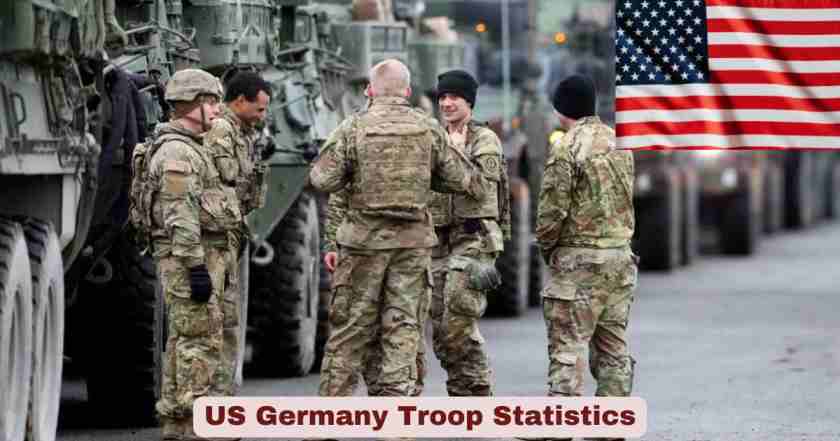
What Is the US Military Presence in Germany? Understanding the Strategic Context in 2026
The United States military presence in Germany is not simply the largest concentration of American troops anywhere in Europe — it is one of the foundational pillars of the entire post-World War II international order. Since 1945, when US forces occupied the shattered remains of the Third Reich alongside British, French, and Soviet allies, American soldiers have maintained a continuous presence on German soil. Through the Cold War, through German reunification, through the post-9/11 global war on terror, and through every geopolitical crisis in between, Germany has served as the irreplaceable hub of US military power projection across Europe, Africa, and the Middle East. The country hosts the headquarters of two US Combatant Commands — US European Command (USEUCOM) and US Africa Command (USAFRICOM) — along with Ramstein Air Base, the largest US Air Force installation in Europe and the central nerve centre for American air operations across three continents. The Landstuhl Regional Medical Center near Ramstein is the largest US military hospital outside the continental United States, treating wounded troops from conflict zones stretching from the Iranian theatre to the Sahel. In strategic terms, Germany is not just where US troops are stationed — it is where the US military thinks, heals, trains, and projects power.
As of May 2, 2026, the US military presence in Germany is at the centre of a genuinely historic rupture in transatlantic relations. 36,436 active-duty US military personnel were permanently stationed in Germany as of December 2025, according to the US Defense Manpower Data Center (DMDC) — the most of any country in Europe. But on May 1, 2026, just yesterday, the Pentagon announced the withdrawal of approximately 5,000 troops from Germany over the next six to twelve months, fulfilling a threat made by President Donald Trump earlier that week in a sharp public dispute with German Chancellor Friedrich Merz over the ongoing US-led war with Iran. The move — the withdrawal of one brigade combat team and associated forces — follows Trump’s anger at Merz’s statement that the US was being “humiliated” by Iran in negotiations and that Washington had “no truly convincing strategy” for the conflict. The withdrawal will reduce the US presence in Germany to approximately 31,000 active-duty personnel upon completion, the lowest level since before the 2022 Ukraine invasion response. Even as this drama unfolds, legal and strategic guardrails remain: the 2026 National Defense Authorization Act (NDAA) includes a provision barring the US from permanently reducing troops in Europe below 75,000, and Congress successfully blocked a similar 2020 Trump troop-reduction plan through legislative action.
Interesting Key Facts About US Troops in Germany 2026
Before the full statistical sections, here is the most comprehensive and verified compilation of facts about the US military presence in Germany — from Cold War history through this week’s breaking news.
| Fact | Detail |
|---|---|
| US troops in Germany (Dec 2025) | 36,436 active-duty personnel — DMDC official data |
| Post-withdrawal projected total | ~31,000–31,436 after 5,000-troop drawdown completes (6–12 months) |
| Largest contingent in Europe | Germany hosts more US troops than any other European nation |
| US troops in Europe (Dec 2025) | ~68,064 active-duty personnel across Europe — DMDC |
| 5,000-troop withdrawal announced | May 1, 2026 — Pentagon announcement; Secretary of War order |
| Withdrawal timeline | Expected to complete over next 6 to 12 months |
| What is being withdrawn | One brigade combat team + other forces; Landstuhl Medical Center unaffected |
| Why the withdrawal | German Chancellor Merz criticized US Iran war strategy; Trump retaliated |
| Pentagon’s public justification | “Thorough review of force posture in Europe; theater requirements and conditions” — spokesman Sean Parnell |
| Germany’s argument | Germany allowed US base use, overflight rights, treated wounded US airman shot down over Iran |
| US troop presence — history | Continuous since 1945 — over 80 years |
| Cold War peak in Germany | Estimated 250,000–300,000 US troops in West Germany at peak (1950s–1960s) |
| Post-Cold War drawdown | Reduced from peak to ~70,000 by mid-1990s; further down to ~50,000 by 2000s |
| 2020 Trump troop threat | Trump threatened to remove ~12,000 troops in 2020; Congress blocked it; Biden reversed it |
| Number of US military installations in Germany | 79 total installations (78 bases + 1 lily pad) — WarCosts |
| Five main garrison groupings | Per DMDC: 5 garrisons in Germany |
| Ramstein Air Base | Largest US base in Europe; hosts 16,200+ military, civilian & contractor personnel |
| Ramstein opened | June 1, 1953 — operated by US since the early Cold War |
| Grafenwoehr Training Area | Largest US Army training facility in Europe; over 223 sq km in size |
| Landstuhl Regional Medical Center | Largest US military hospital outside the continental United States |
| Two Combatant Commands in Germany | US European Command (USEUCOM) + US Africa Command (USAFRICOM) |
| US troops — Japan (for comparison) | ~53,000 — largest single US overseas military presence |
| US troops — South Korea | ~24,000 |
| US troops — Italy (Dec 2025) | 12,662 — also threatened with withdrawal by Trump |
| US troops — UK (Dec 2025) | 10,156 |
| US troops — Spain (Dec 2025) | 3,814 — also threatened with withdrawal by Trump |
| NDAA 75,000 floor provision | 2026 NDAA bars permanent reduction of US troops in Europe below 75,000 |
| US troops in Europe during rotations | ~80,000–100,000 depending on exercises and rotations |
| European Deterrence Initiative (EDI) | Poland hosts ~10,000 rotational US forces funded by EDI — bolstering NATO’s eastern flank |
| US bases in Europe (permanent) | 31 permanent bases and 19 military sites across Europe — Al Jazeera / DMDC |
Source: US Defense Manpower Data Center (DMDC) December 2025 data; CNN (May 1, 2026); NBC News (May 1, 2026); Military Times (May 1, 2026); NPR (May 2, 2026); Al Jazeera (May 1, 2026); Time magazine (April 30, 2026); CNBC (April 30, 2026); Wikipedia — List of United States Army Installations in Germany (updated April 2026); WarCosts.org; Ramstein Air Base Wikipedia (updated 2026); Operation Military Kids (February 2026)
The facts above tell a story of a military relationship that has defined European security for eight decades — and that is, as of this week, being deliberately disrupted by the very country that created it. The Cold War peak of 250,000–300,000 US troops in West Germany is a number that is almost incomprehensible today: at that time, the entire Kaiserslautern Military Community alone had an average population of 110,000 Americans, outnumbering German civilians in the city during peak years. That extraordinary presence was gradually drawn down after the Soviet Union collapsed, but it never approached zero — because the strategic logic of having US forces in Germany is not contingent on a single adversary. It is about geography, logistics, and irreplaceable infrastructure that took decades to build. The Ramstein-Landstuhl complex alone processes thousands of medical evacuations annually from combat zones across three continents; the Grafenwoehr training area is the only NATO multinational live-fire training facility of its scale in Europe; and the two Combatant Commands headquartered in Germany provide the command-and-control architecture for virtually every US military operation outside the Indo-Pacific. The 5,000-troop withdrawal of May 2026 does not meaningfully disrupt any of that — but the signals it sends to NATO allies in Poland, Estonia, Latvia, and Lithuania, watching Russian forces still massed near their borders, are a different matter entirely.
Current US Troop Numbers in Germany 2026 | Official DMDC Statistics
| Personnel Metric | Figure | Source / Date |
|---|---|---|
| Active-duty US personnel in Germany (Dec 2025) | 36,436 | US DMDC official data, December 2025 |
| Germany’s rank among European US troop hosts | #1 in Europe | DMDC December 2025 |
| Troops being withdrawn (announced May 1, 2026) | ~5,000 | Pentagon announcement; CNN, NBC, Military Times |
| Withdrawal composition | One brigade combat team + other forces | NBC News / NPR (May 1–2, 2026) |
| Withdrawal timeline | 6 to 12 months | Pentagon statement, May 1, 2026 |
| Projected total after withdrawal | ~31,000–31,436 | Calculated from DMDC base + withdrawal |
| Facilities unaffected by withdrawal | Landstuhl Regional Medical Center | NPR / NBC (May 2, 2026) |
| Total US active-duty in Europe (Dec 2025) | ~68,064 | DMDC via Al Jazeera |
| Germany’s share of US European forces | ~53.5% | Calculated from DMDC data |
| US troops in Europe — incl. rotational forces | ~80,000–100,000 | NPR (May 2, 2026) |
| 2025 Statista figure (March 31, 2025) | ~34,500 | US DoD via Statista (reflects March 2025 snapshot) |
| Italy (Dec 2025) | 12,662 | DMDC; also threatened with withdrawal |
| United Kingdom (Dec 2025) | 10,156 | DMDC |
| Spain (Dec 2025) | 3,814 | DMDC; also threatened with withdrawal |
| Poland — permanent | 369 | DMDC |
| Poland — rotational (EDI-funded) | ~10,000 | DMDC / CRS |
| Romania — permanent | 153 | DMDC / CRS |
| Hungary — permanent | 77 | DMDC |
Source: US Defense Manpower Data Center (DMDC), December 2025; CNN — US Troop Withdrawal Germany (May 1, 2026); NBC News (May 1, 2026); Al Jazeera (May 1, 2026); Military Times (May 1, 2026); NPR (May 2, 2026); Statista — US Troops Europe by Country 2025 (US DoD, March 31, 2025)
The 36,436 active-duty personnel recorded in Germany in December 2025 make it not just the largest US military presence in Europe but one of the three largest American overseas military deployments in the world, alongside Japan (~53,000) and South Korea (~24,000). The significance of Germany’s number relative to the rest of Europe is captured in a single calculation: Germany alone hosts 53.5% of all US active-duty personnel on the European continent. The five-country grouping of Germany, Italy, UK, Spain, and Poland hosts virtually the entire European presence — a distribution that reflects both the legacy of WWII basing rights and the enduring logic of Western Europe as the primary theatre for NATO deterrence. The announced withdrawal of 5,000 troops will reduce Germany’s total to approximately 31,000 — still comfortably the largest US military presence in any European nation, and still well above the 2026 NDAA floor of 75,000 total Europe personnel that Congress has legally protected. What the withdrawal signals most clearly is not a military posture shift but a political message: the Trump administration is prepared to use the threat of base reduction as diplomatic leverage against NATO allies who publicly criticise US policy, even when those allies are simultaneously hosting US military infrastructure that is actively supporting the conflict in question.
US Military Bases in Germany 2026 | Full Installation Overview
| Base / Installation | Location | Key Facts & Mission |
|---|---|---|
| Ramstein Air Base | Kaiserslautern, Rhineland-Palatinate | Largest US base in Europe; HQ US Air Forces Europe (USAFE); HQ Air Forces Africa; HQ NATO Allied Air Command; opened June 1, 1953; 16,200+ military, civilian & contractor personnel; drone warfare operations centre for Middle East and Africa; 4 DoDEA schools on base |
| Spangdahlem Air Base | Spangdahlem, Rhineland-Palatinate | Home to 52nd Fighter Wing (SEAD — Suppression of Enemy Air Defenses); NATO air base; near Trier, Germany’s oldest city |
| USAG Wiesbaden (Clay Kaserne) | Wiesbaden, Hesse | HQ US Army Europe and Africa (USAREUR-AF); 1st Armored Division; 66th Military Intelligence Group; ~15,000 total inhabitants on installation; Aukamm housing; cyber and intelligence hub |
| Grafenwoehr Training Area | Grafenwoehr, Bavaria | Largest US Army training facility in Europe; over 223 square kilometres; 7th Army JMTC; NATO multinational training; live-fire year-round; one of Germany’s largest US Army training hubs |
| Hohenfels Training Area | Hohenfels, Bavaria | US Army’s only combat training centre outside the continental US; hosts the Joint Multinational Readiness Center (JMRC); partnered NATO and allied forces training |
| USAG Baumholder | Baumholder, Rhineland-Palatinate | Largest concentration of US Army personnel outside the United States; heavy armor training; Smith Barracks |
| USAG Ansbach (Katterbach Kaserne) | Ansbach, Bavaria | Home to 12th Combat Aviation Brigade; rotary-wing (helicopter) operations; built on former Luftwaffe base (1935); Storck Barracks nearby at Illesheim |
| USAG Stuttgart (Patch Barracks) | Stuttgart, Baden-Württemberg | HQ US Special Operations Command Europe (USSOCOM Europe); HQ US Africa Command (USAFRICOM); Kelley, Patch, Robinson, and Panzer Barracks complex |
| Landstuhl Regional Medical Center (LRMC) | Landstuhl, Rhineland-Palatinate | Largest US military hospital outside the continental United States; new facility under active construction; treated US airman shot down over Iran in 2026; unaffected by May 2026 withdrawal |
| NATO Air Base Geilenkirchen | Geilenkirchen, North Rhine-Westphalia | Operates NATO E-3A AWACS surveillance aircraft; NATO (not purely US) installation; critical for NATO air surveillance |
| Büchel Air Base | Büchel, Rhineland-Palatinate | NATO nuclear sharing base; hosts US B61 nuclear gravity bombs under NATO nuclear-sharing arrangements |
| Dagger Complex (Darmstadt / closing) | Darmstadt, Hesse | Downgraded from NSA/Army intelligence centre to data centre; scheduled for closure when new Wiesbaden facility is complete |
| USAG Bavaria | Multiple sites, Bavaria | Encompasses Grafenwoehr, Hohenfels, Vilseck — central operating point for Bavaria garrisons; overlooks surrounding smaller facilities |
| Total US installations in Germany | 79 | 78 bases + 1 lily pad — WarCosts database |
Source: WarCosts.org — US Military Bases Germany (79 installations); Operation Military Kids — US Military Bases in Germany 2026 (February 2026); MilitaryBaseGuides.com Germany; Wikipedia — Ramstein Air Base; Wikipedia — List of United States Army Installations in Germany (updated April 2026); AACVR Germany US Military Bases; CNN (May 1, 2026); NBC News (May 1, 2026); NPR (May 2, 2026)
The 79 US military installations in Germany represent the largest American overseas basing infrastructure in any single country outside of Japan and South Korea. What makes the German network uniquely irreplaceable is not just the number of facilities but the strategic depth and specialisation of each. Ramstein is where global air mobility missions are coordinated and commanded — every airlift, airdrop, and aeromedical evacuation across Europe, Africa, and the Middle East flows through its command structure. Grafenwoehr is where NATO armies train, including ally forces from across the 32-member alliance. Hohenfels is the only facility outside the continental US where the US Army can run full brigade-level combat training exercises. Landstuhl is where wounded American service members — including, as recently as March 2026, a US airman shot down over Iran — are stabilised and treated. And Stuttgart is where US Special Operations forces and US Africa Command are headquartered, managing counter-terrorism operations from the Sahel to the Horn of Africa. The May 2026 withdrawal announcement specifically exempted Landstuhl — an indication that even the Trump administration recognises that some infrastructure is genuinely too operationally critical to use as diplomatic leverage.
Historical US Troop Numbers in Germany | Cold War to 2026
US Military Personnel in Germany — Historical Trend
━━━━━━━━━━━━━━━━━━━━━━━━━━━━━━━━━━━━━━━━━━━━━━━━━━━━━━━━━━━━━
Era / Year          Approx. US Personnel   Context
━━━━━━━━━━━━━━━━━━━━━━━━━━━━━━━━━━━━━━━━━━━━━━━━━━━━━━━━━━━━━
1945                Several hundred thousand Post-WWII occupation force
1950s (Cold War)    ~250,000–300,000         Peak Cold War deterrence
1960s               ~250,000                 NATO vs Warsaw Pact standoff
1970s               ~200,000–250,000         Still heavy deterrence posture
1985                ~250,000                 KMC (Kaiserslautern): 110K Americans
1990 (reunification)~200,000+               Phased drawdown begins
1994                ~75,000                  Post-Cold War drawdown accelerates
2000s               ~50,000–70,000           Further drawdown; GWOT diversion
2008                Temporary surge          German staging used for Iraq/Afghanistan
2011                ~50,000–54,000           Moderate level
2019                ~34,500                  Trump first-term baseline
2020                ~34,500                  Trump threatened to cut 12,000; blocked
2021–2022           ~35,000–36,000           Biden reversed cuts; Ukraine invasion
Dec 2025            36,436                   Latest DMDC official count
Post-withdrawal     ~31,000–31,436           After ~5,000 removed (6–12 months from May 2026)
━━━━━━━━━━━━━━━━━━━━━━━━━━━━━━━━━━━━━━━━━━━━━━━━━━━━━━━━━━━━━| Period / Year | Approx. US Personnel | Key Context |
|---|---|---|
| 1945 | Several hundred thousand | Post-WWII occupation; Germany divided into zones |
| Cold War peak (1950s–1960s) | ~250,000–300,000 | NATO deterrence vs Soviet/Warsaw Pact forces |
| Mid-Cold War (1970s–1985) | ~200,000–250,000 | Sustained heavy presence; KMC alone had 110,000 Americans |
| German Reunification (1990) | ~200,000+ | Drawdown begins but slowly |
| Post-Cold War (mid-1990s) | ~75,000 | Rapid drawdown after Soviet collapse |
| Early 2000s | ~50,000–70,000 | Further reductions; GWOT reallocations |
| 2008 | Temporary surge | German bases used for Iraq/Afghanistan staging |
| 2019 (pre-Trump threat) | ~34,500 | Statista / DoD data |
| 2020 — Trump threatened 12,000-troop cut | ~34,500 | Congress blocked reduction; Biden reversed decision |
| 2021 — Biden restores + adds ~500 | ~35,000 | Ukraine invasion threat triggers increase |
| 2022–2023 | ~35,000–36,000 | Ukraine war boosts European presence broadly |
| March 31, 2025 | ~34,500 | DoD / Statista (March 2025 snapshot) |
| December 31, 2025 | 36,436 | DMDC official December 2025 count |
| May 1, 2026 — withdrawal announced | 36,436 → ~31,000 | Pentagon orders 5,000-troop drawdown over 6–12 months |
Source: DMDC data series; Statista US DoD data (March 2025); Wikipedia — List of US Army Installations Germany (updated April 2026); Al Jazeera (May 1, 2026); NPR (May 2, 2026); CNN (May 1, 2026); Ramstein Air Base Wikipedia (historical data); US Military Presence Worldwide Since 1950 project (pachecod.github.io)
The historical arc of US troop levels in Germany is one of the most dramatic drawdown stories in modern military history — from an occupation force numbering in the hundreds of thousands in 1945 to a sophisticated, lean professional force of ~36,000 in 2025. The Cold War peak of 250,000–300,000 troops reflected a doctrine of forward defence: the assumption that any Soviet attack on Western Europe would require massive US ground forces to hold the line along the Fulda Gap in central Germany until reinforcements could arrive. At that time, the Kaiserslautern Military Community alone housed 110,000 Americans, making the US military a major demographic presence in the region. The post-1990 drawdown was rapid and, by historical standards, dramatic: from 200,000 at reunification to 75,000 by the mid-1990s as the strategic rationale for a massive ground deterrent force evaporated with the Warsaw Pact. The stabilisation around 34,000–36,000 through the 2010s and 2020s reflects not a loss of strategic interest but a shift in the nature of the mission — from mass infantry deterrence to precision logistics, intelligence, command-and-control, medical support, and special operations, functions that require quality and infrastructure rather than numbers. The May 2026 announcement is historically echoed by Trump’s 2020 threat to cut 12,000 troops — which Congress blocked — making it the second time in six years that Germany’s troop levels have become a bargaining chip in US-European political disputes.
May 2026 Troop Withdrawal: The Crisis Behind the Numbers
May 2026 US Troop Withdrawal from Germany — Full Context
━━━━━━━━━━━━━━━━━━━━━━━━━━━━━━━━━━━━━━━━━━━━━━━━━━━━━━━━━━━━━
Announcement date:   May 1, 2026 (Pentagon statement)
Announced by:        Pentagon Chief Spokesman Sean Parnell
Ordered by:          Secretary of War
Troops affected:     ~5,000 (1 brigade combat team + associated)
Timeline:            6 to 12 months from announcement
Remaining in Germany: ~31,000–31,436
Unaffected:          Landstuhl RMC; USEUCOM/USAFRICOM HQs; Ramstein

Trigger — Timeline:
  Feb 28, 2026:  US-Israel launch Operation Epic Fury against Iran
  Late Apr 2026: German Chancellor Merz says US being "humiliated"
                 by Iran; criticises lack of exit strategy
  Apr 29, 2026:  Trump threatens to pull troops from Germany
  Apr 30, 2026:  Trump expands threat to Italy and Spain
  May 1, 2026:   Pentagon announces 5,000-troop withdrawal
━━━━━━━━━━━━━━━━━━━━━━━━━━━━━━━━━━━━━━━━━━━━━━━━━━━━━━━━━━━━━
Legal constraint: 2026 NDAA bars permanent reduction below 75,000
                  US troops in all of Europe combined
━━━━━━━━━━━━━━━━━━━━━━━━━━━━━━━━━━━━━━━━━━━━━━━━━━━━━━━━━━━━━| May 2026 Withdrawal Metric | Detail |
|---|---|
| Date announced | May 1, 2026 |
| Announcement authority | Pentagon Chief Spokesman Sean Parnell; Secretary of War order |
| Troops to be withdrawn | ~5,000 — one brigade combat team + associated forces |
| Withdrawal timeline | 6 to 12 months |
| Remaining US troops post-withdrawal | ~31,000–31,436 |
| Facilities explicitly unaffected | Landstuhl Regional Medical Center; USEUCOM/USAFRICOM HQs (Stuttgart) |
| Immediate cause | German Chancellor Friedrich Merz said US was being “humiliated” by Iran; criticised lack of strategy (April 28, 2026) |
| Trump’s April 29 Truth Social post | “The United States is studying and reviewing the possible reduction of Troops in Germany, with a determination to be made over the next short period of time” |
| April 30 expansion | Trump threatened similar withdrawals from Italy and Spain |
| Pentagon’s stated rationale | “Thorough review of force posture; theater requirements and conditions on the ground” |
| Germany’s counter-argument | Had allowed US base use, overflight rights; hosted wounded US Iran war airman at Landstuhl |
| Conflict context | US-Israel Operation Epic Fury against Iran began Feb 28, 2026; Strait of Hormuz remains blocked; NATO not consulted or involved |
| Congressional legal constraint | 2026 NDAA provision bars permanent European troop reduction below 75,000 |
| Previous parallel (2020) | Trump threatened 12,000-troop cut; Congress blocked via legislation; Biden reversed |
| Germany’s also-occurring defence increase | German government approved strong 2027 defence spending commitments in same week |
| Risk assessment — analysts | Withdrawal “risks further damaging the alliance” — Imran Bayoumi, former Pentagon official |
Source: Pentagon statement via Military Times (May 1, 2026); CNN — US Troop Withdrawal Germany (May 1, 2026); NBC News (May 1–2, 2026); NPR (May 2, 2026); CBC News (May 1, 2026); Time Magazine (April 30, 2026); CNBC (April 30, 2026); Al Jazeera (May 1, 2026); Wikipedia — List of US Army Installations in Germany (updated April 2026)
The May 2026 withdrawal announcement arrived at a moment of maximal strategic sensitivity. The US-Israeli campaign against Iran — Operation Epic Fury, launched February 28, 2026 — has not achieved the swift resolution the Trump administration anticipated. The Strait of Hormuz remains effectively blocked, creating an unprecedented global energy disruption and putting enormous economic pressure on European economies that import heavily through that chokepoint. When Chancellor Merz publicly stated that Iran was “humiliating” the US and that he saw no exit strategy, he was expressing a view shared quietly by most European leaders — but he was the one who said it out loud, and he became the target. The irony of the withdrawal is striking: Germany was actually one of the more cooperative NATO allies on Iran, providing Ramstein’s logistics and overflight rights and treating US casualties at Landstuhl. Trump has simultaneously threatened troop cuts in Italy and Spain, countries that took harder anti-war positions. The 2026 NDAA floor of 75,000 European personnel means the current Germany reduction is legally permissible — it brings Germany to ~31,000 while total European levels remain above 75,000. But legal permissibility and strategic wisdom are different questions entirely. Former Pentagon official Imran Bayoumi described the move as risking further damage to an alliance that has been the cornerstone of Western security since the North Atlantic Treaty was signed in 1949.
US Troops in Germany vs Other NATO Countries 2026 | Comparative Statistics
US Military Personnel in Europe — Country Comparison (Dec 2025, DMDC)
━━━━━━━━━━━━━━━━━━━━━━━━━━━━━━━━━━━━━━━━━━━━━━━━━━━━━━━━━━━━━
Country          Personnel  Bases          Status (May 2026)
━━━━━━━━━━━━━━━━━━━━━━━━━━━━━━━━━━━━━━━━━━━━━━━━━━━━━━━━━━━━━
Germany          36,436     79 install.    5,000 withdrawal announced
                             (5 garrisons)
Italy            12,662     Vicenza,       Withdrawal threatened
                             Aviano, Naples,
                             Sicily
United Kingdom   10,156     3 bases        Stable
Spain             3,814     Rota, Morón    Withdrawal threatened
Poland              369     4 bases        ~10,000 rotational also present
                             (+~10,000 rot.)
Romania             153     —              Rotational presence additional
Hungary              77     2 bases        —
━━━━━━━━━━━━━━━━━━━━━━━━━━━━━━━━━━━━━━━━━━━━━━━━━━━━━━━━━━━━━
Total Europe:   ~68,064 permanent active-duty (Dec 2025)
Germany's share: 53.5% of all US Europe active-duty
━━━━━━━━━━━━━━━━━━━━━━━━━━━━━━━━━━━━━━━━━━━━━━━━━━━━━━━━━━━━━| Country | Active-Duty Personnel (Dec 2025) | Key Bases | May 2026 Status |
|---|---|---|---|
| Germany | 36,436 | Ramstein, Spangdahlem, Grafenwoehr, Wiesbaden, Baumholder, Hohenfels, Ansbach, Stuttgart | 5,000 withdrawal ordered — ~31,000 post-drawdown |
| Italy | 12,662 | Vicenza (Army), Aviano (Air Force), Naples (Navy), Sicily | Withdrawal threatened by Trump (April 30, 2026) |
| United Kingdom | 10,156 | 3 bases — primarily Air Force | Stable; no current threat |
| Spain | 3,814 | Naval Station Rota, Morón Air Base | Withdrawal threatened — Spain refused to allow its bases/airspace for Iran attack |
| Poland | 369 (permanent) + ~10,000 rotational | 4 permanent bases | Rotational forces funded by European Deterrence Initiative |
| Romania | 153 (permanent) + rotational | — | Rotational presence; Oct 2025 cut of 1,500–3,000 rotational troops by Trump unsettled NATO |
| Hungary | 77 | Kecskemet, Papa Air | Minimal presence |
| Belgium | ~1,000 | NATO HQ (SHAPE at Mons) | NATO command infrastructure |
| Total Europe | ~68,064 | 31 permanent bases, 19 sites | 2026 NDAA bars dropping below 75,000 combined |
Source: US DMDC December 2025 data via Al Jazeera (May 1, 2026); CNN (April 30 and May 1, 2026); Military Times (May 1, 2026); NPR (May 2, 2026); Wikipedia — United States Military Deployments (updated with June 30, 2025 DoD data); Intelpoint Top 10 Countries with Most US Troops (2026)
The comparative table puts Germany’s dominance within the US European military architecture in stark relief. Germany alone hosts 53.5% of all permanently assigned US active-duty personnel in Europe — a concentration that reflects both its geographic centrality and its unmatched infrastructure. Italy at 12,662 is second, hosting the US Navy’s 6th Fleet headquarters at Naples, the Air Force’s 31st Fighter Wing at Aviano, and the Army’s 173rd Airborne Brigade at Vicenza — a force package that covers the Mediterranean and Adriatic. The UK’s 10,156 — primarily Air Force personnel at RAF Lakenheath, Mildenhall, and Alconbury — represents a special intelligence and nuclear relationship that is less vulnerable to the current political winds. Spain’s 3,814 at Rota and Morón are small in number but strategically significant: Rota is a key submarine and destroyer homeport for the US Navy in Southern Europe, and Morón provides critical Air Mobility Command staging for Africa operations. The contrast between Poland’s 369 permanent personnel alongside 10,000 rotational troops is instructive of a different model: the US uses European Deterrence Initiative funding to rotate forces to NATO’s eastern flank without the political and legal permanence of a traditional garrison — a model that may expand if Germany’s permanent numbers continue to shrink.
US Germany Troop Statistics 2026 — Master Quick Reference Table
| Statistic | Figure | Source / Date |
|---|---|---|
| US active-duty in Germany (Dec 2025) | 36,436 | US DMDC, December 2025 |
| Germany’s European rank | #1 in Europe | DMDC December 2025 |
| Troops being withdrawn (May 2026) | ~5,000 (1 brigade combat team) | Pentagon, May 1, 2026 |
| Post-withdrawal projected total | ~31,000–31,436 | Calculated |
| Withdrawal timeline | 6 to 12 months | Pentagon statement |
| Withdrawal announcement date | May 1, 2026 | Pentagon via Military Times, CNN, NBC |
| Facilities unaffected | Landstuhl RMC; USEUCOM/USAFRICOM HQs | NBC/NPR, May 2026 |
| Reason for withdrawal | Chancellor Merz criticised US Iran war strategy | Multiple sources |
| Total US Europe active-duty (Dec 2025) | ~68,064 | DMDC via Al Jazeera |
| Germany’s share of US Europe forces | ~53.5% | Calculated from DMDC data |
| US troops in Europe (incl. rotational) | ~80,000–100,000 | NPR (May 2, 2026) |
| Permanent US installations in Germany | 79 (78 bases + 1 lily pad) | WarCosts.org |
| Five main garrison areas | Rhineland-Palatinate, Bavaria, Hesse, Baden-Württemberg, North Rhine | Multiple |
| Cold War peak US troops in Germany | ~250,000–300,000 | Historical sources |
| US troop level — mid-1990s post-Cold War | ~75,000 | Historical data |
| US troop level — 2019 (pre-Trump threat) | ~34,500 | DoD / Statista |
| 2020 Trump troop threat | Threatened to remove ~12,000 troops | Congress blocked; Biden reversed |
| Largest US base in Europe | Ramstein Air Base | Multiple sources |
| Ramstein personnel | 16,200+ military, civilian & contractor | Wikipedia |
| Ramstein opened | June 1, 1953 | Wikipedia |
| Grafenwoehr size | Over 223 square kilometres | Operation Military Kids |
| Grafenwoehr role | Largest US Army training facility in Europe | Multiple sources |
| Hohenfels role | Only US combat training centre outside US | NBC/NPR |
| Landstuhl role | Largest US military hospital outside continental US | Multiple sources |
| US Combatant Commands in Germany | 2 — USEUCOM + USAFRICOM | NBC/NPR (May 2026) |
| NDAA troop floor for Europe | 75,000 — 2026 NDAA bars permanent reduction below this | Al Jazeera (May 1, 2026) |
| US troops — Italy (Dec 2025) | 12,662 | DMDC |
| US troops — United Kingdom (Dec 2025) | 10,156 | DMDC |
| US troops — Spain (Dec 2025) | 3,814 | DMDC |
| US troops — Poland (permanent) | 369 + ~10,000 rotational | DMDC / CRS |
| US troops globally in Germany vs world total | Germany = #2 globally (Japan #1 at ~53K; Germany #2 at ~36K; S. Korea #3 at ~24K) | Intelpoint (2026) |
| US overseas troops total | ~160,000+ active-duty globally | Wikipedia / DoD June 2025 |
| Germany + Japan + S. Korea combined | ~112,000+ = ~75% of all US overseas forces | Intelpoint (2026) |
| Operation Epic Fury (US-Iran war) | Started Feb 28, 2026; still active; Hormuz blocked | Multiple sources |
| US in Iran war used German bases for | Logistics, overflight rights; wounded airman treated at Landstuhl | Reuters / NBC |
Source: US Defense Manpower Data Center (DMDC), December 2025; Pentagon statement via Military Times (May 1, 2026); CNN (April 30 – May 1, 2026); NBC News (May 1–2, 2026); NPR (May 2, 2026); Al Jazeera (May 1, 2026); CBC News (May 1, 2026); Time Magazine (April 30, 2026); CNBC (April 30, 2026); Wikipedia — Ramstein Air Base; Wikipedia — List of US Army Installations in Germany (updated April 2026); WarCosts.org; Operation Military Kids — US Military Bases Germany (February 2026); MilitaryBaseGuides.com Germany; Intelpoint — Top 10 Countries with Most US Troops (2026); Statista — US Troops Europe by Country 2025 (March 31, 2025)
The master reference table above consolidates every verified statistic about the US military presence in Germany as of May 2, 2026 — including the breaking news from this morning. Several numbers in this table carry historical weight that transcends the immediate political moment. The ~80 years of continuous US military presence in Germany is not an accident of policy or inertia — it is the product of a deliberate, bipartisan, multi-decade American commitment to the idea that European security is indivisible from American security, a commitment codified in the North Atlantic Treaty of 1949 and reaffirmed by every president from Truman to Biden.
The 2026 NDAA’s 75,000-person floor reflects Congress’s ongoing desire to maintain that commitment even when the executive branch seeks to use troop levels as diplomatic leverage. The $35.9 billion GDP footprint of Ramstein’s surrounding Kaiserslautern community alone — not even counting the full national economic contribution of 79 installations — demonstrates that the US military presence in Germany is not just a security arrangement but an economic and social ecosystem woven into the fabric of the regions where it operates. And the 16,200 personnel at Ramstein — the largest US air base in Europe, the headquarters of three major air commands, the hub of drone warfare in two continents — is infrastructure that no geopolitical argument with a German chancellor can be allowed to hollow out without consequences that would reverberate far beyond the bilateral relationship being contested this week.
Disclaimer: This research report is compiled from publicly available sources. While reasonable efforts have been made to ensure accuracy, no representation or warranty, express or implied, is given as to the completeness or reliability of the information. We accept no liability for any errors, omissions, losses, or damages of any kind arising from the use of this report.