
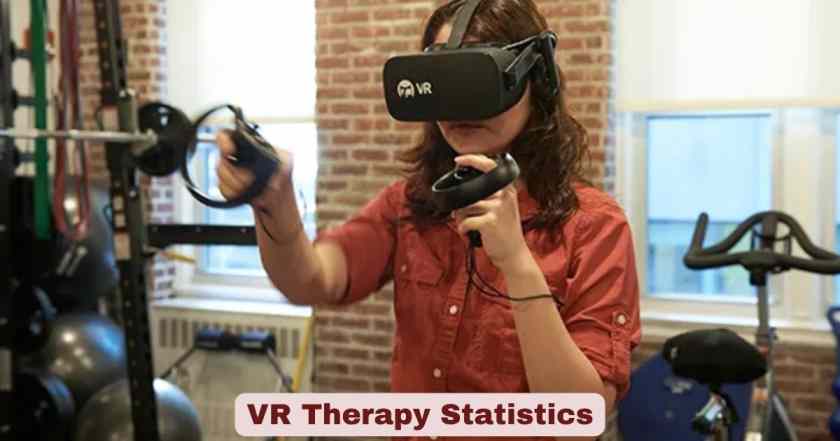
What is VR Therapy?
Virtual Reality (VR) therapy — clinically referred to as Virtual Reality Exposure Therapy (VRET) or Virtual Reality Behavioral Therapy — is a technology-driven treatment approach that immerses patients in computer-generated, three-dimensional environments to address a wide spectrum of mental health conditions, chronic pain, and physical rehabilitation needs. Rather than relying solely on a patient’s imagination to revisit difficult scenarios, VR therapy places them inside a controlled, repeatable, and fully adjustable digital world where therapeutic interventions can be precisely calibrated by a trained clinician. What started as a fringe experimental concept in academic labs in the early 1990s has, by 2026, evolved into a rapidly commercializing medical field with FDA-authorized products, established CPT billing codes, growing insurance reimbursement pathways, and deployment in hospitals, outpatient clinics, military facilities, and even patients’ homes. The US is, without question, the world’s leading market and research hub for VR therapy — driven by a convergence of a runaway mental health crisis, a worsening shortage of behavioral health providers, and a technology sector pumping billions of dollars into immersive healthcare.
The backdrop against which VR therapy in America in 2026 operates is one of enormous unmet need. According to the latest government data from SAMHSA, approximately 62 million US adults — 23% of the entire adult population — had a mental illness in 2024, and nearly 48% of them received no treatment at all. The behavioral health workforce shortage means that 6 in 10 psychologists currently do not accept new patients, and rural Americans face a 17.3 percentage point treatment gap compared to their urban counterparts. Into this yawning void, VR therapy offers something that traditional in-person care cannot always provide: scalability. A VR program can be deployed in a patient’s home, standardized across thousands of users simultaneously, delivered at 2 AM when no therapist is available, and used in geographies where there isn’t a mental health provider within a hundred miles. As the clinical evidence base matures and the regulatory environment catches up with the technology, VR therapy statistics in 2026 tell the story of a treatment modality that is moving from the margins of healthcare into the mainstream.
Interesting Key Facts About VR Therapy in 2026
| Fact | Detail |
|---|---|
| Global AR & VR healthcare market (2026) | Expected to reach $3.81 billion in 2026, up from $3.05 billion in 2025 |
| VR therapy hardware market (2026) | Growing from $1.87 billion (2025) to $2.24 billion in 2026 at a CAGR of 19.9% |
| VR therapy for mental health CAGR | Global market projected to grow at 24.7% CAGR through 2032 |
| VR therapy PTSD market growth (2026) | Growing from $1.66 billion (2025) to $2.04 billion in 2026 at 22.6% CAGR |
| FDA-authorized VR/AR medical devices | 69 medical devices incorporating AR/VR authorized by FDA as of September 2024 |
| First FDA-authorized in-home VR therapy | RelieVRx by AppliedVR — FDA De Novo authorization for chronic lower back pain |
| AMA CPT code for VR therapy | The American Medical Association approved the first CPT code for VR-mediated therapy in 2022 |
| CMS reimbursement (2025) | Starting January 1, 2025, CMS began reimbursing certain FDA-authorized digital mental health treatments under Medicare |
| VR anxiety therapy effectiveness | Meta-analysis of 33 studies, 3,182 participants: VR therapy significantly reduced anxiety [SMD = -0.95, p < 0.00001] |
| VRET vs. waitlist for anxiety | Large effect size of g = 0.90 (VRET vs. waitlist); medium-large g = 0.78 vs. placebo |
| Published VR therapy papers | More than 15,000 published peer-reviewed papers on VR efficacy across clinical modalities |
| VR therapy for PTSD — symptom reduction | Mean PTSD symptom scores fell by >50% in USC open trial; 16 of 20 completers no longer met PTSD diagnostic criteria post-treatment |
| Anxiety disorders market share | Anxiety disorders held the largest VR therapy revenue share at 29.6% in 2024 |
| North America market dominance | North America held 41% of the global AR/VR in healthcare market share in 2024 |
| US mental health treatment gap | 48% of the 62 million US adults with mental illness received no treatment in 2024 (SAMHSA 2025) |
Source: Research and Markets VR Therapy Reports 2026; Toward Healthcare AR/VR Report December 2025; FDA Digital Mental Health Devices 2025; Frontiers in Psychiatry Meta-Analysis January 2025; PMC/NIH Clinical VR Review; SAMHSA NSDUH 2024; CDC/HRSA Behavioral Health Workforce Brief 2025
Reading these facts together reveals something powerful that the individual numbers alone might obscure: VR therapy in 2026 is not just a technology story — it’s a healthcare access story. The clinical efficacy data is genuinely strong, with a standardized mean difference of -0.95 in anxiety reduction being a remarkably robust outcome measure across 33 randomized controlled trials involving over 3,000 participants. And yet the market, while growing at an explosive 19.9–24.7% CAGR, is still navigating a transition from research settings into routine clinical practice. The approval of a CPT code in 2022, CMS Medicare coverage starting in 2025, and 69 FDA-authorized AR/VR medical devices as of late 2024 represent the regulatory infrastructure finally catching up with a clinical evidence base that has been building for decades.
The juxtaposition of 48% of 62 million mentally ill American adults going untreated alongside a VR therapy market that can reach patients at home, at scale, and at any hour of the day, is perhaps the most compelling argument for aggressive investment in this field. With 6 in 10 US psychologists not accepting new patients and a projected shortage of geriatricians, psychiatrists, and mental health counselors deepening through 2030 and beyond, the capacity to deliver standardized, evidence-based therapy through a VR headset isn’t merely a technological novelty — it may represent one of the most practical solutions to America’s behavioral health infrastructure collapse.
VR Therapy Market Size & Growth Statistics in the US 2026
| Market Segment | 2025 Value | 2026 Value | CAGR | Projected Future Value |
|---|---|---|---|---|
| Global AR & VR in Healthcare | $3.05 billion | $3.81 billion | 24.81% | $27.98 billion by 2035 |
| VR Therapy Hardware | $1.87 billion | $2.24 billion | 19.9% | $4.59 billion by 2030 |
| VR Therapy for PTSD | $1.66 billion | $2.04 billion | 22.6% | $4.56 billion by 2030 |
| VR Therapy for Mental Health (global) | — | — | 24.7% | Forecast period 2025–2032 |
| Virtual Reality in Therapy (global) | $1.5 billion (2024) | — | 31.2% | $10.13 billion by 2032 |
| VR in Healthcare (global) | $4.27 billion (2024) | — | 33.3% | $46.40 billion by 2032 |
| US Digital Mental Health Market | $7.46 billion (2025) | $8.97 billion | 20.25% | $47.13 billion by 2035 |
| US Metaverse for Mental Health | $691 million (2025) | — | 26.0% | $6.97 billion by 2035 |
| VR Applications/Platforms segment | — | — | 31% CAGR | 2025–2032 |
| North America market share (AR/VR healthcare) | 41% (2024) | Remains dominant | — | — |
Source: Research and Markets VR Therapy Hardware Report 2026; Toward Healthcare AR/VR in Healthcare Report, December 2025; Market Research Future VR in Therapy Report 2025; SNS Insider VR in Healthcare 2024; Precedence Research Metaverse for Mental Health 2026; Toward Healthcare US Digital Mental Health Market 2025
The scale of growth across every segment of the VR therapy market in 2026 is frankly extraordinary by any benchmark in healthcare investment. The VR therapy hardware market growing at 19.9% annually, the VR in therapy market at 31.2% CAGR, and the broader VR in healthcare space at 33.3% CAGR — these aren’t tech startup projections, these are estimates grounded in active clinical deployments, hospital procurement cycles, and government reimbursement decisions. The fact that North America commands 41% of the global AR/VR healthcare market is not an accident — it reflects the US’s combination of world-leading clinical research programs, the largest pool of venture capital for digital health, and the sheer scale of unmet behavioral health demand that makes adoption economically compelling.
What’s notable in the 2026 VR therapy market landscape is the shift from hardware dominance to software and platforms. The VR applications/platforms segment is growing at 31% CAGR — faster than the hardware segment — driven by the continuous development of evidence-based therapeutic content, AI-powered personalization of treatment modules, and the growing demand for scalable, customizable solutions that can be deployed across diverse clinical populations. The US digital mental health market reaching $8.97 billion in 2026 — with VR therapy as one of its fastest-growing components — underscores that payers, providers, and policymakers are all moving in the same direction. The CMS decision to begin reimbursing FDA-authorized digital mental health treatments under Medicare starting January 1, 2025 may well be the single most market-catalyzing policy move in the sector’s history.
US Mental Health Crisis & the Case for VR Therapy in 2026
| Mental Health Metric | Statistic |
|---|---|
| US adults with any mental illness (2024) | ~62 million (23% of all US adults) |
| US adults with mental illness NOT receiving treatment (2024) | ~48% (~30 million people) |
| US adults experiencing mental health crisis (past year) | Nearly 1 in 10 US adults |
| Young adults (18–25) with mental illness (2024) | 32.2% (11.6 million people) |
| Young adults (18–29) with mental health crisis | 15.1% — highest of any age group |
| US adults with serious mental illness (SMI) | ~6% (~15 million people) |
| US adults with anxiety disorders | 42.5 million — most prevalent mental health condition |
| Annual economic cost of mental illness in the US | Exceeds $586 billion |
| Psychologists not accepting new patients | 6 in 10 (60%) |
| Rural vs. urban mental health treatment gap | 17.3 percentage points (38.4% rural vs. 55.7% urban receive care) |
| US adults with mental illness AND substance use disorders | 17 million with co-occurring conditions |
| Less than 15% with co-occurring disorders receive appropriate care | Dual-condition treatment gap |
Source: SAMHSA 2024 National Survey on Drug Use and Health (NSDUH); HRSA Behavioral Health Workforce Brief 2025; NAMI Mental Health by the Numbers (updated 2025); Johns Hopkins Bloomberg School of Public Health / Health Affairs Scholar, August 2025
These numbers are not just statistics — they represent the structural vacuum that VR therapy in 2026 is positioned to help fill. The arithmetic is stark: with 62 million Americans living with a mental illness, approximately 30 million receiving no treatment, and 6 in 10 psychologists unable to take new patients, the traditional one-therapist-one-patient model simply cannot scale fast enough to address demand. The $586 billion annual economic cost of mental illness in the US — encompassing lost productivity, emergency healthcare, criminal justice costs, and social services — dwarfs the total market size of VR therapy hardware many times over, making the investment case for scalable digital therapeutic solutions self-evident.
The rural treatment gap of 17.3 percentage points is where VR therapy’s home-delivery model becomes most clinically and practically relevant. A patient in rural Wyoming or Appalachian Kentucky who cannot access a qualified PTSD therapist within 100 miles can now potentially receive evidence-based VR exposure therapy through a headset delivered to their door, with remote clinician oversight enabled through integrated telehealth platforms. This isn’t hypothetical — the FDA-authorized RelieVRx program already operates this way for chronic back pain patients, and the template is directly applicable to anxiety, PTSD, and phobia treatment programs currently in clinical trials. The disproportionate burden carried by young adults aged 18–25 — 32.2% experiencing mental illness and 15.1% experiencing a full mental health crisis — corresponds closely to the demographic that is most comfortable with VR technology, most likely to engage with it consistently, and least connected to the traditional mental healthcare system.
VR Therapy Clinical Effectiveness Statistics in 2026
| Condition / Study | Key Finding |
|---|---|
| VR therapy for anxiety disorders (meta-analysis) | SMD = -0.95 [95% CI: -1.22, -0.69], p < 0.00001 — significant improvement over conventional interventions |
| VRET vs. waitlist for anxiety (meta-analysis) | Large effect size g = 0.90 |
| VRET vs. psychological placebo | Medium-large effect size g = 0.78 |
| VRET vs. in-vivo exposure | No significant difference (g = -0.07) — equivalent efficacy |
| VR for PTSD — symptom reduction | PTSD scores dropped from 54.4 to 35.6 (>50% reduction); 16 of 20 completers no longer met PTSD diagnostic criteria |
| VR for PTSD — Beck Anxiety scores | Decreased 33% (18.6 to 11.9); Depression scores decreased 49% |
| VRET for PTSD vs. waitlist (meta-analysis) | Hedges’ g = 0.62, p = .017 for PTSD symptoms; g = 0.50, p = .008 for depression |
| VR for anxiety RCTs — phobias & social anxiety | VR is particularly effective; comparable efficacy to non-VR treatment |
| VR for chronic pain — VR vs. no intervention/placebo/oral treatment | Post-intervention pain intensity lower in VR group vs. all comparators |
| Cedars-Sinai VR pain study (2024) | Patients receiving VR-based pain therapy experienced a 24% reduction in pain levels vs. traditional treatments |
| VR chronic pain research (2025 scoping review) | VR useful in increasing treatment adherence and pain tolerance; no significant side effects beyond occasional nausea/headaches |
| VR for social anxiety disorder | Significant reduction in social anxiety — Hedges’ g significant vs. waitlist; published August 2024 |
Source: Frontiers in Psychiatry (PMC), January 2025; PubMed Journal of Anxiety Disorders; PMC PTSD Meta-Analysis; ScienceDirect Systematic Review, November 2025; ASRA Pain Medicine News 2024; Cedars-Sinai Study reported in SNS Insider 2024; Journal of Physical Medicine and Rehabilitation 2025
The clinical efficacy data for VR therapy in 2026 has now crossed from promising to genuinely compelling across multiple independent meta-analyses and systematic reviews. The standardized mean difference of -0.95 for anxiety — derived from a rigorous 2025 meta-analysis pooling 33 randomized controlled trials and 3,182 participants — is a large effect size by any standard interpretation, placing VR therapy among the most effective interventions in the anxiety treatment literature. The finding that VRET achieves comparable outcomes to traditional in-vivo exposure therapy (g = -0.07, not significant) while removing the logistical burden of requiring patients to physically enter feared situations is particularly important: it means VR isn’t a second-best option for patients who can’t access in-person care — it is, in most measurable ways, clinically equivalent.
The PTSD data is equally striking, with the USC BRAVEMIND program documenting that 16 of 20 active duty completers no longer met diagnostic criteria for PTSD after treatment — a remission rate that would be considered excellent by any treatment standard. Beck Anxiety scores fell 33% and depression scores fell 49% in the same trial, underscoring VR’s benefits beyond the primary PTSD diagnosis. For chronic pain, the 24% pain reduction documented at Cedars-Sinai in 2024 using VR-based interventions compared to standard care reinforces what the chronic pain rehabilitation literature has been showing for years: VR’s ability to engage the brain’s attentional systems and reshape pain perception provides genuine analgesic benefit that goes beyond simple distraction. With no significant adverse effects beyond occasional nausea in virtually all major reviews, the risk-benefit profile of VR therapy is exceptionally favorable compared to pharmacological alternatives.
VR Therapy Applications & Conditions Treated in the US 2026
| Condition / Application | VR Therapy Use | Market Share / Evidence Level |
|---|---|---|
| Anxiety disorders (all types) | VR exposure therapy, cognitive restructuring, controlled fear confrontation | Largest segment at 29.6% revenue share (2024); strongest evidence base |
| PTSD | Immersive trauma re-exposure, narrative processing, stress inoculation training | Second largest VR therapy market; $2.04 billion by 2026 |
| Phobias | Specific phobia VRET (flying, heights, spiders, public speaking) | Highest evidence quality; most validated VR therapy application |
| Social anxiety disorder | Virtual social scenarios, graded exposure to social situations | Significant effects vs. waitlist in 2024 meta-analysis |
| Chronic pain | Pain distraction, cognitive behavioral therapy, pain neuroscience education | First FDA-authorized in-home VR treatment (RelieVRx); 24% pain reduction at Cedars-Sinai |
| Chronic lower back pain | RelieVRx: 56 six-minute sessions, CBT + distraction + behavior modification | FDA De Novo authorized; 24-month sustained pain intensity reduction |
| Depression | Immersive behavioral activation, compassion training environments | Growing evidence; part of mixed anxiety/depression treatment programs |
| Addiction/substance use disorders | Cue-exposure therapy, craving reduction via VR cue contexts | Hoag Hospital VR made standard of care in chemical dependency programs |
| Stroke rehabilitation | Motor skill retraining, neuroplasticity enhancement, upper limb recovery | Strong evidence; immersive VR outperforms non-immersive for upper extremity recovery |
| Eating disorders | Fear confrontation related to weight/food, body image reframing | Clinical trials ongoing at University of Louisville |
| Autism spectrum disorder | Social skills training, ASD diagnosis aids authorized by FDA | FDA-authorized pediatric ASD diagnosis aids available |
| Pediatric pain/procedural anxiety | Smileyscope VR app for IV insertion and blood draws — FDA Class II clearance | Cleared for patients as young as 4 years old |
Source: Data Bridge Market Research VR Mental Health Report 2025; FDA Digital Mental Health Devices 2025; ITIF AR/VR in Healthcare Report June 2025; Frontiers in VR Journal 2025; APA Monitor on Psychology October 2025
VR therapy’s application range in 2026 has expanded so dramatically that it is no longer accurate to describe it as a specialist tool for anxiety and phobias — though those remain its most evidence-dense domains. The 29.6% revenue share captured by anxiety disorders in the VR therapy market reflects both the clinical strength of the evidence and the sheer scale of demand: with 42.5 million Americans struggling with anxiety and most receiving either no treatment or inadequate care, the addressable market for VR anxiety therapy is enormous. But the conditions being treated span from the youngest patients — children as young as 4 years old benefiting from pediatric VR pain distraction during blood draws and IV insertions — to stroke rehabilitation, eating disorders, and addiction treatment.
The story of Hoag Hospital in Newport Beach, California is emblematic of where VR therapy is heading institutionally. After initially adopting VR for surgical visualization, Hoag expanded its program across medical admissions, rehabilitation, and acute care before eventually making VR a standard of care in its chemical dependency programs using Penumbra’s FDA-approved REAL System — with outcomes described as “stunning” by clinical leadership. This kind of institutional adoption, driven by demonstrated outcomes rather than technology enthusiasm, represents the shift from pilot programs to standard of care that signals genuine clinical maturation. The FDA’s “Home as a Health Care Hub” initiative launched in April 2024, explicitly using AR and VR to integrate patients’ homes into the healthcare ecosystem, further signals the direction of travel for the next decade of VR therapy deployment.
VR Therapy FDA Regulation & Policy Statistics in the US 2026
| Regulatory / Policy Milestone | Detail | Year |
|---|---|---|
| FDA-authorized VR/AR medical devices (total) | 69 devices incorporating AR/VR authorized by FDA | Updated September 2024 |
| RelieVRx FDA De Novo authorization | First FDA-authorized in-home VR treatment for chronic lower back pain | 2021 (AppliedVR) |
| Smileyscope FDA Class II clearance | First VR device with FDA Class II classification; cleared for patients aged 4+ | ITIF 2025 |
| AMA CPT code for VR therapy | First CPT code for VR-mediated therapy approved by the American Medical Association | 2022 |
| RelieVRx CMS HCPCS Level II code | CMS granted unique HCPCS code, placing RelieVRx in durable medical equipment benefit category | 2023 |
| CMS Medicare reimbursement — digital mental health treatments | Starting January 1, 2025, CMS reimburses certain FDA-authorized digital mental health treatments (DTx) under Medicare | January 2025 |
| FDA VR device classification | VR solutions in the US are Class II medical devices requiring 510(k) clearance or De Novo authorization | Ongoing regulatory framework |
| FDA “Home as a Health Care Hub” initiative | FDA initiative using AR/VR to make patients’ homes an integral part of healthcare | April 2024 |
| VR Behavioral Therapy Device for Pain Relief — Federal Register classification | Classified as Class II with special controls | Federal Register |
| US DOD funding for VR therapy | Department of Defense actively funds VR PTSD research and uses VR in military PTSD treatment | Ongoing |
| Home-Based Tele-mental Health Care Act | New US bill approved reimbursement codes for FDA-cleared digital mental health therapies | December 2024 |
Source: FDA Digital Mental Health Medical Devices Report 2025; ITIF AR/VR in Healthcare Report June 2025; Frontiers in VR Journal 2025; Fierce Healthcare 2024; Data Bridge Market Research 2025
The regulatory and policy environment for VR therapy in the US in 2026 has reached an inflection point that industry observers have been anticipating for years. The combination of 69 FDA-authorized AR/VR medical devices, a functional CPT billing code since 2022, and Medicare reimbursement for digital mental health treatments starting January 2025 means that the previously insurmountable “reimbursement wall” — the barrier that has historically prevented digital therapeutics from achieving mainstream clinical adoption — is beginning to crack. The CMS ruling placing RelieVRx in the durable medical equipment benefit category was a landmark decision because it gave VR therapy a reimbursement pathway that doesn’t require reclassifying an entirely new category of treatment, instead fitting it within existing coverage structures.
The US Department of Defense’s ongoing investment in VRET for PTSD — particularly through programs like the USC BRAVEMIND system — represents a significant source of both funding and clinical legitimacy for the field. Military applications have historically been among the fastest pathways to healthcare adoption, and with the VA’s behavioral health infrastructure under sustained strain, VR therapy’s capacity to reach veterans in rural areas or those unwilling to attend in-person treatment represents a genuine care delivery breakthrough. The FDA’s Home as a Health Care Hub initiative of April 2024 signals that federal regulators view the home as a legitimate and permanent venue for VR-delivered therapy — a framing shift that will accelerate both device authorization timelines and insurance coverage decisions over the coming years.
VR Therapy for PTSD & Mental Health in the US 2026
| PTSD / Mental Health Metric | Statistic | Source / Year |
|---|---|---|
| US adults experiencing PTSD (lifetime) | ~70% of US adults experience a traumatic event; ~20% develop PTSD | NIMH |
| VRET PTSD market size (2025) | $1.66 billion | Research and Markets 2026 |
| VRET PTSD market size (2026) | $2.04 billion (CAGR 22.6%) | Research and Markets 2026 |
| VRET PTSD market projection (2030) | $4.56 billion | Research and Markets 2026 |
| VRET vs. waitlist — PTSD symptoms | Hedges’ g = 0.62, statistically significant (p = .017) | PMC Meta-Analysis (9 controlled studies, 296 participants) |
| VRET vs. waitlist — depressive symptoms | Hedges’ g = 0.50, p = .008 | PMC PTSD Meta-Analysis |
| USC BRAVEMIND — PTSD diagnostic remission | 16 of 20 (80%) completers no longer met PTSD diagnostic criteria post-treatment | USC/PMC Clinical VR Review |
| PTSD score improvement — USC BRAVEMIND | Dropped from 54.4 to 35.6 on PCL-M scale (paired t-test p < .001) | USC/PMC Clinical VR Review |
| VRET efficacy vs. traditional exposure therapy | No significant difference — equivalent outcomes (g = 0.25, p = .356 for PTSD) | PMC PTSD Meta-Analysis |
| DOD-funded VR PTSD programs | Active use and ongoing funding of VR PTSD treatment in military healthcare | DOD/Wikipedia VR Therapy (updated April 2026) |
| XRHealth acquisition of RealizedCare | Acquired February 2025 to expand VR PTSD capabilities, including for veterans | Research and Markets 2026 |
| Young adults (18–29) mental health crisis rate | 15.1% experienced crisis in past year — highest of any age group | Johns Hopkins/Health Affairs Scholar, August 2025 |
Source: Research and Markets VR Therapy PTSD Report 2026; PMC PTSD Meta-Analysis; USC Clinical VR PMC Review; Johns Hopkins Bloomberg School of Public Health, August 2025; Wikipedia Virtual Reality Therapy (updated April 11, 2026)
VR therapy for PTSD in the US occupies a special category in the clinical and policy landscape — it has more peer-reviewed evidence behind it, more government funding supporting it, and more high-profile institutional backing than virtually any other VR therapy application. The $2.04 billion PTSD-specific VR market anticipated in 2026 reflects that investment, and the clinical data backing it is some of the strongest in the field. The 80% diagnostic remission rate documented in the USC BRAVEMIND trials — 16 of 20 treated active duty military completers no longer meeting PTSD diagnostic criteria after treatment — is a number that would be celebrated in any pharmacological drug trial. Combined with a >50% reduction in standardized PTSD symptom scores and statistically significant improvements in depression and anxiety, the outcomes profile of VRET for PTSD is hard to argue with.
What gives these numbers particular urgency in 2026 is the scale of untreated PTSD in America. The combination of veteran populations, first responders, survivors of violence, natural disaster victims, and the cumulative trauma load from years of pandemic isolation has created a PTSD burden that conventional treatment infrastructure cannot address at volume. The fact that VRET achieves equivalent outcomes to traditional prolonged exposure therapy (g = 0.25 vs. active comparators, not significant) — while being deliverable remotely, to patients who struggle with in-person attendance, at lower cost, and with greater scalability — makes it one of the most practically important therapeutic innovations of the decade. The February 2025 acquisition of RealizedCare by XRHealth specifically to expand VR PTSD capabilities, including for veterans, signals that the private sector has fully recognized the same conclusion.
VR Therapy for Pain Management & Physical Rehabilitation in the US 2026
| Metric | Statistic | Source / Year |
|---|---|---|
| Cedars-Sinai VR pain trial | 24% reduction in pain levels vs. traditional treatments in 2024 study | Cedars-Sinai / SNS Insider 2024 |
| Chronic lower back pain — RelieVRx 24-month outcome | Pain intensity reduction of 1.2 points sustained at 24 months; pain interference reduction of 2.0 points — statistically larger than Sham VR | Frontiers in VR Journal 2025 |
| RelieVRx treatment protocol | 56 sessions averaging 6 minutes each; delivered over 8 weeks at home | AppliedVR / RelieVRx FDA Submission |
| VR in chronic pain conditions (systematic review, 2025) | VR studied in musculoskeletal disorders (71%), fibromyalgia (9%), burns (7%), phantom limb pain (2%), upper-limb post-stroke pain (2%) | Journal of Physical Medicine & Rehabilitation 2025 (56 studies) |
| VR chronic pain — treatment adherence | VR increased treatment adherence and pain tolerance with no significant adverse effects | Journal of Physical Medicine & Rehabilitation 2025 |
| Stroke survivors with chronic post-stroke pain | 40–65% of stroke survivors develop chronic post-stroke pain (CPSP) | JMIR Research Protocols, February 2026 |
| Stroke rehabilitation — immersive vs. non-immersive VR | Immersive VR superior to non-immersive for upper extremity recovery in stroke patients | Springer Nature VR Stroke Rehab Review, November 2024 |
| Neurological conditions treated with VR rehabilitation | Parkinson’s disease, Alzheimer’s, brain injury, cerebral palsy, unilateral spatial neglect, stroke | ASRA Pain Medicine News 2024 |
| VR for phantom limb pain | Haptic-enhanced VR systems validated since 2013; clinical feasibility established | PMC Pain Review 2025 |
| Pediatric VR pain distraction (Smileyscope) | Proven to lessen pain of IV insertion and blood draws in children; cleared from age 4 | ITIF 2025 |
Source: Cedars-Sinai reported in SNS Insider 2024; Frontiers in VR Journal 2025; Journal of Physical Medicine and Rehabilitation 2025; JMIR Research Protocols February 2026; ASRA Pain Medicine News February 2024; ITIF AR/VR Healthcare Report June 2025
VR therapy’s role in pain management and physical rehabilitation in the US in 2026 is arguably its most immediately scalable application, because the target population is so vast and the alternative treatments so often inadequate or addictive. Chronic pain affects millions of Americans, and the opioid crisis has demonstrated in catastrophic terms what happens when overprescription becomes the default response to undertreated pain. The 24% pain reduction documented at Cedars-Sinai in 2024 using VR compared to standard pain treatments is clinically meaningful in a population where even a 10–15% reduction in pain intensity is considered a successful pharmacological outcome. The RelieVRx results — sustained pain intensity reduction at 24 months — demonstrate that VR-based chronic pain treatment doesn’t just provide temporary relief; it builds lasting skills and neurological changes that persist long after the formal treatment program ends.
The 40–65% of stroke survivors who develop chronic post-stroke pain represent another enormous and underserved population for whom VR therapy offers a non-addictive, engaging rehabilitation pathway. With evidence from multiple systematic reviews that immersive VR outperforms non-immersive approaches for upper extremity stroke recovery, and active clinical trials combining VR with acceptance and commitment therapy for pain management now underway in 2026, the stroke rehabilitation application is maturing rapidly. At the opposite end of the age spectrum, the FDA Class II clearance of Smileyscope for pediatric pain distraction during procedures in children as young as 4 years old illustrates VR therapy’s range — from the youngest patients in pediatric wards to elderly stroke survivors in home rehabilitation programs — and positions it as one of the most age-versatile therapeutic tools in modern medicine.
Key VR Therapy Facts & Challenges in the US 2026
| Key Fact / Challenge | Detail | Status |
|---|---|---|
| Peer-reviewed VR efficacy literature | More than 15,000 published papers across all modalities | Established evidence base (as of 2024) |
| Reimbursement adoption | CMS Medicare reimbursement started January 2025; commercial insurer adoption remains uneven | Improving but still a barrier |
| Clinical VR efficacy equivalence to in-vivo therapy | VRET shows no statistically significant difference from in-person exposure therapy in direct comparisons | Clinically validated |
| Therapist involvement enhances efficacy | Self-guided VR shows promise, but therapist involvement enhances treatment outcomes | Key implementation factor |
| Primary side effects | Cybersickness/motion sickness (occasional), headaches, rare perceptual disturbances | Generally mild; no major safety signals |
| Technology cost trend | VR hardware costs have fallen significantly over the past decade — enabling wider clinical access | Positive for adoption |
| Home delivery feasibility | Clinically validated; patients can receive care remotely via headsets with smart watch monitoring | Operational for approved products |
| AMA CPT code (2022) | First-ever CPT code for VR therapy approved — enables standard billing | Regulatory milestone |
| DOD ongoing investment | Department of Defense continues active use and funding of VR therapy for PTSD in military | Ongoing government support |
| XRHealth + Amelia merger (2023) | Largest XR therapeutics platform created by merger; aims to integrate physical + mental health VR treatment | Major market consolidation |
| FDA classification gap | FDA has not yet established a specific medical device classification for head-mounted displays (HMDs) themselves | Regulatory gap requiring resolution |
| Older antiretroviral therapy VR applications | VR therapy is expanding into addiction, eating disorders, autism, and general wellness — not just anxiety and PTSD | Growing application breadth |
Source: Fierce Healthcare January 2024; ITIF AR/VR in Healthcare Report June 2025; APA Monitor on Psychology October 2025; FDA Digital Mental Health Medical Devices November 2025; Wikipedia Virtual Reality Therapy April 2026
VR therapy in 2026 is a field that has simultaneously never been more promising and never faced a more complex set of adoption barriers. On the promise side: more than 15,000 peer-reviewed papers, clinical equivalence to in-person exposure therapy, a favorable side effect profile, FDA authorization for commercial products, a functioning CPT billing code, and Medicare reimbursement beginning in 2025. The technology has gotten cheaper, more portable, and more clinically validated year after year. On the barriers side: commercial insurance adoption remains inconsistent, the FDA hasn’t established a specific classification for head-mounted displays themselves (creating regulatory uncertainty for new entrants), and the high-profile failure of some digital therapeutics companies — most notably Pear Therapeutics — has made payers cautious about committing to coverage for the category as a whole.
The finding that therapist involvement significantly enhances VR therapy outcomes compared to purely self-guided programs is an important nuance that the field needs to grapple with openly. VR therapy is not a replacement for trained clinicians — it is a powerful tool that works best in the hands of those clinicians, amplifying their therapeutic reach and enabling standardized, reproducible treatment delivery that pure imagination-based approaches cannot match. The path to mainstream adoption in 2026 and beyond runs through exactly this framing: not VR as a replacement for therapy, but VR as the most powerful delivery mechanism that therapy has ever had, enabling one skilled clinician to extend evidence-based care to patients they could never otherwise reach.
Disclaimer: This research report is compiled from publicly available sources. While reasonable efforts have been made to ensure accuracy, no representation or warranty, express or implied, is given as to the completeness or reliability of the information. We accept no liability for any errors, omissions, losses, or damages of any kind arising from the use of this report.