
Virgin Islands in the US 2026
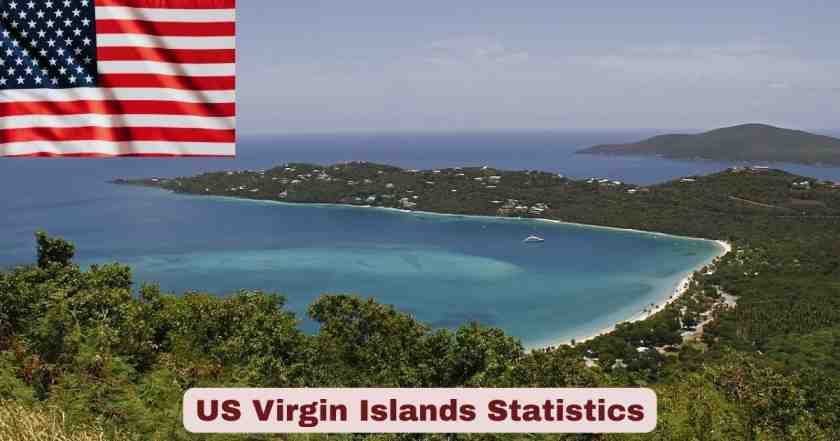
The United States Virgin Islands represent a unique Caribbean territory that combines American governance with tropical island culture. As we navigate through 2026, this unincorporated territory continues to evolve economically, socially, and demographically. Comprising three main islands—St. Croix, St. Thomas, and St. John—along with numerous smaller islands, the US Virgin Islands serve as a crucial hub for tourism, commerce, and cultural exchange in the Caribbean region. The territory’s strategic location and status as a US territory make it an essential component of American interests in the Caribbean basin.
Understanding the current landscape of the Virgin Islands requires examining comprehensive data across multiple sectors. From population dynamics to economic indicators, educational achievements to healthcare access, the 2026 statistics paint a detailed picture of life in this tropical paradise. The territory faces unique challenges and opportunities that distinguish it from both the continental United States and other Caribbean nations. Tourism remains the economic backbone, while residents navigate the complexities of island living, including higher costs of goods, hurricane preparedness, and maintaining infrastructure across multiple islands separated by ocean waters.
Interesting Facts and Latest Statistics About Virgin Islands in the US 2026
| Category | Statistic/Fact | Year |
|---|---|---|
| Total Population | 87,146 | 2026 |
| Population Density | 773 people per square mile | 2026 |
| Capital City | Charlotte Amalie (St. Thomas) | 2026 |
| Total Land Area | 133.73 square miles | 2026 |
| Official Language | English | 2026 |
| Currency | US Dollar (USD) | 2026 |
| Median Age | 43.2 years | 2026 |
| Life Expectancy | 79.8 years | 2026 |
| GDP (Gross Domestic Product) | $4.2 billion | 2026 |
| Unemployment Rate | 8.7% | 2026 |
| Tourism Arrivals | 2.8 million visitors | 2026 |
| Number of Islands | Over 50 islands and cays | 2026 |
| Largest Island | St. Croix (84 square miles) | 2026 |
| Time Zone | Atlantic Standard Time (AST) | 2026 |
| Literacy Rate | 94.9% | 2026 |
Data sources: US Census Bureau, Bureau of Economic Analysis, US Virgin Islands Bureau of Economic Research, Virgin Islands Department of Tourism
The United States Virgin Islands continues to maintain its position as a vital American territory in the Caribbean with a population of 87,146 residents as of 2026. The territory demonstrates remarkable population density at 773 people per square mile, significantly higher than many US states, reflecting the concentrated settlement patterns typical of island communities. With a median age of 43.2 years, the Virgin Islands population skews older than the US national average, indicating demographic shifts that influence healthcare needs, workforce composition, and economic planning.
The economic landscape shows a GDP of $4.2 billion for 2026, demonstrating the territory’s substantial economic activity despite its small geographic footprint of 133.73 square miles. Tourism remains the dominant economic driver, attracting 2.8 million visitors annually who contribute significantly to local employment and revenue generation. However, the unemployment rate of 8.7% reflects ongoing economic challenges, including limited job diversification beyond tourism and government employment. The literacy rate of 94.9% indicates strong educational foundations, though this metric reveals room for improvement in reaching universal literacy across all demographic groups.
Population Demographics in the US 2026
| Demographic Category | Number/Percentage | 2026 |
|---|---|---|
| Total Population | 87,146 | 2026 |
| St. Croix Population | 41,004 | 2026 |
| St. Thomas Population | 42,261 | 2026 |
| St. John Population | 3,881 | 2026 |
| Male Population | 41,550 (47.7%) | 2026 |
| Female Population | 45,596 (52.3%) | 2026 |
| African American/Black | 76% of population | 2026 |
| White | 15.6% of population | 2026 |
| Hispanic/Latino | 17.4% of population | 2026 |
| Asian | 1.4% of population | 2026 |
| Median Household Size | 2.64 persons | 2026 |
| Population Under 18 | 18,890 (21.7%) | 2026 |
| Population 65 and Over | 19,452 (22.3%) | 2026 |
| Foreign-Born Population | 31.8% | 2026 |
| Veterans | 5,234 (6.0%) | 2026 |
Data sources: US Census Bureau American Community Survey, Virgin Islands Bureau of Economic Research
The population demographics of the Virgin Islands in the US 2026 reveal a diverse and aging community spread across three primary islands. St. Thomas maintains the largest population with 42,261 residents, followed closely by St. Croix with 41,004 residents, while St. John remains the smallest with 3,881 residents. The gender distribution shows 52.3% female and 47.7% male, consistent with many Caribbean territories where female populations slightly outnumber males. The racial composition reflects the territory’s Caribbean heritage, with 76% African American/Black residents forming the majority, while 15.6% identify as White and 17.4% as Hispanic/Latino, with some overlap in these categories.
Age distribution patterns indicate significant demographic trends shaping the Virgin Islands’ future in 2026. With 22.3% of the population aged 65 and over compared to 21.7% under 18, the territory faces an aging population challenge that impacts healthcare infrastructure, pension systems, and workforce replacement. The median household size of 2.64 persons reflects modern family structures similar to mainland US patterns. Notably, 31.8% of residents are foreign-born, highlighting the territory’s role as a destination for Caribbean migration and its multicultural character. The presence of 5,234 veterans (6.0% of population) demonstrates the strong connection to US military service despite the territory’s geographic distance from the continental United States.
Economic Indicators in the US 2026
| Economic Metric | Value/Amount | 2026 |
|---|---|---|
| Gross Domestic Product | $4.2 billion | 2026 |
| GDP Per Capita | $48,200 | 2026 |
| Median Household Income | $44,800 | 2026 |
| Per Capita Income | $26,340 | 2026 |
| Poverty Rate | 22.4% | 2026 |
| Unemployment Rate | 8.7% | 2026 |
| Labor Force Participation | 58.3% | 2026 |
| Average Hourly Wage | $18.75 | 2026 |
| Tourism Revenue | $1.8 billion | 2026 |
| Government Employment | 28% of workforce | 2026 |
| Private Sector Employment | 72% of workforce | 2026 |
| Cost of Living Index | 142 (US average = 100) | 2026 |
| Minimum Wage | $10.50 per hour | 2026 |
| Top Industry Employment | Tourism & Hospitality (35%) | 2026 |
Data sources: Bureau of Economic Analysis, US Virgin Islands Bureau of Economic Research, Department of Labor
The economic indicators for the Virgin Islands in the US 2026 present a complex picture of prosperity alongside persistent challenges. The territory’s GDP of $4.2 billion translates to a per capita GDP of $48,200, which appears competitive until examined alongside the territory’s cost of living index of 142—meaning living expenses run 42% higher than the US mainland average. This disparity significantly impacts residents’ purchasing power, as the median household income of $44,800 struggles to keep pace with elevated costs for imported goods, housing, and utilities. The per capita income of $26,340 further illustrates income inequality, with wealth concentrated among certain sectors and demographics.
Employment patterns reveal structural economic realities facing the Virgin Islands in 2026. The unemployment rate of 8.7% exceeds the US national average, reflecting limited economic diversification and seasonal employment fluctuations tied to tourism cycles. While tourism and hospitality employ 35% of the workforce, this concentration creates vulnerability to external shocks like hurricanes, pandemics, or economic downturns affecting travel. Government employment represents 28% of the workforce, indicating significant public sector dependence. The poverty rate of 22.4% affects more than one in five residents, substantially higher than US mainland rates. With labor force participation at 58.3% and an average hourly wage of $18.75, many residents work multiple jobs or seek opportunities elsewhere, contributing to population decline trends observed in recent years.
Tourism Industry Statistics in the US 2026
| Tourism Metric | Number/Value | 2026 |
|---|---|---|
| Total Visitor Arrivals | 2.8 million | 2026 |
| Cruise Ship Passengers | 1.9 million | 2026 |
| Air Arrivals | 900,000 | 2026 |
| Tourism Revenue | $1.8 billion | 2026 |
| Hotel Occupancy Rate | 68.4% | 2026 |
| Average Daily Room Rate | $285 | 2026 |
| Number of Hotel Rooms | 4,850 | 2026 |
| Number of Cruise Ship Calls | 1,245 | 2026 |
| Tourism Employment | 18,500 jobs | 2026 |
| Average Visitor Stay | 6.8 nights | 2026 |
| Top Visitor Origin | United States (78%) | 2026 |
| Vacation Rental Properties | 3,200+ | 2026 |
| Average Visitor Spending | $1,850 per trip | 2026 |
| Peak Tourism Months | December-April | 2026 |
Data sources: Virgin Islands Department of Tourism, Caribbean Tourism Organization, Bureau of Economic Analysis
The tourism industry in the Virgin Islands in the US 2026 remains the economic cornerstone, generating $1.8 billion in revenue and directly supporting 18,500 jobs across the territory. Total visitor arrivals reached 2.8 million for the year, with cruise ship passengers comprising 1.9 million of that total, while 900,000 visitors arrived by air. This distribution highlights the dual nature of Virgin Islands tourism—high-volume, short-duration cruise visits versus longer-staying overnight visitors who contribute more substantially to the local economy. Air arrivals, though fewer in number, generate disproportionate economic impact with an average stay of 6.8 nights and average spending of $1,850 per trip.
Infrastructure and accommodation metrics demonstrate the territory’s tourism capacity in 2026. The hotel occupancy rate of 68.4% indicates healthy demand, while the average daily room rate of $285 positions the Virgin Islands as a premium Caribbean destination. The territory maintains 4,850 hotel rooms supplemented by over 3,200 vacation rental properties, providing diverse lodging options. St. Thomas received 1,245 cruise ship calls, cementing its status as a major Caribbean cruise port. The United States provides 78% of all visitors, reflecting the territory’s competitive advantage as a domestic destination requiring no passport for American travelers. Peak season from December through April sees maximum visitor density, while summer months experience lower occupancy, creating seasonal employment and revenue fluctuations that challenge year-round economic stability.
Education Statistics in the US 2026
| Education Metric | Number/Percentage | 2026 |
|---|---|---|
| Total Public Schools | 31 schools | 2026 |
| Total Student Enrollment | 12,840 | 2026 |
| Student-Teacher Ratio | 12:1 | 2026 |
| High School Graduation Rate | 81.2% | 2026 |
| Bachelor’s Degree or Higher | 28.4% of adults | 2026 |
| High School Diploma | 79.6% of adults | 2026 |
| Public School Teachers | 1,070 | 2026 |
| Average Teacher Salary | $52,400 | 2026 |
| Per-Pupil Spending | $14,850 | 2026 |
| Private Schools | 18 schools | 2026 |
| Private School Enrollment | 2,940 | 2026 |
| College Enrollment | 2,450 students | 2026 |
| University of Virgin Islands Enrollment | 1,680 | 2026 |
| Adult Literacy Rate | 94.9% | 2026 |
Data sources: Virgin Islands Department of Education, National Center for Education Statistics, University of the Virgin Islands
The education statistics for the Virgin Islands in the US 2026 reveal a system serving 12,840 students across 31 public schools, maintaining a favorable student-teacher ratio of 12:1 that allows for more personalized instruction compared to many US mainland districts. The territory employs 1,070 public school teachers earning an average salary of $52,400, which trails mainland averages but reflects local economic conditions. Per-pupil spending of $14,850 demonstrates significant investment in education, though outcomes vary across schools and islands. Private education serves 2,940 students across 18 private schools, providing alternative educational pathways for families seeking different academic environments or religious instruction.
Educational attainment levels among adult residents show both progress and persistent gaps in 2026. The high school graduation rate of 81.2% has improved over previous years but still lags behind US national averages, indicating ongoing challenges in student retention and academic support. Among adults, 79.6% hold a high school diploma, while 28.4% have earned a bachelor’s degree or higher, substantially below the US national rate of approximately 38%. This educational attainment gap impacts economic opportunities and income potential for residents. The University of the Virgin Islands enrolls 1,680 students, serving as the territory’s primary higher education institution, while 2,450 total students pursue college education locally or abroad. The adult literacy rate of 94.9% indicates strong basic education foundations, though continued efforts target the remaining 5.1% to achieve universal literacy across all age groups and demographic segments.
Housing and Real Estate in the US 2026
| Housing Metric | Value/Number | 2026 |
|---|---|---|
| Total Housing Units | 58,940 | 2026 |
| Occupied Housing Units | 34,760 | 2026 |
| Homeownership Rate | 47.8% | 2026 |
| Median Home Value | $385,000 | 2026 |
| Median Monthly Rent | $1,450 | 2026 |
| Vacancy Rate | 41.0% | 2026 |
| Average Home Size | 1,680 square feet | 2026 |
| New Construction Permits | 285 units | 2026 |
| Property Tax Rate | 1.25% average | 2026 |
| Rental Units | 18,140 | 2026 |
| Owner-Occupied Units | 16,620 | 2026 |
| Median Property Insurance | $4,850 annually | 2026 |
| Housing Cost Burden | 35.8% of income | 2026 |
| Foreclosure Rate | 2.8% | 2026 |
Data sources: US Census Bureau, Virgin Islands Housing Authority, National Association of Realtors
The housing and real estate market in the Virgin Islands in the US 2026 presents unique challenges characterized by high costs and unusual vacancy patterns. The territory contains 58,940 total housing units, yet only 34,760 are occupied, resulting in a striking 41.0% vacancy rate. This high vacancy primarily reflects vacation homes, investment properties, and units damaged by past hurricanes awaiting repair or demolition. The homeownership rate of 47.8% falls below US national averages, with 16,620 owner-occupied units compared to 18,140 rental units, indicating many residents rent rather than own due to high property costs and economic uncertainties.
Housing affordability remains a critical concern for Virgin Islands residents in 2026. The median home value of $385,000 represents a substantial financial barrier, particularly when combined with median household income of $44,800, creating a price-to-income ratio that exceeds sustainable levels for most families. Renters face median monthly costs of $1,450, consuming significant portions of household budgets. Overall, housing costs burden residents at 35.8% of income, well above the 30% threshold considered affordable by federal standards. Property insurance averaging $4,850 annually adds substantial ownership costs, driven by hurricane risk and limited insurer competition. The foreclosure rate of 2.8% and only 285 new construction permits issued in 2026 reflect economic pressures and development challenges, including high construction costs, permitting complexities, and land scarcity on the islands.
Healthcare Access and Statistics in the US 2026
| Healthcare Metric | Number/Value | 2026 |
|---|---|---|
| Hospitals | 2 main hospitals | 2026 |
| Hospital Beds | 198 beds | 2026 |
| Primary Care Physicians | 64 doctors | 2026 |
| Physician-to-Population Ratio | 1:1,361 | 2026 |
| Community Health Centers | 8 centers | 2026 |
| Health Insurance Coverage | 87.3% of population | 2026 |
| Uninsured Rate | 12.7% | 2026 |
| Medicare Beneficiaries | 18,240 | 2026 |
| Medicaid Enrollment | 22,680 | 2026 |
| Average Life Expectancy | 79.8 years | 2026 |
| Infant Mortality Rate | 7.2 per 1,000 live births | 2026 |
| Leading Cause of Death | Heart Disease | 2026 |
| Diabetes Prevalence | 16.8% of adults | 2026 |
| Obesity Rate | 32.4% of adults | 2026 |
Data sources: Virgin Islands Department of Health, Centers for Medicare & Medicaid Services, CDC
The healthcare system in the Virgin Islands in the US 2026 operates with limited infrastructure serving a geographically dispersed population. The territory maintains 2 main hospitals—Juan F. Luis Hospital on St. Croix and Schneider Regional Medical Center on St. Thomas—providing 198 hospital beds total. This capacity translates to approximately 2.3 beds per 1,000 residents, below US mainland averages and creating capacity constraints during emergencies or peak demand. The territory employs 64 primary care physicians, yielding a physician-to-population ratio of 1:1,361, which exceeds recommended ratios and forces residents to experience longer wait times or travel off-island for specialized care. Eight community health centers supplement hospital services, providing primary care, dental services, and preventive health programs.
Insurance coverage and health outcomes reveal both progress and persistent challenges in 2026. While 87.3% of residents have health insurance coverage, the 12.7% uninsured rate exceeds US national averages, leaving approximately 11,000 residents without coverage. Medicare covers 18,240 beneficiaries, primarily elderly residents, while Medicaid enrollment reaches 22,680, reflecting the significant low-income population. Average life expectancy of 79.8 years approximates US national figures, though chronic disease prevalence remains elevated. Diabetes affects 16.8% of adults, and obesity prevalence reaches 32.4%, both substantially higher than mainland rates and reflecting dietary patterns, activity levels, and socioeconomic factors. The infant mortality rate of 7.2 per 1,000 live births surpasses US national averages, indicating challenges in prenatal care access and maternal health services. Heart disease remains the leading cause of death, consistent with national patterns but exacerbated by chronic disease prevalence and healthcare access limitations.
Transportation Infrastructure in the US 2026
| Transportation Metric | Number/Value | 2026 |
|---|---|---|
| Airports | 2 commercial airports | 2026 |
| Annual Passenger Traffic | 1.82 million passengers | 2026 |
| Seaports | 4 major ports | 2026 |
| Registered Vehicles | 74,850 | 2026 |
| Vehicles Per Capita | 0.86 per person | 2026 |
| Total Road Miles | 856 miles | 2026 |
| Paved Roads | 645 miles | 2026 |
| Average Commute Time | 28.4 minutes | 2026 |
| Public Transportation Users | 8.2% of workforce | 2026 |
| Ferry Routes | 6 regular routes | 2026 |
| Ferry Passengers | 485,000 annually | 2026 |
| Gasoline Price | $4.85 per gallon | 2026 |
| Car Ownership Rate | 89% of households | 2026 |
| Traffic Fatality Rate | 12.8 per 100,000 | 2026 |
Data sources: Virgin Islands Port Authority, Department of Public Works, Federal Highway Administration
The transportation infrastructure in the Virgin Islands in the US 2026 connects the territory internally and to external destinations through multiple modes. Two commercial airports—Cyril E. King Airport on St. Thomas and Henry E. Rohlsen Airport on St. Croix—handle 1.82 million passengers annually, providing vital connections to the US mainland, Puerto Rico, and other Caribbean destinations. Four major seaports facilitate cargo operations and cruise ship arrivals, essential for an island economy dependent on imported goods. The territory maintains 856 total road miles, with 645 miles paved, creating a relatively developed road network for its small land area. However, road conditions vary significantly, with some routes suffering from deferred maintenance and hurricane damage.
Personal vehicle ownership dominates transportation patterns in 2026, with 74,850 registered vehicles serving the population—translating to 0.86 vehicles per capita and 89% of households owning cars. The average commute time of 28.4 minutes may seem modest but reflects traffic congestion on limited road networks, particularly on St. Thomas where narrow roads and tourist traffic create bottlenecks. Only 8.2% of the workforce uses public transportation, as bus service remains limited and unreliable compared to mainland systems. Six regular ferry routes transport 485,000 passengers annually between islands, providing essential inter-island connectivity, especially for workers commuting from St. John to St. Thomas. Gasoline prices averaging $4.85 per gallon—well above US mainland prices—strain household budgets and reflect shipping costs and limited competition. The traffic fatality rate of 12.8 per 100,000 residents exceeds US national averages, attributed to road conditions, tourist drivers unfamiliar with left-side driving rules, and limited traffic enforcement.
Crime and Public Safety in the US 2026
| Crime Metric | Rate/Number | 2026 |
|---|---|---|
| Violent Crime Rate | 495 per 100,000 | 2026 |
| Property Crime Rate | 2,340 per 100,000 | 2026 |
| Murder Rate | 28.4 per 100,000 | 2026 |
| Robbery Rate | 184 per 100,000 | 2026 |
| Aggravated Assault Rate | 265 per 100,000 | 2026 |
| Burglary Rate | 485 per 100,000 | 2026 |
| Larceny-Theft Rate | 1,640 per 100,000 | 2026 |
| Motor Vehicle Theft Rate | 215 per 100,000 | 2026 |
| Police Officers | 385 officers | 2026 |
| Officer-to-Population Ratio | 1:226 | 2026 |
| Total Arrests | 3,240 | 2026 |
| Incarceration Rate | 420 per 100,000 | 2026 |
| Domestic Violence Incidents | 1,285 | 2026 |
| Drug-Related Arrests | 845 | 2026 |
Data sources: Virgin Islands Police Department, FBI Uniform Crime Report, Bureau of Justice Statistics
The crime and public safety situation in the Virgin Islands in the US 2026 presents serious challenges that impact residents’ quality of life and the territory’s tourism reputation. The violent crime rate of 495 per 100,000 residents significantly exceeds US national averages, with the murder rate of 28.4 per 100,000 ranking among the highest in US territories and states. This elevated homicide rate stems from gang activity, drug trafficking conflicts, and domestic violence incidents. Robbery occurs at a rate of 184 per 100,000, while aggravated assaults reach 265 per 100,000, both substantially above national norms and concentrated in specific neighborhoods on St. Croix and St. Thomas.
Property crime remains pervasive with a rate of 2,340 per 100,000 residents in 2026. Burglary affects 485 per 100,000 residents, larceny-theft reaches 1,640 per 100,000, and motor vehicle theft occurs at 215 per 100,000. These crimes target both residents and tourists, though visitor-frequented areas receive heightened police presence. The Virgin Islands Police Department employs 385 officers, maintaining an officer-to-population ratio of 1:226—favorable compared to many jurisdictions but challenged by geographic dispersion across multiple islands and limited resources. Total arrests reached 3,240 for the year, with drug-related arrests at 845, reflecting ongoing battles against narcotics trafficking. Domestic violence incidents numbered 1,285, indicating significant family violence issues requiring intervention services. The incarceration rate of 420 per 100,000 exceeds US national averages, straining detention facilities and reflecting both crime levels and justice system approaches to punishment versus rehabilitation.
Environmental and Climate Data in the US 2026
| Environmental Metric | Value/Measurement | 2026 |
|---|---|---|
| Average Temperature | 82°F | 2026 |
| Average Rainfall | 45 inches annually | 2026 |
| Hurricane Season | June 1 – November 30 | 2026 |
| Named Storms (2026) | 2 direct impacts | 2026 |
| Coral Reef Coverage | 42% of original | 2026 |
| Protected Land Area | 12,909 acres | 2026 |
| National Park Visitors | 323,000 (VI Nat’l Park) | 2026 |
| Renewable Energy Share | 6.8% of total | 2026 |
| Solar Installations | 3,840 systems | 2026 |
| Water Source | Desalination & Rainwater | 2026 |
| Electricity Cost | $0.38 per kWh | 2026 |
| Waste Generated | 125,000 tons annually | 2026 |
| Recycling Rate | 18.4% | 2026 |
| Sea Level Rise | 3.2mm annually | 2026 |
Data sources: National Weather Service, National Park Service, Virgin Islands Energy Office, NOAA
The environmental and climate conditions in the Virgin Islands in the US 2026 shape daily life and long-term sustainability challenges. The territory experiences tropical weather with average temperatures of 82°F year-round and annual rainfall averaging 45 inches, though distribution varies significantly between wet and dry seasons. The 2026 hurricane season brought 2 named storms with direct impacts, causing power outages, flooding, and infrastructure damage that required months of recovery. Hurricane preparedness remains a constant concern from June 1 through November 30, with residents maintaining emergency supplies and evacuation plans while businesses install storm shutters and secure inventory.
Environmental preservation and energy sustainability face ongoing challenges in 2026. Coral reef coverage has declined to 42% of original levels due to warming waters, pollution, and physical damage from storms and anchors, threatening marine ecosystems and tourism appeal. The territory protects 12,909 acres of land through various conservation designations, including Virgin Islands National Park, which attracted 323,000 visitors in 2026. Energy costs remain extraordinarily high, with electricity at $0.38 per kilowatt-hour—roughly triple US mainland averages—driven by dependence on imported fossil fuels. Renewable energy provides only 6.8% of total generation, though 3,840 solar installations represent growing adoption of clean energy. The territory relies on desalination and rainwater harvesting for water supply, an energy-intensive process increasing utility costs. Waste management handles 125,000 tons annually, with only an 18.4% recycling rate, as limited space and infrastructure complicate disposal. Sea level rise averaging 3.2mm annually threatens coastal infrastructure, homes, and ecosystems, requiring long-term adaptation planning.
Government and Public Finance in the US 2026
| Government Metric | Value/Amount | 2026 |
|---|---|---|
| Government Budget | $1.24 billion | 2026 |
| Revenue Sources | Federal transfers & local taxes | 2026 |
| Federal Aid Received | $485 million | 2026 |
| Local Tax Revenue | $680 million | 2026 |
| Government Debt | $2.8 billion | 2026 |
| Debt Per Capita | $32,130 | 2026 |
| Government Employees | 9,840 | 2026 |
| Gross Receipts Tax | 5% standard rate | 2026 |
| Income Tax Structure | Mirror US federal code | 2026 |
| Property Tax Collections | $42 million | 2026 |
| Budget Deficit | $128 million | 2026 |
| Pension Liability | $3.6 billion unfunded | 2026 |
| Education Budget | $238 million | 2026 |
| Healthcare Budget | $145 million | 2026 |
Data sources: Virgin Islands Office of Management and Budget, Government Accountability Office, US Treasury
The government and public finance situation in the Virgin Islands in the US 2026 reflects ongoing fiscal challenges requiring careful management and federal support. The territorial government operates on a budget of $1.24 billion, funded through federal aid of $485 million and local tax revenue of $680 million. Federal transfers include Medicaid matching funds, educational grants, infrastructure support, and disaster recovery assistance essential to governmental operations. The territory employs 9,840 government workers, representing a significant portion of total employment and creating substantial payroll obligations. Despite revenue sources, the government ran a budget deficit of $128 million in 2026, continuing a pattern of expenditures exceeding revenues and necessitating borrowing or spending cuts.
Long-term fiscal sustainability faces serious threats from accumulated obligations. The territory carries government debt of $2.8 billion, translating to $32,130 per capita—among the highest per-capita debt burdens in the United States. Even more concerning, the pension system faces an unfunded liability of $3.6 billion, threatening retiree benefits and requiring ever-larger budget allocations that crowd out other priorities. The gross receipts tax of 5% on business revenues generates substantial income but creates tax pyramiding effects as goods pass through multiple hands before retail sale. The territory follows the US federal income tax code but retains revenues locally rather than remitting to the US Treasury. Property tax collections of $42 million remain modest due to assessment challenges and collection difficulties. Budget priorities allocate $238 million to education and $145 million to healthcare, representing major expenditure categories alongside public safety, infrastructure, and debt service. Achieving fiscal balance requires economic growth, revenue enhancement, expenditure control, and likely federal intervention to address structural deficits and unfunded obligations.
Telecommunications and Digital Connectivity in the US 2026
| Telecommunications Metric | Percentage/Number | 2026 |
|---|---|---|
| Broadband Access | 78.4% of households | 2026 |
| Internet Subscription Rate | 72.3% | 2026 |
| Average Download Speed | 95 Mbps | 2026 |
| Average Upload Speed | 12 Mbps | 2026 |
| Mobile Phone Penetration | 142% (multiple devices) | 2026 |
| Fiber Optic Coverage | 34% of territory | 2026 |
| 5G Coverage | 68% of population | 2026 |
| Average Internet Cost | $89 monthly | 2026 |
| Satellite Internet Users | 4,200 households | 2026 |
| Computer Ownership | 81.5% of households | 2026 |
| Smartphone Ownership | 88% of adults | 2026 |
| Social Media Usage | 76% of adults | 2026 |
| E-Commerce Participation | 64% of households | 2026 |
| Remote Work Capability | 42% of jobs | 2026 |
Data sources: Federal Communications Commission, Virgin Islands Public Services Commission, Broadband Now
The telecommunications and digital connectivity landscape in the Virgin Islands in the US 2026 shows improving infrastructure alongside persistent gaps and high costs. Broadband access reaches 78.4% of households, a significant improvement from previous years but still leaving approximately 7,500 households without high-speed internet options. The internet subscription rate of 72.3% indicates that even among those with access, some households forego service due to cost or preference. Average download speeds of 95 Mbps meet most household needs for streaming, remote work, and education, though upload speeds averaging only 12 Mbps create challenges for content creators, video conferencing, and cloud backup operations.
Mobile connectivity shows stronger penetration than fixed broadband in 2026. Mobile phone penetration reaches 142%, reflecting multiple devices per person as residents maintain work phones, personal phones, and tablets with cellular service. 5G coverage extends to 68% of the population, concentrated in populated areas of St. Thomas and St. Croix, while rural areas and St. John rely on 4G LTE. Fiber optic infrastructure covers 34% of the territory, primarily in commercial districts and newer developments, while older residential areas depend on cable or DSL connections. Satellite internet serves 4,200 households in areas where terrestrial options remain unavailable or unreliable. Average internet costs of $89 monthly exceed US mainland rates by approximately 40%, driven by limited provider competition and infrastructure challenges. Computer ownership at 81.5% and smartphone ownership at 88% enable digital participation, with 76% of adults using social media and 64% of households engaging in e-commerce. The shift toward remote work identifies 42% of jobs as potentially remote-capable, though actual remote work rates remain lower due to employer policies and connectivity reliability concerns.
Disclaimer: This research report is compiled from publicly available sources. While reasonable efforts have been made to ensure accuracy, no representation or warranty, express or implied, is given as to the completeness or reliability of the information. We accept no liability for any errors, omissions, losses, or damages of any kind arising from the use of this report.