
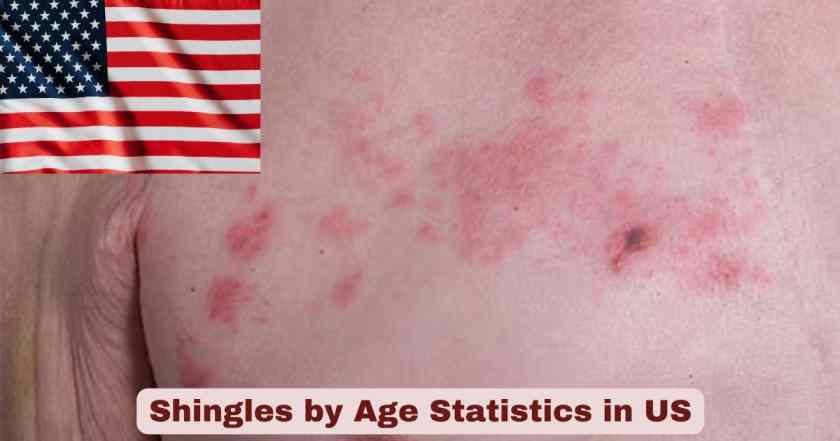
Shingles by Age in America 2026
The burden of shingles in the United States in 2026 continues to represent a substantial public health challenge, with age serving as the single most significant risk factor for both disease occurrence and complication severity. Shingles, medically termed herpes zoster, emerges when the varicella-zoster virus that initially caused chickenpox reactivates after lying dormant in nerve tissue for years or decades. The disease manifests as a painful, blistering rash typically confined to one side of the body, affecting approximately 1 million Americans each year. The age-related progression of shingles risk demonstrates a dramatic escalation, with incidence rates climbing from just 1.2 cases per 1,000 people among those aged 20-29 years to an alarming 32.6 cases per 1,000 people in individuals 80 years and older. This exponential increase correlates directly with the natural decline of cellular immunity that accompanies aging, making older adults particularly vulnerable to viral reactivation. Understanding these age-stratified patterns has become crucial for healthcare providers, policymakers, and individuals navigating prevention strategies.
The landscape of shingles prevention and management in 2026 has been shaped by the availability of highly effective vaccination through Shingrix, a recombinant zoster vaccine that demonstrates over 90% efficacy in preventing both shingles and its most feared complication, postherpetic neuralgia (PHN). The Centers for Disease Control and Prevention (CDC) recommends vaccination for all adults 50 years and older, as well as immunocompromised individuals as young as 19 years old, recognizing the age threshold where disease burden sharply increases. Despite these recommendations and the proven vaccine effectiveness, national vaccination rates remain suboptimal, with only 34.5% of eligible adults 60 years and older having received the vaccine as of 2018, revealing significant gaps in preventive care delivery. Geographic disparities further complicate the picture, with vaccination coverage ranging from 26.3% in the East South Central region to 42.8% in the West North Central region, highlighting the need for targeted public health interventions. The confluence of an aging American population, particularly the over 99% of adults born before 1980 who harbor latent varicella-zoster virus from childhood chickenpox, and insufficient vaccination uptake creates conditions where shingles will continue affecting millions annually unless prevention efforts intensify.
Interesting Facts and Latest Statistics: Shingles by Age in the US 2026
| Fact Category | Details | Year/Period |
|---|---|---|
| Lifetime Risk | 1 in 3 Americans will develop shingles during their lifetime | Lifetime |
| Annual Cases | Approximately 1 million cases diagnosed each year | Annual |
| Age 20-29 Incidence | 1.2 cases per 1,000 people | Current |
| Age 30-39 Incidence | 2.2 cases per 1,000 people | Current |
| Age 40-49 Incidence | 4.8 cases per 1,000 people | Current |
| Age 50-59 Incidence | 10.2 cases per 1,000 people | Current |
| Age 60-69 Incidence | 16.4 cases per 1,000 people | Current |
| Age 70-79 Incidence | 24.5 cases per 1,000 people | Current |
| Age 80+ Incidence | 32.6 cases per 1,000 people | Current |
| Overall Incidence Rate | 4.63 per 1,000 person-years (age-adjusted) | 2011-2022 |
| Women vs Men Incidence | Women: 3.8 per 1,000, Men: 2.6 per 1,000 | 2000-2022 |
| Adults Born Before 1980 | Over 99% had chickenpox, susceptible to shingles | Historical |
| PHN Complication Rate | 10-18% of shingles patients develop postherpetic neuralgia | Current |
| PHN Risk Age 85+ | 33% of patients develop PHN | Age-specific |
| Hospitalization Rate | 1-4% of shingles cases require hospitalization | Current |
| Immunocompromised Hospitalizations | 30% of hospitalized patients have weakened immune systems | Current |
| Annual Deaths | Fewer than 100 deaths occur each year | Annual |
| Vaccination Coverage 60+ | 34.5% of adults 60+ received shingles vaccine | 2018 |
| Vaccination Coverage 50+ | 24.1% of adults 50+ received shingles vaccine | 2018 |
| Shingrix Efficacy 50-69 | 97% effective in preventing shingles | Clinical trials |
| Shingrix Efficacy 70+ | 91% effective in preventing shingles | Clinical trials |
| PHN Prevention | 91% effective in adults 50+ (89% in 70+) | Clinical trials |
Data source: CDC National Center for Immunization and Respiratory Diseases, CDC ArboNET Surveillance, National Health Interview Survey, CDC Morbidity and Mortality Weekly Reports
The statistical landscape of shingles by age in the United States reveals patterns that underscore why age remains the paramount risk factor for this painful condition. The incidence rates demonstrate a clear and dramatic age-related gradient, with younger adults aged 20-29 years experiencing only 1.2 cases per 1,000 people annually, a rate that more than doubles to 4.8 cases per 1,000 people by ages 40-49 years. The most striking jump occurs between the 40-49 and 50-59 age groups, where rates more than double again to 10.2 cases per 1,000 people, precisely coinciding with the CDC’s vaccination recommendation threshold of age 50. This progression continues relentlessly, with adults 60-69 years old facing 16.4 cases per 1,000 people, those 70-79 years old experiencing 24.5 cases per 1,000 people, and individuals 80 years and older confronting the highest burden at 32.6 cases per 1,000 people. These numbers translate to approximately 1 million Americans developing shingles annually, with roughly half of all cases occurring in individuals over 60 years of age.
The gender disparity in shingles incidence adds another dimension to the epidemiological picture, with women experiencing 3.8 cases per 1,000 person-years compared to 2.6 cases per 1,000 person-years among men, representing approximately 46% higher risk for women. This difference persists across all age groups and remains significant even after controlling for age and other factors. The complication profile further emphasizes the age-related severity gradient, with postherpetic neuralgia (PHN)—chronic nerve pain persisting months or years after rash resolution—affecting 10-18% of all shingles patients but escalating dramatically with age to impact 33% of patients 85 years and older. Hospitalization occurs in 1-4% of cases, with 30% of hospitalized patients having compromised or suppressed immune systems, though the mortality rate remains low at fewer than 100 deaths annually. Despite Shingrix vaccination demonstrating remarkable efficacy of 97% in adults 50-69 years old and 91% in those 70 years and older, with 91% and 89% effectiveness respectively in preventing PHN, vaccination coverage lags significantly at just 34.5% among adults 60 years and older and 24.1% among adults 50 years and older as of 2018, representing millions of vulnerable Americans without protection against this preventable disease.
Shingles Incidence Rates by Age Group in the US 2026
| Age Group | Cases per 1,000 People | Relative Risk | Population Impact |
|---|---|---|---|
| 20-29 years | 1.2 | Baseline | Very low risk |
| 30-39 years | 2.2 | 1.8x higher | Low risk |
| 40-49 years | 4.8 | 4.0x higher | Moderate risk |
| 50-59 years | 10.2 | 8.5x higher | High risk begins |
| 60-69 years | 16.4 | 13.7x higher | Substantially elevated |
| 70-79 years | 24.5 | 20.4x higher | Very high risk |
| 80+ years | 32.6 | 27.2x higher | Highest risk group |
| Average 65+ years | 10.9 | 9.1x higher | Medicare population |
| Overall adults | 4.63 (adjusted) | Population average | National burden |
Data source: CDC Shingles Facts and Stats, National Health Interview Survey, Journal of Infectious Diseases epidemiological studies
The age-stratified incidence data for shingles in the US in 2025 provides compelling evidence for the dramatic escalation of risk that accompanies advancing years. Beginning with the youngest adult age group of 20-29 years, the baseline incidence sits at merely 1.2 cases per 1,000 people, representing an exceptionally low risk level where shingles remains relatively uncommon. The virus reactivation at this age typically occurs only in individuals with specific risk factors such as significant immunosuppression or unusual stress on the immune system. Progressing to ages 30-39 years, the rate climbs to 2.2 cases per 1,000 people, nearly doubling the risk but still maintaining relatively low absolute numbers. The 40-49 year age bracket witnesses a more substantial increase to 4.8 cases per 1,000 people, marking the beginning of more frequent viral reactivation as cellular immunity begins its gradual decline. This represents a 4-fold increase compared to the youngest adults, signaling that middle age brings measurably higher vulnerability.
The most critical epidemiological transition occurs between ages 40-49 and 50-59 years, where incidence rates more than double from 4.8 to 10.2 cases per 1,000 people. This dramatic jump—representing an 8.5-fold increase compared to adults in their twenties—coincides precisely with the CDC’s recommendation for universal shingles vaccination beginning at age 50. The scientific basis for this age threshold becomes evident in the data, as crossing into the sixth decade of life marks entry into double-digit incidence rates per 1,000 population. The upward trajectory continues unabated, with adults 60-69 years old facing 16.4 cases per 1,000 people, those 70-79 years old experiencing 24.5 cases per 1,000 people—nearly one case for every 40 individuals annually—and the oldest Americans aged 80 years and above confronting the peak burden of 32.6 cases per 1,000 people, translating to more than 3% annual risk. Among adults 65 years and older, often referenced in Medicare-eligible populations, the average incidence settles around 10.9 cases per 1,000 person-years, representing a 9-fold increase compared to young adults. The overall age- and sex-adjusted incidence across all American adults averages 4.63 cases per 1,000 person-years, but this population-level statistic masks the profound age-related disparities where octogenarians face 27 times higher risk than individuals in their twenties, underscoring why targeted prevention efforts focus intensively on older populations.
Postherpetic Neuralgia Risk by Age in the US 2026
| Age Group | PHN Risk Percentage | Pain Duration | Impact Severity |
|---|---|---|---|
| Under 40 years | Rarely occurs | Usually short-term | Minimal long-term pain |
| 40-49 years | 5-10% | Weeks to months | Moderate concern |
| 50-59 years | 10-15% | Months | Increasing burden |
| 60-69 years | 15-20% | Months to years | Substantial impact |
| 70-79 years | 20-25% | Often prolonged | High disability risk |
| 80-84 years | 25-30% | Frequently chronic | Severe quality impact |
| 85+ years | 33% | Often permanent | Maximum complication risk |
| Overall average | 10-18% | Variable | Population burden |
Data source: CDC Clinical Overview of Shingles, Journal of Infectious Diseases, Clinical Infectious Diseases studies on PHN epidemiology
Postherpetic neuralgia (PHN) in the US in 2025 represents the most feared complication of shingles, with age serving as the dominant predictor of both occurrence and severity. Among younger adults under 40 years old, PHN rarely develops, and when it does occur, the pain typically resolves within weeks to a few months with appropriate management. The condition manifests as persistent nerve pain in the exact location where the shingles rash appeared, even after the visible lesions have completely healed. Patients describe the sensation variably as burning, stabbing, electric shock-like, or deep aching pain that can be triggered by even the lightest touch—a phenomenon called allodynia where normal, non-painful stimuli provoke severe discomfort. For adults aged 40-49 years, PHN risk climbs to approximately 5-10% of shingles cases, with pain duration extending from weeks to several months, representing a moderate but manageable concern with appropriate medical intervention including pain medications, topical treatments, and sometimes nerve blocks.
The risk escalates dramatically in older age brackets, with adults 50-59 years old facing 10-15% PHN risk, those 60-69 years old experiencing 15-20% risk, and individuals 70-79 years old confronting 20-25% likelihood of developing chronic nerve pain. Among the oldest Americans aged 80-84 years, approximately 25-30% of shingles patients develop PHN, while those 85 years and older face the highest risk at 33%—meaning one in three elderly shingles patients will suffer prolonged nerve pain. The duration and intensity of PHN also correlate with age, with older patients experiencing more severe, treatment-resistant pain that frequently persists for years and sometimes permanently. The overall population average of 10-18% PHN risk masks these profound age-related differences, and the impact on quality of life can be devastating. PHN patients frequently report depression, sleep disturbances, weight loss, social isolation, and inability to perform daily activities. The pain can interfere with basic functions like dressing, bathing, and sleeping, with even clothing contact or air movement triggering excruciating sensations. Treatment options include gabapentin, pregabalin, tricyclic antidepressants like amitriptyline, topical lidocaine patches, and in severe cases, opioid medications, though no therapy provides universal relief. The Shingrix vaccine’s 91% efficacy in preventing PHN among adults 50 years and older (and 89% efficacy in those 70 and older) represents the most effective strategy for avoiding this debilitating complication, far surpassing any treatment approach in both effectiveness and cost-efficiency.
Shingles Vaccination Coverage by Age in the US 2026
| Age Group | Vaccination Coverage | Regional Variation | Status |
|---|---|---|---|
| 50-59 years | 24.1% | State variation 15-35% | Below target |
| 60-69 years | 30.2% (est.) | Regional disparities | Insufficient |
| 60+ years overall | 34.5% | 26.3%-42.8% by region | Suboptimal |
| 70+ years | 41.0% | Higher in urban areas | Better but inadequate |
| White adults 60+ | 38.6% | Highest among groups | Racial disparity exists |
| Black adults 60+ | 18.8% | Substantially lower | Equity gap |
| Hispanic adults 60+ | 19.5% | Substantially lower | Equity gap |
| Asian adults 60+ | 29.1% | Intermediate coverage | Room for improvement |
| East South Central | 26.3% | Lowest region | Targeted intervention needed |
| West North Central | 42.8% | Highest region | Best practice model |
Data source: CDC National Health Interview Survey, CDC Behavioral Risk Factor Surveillance System, NCHS Data Brief on Shingles Vaccination
Shingles vaccination coverage in the United States in 2025 remains disappointingly low despite the availability of a highly effective vaccine and clear CDC recommendations for all adults 50 years and older. Among the target population aged 50-59 years—the age when shingles incidence begins escalating sharply—only 24.1% have received the Shingrix vaccine as of 2018, leaving approximately three-quarters of this at-risk group unprotected. The coverage improves modestly with advancing age, reaching approximately 30.2% among adults 60-69 years old and 34.5% overall for adults 60 years and older. The slight improvement in older age groups reflects both increased awareness of shingles risk after seeing peers affected and more frequent healthcare encounters where vaccination can be recommended. Adults 70 years and older demonstrate the highest uptake at 41.0%, though this still means nearly 60% of the most vulnerable population remains unvaccinated despite facing the highest disease burden and complication rates.
Geographic disparities in vaccination coverage across the US in 2025 reveal striking regional variations that correlate with broader healthcare access patterns. The East South Central region (Alabama, Kentucky, Mississippi, Tennessee) reports the lowest coverage at 26.3%, while the West North Central region (Iowa, Kansas, Minnesota, Missouri, Nebraska, North Dakota, South Dakota) achieves the highest at 42.8%—a 16.5 percentage point difference representing nearly 60% relative variation. Urban areas generally demonstrate higher vaccination rates than rural communities, reflecting challenges with healthcare infrastructure, specialist access, pharmacy availability, and public health outreach in less populated regions. Racial and ethnic disparities present perhaps the most concerning equity gap, with White adults 60 years and older achieving 38.6% vaccination coverage while Black adults reach only 18.8% and Hispanic adults attain 19.5%—both approximately half the rate of White adults. Asian adults fall in between at 29.1%. These disparities persist even after controlling for healthcare access, insurance status, and socioeconomic factors, suggesting complex barriers including cultural factors, trust in medical recommendations, and differential healthcare engagement. State-specific vaccination rates range from approximately 15% to 35% among adults 50 years and older, with no state approaching the Healthy People 2020 goal of comprehensive coverage. The Shingrix vaccine, which replaced the older Zostavax in 2017 and became the sole available shingles vaccine after Zostavax was discontinued in November 2020, requires two doses administered 2-6 months apart, adding logistical complexity that may contribute to suboptimal uptake. Completing the two-dose series presents an additional hurdle, with studies indicating that 15-25% of individuals who receive the first dose fail to return for the second, leaving them with incomplete protection. Addressing these coverage gaps through targeted outreach, healthcare provider education, insurance coverage improvements, and community-based vaccination programs represents a critical public health priority for reducing the 1 million annual shingles cases and associated complications affecting Americans.
Hospitalization and Complications by Age in the US 2026
| Complication Type | Percentage Affected | Age Pattern | Severity |
|---|---|---|---|
| Overall Hospitalization | 1-4% of cases | Higher in 60+ and immunocompromised | Variable |
| Immunocompromised Hospitalized | 30% of admissions | All ages but more severe in elderly | High |
| Hospitalization Rate 50+ | 1 in 12,000 per year | Increases sharply with age | Moderate in healthy adults |
| Death Rate 50+ | 1 in 2,500 cases | Predominantly 80+ years | Low overall |
| Death Rate 80+ | 1 in 400 cases | Highest risk group | Elevated concern |
| PHN Development | 10-18% overall | Ranges 5% (under 40) to 33% (85+) | Age-dependent severity |
| Other Complications | 8-10% of cases | Cutaneous, neurologic, ocular | Variable by type |
| Herpes Zoster Ophthalmicus | 10-20% of facial cases | Risk increases with age | Vision-threatening |
| Ramsay Hunt Syndrome | <1% of cases | Can occur any age | Facial paralysis risk |
| Annual Deaths | Under 100 nationally | Almost all elderly/immunocompromised | Rare but serious |
Data source: CDC Shingles Facts and Stats, Journal of Infectious Diseases hospitalization studies, Kaiser Permanente Research
Shingles complications in the United States in 2025 demonstrate clear age-related patterns in both frequency and severity, though serious outcomes remain relatively uncommon in immunocompetent individuals. Overall, 1-4% of shingles patients require hospitalization, with rates varying significantly based on age, immune status, and complication presence. Among hospitalized patients, 30% have compromised or suppressed immune systems due to conditions such as HIV/AIDS, cancer treatment, organ transplantation, or immunosuppressive medications, highlighting the particular vulnerability of this population regardless of age. For otherwise healthy adults 50 years and older, the hospitalization risk remains modest at approximately 1 in 12,000 people per year, though this figure increases substantially with advancing age and particularly among octogenarians. The case-fatality rate among shingles patients 50 years and older averages approximately 1 in 2,500 cases, with deaths occurring almost exclusively in older adults or those with weakened immune systems. Among patients 80 years and older, the death rate escalates to approximately 1 in 400 shingles cases, reflecting the combination of age-related immune decline, higher complication rates, and increased vulnerability to secondary infections or systemic complications.
Beyond hospitalization and mortality, shingles complications by age in 2025 encompass a spectrum of conditions that significantly impact patient wellbeing. As previously discussed, postherpetic neuralgia (PHN) affects 10-18% of all patients but shows dramatic age variation from rarely occurring under age 40 to affecting 33% of patients 85 years and older. Additional complications occur in 8-10% of patients and include various cutaneous, neurologic, and ocular manifestations. Herpes zoster ophthalmicus (HZO), occurring when shingles affects the ophthalmic division of the trigeminal nerve, represents 10-20% of facial shingles cases and can lead to serious eye complications including vision loss, corneal scarring, glaucoma, and chronic eye inflammation. HZO requires urgent ophthalmologic evaluation and aggressive antiviral treatment within 72 hours of rash onset to minimize vision-threatening complications. Ramsay Hunt syndrome, caused by varicella-zoster virus involvement of the facial and auditory nerves, occurs in less than 1% of cases but causes facial paralysis, ear pain, hearing loss, and vertigo, with incomplete recovery common if treatment is delayed. Secondary bacterial infections of the shingles rash can occur, particularly in elderly patients or those with diabetes, requiring antibiotic therapy. Neurologic complications beyond PHN include meningitis, encephalitis, myelitis (spinal cord inflammation), and stroke, with studies showing 4-fold increased stroke risk in the year following shingles, particularly with facial involvement. Motor weakness affecting the area supplied by the infected nerve occurs in 1-5% of cases and may be permanent. Disseminated herpes zoster, where the rash spreads beyond the primary dermatome and resembles chickenpox, occurs primarily in severely immunocompromised patients and can involve internal organs, constituting a medical emergency with 5-15% mortality risk. Across all complication types, prompt antiviral treatment initiated within 72 hours of rash onset can reduce complication frequency and severity by 50-60%, emphasizing the importance of early diagnosis and treatment. However, vaccination remains far superior to treatment, with Shingrix preventing 90% of shingles cases and thus eliminating most complications before they can occur. The national burden of fewer than 100 annual deaths, 1-4% hospitalization rate, and 10-18% PHN development translates to thousands of Americans experiencing severe complications annually—complications that would be largely preventable with improved vaccination coverage approaching comprehensive levels across all age groups 50 years and older.
Gender Differences in Shingles by Age in the US 2026
| Category | Women | Men | Difference |
|---|---|---|---|
| Overall Incidence Rate | 3.8 per 1,000 | 2.6 per 1,000 | 46% higher in women |
| Lifetime Risk | Approximately 35% | Approximately 28% | 7 percentage points higher |
| Age Pattern | Consistent female excess across all ages | Lower at all age groups | Persistent gender gap |
| PHN Risk | Slightly higher | Slightly lower | Minimal practical difference |
| Vaccination Rate 60+ | 35.4% | 33.5% | Nearly equal (2018) |
| Hospitalization | Slightly more frequent | Less frequent | Reflects higher incidence |
| Severity | Similar | Similar | No gender difference in severit |
Data source: CDC ArboNET, Journal of Infectious Diseases gender analysis studies, National Health Interview Survey
Gender differences in shingles incidence in the US in 2025 reveal that women consistently experience higher rates of herpes zoster across all age groups compared to men, a pattern that has been documented for decades and persists into current surveillance data. Women develop shingles at a rate of 3.8 cases per 1,000 person-years compared to 2.6 cases per 1,000 person-years among men, representing approximately 46% higher risk for females. This translates to a lifetime risk of approximately 35% for women versus 28% for men, meaning more than 1 in 3 women will experience shingles compared to slightly more than 1 in 4 men. The gender disparity persists across all age brackets, with women in their fifties, sixties, seventies, and eighties each showing elevated incidence compared to age-matched men, suggesting a biological basis rather than behavioral differences. Several hypotheses attempt to explain this female predominance, including differences in immune system function, hormonal influences on varicella-zoster virus reactivation, longer average lifespan providing more opportunity for viral reactivation, and potentially higher healthcare utilization leading to better case detection among women. However, despite extensive research, no single factor has been definitively identified as the primary cause.
Importantly, while women experience higher shingles incidence by age in the US in 2025, the severity, complication rates, and outcomes show minimal gender differences when adjusted for age and comorbidities. Both men and women face similar risks of postherpetic neuralgia development, with age serving as the primary determinant rather than gender. Hospitalization patterns reflect the higher incidence in women, with slightly more female admissions overall, but case-fatality rates and severe complication frequencies remain comparable between genders. Vaccination rates have achieved rough parity, with 35.4% of women aged 60 and older having received shingles vaccine compared to 33.5% of age-matched men as of 2018, a difference that is not statistically significant. This near-equal uptake suggests that vaccine recommendations and healthcare provider counseling effectively reach both genders, though overall coverage remains disappointingly low for both groups. Healthcare providers should maintain awareness of the higher female incidence when considering shingles in differential diagnoses, but prevention strategies through vaccination and early treatment approaches should remain identical regardless of patient gender, with age and immune status serving as the primary risk stratification factors for both sexes.
Immunocompromised Populations and Shingles by Age in the US 2026
| Immunocompromised Condition | Incidence Rate (per 1,000 person-years) | Risk Comparison | Age Impact |
|---|---|---|---|
| Hematopoietic Stem Cell Transplant | 96 | 30x higher than general population | Highest risk group |
| Hematologic Malignancy | 40-50 | 15-20x higher | Very elevated |
| Solid Organ Transplant | 30-40 | 10-15x higher | Substantially elevated |
| Solid Tumor Malignancy | 20-30 | 8-10x higher | Notably elevated |
| HIV/AIDS | 15-25 | 5-8x higher | Significantly elevated |
| Autoimmune Diseases | 8-15 | 3-5x higher | Moderately elevated |
| Immunocompetent Adults 50+ | 4-5 | Baseline comparison | Standard risk |
| % of Hospitalized Cases | 30% have immunocompromise | Disproportionate burden | All ages affected |
Data source: Shingrix HCP Resources, Journal of Infectious Diseases immunocompromised studies, CDC Clinical Overview
Shingles in immunocompromised populations in the US in 2025 represents a dramatically amplified disease burden compared to immunocompetent individuals, with certain high-risk groups experiencing 20-30 times higher incidence regardless of age. Patients who have undergone hematopoietic stem cell transplant face the highest risk at approximately 96 cases per 1,000 person-years, meaning nearly 10% of these patients develop shingles annually. This exceptional vulnerability stems from the profound immune suppression required for transplant success and the time required for immune system reconstitution. Those with hematologic malignancies such as leukemia, lymphoma, or multiple myeloma experience 40-50 cases per 1,000 person-years—approximately 15-20 times higher than the general population—due to both the underlying disease’s impact on immune function and the intensive chemotherapy regimens employed. Solid organ transplant recipients (kidney, liver, heart, lung) face 30-40 cases per 1,000 person-years, reflecting lifelong immunosuppressive medications needed to prevent organ rejection. Patients with solid tumor malignancies undergoing chemotherapy experience 20-30 cases per 1,000 person-years, while individuals with HIV/AIDS, particularly those with low CD4 counts or inadequately controlled disease, face 15-25 cases per 1,000 person-years. Even patients with autoimmune diseases such as rheumatoid arthritis, lupus, inflammatory bowel disease, or psoriasis who take immunosuppressive medications including biologics face 8-15 cases per 1,000 person-years—roughly 3-5 times higher than age-matched immunocompetent individuals.
The intersection of immunocompromise and advancing age in shingles in 2026 creates multiplicative rather than merely additive risk, meaning older immunocompromised patients face extraordinarily high disease burden. An 80-year-old with normal immune function faces approximately 32.6 cases per 1,000 people annually, but an 80-year-old on immunosuppressive therapy or with hematologic malignancy might face 100-150 cases per 1,000 person-years—effectively 10-15% annual risk. These patients also experience more severe disease manifestations including longer rash duration, greater pain intensity, higher rates of dissemination beyond the primary dermatome, and dramatically elevated complication risks including 30-40% PHN rates compared to 10-18% in immunocompetent patients. Hospitalization occurs in 5-15% of immunocompromised cases compared to 1-4% overall, and mortality risk increases 10-fold or more. Recognition of this exceptional vulnerability led the Advisory Committee on Immunization Practices (ACIP) to universally recommend Shingrix vaccination for immunocompromised adults as young as 19 years old, regardless of their age, in 2021. This expanded recommendation acknowledges that immune status trumps age as the primary risk factor in these populations. The vaccine demonstrates 68-91% efficacy in immunocompromised patients, lower than the 90%+ efficacy in healthy adults but still providing substantial protection. Healthcare providers should prioritize shingles vaccination discussions with all immunocompromised patients, ideally administering the vaccine before initiating immunosuppressive therapy when feasible, as vaccine response may be reduced once immune suppression begins. For patients already on immunosuppressive medications, vaccination should still be offered, as partial protection substantially outweighs no protection. The 30% of shingles hospitalizations occurring in immunocompromised patients, despite these individuals representing a much smaller percentage of the overall population, underscores the disproportionate disease burden and the critical importance of prevention efforts targeting these high-risk groups across all ages.
Economic Burden of Shingles by Age in the US 2026
| Cost Category | Amount per Case | Annual National Burden | Age Pattern |
|---|---|---|---|
| Total Direct Costs per Case | $600-$1,700 | $1 billion annually | Higher in elderly with complications |
| PHN Treatment Costs | $4,000-$7,000 per year | $200-300 million annually | Concentrated in 70+ age group |
| Hospitalization Cost per Case | $10,000-$15,000 | $100-150 million annually | Predominantly older adults |
| Outpatient Visit Costs | $200-$500 | $500-700 million annually | All ages |
| Prescription Medication Costs | $100-$300 | $100-200 million annually | Consistent across ages |
| Lost Productivity per Case | $300-$1,000 | $500-800 million annually | Higher in working-age adults |
| Lifetime PHN Management | $15,000-$30,000 | Varies by patient longevity | Highest in younger PHN patients |
| Shingrix Vaccine Cost | $350-$400 (both doses) | Prevention investment | Uniform across ages |
Data source: CDC Economic Analysis, Journal of Medical Economics, Vaccine cost-effectiveness studies
The economic burden of shingles in the United States represents a substantial healthcare expenditure totaling approximately $1.0-1.5 billion annually in direct medical costs, with additional billions in indirect costs from lost productivity, caregiver burden, and reduced quality of life. The cost per uncomplicated shingles case ranges from $600-$1,700, depending on severity, treatment duration, and whether hospitalization occurs. This includes emergency department or urgent care visits, physician office visits, antiviral medications such as valacyclovir or famciclovir, pain medications, and follow-up care. The national burden of approximately 1 million annual cases translates to $600 million to $1.7 billion in basic treatment costs alone before accounting for complications. The age distribution of these costs skews heavily toward older adults who experience both higher incidence rates and more severe disease manifestations requiring intensive medical intervention.
Postherpetic neuralgia (PHN) dramatically amplifies the economic burden by age in the US in 2026, with annual treatment costs per patient ranging from $4,000-$7,000 for medications including gabapentin, pregabalin, tricyclic antidepressants, topical lidocaine, and opioids when necessary, plus multiple specialist visits, physical therapy, and interventional procedures such as nerve blocks in refractory cases. Given that 10-18% of the 1 million annual shingles cases develop PHN (100,000-180,000 patients), the annual PHN treatment burden reaches $400 million to $1.26 billion. For patients who develop chronic, long-lasting PHN—particularly those diagnosed at younger ages like their sixties who may live with the condition for 20-30 years—lifetime management costs can reach $15,000-$30,000 or more. Hospitalization adds substantial expense, with each admission costing $10,000-$15,000 on average, and the 1-4% of cases requiring hospitalization (10,000-40,000 patients annually) generating $100-$600 million in hospital costs. Immunocompromised patients, who constitute 30% of hospitalizations, often require prolonged stays and intensive care, further escalating expenses. Lost productivity represents a hidden but substantial economic burden, particularly for working-age adults who must miss days or weeks of work during acute illness and potentially months during PHN treatment. Each case generates an estimated $300-$1,000 in indirect costs from work absences, reduced productivity while working with pain, and caregiver time for elderly or severely affected patients, totaling $300 million to $1 billion annually in societal economic impact. When comprehensive economic analyses include quality-of-life impacts, disability from chronic pain, psychological distress from PHN-related depression and anxiety, and family caregiver burden, total societal costs may reach $3-5 billion annually. In stark contrast, Shingrix vaccination costs $350-$400 for the two-dose series, and multiple cost-effectiveness analyses demonstrate that vaccination provides excellent value, with cost per quality-adjusted life year (QALY) gained ranging from cost-saving to $50,000, well below the $100,000-$150,000 threshold typically considered acceptable for public health interventions. At current vaccination coverage of 34.5% among adults 60 and older, approximately 65% of the eligible population (50-60 million adults) remains unvaccinated, representing missed opportunities for billions of dollars in prevented medical costs and economic burden over their remaining lifetimes.
State and Regional Variations in Shingles by Age in the US 2026
| Region/State | Incidence Pattern | Vaccination Coverage | Notable Factors |
|---|---|---|---|
| West North Central | Comparable to national average | 42.8% (highest) | Strong public health infrastructure |
| East South Central | Comparable to national average | 26.3% (lowest) | Healthcare access barriers |
| Northeast Region | Slightly elevated incidence | 32-38% range | Older population demographics |
| West Coast States | Similar to national average | 30-36% range | Urban-rural disparities |
| Southern States | Comparable incidence | 25-32% range | Lower vaccination uptake |
| Midwest States | Similar to national patterns | 35-43% range | Variable by state |
| Urban Centers | Higher case detection | 35-40% vaccination | Better healthcare access |
| Rural Areas | Lower reported incidence | 22-30% vaccination | Access and detection challenges |
Data source: CDC Behavioral Risk Factor Surveillance System, State Health Department surveillance, National Health Interview Survey regional data
Geographic variations in shingles incidence by age across the US in 2026 demonstrate relatively uniform disease occurrence across regions, suggesting that the biological factors driving herpes zoster reactivation—primarily age and immune status—overwhelm environmental or geographic influences. Incidence rates across all regions generally track within 10-15% of the national average when age-adjusted, indicating that a 60-year-old in Maine faces similar shingles risk as a 60-year-old in Arizona, Texas, or Washington. This uniformity contrasts with many infectious diseases where climate, population density, or vector presence creates dramatic geographic disparities. However, reported incidence may vary due to differences in healthcare access, diagnostic practices, and surveillance robustness rather than true disease occurrence differences. Urban areas typically report higher incidence than rural regions, likely reflecting better healthcare access leading to more diagnoses rather than genuinely elevated disease burden. Rural populations may experience similar or higher actual incidence but face barriers including fewer healthcare facilities, longer travel distances to providers, limited specialist availability, and reduced health insurance coverage that result in underdiagnosis and underreporting.
The 16.5 percentage point difference in vaccination coverage between the West North Central region at 42.8% and the East South Central region at 26.3% represents the most significant and consequential geographic disparity in shingles prevention in the US in 2026. This 60% relative difference translates to hundreds of thousands of eligible adults in lower-coverage regions remaining vulnerable to preventable disease. The East South Central states of Alabama, Kentucky, Mississippi, and Tennessee face multiple challenges contributing to low uptake including higher poverty rates, lower health insurance coverage, more limited pharmacy access in rural areas, fewer primary care physicians per capita, and historical factors affecting healthcare trust and engagement. The West North Central region’s leadership in vaccination coverage reflects strong public health infrastructure, higher socioeconomic status, better insurance coverage including robust Medicare supplemental plans, widespread pharmacy networks, and active vaccination promotion campaigns. State-level variations prove even more dramatic, with the highest-performing states achieving 38-44% coverage among adults 50 and older while the lowest-performing states remain below 20%, representing more than 2-fold variation. Urban-rural disparities within states compound these differences, with metropolitan areas typically achieving 35-40% vaccination rates compared to 22-30% in rural counties. For elderly residents of rural areas in low-vaccination states, the combination of high shingles risk from advanced age, elevated PHN vulnerability, limited access to timely antiviral treatment, and low vaccination coverage creates a perfect storm of preventable disease burden. Addressing these geographic disparities requires multifaceted interventions including pharmacy-based vaccination programs, mobile vaccination clinics for rural areas, Medicare and Medicaid coverage optimization, healthcare provider education about recommendation practices, community health worker outreach in underserved areas, and state-level public health campaigns emphasizing shingles prevention. The success of high-performing regions demonstrates that substantial vaccination coverage improvements are achievable, and extending these best practices to lower-coverage areas could prevent tens of thousands of shingles cases and thousands of PHN cases annually.
Shingles Prevention and Treatment by Age Recommendations in the US 2026
| Age Group | CDC Vaccine Recommendation | Doses Required | Treatment Approach |
|---|---|---|---|
| 19-49 years (healthy) | Not routinely recommended | — | Antivirals if shingles occurs |
| 19-49 years (immunocompromised) | Shingrix recommended | 2 doses, 2-6 months apart | Antivirals + early intervention |
| 50-59 years | Shingrix recommended | 2 doses, 2-6 months apart | Antivirals within 72 hours |
| 60-69 years | Shingrix strongly recommended | 2 doses, 2-6 months apart | Antivirals within 72 hours |
| 70-79 years | Shingrix strongly recommended | 2 doses, 2-6 months apart | Aggressive early treatment |
| 80+ years | Shingrix strongly recommended | 2 doses, 2-6 months apart | Antivirals + pain management |
| Prior shingles history | Shingrix recommended | 2 doses, 2-6 months apart | Prevents recurrence |
| Prior Zostavax recipients | Shingrix recommended | 2 doses, 2-6 months apart | Superior protection |
Data source: CDC ACIP Recommendations, CDC Shingles Vaccination Information, Clinical Practice Guidelines
Shingles prevention recommendations by age in the US in 2026 center on universal Shingrix vaccination for adults 50 years and older, representing the primary and most effective strategy for reducing disease burden across all age groups. The Advisory Committee on Immunization Practices (ACIP) first recommended Shingrix in October 2017, initially for adults 50 and older, and subsequently expanded recommendations in 2021 to include immunocompromised adults as young as 19 years old. The vaccine requires two doses administered 2-6 months apart, with both doses necessary to achieve the 90%+ efficacy demonstrated in clinical trials. Adults who previously received the older Zostavax vaccine, which was discontinued in November 2020, should still receive Shingrix regardless of time elapsed since Zostavax, as Shingrix provides superior and longer-lasting protection. Similarly, individuals with a history of shingles should receive vaccination, typically waiting at least 12 months after the acute illness to allow immune system recovery, as prior infection does not prevent future episodes and approximately 5-8% of patients experience recurrence within their lifetime.
The age-specific vaccination approach in 2026 emphasizes earlier prevention for the 50-59 year age group, recognizing that incidence climbs sharply from 4.8 cases per 1,000 at ages 40-49 to 10.2 cases per 1,000 at ages 50-59—more than doubling the risk and crossing into double-digit incidence rates per 1,000 population. Vaccinating at age 50 rather than waiting until 60 or 65 prevents disease during the entire sixth decade of life when incidence is substantial and complications begin escalating. For adults 60 years and older, vaccination becomes even more critical as incidence rates continue climbing toward 32.6 cases per 1,000 for octogenarians. The vaccine demonstrates 97% efficacy in adults 50-69 years old and 91% efficacy in those 70 and older, with protection remaining above 80% after four years, far exceeding the 50-60% efficacy of the discontinued Zostavax vaccine. No upper age limit exists for vaccination, and even adults in their eighties and nineties should receive Shingrix given their exceptionally high disease risk and complication rates. Healthcare providers should assess vaccination status at routine visits and strongly recommend the vaccine using clear, non-judgmental language about benefits. Addressing common concerns about vaccine side effects—most commonly arm soreness, fatigue, muscle aches, headache, and mild fever lasting 1-3 days—helps patients understand that temporary discomfort substantially outweighs the risk of potentially debilitating shingles and PHN. Insurance coverage includes Medicare Part D (prescription drug plans) covering Shingrix with typical copays of $0-$50 per dose depending on the specific plan, and most private insurance covering vaccination as a preventive service with minimal or no cost-sharing under Affordable Care Act provisions.
Treatment recommendations for shingles by age in the US in 2026 emphasize early antiviral therapy within 72 hours of rash onset to reduce severity, duration, and complication risk. The three FDA-approved oral antivirals—valacyclovir, famciclovir, and acyclovir—demonstrate similar effectiveness, with valacyclovir and famciclovir typically preferred due to more convenient dosing schedules. Treatment duration typically spans 7 days, and early initiation can reduce acute pain by 40-50%, shorten rash healing time by 2-3 days, and decrease PHN risk by approximately 50-60%. For older adults, particularly those 70 years and above, healthcare providers should maintain a low threshold for prescribing antivirals even if presentation occurs slightly beyond the 72-hour window, as some benefit may still accrue given the high complication risk in this age group. Pain management represents a critical component of acute treatment, with options including acetaminophen, NSAIDs for mild to moderate pain, topical lidocaine for localized relief, gabapentin or pregabalin for neuropathic pain, and short courses of opioids for severe pain unresponsive to other interventions. Early pain control may reduce the risk of developing chronic PHN by preventing central pain sensitization. Patients should receive counseling about keeping the rash clean and covered, avoiding contact with pregnant women who have never had chickenpox, immunocompromised individuals, and infants until all lesions have crusted over, and seeking immediate medical attention for symptoms suggesting complications such as vision changes, severe headache, confusion, or weakness. For confirmed or suspected herpes zoster ophthalmicus involving the eye, urgent ophthalmologic consultation within 24 hours is essential to prevent vision loss. Older adults living alone should be monitored for adequate self-care during acute illness, as severe pain and systemic symptoms can impair activities of daily living. Patient education should emphasize that receiving shingles vaccination after recovery prevents future episodes, as prior infection confers no reliable immunity and recurrence rates of 5-8% mean millions of previously affected Americans remain at risk without vaccination. The combination of universal vaccination for eligible adults 50 and older, early recognition and treatment of acute cases, and aggressive management of complications represents the comprehensive approach required to reduce the substantial burden of shingles by age in the United States in 2026.
Disclaimer: This research report is compiled from publicly available sources. While reasonable efforts have been made to ensure accuracy, no representation or warranty, express or implied, is given as to the completeness or reliability of the information. We accept no liability for any errors, omissions, losses, or damages of any kind arising from the use of this report.