
What is the Purple Tomato?
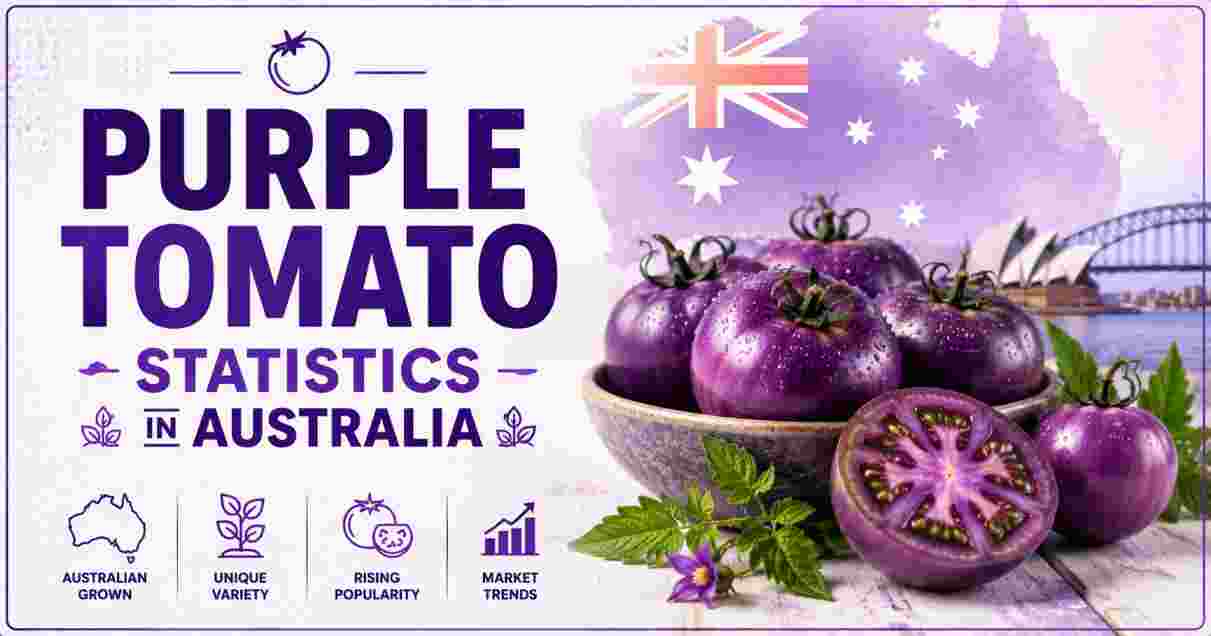
The Purple Tomato, marketed in Australia under the brand name Purple Bliss, is a genetically modified tomato variety that has become the first fresh GM whole food approved for commercial cultivation and sale in the country. Developed originally by Professor Cathie Martin at the John Innes Centre in the UK and commercialized by California-based Norfolk Healthy Produce, the tomato contains two genes borrowed from the snapdragon flower (Antirrhinum majus) that trigger the fruit to produce elevated levels of anthocyanins — the same purple-blue antioxidant pigments found naturally in blueberries and blackberries — throughout both its skin and flesh as it ripens. By 2026, this once purely academic research project has cleared every major Australian regulatory hurdle and is set to appear on supermarket shelves and in fruit shops across the country later in the year.
The path to Australian approval involved two separate regulatory bodies working in parallel: the Office of the Gene Technology Regulator (OGTR), which assessed the environmental and cultivation safety of growing the modified plant, and Food Standards Australia New Zealand (FSANZ), which evaluated whether food derived from the tomato was safe for human consumption. Both agencies concluded that the Purple Tomato poses negligible risk to human health, animal health, or the environment, clearing the way for All Aussie Farmers — the exclusive Australian distributor partnered with Norfolk Healthy Produce — to begin commercial rollout. This report compiles the most current, verified Purple Tomato statistics for Australia, covering the regulatory timeline, nutritional composition, shelf-life research, and how the Australian launch compares to the tomato’s earlier introduction in the United States.
Interesting Facts About the Purple Tomato in Australia 2026
| Metric | Figure |
|---|---|
| OGTR licence number for commercial release | DIR 218 |
| OGTR licence issued to | All Aussie Avocados Pty Ltd (trading as All Aussie Farmers) |
| OGTR licence issue date | 6 January 2026 |
| FSANZ food safety approval application number | A1333 |
| FSANZ approval date | October 2025 |
| Anthocyanin content in purple tomato fruit | ~2.83 mg per gram fresh weight |
| Shelf-life extension vs conventional red tomatoes | Approximately double |
| First peer-reviewed scientific publication on the trait | 2008 |
| Extended lifespan in cancer-prone mice on anthocyanin-rich diet (research study) | 30% longer |
| Genes introduced from snapdragon | Del (Delila) and Ros1-N (Rosea1) |
Source: Office of the Gene Technology Regulator (OGTR), Food Standards Australia New Zealand (FSANZ), John Innes Centre, ACS Food Science & Technology
As a content writer unpacking these figures, what stands out is how methodical and dual-tracked Australia’s approval process was compared to a typical novel food launch. The OGTR’s DIR 218 licence, issued 6 January 2026, only covered the environmental and cultivation side of the equation; it was FSANZ’s A1333 approval, finalized months earlier in October 2025, that separately cleared the tomato for human consumption — meaning both a growing-safety and an eating-safety assessment had to independently conclude the product was safe before a single Purple Bliss tomato could reach an Australian shopping basket.
The nutritional numbers are equally striking in context: an anthocyanin concentration of roughly 2.83 mg per gram of fresh weight puts the Purple Tomato in the same antioxidant range as blackberries and blueberries, fruits not typically associated with the tomato family at all. Combined with a shelf life that researchers at the John Innes Centre found to be roughly double that of ordinary red tomatoes, and research showing anthocyanin-rich diets extended lifespan by 30% in cancer-prone laboratory mice, it becomes clear why regulators, growers, and nutrition scientists have all taken this particular GM crop more seriously than most novel food applications that cross their desks.
Purple Tomato Regulatory Approval Timeline Statistics in Australia 2026
| Milestone | Date |
|---|---|
| FSANZ approval for food use (A1333) | October 2025 |
| OGTR licence issued (DIR 218) | 6 January 2026 |
| Public announcement of full approval | 21 January 2026 |
| Media/expert reaction coverage peak | Late January-early February 2026 |
| Expected commercial shelf availability | Later in 2026 |
| Status among GM crops approved in Australia | First fresh whole GM food approved for sale |
Source: Office of the Gene Technology Regulator (OGTR), Food Standards Australia New Zealand (FSANZ), ISAAA Crop Biotech Update
The regulatory approval timeline for the Purple Tomato in Australia reveals a carefully sequenced process rather than a single approval event. FSANZ completed its food safety assessment first, formally approving the tomato lines under application A1333 in October 2025, after which the Office of the Gene Technology Regulator conducted its own independent environmental risk assessment before issuing licence DIR 218 on 6 January 2026. Only once both approvals were secured did All Aussie Farmers and Norfolk Healthy Produce make the joint public announcement on 21 January 2026 confirming the tomato had cleared every necessary hurdle for commercial release.
What makes this approval particularly notable within Australia’s biotechnology regulatory history is that every other GM crop previously approved in the country was cleared only for cultivation, not for direct retail sale as a fresh, whole product — meaning Purple Bliss represents genuinely new regulatory territory. The GM Purple Tomato may now be grown throughout Australia, though the OGTR noted that individual states and territories retain the ability to impose their own marketing restrictions for local commercial reasons, a caveat that growers and distributors will need to navigate on a state-by-state basis as the rollout expands through the remainder of 2026.
Purple Tomato Nutrition and Anthocyanin Statistics in Australia 2026
| Nutritional Compound | Level in Purple Tomato |
|---|---|
| Anthocyanin content (fresh weight) | 2.83 ± 0.46 mg per gram |
| Anthocyanin level in standard red tomato | Virtually undetectable |
| Chlorogenic acid | Elevated compared to conventional tomatoes |
| Comparable anthocyanin range in blueberries/blackberries | >2 mg per gram fresh weight |
| Most abundant anthocyanin compound identified | Petanin |
| Associated health effects reported in research | Anti-inflammatory, anti-carcinogenic, cardioprotective |
Source: ACS Food Science & Technology, Plant Physiology (Oxford Academic), John Innes Centre
The nutritional profile of the Purple Tomato is defined almost entirely by its dramatically elevated anthocyanin content, measured at approximately 2.83 mg per gram of fresh weight in research plant lines — a figure that is effectively immeasurable in ordinary red tomato varieties, which produce negligible amounts of this compound class naturally. This concentration places the fruit’s antioxidant density in the same range typically associated with blueberries and blackberries, foods long marketed as “superfoods” specifically because of their anthocyanin content, giving the tomato a genuinely novel nutritional positioning within the broader fresh produce category.
Beyond anthocyanins, the genetic modification also elevates levels of chlorogenic acid, a naturally occurring phenolic compound already present in many fruits and vegetables but boosted further in the purple variety, with research identifying petanin as the most abundant individual anthocyanin molecule present in the fruit. Australian health experts responding to the approval have pointed to peer-reviewed research linking anthocyanin consumption to protective effects against heart disease, improved eye health, and anti-inflammatory and anti-carcinogenic properties, though as with most single-food nutrition claims, these effects are most meaningfully understood as part of a broader dietary pattern rather than as a result of eating any one fruit in isolation.
Purple Tomato Shelf Life and Post-Harvest Statistics in Australia 2026
| Post-Harvest Metric | Purple Tomato Finding |
|---|---|
| Shelf-life extension vs. red tomatoes | Approximately double |
| Susceptibility to Botrytis cinerea (gray mold) | Significantly reduced |
| Primary mechanism | Anthocyanin-driven suppression of late-ripening processes |
| Original research publication | Current Biology, 2013 (John Innes Centre) |
| Follow-up genetic mechanism study | New Phytologist, 2013 |
| Postharvest pathogen relevance | One of tomato industry’s most important postharvest diseases |
Source: Current Biology, New Phytologist, John Innes Centre research publications
One of the most commercially significant findings behind the Purple Tomato has nothing to do with color or antioxidants directly, but with shelf life. Research published in Current Biology by John Innes Centre scientists found that anthocyanin enrichment in tomato skin significantly delays the processes associated with over-ripening, effectively doubling the usable shelf life compared to standard red tomatoes — a finding with obvious commercial value for a perishable fresh produce supply chain that regularly loses volume to spoilage between farm and retail shelf.
The mechanism behind this extended shelf life is directly tied to the fruit’s antioxidant capacity: elevated anthocyanin levels reduce the buildup of reactive oxygen species (ROS) that drive late-stage ripening and softening, while separately reducing the fruit’s susceptibility to Botrytis cinerea, commonly known as gray mold, one of the tomato industry’s most economically damaging postharvest pathogens. For Australian growers and distributors managing produce across the country’s vast geography, this natural resistance to spoilage and disease could meaningfully reduce waste and extend the practical distribution radius for fresh Purple Bliss tomatoes compared to conventional varieties, a factor that likely influenced All Aussie Farmers’ decision to commit to nationwide commercial partnership with Norfolk Healthy Produce.
Purple Tomato Development and Research Timeline Statistics 2026
| Year | Development Milestone |
|---|---|
| 2008 | First peer-reviewed scientific publication on the trait |
| 2013 | Shelf-life extension mechanism published in Current Biology |
| 2021 | Purple Bliss commercial variety engineered by Norfolk Healthy Produce |
| 2022 | USDA Animal and Plant Health Inspection Service approval (US) |
| 2023 | FDA approval for food use (US) |
| 2024 | Home gardener seed sales begin in United States |
| 2025 (Oct) | FSANZ food safety approval granted (Australia) |
| 2026 (Jan) | OGTR commercial release licence issued; Australian launch confirmed |
Source: Norfolk Healthy Produce Regulatory Information, ISAAA Crop Biotech Update, John Innes Centre
The Purple Tomato’s journey from laboratory bench to Australian grocery shelf spans nearly two decades, beginning with Professor Cathie Martin’s first peer-reviewed publication on anthocyanin-enriched tomatoes in 2008. The intervening years involved extensive further research into shelf-life mechanisms, disease resistance, and eventually the development of a commercially viable cherry tomato variety branded Purple Bliss, engineered in 2021 by Norfolk Healthy Produce specifically for market release rather than pure research purposes.
The United States served as the proving ground for commercialization, with the USDA granting cultivation approval in 2022, the FDA clearing it for food use in 2023, and home gardeners gaining access to seeds in 2024 — a staged rollout that gave Norfolk Healthy Produce real-world production and consumer-response data before pursuing international expansion. Australia’s approval, finalized through FSANZ in October 2025 and the OGTR in January 2026, followed a similar dual-track regulatory model but benefited from the accumulated safety data and grower experience gathered during the earlier US rollout, likely contributing to a more streamlined assessment process than a completely novel first-in-world application would have required. Readers interested in how agricultural biotechnology approvals fit into Australia’s broader farming landscape may find our coverage of American Farmers Statistics a useful point of comparison for how novel crop technologies move from research to commercial farming.
Purple Tomato Commercial Availability and Market Statistics in Australia 2026
| Commercial Metric | Figure/Detail |
|---|---|
| Australian brand name | Purple Bliss |
| Exclusive Australian distributor | All Aussie Farmers |
| Tomato size (US Norfolk variety reference) | 2-2.5 cm diameter, ~20 grams |
| Product forms approved for sale | Fresh whole fruit and processed ingredient (e.g. sun-dried, paste) |
| US seed packet price (10 seeds, 2024 launch) | US$20 |
| US consumer interest survey result | 80% interested in eating/growing; only 5% uninterested |
Source: Norfolk Healthy Produce, Fruitnet, Broadsheet Media, HortiDaily
Commercially, FSANZ’s approval covers both fresh whole fruit sales and use of the Purple Tomato as a processed ingredient — meaning it can appear not just in the produce aisle but also in products like sun-dried tomatoes or tomato pastes, giving All Aussie Farmers considerably more flexibility in how the crop reaches Australian consumers than a fresh-only approval would allow. The variety itself, based on the original Norfolk breeding program, is a small cherry-style tomato roughly 2 to 2.5 centimeters in diameter and about 20 grams in weight, similar in appearance to a small eggplant on the outside due to its deep purple-to-near-black skin coloration.
Consumer sentiment data gathered during the earlier US launch offers a useful proxy for likely Australian reception, with Norfolk Healthy Produce reporting that 80% of surveyed American consumers expressed interest in eating, purchasing, or growing the Purple Tomato once informed it was a bioengineered product, against only 5% who indicated no interest. Given Australia’s comparatively cautious general public sentiment toward GM foods historically, actual local uptake figures once Purple Bliss reaches shelves later in 2026 will be closely watched by both the biotechnology industry and food safety advocates as a bellwether for how Australian shoppers respond to fresh-format GM produce compared to processed GM ingredients they may already be consuming unknowingly.
Purple Tomato Labelling and Regulatory Requirements in Australia 2026
| Requirement | Detail |
|---|---|
| Mandatory GM labelling for retail sale | Yes, under Food Standards Code |
| Labelling exemption for cafes/restaurants | Yes, exempt from GM disclosure |
| Import permit requirement (seeds/plants/fruit) | Required from Dept. of Agriculture, Fisheries and Forestry (Biosecurity) |
| New Zealand cultivation status | Requires separate EPA assessment (not yet approved) |
| State/territory marketing restrictions | Possible, at individual jurisdiction discretion |
Source: Office of the Gene Technology Regulator (OGTR), FSANZ, Newcastle Herald expert reaction coverage
Australia’s Food Standards Code requires that Purple Tomato products sold through retail channels like supermarkets and grocers carry mandatory GM labelling, giving consumers clear disclosure at the point of purchase — a requirement that food policy experts, including Dr. Heather Bray of the University of Western Australia, have specifically highlighted as consumers begin encountering the product on shelves. Notably, this labelling requirement does not extend to prepared food served in cafes and restaurants, meaning a dish containing Purple Bliss tomatoes served at a restaurant would not require the same GM disclosure that a supermarket package would.
Separately, while the OGTR licence permits cultivation throughout Australia, individual states and territories retain authority to impose their own marketing restrictions for local commercial or regulatory reasons, meaning practical availability could vary somewhat by region even though the federal approval applies nationwide. It’s also worth noting that New Zealand, despite being covered by the same FSANZ food-safety assessment process that approved the tomato for consumption, would require a completely separate cultivation approval from its own Environmental Protection Authority before the crop could actually be grown there — meaning the “Australia and New Zealand” framing common in FSANZ documentation refers to food safety, not automatic cross-border cultivation rights.
Purple Tomato Statistics in Australia vs United States 2026
| Comparison Point | Australia | United States |
|---|---|---|
| Food safety regulator | FSANZ | FDA |
| Cultivation/environmental regulator | OGTR | USDA (APHIS) |
| Food safety approval year | 2025 | 2023 |
| Cultivation approval year | 2026 | 2022 |
| First commercial launch format | Retail fresh fruit (grocers) | Home gardener seed packets |
| First-of-its-kind status | First fresh whole GM food approved for sale in Australia | Among first bioengineered fresh produce items in the US retail market |
Source: OGTR, FSANZ, USDA APHIS, FDA regulatory records
Comparing the two countries’ approaches highlights a meaningful difference in go-to-market strategy: while the United States launch began cautiously with home gardener seed sales in 2024 before any full retail fresh-produce rollout, Australia’s approval structure has been oriented from the outset toward direct commercial retail availability through All Aussie Farmers, skipping the gradual consumer-testing phase that characterized the earlier US introduction. This suggests Norfolk Healthy Produce and its Australian partner are leaning on the consumer acceptance and safety data already gathered from the US market to justify a more direct-to-shelf approach.
The regulatory sequencing also differed: in the US, cultivation approval from USDA came first in 2022, followed by FDA food-use clearance in 2023, whereas Australia’s process ran in the reverse order, with FSANZ’s food safety approval preceding the OGTR’s cultivation licence by several months. For readers tracking how novel food and nutrition trends are evolving more broadly across the American market, our Organic Food vs Regular Food Statistics in US report offers useful additional context on how consumers are weighing nutritional claims against sourcing and production methods, a comparison directly relevant to how shoppers may evaluate the Purple Tomato’s enhanced nutrition profile against conventional and organic alternatives once it reaches Australian shelves. Those interested in the broader agricultural production context behind novel crop rollouts may also find our US Farming Statistics report a useful complementary resource.
Disclaimer: This research report is compiled from publicly available sources. While reasonable efforts have been made to ensure accuracy, no representation or warranty, express or implied, is given as to the completeness or reliability of the information. We accept no liability for any errors, omissions, losses, or damages of any kind arising from the use of this report.