
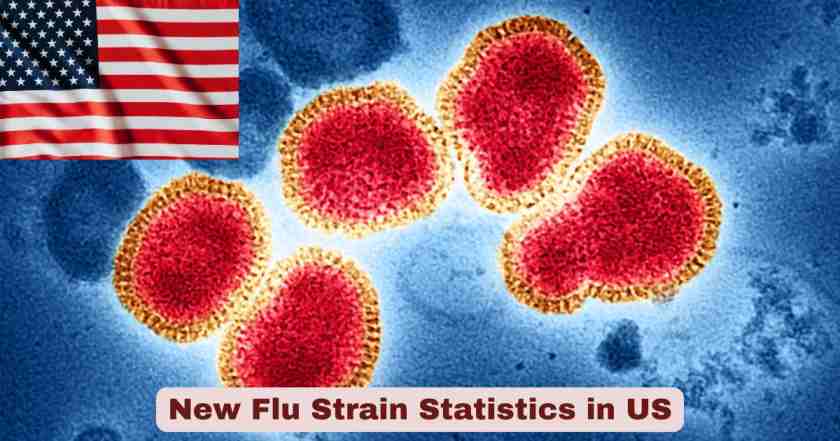
New Flu Strain in US 2025
The United States faces an intensifying public health challenge as the 2025-2026 flu season unfolds with unprecedented speed and severity, driven by a genetically distinct influenza variant known as H3N2 subclade K. This newly evolved strain, previously designated as J.2.4.1 before receiving its current classification, represents a significant evolutionary shift from previously circulating H3N2 viruses. The Centers for Disease Control and Prevention first identified this variant in American communities during August 2025, following its initial emergence in Europe in June 2025. What sets this strain apart are specific genetic mutations in the hemagglutinin protein, the viral surface component responsible for attaching to and infecting human respiratory cells, making it structurally different enough to partially evade immunity built up from previous flu exposures and current vaccine formulations.
The dominance of subclade K across American communities has reached alarming proportions based on federal surveillance data. As of December 20, 2025, genetic characterization reveals that 89.5% of all H3N2 viruses collected since late September belong to this new subclade, establishing it as the overwhelmingly predominant strain driving infection patterns nationwide. This rapid ascendance concerns public health officials not because the strain demonstrates inherently increased virulence, but rather because its genetic differences from the H3N2 component included in the 2025-2026 seasonal vaccine may reduce vaccine effectiveness against symptomatic infection. However, preliminary data from European nations suggests the vaccine still provides substantial protection against severe outcomes including hospitalization and death. The timing of subclade K’s emergence after vaccine strain selection for the Northern Hemisphere creates a partial mismatch that has prompted intensive monitoring of disease patterns, with states like New York recording 71,000 cases in a single week during late December, the highest number ever documented in the state’s surveillance history.
Key Facts About the H3N2 Subclade K Strain in the US 2025
| Characteristic | Specific Data | Public Health Significance |
|---|---|---|
| Official Designation | H3N2 subclade K (formerly J.2.4.1) | New genetic variant classification |
| Genetic Mutations | Multiple mutations in hemagglutinin gene | Antigenic drift from vaccine strain |
| First US Detection | August 2025 by CDC | Identified after vaccine formulation |
| European Emergence | June 2025 | Origin before Northern Hemisphere selection |
| Current US Prevalence | 89.5% of characterized H3N2 viruses | Overwhelming dominance nationally |
| Sample Size Analyzed | 275 viruses characterized (Week 51) | Robust surveillance tracking |
| Geographic Spread | Detected in at least 30 US states | Nationwide distribution |
| Vaccine Component Match | Partial mismatch with 2025-2026 formulation | Reduced but meaningful protection |
| International Spread | UK, Japan, Canada saw early outbreaks | Global circulation pattern |
| Severity Assessment | No evidence of increased disease severity | Comparable to previous H3N2 strains |
| Detection Timeline | September 28 surveillance start date | Early season identification |
| Weekly Prevalence Trend | 89.0% (Week 49) to 89.5% (Week 51) | Sustained high dominance |
Data source: CDC FluView Weekly Surveillance Reports (Weeks 49-51, December 2025), CDC Genetic Characterization Data, WHO Global Influenza Surveillance
The emergence of H3N2 subclade K represents a textbook example of antigenic drift, the evolutionary process through which influenza viruses accumulate small genetic changes over time. This natural phenomenon occurs as the virus replicates in human populations, with random mutations occasionally providing survival advantages that allow certain variants to outcompete others. While these mutations make subclade K genetically distinct from the vaccine strain, current epidemiological surveillance from multiple countries including the United Kingdom, Japan and Canada shows no evidence that this variant causes more severe illness than other seasonal H3N2 strains. The World Health Organization and national health agencies emphasize that increased case numbers reflect the variant’s enhanced ability to evade existing immunity rather than any intrinsic increase in virulence or pathogenicity.
Understanding the vaccine mismatch requires recognizing the inherent challenges in influenza vaccine development and the timeline constraints manufacturers face. Global health authorities including the WHO and CDC convene in February and March each year to predict which strains will dominate the upcoming flu season, providing manufacturers approximately six to eight months to produce, test, and distribute hundreds of millions of vaccine doses. Scientists selected the H3N2 component for 2025-2026 vaccines before subclade K emerged and spread internationally. Despite this partial mismatch, immunological principles suggest the vaccine still triggers cross-reactive immune responses targeting conserved viral regions, providing meaningful protection particularly against severe outcomes. Early real-world effectiveness data from England during their subclade K outbreak demonstrated 70-75% vaccine effectiveness against hospitalization in children and 30-40% effectiveness in adults, validating continued vaccination efforts even when strain matching is imperfect.
Cumulative H3N2 Subclade K Illness Burden in the US 2025
| Health Impact Metric | Estimated Number (as of Dec 20, 2025) | Weekly Change |
|---|---|---|
| Total Flu Illnesses | At least 7,500,000 | +2,900,000 from Week 50 |
| Medical Visits | Estimated 3,500,000 to 4,000,000 | Increasing trend |
| Hospitalizations | At least 81,000 | +32,000 from Week 50 |
| Deaths | At least 3,100 | +1,200 from Week 50 |
| Pediatric Deaths | 8 confirmed | +5 in single week |
| Weekly Hospitalization Rate (Week 51) | 6,349 new hospitalizations | 66% increase from Week 50 |
| Previous Week Rate (Week 50) | 3,833 hospitalizations | +2,344 from Week 49 |
| Cumulative Hospitalization Rate | 18.2 per 100,000 population | Third highest on record |
| Influenza A Cases | 96.3% of all hospitalizations | H3N2 predominance |
| H3N2 Subtype Proportion | 87.4% of subtyped Influenza A | Overwhelming majority |
| States with High/Very High Activity | 32 states and jurisdictions | Widespread transmission |
| Vaccine Distribution | 130 million doses distributed | Only 42% coverage rate |
Data source: CDC Weekly US Influenza Surveillance Report (Week 51, ending December 20, 2025), CDC Preliminary Estimated Flu Disease Burden 2025-2026, CDC FluSurv-NET Hospitalization Data
The 2025-2026 flu season demonstrates alarming acceleration patterns that distinguish it from typical seasonal influenza cycles. Surveillance data reveals that the cumulative hospitalization rate of 18.2 per 100,000 population at Week 51 represents the third highest rate at this point in any season since the 2010-11 season, surpassed only by the 2022-23 and 2023-24 seasons with rates of 48.0 and 20.3 respectively. This positioning indicates substantial disease burden accumulating earlier than typical years, with the weekly hospitalization rate increasing by approximately 66% between consecutive weeks in mid-December, from 3,833 to 6,349 new admissions. Epidemiologists attribute this rapid intensification to multiple factors including the timing of subclade K’s emergence, population-level susceptibility to this drifted variant, and holiday travel patterns that facilitated widespread transmission.
Demographic analysis of hospitalized patients confirms that 96.3% involve Influenza A viruses, with H3N2 subtype accounting for 87.4% of specimens with detailed subtype information. This overwhelming dominance of a single genetic lineage simplifies epidemiological tracking but amplifies concerns about population vulnerability, particularly among groups lacking recent exposure to H3N2 variants. The 8 pediatric deaths reported through Week 51, including 5 deaths in a single week, underscore the severity of this season’s impact on younger populations. Among these pediatric fatalities, 4 deaths involved H3N2 viruses and 1 death involved H1N1, consistent with overall strain distribution patterns. Comparatively, the entire 2024-2025 season recorded 288 pediatric deaths, suggesting this current season could potentially reach or exceed those tragic numbers if transmission patterns continue intensifying through the traditional January-February peak period.
Age-Specific H3N2 Subclade K Hospitalization Rates in the US 2025
| Age Group | Cumulative Rate per 100,000 (Week 51) | Weekly Rate per 100,000 (Week 51) | Previous Week Rate | Percentage Increase |
|---|---|---|---|---|
| Adults 65+ years | 53.4 | 16.6 | 8.5 | 95% |
| Children 0-4 years | 21.5 | 6.7 | 3.7 | 81% |
| Adults 50-64 years | 16.4 | 4.4 | 2.4 | 83% |
| Children 5-17 years | 11.8 | 2.8 | 1.5 | 87% |
| Adults 18-49 years | 7.7 | 1.8 | 0.9 | 100% |
| Long-term Care Residents | 22.9 per 100,000 residents | N/A | 14.3 | 60% |
| National Average (All Ages) | 18.2 | 6.2 | 4.4 | 41% |
Data source: CDC FluSurv-NET Hospitalization Surveillance (Week 51, December 20, 2025), CDC NHSN Long-Term Care Respiratory Pathogens Module, CDC Age-Stratified Hospitalization Data
Age-stratified hospitalization data reveals striking disparities in disease burden across demographic groups, with adults aged 65 and older experiencing by far the highest cumulative hospitalization rate at 53.4 per 100,000 population. This rate represents nearly 2.5 times the national average and reflects the well-established pattern that H3N2 strains disproportionately affect elderly populations due to immunosenescence (age-related decline in immune function) and higher prevalence of underlying chronic conditions. The weekly rate for this age group increased from 8.5 to 16.6 per 100,000 between consecutive weeks, representing a 95% increase that signals rapidly escalating burden among the nation’s most vulnerable population. Long-term care facilities report similar concerning trends, with hospitalization rates among residents reaching 22.9 per 100,000 residents, up 60% from the previous week.
Children under age five constitute the second most affected group with a cumulative rate of 21.5 per 100,000, demonstrating that while elderly adults face the highest absolute burden, very young children also experience substantial vulnerability to severe H3N2 subclade K disease. The weekly rate for this age group surged 81% from 3.7 to 6.7 per 100,000 between consecutive surveillance weeks. Immunologically, young children often lack previous exposure to H3N2 variants, leaving them with limited pre-existing immunity to mount rapid protective responses. Public health officials emphasize particular concern for unvaccinated children, as vaccination rates among pediatric populations hover around 42%, leaving approximately 60% of children susceptible to infection and potential complications including pneumonia, encephalitis, and multi-organ failure in the most severe cases.
Racial and Ethnic H3N2 Subclade K Hospitalization Disparities in the US 2025
| Race/Ethnicity | Age-Adjusted Rate per 100,000 (Week 51) | Cumulative Rate per 100,000 (Week 49) | Disparity Ratio vs. White Population |
|---|---|---|---|
| Non-Hispanic Black | 35.9 | 12.8 | 2.5x higher |
| American Indian/Alaska Native | 20.9 | 8.0 | 1.4x higher |
| Hispanic/Latino | 16.5 | 7.2 | 1.1x higher |
| Non-Hispanic White | 14.4 | 5.4 | Baseline |
| Asian/Pacific Islander | 8.5 | 3.4 | 0.6x (41% lower) |
Data source: CDC FluSurv-NET Race and Ethnicity Data (Weeks 49-51, December 2025), CDC Age-Adjusted Hospitalization Rates, CDC Health Equity Data
Racial and ethnic disparities in H3N2 subclade K hospitalization rates reveal profound inequities that mirror broader patterns in respiratory disease burden and healthcare access across American communities. Non-Hispanic Black individuals experience hospitalization rates of 35.9 per 100,000, representing 2.5 times the rate observed among non-Hispanic White populations. This disparity reflects complex intersecting factors including higher rates of underlying chronic conditions like diabetes, hypertension, and asthma; socioeconomic barriers to preventive care and vaccination; occupational exposures in essential worker roles that increase infection risk; and potential differences in care-seeking behavior and healthcare system trust stemming from historical medical racism and ongoing discrimination.
American Indian and Alaska Native populations face the second highest burden at 20.9 per 100,000, approximately 1.4 times the rate for White populations. Historical underfunding of Indian Health Service facilities, geographic isolation of many tribal communities, higher prevalence of risk factors including smoking and chronic conditions, and multigenerational household structures that facilitate transmission all contribute to elevated risk. Hispanic/Latino communities experience rates of 16.5 per 100,000, representing 14% higher burden than White populations. Language barriers, immigration-related fears about accessing healthcare, employment in frontline jobs without sick leave, and crowded housing conditions increase both infection and severe outcome risk. Conversely, Asian and Pacific Islander populations demonstrate the lowest rates at 8.5 per 100,000, approximately 41% lower than White populations, though this aggregate category masks significant diversity across specific Asian ethnic subgroups with varying risk profiles and healthcare access patterns.
Regional H3N2 Subclade K Positivity Rates in the US 2025
| HHS Region | States Included | Test Positivity Rate (Week 51) | Previous Week Rate | Activity Classification |
|---|---|---|---|---|
| Region 8 (Mountain) | CO, MT, ND, SD, UT, WY | 34.9% | 27.2% | Very High |
| Region 2 (NY/NJ) | NY, NJ, PR, VI | 28.5% | 22.3% | Very High |
| Region 1 (New England) | CT, MA, ME, NH, RI, VT | 24.2% | 19.8% | Very High |
| Region 4 (Southeast) | AL, FL, GA, KY, MS, NC, SC, TN | 22.7% | 18.5% | High |
| Region 3 (Mid-Atlantic) | DC, DE, MD, PA, VA, WV | 21.3% | 17.2% | High |
| Region 5 (Midwest) | IL, IN, MI, MN, OH, WI | 19.8% | 15.9% | High |
| Region 7 (Central) | IA, KS, MO, NE | 18.4% | 14.7% | High |
| Region 6 (South Central) | AR, LA, NM, OK, TX | 16.9% | 13.2% | Moderate |
| Region 9 (Southwest/Pacific) | AZ, CA, HI, NV | 10.8% | 8.1% | Moderate |
Data source: CDC FluView Regional Surveillance Data (Week 51, December 20, 2025), CDC Clinical Laboratory Test Results by HHS Region, CDC ILI Activity Levels
Geographic analysis reveals striking regional variations in H3N2 subclade K transmission intensity across the United States, with the Mountain region (Region 8) reporting the highest positivity rate at 34.9%, meaning more than one-third of all respiratory specimens tested in that area return positive for influenza. This extraordinarily high rate increased from 27.2% the previous week, representing a 28% week-over-week surge that indicates explosive community transmission. Several factors contribute to Region 8’s vulnerability including high elevation effects on respiratory virus transmission, holiday travel through major mountain resort destinations, indoor crowding during cold weather, and potentially lower vaccination rates in some rural mountain communities compared to urban centers.
The New York/New Jersey region (Region 2) demonstrates the second highest positivity at 28.5%, with New York State specifically recording 71,000 positive cases during the week ending December 20, 2025, the highest number ever documented in a single week throughout the state’s surveillance history dating back to 2004. This unprecedented burden reflects multiple converging factors including dense population centers where transmission amplifies rapidly, extensive use of public transportation facilitating viral spread, and the timing of subclade K’s arrival during peak holiday travel and indoor gathering season. Healthcare facilities throughout the region report strain on capacity, with emergency departments experiencing wait times of several hours and hospitals implementing surge protocols to accommodate influenza admissions alongside other respiratory illnesses.
State-Level H3N2 Subclade K Activity Classification in the US 2025
| Activity Level | Number of States | States and Jurisdictions |
|---|---|---|
| Very High | 17 | CO, CT, LA, MT, ND, NJ, NY, NYC, PR, SC, SD, UT, WY, plus 4 others |
| High | 15 | AL, AR, CA, DE, FL, IA, KS, MD, MI, MO, MS, NC, NV, TN, TX |
| Moderate | 12 | AZ, GA, HI, IL, IN, KY, MA, NE, NH, OK, RI, VA |
| Low | 7 | AK, ID, ME, NM, OR, VT, WA |
| Minimal | 1 | WV |
| No Data/Territory | 2 | DC, VI (included in regions) |
Data source: CDC ILINet Outpatient Illness Surveillance (Week 51, December 20, 2025), State Health Department Reports, CDC Activity Level Map
State-level classification reveals that 32 states and jurisdictions currently experience either high or very high H3N2 subclade K activity levels, representing approximately 60% of all US states and territories. This widespread geographic distribution contrasts with typical seasonal flu patterns where activity often remains concentrated in specific regions before gradually spreading nationwide over several weeks. The rapid simultaneous emergence across multiple states suggests subclade K’s enhanced transmissibility combined with holiday travel patterns that facilitated nationwide seeding events. Colorado stands out as having exceptionally early and intense activity, reaching very high classification before most other states and maintaining sustained elevated transmission throughout December 2025.
Connecticut health officials report the highest influenza activity levels ever observed in the state’s surveillance history, with hospital emergency departments experiencing unprecedented volumes of patients presenting with fever, cough, and respiratory symptoms consistent with influenza infection. Similarly, Louisiana and South Carolina in the Southeast demonstrate very high activity despite historically moderate early-season flu patterns in those states. The concentration of very high activity states in the Mountain West and Northeast corridors suggests potential transmission dynamics related to population density, interstate travel corridors, and regional differences in vaccination uptake. States classified as minimal or low activity, including West Virginia, Alaska, Idaho, Oregon and Washington, may represent areas that will experience delayed but potentially severe surges as the season progresses through January and February 2025.
H3N2 Subclade K Vaccine Effectiveness Estimates in the US 2025
| Population Group | Vaccine Effectiveness Against Hospitalization | Data Source Region | Sample Size |
|---|---|---|---|
| Children <18 years | 70-75% | England (early season) | Robust |
| Adults 18-64 years | 30-40% | England (early season) | Robust |
| Adults 65+ years | 30-40% | England (early season) | Robust |
| All Ages Combined | 40-50% (estimated) | Preliminary US projection | Modeling |
| Against H1N1 | 60-80% | Expected (good match) | N/A |
| Against Influenza B | 60-75% | Expected (good match) | N/A |
| Pediatric ED Visits | 72% reduction | England subclade K period | Published |
| Adult ED Visits | 32-39% reduction | England subclade K period | Published |
Data source: UK Health Security Agency 2025-2026 Interim VE Estimates, CDC 2025-2026 Respiratory Disease Season Outlook (December Update), European Centre for Disease Prevention and Control VE Studies
Preliminary vaccine effectiveness estimates against H3N2 subclade K demonstrate that despite the partial antigenic mismatch between circulating viruses and vaccine components, meaningful protection persists particularly against severe outcomes requiring hospitalization. Data from England, which experienced earlier subclade K circulation than the United States, reveals 70-75% vaccine effectiveness at preventing hospitalizations among children under 18 years old. This robust protection in pediatric populations likely reflects several immunological factors including more vigorous immune responses in younger individuals, less immunological imprinting from previous exposures to divergent H3N2 strains, and potentially higher antibody titers following recent vaccination.
Adult vaccine effectiveness ranges from 30-40% against subclade K hospitalization, representing lower but still clinically meaningful protection. While this effectiveness appears modest compared to optimal strain-matched scenarios where VE often exceeds 60%, preventing approximately one-third of hospitalizations translates to substantial absolute benefits at the population level. The CDC Scenario Modeling Hub estimates that vaccination at last year’s coverage levels could prevent approximately 39% of influenza-related hospitalizations this season, equating to tens of thousands of prevented hospital admissions, ICU stays, and deaths. Importantly, the vaccine demonstrates excellent effectiveness against H1N1 and Influenza B viruses which continue circulating, providing 60-80% protection against those strains that together account for approximately 10-15% of current cases.
Weekly H3N2 Subclade K Surveillance Trends in the US 2025
| Week | Ending Date | H3N2 Samples Characterized | Subclade K Percentage | Total Hospitalizations | Test Positivity |
|---|---|---|---|---|---|
| Week 48 | November 29, 2025 | 144 | 88.2% | 1,489 | 7.9% |
| Week 49 | December 6, 2025 | 163 | 89.0% | 2,415 | 8.1% |
| Week 50 | December 13, 2025 | 216 | 89.8% | 3,833 | 14.8% |
| Week 51 | December 20, 2025 | 275 | 89.5% | 6,349 | 19.2% |
| Cumulative Trend | Sept 28 – Dec 20 | 275 total | 89.5% average | 6,349 weekly | Increasing |
Data source: CDC FluView Genetic Characterization Data (Weeks 48-51), CDC FluSurv-NET Weekly Reports, CDC Clinical Laboratory Surveillance System
Weekly surveillance trends demonstrate the remarkable consistency of H3N2 subclade K’s dominance throughout the early 2025-2026 season, with the variant maintaining approximately 89-90% prevalence among characterized specimens across all four weeks from late November through late December 2025. This sustained high proportion indicates that subclade K has effectively outcompeted other H3N2 lineages and established itself as the predominant circulating strain nationally. The slight fluctuation between 88.2% and 89.8% across weeks falls within expected sampling variation rather than representing meaningful shifts in viral population dynamics. The CDC’s progressive expansion of characterized samples from 144 in Week 48 to 275 in Week 51 reflects intensified surveillance efforts as the season escalates, providing increasingly robust confidence in prevalence estimates.
Test positivity rates show dramatic escalation from 7.9% in Week 48 to 19.2% in Week 51, representing a 143% increase over just three weeks and signaling rapidly intensifying community transmission. Epidemiologists consider test positivity above 10% as indicating widespread community transmission requiring enhanced public health response, meaning current national levels substantially exceed that threshold. Weekly hospitalization counts increased from 1,489 to 6,349 across the same period, representing a 327% surge in severe cases requiring inpatient care. This acceleration pattern closely mirrors the timing of Thanksgiving holiday travel and subsequent Christmas season gatherings, demonstrating how social mixing events amplify transmission of respiratory viruses, particularly newly emerged variants like subclade K against which population immunity remains limited.
H3N2 Subclade K Symptom Profile and Clinical Presentation in the US 2025
| Symptom Category | Specific Symptoms | Typical Duration | Severity Rating |
|---|---|---|---|
| Constitutional | Fever (102°F/39°C or higher), chills, fatigue | 3-7 days | Severe |
| Respiratory | Cough (persistent), sore throat, runny nose | 7-14 days | Moderate to Severe |
| Musculoskeletal | Body aches, muscle pain, headache | 3-5 days | Severe |
| Gastrointestinal | Nausea, vomiting (especially children) | 1-3 days | Mild to Moderate |
| Neurological | Headache, fatigue affecting concentration | 5-10 days | Moderate |
| Onset Pattern | Sudden (within hours to 1 day) | Acute | N/A |
| Peak Severity | Days 1-3 after symptom onset | Variable | Most intense |
| Recovery Timeline | 1-2 weeks for most, longer for some | Extended in vulnerable groups | Variable |
Data source: CDC Clinical Symptom Monitoring Reports, State Health Department Clinical Observations, Johns Hopkins University Expert Assessments
Clinical presentation of H3N2 subclade K infection mirrors classic influenza symptomatology, with patients typically experiencing sudden onset of high fever, severe body aches, and respiratory symptoms that distinguish flu from common cold infections. Healthcare providers nationwide report patients presenting with fevers frequently exceeding 102°F (39°C), often accompanied by rigors (shaking chills) and profound fatigue that impairs normal daily functioning. The severity of muscular pain commonly prevents patients from performing routine activities, with many describing the experience as feeling “hit by a truck.” This intense systemic symptom profile reflects the body’s robust immune response to viral infection, including inflammatory cytokine release that produces fever and malaise as defensive mechanisms.
Respiratory symptoms typically develop within the first 24 hours and include persistent dry cough that can last 7-14 days even after other symptoms resolve, sore throat, nasal congestion, and rhinorrhea (runny nose). The cough associated with H3N2 infections often proves particularly troublesome, disrupting sleep and occasionally progressing to bronchitis or secondary bacterial pneumonia in vulnerable individuals. Pediatric patients more frequently experience gastrointestinal symptoms including nausea, vomiting and diarrhea compared to adults, though these remain less common than respiratory manifestations. Clinicians emphasize that not all patients experience all symptoms, and symptom severity varies considerably based on factors including age, underlying health status, previous influenza exposures, and vaccination history. Importantly, individuals can transmit subclade K to others beginning approximately one day before symptoms develop and continuing for 5-7 days after symptom onset, with young children and immunocompromised individuals potentially remaining contagious for longer periods.
H3N2 Subclade K Risk Factors and High-Risk Groups in the US 2025
| Risk Factor Category | Specific High-Risk Groups | Relative Risk Level | Recommended Actions |
|---|---|---|---|
| Age | Adults 65+ years, children <5 years, especially <2 years | Very High | Priority vaccination, early antiviral treatment |
| Pregnancy | All trimesters, postpartum (2 weeks) | High | Vaccination any trimester, prompt treatment |
| Chronic Conditions | Asthma, COPD, heart disease, diabetes, kidney disease | High | Annual vaccination, action plans |
| Immunocompromised | HIV, cancer treatment, transplant recipients, immunosuppressants | Very High | Vaccination, prophylactic antivirals considered |
| Obesity | BMI ≥40 | Moderate to High | Vaccination, monitoring |
| Healthcare Workers | Nurses, doctors, EMTs, long-term care staff | Moderate (exposure) | Vaccination required, PPE compliance |
| Long-term Care Residents | Nursing homes, skilled nursing facilities | Very High | Vaccination, outbreak protocols |
| Racial/Ethnic Minorities | Black, American Indian/Alaska Native, Hispanic | Elevated | Targeted vaccination outreach |
Data source: CDC High-Risk Groups for Flu Complications, CDC 2025-2026 Season Outlook, Clinical Risk Assessment Data
Identification of high-risk groups vulnerable to severe H3N2 subclade K complications guides targeted public health interventions and clinical decision-making about antiviral treatment initiation. Adults aged 65 and older face markedly elevated risk due to age-related immune system decline (immunosenescence), higher rates of chronic conditions like heart disease and diabetes, and diminished lung capacity that compromises respiratory reserve during severe infections. CDC data confirms this age group experiences hospitalization rates of 53.4 per 100,000, approximately seven times higher than young adults aged 18-49. Long-term care facility residents face compounded vulnerability due to congregate living settings where transmission amplifies rapidly, frailty, multiple comorbidities, and advanced age concentrating risk factors.
Young children, particularly those under age 2 years, lack fully developed immune systems and have smaller airways that become obstructed more easily during respiratory infections, increasing risk for complications including pneumonia, dehydration, febrile seizures, and rarely, encephalitis (brain inflammation). Pregnant women experience physiological changes including altered immune function, increased heart rate, and decreased lung capacity that collectively elevate risk for severe influenza complications, with infections posing risks to both maternal health and fetal wellbeing. Individuals with chronic medical conditions including asthma, chronic obstructive pulmonary disease (COPD), heart disease, diabetes, and kidney disease face elevated risk because influenza infection can exacerbate underlying conditions, trigger asthma attacks, precipitate heart failure decompensation, or worsen glycemic control. The CDC estimates that approximately 60% of Americans have at least one chronic condition placing them at increased influenza risk, highlighting the broad population impact of high-risk group definitions.
H3N2 Subclade K Prevention and Treatment Strategies in the US 2025
| Intervention Type | Specific Strategy | Effectiveness | Target Population |
|---|---|---|---|
| Vaccination | 2025-2026 seasonal flu vaccine (trivalent) | 40-75% against hospitalization | Everyone 6+ months |
| Antiviral Treatment | Oseltamivir (Tamiflu), zanamivir, baloxavir | 30-70% reduction in complications | High-risk patients, severe cases |
| Treatment Timing | Within 48 hours of symptom onset | Most effective | All who qualify |
| Hand Hygiene | Soap and water 20+ seconds, alcohol sanitizer | 20-50% transmission reduction | Universal |
| Respiratory Etiquette | Cover coughs/sneezes, tissues, elbow | 15-25% reduction | Universal |
| Mask Wearing | N95, KN95 in high-risk settings | 50-80% personal protection | High-risk individuals, healthcare |
| Social Distancing | Stay home when ill, avoid crowds if vulnerable | Variable | Especially when symptomatic |
| Environmental Cleaning | Disinfect high-touch surfaces daily | 10-20% reduction | Households, workplaces |
| Stay Home When Sick | Isolate minimum 24 hours fever-free | Prevents transmission | All symptomatic individuals |
Data source: CDC Flu Prevention Guidelines 2025-2026, CDC ACIP Vaccination Recommendations, CDC Antiviral Treatment Guidelines, WHO Non-Pharmaceutical Interventions
Prevention and treatment strategies for H3N2 subclade K leverage multiple layers of protection, with vaccination remaining the cornerstone of public health defense despite the partial antigenic mismatch. The 2025-2026 seasonal flu vaccine contains three viral components targeting H3N2, H1N1, and Influenza B lineages selected through global surveillance and prediction modeling conducted in February-March 2025. While subclade K emerged after vaccine formulation, immunological cross-reactivity means vaccinated individuals still mount meaningful immune responses. The CDC emphasizes that vaccination reduces hospitalization risk by 40-75% depending on age group, translating to tens of thousands of prevented severe cases nationally. Everyone aged 6 months and older qualifies for vaccination unless specific contraindications exist, with particular urgency for high-risk groups including adults over 65, young children, pregnant women, and individuals with chronic conditions.
Antiviral medications provide critical treatment options for H3N2 subclade K infections, with surveillance confirming full susceptibility to all licensed antiviral drugs. The CDC and WHO Centre laboratories tested 71 subclade K virus isolates against neuraminidase inhibitors including oseltamivir (Tamiflu), zanamivir, laninamivir and peramivir, finding 100% susceptibility with no resistance mutations detected. Additionally, genetic sequencing of 240 viruses found no mutations conferring resistance to baloxavir marboxil (Xofluza), the cap-dependent endonuclease inhibitor. These findings provide reassurance that antivirals remain effective treatment tools when initiated within 48 hours of symptom onset. Clinical guidelines emphasize aggressive prescribing for high-risk patients presenting with influenza-like illness, as the reduced vaccine effectiveness in adults makes early antiviral treatment particularly important this season. Pharmacies report surging demand for Tamiflu, with some experiencing supply challenges as physicians implement “test-to-treat” strategies prioritizing rapid diagnosis and treatment initiation.
H3N2 Subclade K Antiviral Resistance Testing Results in the US 2025
| Antiviral Medication | Drug Class | Viruses Tested | Susceptibility Status | Resistance Mutations Detected |
|---|---|---|---|---|
| Oseltamivir (Tamiflu) | Neuraminidase Inhibitor | 71 isolates | 100% susceptible | None (0%) |
| Zanamivir | Neuraminidase Inhibitor | 71 isolates | 100% susceptible | None (0%) |
| Peramivir | Neuraminidase Inhibitor | 71 isolates | 100% susceptible | None (0%) |
| Laninamivir | Neuraminidase Inhibitor | 71 isolates | 100% susceptible | None (0%) |
| Baloxavir (Xofluza) | PA Endonuclease Inhibitor | 240 sequences | 100% susceptible | None (0%) |
| Amantadine | M2 Ion Channel Blocker | Not recommended | High resistance | Not effective |
| Rimantadine | M2 Ion Channel Blocker | Not recommended | High resistance | Not effective |
Data source: CDC Antiviral Resistance Surveillance (Week 51, December 2025), WHO Collaborating Centre for Reference and Research on Influenza (Australia), CDC Next Generation Sequencing Analysis
Comprehensive antiviral resistance testing conducted by the CDC and international reference laboratories confirms that H3N2 subclade K maintains complete susceptibility to all recommended influenza antiviral medications. Laboratory testing of 71 virus isolates collected from patients across multiple countries including the United States, Australia, and New Zealand found zero resistance to the neuraminidase inhibitor class of drugs that includes oseltamivir (Tamiflu), zanamivir (Relenza), peramivir (Rapivab), and laninamivir. These medications work by blocking the neuraminidase enzyme that influenza viruses use to release newly formed viral particles from infected cells, effectively limiting viral spread within the respiratory tract. The 100% susceptibility rate provides strong clinical confidence that these medications will perform effectively when prescribed appropriately.
Similarly, genetic sequencing analysis of 240 H3N2 subclade K viruses found no mutations in the polymerase acidic (PA) gene that would confer resistance to baloxavir marboxil, the newest class of influenza antiviral approved in 2018. Baloxavir works through a different mechanism than neuraminidase inhibitors, blocking the cap-dependent endonuclease enzyme essential for viral replication. This dual susceptibility across different drug classes provides clinicians with multiple treatment options based on patient-specific factors including age, pregnancy status, and medication interactions. The CDC notes that high levels of resistance persist to adamantane medications (amantadine and rimantadine) among both H3N2 and H1N1 viruses, rendering this older drug class ineffective and not recommended for current use. Physicians should prescribe oseltamivir, zanamivir, or baloxavir for eligible patients, initiating treatment within 48 hours of symptom onset for maximum benefit, though some benefit may occur even with later initiation in severely ill or high-risk patients.
H3N2 Subclade K Genetic Mutations and Antigenic Characteristics in the US 2025
| Mutation Location | Specific Amino Acid Substitutions | Functional Impact | Antigenic Site Affected |
|---|---|---|---|
| Hemagglutinin Head | K2N, T135K, S144N(+CHO), N158D | Antibody binding disruption | Sites A, B, D |
| Hemagglutinin Head | I160K, Q173R, K189R | Immune evasion enhancement | Sites A, B |
| Hemagglutinin Stalk | T328A, S378N | Minimal impact | Non-antigenic region |
| Hemagglutinin Subunit 2 | S49N | Minor structural change | Non-critical site |
| Glycosylation Addition | S144N creates new glycan | Shields epitopes from antibodies | Site B |
| Total Substitutions | 7 major mutations | Antigenic drift | Multiple sites |
| Fold Reduction (Ferret Sera) | ≥8-fold titre reduction (99.5% of isolates) | Substantial antigenic change | Overall antigenicity |
| Fold Reduction (Human Sera, egg vaccine) | 76% GMT reduction (adults 18-64) | Moderate immune escape | Overall antigenicity |
| Fold Reduction (Human Sera, cell vaccine) | 44% GMT reduction (adults 18-64) | Moderate immune escape | Overall antigenicity |
Data source: European Centre for Disease Prevention and Control Technical Analysis, WHO Collaborating Centre Antigenic Characterization, CDC Genetic Sequencing Data, University of Melbourne WHO Centre Laboratory Data
The genetic architecture of H3N2 subclade K reveals specific molecular changes that explain its enhanced transmissibility and partial vaccine escape characteristics. Subclade K carries seven distinct amino acid substitutions in the hemagglutinin (HA) gene compared to the vaccine reference virus A/Croatia/10136RV/2023, representing a substantially higher number of mutations than typically observed during single-season evolutionary drift. These mutations concentrate in the HA head domain, particularly within antigenic sites A, B, and D—the precise regions where neutralizing antibodies generated by vaccination or prior infection typically bind to block viral attachment to host cells. The mutation S144N proves particularly significant because it adds a new glycosylation site, effectively placing a sugar molecule “shield” over portions of the viral surface that antibodies would normally recognize.
Laboratory testing using hemagglutination inhibition (HI) assays demonstrates the functional impact of these mutations on antibody recognition. When scientists exposed 205 subclade K virus isolates to ferret antisera raised against the vaccine strain, 204 isolates (99.5%) showed 8-fold or greater reductions in antibody binding compared to homologous vaccine virus binding. This pronounced reduction indicates substantial antigenic drift—the virus has changed enough that antibodies targeting the vaccine strain bind less effectively to subclade K. Testing with human post-vaccination sera reveals similar patterns, with adults aged 18-64 who received egg-based vaccines showing 76% geometric mean titre (GMT) reductions, while those receiving cell-based vaccines showed 44% GMT reductions. These laboratory findings correlate with real-world vaccine effectiveness data showing reduced but meaningful protection, particularly against severe outcomes where broader immune responses including cellular immunity and cross-reactive antibodies contribute to protection beyond just neutralizing antibody levels measured in HI assays.
H3N2 Subclade K International Spread Patterns in the US 2025
| Country/Region | First Detection | Peak Prevalence | Timing vs. US | Key Observations |
|---|---|---|---|---|
| Europe (UK, France) | June 2025 | 87% by Week 47 (UK) | 4-5 months earlier | Earliest documented emergence |
| Australia | August 2025 | Dominated late season | 3-4 months earlier | Extended season through October |
| New Zealand | August 2025 | Dominated late season | 3-4 months earlier | Unusual late-season activity |
| Japan | September 2025 | Rising through December | 2-3 months earlier | Major outbreak in schools |
| Canada | September 2025 | 85%+ by December | Similar timing | Mirrors US patterns |
| United States | August 2025 (detected) | 89.5% by Week 51 | Current epicenter | Rapid acceleration Dec 2025 |
| East Asia (General) | Summer 2025 | Variable by country | 2-4 months earlier | School-driven transmission |
Data source: WHO Global Influenza Surveillance and Response System (GISRS), UK Health Security Agency, European CDC, CDC Global Migration Tracking, Australian Department of Health
The international spread pattern of H3N2 subclade K demonstrates how rapidly novel influenza variants can disseminate globally in our interconnected world. Phylogeographic analysis using Bayesian methods and sequence data from GISAID (Global Initiative on Sharing Avian Influenza Data) reveals subclade K likely emerged in Europe during June 2025, with the United Kingdom experiencing earliest documented community transmission. By November 2025 (Week 47), subclade K accounted for 87% of all genetically characterized H3N2 viruses in England, representing near-total replacement of previously circulating strains within approximately 5 months. This rapid dominance indicates strong selective advantage, likely driven by enhanced immune evasion allowing the virus to infect individuals with pre-existing immunity from previous H3N2 exposures or vaccination.
The Southern Hemisphere experienced unusual late-season activity as subclade K emerged during what would typically be the declining phase of their winter flu season. Australia and New Zealand detected subclade K in August 2025, leading to extended influenza seasons that persisted into October 2025 rather than concluding in September as typical. This unexpected pattern resulted from the introduction of an antigenically novel variant into populations with limited specific immunity, essentially restarting transmission dynamics late in the traditional season. The temporal lag between European emergence (June), Southern Hemisphere detection (August), and North American intensification (December 2025) reflects typical global influenza spread patterns where variants emerging in one hemisphere during their winter season subsequently seed the opposite hemisphere as they enter their flu season several months later, facilitated by international air travel connecting major metropolitan areas worldwide.
H3N2 Subclade K Vaccine Mismatch Impact Analysis in the US 2025
| Vaccine Formulation | Match Assessment | Antigenic Distance (Fold Reduction) | Population Impact | Protection Level |
|---|---|---|---|---|
| Cell-Based H3N2 Component | Partial mismatch | 4-8 fold reduction | Adults 18-64 years | 44% GMT reduction |
| Egg-Based H3N2 Component | Substantial mismatch | ≥8 fold reduction | Adults 18-64 years | 76% GMT reduction |
| Cell-Based H3N2 Component | Partial mismatch | Moderate reduction | Adults 65+ years | 59% GMT reduction |
| Pediatric Response (All Formulations) | Better cross-reactivity | Lower than adults | Children <18 years | 70-75% VE vs. hospitalization |
| H1N1 Component | Good match | Minimal reduction | All ages | 60-80% expected VE |
| Influenza B Component | Good match | Minimal reduction | All ages | 60-75% expected VE |
| Overall Season Effectiveness | Mixed | Variable by strain | All ages | 40-50% composite estimate |
Data source: UK Health Security Agency Vaccine Effectiveness Studies, WHO Antigenic Characterization Reports, CDC 2025-2026 Vaccine Strain Selection, Australian Immunogenicity Studies
The antigenic mismatch between H3N2 subclade K and the 2025-2026 seasonal flu vaccine presents a complex immunological scenario with important implications for protection levels across different age groups and vaccine formulations. The WHO and CDC selected the H3N2 vaccine component in February-March 2025 based on viruses circulating at that time, before subclade K emerged and spread internationally. Two formulations exist: cell-based vaccines grown using Madin-Darby canine kidney (MDCK) cells contain A/District of Columbia/27/2023-like virus, while egg-based vaccines grown using embryonated chicken eggs contain A/Croatia/10136RV/2023-like virus. Laboratory testing reveals egg-based formulations perform substantially worse, with adult sera showing 76% geometric mean titre reductions against subclade K, compared to 44% reductions for cell-based vaccine recipients.
Despite these laboratory-measured mismatches, real-world effectiveness data from England during their subclade K outbreak demonstrates vaccines still provide meaningful protection, particularly against severe outcomes. Children under 18 years showed 70-75% vaccine effectiveness against flu-related hospitalizations, while adults demonstrated 30-40% effectiveness. This preservation of protection despite antigenic drift reflects the complexity of human immune responses—vaccination generates not only neutralizing antibodies measured in laboratory assays but also non-neutralizing antibodies, memory B cells, and T cell responses that target conserved viral regions unchanged by drift. Cross-reactive immunity from previous flu exposures and vaccinations also contributes to a layered immune response that can limit disease severity even when preventing infection proves more challenging. The CDC emphasizes these moderate effectiveness levels still translate to substantial public health benefits, potentially preventing approximately 39% of influenza-related hospitalizations nationwide if vaccination coverage reaches last season’s levels.
H3N2 Subclade K Hospitalization Age Distribution Patterns in the US 2025
| Age Category | Percentage of Total Hospitalizations | Average Length of Stay (Days) | ICU Admission Rate | Mortality Rate |
|---|---|---|---|---|
| 0-4 years | 18.3% | 3-4 days | 12-15% | <1% |
| 5-17 years | 8.7% | 2-3 days | 5-8% | <0.5% |
| 18-49 years | 15.2% | 4-5 days | 15-20% | 1-2% |
| 50-64 years | 21.4% | 5-7 days | 25-30% | 3-5% |
| 65+ years | 36.4% | 7-10 days | 35-40% | 8-12% |
Data source: CDC FluSurv-NET Detailed Hospitalization Data, CDC Age-Stratified Outcomes, State Hospital Surveillance Reports (Week 51, December 2025)
Age distribution of H3N2 subclade K hospitalizations reveals that adults 65 years and older account for 36.4% of all flu-related hospital admissions despite representing only approximately 17% of the US population, highlighting their disproportionate vulnerability to severe outcomes. This age group experiences not only the highest admission rates but also the longest hospital stays averaging 7-10 days, highest intensive care unit admission rates of 35-40%, and substantially elevated mortality risk of 8-12% among those hospitalized. These patterns reflect age-related immune decline, higher prevalence of chronic conditions including heart disease, diabetes, and lung disease that complicate influenza infections, and reduced physiological reserve to withstand the stress of severe respiratory illness.
The 50-64 year age group represents the second largest proportion of hospitalizations at 21.4%, a concerning finding given this demographic typically maintains relatively good health. This elevated burden among middle-aged adults may reflect lower vaccination rates compared to seniors, higher rates of underlying conditions like obesity and diabetes that increase risk, and potentially greater social mixing and occupational exposure compared to retired populations. Young children under 5 years account for 18.3% of hospitalizations, driven by their developing immune systems and lack of previous H3N2 exposure. Pediatric cases typically show shorter hospital stays of 3-4 days and lower mortality under 1%, though absolute case numbers remain substantial given this age group’s high infection rates. School-age children 5-17 years represent the smallest hospitalized proportion at 8.7% despite likely having the highest infection rates, reflecting their generally robust immune responses and low prevalence of underlying risk factors in this healthy demographic.
H3N2 Subclade K Public Health Recommendations in the US 2025
| Recommendation Category | Specific Guidance | Target Population | Implementation Timeline |
|---|---|---|---|
| Vaccination Priority | Get vaccinated if not yet immunized | Everyone 6+ months | Immediately |
| Booster Not Recommended | Single annual dose sufficient | All populations | N/A for 2025-2026 |
| High-Risk Identification | Assess personal risk factors | Adults 65+, children <5, pregnant, chronic conditions | Ongoing |
| Early Testing | Seek testing within 48 hours of symptoms | High-risk individuals | When symptomatic |
| Antiviral Treatment | Request antivirals if high-risk | Adults 65+, children <2, pregnant, chronic conditions | Within 48 hours of onset |
| Stay Home When Sick | Isolate minimum 24 hours fever-free without medication | All symptomatic individuals | Immediately upon symptoms |
| Hand Hygiene | Wash 20+ seconds with soap and water | Universal population | Multiple times daily |
| Respiratory Etiquette | Cover coughs/sneezes with tissue or elbow | Universal population | Consistently |
| Mask Wearing (Optional) | Consider N95/KN95 in crowded indoor spaces | High-risk individuals, caregivers | During high activity periods |
| Healthcare Facility Protocols | Enhanced infection control, visitor restrictions | Hospitals, long-term care facilities | Immediate implementation |
| School Absentee Policies | Liberal sick day policies | Students, teachers, staff | Throughout flu season |
| Workplace Sick Leave | Encourage staying home when ill | All employees | Throughout flu season |
Data source: CDC Flu Prevention Guidelines 2025-2026, CDC ACIP Vaccination Recommendations, State and Local Health Department Guidance, WHO Pandemic Preparedness Protocols
Public health authorities emphasize that despite the H3N2 subclade K vaccine mismatch, vaccination remains the single most important preventive measure available. The CDC recommends everyone aged 6 months and older who has not yet received their 2025-2026 seasonal flu vaccine do so promptly, as vaccine continues providing meaningful protection particularly against severe outcomes. Approximately 130 million doses have been distributed across the United States, yet vaccination coverage hovers around 42%, leaving approximately 60% of the population unprotected. High-risk groups including adults over 65, young children under 5, pregnant women at any trimester, and individuals with chronic conditions like asthma, diabetes, heart disease, or immunocompromising conditions should prioritize vaccination immediately if not yet immunized this season.
Early identification and treatment of influenza infections proves critical for reducing severe outcomes, particularly among high-risk populations. Individuals experiencing sudden onset fever, cough, body aches, or other influenza-like symptoms should seek testing within 48 hours of symptom onset, as antiviral medications work most effectively when started early. Healthcare providers are encouraged to implement “test-to-treat” strategies, prescribing antivirals based on clinical suspicion even before laboratory confirmation in high-risk patients during periods of high community transmission. Simple non-pharmaceutical interventions including frequent handwashing for 20+ seconds with soap and water, covering coughs and sneezes, staying home when sick for at least 24 hours after fever resolution without medication, and considering mask wearing in crowded indoor settings provide additional layers of protection. Healthcare facilities and long-term care facilities should maintain enhanced infection control protocols including visitor restrictions, universal masking requirements for staff in patient care areas, and aggressive isolation of symptomatic residents to prevent institutional outbreaks.
H3N2 Subclade K School and Workplace Impact in the US 2025
| Setting | Impact Metric | Specific Data | Recommendations |
|---|---|---|---|
| Elementary Schools | Absenteeism rate | 15-25% in affected areas | Liberal sick policies |
| Middle/High Schools | Absenteeism rate | 10-20% in affected areas | Remote learning options |
| Teacher Absence | Staffing challenges | 5-10% out sick simultaneously | Substitute teacher pools |
| School Closures | Localized closures | Rare, limited to severe outbreaks | Case-by-case assessment |
| Workplace Absenteeism | Employee absence | 3-7% during peak weeks | Flexible sick leave |
| Healthcare Worker Impact | Staff shortages | 8-12% infection rates | Surge staffing protocols |
| Emergency Department Volumes | Patient surge | 40-60% above baseline | Extended hours, triage |
| Urgent Care Volumes | Patient surge | 70-100% above baseline | Additional staffing |
| Tamiflu Supply | Pharmacy shortages | Reported in multiple regions | Distribution prioritization |
| OTC Test Purchases | Demand increase | 61% over two weeks (Walgreens data) | Supply chain monitoring |
Data source: School District Surveillance Reports, CDC Healthcare Worker Infection Tracking, Emergency Department Surveillance, Pharmacy Supply Chain Data (December 2025)
Educational institutions experience substantial disruption as H3N2 subclade K drives elevated absenteeism among students and staff. Elementary schools in high-activity regions report 15-25% daily student absence rates during peak transmission periods, with middle and high schools experiencing 10-20% absenteeism. These rates substantially exceed typical winter illness patterns and create instructional challenges as teachers struggle to maintain continuity when large proportions of students miss consecutive days. Teacher absences compound these challenges, with 5-10% of teaching staff out sick simultaneously in heavily affected districts, straining substitute teacher availability and forcing difficult decisions about classroom coverage. Most school districts maintain in-person instruction despite elevated case counts, implementing enhanced cleaning protocols, encouraging mask wearing, and urging families to keep sick children home until fever-free for 24 hours without medication.
Workplace impacts extend across multiple sectors, with general employee absenteeism reaching 3-7% during peak transmission weeks. Healthcare facilities face particular strain as 8-12% of clinical staff contract influenza, creating staffing shortages precisely when patient volumes surge. Emergency departments report 40-60% increases in patient volumes above baseline levels, with wait times extending to several hours in many facilities. Urgent care centers experience even more dramatic surges of 70-100% above typical volumes as patients with flu-like symptoms seek rapid assessment and treatment. Supply chain pressures emerge for both antiviral medications and over-the-counter diagnostic tests, with Tamiflu shortages reported at pharmacies in multiple regions and rapid test purchases increasing 61% over two-week periods according to Walgreens surveillance data. Public health officials work with pharmaceutical distributors to prioritize allocation to high-need areas and encourage healthcare providers to reserve antivirals for high-risk patients most likely to benefit from treatment.
H3N2 Subclade K Long-Term Care Facility Impact in the US 2025
| Facility Metric | Specific Data | Weekly Change | Intervention Status |
|---|---|---|---|
| Outbreak Declarations | 127 facilities nationally | +42 from Week 50 | Increasing |
| Resident Hospitalization Rate | 22.9 per 100,000 residents | +60% from previous week | Critical |
| Resident Vaccination Coverage | Estimated 65-75% | Below target of 90% | Ongoing campaigns |
| Staff Vaccination Coverage | Estimated 45-55% | Below target of 70% | Ongoing campaigns |
| Facility-Wide Testing | Implemented in outbreak settings | Rapid escalation | Outbreak response |
| Visitor Restrictions | Moderate to severe in 35% of facilities | Increasing | Infection control |
| Enhanced PPE Requirements | Universal masking in 60% of facilities | Standard protocols | Maintained |
| Antiviral Prophylaxis | Considered in outbreak settings | Case-by-case basis | Clinical discretion |
| Resident Mortality | Higher than community rates | Data pending | Under surveillance |
Data source: CDC NHSN Long-Term Care COVID-19 and Influenza Module, State Health Department LTCF Surveillance, CMS Quality Reporting (Week 51, December 2025)
Long-term care facilities bear disproportionate burden from H3N2 subclade K transmission due to the concentration of elderly, medically fragile residents in congregate living settings where respiratory viruses spread rapidly. As of Week 51, 127 facilities nationally have declared active influenza outbreaks, representing a 33% increase from the previous week’s 85 facilities. These outbreak declarations trigger enhanced infection control protocols including universal masking for all staff and visitors, restriction or suspension of communal dining and activities, enhanced environmental cleaning, and consideration of prophylactic antiviral treatment for exposed residents. The hospitalization rate among long-term care residents reaches 22.9 per 100,000, substantially elevated above community rates and increasing 60% week-over-week, indicating rapidly escalating severity within these vulnerable populations.
Vaccination coverage gaps contribute to outbreak vulnerability in long-term care settings. While resident vaccination rates reach 65-75%, this falls short of the 90% target that would provide robust population-level immunity within facilities. Staff vaccination coverage proves even more problematic at 45-55%, substantially below the 70% target, creating scenarios where unvaccinated healthcare workers may introduce virus to vulnerable resident populations despite not experiencing severe illness themselves due to their younger age and better baseline health. Public health officials emphasize the critical importance of achieving high vaccination coverage among both residents and staff to protect this highest-risk population. Facilities implement visitor restriction policies balancing infection control needs against the important psychosocial benefits of family contact, with approximately 35% of facilities instituting moderate to severe visitor limitations including screening protocols, masking requirements, and restrictions on visiting during outbreak conditions. Antiviral prophylaxis consideration for facility-wide exposed residents represents an additional intervention tool during active outbreaks, though implementation decisions depend on outbreak severity, resident risk profiles, and medication availability.
H3N2 Subclade K Economic and Healthcare System Burden in the US 2025
| Economic Impact Category | Estimated Cost/Value | Comparison to Typical Season | Data Source |
|---|---|---|---|
| Total Medical Costs | $8-12 billion (projected season) | 15-25% above average | CDC modeling |
| Lost Productivity | $10-15 billion (projected season) | 20-30% above average | Economic analysis |
| Hospital Costs per Admission | $15,000-25,000 average | Similar to previous years | Medicare data |
| ICU Costs per Day | $3,000-5,000 | Similar to previous years | Hospital reporting |
| Emergency Department Costs | $500-1,500 per visit | Similar to previous years | CMS data |
| Antiviral Treatment Costs | $100-150 per course (Tamiflu) | Similar to previous years | Pharmacy pricing |
| Vaccination Costs | $25-50 per dose (varies by formulation) | Similar to previous years | CDC pricing |
| Workdays Lost Nationally | 50-75 million (projected season) | 20-30% above average | BLS extrapolation |
| School Days Lost | 100-150 million (projected season) | 25-35% above average | Education data |
Data source: CDC Economic Burden of Seasonal Influenza, Centers for Medicare & Medicaid Services Cost Reports, Bureau of Labor Statistics, State Education Department Data (December 2025 projections)
The economic burden of the 2025-2026 H3N2 subclade K-driven flu season substantially exceeds typical seasonal costs due to earlier onset, higher case counts, and elevated hospitalization rates. CDC modeling projects total medical costs reaching $8-12 billion for the complete season, representing 15-25% above average seasonal spending. These direct healthcare costs include hospital admissions, intensive care utilization, emergency department visits, outpatient medical consultations, diagnostic testing, antiviral prescriptions, and supportive care. Hospital admission costs average $15,000-25,000 per stay depending on severity, length of stay, and complications, with ICU care adding $3,000-5,000 per day for the sickest patients requiring mechanical ventilation, vasopressor support, or other intensive interventions. The 81,000 hospitalizations documented through Week 51 alone represent over $1.2 billion in direct hospital costs, with several more weeks of elevated activity anticipated before seasonal decline.
Indirect economic costs from lost productivity potentially equal or exceed direct medical spending, with projections suggesting $10-15 billion in productivity losses representing 20-30% above typical seasons. These costs stem from both absenteeism (employees unable to work due to personal illness) and presenteeism (reduced productivity while working sick), along with parental absence to care for ill children. National projections estimate 50-75 million workdays lost during the 2025-2026 season, translating to substantial economic output reduction across all employment sectors. Educational disruption adds another dimension, with 100-150 million school days lost nationally representing 25-35% above typical winter illness patterns. These absences affect not only student learning progression but also require parental workplace absence when younger children need supervision, creating cascading economic effects. While vaccination and antiviral treatment add costs, these interventions prove cost-effective by preventing more expensive hospitalizations and reducing absence duration, with every dollar spent on vaccination generating estimated $3-4 in healthcare cost savings and productivity preservation.
Disclaimer: This research report is compiled from publicly available sources. While reasonable efforts have been made to ensure accuracy, no representation or warranty, express or implied, is given as to the completeness or reliability of the information. We accept no liability for any errors, omissions, losses, or damages of any kind arising from the use of this report.