
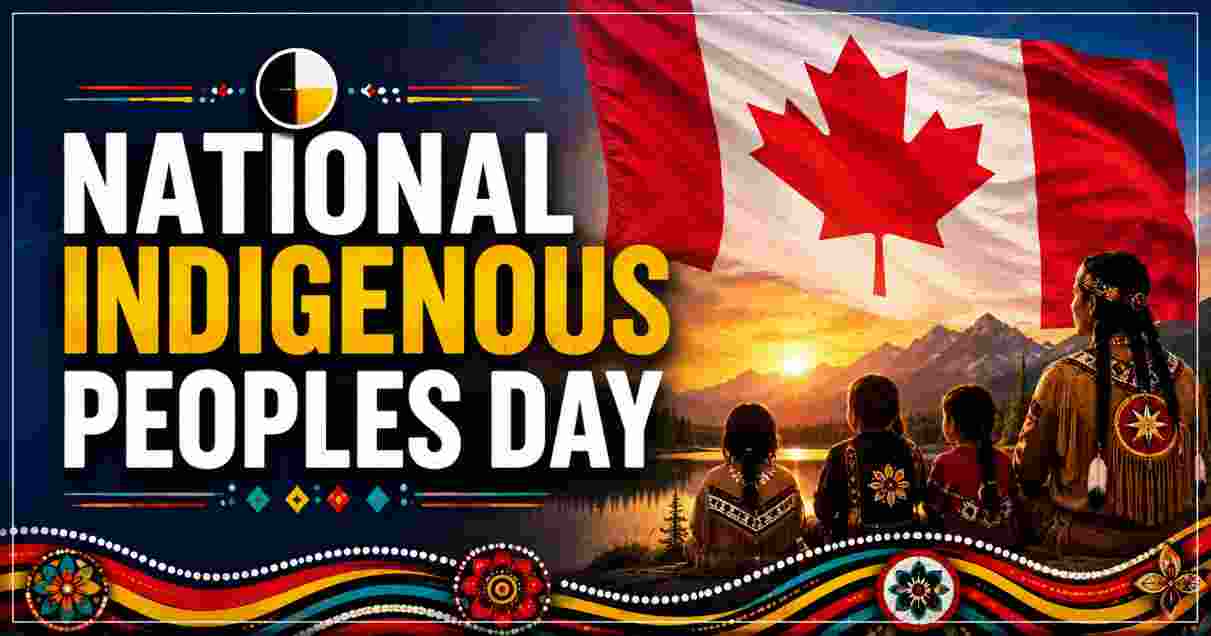
National Indigenous Peoples Day in Canada 2026
National Indigenous Peoples Day in Canada 2026 falls on Sunday, June 21, 2026, and this year carries exceptional historical weight: it marks the 30th anniversary of the day’s establishment, a milestone recognized on the official Government of Canada page maintained by Crown-Indigenous Relations and Northern Affairs Canada (CIRNAC). Proclaimed on June 21 of each year since Governor General Roméo LeBlanc’s formal declaration in 1996, the day was originally established as “National Aboriginal Day” before being renamed to “National Indigenous Peoples Day” by Prime Minister Trudeau on June 21, 2017, to better reflect the inclusive, self-determined language preferred by First Nations, Inuit, and Métis communities. The date is not arbitrary — June 21 is the summer solstice, the longest day of the year, a date that has held deep spiritual, cultural, and ceremonial significance for Indigenous Peoples across Turtle Island for generations.
The community and demographic realities behind this day in 2026 are defined by a population that has grown rapidly, is young, urban, and linguistically diverse, yet continues to face measurable structural inequalities in housing, income, and access to services that sit in direct tension with the contributions, resilience, and rich cultural life the day celebrates. According to the 2021 Census of Population — the most recent full census dataset and the authoritative government source for all demographic statistics on Indigenous Peoples until 2026 Census results are published — 1,807,250 people in Canada identified as Indigenous, representing 5.0% of Canada’s total population. The 2026 Census of Population, which took place in May 2026, included revised and improved Indigenous identity questions; however, its results have not yet been released, and the 2021 data remains the verified baseline. This article compiles the latest, most current verified statistics on National Indigenous Peoples Day 2026 and the populations it celebrates.
Interesting Facts About National Indigenous Peoples Day in Canada 2026
| Fact | Detail |
|---|---|
| Date of National Indigenous Peoples Day 2026 | Sunday, June 21, 2026 |
| Anniversary milestone in 2026 | 30th anniversary of its establishment |
| Original proclamation year and name | 1996, as “National Aboriginal Day” by Governor General Roméo LeBlanc |
| Renamed to current title | June 21, 2017, announced by Prime Minister Trudeau |
| Why June 21? | The summer solstice — the longest day of the year — holds deep spiritual and cultural significance for many Indigenous Peoples |
| Legal instrument establishing the day | SI-96-55, Regulations (Governor General’s declaration, 1996) |
| Part of the federal “Celebrate Canada” program | Yes — also includes National Indigenous History Month (June), Canada Day (July 1), and other cultural summer events |
| Social media hashtags for 2026 | #NIHM2026 (National Indigenous History Month) and #NIPD2026 |
| Total Indigenous population, Canada (2021 Census) | 1,807,250 people — 5.0% of Canada’s total population |
| First Nations population (2021 Census) | 1,048,405 people — 58% of the Indigenous total — first time exceeding 1 million |
| Métis population (2021 Census) | 624,220 people — 34.5% of the Indigenous total |
| Inuit population (2021 Census) | 70,545 people — 3.9% of the Indigenous total |
| Indigenous population growth rate (2016–2021) | +9.4% — nearly twice the non-Indigenous rate of +5.3% |
| Average age of Indigenous people (2021) | 33.6 years — vs. 41.8 years for non-Indigenous Canadians |
| Indigenous children aged 14 and under (2021) | 459,215 children — 25.4% of the total Indigenous population |
| Number of distinct Indigenous languages in Canada | Over 70 (UNESCO); the organization classifies all as “at risk” |
| Most widely spoken Indigenous language | Cree languages — 87,875 speakers (2021 Census) |
| Province with the largest Indigenous population | Ontario — 400,000+ Indigenous people |
| 2026 Census changes to Indigenous questions | Removed “North American Indian” and “Indian band” terminology; improved questionnaire logic |
Source: Crown-Indigenous Relations and Northern Affairs Canada (CIRNAC/RCAANC), “National Indigenous Peoples Day” (last modified 28 May 2026); Statistics Canada, 2021 Census of Population — Indigenous peoples data; Statistics Canada, “Canada’s Indigenous population” (statcan.gc.ca); Statistics Canada, “Content changes for the 2026 Census of Population: Indigenous Peoples” (Catalogue no. 98-20-0004, 2025)
The facts table above captures both the cultural significance and the demographic scale of the communities National Indigenous Peoples Day honours. The 30th anniversary milestone in 2026 is notable because the day’s establishment in 1996 was itself the product of decades of Indigenous advocacy: the Assembly of First Nations — then the National Indian Brotherhood — first called for a National Aboriginal Solidarity Day as far back as 1982, fourteen years before the proclamation. The Sacred Assembly, a national conference co-chaired by Elijah Harper in 1995, specifically called for a national holiday to celebrate Indigenous contributions, and the Royal Commission on Aboriginal Peoples that same year recommended the designation of a National First Peoples Day — all three distinct calls converging into the single declaration Governor General LeBlanc ultimately issued the following year.
The population data reinforces just how significant the communities being celebrated have become within Canada’s overall demographic landscape. The first time more than 1 million First Nations people were ever counted in a Canadian Census was in 2021, with 1,048,405 recorded — a milestone carrying profound historical weight. The Indigenous population’s 9.4% growth rate between 2016 and 2021, nearly double the 5.3% rate for non-Indigenous Canadians, reflects a combination of genuinely high birth rates, improved life expectancy, and a growing willingness among Canadians to identify with their Indigenous heritage — particularly the 27.2% growth among First Nations people without Registered Indian status, which Satistics Canada notes far outpaced the 4.1% growth among those with registered status.
Historical Background & Origins of National Indigenous Peoples Day
Key Milestones in the History of National Indigenous Peoples Day
──────────────────────────────────────────────────────────────────
1982 │ Assembly of First Nations (then National Indian Brotherhood)
     │ calls for a National Aboriginal Solidarity Day
1995 │ Sacred Assembly (chaired by Elijah Harper) calls for a national
     │ holiday recognizing Indigenous contributions
1995 │ Royal Commission on Aboriginal Peoples recommends a National
     │ First Peoples Day
1996 │ Governor General Roméo LeBlanc officially declares June 21
     │ as "National Aboriginal Day" (SI-96-55)
2017 │ PM Trudeau renames it "National Indigenous Peoples Day" (Jun 21)
2026 │ 30th anniversary — celebrated June 21 as the summer solstice
      └────────────────────────────────────────────────────────────────
      (Source: CIRNAC/RCAANC official page, last modified May 28, 2026)
| Year | Milestone |
|---|---|
| 1982 | National Indian Brotherhood (now Assembly of First Nations) first calls for a National Aboriginal Solidarity Day |
| 1995 | The Sacred Assembly, a national conference of Indigenous and non-Indigenous people chaired by Elijah Harper, calls for a national holiday to celebrate Indigenous contributions |
| 1995 | The Royal Commission on Aboriginal Peoples recommends designation of a National First Peoples Day |
| 1996 | Governor General Roméo LeBlanc officially declares June 21 as “National Aboriginal Day” via statutory instrument SI-96-55 |
| 2017 | Prime Minister Trudeau issues a statement on June 21, 2017 announcing the renaming to “National Indigenous Peoples Day” |
| 2026 | 30th anniversary — June 21 falls on a Sunday; the summer solstice |
Source: Crown-Indigenous Relations and Northern Affairs Canada (CIRNAC), “National Indigenous Peoples Day” (rcaanc-cirnac.gc.ca, last modified 28 May 2026); Justice Laws website, SI-96-55 (laws-lois.justice.gc.ca)
The thirty-year history behind this day is a story of sustained Indigenous advocacy eventually translated into government recognition, not a top-down policy initiative. The fact that three separate and distinct calls for a national day of recognition — from the Assembly of First Nations in 1982, the Sacred Assembly in 1995, and the Royal Commission on Aboriginal Peoples in 1995 — all arrived at the same conclusion before Governor General LeBlanc acted in 1996 illustrates the depth and breadth of the community consensus that preceded the formal proclamation. The choice of June 21 specifically was deliberate and meaningfully community-driven: CIRNAC’s own page explains that “for generations, many First Nations, Inuit and Métis communities have celebrated their cultures, languages, and traditions at this time of year,” because the summer solstice “holds deep spiritual and cultural significance for many Indigenous Peoples, marking a time of renewal, connection, and celebration.”
The 2017 renaming from “National Aboriginal Day” to “National Indigenous Peoples Day” reflected a broader shift in preferred terminology, itself shaped by Indigenous communities asserting that “Indigenous” better captures the self-determined identity of First Nations, Inuit, and Métis peoples, while “Aboriginal” was perceived as a government-imposed legal category more associated with the constitutional language of the Indian Act era. The same period saw increasing adoption of “First Nations” in place of “Indian”, and “Inuit” in place of “Eskimo” — changes documented in Statistics Canada’s approach to the 2026 Census, which specifically removed the term “North American Indian” from its Indigenous group question and eliminated “Indian band” from questions about First Nations membership, in response to feedback from Indigenous communities and organizations during consultation processes.
Indigenous Population by Group: Statistics for 2026
Canada's Indigenous Population by Group (2021 Census — most recent verified data)
──────────────────────────────────────────────────────────────────────────────────
First Nations   │████████████████████████████████████████  1,048,405 (58.0%)
Métis           │████████████████████░░░░░░░░░░░░░░░░░░░░    624,220 (34.5%)
Inuit           │██░░░░░░░░░░░░░░░░░░░░░░░░░░░░░░░░░░░░░░     70,545 (3.9%)
Other/Multiple  │░░░░░░░░░░░░░░░░░░░░░░░░░░░░░░░░░░░░░░░░     64,080 (3.5%)
Total           │████████████████████████████████████████  1,807,250 (5.0% of Canada)
               └────────────────────────────────────────────────────────────────────
               Note: 2026 Census results not yet available;
               (Source: Statistics Canada, 2021 Census of Population)
| Population Group | 2021 Census Count | Share of Total Indigenous Population | Growth 2016–2021 |
|---|---|---|---|
| First Nations (total) | 1,048,405 | 58.0% | +9.7% |
| — of whom, with Registered/Treaty Indian status | 753,110 | 41.6% of total Indigenous | +4.1% |
| — of whom, without Registered Indian status | Remainder | Balance | +27.2% |
| Métis | 624,220 | 34.5% | +6.3% |
| Inuit | 70,545 | 3.9% | +8.5% |
| Multiple/other Indigenous identities | 64,080 | 3.5% | — |
| Total Indigenous population | 1,807,250 | 5.0% of Canada | +9.4% |
| Non-Indigenous population growth (comparison) | — | — | +5.3% |
Source: Statistics Canada, 2021 Census of Population — “First Nations people, Métis and Inuit in Canada” (statcan.gc.ca); Statistics Canada, “Canada’s Indigenous population” (CIRNAC-linked Statistics Canada page)
The 2021 Census breakdown by group confirms the diversity of the three distinct Indigenous peoples celebrated on June 21. The First Nations population’s landmark crossing of 1 million people is the most headline-worthy single statistic from the last Census, but the 27.2% growth rate among First Nations people without Registered Indian status — far outpacing the 4.1% growth among those with status — carries its own significance, reflecting both changing patterns of self-identification and an ongoing process of legal recognition and reconnection with Indigenous heritage among people who had previously not been counted in official status rolls. The Métis population’s 6.3% growth to 624,220 reflects a community that is now overwhelmingly urbanized, with 55.4% of Métis living in large urban centres, a fact that shapes both their cultural experience and their interaction with federal and provincial services.
The Inuit population’s 8.5% growth to 70,545 is notable precisely because it is the smallest of the three groups, yet the growth rate is second only to First Nations overall. A defining characteristic of the Inuit community is geographic concentration: 69.0% of Canada’s Inuit population lives in Inuit Nunangat, the Inuit homeland comprising four regions — Nunatsiavut (Northern Labrador), Nunavik (Northern Quebec), Nunavut, and the Inuvialuit region of the Northwest Territories. This geographic reality means Inuit communities face some of the most severe infrastructure and services challenges of any Indigenous group in Canada, with access to healthcare, education, and transportation profoundly affected by the extreme remoteness of much of the Inuit homeland. The 2026 Census, now complete but with results not yet published, included revised questionnaire logic specifically designed to allow respondents identifying as First Nations, Métis, or Inuk to also answer the population group question — a change Statistics Canada expects will resolve a persistent data gap in how Indigenous people with multi-heritage identities have been captured in previous census cycles.
Geographic Distribution of Indigenous Peoples in Canada 2026
Indigenous Population by Province/Territory — Largest Concentrations (2021 Census)
────────────────────────────────────────────────────────────────────────────────────
Ontario          │████████████████████████████████████████  400,000+  (largest by province)
British Columbia │████████████████████████████████████░░░░  272,055
Alberta          │██████████████████████████████████░░░░░░  235,025
Manitoba         │█████████████████████████████████░░░░░░░  223,310
Saskatchewan     │████████████████████████████░░░░░░░░░░░░  175,015
Quebec           │████████████████████████░░░░░░░░░░░░░░░░  182,885
                 └──────────────────────────────────────────────
                       (Source: Statistics Canada 2021 Census data)
| Region | Indigenous Population (2021) | Key Detail |
|---|---|---|
| Ontario | 400,000+ | Highest number of any province; 251,030 First Nations (23.9% of national First Nations total) |
| Western Canada combined | 55.5% of all First Nations | Majority of First Nations people live in the West |
| Quebec | 11.1% of First Nations | Significant Cree and Innu communities |
| Atlantic Canada | 7.6% of First Nations | Mi’kmaw, Wolastoqey, and other First Nations |
| Nunavut | ~85% of population is Inuit | Single territory with the highest Indigenous population share |
| Inuit Nunangat (homeland) | 69.0% of all Inuit live here | Four regions: Nunatsiavut, Nunavik, Nunavut, Inuvialuit region |
| Urban centres (all Indigenous peoples) | 801,045 in large urban centres | +12.5% from 2016; 55.4% of Métis in urban centres |
| Largest urban Indigenous population growth | Montreal: +42.4% (2016–2021) | Fastest-growing urban Indigenous population in Canada |
Source: Statistics Canada, 2021 Census, “Canada’s Indigenous population” (statcan.gc.ca); Statistics Canada infographic “First Nations people, Métis and Inuit in Canada” (November 2022)
The geographic distribution data reveals a community that is simultaneously rooted in traditional territories and increasingly urban. While public perception of Indigenous communities often focuses on rural and on-reserve populations, the reality in 2026 is that more than 800,000 Indigenous people — the majority — live in large urban centres, a share that grew by 12.5% between 2016 and 2021 and continues to rise. Montreal’s 42.4% urban Indigenous population growth between the two censuses was the fastest of any Canadian city. This urban reality means that National Indigenous Peoples Day events in 2026 are as likely to take place in downtown Toronto, Vancouver, or Winnipeg as they are on reserve lands — with communities across all provinces hosting events, ceremonies, and cultural celebrations on and around June 21, coordinated through the Government of Canada’s event listing and interactive map at canada.ca.
The province-level data also highlights significant regional patterns beneath the national headline figures. While Ontario has the largest absolute number of First Nations people (251,030), this represents just 23.9% of the national First Nations total, meaning the majority — more than 55% — live in Western Canada, concentrated in British Columbia, Alberta, Manitoba, and Saskatchewan. The territories present a structurally different demographic picture: Nunavut’s population is approximately 85% Inuit, making it the only Canadian jurisdiction where Indigenous peoples constitute a clear majority, and where the cultural practices, languages, and governance systems of the Inuit are woven deeply into public institutions and daily life in a way that is without parallel elsewhere in the country.
Indigenous Languages Statistics in Canada 2026
Most Widely Spoken Indigenous Languages — Canada (2021 Census)
──────────────────────────────────────────────────────────────────
Cree languages (combined)  │████████████████████████████████  87,875 speakers
Inuktut (Inuit) languages  │██████████████████░░░░░░░░░░░░░░░  42,800 speakers
Ojibway languages          │███████████░░░░░░░░░░░░░░░░░░░░░░  26,165 speakers
Oji-Cree                   │███████░░░░░░░░░░░░░░░░░░░░░░░░░░  15,305 speakers
Athabaskan languages       │█████░░░░░░░░░░░░░░░░░░░░░░░░░░░░  20,390 speakers
                           └──────────────────────────────────────────────
                              Total speakers able to hold a conversation
                              in any Indigenous language: ~237,000 (2021)
                              (Source: Statistics Canada, 2021 Census)
| Language / Group | Speakers (2021 Census) | Key Detail |
|---|---|---|
| Total able to hold a conversation in an Indigenous language | ~237,000 | Down from 243,000 in prior count; reflects ongoing language loss |
| Algonquian language family (total, largest family) | 163,815 speakers | Largest Indigenous language family in Canada |
| Cree languages (combined dialects) | 87,875 speakers | Most widely spoken Indigenous language; many distinct dialects |
| Inuktut/Inuit languages (combined) | 42,800 speakers | Youngest average speaker age (29 years); highest home-use rate |
| Inuktitut (largest Inuit language) | 41,675 speakers | Official language of Nunavut and Northwest Territories |
| Ojibway languages | 26,165 speakers | Primarily spoken in Ontario and Western Canada |
| Oji-Cree | 15,305 speakers | Northern Ontario communities |
| Athabaskan language family | 20,390 speakers | Primarily spoken in the territories and Northern BC |
| Michif (unique Métis language) | 1,485 speakers (Métis only) | Up 44.9% from 2016 — the fastest-growing Métis language |
| Distinct Indigenous languages in Canada | Over 70 | UNESCO classifies ALL as “at risk” — vulnerable or endangered |
| Indigenous mother tongue speakers who speak language at home | 82.1% | Much higher than second-language speakers (55.8%) |
| Second-language learners of Indigenous languages | 29.5% of all Indigenous language speakers | Up from 25.7% in 2016 — a sign of revitalization efforts |
Source: Statistics Canada, “Indigenous language families in Canada: New reports from the 2021 Census of Population” (The Daily, March 31, 2025); Statistics Canada, “Indigenous languages across Canada” (Census in Brief, March 29, 2023); Statistics Canada, “Indigenous languages in Canada, 2021” (infographic)
The language statistics for 2026 reflect a community actively navigating the tension between ongoing language loss and genuine revitalization efforts. The headline reality is stark: UNESCO classifies every single Indigenous language in Canada as “at risk”, and the overall number of Canadians able to hold a conversation in an Indigenous language declined from approximately 243,000 to around 237,000 between the most recent available measurement periods. The 6.8% decline in the number of people who reported an Indigenous language as their mother tongue between 2016 and 2021 reflects the direct, multigenerational legacy of the Indian Residential School system, which systematically stripped Indigenous languages from children by forcing English or French and punishing any use of Indigenous languages — a policy whose consequences continue to reverberate through every language vitality statistic published today.
Yet the data also shows genuine points of resilience and even growth. The 29.5% of Indigenous language speakers who learned their language as a second language in 2021 — up from 25.7% in 2016 — is a documented marker of active language revitalization, with community members and adult learners returning to languages their families lost across residential school generations. The Michif language, uniquely Métis in origin and blending Cree, Ojibway, French, and English, recorded the fastest growth of any Métis language at 44.9% more speakers between 2016 and 2021, suggesting a meaningful cultural reconnection within the Métis community specifically. Perhaps most encouragingly for long-term language survival, Inuktut (Inuit) languages have the youngest average speaker age in the country at just 29 years and the highest rate of home language use at 74% — indicators that, unlike many other Indigenous languages, Inuktitut and related Inuit languages are still being passed to children in significant numbers, particularly within Inuit Nunangat where the community’s geographic concentration supports daily, community-wide use of the language.
Disclaimer: This research report is compiled from publicly available sources. While reasonable efforts have been made to ensure accuracy, no representation or warranty, express or implied, is given as to the completeness or reliability of the information. We accept no liability for any errors, omissions, losses, or damages of any kind arising from the use of this report.