
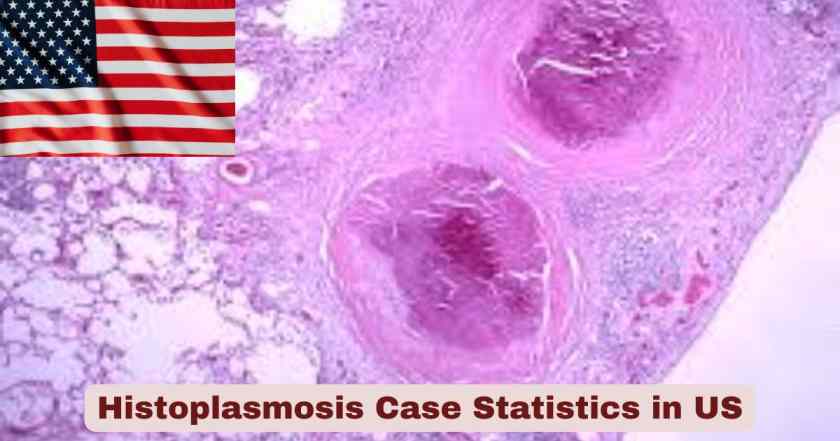
Histoplasmosis Cases in US 2026
Histoplasmosis represents a significant yet often overlooked public health threat in the United States, particularly affecting populations in the central and eastern regions where the fungus thrives in soil contaminated with bird and bat droppings. This lung infection, caused by inhaling spores of the fungus Histoplasma capsulatum, can range from asymptomatic or mild flu-like illness to life-threatening disseminated disease. The challenge with histoplasmosis lies in its frequent misdiagnosis, as symptoms closely mimic common respiratory infections like the cold and flu, leading to delayed treatment and potentially severe complications.
The beginning of 2026 has been marked by a concerning histoplasmosis outbreak in Tennessee, where more than 35 cases were confirmed in just a three-month period in Maury and Williamson Counties, with some patients critically ill and at least one reported death. This cluster of cases, presented by the Tennessee Department of Health on January 12, 2026, highlights the ongoing threat of this endemic fungal infection and the critical importance of clinical awareness among healthcare providers. With an average patient age of 50 years in the Tennessee outbreak and symptoms ranging from fever and extreme fatigue to respiratory failure, the outbreak underscores how histoplasmosis can affect seemingly healthy adults and emphasizes the need for improved diagnostic capabilities and public health surveillance systems across the United States.
Key Interesting Facts About Histoplasmosis in the US 2024-2026
| Fact Category | Statistical Data | Year/Period |
|---|---|---|
| Tennessee Outbreak Cases | 35+ cases in three months | January 2026 |
| Tennessee Outbreak Deaths | 1 death reported (under investigation) | December 2025 |
| Tennessee Outbreak Average Age | 50 years | January 2026 |
| Costa Rica Travel-Related Outbreak | 12 suspected cases (extended family) | December 2024-January 2025 |
| National Annual Incidence Rate | 1-2 cases per 100,000 population | 2024 |
| State-Specific Incidence Range | 0-7 cases per 100,000 in reporting states | 2023 |
| Surveillance Cases (14 States) | 3,595 cases reported | 2019-2021 |
| Minnesota Cases | 218 cases (highest since 2017) | 2023 |
| Minnesota Hospitalization Rate | 42% of cases hospitalized | 2023 |
| Hospitalization Mortality Rate | 5-7% of hospitalized patients die | 2024 |
| Overall Mortality Rate | 4.7-7% of all cases | 2012-2021 |
| Symptom Onset Timeline | 3-17 days after exposure | 2024 |
| Symptomatic Infection Rate | Only 1% of exposed individuals develop symptoms | 2024 |
| Endemic Area Exposure | 60-90% of people in Ohio/Mississippi River valleys exposed | Lifetime |
| HIV/AIDS Mortality Rate | 6.67% mortality (higher than general population) | 2023 |
Data sources: Tennessee Department of Health January 2026, Centers for Disease Control and Prevention (CDC) 2019-2024, Minnesota Department of Health 2023, National Inpatient Sample 2012-2021, Fox News Health Report January 2026
The histoplasmosis statistics for 2024-2026 reveal a fungal disease that, while often mild or asymptomatic, carries serious risks for certain populations and geographical areas. The Tennessee outbreak with 35+ cases in three months represents an unusual cluster that prompted immediate investigation by state and federal health authorities. What makes this outbreak particularly concerning is the 50-year average age of infected individuals—middle-aged adults who may not have recognized their risk or symptoms. The 1 reported death in December 2025, with a positive test result confirmed two days after the patient died, illustrates the rapid progression this disease can take in severe cases.
Beyond Tennessee, the Costa Rica cave-associated outbreak affecting 12 members of an extended family from Georgia, Texas, and Washington in December 2024-January 2025 demonstrates how travel to endemic areas can expose unsuspecting tourists to concentrated fungal spores, particularly in bat-inhabited caves. Nationally, histoplasmosis affects an estimated 1-2 people per 100,000 annually based on data from the 14 states where it is reportable, though this significantly underestimates the true burden as the disease is not nationally reportable and many cases go undiagnosed. In Minnesota, 218 cases reported in 2023 represented the highest count since systematic surveillance began in 2017, with 42% requiring hospitalization. The 5-7% mortality rate among hospitalized patients, and the fact that only 1% of exposed individuals develop symptoms, creates a paradox where the disease is simultaneously common (in terms of exposure) and rare (in terms of clinical illness), yet deadly for those who do develop severe disease. The sobering 60-90% lifetime exposure rate in endemic regions like the Ohio and Mississippi River valleys means millions of Americans have encountered this fungus, though most never knew it.
Tennessee Histoplasmosis Outbreak Cases in the US 2025-2026
| Outbreak Characteristic | Data | Details |
|---|---|---|
| Total Confirmed Cases | 35+ cases | Maury and Williamson Counties |
| Time Period | 3 months | October 2025-January 2026 |
| Affected Counties | 2 counties | Williamson and Maury Counties |
| Specific Areas | 3 communities | Spring Hill, Thompson’s Station, Northern Maury County |
| Median/Average Age | 50 years | Range includes younger patients |
| Deaths Reported | 1 death | Alyssia Brown, December 2025 |
| Hospitalized Patients | Multiple | Some critically ill |
| Source Identified | No common source | Investigation ongoing |
| Suspected Contributing Factor | Construction activity | June Lake area development |
| Public Briefing Date | January 12, 2026 | Williamson County Board of Commissioners |
Data sources: Tennessee Department of Health January 2026, Fox News January 2026, WTVF NewsChannel 5 January 2026, WKRN Nashville January 2026
The Tennessee histoplasmosis outbreak in 2025-2026 emerged as one of the most significant clusters of fungal disease cases in recent years, with more than 35 confirmed cases over a three-month period concentrated in Maury and Williamson Counties. The outbreak primarily affected residents of Spring Hill, Thompson’s Station, and portions of northern Maury County—suburban communities south of Nashville experiencing rapid population growth and extensive construction development. During a briefing before the Williamson County Board of Commissioners on January 12, 2026, state epidemiologists from the Tennessee Department of Health confirmed they were actively investigating the outbreak but had not yet identified a common exposure source, which health officials noted is “not uncommon for histoplasmosis.”
The median age of 50 years for infected individuals represents a departure from typical histoplasmosis patterns, which often affect either very young children, elderly adults, or immunocompromised individuals. However, health officials noted the outbreak included patients across a wide age range, including 14-year-old Eli Stinson from Thompson’s Station, who battled the illness for months beginning with a fever on Halloween that wouldn’t break. The one confirmed death, that of Alyssia Brown in December 2025, came to light when her family spoke out about her case. The positive test result was returned two days after her death, highlighting the diagnostic challenges and rapid progression that can occur with severe histoplasmosis. However, during the official briefing, state epidemiologists emphasized that the investigation remained ongoing and that the infection had not yet been confirmed as the direct cause of any fatalities pending completion of thorough medical reviews. Multiple patients required hospitalization, with some described as “critically ill” by health officials, underscoring the severity of disease presentation in this outbreak. Local residents and county commissioners raised concerns about ongoing construction activity in the June Lake area, speculating that soil disturbance from rapid development may have released fungal spores into the air. However, health leaders acknowledged the difficulty in pinpointing a specific source when histoplasmosis is endemic throughout Tennessee soil, making complete prevention of exposure extremely challenging.
National Histoplasmosis Incidence and Prevalence in the US 2019-2024
| Geographic/Demographic Category | Incidence Rate | Case Numbers | Time Period |
|---|---|---|---|
| National Average Incidence | 1-2 cases per 100,000 population | Estimated 3,300-6,600 annually | 2024 |
| State-Specific Range (Reporting States) | 0-7 cases per 100,000 | Varies significantly by state | 2023 |
| Surveillance Cases (14 Reporting States) | N/A | 3,595 total cases | 2019-2021 (3 years) |
| Minnesota Annual Incidence | 3.8 cases per 100,000 | 218 cases | 2023 |
| Multistate Surveillance (12 States) | N/A | 852 cases annually (average) | 2011-2014 |
| National Hospitalizations | 2.9 per 100,000 (2012) declining to 1.9 per 100,000 (2021) | 50,778 total hospitalizations | 2001-2012 |
| National Incidence Trend | 1.9 times higher in 2023 vs 2013 | Increasing over decade | 2013-2023 |
| Midwest Region Rate | 3.3 cases per 100,000 | Highest regional rate | 2012 |
| South Region Rate | 2.0 cases per 100,000 | Second highest rate | 2012 |
| Endemic Area Exposure (Lifetime) | 60-90% exposed | Ohio/Mississippi River valleys | Historical |
Data sources: CDC Histoplasmosis Statistics 2024, Minnesota Department of Health 2023, CDC Surveillance 2019-2021, National Inpatient Sample 2001-2021, Journal of Infectious Diseases 2025
The national incidence of histoplasmosis in the United States reveals a disease that is simultaneously underreported and increasingly recognized. The average annual incidence of 1-2 cases per 100,000 population translates to approximately 3,300 to 6,600 diagnosed cases annually across the entire United States based on current population estimates. However, this figure represents only the tip of the iceberg, as histoplasmosis is not a nationally reportable disease and is only tracked in 14 states: Arkansas, Delaware, Illinois, Indiana, Kansas, Kentucky, Louisiana, Michigan, Minnesota, Nebraska, Pennsylvania, Rhode Island, Washington, and Wisconsin. Among these reporting states, incidence rates vary dramatically from 0 to 7 cases per 100,000, reflecting genuine geographic variation in fungus distribution, differences in clinical awareness and testing practices, and varying exposure risks based on local environmental factors and human activities.
During the 2019-2021 period, covering the COVID-19 pandemic years, 3,595 histoplasmosis cases were reported to the CDC from these 14 states, averaging approximately 1,198 cases annually. This represented a notable decrease compared to earlier years, likely reflecting reduced healthcare-seeking behavior during the pandemic, disruptions to diagnostic testing, and changes in outdoor activities that might expose individuals to fungal spores. Minnesota has maintained particularly robust surveillance, reporting 218 cases in 2023—the highest annual count since systematic tracking began in 2017 and representing an incidence of 3.8 cases per 100,000 population, nearly double the national average. Earlier multistate surveillance covering 12 states from 2011-2014 documented an average of 852 cases annually, though this still represented significant underreporting when compared to national hospitalization data showing over 5,000 histoplasmosis-associated admissions occurred in 2012 alone. Most concerning is the increasing trend documented in electronic health record studies, which found that national incidence rates in 2023 were 1.9 times higher than rates in 2013, suggesting either a true increase in disease burden, improved diagnostic recognition, or both. Geographically, the Midwest consistently shows the highest rates at 3.3 cases per 100,000 in 2012, followed by the South at 2.0 cases per 100,000, aligning with the known distribution of Histoplasma capsulatum in soil around the Ohio and Mississippi River valleys. The most striking statistic remains the 60-90% lifetime exposure rate among people living in endemic areas—meaning the vast majority of residents in states like Ohio, Indiana, Kentucky, Tennessee, and portions of surrounding states have inhaled fungal spores at some point, yet only 1% ever develop symptoms severe enough to seek medical attention.
Mortality and Severity of Histoplasmosis in the US 2012-2024
| Outcome Measure | Mortality/Severity Rate | Patient Population | Study Period |
|---|---|---|---|
| Overall Case Fatality Rate | 4.7-7% of all cases | All histoplasmosis patients | 2012-2021 |
| Hospitalized Patient Mortality | 5-7% of hospitalizations | Hospitalized patients only | 2024 |
| Pulmonary Histoplasmosis Mortality | 5.8% died | Pulmonary form patients | 2012-2021 |
| Disseminated Histoplasmosis Mortality | 6.0% died | Disseminated form patients | 2012-2021 |
| HIV/AIDS Patient Mortality | 6.67% mortality rate | People living with HIV | 2023 |
| CNS Histoplasmosis Mortality | 20-44% mortality | Central nervous system involvement | 2023 |
| Minnesota Death Rate | 6% (12 deaths from 218 cases) | Minnesota cases | 2023 |
| Multistate Surveillance Mortality | 7% (76 deaths from 1,142 patients) | 12-state surveillance | 2011-2014 |
| 6-Month All-Cause Mortality | 4% of symptomatic patients | Tertiary care center study | Historical |
| Average Hospital Stay | 7-10 days median | Hospitalized survivors | 2011-2023 |
| Hospitalization Rate | 42-57% of diagnosed cases | All diagnosed cases | 2011-2023 |
Data sources: National Inpatient Sample 2012-2021, Minnesota Department of Health 2023, CDC Multistate Surveillance 2011-2014, Open Forum Infectious Diseases 2025, Medical Mycology 2024
The mortality rates associated with histoplasmosis demonstrate that while most exposed individuals never develop symptomatic disease, those who do face substantial risks of severe outcomes and death. The overall case fatality rate of 4.7-7% means that between roughly 1 in 14 and 1 in 20 diagnosed patients die from the infection or related complications. Among hospitalized patients specifically, the 5-7% mortality rate has remained relatively consistent across multiple studies and surveillance periods, though this figure likely underestimates mortality among the sickest patients who die before or shortly after hospital admission. Recent analysis of the National Inpatient Sample covering 2012-2021 found an overall mortality rate of 4.7% among histoplasmosis-associated hospitalizations, with pulmonary histoplasmosis carrying a 5.8% mortality rate and disseminated histoplasmosis a 6.0% mortality rate.
The highest mortality occurs in specific high-risk groups and disease presentations. Patients with HIV/AIDS face a 6.67% mortality rate, significantly elevated compared to the general population, reflecting the critical role of intact cellular immunity in controlling this fungal infection. Most devastating is CNS (central nervous system) histoplasmosis, which affects the brain and carries a 20-44% mortality rate even with antifungal treatment, making it one of the deadliest manifestations. In Minnesota’s 2023 surveillance, 12 deaths occurred among 218 cases, yielding a 6% case fatality rate; notably, histoplasmosis was definitively identified as the primary cause of death in half of these cases, while the other half had competing conditions that may have contributed to mortality. Earlier multistate surveillance from 2011-2014 documented 76 deaths among 1,142 patients with known outcomes, representing a 7% mortality rate. Among survivors, the burden of illness remains substantial, with 42-57% requiring hospitalization and median hospital stays of 7-10 days. Patients who died were significantly older on average (59.86 years) compared to survivors (54.45 years), had longer hospital stays, and incurred higher healthcare costs. These mortality statistics become even more sobering when considering that histoplasmosis is entirely preventable through avoidance of high-risk exposures and that effective antifungal treatments exist—yet the disease is frequently missed or diagnosis delayed because symptoms mimic common respiratory infections.
Hospitalization Trends for Histoplasmosis in the US 2001-2021
| Hospitalization Metric | 2001-2012 Data | 2012-2021 Data | Trend |
|---|---|---|---|
| Total Hospitalizations | 50,778 estimated | Declining | Decreasing |
| Annual Rate (2012) | 2.9 per 100,000 | N/A | Baseline |
| Annual Rate (2021) | N/A | 1.9 per 100,000 | -34% decrease |
| Primary Diagnosis | 20.2% of hospitalizations | Similar | Stable |
| Median Length of Stay | 7 days (range 1-126) | Similar | Stable |
| Age Group ≥65 Years (2012) | 3.8 per 100,000 | Highest rate | Stable pattern |
| Age Group 45-64 Years (2012) | 2.5 per 100,000 | Second highest | Stable pattern |
| Age Group 18-44 Years (2012) | 1.1 per 100,000 | Third | Stable pattern |
| Age Group <18 Years (2012) | 0.2 per 100,000 | Lowest rate | Stable pattern |
| Male Hospitalization Rate (2012) | 1.9 per 100,000 (58.1% of cases) | Higher than females | Gender disparity |
| Female Hospitalization Rate (2012) | 1.4 per 100,000 (41.9% of cases) | Lower than males | Gender disparity |
Data sources: National (Nationwide) Inpatient Sample 2001-2012 and 2012-2021, Healthcare Cost and Utilization Project (HCUP), Open Forum Infectious Diseases 2025
The hospitalization trends for histoplasmosis from 2001 through 2021 reveal a significant and encouraging decline in severe disease requiring inpatient care. Analysis of the Healthcare Cost and Utilization Project’s National Inpatient Sample documented an estimated 50,778 histoplasmosis-associated hospitalizations during the 2001-2012 period. The annual hospitalization rate declined from 2.9 per 100,000 population in 2012 to 1.9 per 100,000 in 2021, representing a 34% decrease over this nine-year period. This substantial reduction reflects multiple factors: improved outpatient diagnostic capabilities allowing earlier detection and treatment before severe illness develops, better management of immunocompromised patients reducing their risk for disseminated disease, increased clinical awareness leading to prompt antifungal therapy, and potentially changes in environmental exposures or human behavior patterns.
Despite this encouraging overall trend, important demographic patterns in hospitalizations have remained consistent. Histoplasmosis was listed as the primary diagnosis in only 20.2% of hospitalizations, with the remaining 79.8% listing it as a secondary or contributing diagnosis, indicating that many hospitalized patients have concurrent medical conditions complicating their care. The median length of stay of 7 days (ranging from 1 to 126 days in the 2001-2012 data) reflects moderate to severe illness severity, though this represents a relatively short hospitalization compared to many other serious infections. Age-related patterns show dramatically increasing hospitalization rates with advancing age: persons ≥65 years old had the highest rate at 3.8 per 100,000 in 2012, nearly 19 times higher than children and adolescents <18 years old who had rates of just 0.2 per 100,000. Adults 45-64 years old had intermediate rates of 2.5 per 100,000, while younger adults 18-44 years had rates of 1.1 per 100,000. A persistent gender disparity shows males accounting for 58.1% of hospitalizations with rates of 1.9 per 100,000 compared to females at 41.9% of cases with rates of 1.4 per 100,000. This male predominance may reflect occupational exposures (farming, construction, demolition work), recreational activities (caving, hunting), or potential biological differences in immune response. Most hospitalizations occurred in the Midwest (43.2%) and South (44.0%), aligning with the geographic distribution of Histoplasma capsulatum in the environment, while the West and Northeast accounted for smaller proportions reflecting lower endemicity in these regions.
Geographic Distribution of Histoplasmosis in the US 2023-2024
| Region/State | Incidence Rate | Case Numbers | Reportable Status |
|---|---|---|---|
| Midwest Region | 3.3 per 100,000 (highest) | Thousands annually | Multiple reporting states |
| South Region | 2.0 per 100,000 | Thousands annually | Multiple reporting states |
| Ohio River Valley | Endemic (60-90% exposed) | N/A | Highest endemic area |
| Mississippi River Valley | Endemic (60-90% exposed) | N/A | Highest endemic area |
| Minnesota | 3.8 per 100,000 | 218 cases (2023) | Reportable |
| Tennessee | Endemic throughout state | 35+ in outbreak alone | Not reportable |
| Wisconsin | N/A | Included in surveillance | Reportable |
| Arkansas | N/A | Included in surveillance | Reportable |
| Illinois | N/A | Included in surveillance | Reportable |
| Indiana | N/A | Included in surveillance | Reportable |
| Kansas | N/A | Included in surveillance | Reportable |
| Kentucky | N/A | Included in surveillance | Reportable |
| Michigan | N/A | Included in surveillance | Reportable |
| 14 Reporting States Total | 0-7 per 100,000 range | 3,595 cases (2019-2021) | Reportable |
Data sources: CDC Geographic Distribution Data 2024, Minnesota Department of Health 2023, Tennessee Department of Health 2026, National Inpatient Sample 2012, CDC Surveillance 2019-2021
The geographic distribution of histoplasmosis in the United States follows well-established patterns centered on the Ohio and Mississippi River valleys, though recent evidence suggests the fungus may be expanding into previously non-endemic areas or being recognized more frequently outside traditional boundaries. The Midwest region consistently demonstrates the highest hospitalization and incidence rates at 3.3 per 100,000 population, encompassing states like Ohio, Indiana, Illinois, Michigan, Wisconsin, Minnesota, and portions of Missouri and Iowa where the fungus thrives in moist, nitrogen-rich soil created by bird and bat droppings. The South region shows the second-highest rates at 2.0 per 100,000, including Kentucky, Tennessee, Arkansas, Louisiana, Mississippi, and portions of Alabama, Georgia, and the Carolinas. Within these endemic regions, 60-90% of residents will test positive for histoplasmin skin sensitivity over their lifetime, indicating previous exposure to the fungus, though only 1% ever develop symptomatic disease.
Minnesota provides the most comprehensive state-level surveillance data, reporting 218 cases in 2023 at an incidence of 3.8 per 100,000, with the highest concentration in the southwestern portion of the state. Tennessee, despite being highly endemic and experiencing the recent outbreak of 35+ cases in Maury and Williamson Counties, does not classify histoplasmosis as a reportable disease, meaning the true burden in that state remains unknown and likely substantially underestimated. Of the 50 states, only 14 mandate reporting: Arkansas, Delaware, Illinois, Indiana, Kansas, Kentucky, Louisiana, Michigan, Minnesota, Nebraska, Pennsylvania, Rhode Island, Washington, and Wisconsin. Even among these reporting states, incidence varies from 0 to 7 cases per 100,000 population annually, reflecting geographic heterogeneity within states and differences in diagnostic practices. The 2019-2021 surveillance from these 14 states documented 3,595 total cases over the three-year period, averaging about 1,198 cases annually, though this represents only diagnosed and reported cases from a subset of states. Emerging evidence from national electronic health record studies suggests histoplasmosis may be spreading beyond traditional endemic areas, with documented cases increasingly appearing in Western states and unexpected regions, possibly related to climate change, bird and bat migration patterns, increased travel, growing populations of immunocompromised individuals, and improved diagnostic awareness. The persistent reliance on 1950s-1960s skin testing data to define endemic regions means current distribution maps may be outdated, and surveillance gaps in 36 non-reporting states leave enormous blind spots in our understanding of where Americans face risk of exposure to this potentially deadly fungus.
Clinical Presentation and Symptoms of Histoplasmosis in the US 2024-2026
| Symptom/Clinical Feature | Frequency/Details | Onset Timeline |
|---|---|---|
| Asymptomatic Infection | 99% of exposed individuals | N/A |
| Symptomatic Infection | 1% of exposed individuals | 3-17 days after exposure |
| Fever | Common primary symptom | Within 3-17 days |
| Cough | Common respiratory symptom | Within 3-17 days |
| Extreme Fatigue | Common systemic symptom | Within 3-17 days |
| Headache | Common systom | Within 3-17 days |
| Body Aches (Myalgias) | Common systemic symptom | Within 3-17 days |
| Chills | Common with fever | Within 3-17 days |
| Chest Pain | Common respiratory symptom | Within 3-17 days |
| Shortness of Breath | Moderate to severe cases | Variable |
| Acute Pulmonary Form | Most common presentation | 3-17 days |
| Chronic Pulmonary Form | Develops in those with lung disease | Weeks to months |
| Disseminated Form | Immunocompromised patients | Variable, often rapid |
| CNS Involvement | Rare but severe | Weeks to months |
| Misdiagnosis Rate | High (often mistaken for flu/cold) | Leads to delayed treatment |
Data sources: CDC Clinical Overview 2024, Tennessee Department of Health 2026, Virginia Department of Health 2025, Mayo Clinic, Fox News Health Report 2026
The clinical presentation of histoplasmosis creates significant diagnostic challenges because symptoms closely mimic common respiratory infections, leading to frequent misdiagnosis and delayed treatment. The disease exists on a spectrum from completely asymptomatic to life-threatening, with 99% of exposed individuals never developing symptoms despite inhaling fungal spores. Among the 1% who do become symptomatic, symptoms typically emerge 3 to 17 days after exposure, creating a temporal window that may not immediately suggest environmental fungal exposure. The most common symptoms include fever, cough, extreme fatigue, headache, body aches, chills, and chest pain—a constellation virtually indistinguishable from influenza, COVID-19, bacterial pneumonia, or other respiratory viruses. This similarity explains why patients and physicians often initially pursue treatment for more common diagnoses, prescribing antibiotics for presumed bacterial infections that prove ineffective against fungal disease.
Acute pulmonary histoplasmosis represents the most common presentation among symptomatic patients, manifesting as what appears to be a severe respiratory infection with prominent fever and cough. In the recent Tennessee outbreak, 14-year-old Eli Stinson’s case exemplified this presentation: he developed a fever on Halloween that wouldn’t break, underwent extensive testing that repeatedly returned negative, and remained ill for months before his mother advocated for specific histoplasmosis testing. Cases can range from mild illness that resolves spontaneously within a few weeks to severe pneumonia requiring hospitalization and oxygen support. Jeff Kushner, a Spring Hill, Tennessee resident diagnosed in October 2025, described how his oxygen saturation dropped severely, requiring him to be placed on high-dose oxygen machines almost to the point of needing a ventilator and undergoing weeks of high-dose antifungal treatment. Chronic pulmonary histoplasmosis develops primarily in patients with pre-existing lung disease, creating progressive lung damage that can mimic tuberculosis with cavitary lesions and chronic cough. Disseminated histoplasmosis occurs when the fungus spreads beyond the lungs to other organs, primarily affecting immunocompromised individuals including people with HIV/AIDS, organ transplant recipients, and those taking immunosuppressive medications. This form carries the highest mortality and can present with a bewildering array of symptoms depending on which organs are affected. CNS (central nervous system) histoplasmosis, while rare, represents the most feared complication, causing meningitis or brain abscess with headache, altered mental status, and neurological deficits, with mortality rates of 20-44% even with treatment. The high misdiagnosis rate stems from the rarity of the disease outside highly endemic areas, the nonspecific symptoms, and the fact that standard bacterial cultures and typical pneumonia antibiotics won’t detect or treat the fungal infection, potentially allowing weeks of disease progression before the correct diagnosis is made.
Risk Factors and Exposure Sources for Histoplasmosis in the US 2024-2026
| Risk Factor/Exposure Source | Description | Risk Level |
|---|---|---|
| Geographic Location | Living in/visiting Ohio and Mississippi River valleys | High |
| Soil Disturbance Activities | Construction, demolition, excavation | High |
| Bird/Bat Dropping Exposure | Contaminated soil in roosting areas | Very High |
| Chicken Coop Cleaning | High concentration of contaminated droppings | Very High |
| Cave Exploration | Bat-inhabited caves (e.g., Costa Rica outbreak) | Very High |
| Old Building Demolition/Remodeling | Disturbing accumulated droppings in structures | High |
| Landscaping and Yardwork | Soil disturbance in endemic areas | Moderate |
| Farming Activities | Regular soil exposure | Moderate to High |
| Tree/Brush Clearing | Areas where birds have roosted | High |
| Immunocompromised Status | HIV/AIDS, transplant, biologics, cancer treatment | Very High for severe disease |
| Age >65 Years | Weakened immune function | Elevated |
| Pre-existing Lung Disease | COPD, emphysema | High for chronic form |
| Infants | Immature immune system | Elevated |
| Construction Industry Work | Occupational exposure | High |
| Median Age in Tennessee Outbreak | 50 years | Affected healthy adults |
Data sources: CDC Risk Factors 2024, Tennessee Department of Health January 2026, Virginia Department of Health 2025, Fox News Health Report 2026
The risk factors and exposure sources for histoplasmosis demonstrate that this fungal infection doesn’t discriminate—it can affect anyone in endemic areas, though certain activities and medical conditions dramatically elevate risk. Geographic location remains the single most important predictor, with living in or traveling to the Ohio and Mississippi River valleys placing individuals at substantially elevated risk for exposure. However, Tennessee health officials emphasized during the January 2026 outbreak briefing that Histoplasma capsulatum is “endemic throughout Tennessee soil,” meaning exposure can occur in virtually any outdoor setting within the state, not just in obviously contaminated areas. The Tennessee outbreak notably affected individuals with a median age of 50 years—healthy middle-aged adults who likely didn’t consider themselves at high risk—underscoring that severe disease can strike seemingly anyone.
Activities that disturb contaminated soil create the highest exposure risks. Construction, demolition, and excavation activities ranked among the most dangerous, with local speculation that the Tennessee outbreak may be linked to extensive June Lake area development involving significant soil disturbance. Bird and bat dropping exposure represents a very high risk, particularly in concentrated settings like chicken coops that haven’t been cleaned in years, old barns with accumulated droppings, or caves inhabited by bat colonies—the latter exemplified by the Costa Rica cave outbreak affecting 12 American tourists in December 2024-January 2025. Old building demolition or remodeling can release decades of accumulated spores when structures that housed birds or bats are disturbed. Even routine activities like landscaping and yardwork in endemic areas carry moderate risk, while farming involves regular soil exposure that elevates risk depending on specific agricultural practices. Medical vulnerabilities amplify these environmental risks substantially: immunocompromised individuals, including people with HIV/AIDS (who face 6.67% mortality from histoplasmosis), organ transplant recipients taking immunosuppressive drugs, cancer patients undergoing chemotherapy, and people on biologic medications for autoimmune diseases, face very high risk for developing disseminated disease if exposed. Adults over 65 experience elevated rates due to immunosenescence, infants remain vulnerable due to immature immune systems, and people with pre-existing lung disease like COPD or emphysema face high risk for developing the chronic pulmonary form. The construction industry represents an occupational exposure concern, with workers disturbing soil or working in enclosed spaces with bat or bird droppings facing regular risk without necessarily recognizing the hazard or taking appropriate protective measures.
Diagnostic Challenges and Testing Methods for Histoplasmosis in the US 2024-2026
| Diagnostic Test | Sensitivity | Specificity | Time to Results | Best Use Case |
|---|---|---|---|---|
| Urine Antigen (EIA) | 67.5-95% | 97% | 1-3 days | Disseminated and acute pulmonary disease |
| Serum Antigen (EIA) | 83% combined | 97% | 1-3 days | Acute pulmonary histoplasmosis |
| IgG Antibody (EIA) | 87.5% | Variable | 3-5 days | Subacute and chronic disease |
| IgM Antibody (EIA) | 67.5% | Variable | 3-5 days | Acute disease |
| Combined Antibody (IgG and/or IgM) | 88.8% | Variable | 3-5 days | Acute pulmonary histoplasmosis |
| Antigen + Antibody Combined | 96.3% | High | 3-5 days | Optimal for acute pulmonary disease |
| Immunodiffusion (ID) | 55-80% | 96-100% | 1-2 weeks | Chronic disease |
| Complement Fixation (CF) | 70-90% | 70-90% | 1-2 weeks | General screening |
| Fungal Culture | Variable 40-85% | 100% (gold standard) | 2-6 weeks | All forms, definitive diagnosis |
| Histopathology | Low to moderate | High when positive | 2-7 days | Disseminated disease |
| PCR Testing | 18.5-86% (variable) | High | 1-3 days | Not standardized/widely available |
| CSF Antibody (CF/ID/EIA) | 51-82% | 96% | Variable | CNS histoplasmosis |
Data sources: CDC Testing Algorithm 2024, MiraVista Diagnostics, Journal of Clinical Microbiology 2016, PMC 2016, MDPI 2023, Open Forum Infectious Diseases 2016
The diagnostic challenges facing physicians attempting to identify histoplasmosis are substantial and contribute directly to delayed treatment, misdiagnosis, and preventable deaths. The Tennessee outbreak illustrated these difficulties vividly: 14-year-old Eli Stinson underwent extensive testing that repeatedly came back negative before his mother specifically requested histoplasmosis testing, which finally returned positive. This pattern—initial negative tests followed by eventual positive results only after explicit requests—highlights how histoplasmosis remains off the diagnostic radar for many healthcare providers, particularly those practicing outside highly endemic areas.
Urine and serum antigen testing using enzyme immunoassay (EIA) has emerged as the most sensitive and widely used diagnostic approach, with the World Health Organization endorsing it in 2019 as an essential diagnostic test for histoplasmosis in people with HIV. For disseminated histoplasmosis in AIDS patients, urine antigen testing achieves remarkable 95% sensitivity and 97% specificity. However, sensitivity drops to 67.5-83% for acute pulmonary disease, and the test can be falsely negative during the first two weeks of infection when antibodies haven’t yet developed. Antibody testing through EIA offers complementary value, with IgG antibodies detected in 87.5% and IgM antibodies in 67.5% of acute pulmonary cases. The breakthrough comes from combining antigen and antibody testing, which increases sensitivity to an impressive 96.3% for acute pulmonary histoplasmosis—approaching the reliability needed for confident diagnosis. Traditional antibody methods like immunodiffusion (55-80% sensitivity, 96-100% specificity) and complement fixation (70-90% sensitivity, 70-90% specificity) remain valuable but take 1-2 weeks for results and antibodies may not appear for 4-8 weeks after infection. Fungal culture, while the gold standard with 100% specificity when positive, suffers from variable 40-85% sensitivity depending on specimen type, requires Biosafety Level 3 facilities for safe handling, and takes 2-6 weeks to grow, making it impractical for acute diagnosis. PCR testing shows promise but lacks standardization, with sensitivity ranging from 18.5% to 86% depending on molecular targets used. The net result is that physicians must often make treatment decisions based on clinical suspicion alone while awaiting confirmatory test results—a delay that can prove fatal in severe cases. Jeff Kushner from the Tennessee outbreak described how his oxygen saturation dropped severely, requiring high-dose oxygen and weeks of antifungal treatment, demonstrating how rapidly the disease can progress while diagnostic testing proceeds.
Treatment Protocols and Antifungal Therapy for Histoplasmosis in the US 2024-2026
| Disease Severity | Initial Treatment | Duration | Follow-Up Therapy | Total Duration |
|---|---|---|---|---|
| Mild Acute Pulmonary (Immunocompetent) | Often no treatment needed | N/A | Monitor symptoms | N/A |
| Moderate Acute Pulmonary | Itraconazole 200 mg 3x daily for 3 days | 3 days | 200 mg twice daily | 6-12 weeks total |
| Severe Acute Pulmonary | Liposomal amphotericin B 3-5 mg/kg IV daily | 1-2 weeks | Itraconazole 200 mg twice daily | 12 weeks total |
| Moderate Disseminated (HIV) | Itraconazole 200 mg 3x daily for 3 days | 3 days | 200 mg twice daily | ≥12 months |
| Severe Disseminated (HIV) | Liposomal amphotericin B 3 mg/kg IV daily | ≥2 weeks | Itraconazole 200 mg twice daily | ≥12 months |
| CNS Histoplasmosis | Liposomal amphotericin B 5 mg/kg IV daily | 4-6 weeks | Itraconazole 200-300 mg 2-3x daily | ≥12 months |
| Chronic Pulmonary | Itraconazole 200 mg 3x daily for 3 days | 3 days | 200 mg 1-2x daily | 12-24 months |
| Pregnancy (Severe) | Liposomal amphotericin B (azoles contraindicated first trimester) | Variable | Variable | Variable |
| Immunocompromised (Non-HIV) | Similar to HIV guidelines | Variable | May need lifelong suppression | Potentially lifelong |
Data sources: Infectious Diseases Society of America (IDSA) Guidelines 2007-2025, NIH/HIV.gov Guidelines 2024, WHO Guidelines 2019, World Health Organization Rapid Advice 2021
The treatment of histoplasmosis depends critically on disease severity, immune status, and specific organ involvement, with therapeutic strategies ranging from watchful waiting in mild cases to aggressive antifungal regimens lasting years. For immunocompetent patients with mild acute pulmonary histoplasmosis, the IDSA 2025 guidelines confirm that treatment is usually unnecessary, as most cases resolve spontaneously within weeks without specific antifungal therapy. However, if symptoms persist beyond one month, treatment with itraconazole becomes appropriate. For moderate acute pulmonary disease, particularly in patients who appear systemically ill or have extensive pulmonary involvement, itraconazole 200 mg three times daily for 3 days as a loading dose followed by 200 mg twice daily for 6-12 weeks represents standard therapy, with treatment success rates of 80-100%. Severe acute pulmonary histoplasmosis demands more aggressive intervention: initial treatment with liposomal amphotericin B at 3-5 mg/kg IV daily for 1-2 weeks until clinical improvement, followed by step-down to oral itraconazole for a total treatment duration of 12 weeks.
For people living with HIV, treatment protocols follow different timelines due to impaired immunity. Moderate disseminated histoplasmosis can be treated with itraconazole alone using the loading dose regimen for 3 days followed by 200 mg twice daily for at least 12 months. However, severe or moderately severe disseminated disease requires initial therapy with liposomal amphotericin B at 3 mg/kg IV daily for at least 2 weeks or until clinical improvement occurs, as demonstrated in randomized trials showing 82% clinical success versus 56% with standard amphotericin B deoxycholate, lower mortality (2% versus 13%), and reduced nephrotoxicity (9% versus 37%). The most challenging presentation, CNS histoplasmosis affecting the brain or spinal cord, demands higher-dose liposomal amphotericin B at 5 mg/kg IV daily for 4-6 weeks depending on symptom resolution and cerebrospinal fluid normalization, followed by prolonged itraconazole 200-300 mg two to three times daily for at least 12 months—yet still carries 20-44% mortality even with optimal treatment. Chronic pulmonary histoplasmosis requires 12-24 months of itraconazole therapy, while immunocompromised patients who cannot achieve immune reconstitution may require lifelong suppressive therapy to prevent relapse. Pregnant women requiring treatment pose special challenges: azole antifungals including itraconazole are contraindicated in the first trimester due to teratogenic risks, necessitating use of amphotericin B formulations despite their greater toxicity. Throughout all treatment regimens, itraconazole drug level monitoring is essential, with target concentrations ≥1.0 µg/mL (when measuring itraconazole alone) or >2.0 mg/L (combined itraconazole plus active metabolite hydroxy-itraconazole) to ensure therapeutic efficacy while avoiding toxicity from levels >10 µg/mL. Hepatic enzyme monitoring remains crucial as hepatotoxicity can occur with itraconazole therapy.
Prevention and Public Health Measures for Histoplasmosis in the US 2024-2026
| Prevention Strategy | Effectiveness | Target Population | Implementation |
|---|---|---|---|
| Avoiding High-Risk Exposures | Highly effective | General public | Avoid disturbing contaminated soil |
| N95 Respirator Use | Highly effective | Workers, cave explorers | During high-risk activities |
| Wetting Soil Before Disturbance | Moderately effective | Construction workers | Reduces airborne spores |
| Antifungal Prophylaxis (Itraconazole) | Effective in specific situations | Severely immunocompromised | 200 mg daily in endemic areas |
| Environmental Decontamination | Variable effectiveness | Contaminated sites | 3-5% formalin spray |
| Public Health Surveillance | Essential for outbreak detection | Health departments | 14 states currently reporting |
| Healthcare Provider Education | Critical for early diagnosis | Medical professionals | Continuing medical education |
| Patient Education in Endemic Areas | Important | Residents, travelers | Awareness of symptoms |
| Avoiding Caves with Bat Populations | Highly effective | Tourists, recreational cavers | Travel advisories |
| Protective Clothing | Moderately effective | Agricultural workers | During high-risk farm activities |
Data sources: CDC Prevention Guidelines 2024, Tennessee Department of Health 2026, Occupational Safety and Health Administration (OSHA), WHO Guidelines 2019
Prevention of histoplasmosis centers on avoiding exposure to Histoplasma capsulatum spores, though complete prevention proves impossible in endemic areas where the fungus saturates the environment. The most effective strategy remains avoiding high-risk activities that disturb soil contaminated with bird or bat droppings, though Tennessee health officials acknowledged during the outbreak briefing that with the fungus “endemic throughout Tennessee soil,” complete avoidance becomes impractical for residents. For individuals who must engage in risky activities—construction workers, demolition crews, farmers cleaning chicken coops, or cave explorers—wearing N95 respirators or higher-grade respiratory protection provides highly effective protection by filtering out the 2-5 micron fungal spores before inhalation. Wetting soil before disturbance using water sprays reduces the amount of dust and airborne spores generated during excavation or demolition, offering moderate risk reduction. Environmental decontamination using 3-5% formalin solutions can kill fungal spores in contaminated areas, though this approach is typically reserved for discrete, heavily contaminated sites rather than large outdoor areas.
For severely immunocompromised individuals living in or traveling to endemic areas, antifungal prophylaxis with itraconazole 200 mg daily can prevent infection, though this strategy is typically reserved for people with advanced HIV (CD4 counts <150 cells/mm³), organ transplant recipients, or others on heavy immunosuppression who face particularly high risk. Public health surveillance plays a crucial role in outbreak detection, yet only 14 states currently mandate reporting of histoplasmosis cases, leaving enormous gaps in disease monitoring. The Tennessee outbreak was detected through alert clinicians noticing an unusual cluster, but similar outbreaks in non-reporting states might go unrecognized. Healthcare provider education represents a critical prevention strategy, as the high rate of misdiagnosis means many patients receive inappropriate antibacterial antibiotics while their fungal infection progresses. Teaching physicians in endemic areas to include histoplasmosis in their differential diagnosis for community-acquired pneumonia and to order appropriate antigen and antibody testing could save lives through earlier treatment initiation. Patient education helps residents of endemic areas recognize symptoms warranting medical attention and understand when to mention potential exposure sources like construction activity or cave exploration. The Costa Rica cave outbreak affecting 12 American tourists in December 2024-January 2025 illustrates the importance of traveler education and cave safety advisories, as concentrated bat guano in enclosed caves creates extreme exposure risk. Agricultural workers should wear protective clothing including gloves and respiratory protection when cleaning chicken coops, old barns, or other structures with accumulated bird droppings. Following the January 2026 Tennessee outbreak, local health officials emphasized that while prevention is ideal, they also wanted the community to understand that “histoplasmosis can be deadly to certain patients, but it doesn’t have to be” if diagnosed and treated promptly, underscoring the importance of clinical awareness alongside environmental precautions.
Disclaimer: This research report is compiled from publicly available sources. While reasonable efforts have been made to ensure accuracy, no representation or warranty, express or implied, is given as to the completeness or reliability of the information. We accept no liability for any errors, omissions, losses, or damages of any kind arising from the use of this report.