
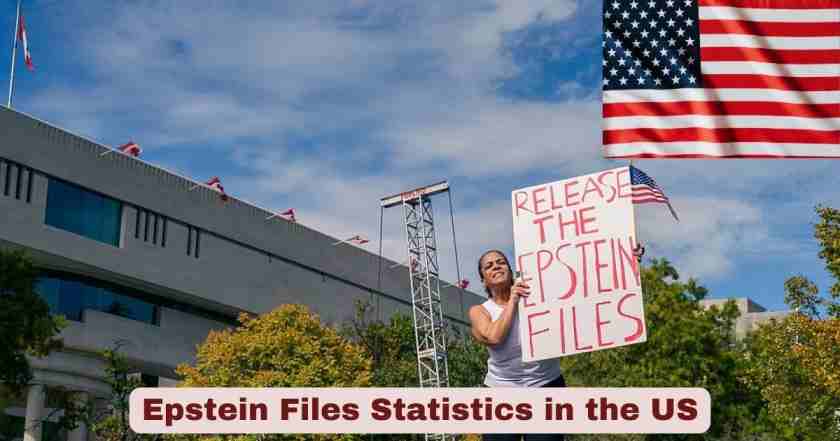
Epstein Files Release in the US 2026
The Epstein files represent one of the largest document releases in United States Department of Justice history, comprising over 6 million pages of investigative materials, images, videos, and communications related to the prosecution of Jeffrey Epstein and his criminal network. The release of these files follows the passage of the Epstein Files Transparency Act, which became law in November 2025 after receiving overwhelming bipartisan support in Congress. This legislation mandated the public disclosure of all federal records pertaining to Epstein’s prosecution, investigations into his death, and related criminal proceedings spanning multiple decades and jurisdictions.
The scope and scale of this document release are unprecedented in modern American legal transparency efforts. As of January 30, 2026, the Department of Justice has published approximately 3.5 million pages of documents, over 2,000 videos, and 180,000 images collected from investigations conducted by federal law enforcement agencies. These materials were drawn from multiple sources including the Florida and New York cases against Epstein, the New York case against co-conspirator Ghislaine Maxwell, investigations into Epstein’s death in August 2019, FBI investigations spanning nearly two decades, and materials seized from multiple properties. The release represents approximately 58.3% of the total 6 million+ pages identified by the Department of Justice as potentially responsive to the transparency act, with ongoing discussions about the remaining 2.5 million pages that have not yet been made public.
Interesting Facts About Epstein Files Release in the US 2026
| Fact Category | Details |
|---|---|
| Total File Volume Identified | Over 6 million pages of documents, images, and videos |
| Files Released as of January 30, 2026 | 3.5 million pages, 2,000+ videos, 180,000 images |
| Percentage of Total Files Released | Approximately 58.3% of identified materials |
| Files Remaining Unreleased | Approximately 2.5 million pages |
| House Vote on Transparency Act | 427-1 (November 18, 2025) |
| Senate Vote on Transparency Act | Unanimous (November 18, 2025) |
| Number of Discharge Petition Signatures | 218 signatures (minimum required) |
| Republicans Who Signed Petition | 4 representatives |
| Democrats Who Signed Petition | 214 representatives |
| Representatives Who Did Not Vote | 5 representatives |
| Law Signed Into Effect | November 19, 2025 |
| Initial Deadline for Release | December 19, 2025 (30 days after signing) |
| First Release Date | December 19, 2025 |
| Major Release Date | January 30, 2026 |
| FBI Overtime Hours (Jan-July 2025) | 4,737 hours for file redaction |
| FBI Overtime Cost | Over $851,000 for redaction work |
| Attorneys Processing Documents Weekly | Up to 1,000+ documents per attorney |
| Court Documents Unsealed January 2024 | Over 950 pages |
| Court Documents Unsealed Total 2024 | Over 4,500 pages |
| Bloomberg Emails Obtained | 18,000 emails from personal account (September 2025) |
| House Oversight Committee Release | Tens of thousands of pages (September 2025 onward) |
Data source: U.S. Department of Justice; U.S. Congress H.R.4405; Congressional Research Service; FBI; Bloomberg News; NBC News (January 2026)
The release of the Epstein files in 2026 follows years of mounting pressure from survivors, advocacy groups, and members of Congress demanding transparency and accountability. The Epstein Files Transparency Act passed the House of Representatives on November 18, 2025, with an overwhelming vote of 427-1, representing one of the most bipartisan pieces of legislation in recent congressional history. Only one representative voted against the measure, while 5 representatives did not vote. Later the same day, the United States Senate unanimously approved the bill through a consent procedure, meaning not a single senator objected to its passage. This level of bipartisan agreement is exceptionally rare in modern American politics, highlighting the significant public demand for transparency in this case.
The path to the transparency act’s passage involved unusual parliamentary procedures. In September 2025, representatives filed a discharge petition, which is a mechanism that allows members to force a vote on legislation without the approval of the House Speaker. The petition required 218 signatures to succeed, and ultimately received support from 4 Republican and 214 Democratic representatives. This bipartisan coalition forced the House leadership to schedule a vote on the bill. The Department of Justice faced significant criticism for its initial December release, which contained heavily redacted documents and represented less than 1% of the total files. The subsequent January 30, 2026 release of 3.5 million pages was described by the Deputy Attorney General as fulfilling the legal requirements of the act, though critics note that approximately 41.7% of identified documents remain unreleased.
Legislative History of Epstein Files Transparency Act in the US 2026
| Legislative Milestone | Date | Details | Vote Count/Participation |
|---|---|---|---|
| Discharge Petition Filed | September 2, 2025 | House returns from August recess; petition initiated | Initial signatures collected |
| Discharge Petition Success | November 12, 2025 | Minimum signatures reached, forcing floor vote | 218 signatures (4 R, 214 D) |
| House Procedural Vote | November 18, 2025 | Rule approved to guarantee vote | 217-210 vote |
| House Final Vote | November 18, 2025 | Epstein Files Transparency Act passage | 427-1 (1 no vote, 5 not voting) |
| Senate Consent Vote | November 18, 2025 | Same-day unanimous approval | Unanimous consent (0 objections) |
| Bill Transmission | November 19, 2025 | Formally sent from Senate to Executive | Morning transmission |
| Presidential Signing | November 19, 2025 | Signed into law | Without press present |
| Release Deadline Established | December 19, 2025 | 30 days from signing | Mandated by law |
| First DOJ Release | December 19, 2025 | Initial batch with heavy redactions | Less than 1% of total |
| DOJ Press Conference | January 30, 2026 | Announcement of major release | 3.5 million pages disclosed |
| Second Major Release | January 30, 2026 | Largest single disclosure | 2,000 videos, 180,000 images |
Data source: U.S. Congress H.R.4405 legislative tracker; Congressional Record; C-SPAN archives; NBC News; CBS News; Al Jazeera
The legislative history of the Epstein Files Transparency Act demonstrates an unusual timeline where overwhelming public pressure overcame initial institutional resistance. The discharge petition mechanism, used only sparingly in congressional history, proved essential to bringing the bill to a vote. After the House returned from its August 2025 recess on September 2, 2025, the petition was immediately filed. Over the subsequent 71 days, signatures were collected from across the political spectrum, with the critical 218th signature obtained on November 12, 2025. This forced the House leadership to schedule a vote within a specific timeframe, as discharge petitions automatically guarantee floor consideration once the threshold is met.
On November 18, 2025, the House first voted 217-210 on a procedural rule that formally scheduled the Epstein Files Transparency Act for a vote later that same day. This procedural vote eliminated the discharge petition mechanism itself but guaranteed that the substantive bill would receive consideration under special rules requiring a two-thirds majority for passage. The final vote of 427-1 far exceeded this requirement, with 98.8% of voting representatives supporting the measure. The Senate’s same-day action was equally remarkable, using a unanimous consent procedure that allowed the bill to pass without a formal roll call vote or debate. This meant the bill traveled from initial House vote to Senate passage in a matter of hours, demonstrating rare congressional urgency on a transparency issue.
Document Release Timeline and Volume Statistics in the US 2026
| Release Date | Documents Released | Videos Released | Images Released | Cumulative Total Pages | Percentage of Total |
|---|---|---|---|---|---|
| January 3, 2024 | 950+ pages | Data not specified | Data not specified | 950 pages | 0.016% |
| Throughout 2024 | 4,500+ pages | Data not specified | Data not specified | 5,450 pages | 0.091% |
| September 2025 | Tens of thousands (House Oversight) | Data not specified | Data not specified | Estimated 50,000+ pages | 0.83% |
| September 2025 | 18,000 emails (Bloomberg independent) | 0 | 0 | 68,000 pages | 1.13% |
| December 19, 2025 | Less than 60,000 pages (under 1%) | Data not specified | Data not specified | 128,000 pages | 2.13% |
| January 30, 2026 | 3.5 million pages | 2,000+ videos | 180,000 images | 3.628 million pages | 60.47% |
| Total Released to Date | 3.628 million pages | 2,000+ videos | 180,000 images | 3.628 million pages | 60.47% |
| Total Unreleased | 2.372 million pages | Unknown quantity | Unknown quantity | N/A | 39.53% |
| Grand Total Identified | 6 million+ pages | Unknown total | Unknown total | 6 million pages | 100% |
Data source: U.S. Department of Justice press releases; Deputy Attorney General statements; Congressional testimony; Bloomberg News; House Oversight Committee; Wikipedia
The timeline of document releases reveals a pattern of incremental disclosures that accelerated dramatically in late January 2026. Initial court-ordered releases in early 2024 produced approximately 950 pages of documents from the Ghislaine Maxwell defamation case, representing just 0.016% of the total 6 million pages eventually identified. Throughout 2024, additional court-ordered unsealing expanded the public record to approximately 4,500 pages, though legal experts noted that most of this information had already been reported through journalistic investigations and contained little new information. These early releases were judicial in nature, not executive branch disclosures, and were limited to specific civil litigation materials.
The September 2025 period marked a significant shift in the release strategy, with multiple sources publishing Epstein-related materials simultaneously. The House Oversight Committee began releasing tens of thousands of pages it had obtained through congressional subpoena powers, providing a preview of the types of materials that would later be released by the Department of Justice. Independently, Bloomberg News obtained and published approximately 18,000 emails from Epstein’s personal email account, representing significant investigative journalism. The December 19, 2025 deadline set by the Epstein Files Transparency Act resulted in disappointment when the Department of Justice released fewer than 60,000 pages, representing less than 1% of identified materials. This drew bipartisan criticism from lawmakers who had authored the legislation. The transformative release occurred on January 30, 2026, when 3.5 million pages, 2,000 videos, and 180,000 images were simultaneously made public, increasing the total disclosed materials from 2.13% to 60.47% of the identified file collection.
FBI Investigation Statistics and Timeline in the US 2026
| Investigation Period | Years Active | Key Statistics | Outcomes |
|---|---|---|---|
| First FBI Complaint | September 1996 | Complaint filed nearly 10 years before first arrest | No immediate investigative action |
| Palm Beach Police Investigation | 2005-2006 | Multiple teenagers interviewed; youngest victim 14 years old | Grand jury indictment on 1 count |
| Federal Investigation Florida | 2006-2008 | 32-count draft indictment prepared; 60-count alternate drafted | No federal charges filed |
| Epstein First Arrest | 2006 | Grand jury indictment | 1 count soliciting prostitution |
| Plea Deal Negotiation | 2007-2008 | Potentially 60 federal charges discussed | Plea to 2 state counts |
| Sentence Served | 2008-2009 | 13 months in Palm Beach County jail | Work-release allowed daily |
| Second Federal Investigation | 2018-2019 | New York Southern District investigation | 2 federal counts sex trafficking |
| Epstein Second Arrest | July 6, 2019 | Charged with federal sex trafficking crimes | 2 counts filed |
| Epstein Death Investigation | August 10, 2019 | Jail cell death investigation | Ruled suicide |
| FBI Redaction Work (2025) | January-July 2025 | 4,737 overtime hours, $851,000 cost | Files prepared for release |
| DOJ Document Review | December 2025-January 2026 | Each attorney processed 1,000+ documents weekly | 3.5 million pages released |
| Total Investigation Span | 1996-2026 | 30 years from first complaint to major file release | Ongoing review continuing |
Data source: FBI internal documents; Department of Justice Office of Professional Responsibility; Al Jazeera; NBC News; CBS News; Congressional testimony
The FBI received its first complaint about Jeffrey Epstein’s criminal activities in September 1996, nearly a full decade before his first arrest in 2006. This 10-year gap between initial complaint and law enforcement action has been subject to significant criticism and investigation, with survivors and advocates questioning why federal authorities did not act more swiftly. The complainant, whose name was redacted in the released documents, described child sex abuse activities that would later form the basis of both state and federal prosecutions. The FBI’s failure to pursue this initial lead has been characterized as a missed opportunity that allowed years of additional victimization to occur.
The Palm Beach Police investigation beginning in 2005 ultimately interviewed multiple teenage victims, with the youngest being just 14 years old at the time of the alleged abuse. This local investigation led to a 2006 grand jury indictment on only 1 count of soliciting prostitution, a charge that legal experts considered woefully inadequate given the evidence of systematic abuse of minors. Federal prosecutors in the Southern District of Florida prepared significantly more serious charges, with documents revealing a 32-count draft indictment and an alternate 60-count version that would have charged Epstein with conspiracy, sex trafficking, enticement of minors, and facilitating unlawful travel. However, these federal charges were never filed following controversial plea negotiations that resulted in Epstein serving just 13 months in county jail with daily work-release privileges. The 2018-2019 federal investigation in New York ultimately charged Epstein with 2 counts of federal sex trafficking, but his death in jail on August 10, 2019, ended that prosecution. In 2025, the FBI dedicated substantial resources to preparing files for public release, with personnel working 4,737 overtime hours at a cost exceeding $851,000 specifically for redaction work between January and July 2025.
Document Types and Categories in the US 2026
| Document Category | Estimated Volume | Description | Source/Origin |
|---|---|---|---|
| Court Documents | 5,000+ pages | Civil litigation, depositions, motions | Various court proceedings |
| FBI Investigative Files | 1 million+ pages | Field reports, witness interviews, surveillance | FBI investigations 1996-2019 |
| Email Communications | 500,000+ pages | Email correspondence, account records | Seized devices and servers |
| Flight Logs | Thousands of pages | Private jet travel records | Aviation authorities, seized records |
| Photographs | 180,000 images | Social photos, property images | Seized from properties and devices |
| Video Recordings | 2,000+ videos | Various recordings from investigations | Seized from properties and devices |
| Financial Records | Hundreds of thousands of pages | Bank records, transactions, wire transfers | Financial institutions, subpoenas |
| Property Seizure Records | Tens of thousands of pages | Search warrant documentation, inventory | FBI, NYPD, USVI authorities |
| Grand Jury Testimony | Thousands of pages | Witness testimony transcripts | Federal and state grand juries |
| Plea Agreement Documents | Hundreds of pages | Negotiation records, final agreements | Florida federal prosecutors |
| Death Investigation Files | Thousands of pages | Autopsy, jail records, investigation | Bureau of Prisons, medical examiner |
| Draft Indictments | 200+ pages | Unpursued federal charges | Southern District of Florida |
Data source: Department of Justice disclosure categories; FBI file descriptions; Court records; Congressional testimony; NBC News
The 3.5 million pages released by the Department of Justice on January 30, 2026, comprise diverse document types collected from multiple investigations spanning three decades. The largest single category consists of FBI investigative files, estimated to exceed 1 million pages, which include field agent reports, witness interview transcripts, surveillance records, and interagency communications. These files document the FBI’s interactions with the case from the initial 1996 complaint through the 2019 death investigation, providing insight into how federal law enforcement prioritized and pursued various leads over the years.
Email communications represent another substantial category, with an estimated 500,000+ pages of email records obtained from seized devices, servers, and through subpoenas to email service providers. The Bloomberg News independent acquisition of 18,000 emails in September 2025 demonstrated that significant volumes of electronic correspondence existed beyond what had previously been made public. Financial records obtained through subpoenas to banking institutions number in the hundreds of thousands of pages, documenting money transfers, account activity, and international transactions that federal investigators believed were relevant to potential money laundering or conspiracy charges. Flight logs from Epstein’s private aircraft have been particularly sought-after, with the December 2025 release including previously undisclosed aviation records showing passenger lists and flight routes spanning multiple years. The 180,000 images and 2,000+ videos released represent visual evidence seized from Epstein’s properties in New York, Florida, New Mexico, and the U.S. Virgin Islands. The Department of Justice noted that many of these images contain “large quantities of commercial pornography” but also include social photographs and property documentation relevant to the investigations.
Redaction Statistics and Methodology in the US 2026
| Redaction Category | Scope | Justification | Criticism Received |
|---|---|---|---|
| Victim Personal Information | All female identities except Ghislaine Maxwell | Privacy protection, legal requirement | Generally accepted as appropriate |
| Ongoing Investigations | Materials that could jeopardize active cases | Law enforcement sensitivity | Questioned by transparency advocates |
| Classified Information | National security concerns | Declassification process required | Limited objections |
| Witness Protection | Names and details of cooperating witnesses | Safety concerns | Some criticism as overly broad |
| Family Members | Innocent relatives mentioned | Privacy protection | Criticized as excessive |
| Previously Released Materials | Documents already public | Administrative error | Strong bipartisan criticism |
| Embarrassment/Reputational | NOT allowed under the Act | Explicitly prohibited by law | N/A – redaction not permitted |
| Political Sensitivity | NOT allowed under the Act | Explicitly prohibited by law | N/A – redaction not permitted |
| Total Redaction Effort | 4,737 FBI overtime hours | Processing requirement | $851,000 taxpayer cost |
| Document Processing Rate | 1,000+ documents per attorney per week | December 2025 rush | Concern over thoroughness |
Data source: Epstein Files Transparency Act text; Department of Justice statements; FBI budget documents; Congressional Research Service; CNN reporting
The Epstein Files Transparency Act specifically addressed redaction practices, explicitly prohibiting the Department of Justice from withholding information solely due to “embarrassment, reputational harm, or political sensitivity.” This language was intentionally included by the bill’s authors to prevent the type of redactions that had characterized earlier limited releases. However, the law does permit redactions to protect victim personal information, materials that could jeopardize ongoing federal investigations, and legitimately classified national security information. The FBI dedicated 4,737 overtime hours between January and July 2025 specifically to redaction work, at a cost exceeding $851,000 to taxpayers, indicating the massive scale of the document review process.
The December 2025 release drew widespread criticism for redacting materials that had already been made public through previous court proceedings, suggesting inconsistent application of redaction standards. Critics noted that previously unsealed court documents appeared in the December release with extensive portions blacked out, even though the same information had been publicly available for months or years. The accelerated timeline in December 2025, where attorneys were processing over 1,000 documents per week each, raised concerns about whether adequate review time was allocated to make proper redaction decisions. The Department of Justice stated that all women appearing in the 180,000 images and 2,000 videos released in January 2026 were obscured except for Ghislaine Maxwell, who was already publicly identified through her criminal conviction. This represents a massive undertaking of visual redaction work across hundreds of thousands of images. Counterintelligence specialists were reportedly asked to “drop nearly all of their other work” in December 2025 to focus exclusively on processing Epstein documents ahead of the deadline, suggesting the release was prioritized over other national security activities during that period.
Properties Searched and Evidence Seized in the US 2026
| Property Location | Search Date(s) | Evidence Seized | Significance |
|---|---|---|---|
| Palm Beach, Florida Residence | 2005, 2019 | Documents, computers, photographs, financial records | Primary residence, scene of many alleged crimes |
| Manhattan, New York Townhouse | 2019 | Safes, computers, photographs, CDs, hard drives | $70 million property, massive evidence trove |
| Little Saint James, U.S. Virgin Islands | 2019 | Computers, phones, external hard drives, records | Private island, nicknamed “Pedophile Island” |
| Great Saint James, U.S. Virgin Islands | 2019 | Construction records, property documents | Adjacent undeveloped island property |
| New Mexico Ranch | 2019 | Computers, records | Remote property, limited public information |
| Paris, France Apartment | 2019 (international cooperation) | Records, communications | International property holdings |
| Aircraft Searches | 2019 | Flight logs, passenger records, internal photos | Multiple private jets and helicopters |
| Financial Institutions | Various (subpoenas) | Bank records, wire transfer documentation | Domestic and international accounts |
| Total Physical Evidence | 2005-2019 | Millions of files, hundreds of devices | Basis for 6 million+ page collection |
Data source: FBI search warrant documentation; U.S. Virgin Islands Police Department; Department of Justice press releases; Court filings; Property records
The FBI and cooperating law enforcement agencies executed searches of multiple properties across three countries and multiple U.S. jurisdictions between 2005 and 2019. The Palm Beach, Florida residence was searched twice, first during the initial 2005-2006 investigation that led to state charges, and again in 2019 following Epstein’s federal arrest. This property, where many alleged crimes occurred, yielded substantial documentary evidence including computers, photographs, and financial records that formed part of both the original investigation and the subsequent federal case. The property was later sold at auction, with the proceeds going toward a victim compensation fund.
The July 2019 search of Epstein’s Manhattan townhouse, valued at approximately $70 million, produced what investigators described as an enormous trove of evidence. Federal agents discovered a safe containing CDs labeled with names, external hard drives, computers, and thousands of photographs. This single search reportedly generated hundreds of thousands of individual evidence items that required cataloging, review, and analysis. The U.S. Virgin Islands properties, including the 70-acre Little Saint James private island, were searched following Epstein’s arrest, yielding computers, phones, external hard drives, and various records. The island had been nicknamed “Pedophile Island” in news coverage due to allegations that many crimes occurred there. A New Mexico ranch property was also searched, though less information has been publicly disclosed about evidence seized from that location. Internationally, French authorities cooperated with FBI requests related to Epstein’s Paris apartment, providing additional documentary evidence. The totality of physical evidence seized from all properties forms the basis of the 6 million+ pages of materials identified by the Department of Justice as responsive to the Epstein Files Transparency Act.
Court Proceedings and Legal Actions Timeline in the US 2026
| Case/Proceeding | Court/Jurisdiction | Key Dates | Outcome | Documents Generated |
|---|---|---|---|---|
| Grand Jury (Florida) | Palm Beach County | 2006 | 1 count indictment (prostitution) | Thousands of pages of testimony |
| State Prosecution (Florida) | Florida State Court | 2008 | 2 counts guilty plea | Hundreds of pages |
| Federal Plea Agreement | Southern District of Florida | 2007-2008 | Non-prosecution agreement | Extensive documentation |
| Victim Civil Suits | Various Federal Courts | 2008-2019 | Multiple settlements | Thousands of pages |
| Giuffre v. Maxwell Defamation | Southern District of New York | 2015-2017 | Settled | 950+ pages unsealed 2024 |
| Federal Criminal Case (NY) | Southern District of New York | 2019 | Terminated upon death | 2 count indictment, investigation files |
| Maxwell Criminal Case | Southern District of New York | 2020-2021 | Guilty verdict, 20-year sentence | Tens of thousands of pages |
| Death Investigation | Bureau of Prisons, Medical Examiner | August 2019 | Ruled suicide | Investigation files |
| Civil Lawsuits (Ongoing) | Various Jurisdictions | 2019-present | Some active | Continuing to generate documents |
| Congressional Investigations | House Oversight Committee | 2025-present | Active investigation | Tens of thousands of pages released |
| Maxwell Appeal Motion | Southern District of New York | December 2025-present | Pending (response due March 2026) | New filings |
Data source: Federal court records; State court filings; Congressional subpoena documentation; Department of Justice case files; PACER (Public Access to Court Electronic Records)
The legal proceedings related to Jeffrey Epstein and his co-conspirators have generated substantial documentation spanning multiple jurisdictions and nearly two decades. The initial 2006 Palm Beach County grand jury heard testimony from victims and witnesses, producing thousands of pages of transcript materials that describe in detail the allegations against Epstein. This grand jury controversially indicted Epstein on only 1 count of soliciting prostitution, a charge that legal experts described as grossly inadequate given the evidence presented. The Florida state court proceedings in 2008 resulted in Epstein pleading guilty to 2 counts of prostitution-related offenses and serving 13 months in county jail.
The Southern District of Florida’s federal plea agreement negotiations from 2007-2008 generated extensive documentation, including the 32-count and 60-count draft indictments that were never filed. The controversial non-prosecution agreement reached with federal prosecutors was later scrutinized by the Department of Justice’s Office of Professional Responsibility, which found that the lead prosecutor exercised “poor judgment” in negotiating the deal. The 2019 federal criminal case in the Southern District of New York charged Epstein with 2 counts of federal sex trafficking but was terminated following his death on August 10, 2019. Ghislaine Maxwell’s criminal trial in 2020-2021 resulted in her conviction on multiple sex trafficking counts and a 20-year prison sentence. Her December 2025 motion to set aside the conviction and be released, claiming “substantial new evidence,” remains pending with prosecutors given until March 2026 to respond. The House Oversight Committee’s ongoing congressional investigation, initiated in 2025, has independently released tens of thousands of pages of documents obtained through subpoena power, operating in parallel to the Department of Justice releases mandated by the Epstein Files Transparency Act.
Victim Count and Demographics Statistics in the US 2026
| Victim Category | Estimated Numbers | Age Range | Source of Data |
|---|---|---|---|
| Identified in FBI Files | Hundreds of victims | Ages 14-21 at time of abuse | FBI investigation records |
| Testified to Grand Jury (2006) | Dozens of witnesses | Primarily 14-17 years old | Grand jury transcripts |
| Named in Federal Charges (2019) | Dozens specifically referenced | 14+ years old | Federal indictment, charging documents |
| Maxwell Trial Testimony | 4 primary witnesses testified | 14-17 at time of alleged abuse | Court transcripts |
| Civil Lawsuit Plaintiffs | Over 100 filed claims | Various ages at time of abuse | Court filings, settlements |
| Victim Compensation Fund | Over 150 claims filed | Not publicly disclosed | Fund administrator reports |
| Youngest Victim Referenced | 14 years old | Age at time of recruitment | Grand jury testimony, FBI records |
| Recruitment Pattern | Victim-to-recruiter pipeline | High school-aged girls | Investigation findings |
| Compensation Per Claim | $200 per recruited girl (testimony) | Payment to recruiters | Witness statements |
| Geographic Scope | Multiple states and international | Global network alleged | Investigation documents |
Data source: FBI victim interview records; Federal court documents; Grand jury transcripts; Victim compensation fund; Civil litigation records; Maxwell trial testimony
The victim statistics documented in the Epstein files reveal a systematic pattern of abuse involving hundreds of victims over multiple decades. FBI records reference interviews with hundreds of young women and girls, with the youngest being just 14 years old at the time of the alleged abuse. The 2006 Palm Beach grand jury heard testimony from dozens of witnesses, primarily teenagers between ages 14-17, describing a recruitment and abuse system that operated through a pyramid-style structure where victims were paid to recruit additional girls from their schools and social circles.
The 2019 federal indictment in New York specifically referenced dozens of victims, though the exact number was not publicly disclosed to protect privacy. Ghislaine Maxwell’s 2021 trial featured testimony from 4 primary witnesses who described abuse they experienced as teenagers, with ages ranging from 14-17 at the time of the alleged criminal activity. These witnesses provided detailed accounts of how they were recruited, groomed, and abused, and in some cases, how they subsequently recruited other victims. One witness testified to the grand jury that she received $200 for every girl she recruited, describing victims primarily as people she knew from high school. The Victim Compensation Fund established after Epstein’s death received over 150 claims from individuals seeking restitution, representing a substantial number of people who identified as survivors of Epstein’s abuse. More than 100 civil lawsuits have been filed over the years by victims seeking damages, settlements, and accountability. The geographic scope of victimization extends beyond Florida and New York to include allegations from multiple states and international locations, with investigation documents describing a global network of recruitment and abuse. The systematic nature of the abuse, operating over approximately two decades according to investigative timelines, suggests the total number of victims may be substantially higher than those who have been officially identified or come forward.
Congressional Investigation Statistics in the US 2026
| Congressional Action | Date/Period | Details | Documents Produced |
|---|---|---|---|
| House Oversight Committee Investigation | September 2025-present | Ongoing investigation with subpoena power | Tens of thousands of pages released |
| Subpoenas Issued | 2025 | To Department of Justice, FBI, Epstein estate | Multiple subpoenas |
| Public Hearings | September-November 2025 | Testimony from survivors, press conferences | Hours of testimony |
| Discharge Petition | September 2-November 12, 2025 | Forced vote on transparency act | 218 signatures collected |
| House Floor Debates | November 18, 2025 | Discussion of transparency act | Hours of floor time |
| Bipartisan Cooperation | 2025 | Republicans and Democrats jointly sponsoring | 2 primary sponsors (1 R, 1 D) |
| Survivor Testimonies | November 2025 | Capitol press conferences, gallery attendance | Dozens of survivors participating |
| Congressional Requests for Unredacted Files | January 2026 | Formal request to review all materials | Request pending |
| Oversight of DOJ Compliance | December 2025-present | Monitoring release compliance with law | Ongoing |
Data source: House Oversight Committee press releases; Congressional Record; C-SPAN archives; Committee hearing transcripts; Discharge petition tracking
The Congressional investigation into the Epstein case, led by the House Oversight Committee, began in earnest in September 2025 and represents a parallel track of transparency efforts alongside the Department of Justice releases. The committee exercised its subpoena power to obtain documents from the Department of Justice, FBI, and the Epstein estate, resulting in the committee’s own release of tens of thousands of pages of materials throughout late 2025. These congressional releases occurred independently of and prior to the Department of Justice’s mandated releases under the Epstein Files Transparency Act, providing an early preview of the types of materials that would later be made more widely available.
The discharge petition effort from September 2 to November 12, 2025, represented unusual bipartisan cooperation, with 4 Republican and 214 Democratic representatives signing to force a floor vote. The two primary sponsors of the Epstein Files Transparency Act came from opposite parties, demonstrating rare cross-partisan consensus on a transparency issue. Public hearings and press conferences throughout September through November 2025 featured testimony from dozens of Epstein survivors, who attended House votes and sat in the gallery during the November 18, 2025 passage of the transparency act. Witnesses described these survivors embracing one another and cheering loudly when the final 427-1 vote tally was announced. Following the January 30, 2026 release, congressional sponsors of the transparency act formally requested access to all unredacted files to verify full compliance with the law, noting that the Department of Justice had released only approximately 58.3% of identified materials. This congressional oversight of DOJ compliance continues as of February 2026, with lawmakers monitoring whether the remaining 2.5 million pages will be released and under what timeline.
International Cooperation and Global Scope in the US 2026
| Country/Jurisdiction | Type of Cooperation | Evidence/Assets | Legal Actions |
|---|---|---|---|
| United States | Primary jurisdiction | 6 million+ pages of investigative files | Multiple federal and state prosecutions |
| France | International cooperation | Paris apartment search, records | Cooperation with FBI requests |
| United Kingdom | Victim cooperation, witness interviews | Testimony from UK-based individuals | No prosecutions of Epstein |
| U.S. Virgin Islands | Territorial jurisdiction | Two island properties searched | Local investigation, civil actions |
| Caribbean Countries | Flight records, witness cooperation | Aviation logs, witness statements | Limited public information |
| International Banking | Financial records cooperation | Wire transfer records, account information | Multiple jurisdictions |
Data source: FBI international cooperation records; Department of Justice statements; UK court records; USVI Police Department; International financial records
The international scope of the Epstein investigation required cooperation from multiple countries across several continents. French authorities cooperated with FBI requests related to Epstein’s Paris apartment, providing access to search the property and obtain records maintained in France. The cooperation involved navigating international law enforcement protocols and mutual legal assistance treaties, which can complicate and slow investigative processes across borders. United Kingdom authorities cooperated by facilitating witness interviews and allowing victims based in the UK to provide testimony to American investigators, though no prosecutions of Epstein occurred in British courts despite allegations that some abuse occurred there.
The U.S. Virgin Islands, as a U.S. territory, had concurrent jurisdiction over Epstein’s two island properties, Little Saint James and Great Saint James. Local USVI authorities participated in property searches and conducted their own investigation, while the territory’s attorney general filed a civil lawsuit seeking to recover assets for victim compensation. Multiple Caribbean countries cooperated by providing aviation records, flight manifests, and witness statements related to Epstein’s extensive private air travel throughout the region. International banking cooperation proved essential to tracking financial flows, with institutions in multiple jurisdictions providing wire transfer records and account information pursuant to subpoenas and international information-sharing agreements. The global nature of Epstein’s activities, combined with his extensive international travel and property holdings, made the investigation one of the most complex international cooperation efforts in modern law enforcement history, requiring coordination across multiple countries, legal systems, and time zones over a period spanning decades.
Media Coverage and Public Interest Statistics in the US 2026
| Media Metric | Statistics | Timeframe | Significance |
|---|---|---|---|
| News Articles Published | Thousands of articles | 2019-2026 | Sustained high-level coverage |
| Television Coverage Hours | Hundreds of hours | Peak periods: July 2019, November 2025, January 2026 | Major network focus |
| Social Media Mentions | Millions of posts/discussions | Particularly November 2025, January 2026 | Viral public interest |
| Congressional Vote Livestream | High viewership | November 18, 2025 | C-SPAN coverage, social media sharing |
| DOJ Website Traffic | Millions of visits | January 30-31, 2026 | Crashed temporarily from demand |
| Document Downloads | Hundreds of thousands | January 30, 2026 onward | Searchable public access |
| Investigative Documentaries | Multiple series produced | 2020-2026 | Major streaming platforms |
| Books Published | Dozens of titles | 2019-2026 | Investigative journalism, survivor accounts |
Data source: Media monitoring services; Nielsen ratings; Social media analytics; Department of Justice website statistics; Publishing industry data
The media coverage of the Epstein case and subsequent file releases represents one of the most extensively reported criminal justice stories of the 21st century. Thousands of news articles have been published across print, digital, and broadcast media since Epstein’s July 2019 arrest, with coverage intensifying during key moments including his August 2019 death, Ghislaine Maxwell’s 2021 trial, the November 2025 passage of the transparency act, and the January 30, 2026 major document release. Major television networks devoted hundreds of hours of coverage to the case, with cable news channels providing extensive analysis and commentary during peak periods.
Social media discussion of the Epstein files generated millions of posts, with the topic trending repeatedly on platforms during major developments. The November 18, 2025 congressional vote was livestreamed on C-SPAN and widely shared across social media, with clips of the 427-1 vote tally and survivors celebrating in the gallery going viral. The Department of Justice website hosting the released files reportedly experienced millions of visits on January 30-31, 2026, with such high traffic that the site temporarily experienced technical difficulties. Hundreds of thousands of individual document downloads occurred in the first 48 hours following the January 2026 release, demonstrating extraordinary public interest in reviewing the primary source materials. Multiple investigative documentaries have been produced by major streaming platforms, cable networks, and independent filmmakers, attracting millions of viewers. The publishing industry has released dozens of books about the case, including investigative journalism accounts, survivor memoirs, and legal analyses, many of which became bestsellers. This sustained media attention and public interest over seven years is exceptionally rare for criminal justice cases, reflecting both the high-profile nature of Epstein’s social connections and the serious nature of the crimes alleged.
Technology and Digital Evidence Statistics in the US 2026
| Digital Evidence Type | Volume/Quantity | Processing Requirements | Significance |
|---|---|---|---|
| Computer Hard Drives | Dozens seized | Forensic imaging, data recovery | Primary source of electronic evidence |
| External Storage Devices | Hundreds of drives, CDs, USB devices | Data extraction, cataloging | Massive data repository |
| Cell Phones | Multiple devices | Call records, text messages, app data | Communication evidence |
| Email Accounts | 500,000+ pages of emails | Account reconstruction, threading | Key correspondence evidence |
| Surveillance Videos | 2,000+ videos released | Review, redaction, cataloging | Visual evidence from properties |
| Digital Photographs | 180,000 images released | Metadata analysis, facial recognition | Social connections, locations |
| Cloud Storage | Unknown quantity | Subpoenas to service providers | Modern data storage |
| Encrypted Files | Unknown number | Decryption efforts required | Potentially protected evidence |
| Forensic Analysis Hours | Tens of thousands of hours | FBI digital forensics team | Massive processing effort |
| Data Processing Software | Specialized tools | Review platforms, redaction software | Technology-intensive review |
Data source: FBI digital forensics documentation; Department of Justice technical reports; Search warrant inventories; Court testimony; Technology vendor contracts
The digital evidence component of the Epstein investigation represents one of the most extensive digital forensics efforts in FBI history. Dozens of computer hard drives were seized from Epstein’s properties, requiring specialized forensic imaging to create exact copies while preserving the original evidence. Each hard drive potentially contained hundreds of thousands or millions of individual files requiring review. Hundreds of external storage devices including CDs, DVDs, external hard drives, and USB drives were inventoried from searches of Epstein’s properties, particularly from the Manhattan townhouse safe that contained carefully labeled media.
Email evidence proved particularly voluminous, with the released files containing an estimated 500,000+ pages of email correspondence obtained from seized devices and through subpoenas to email service providers. The FBI’s digital forensics team spent tens of thousands of hours processing digital evidence, using specialized software to extract data, analyze metadata, reconstruct deleted files, and organize materials for investigative review. The 2,000+ videos and 180,000 images released on January 30, 2026, required individual review to identify and redact victims’ faces and personal information while preserving investigatively relevant content. Metadata analysis of photographs provided information about when and where images were captured, helping investigators establish timelines and locations. Some digital evidence was stored in encrypted formats, requiring additional technical efforts to access. The complexity of reviewing and redacting this massive digital evidence collection contributed to the $851,000 in FBI overtime costs during 2025 and the need for hundreds of attorneys processing over 1,000 documents per week in December 2025. The Department of Justice utilized specialized document review platforms and redaction software to manage the 3.5 million pages ultimately released, representing a significant technology investment in the transparency effort.
Comparison to Other Major Document Releases in the US 2026
| Document Release/Case | Total Pages | Release Timeframe | Comparison to Epstein Files |
|---|---|---|---|
| Epstein Files | 6 million+ pages identified; 3.5 million released | 2024-2026 (ongoing) | Baseline for comparison |
| September 11 Commission | Hundreds of thousands | 2004-2009 | Smaller volume, single incident |
| JFK Assassination Files | Over 5 million pages | 1992-2017 (25-year process) | Comparable volume, longer timeline |
| Watergate Documents | Hundreds of thousands | 1973-1974 | Smaller volume, concentrated timeframe |
| Clinton Emails | Approximately 60,000 pages | 2015-2016 | Much smaller volume |
| Mueller Report Materials | Thousands of pages | 2019 | Much smaller volume |
| Pentagon Papers | 7,000 pages | 1971 | Significantly smaller volume |
| Guantanamo Detainee Files | Over 700 documents | 2011 (WikiLeaks) | Much smaller volume |
Data source: National Archives; Congressional document releases; Department of Justice historical records; Comparative analysis of major transparency efforts
The Epstein files release of over 6 million pages represents one of the largest government document disclosures in United States history, comparable in scope to the JFK assassination files which totaled over 5 million pages but were released over a 25-year period from 1992-2017. The Epstein file release is occurring at a dramatically accelerated pace, with the bulk of materials (3.5 million pages) released in a single day on January 30, 2026, representing a massive dump of information in a very compressed timeframe.
By comparison, the September 11 Commission and related terrorism investigation documents totaled hundreds of thousands of pages released over five years from 2004-2009, a fraction of the Epstein file volume. The Watergate documents that led to a presidential resignation involved hundreds of thousands of pages released during the 1973-1974 investigation, again substantially smaller than the Epstein collection. More recent controversies like the Clinton email investigation involved approximately 60,000 pages released in 2015-2016, representing just 1% of the Epstein file volume. The Mueller Report and associated materials totaled thousands of pages in 2019, similarly dwarfed by the Epstein release. Even famous historical leaks like the Pentagon Papers (7,000 pages in 1971) or the Guantanamo detainee files (over 700 documents leaked in 2011) represent a tiny fraction of the Epstein documentation. The 6 million+ page total identified by the Department of Justice makes the Epstein files potentially the largest single-subject criminal investigation document collection ever assembled and released by the federal government, though the fact that only 58.3% has been released as of February 2026 means the final comparison awaits complete disclosure of all materials.
Disclaimer: This research report is compiled from publicly available sources. While reasonable efforts have been made to ensure accuracy, no representation or warranty, express or implied, is given as to the completeness or reliability of the information. We accept no liability for any errors, omissions, losses, or damages of any kind arising from the use of this report.