
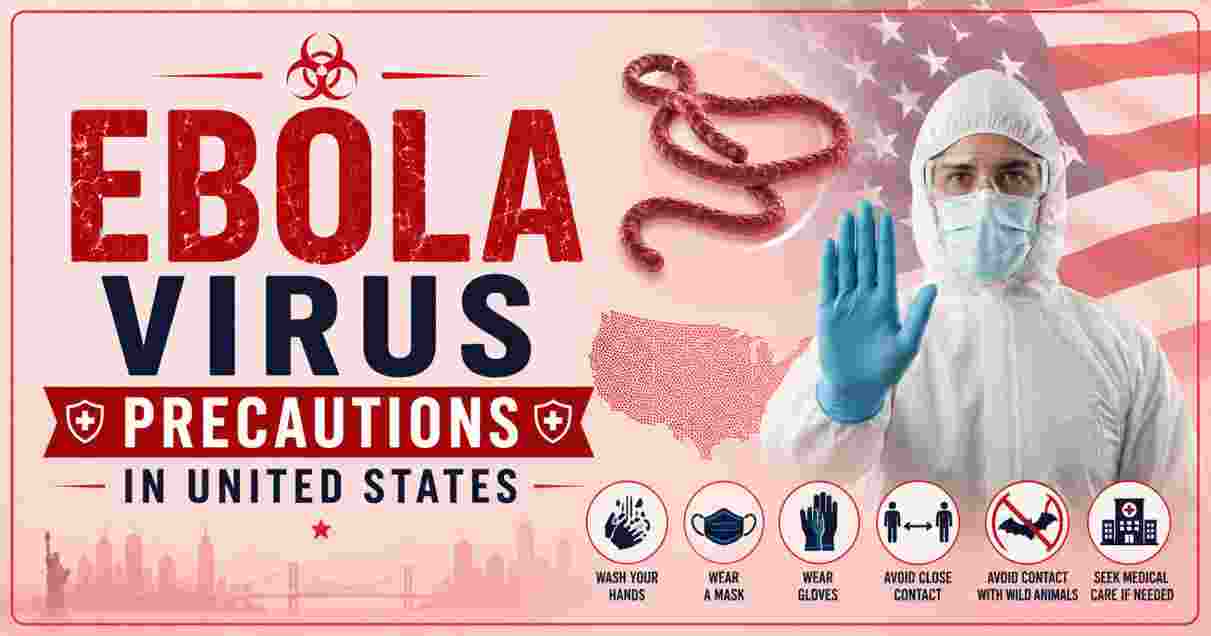
Ebola in the United States 2026: What Is Being Done — and Why It Matters Right Now
On May 17, 2026, the World Health Organization declared the Ebola Bundibugyo outbreak in the Democratic Republic of the Congo (DRC) and Uganda a Public Health Emergency of International Concern (PHEIC). Within 24 hours, on May 18, 2026, the US Centers for Disease Control and Prevention (CDC) and the Department of Homeland Security (DHS) implemented the most sweeping travel and entry restrictions since the COVID-19 pandemic — invoking Title 42 of the Public Health Service Act to restrict entry from affected countries, a measure used only twice in modern US history. An American medical missionary, Dr. Peter Stafford, tested positive for the Bundibugyo strain on May 17 while working in Bunia, DRC — the first confirmed American case tied to this outbreak. US officials began moving seven affected Americans from DRC to Germany for medical care and quarantine. As of May 19, 2026, the CDC has confirmed zero cases in the United States from this outbreak, and assesses the immediate risk to the American public as “extremely low” — but the precautionary infrastructure being activated right now is the most extensive Ebola response posture the US has adopted since 2014, and understanding exactly what is in place, how it works, and what it means for Americans at home and abroad is the purpose of this article.
The outbreak driving these measures is caused by the Bundibugyo virus — one of six species of Orthoebolavirus but one for which no approved vaccine exists and no strain-specific therapeutics are available, unlike the better-known Zaire strain for which vaccines and monoclonal antibody treatments were developed after the catastrophic 2014–2016 West Africa epidemic. The DRC has recorded 10 laboratory-confirmed cases, 336 suspected cases, and 88 suspected deaths as of the latest CDC update on May 18–19, 2026, spread across 9 health zones in Ituri Province. Uganda has confirmed 2 laboratory cases including 1 death in Kampala. Cases have been identified in Goma — a major transit hub — and in Kinshasa, the DRC capital. The international spread has already occurred; the question is whether the US precautionary architecture can prevent it from reaching American soil. Every section below is built from verified primary source data from the CDC, State Department, WHO, and official US government documents released between May 15 and May 19, 2026.
Interesting Facts: Ebola Virus Precautions in the United States 2026
US EBOLA PRECAUTIONS 2026 — VERIFIED SNAPSHOT (MAY 19, 2026)
══════════════════════════════════════════════════════════════════
  US confirmed cases (this outbreak)   ░░░░░░░░░░░░░░░░░░░░  0 (as of May 18)
  US Americans positive (DRC)          ████░░░░░░░░░░░░░░░░  1 (Dr. Peter Stafford)
  Americans being evacuated (DRC→GER)  ████░░░░░░░░░░░░░░░░  7
  Title 42 order activated             ████████████████████  May 18, 2026 (30-day)
  Travel advisory level — DRC          ████████████████████  Level 4 (DO NOT TRAVEL)
  Travel advisory level — Uganda       ████████████████████  Level 4 (DO NOT TRAVEL)
  Entry ban — non-US passport holders  ████████████████████  DRC + Uganda + S. Sudan (21 days)
  US Lab Response Network labs         ████████████████████  41 nationwide
══════════════════════════════════════════════════════════════════
| Fact | Data (Verified — May 18–19, 2026) |
|---|---|
| US confirmed Ebola cases (current outbreak) | 0 confirmed in the United States — CDC, May 18, 2026 |
| American testing positive for Ebola (in DRC) | 1 — Dr. Peter Stafford, medical missionary; tested positive May 17 |
| Americans under monitoring (DRC) | Dr. Rebekah Stafford + another physician + 4 children |
| Americans being evacuated (DRC → Germany) | 7 people — State Dept. / CDC coordinated move |
| Title 42 order invoked | May 18, 2026 — restricts entry for 30 days initially |
| Prior Title 42 uses in modern era | Only 2 times total — COVID-19 (March 2020–May 2023) and this outbreak |
| US travel advisory — DRC | Level 4 — DO NOT TRAVEL (most severe; includes all US citizens and permanent residents) |
| US travel advisory — Uganda | Level 4 — DO NOT TRAVEL |
| US travel advisory — South Sudan | Level 4 — DO NOT TRAVEL |
| Entry restrictions — who is affected | Non-US passport holders who have been in DRC, Uganda, or South Sudan in previous 21 days |
| CDC Travel Health Notice — DRC (May 15, 2026) | Level 3 (initial); upgraded to Level 4 / Do Not Travel May 18 |
| CDC Travel Health Notice — Uganda (May 15, 2026) | Level 1 initially; upgraded May 18 |
| US CDC laboratory response capacity | 41 Laboratory Response Network public health laboratories nationwide |
| State Department Ebola Response Task Force | Activated within hours of case confirmation — May 17, 2026 |
| DART deployed to DRC | Yes — Disaster Assistance Response Team |
| US funding — Ebola Response Clinics | Funding up to 50 Ebola response clinics in affected countries |
| WHO PHEIC declared | May 17, 2026 — does NOT meet pandemic criteria |
| US withdrawal from WHO (context) | US withdrew under Trump administration earlier in 2026 — StatNews notes potential intelligence access implications |
Source: CDC — Ebola Disease: Current Situation (May 18, 2026, cdc.gov/ebola); CDC Statement on Title 42 Order (May 18, 2026); CDC HAN Health Advisory HAN00530 (May 18, 2026); US Department of State — Ebola Response Update (May 19, 2026); CNN — American infected with Ebola in DRC (May 18, 2026); Brown University ISSS — Travel Restrictions Relating to Ebola (May 18, 2026); Vaccine Advisor / Drugs.com — Ebola Outbreaks in Africa Trigger US Travel Warnings (May 18, 2026)
Two data points from this table define the US situation as of today. The first: zero confirmed Ebola cases in the United States from this outbreak. The second: the full suite of Level 4 travel advisories, Title 42 entry restrictions, and hospital preparedness activation triggered simultaneously in response to an outbreak that is currently thousands of miles away. The gap between those two facts is the story of the US public health precautionary infrastructure in action — and it is far more extensive in 2026 than it was in 2014, when Thomas Eric Duncan became the first person to be diagnosed with Ebola on US soil after travelling from Liberia, and the response was widely criticised as improvised and insufficient. The 41 Laboratory Response Network laboratories now positioned across the country, the pre-positioned emergency PPE stockpiles already being shipped to DRC, and the Ebola Response Task Force activated within hours of confirmation all reflect investments made in preparedness following the hard lessons of 2014. Whether those investments are sufficient for a Bundibugyo strain for which no vaccine exists — and which has already reached two countries outside its initial hotspot within 72 hours of confirmation — is the question the next several weeks will answer.
1. The Current Outbreak — What the United States Is Responding To
BUNDIBUGYO EBOLA OUTBREAK — CASE COUNT (LATEST AS OF MAY 18–19, 2026)
═══════════════════════════════════════════════════════════════════════
  DRC — confirmed lab cases    ████░░░░░░░░░░░░░░░░  10 confirmed
  DRC — suspected cases        ████████████████████  336 suspected (rapidly rising)
  DRC — deaths                 ███████████░░░░░░░░░  88 suspected deaths
  DRC — health zones affected  ████████░░░░░░░░░░░░  9 zones in Ituri Province
  Uganda — confirmed cases     █░░░░░░░░░░░░░░░░░░░  2 confirmed (Kampala)
  Uganda — deaths              █░░░░░░░░░░░░░░░░░░░  1 death
  American positive (DRC)      █░░░░░░░░░░░░░░░░░░░  1 confirmed case
  WHO status                   ████████████████████  PHEIC (declared May 17, 2026)
═══════════════════════════════════════════════════════════════════════
| Outbreak Metric | Data (May 18–19, 2026) |
|---|---|
| Strain | Bundibugyo virus (BVD) — species Orthoebolavirus bundibugyoense |
| Primary country | Democratic Republic of Congo (DRC) — Ituri Province |
| DRC confirmed laboratory cases | 10 (8 as of May 16; rising rapidly) |
| DRC suspected cases | 336 (246 as of May 16; 10 new in 24 hours) |
| DRC suspected deaths | 88 (80 as of May 16) |
| Health zones affected (DRC) | 9 in Ituri Province including Bunia, Rwampara, Mongbwalu |
| Index case (DRC) | A nurse who died at the Evangelical Medical Centre in Bunia |
| Sample positivity rate | 8 positive among 13 samples — high; suggests much larger outbreak |
| Secondary spread within DRC | Cases in Goma (major transit hub) and Kinshasa (capital) confirmed |
| Uganda confirmed cases | 2 laboratory-confirmed — both traveled from DRC; no apparent link to each other |
| Uganda deaths | 1 death in Kampala |
| American confirmed case | Dr. Peter Stafford, medical missionary — positive May 17; being evacuated |
| WHO status | PHEIC — Public Health Emergency of International Concern (May 17, 2026) |
| Pandemic status | Does NOT meet pandemic criteria — WHO |
| This outbreak’s number in DRC history | 17th Ebola outbreak in DRC since 1976 |
| Previous DRC outbreak | 16th outbreak — ended November 2025 (45 deaths in Kasai Province) |
| Bundibugyo case fatality rate | 25%–50% (MSF / CDC / WHO) — lower than Zaire strain (25%–90%) |
| Vaccine available for Bundibugyo | NONE — no approved vaccine or specific therapeutics |
Source: CDC HAN Health Advisory HAN00530 (May 18, 2026); CDC — Ebola Current Situation (May 18, 2026); WHO PHEIC Declaration (May 17, 2026); CNN — What we know about the latest Ebola outbreak (May 17, 2026, citing WHO); CNN — New Ebola outbreak in remote Congo province kills 80 (May 15, 2026)
The Bundibugyo strain is the critical clinical and logistical differentiator in this outbreak. Both approved treatments for Ebola — Inmazeb (atoltivimab/maftivimab/odesivimab) and Ebanga (ansuvimab-zykl), the monoclonal antibody therapies that transformed Zaire strain outcomes during the 2018–2020 DRC epidemic — are strain-specific and have no proven efficacy against Bundibugyo virus. Treatment in 2026 consists of supportive care: IV fluids, electrolyte management, oxygen, blood pressure support, and management of secondary infections. This places the current outbreak medically in a similar position to Ebola response before the vaccine and therapeutic advances of 2016 onward. The 8 positive samples out of 13 tested — a 62% positivity rate — is the number that alarmed WHO and prompted the PHEIC declaration before the case count had even reached double digits. A positivity rate that high typically indicates a far larger outbreak is silently circulating in the community than official counts reflect, which is exactly what WHO’s May 17 statement explicitly acknowledged when it warned the outbreak could be “potentially much larger than what is currently being detected.”
2. US Government Response — Travel Restrictions & Entry Measures 2026
US ENTRY RESTRICTIONS & TRAVEL MEASURES (EFFECTIVE MAY 18, 2026)
══════════════════════════════════════════════════════════════════════
  Title 42 Order             ████████████████████  Active — 30 days from May 18
  Countries covered          ████████████████████  DRC, Uganda, South Sudan (21-day lookback)
  Who is restricted          █████████████████░░░  Non-US passport holders (all nationalities)
  Who is NOT restricted      ████░░░░░░░░░░░░░░░░  US citizens + permanent residents (screened, not banned)
  US Travel Advisory (DRC)   ████████████████████  Level 4 — DO NOT TRAVEL
  US Travel Advisory (Uganda)████████████████████  Level 4 — DO NOT TRAVEL
  US Travel Advisory (S.Sudan)███████████████████  Level 4 — DO NOT TRAVEL
  Airport screening (POE)    ████████████████████  All ports of entry — enhanced
══════════════════════════════════════════════════════════════════════
| Restriction / Measure | Details (May 18–19, 2026) |
|---|---|
| Title 42 order | Invoked under Sections 362 and 365 of the Public Health Service (PHS) Act, 42 U.S.C. §§ 265, 268 |
| Title 42 duration | Initially 30 days from May 18, 2026; reviewed and extendable |
| Prior Title 42 uses (modern era) | Only twice — COVID-19 (March 2020–May 2023) and now |
| Who is restricted | Non-US passport holders of ANY nationality who have been in DRC, Uganda, or South Sudan in the previous 21 days |
| Who is NOT banned | US citizens and permanent residents — subject to enhanced screening, monitoring, but NOT entry ban |
| Travel advisory — DRC | Level 4 — DO NOT TRAVEL — applies to all US citizens and permanent residents |
| Travel advisory — Uganda | Level 4 — DO NOT TRAVEL |
| Travel advisory — South Sudan | Level 4 — DO NOT TRAVEL |
| Travel advisory — other bordering countries | Monitor closely; cross-border risk elevated |
| Airport screening | Enhanced screening at all ports of entry for travelers from affected regions |
| Airline coordination | CDC coordinating with airlines to identify and manage potentially exposed travelers |
| Contact tracing at airports | Active for travelers from DRC, Uganda, South Sudan |
| Hospital readiness | Nationwide readiness enhancement ordered |
| State Dept. Ebola Response Task Force | Activated May 17 within hours of case confirmation |
| DART deployed | Disaster Assistance Response Team deployed to DRC for on-ground coordination |
| STEP program | Americans abroad urged to enroll: STEP.state.gov |
| US embassies | DRC, Uganda, and South Sudan embassies remain operational |
| US funding — response clinics | Up to 50 Ebola response clinics to be established |
| PPE shipments | Initial tranches of emergency PPE shipped from US stockpiles |
Source: CDC Statement on Title 42 Order (May 18, 2026); US Department of State Ebola Response Update (May 19, 2026); Brown University ISSS Travel Restrictions (May 18, 2026); CNN — American infected with Ebola in DRC (May 18, 2026)
The Title 42 invocation is legally significant and politically notable. Under Title 42, the CDC Director has the authority to restrict entry of persons — or categories of persons — from countries where a quarantinable communicable disease exists, when doing so is judged necessary to protect American public health. The Trump administration invoked it at the start of the COVID-19 pandemic and used it for three years; its use for Ebola — triggered within 24 hours of the PHEIC declaration — signals a level of urgency and political will to act decisively that goes beyond standard travel notice upgrades. The restriction specifically targeting non-US passport holders of any nationality who have been in the three affected countries within 21 days is structurally sound epidemiologically: the 21-day window aligns with Ebola’s maximum incubation period, and focusing on travel history rather than nationality avoids the 2014 critique that country-based restrictions were both discriminatory and porous. The Level 4 — DO NOT TRAVEL advisories for DRC, Uganda, and South Sudan are the State Department’s strongest possible designation, superseding Level 3 (Reconsider Travel) and Level 2 (Exercise Increased Caution). All US citizens or permanent residents currently in those countries are being urged to leave immediately, with embassy services remaining operational specifically to assist departures.
3. US Domestic Precautions — Hospitals, Labs & Clinical Guidance 2026
US DOMESTIC EBOLA PREPAREDNESS (AS OF MAY 18–19, 2026)
═══════════════════════════════════════════════════════════════════
  Lab Response Network labs       ████████████████████  41 nationwide
  State health dept. protocols    ████████████████████  All states — 24-hr Epi-on-call
  Hospital PPE requirement        ████████████████████  Full viral hemorrhagic fever IPC
  Contact state health dept. if   ████████████████████  BVD suspected — immediately
  Treatment available             ████░░░░░░░░░░░░░░░░  Supportive care only (no BVD-specific)
  Zaire strain therapeutics       ██████████░░░░░░░░░░  Inmazeb, Ebanga — NOT for Bundibugyo
  Vaccine (Zaire: Ervebo)         ██████████░░░░░░░░░░  Approved for Zaire only — NOT for Bundibugyo
  Hospital biocontainment units   ████░░░░░░░░░░░░░░░░  Regional capacity (major medical centres)
═══════════════════════════════════════════════════════════════════
| Domestic Clinical / Lab Precaution | Details (CDC, May 2026) |
|---|---|
| First step — suspected BVD case | Immediately contact state/tribal/local/territorial health department via 24-hour Epi-on-call contact list |
| Testing authority | Coordinate with health department; CDC or one of 41 LRN labs |
| Laboratory Response Network (LRN) | 41 public health labs positioned nationwide to test for viral hemorrhagic fevers including BVD |
| Clinical guidance document | “Infection Prevention and Control Recommendations for Patients in US Hospitals Suspected or Confirmed to have Selected Viral Hemorrhagic Fevers” — published by CDC |
| Personal Protective Equipment (PPE) level | Full viral hemorrhagic fever PPE: gown, gloves, face shield, respirator — minimum |
| Hospital protocol | Standard patient assessment protocols if BVD suspected with clinical + epidemiologic history |
| Treatment for Bundibugyo | Supportive care only — IV fluids, electrolyte balance, oxygen, BP support; no BVD-specific antiviral |
| Inmazeb / Ebanga (monoclonal antibodies) | Approved for Zaire ebolavirus only (FDA, late 2020) — NOT effective for Bundibugyo |
| Ervebo vaccine (rVSV-ZEBOV) | Approved for Zaire ebolavirus prevention — NOT applicable for Bundibugyo |
| Biocontainment unit capacity | US has specialised high-level isolation units at major medical centres; capacity has been expanded since 2014 |
| Contact tracing — US domestic | State and local health departments coordinate with CDC upon any suspected case notification |
| Specimen collection | Follow jurisdictional biosafety protocols; coordinate with state health dept. before collection |
| Healthcare worker exposure | Monitor for 21 days — full incubation period window |
| Key clinical guidance for travelers | Avoid contact with blood/body fluids; avoid contact with deceased; sexual transmission risk post-recovery (men: test semen before unprotected sex) |
| Hospital readiness enhancement | Nationwide readiness improvement ordered May 18 |
Source: CDC HAN Health Advisory HAN00530 (May 18, 2026); CDC — Ebola: Current Situation (May 18, 2026); CDC Infection Prevention and Control Recommendations for VHF patients; CDC — Use of Ebola Vaccine: ACIP Recommendations 2020
The absence of an approved vaccine or treatment for the Bundibugyo strain is the clinical fact that makes this outbreak categorically different from where Ebola response stood as recently as 2020. The 2018–2020 DRC outbreak in North Kivu — also in an active conflict zone with similar population displacement challenges — ultimately reached 3,481 cases and 2,299 deaths, but the availability of the Ervebo vaccine and the Inmazeb/Ebanga monoclonal antibodies allowed health workers to ring-vaccinate contacts, protect healthcare workers, and dramatically improve survival rates among confirmed cases. None of those tools apply here. US hospital preparedness in 2026 therefore reverts to the fundamentals: isolation, aggressive supportive care, full PPE compliance, and immediate notification to public health authorities. The 41 Laboratory Response Network laboratories represent a genuine capability upgrade since 2014 — the absence of rapid, distributed testing capacity was one of the critical failure points in the 2014 US response to Thomas Eric Duncan’s case at Texas Health Presbyterian Hospital in Dallas. A health system that can test a suspected case at any of 41 labs nationwide, rather than shipping samples solely to the CDC in Atlanta, is a materially better-prepared system. The 24-hour Epi-on-call contact system at every state and territorial health department is the human infrastructure that connects clinical suspicion to public health response — and CDC’s HAN Health Advisory issued May 18 specifically activated that network.
4. Ebola Precautions — What Americans Must Know 2026
EBOLA TRANSMISSION & PREVENTION — FACTS EVERY AMERICAN NEEDS (2026)
═════════════════════════════════════════════════════════════════════
  Transmission method        ████████████████████  Direct contact — blood/body fluids ONLY
  Airborne transmission      ░░░░░░░░░░░░░░░░░░░░  NOT airborne (key myth to correct)
  Incubation period          ████████████░░░░░░░░  2–21 days (average 8–10 days)
  Infectious period          ████████████████████  Only when symptomatic
  Burial contact risk        ████████████████████  HIGH — bodies infectious after death
  Healthcare worker risk     ████████████████████  HIGHEST with inadequate PPE
  Risk to general US public  █░░░░░░░░░░░░░░░░░░░  EXTREMELY LOW (CDC May 2026)
  Personal prevention steps  ████████████████████  Avoid contact, no travel, monitor symptoms
═════════════════════════════════════════════════════════════════════
| Precaution / Prevention Fact | Details (CDC Verified) |
|---|---|
| How Ebola spreads | Direct contact with blood, secretions, organs, or other bodily fluids of infected persons |
| Spread through contaminated materials | Yes — bedding, clothing, needles, medical equipment contaminated with infected fluids |
| Spread through dead bodies | Yes — bodies of Ebola victims remain highly infectious and unsafe funeral practices are a major transmission vector |
| Is Ebola airborne? | NO — not spread through the air, water, or food |
| Can you get Ebola from a person with no symptoms? | NO — a person is only infectious when they are actively symptomatic |
| Incubation period | 2 to 21 days (average 8–10 days) — this is why the 21-day monitoring window is used |
| Sexual transmission | YES — Ebola virus can persist in semen; men who recover should avoid unprotected sex until semen tests negative |
| Risk to the general US public (May 2026) | “Extremely low” — CDC official assessment, May 18, 2026 |
| Symptom onset | Sudden: fever, fatigue, muscle pain, headache, sore throat |
| Later symptoms | Vomiting, diarrhoea, rash, impaired kidney/liver function, internal and external bleeding |
| If you have traveled to DRC, Uganda, or South Sudan | Monitor for 21 days after return; seek medical attention immediately if fever develops; call ahead before going to hospital |
| If you suspect Ebola — DO NOT | Go to an emergency room without calling ahead; take public transport; expose others |
| If you suspect Ebola — DO | Call your local health department or 911 immediately; describe your travel history |
| Healthcare workers | Must use full PPE for any patient with travel history to affected region AND fever/hemorrhagic symptoms |
| Contact with Ebola patient | 21-day monitoring; report to health authorities; do not self-isolate without guidance |
| Bundibugyo case fatality rate (without treatment) | 25% to 50% — CDC / MSF 2026 |
| Ebola virus survival outside the body | Hours on dry surfaces; longer in bodily fluids; sunlight and standard disinfectants kill it |
Source: CDC HAN Health Advisory HAN00530 (May 18, 2026); CDC — Ebola Disease: Current Situation (May 18, 2026); CNN — What we know about the latest Ebola outbreak (May 17, 2026, citing WHO and MSF); Africa CDC via CNN (May 15, 2026); CDC — Ebola Disease information page
The single most important public health communication in any Ebola outbreak is this: Ebola is not airborne. It cannot be caught by being in the same room, on the same plane, or in the same building as an Ebola patient who is not bleeding or vomiting. The mechanism of transmission — direct contact with bodily fluids — means that casual social contact carries essentially no risk, even in a healthcare setting where proper PPE is worn. The 2014 US cases generated enormous public fear partly because of misunderstood transmission risk. In that outbreak, two Dallas nurses — Nina Pham and Amber Vinson — contracted Ebola from Thomas Eric Duncan during his hospitalisation, but both survived; and the transmission was traced to specific PPE protocol failures, not airborne spread. The critical personal precaution for the vast majority of Americans in May 2026 is clear: do not travel to DRC, Uganda, or South Sudan (Level 4 advisory); if you are returning from those regions, monitor your temperature and symptoms for 21 days and contact health authorities before seeking medical care if symptoms develop. The Bundibugyo strain’s 25%–50% case fatality rate — lower than the Zaire strain’s potential 25%–90% — means survival with supportive care is genuinely achievable, but early presentation and proper isolation remain critical to both individual outcomes and community protection.
5. US Historical Ebola Cases & Lessons Applied in 2026
US EBOLA CASES — HISTORICAL RECORD (1976–2026)
══════════════════════════════════════════════════════════════════
  2014 (Thomas Eric Duncan)    ████████████░░░░░░░░  1 imported case — died Oct 8, 2014
  2014 (Nina Pham)             ████████████░░░░░░░░  Healthcare worker — survived
  2014 (Amber Vinson)          ████████████░░░░░░░░  Healthcare worker — survived
  2014 (Craig Spencer)         ████████████░░░░░░░░  Returned from West Africa — survived
  2014 (Ashoka Mukpo)          ████████████░░░░░░░░  Journalist — survived
  2014–15 (Emory/Nebraska/NIH) ████████████░░░░░░░░  9 medically evacuated — all survived
  2022 (1 case — Uganda)       ████░░░░░░░░░░░░░░░░  Travel-related — tested and contained
  2026 (Dr. Stafford, DRC)     ████░░░░░░░░░░░░░░░░  1 American positive in DRC — evacuating
══════════════════════════════════════════════════════════════════
  No domestic transmission outside 2014 healthcare worker cases
| Historical Event | Key Stats & Lessons |
|---|---|
| First Ebola cases ever recorded | 1976 — simultaneous outbreaks in Sudan and Zaire (now DRC) |
| 2014–2016 West Africa epidemic | 28,616 cases; 11,310 deaths — Guinea, Liberia, Sierra Leone; largest Ebola epidemic in history |
| US during 2014–2016 | Thomas Eric Duncan — died October 8, 2014 (first US soil death); 2 healthcare workers infected (both survived); 9 medically evacuated patients (all survived) |
| Lesson from 2014: PPE gaps | Duncan’s nurses contracted Ebola due to PPE protocol failures; led to national protocol overhaul |
| Lesson from 2014: screening | Airport temperature screening added but found largely ineffective vs. pre-symptomatic cases |
| Lesson from 2014: communication | Public fear management critical; misinformation drove disproportionate fear vs. actual risk |
| 2014–2016 US response investment | Led to 41 LRN labs, expanded biocontainment units, updated CDC clinical guidance |
| 2018–2020 DRC outbreak (Zaire strain) | 3,481 cases; 2,299 deaths — but Ervebo vaccine + Inmazeb/Ebanga limited spread among vaccinated contacts |
| Bundibugyo first outbreak (2007, Uganda) | Bundibugyo species identified; ~50 deaths |
| Bundibugyo second outbreak (2012, DRC) | 57 deaths; mortality ~25% |
| 2026 — key difference from 2014 | No approved vaccine; no strain-specific treatment; but far stronger US domestic infrastructure; LRN in place; IPC guidance updated |
| Dr. Stafford evacuation (2026) | Mirrors 2014 medical evacuations — all 9 evacuated Americans in 2014 survived with biocontainment care |
| US domestic risk assessment (2026) | Extremely low — but 2014 showed imported cases can lead to limited healthcare worker exposure |
| Mortality rate — survivors in US care | 2014: all medically evacuated Americans survived with aggressive supportive care |
Source: CDC — Overview, Control Strategies, and Lessons Learned in the CDC Response to the 2014–2016 Ebola Epidemic (MMWR); CDC — Ebola Current Situation (May 18, 2026); WHO AFRO Ebola Disease page (citing 1976–2026 outbreak history); CNN May 2026 outbreak coverage; WHO PHEIC declaration May 17, 2026
The evacuation of Dr. Peter Stafford to Germany rather than directly to the United States mirrors the medical decision-making from 2014, when several medical workers were brought to Emory University Hospital in Atlanta and Nebraska Medical Center — both of which had established biocontainment units — for treatment. Every one of those evacuated Americans survived. The pathway from infection to survival in Ebola patients treated in high-resource settings consistently shows that aggressive early supportive care — IV fluids, electrolyte replacement, oxygen support, secondary infection management — dramatically improves outcomes even without strain-specific antivirals. The 25%–50% Bundibugyo case fatality rate in field conditions drops significantly in hospital biocontainment settings, as the 2014 US experience demonstrated. The choice of Germany as the initial evacuation destination reflects both the country’s established biocontainment infrastructure at facilities like Charité in Berlin and the complexity of transport logistics under Title 42 for a non-US national accompanying the patient. The broader lesson the US has carried from 2014 into 2026 is that the system works when protocols are followed — and the 41 Laboratory Response Network laboratories, the activated 24-hour state Epi-on-call system, and the nationwide hospital readiness enhancement ordered May 18 are the concrete expressions of that institutional learning.
6. Ebola Precautions — Guidance for US Travelers, Workers & the Public 2026
EBOLA PRECAUTION LEVELS — WHO SHOULD DO WHAT (MAY 2026)
══════════════════════════════════════════════════════════════════════
  General US public (not traveling)   ██░░░░░░░░░░░░░░░░░░  MONITOR CDC; no action needed
  US citizens considering DRC travel  ████████████████████  DO NOT TRAVEL — Level 4
  US citizens in DRC/Uganda/S.Sudan   ████████████████████  LEAVE IMMEDIATELY
  Travelers returned from region      ████████████████████  21-day monitoring; seek care if fever
  Healthcare workers (US hospitals)   ████████████████████  Full IPC protocol; call state health dept
  Aid workers / missionaries          ████████████████████  Register at STEP; follow evacuation guidance
  Non-US nationals (DRC/Uganda/S.Sudan)████████████████████  ENTRY BANNED if traveled in past 21 days
══════════════════════════════════════════════════════════════════════
| Population Group | Precautions & Guidance (May 2026) |
|---|---|
| General US public — not planning travel | Risk is “extremely low” (CDC). Monitor CDC updates at cdc.gov/ebola. No personal action required. |
| US citizens considering travel to DRC | DO NOT TRAVEL — Level 4 advisory in effect. No civilian travel to DRC under any circumstances advised. |
| US citizens considering travel to Uganda | DO NOT TRAVEL — Level 4 advisory in effect. |
| US citizens currently in DRC, Uganda, or South Sudan | Leave immediately — contact nearest US Embassy for assistance. Register at STEP.state.gov. |
| Travelers who have returned from DRC/Uganda/South Sudan | Monitor daily for fever, fatigue, muscle pain, headache for 21 days after return. Seek medical care and call ahead if symptoms develop. |
| Healthcare workers — US hospitals | If patient presents with fever AND travel history to affected region: activate VHF IPC protocols; contact state health department immediately; arrange testing through LRN. |
| Non-US passport holders | Entry restricted under Title 42 if in DRC, Uganda, or South Sudan in past 21 days (effective May 18, 2026; 30-day initial period). |
| Aid workers, NGO workers, missionaries | Register with STEP.state.gov; follow embassy guidance; prepare evacuation plan; carry PPE if working clinically; consult CDC guidance for occupational Ebola risk. |
| University/college students studying abroad | Check with institution; most programs in affected regions advising immediate withdrawal. Consult Brown University / ISSS guidance model (May 18, 2026). |
| Sexual health — Ebola survivors | Men who have recovered from Ebola: avoid unprotected sex until semen tests negative for Ebola virus; virus can persist in semen for weeks to months post-recovery. |
| If you believe you have been exposed | Do NOT take public transport or go to ER without calling ahead. Call your local/state health department or 911; describe travel history and symptoms clearly. |
| Standard disinfection | Ebola is killed by standard hospital disinfectants, bleach solutions, and sunlight. Normal household cleaning is sufficient for general public. |
| Key CDC resource | cdc.gov/ebola — updated multiple times daily during active PHEIC |
| State Dept. resource | state.gov — travel advisories and embassy contacts for all affected countries |
Source: CDC HAN Health Advisory HAN00530 (May 18, 2026); CDC Statement on Title 42 (May 18, 2026); US Department of State Ebola Response Update (May 19, 2026); Brown University ISSS (May 18, 2026); CDC — Ebola Current Situation (May 18, 2026)
The guidance table above represents the most current consolidated public-facing precautionary direction from the CDC and State Department as of May 19, 2026 — and it is deliberately tiered by actual risk level rather than treating all Americans as equally affected. The “extremely low” risk to the general US public is a CDC assessment grounded in epidemiological reality: Ebola is not airborne, there are zero confirmed US domestic cases, and the transmission chain requires direct bodily fluid contact with a symptomatic patient. The American public does not need to take extraordinary personal precautions unless they have been to the affected region. What they need to do is stay informed as the situation evolves — because the PHEIC status, the Goma case identification, and the Kinshasa case all signal that the geographic containment of this outbreak is under genuine pressure, and the US precautionary posture is calibrated to that uncertainty rather than to the current domestic case count of zero.
For the healthcare community, the guidance is more demanding and more specific. A patient presenting with fever, bleeding, vomiting, or severe weakness in combination with a travel history that includes any part of Ituri Province or Kampala in the past 21 days must be triaged through VHF protocols from the first moment of clinical contact — not after a diagnosis is made. The 2014 failure at Texas Health Presbyterian happened precisely because that triage step was not executed when Thomas Eric Duncan presented on his first ER visit. The 24-hour state Epi-on-call system activated by the CDC’s May 18 HAN advisory is the mechanism that connects that clinical suspicion to coordinated public health response, and using it early rather than late is the single most important operational lesson carried from 2014 into 2026.
US Crisis Resources: CDC Emergency Operations: 770-488-7100 (24/7) CDC Ebola Updates: cdc.gov/ebola — updated continuously during PHEIC State Department Travel Advisories: travel.state.gov Smart Traveler Enrollment Program: STEP.state.gov If symptomatic after travel to affected region: Call your local health department or 911 before seeking care in person.
Disclaimer: This research report is compiled from publicly available sources. While reasonable efforts have been made to ensure accuracy, no representation or warranty, express or implied, is given as to the completeness or reliability of the information. We accept no liability for any errors, omissions, losses, or damages of any kind arising from the use of this report.