
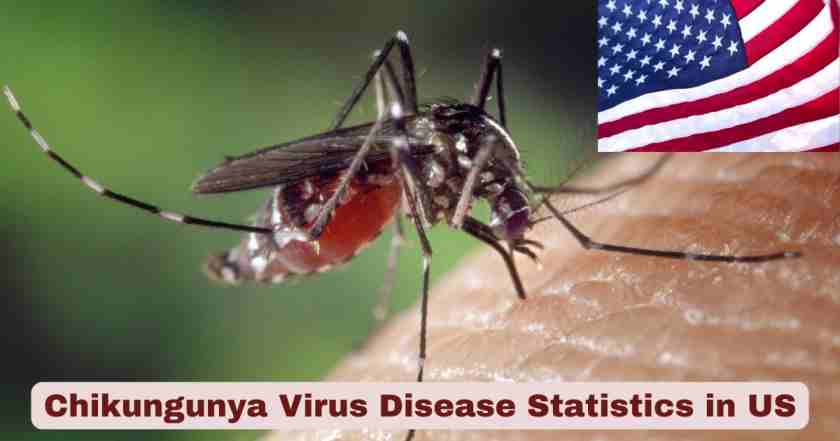
Chikungunya Virus Disease in America 2025
The chikungunya virus disease landscape in the United States has witnessed a significant transformation throughout 2025, marking a critical year for mosquito-borne illness surveillance and public health preparedness. The disease, which primarily spreads through infected Aedes mosquitoes, has shown distinctive patterns with travel-associated cases dominating the epidemiological picture. According to the latest data from the Centers for Disease Control and Prevention (CDC), the nation recorded its first locally acquired case since 2019 when a Nassau County, Long Island resident tested positive in October 2025, ending a six-year period without domestic transmission. This development underscores the persistent threat posed by competent mosquito vectors present across multiple U.S. states, particularly in regions with established Aedes albopictus and Aedes aegypti populations.
Throughout 2025, American health authorities have intensified surveillance efforts as global chikungunya virus outbreaks escalated dramatically, with over 445,271 suspected and confirmed cases reported worldwide between January and September. The United States has maintained robust detection and reporting mechanisms through the ArboNET surveillance system, which captures both confirmed and probable disease cases across all states and territories. With 228 travel-associated cases documented in U.S. states as of December 2, 2025, the nation faces continued importation risk from endemic regions including Cuba, Brazil, Bolivia, India, and China, where significant outbreaks have emerged. The public health community remains vigilant about the potential for local transmission chains, especially in southern states like Florida, which reported 73 travel-related cases, representing the highest concentration in the nation. Understanding the current chikungunya virus disease statistics is essential for healthcare providers, travelers, and public health officials as climate change and international travel patterns continue to influence disease distribution across the Americas.
Key Chikungunya Virus Disease Facts in the US 2025
| Fact Category | Statistic/Information | Significance |
|---|---|---|
| Total U.S. Cases in 2025 | 229 cases (228 travel-associated, 1 locally acquired) | Represents highest annual count since 2016 |
| First Local Transmission Since 2019 | October 2025 in Nassau County, Long Island, New York | Ended 6-year period without domestic transmission |
| Florida Travel Cases | 73 cases (highest state count) | 62 cases linked to Cuba travel |
| Global Cases January-September 2025 | 445,271 suspected/confirmed cases worldwide | 155 deaths reported from 40 countries |
| Incubation Period | 3-7 days (range 1-12 days) | Critical window for traveler symptom monitoring |
| Symptom Duration | Acute phase lasts 7-10 days | Joint pain can persist months to years in 30-40% of patients |
| High Fever Prevalence | Typically above 39°C (102°F) | Occurs in majority of symptomatic cases |
| Chronic Joint Pain | Affects 5-80% of patients long-term | Particularly severe in patients over 65 years |
| Mortality Rate | Less than 1 in 1,000 cases | Higher risk for newborns and elderly with comorbidities |
| Available U.S. Vaccines | 1 vaccine (VIMKUNYA) as of August 2025 | IXCHIQ suspended due to safety concerns |
| Vaccine Suspension Date | August 22, 2025 (IXCHIQ withdrawn) | 21 hospitalizations and 3 deaths attributed to vaccine |
| Asymptomatic Infection Rate | 17-40% of all infections | Complicates surveillance and case counting |
Data source: CDC ArboNET Surveillance System, CDC Chikungunya Data Maps, FDA Safety Communications, WHO Disease Outbreak News, updated December 2, 2025
The chikungunya virus disease data for 2025 reveals several critical public health trends that merit careful examination by medical professionals and policymakers across the United States. The 229 total cases documented through December represent a substantial increase compared to recent years, with 2024 reporting 199 cases and 2023 recording 152 cases, indicating a 15% year-over-year growth that correlates with expanding global outbreak zones. The emergence of the first locally acquired case in six years on Long Island demonstrates that competent mosquito vectors remain established in northern regions previously considered lower risk, suggesting that climate patterns may be extending the geographic range of Aedes species mosquitoes. Florida’s dominance with 73 travel-associated cases, particularly the 62 cases linked to Cuban travel, reflects both the state’s geographic proximity to endemic regions and its role as a major international travel hub, creating ongoing importation pressure that could seed future local transmission events.
The clinical characteristics data underscores the significant disease burden, with the 3-7 day incubation period creating challenges for early detection in returning travelers who may develop symptoms after clearing customs and dispersing to their home communities. The high prevalence of fever above 102°F combined with the 30-40% rate of persistent joint pain extending months or years beyond initial infection highlights why chikungunya virus disease causes substantial morbidity even though the mortality rate remains below 1 in 1,000 cases. The vaccine landscape underwent dramatic change in 2025 when the FDA suspended IXCHIQ on August 22 after reports of 21 hospitalizations and 3 deaths, leaving VIMKUNYA as the sole available vaccine option for Americans traveling to outbreak zones. The 17-40% asymptomatic infection rate poses significant surveillance challenges, as infected but symptom-free travelers can introduce the virus to areas with competent mosquito populations without triggering healthcare system alerts. These statistics collectively demonstrate that chikungunya virus disease in the US 2025 requires sustained public health attention, enhanced mosquito control efforts, and continued traveler education programs.
Chikungunya Virus Disease Travel-Associated Cases in the US 2025
| State | Travel-Associated Cases 2025 | Primary Countries of Origin | Counties Affected |
|---|---|---|---|
| Florida | 73 | Cuba (62), Bolivia, Brazil, India, Indonesia | Broward, Collier, Lake, Miami-Dade, Palm Beach, Seminole |
| New York | 3 (plus 1 locally acquired) | International travel to active infection regions | Nassau County (local), additional counties (travel) |
| Massachusetts | 20 | Various endemic regions | Multiple counties |
| Texas | 21 | Various endemic regions | Multiple counties |
| California | Included in 228 state total | Various endemic regions | Multiple counties |
| Colorado | Included in 228 state total | Various endemic regions | Multiple counties |
| Illinois | Included in 228 state total | Various endemic regions | Multiple counties |
| Other U.S. States | Remaining cases from 228 total | Brazil, Colombia, India, Bangladesh, Sri Lanka | Various counties nationwide |
Data source: CDC ArboNET Surveillance System, Florida Department of Health Arbovirus Reports, New York State Department of Health, CDC Travel Health Notices, November-December 2025
The geographic distribution of travel-associated chikungunya virus disease cases across the United States in 2025 reveals distinct regional patterns that reflect both international travel volumes and proximity to endemic outbreak zones. Florida emerged as the overwhelming epicenter with 73 documented cases, with the Cuba connection particularly pronounced as 62 cases originated from travelers returning from the Caribbean nation experiencing its own significant outbreak throughout the year. The concentration of Florida cases in southeastern coastal counties—particularly Miami-Dade, Broward, and Palm Beach—corresponds with major international airport hubs that process hundreds of thousands of travelers annually from Latin America and the Caribbean. New York State recorded 3 travel-associated cases in addition to its groundbreaking locally acquired case in Nassau County, demonstrating that even northern states far from traditional tropical disease zones face ongoing importation risk through their role as international gateway cities.
The 228 travel-associated cases in U.S. states during 2025 represent travelers who acquired infections in endemic regions and subsequently returned home, with the geographic spread reaching from Massachusetts (20 cases) and Texas (21 cases) across to California, Colorado, and Illinois. This nationwide distribution pattern underscores that chikungunya virus disease is not confined to border states but affects travelers from across the entire country who visit outbreak regions for business, tourism, or family visits. The diversity of origin countries beyond Cuba—including Bolivia, Brazil, India, Indonesia, Bangladesh, and Sri Lanka—reflects the truly global nature of the 2025 chikungunya resurgence, with major outbreaks reported from 40 countries across multiple continents. Healthcare providers in all states, not just traditional high-risk regions, must maintain clinical awareness of chikungunya virus disease when evaluating febrile patients with recent international travel history, as delayed or missed diagnoses can result in prolonged suffering and potential local transmission if patients are exposed to competent mosquito vectors during their viremic period.
Locally Acquired Chikungunya Virus Disease Cases in the US 2025
| Metric | 2025 Data | Historical Comparison | Clinical Details |
|---|---|---|---|
| Total Locally Acquired Cases | 1 case | First since 2019 (6-year gap) | Nassau County, Long Island, New York |
| Case Confirmation Date | October 14, 2025 | Previous: 2019 (last local transmission) | Laboratory confirmed at Wadsworth Center |
| Patient Symptom Onset | August 2025 | 2-month lag before confirmation | Fever, joint pain, consistent with CHIKV infection |
| Patient Travel History | Regional travel, not international | No out-of-country exposure documented | Likely mosquito bite from infected local vector |
| Vector Presence | Aedes albopictus confirmed in area | Established in downstate New York | Capable of transmitting chikungunya virus |
| Previous U.S. Local Cases 2014-2019 | 13 total cases | Florida (12 in 2014, 1 in 2015), Texas (1 in 2015) | Occurred during large Caribbean outbreak |
| Mosquito Testing Results | 0 positive pools detected | No virus found in routine surveillance | Indicates isolated introduction, not established circulation |
| Current Transmission Risk | Very low per NY Health Commissioner | October temperatures limit mosquito activity | Risk increases during warmer spring/summer months |
| Public Health Response | Enhanced surveillance activated | Investigation of source exposure ongoing | Mosquito control measures implemented |
Data source: New York State Department of Health Press Release October 14, 2025, CDC Chikungunya US Data, Nassau County Health Department, updated December 2025
The identification of the first locally acquired chikungunya virus disease case in the United States since 2019 represents a pivotal epidemiological development that has mobilized public health authorities across the nation. The Nassau County, Long Island case, confirmed on October 14, 2025, through sophisticated laboratory testing at the New York State Department of Health’s Wadsworth Center, marks a six-year interruption in documented domestic transmission that had provided some reassurance that the virus had not established endemic circulation in U.S. mosquito populations. The patient, who experienced symptom onset in August 2025, had traveled within the United States but critically had no international travel history, indicating that the infection was acquired through a mosquito bite from a locally infected Aedes albopictus mosquito, which is known to be present throughout downstate New York and capable of transmitting the chikungunya virus when it bites an infected, viremic individual.
The epidemiological investigation revealed no evidence of ongoing transmission, as routine mosquito surveillance conducted by both the New York State Health Department and New York City Department of Health detected zero positive mosquito pools containing chikungunya virus, suggesting this was an isolated introduction rather than established viral circulation in the local mosquito population. The timing of the case—with symptom onset in August and confirmation in October—coincided with the peak mosquito season in New York, though by October the cooling temperatures significantly reduced mosquito activity and thereby lowered transmission risk to very low levels according to State Health Commissioner James McDonald. This single 2025 case stands in stark contrast to the 2014-2015 period when 13 locally acquired cases were documented across the United States, with Florida recording 12 cases in 2014 and 1 in 2015, while Texas identified 1 case in 2015, all during the large Caribbean and Latin American outbreak that saw over 2.6 million suspected cases in the Americas by the end of 2017. The New York case serves as a critical reminder that competent mosquito vectors remain established across expanding geographic ranges, climate change may be extending mosquito season duration and range northward, and continued vigilance through surveillance, mosquito control, and public education remains essential to prevent future local transmission clusters.
Chikungunya Virus Disease Symptoms and Clinical Manifestations in the US 2025
| Symptom/Sign | Prevalence | Onset Timing | Duration | Severity Factors |
|---|---|---|---|---|
| Fever (High-Grade) | Present in majority of symptomatic cases | 3-7 days post-mosquito bite | Typically lasts ≤1 week, can be biphasic | Usually >39°C (102°F) |
| Joint Pain (Polyarthralgia) | 100% of symptomatic cases | Concurrent with or shortly after fever | Acute: 7-10 days; Chronic: months to years | Bilateral, symmetric, often debilitating |
| Joint Swelling (Arthritis) | 30-40% of cases | During acute phase | 1-2 weeks acute; can persist chronically | Affects wrists, ankles, small joints of hands/feet |
| Headache | Very common | During acute febrile phase | 1 week typically | Can be severe, often accompanies fever |
| Muscle Pain (Myalgia) | Very common | During acute phase | 7-10 days | Generalized, can limit mobility |
| Rash (Maculopapular) | 50% of symptomatic cases | After fever onset (2-5 days) | 3-7 days | Trunk, extremities, can include palms/soles |
| Fatigue | Very common | Throughout illness | Can persist weeks to months | May be prolonged in 30-40% of patients |
| Nausea/Vomiting | Common | During acute phase | 3-7 days | Usually mild to moderate |
| Conjunctivitis | Occasional | During acute phase | 1 week | Non-purulent, bilateral |
| Chronic Joint Pain | 5-80% of cases | After acute phase resolves | Months to years | More common in patients >65 years old |
Data source: CDC Clinical Signs and Symptoms Guidelines, CDC Chikungunya Healthcare Provider Resources, Clinical Case Reports 2025, updated December 2025
The clinical presentation of chikungunya virus disease in 2025 continues to be characterized by its distinctive and often debilitating symptomatology that sets it apart from other arboviral infections circulating in the United States. The hallmark feature remains the nearly universal presence of severe joint pain, affecting 100% of symptomatic patients, which typically manifests bilaterally and symmetrically in multiple joints simultaneously, most commonly targeting the wrists, ankles, and small joints of the hands and feet. This polyarthralgia is frequently accompanied by high-grade fever exceeding 39°C or 102°F that develops 3-7 days after the infectious mosquito bite, creating a clinical picture that can initially be mistaken for dengue fever, influenza, or other febrile illnesses. The acute symptomatic phase generally lasts 7-10 days, during which patients experience a constellation of symptoms including headache, muscle pain, and in approximately 50% of cases, a characteristic maculopapular rash that appears 2-5 days after fever onset and typically spreads from the trunk to the extremities.
What makes chikungunya virus disease particularly concerning from a public health and quality of life perspective is the high rate of chronic sequelae, with 5-80% of patients developing persistent joint pain that can last for months or even years after the acute infection resolves. This chronic arthralgia is especially prevalent and severe in patients over 65 years of age and can significantly impair daily activities, work productivity, and overall well-being. The 30-40% of patients who develop joint swelling during the acute phase face a higher risk of progressing to chronic rheumatologic symptoms that may require long-term pain management and physical therapy interventions. Additionally, the prolonged fatigue experienced by 30-40% of patients can persist well beyond the resolution of fever and acute symptoms, contributing to extended recovery periods and reduced functional capacity. The relatively low mortality rate of less than 1 in 1,000 cases should not overshadow the substantial morbidity burden that chikungunya virus disease imposes on affected individuals and healthcare systems, particularly as the 2025 case count of 229 represents individuals across the United States dealing with these acute and potentially chronic manifestations.
Historical Chikungunya Virus Disease Trends in the US 2014-2025
| Year | U.S. States Locally Acquired | U.S. States Travel-Associated | U.S. Territories Locally Acquired | U.S. Territories Travel-Associated | Total U.S. Cases |
|---|---|---|---|---|---|
| 2014 | 12 | 2,799 | 4,659 | 51 | 7,521 |
| 2015 | 1 | 895 | 237 | 0 | 1,133 |
| 2016 | 0 | 248 | 180 | 1 | 429 |
| 2017 | 0 | 156 | 39 | 0 | 195 |
| 2018 | 0 | 116 | 8 | 0 | 124 |
| 2019 | 0 | 192 | 2 | 0 | 194 |
| 2020 | 0 | 33 | 0 | 0 | 33 |
| 2021 | 0 | 36 | 0 | 0 | 36 |
| 2022 | 0 | 81 | 0 | 0 | 81 |
| 2023 | 0 | 152 | 0 | 0 | 152 |
| 2024 | 0 | 199 | 0 | 0 | 199 |
| 2025 | 1 | 228 | 0 | 0 | 229 |
Data source: CDC ArboNET Surveillance System, CDC Chikungunya Historical Data Tables, updated December 2, 2025
The 12-year historical trajectory of chikungunya virus disease in the United States from 2014 through 2025 reveals dramatic fluctuations that closely mirror global outbreak dynamics and travel patterns, with the epidemic peak occurring during the 2014 outbreak year when the nation documented a staggering 7,521 total cases. That year marked the explosive emergence of local transmission in U.S. territories, particularly Puerto Rico and the U.S. Virgin Islands, which collectively reported 4,659 locally acquired cases as the virus swept through Caribbean populations following its introduction to the Western Hemisphere in late 2013. Simultaneously, Florida experienced its first local transmission with 12 cases in 2014, representing a watershed moment when competent Aedes aegypti and Aedes albopictus mosquito populations in the continental United States successfully sustained virus transmission cycles. The 2,799 travel-associated cases in U.S. states during 2014 reflected the massive importation pressure as thousands of Americans traveled to Caribbean and Latin American destinations experiencing unprecedented outbreak activity.
The subsequent years from 2015 through 2025 demonstrate a pattern of declining but persistent disease activity, with travel-associated cases remaining the dominant epidemiologic feature after the sharp drop from 2,799 in 2014 to 895 in 2015 and further to 248 in 2016. The period from 2017 through 2021 represented a relative nadir, with annual case counts ranging from just 33 cases in 2020—likely influenced by COVID-19 pandemic travel restrictions—to 195 cases in 2017. However, the recent three-year trend from 2023 through 2025 shows a concerning resurgence, with cases climbing from 152 in 2023 to 199 in 2024 and reaching 229 in 2025, representing a 50% increase over the three-year period. The complete absence of locally acquired cases in U.S. states from 2016 through 2024—a nine-year stretch—was broken by the single 2025 New York case, while U.S. territories have reported zero locally acquired cases since 2019. This historical data demonstrates that while the United States has largely avoided sustained endemic transmission, the persistent presence of competent mosquito vectors combined with ongoing global circulation means the threat of chikungunya virus disease importation and potential local transmission remains an enduring public health challenge requiring continued surveillance, vector control, and traveler education efforts.
Chikungunya Virus Disease Age and Demographics in the US 2025
| Demographic Factor | Risk Profile | Case Distribution | Clinical Impact |
|---|---|---|---|
| Age Group: Adults 18-64 Years | Highest travel-associated case burden | Majority of 228 travel cases | Generally good recovery, 20-30% chronic joint pain |
| Age Group: Adults 65+ Years | Highest risk for severe chronic disease | Represents significant portion of hospitalized cases | 40-80% develop persistent joint pain lasting months to years |
| Age Group: Children Under 18 | Lower documented case numbers | Small percentage of total 229 cases | Can experience severe acute symptoms, rare neurologic complications |
| Age Group: Infants and Newborns | Highest mortality risk if infected perinatally | Rare in U.S. due to low local transmission | Severe disease with encephalopathy, seizures when infected at birth |
| Gender Distribution | No significant sex-based susceptibility difference | Cases distributed across male and female patients | Women may report higher rates of chronic arthralgia |
| Occupation: International Travelers | Primary risk group for infection | Accounts for 228 of 229 total 2025 cases | Business travelers, tourists, visiting friends and relatives |
| Geographic Residence: Florida | Highest state case burden | 73 cases, 32% of all U.S. travel cases | Proximity to outbreak zones, high international travel volume |
| Comorbidity: Pre-existing Joint Disease | Increased risk for chronic symptoms | Data limited for 2025 U.S. cases | Rheumatoid arthritis patients face higher morbidity |
| Immune Status: Previously Infected | Presumed lifelong immunity | Reinfection extremely rare | Cross-protection from other alphaviruses uncertain |
Data source: CDC Chikungunya Epidemiology Data, Florida Department of Health Case Demographics, Clinical Literature Review 2025, updated December 2025
The demographic profile of chikungunya virus disease cases in the United States during 2025 reveals distinct patterns related to age, occupation, and geographic residence that inform targeted prevention strategies and clinical management approaches. Adults aged 18-64 years comprise the majority of the 228 travel-associated cases documented in 2025, reflecting this demographic’s higher rates of international travel for business, tourism, and family visits to endemic regions. Within this age group, clinical outcomes are generally favorable with most patients recovering from acute symptoms within 7-10 days, though 20-30% may develop chronic joint pain that persists for months beyond initial infection. However, the epidemiologic landscape shifts dramatically for individuals aged 65 years and older, who face substantially elevated risk for severe and prolonged disease manifestations, with 40-80% of elderly patients developing persistent arthralgia that can last for years and significantly impair mobility and quality of life, making this population a priority for pre-travel counseling and vaccination recommendations when traveling to outbreak zones.
Children under 18 years represent a small percentage of documented 2025 cases, likely due to lower international travel rates and potentially higher rates of asymptomatic or mild infection that may go undiagnosed and unreported to surveillance systems. Occupational risk profiles clearly identify international travelers as the primary at-risk population, accounting for 228 of the 229 total cases in 2025, with Florida residents bearing disproportionate burden at 73 cases representing 32% of all U.S. travel-associated infections due to the state’s geographic proximity to Caribbean and Latin American outbreak zones and its role as a major hub for international travel. Gender distribution shows no significant sex-based differences in infection susceptibility, though some clinical studies suggest women may report higher rates of chronic arthralgia following acute infection, potentially related to differences in pain perception, healthcare-seeking behavior, or underlying hormonal and immunologic factors. Patients with pre-existing joint diseases such as rheumatoid arthritis or osteoarthritis face elevated risk for more severe and prolonged symptoms, as the inflammatory processes triggered by chikungunya virus infection can exacerbate underlying rheumatologic conditions. Notably, previous chikungunya virus disease infection is presumed to confer lifelong immunity, making reinfection extremely rare and positioning previously infected individuals at minimal risk during subsequent exposure, though cross-protection against related alphaviruses remains uncertain.
Chikungunya Virus Disease Vaccine Status and Prevention in the US 2025
| Prevention Measure | Status in 2025 | Availability/Effectiveness | Key Details |
|---|---|---|---|
| IXCHIQ Vaccine | Suspended August 22, 2025 | Not available for use | FDA suspended after 21 hospitalizations, 3 deaths |
| VIMKUNYA Vaccine | Available as of August 2025 | Only approved vaccine option | Single-dose vaccine for travelers to endemic areas |
| Vaccine Target Population | Adults 18 years and older traveling to outbreak zones | Pre-travel vaccination recommended | Particularly for 65+ age group at highest risk |
| Vaccine Efficacy Data | VIMKUNYA shows protective antibody response | Clinical trial data demonstrates protection | Long-term effectiveness monitoring ongoing |
| Personal Protective Measures | Primary prevention for most Americans | Highly effective when properly implemented | Mosquito repellents, protective clothing, screened housing |
| DEET-Based Repellents | Recommended by CDC | 20-30% DEET concentration effective | Apply to exposed skin, reapply per product directions |
| Permethrin Clothing Treatment | Recommended for outdoor activities | Repels and kills mosquitoes on contact | Treat clothing, gear, remains effective through multiple washings |
| Mosquito Avoidance Peak Hours | Dawn and dusk primarily | Aedes mosquitoes bite daytime also | Stay indoors during peak feeding times when possible |
| Travel Health Advisories | Active for 40+ countries in 2025 | CDC travel notices posted | Check health.cdc.gov/travel-notices before international travel |
| Vector Control Programs | Active in high-risk U.S. states | Reduces local mosquito populations | Larvicide treatment, adult mosquito spraying, habitat elimination |
| Screening of Homes | Recommended in endemic-risk areas | Prevents indoor mosquito exposure | Install window and door screens, use air conditioning |
| No Specific Antiviral Treatment | No drugs target chikungunya virus | Supportive care only | Pain management, hydration, rest during acute phase |
Data source: FDA Drug Safety Communications August 2025, CDC Vaccine Information, CDC Chikungunya Prevention Guidelines, updated December 2025
The chikungunya virus disease prevention landscape in the United States underwent significant upheaval during 2025 when the Food and Drug Administration suspended the IXCHIQ vaccine on August 22 following reports of 21 serious adverse events requiring hospitalization and 3 deaths potentially associated with the vaccine, leaving VIMKUNYA as the sole approved immunization option for Americans traveling to outbreak regions. VIMKUNYA, which received FDA approval and became available in August 2025, is indicated for adults 18 years and older who plan travel to areas with active chikungunya virus transmission, with particular emphasis on individuals aged 65 years and older who face elevated risk for severe chronic disease manifestations. The vaccine provides protection through a single-dose administration and has demonstrated the ability to generate protective antibody responses in clinical trial populations, though real-world effectiveness data and long-term duration of immunity continue to be monitored through post-licensure surveillance programs conducted by the CDC and FDA.
For the vast majority of Americans who will never travel to endemic regions, personal protective measures remain the cornerstone of chikungunya virus disease prevention, with the CDC strongly recommending the use of EPA-registered insect repellents containing 20-30% DEET applied to exposed skin surfaces and reapplied according to product labeling directions. Permethrin treatment of clothing, shoes, and camping gear provides an additional layer of protection by repelling and killing mosquitoes upon contact, with the chemical treatment remaining effective through multiple washing cycles. Unlike malaria-transmitting Anopheles mosquitoes that primarily feed at night, the Aedes aegypti and Aedes albopictus vectors that transmit chikungunya virus are aggressive daytime biters with peak activity periods around dawn and dusk, necessitating vigilant protective behaviors throughout daylight hours including wearing long-sleeved shirts, long pants, and staying in air-conditioned or well-screened indoor environments when possible. The CDC maintains active travel health notices for over 40 countries experiencing chikungunya outbreaks during 2025, and prospective international travelers should consult the agency’s travel health website at health.cdc.gov/travel-notices before departure to assess destination-specific risks and receive tailored prevention recommendations. Vector control programs operating in high-risk U.S. states employ integrated pest management strategies including larvicide application to standing water sources, adult mosquito spraying during outbreak situations, and community education campaigns promoting elimination of mosquito breeding habitats such as containers holding stagnant water around homes and businesses.
Global Chikungunya Virus Disease Context and U.S. Risk in 2025
| Global Region | Cases January-September 2025 | Primary Affected Countries | U.S. Travel Connection |
|---|---|---|---|
| Americas | 383,816 suspected/confirmed cases | Cuba, Brazil, Bolivia, Paraguay, Argentina | 62 U.S. cases from Cuba alone, high travel volume from Latin America |
| Asia-Pacific | Significant outbreak activity | India, China, Sri Lanka, Bangladesh, Indonesia | Multiple U.S. travel-associated cases documented |
| Africa | Ongoing endemic transmission | Multiple sub-Saharan countries | Limited U.S. case importation in 2025 |
| Europe | Sporadic imported cases | France, Italy, Spain with competent vectors | No significant outbreak, low U.S. risk |
| Cuba Outbreak | Over 500,000 suspected cases | Nationwide transmission | 62 documented U.S. importations from Cuba |
| Brazil Outbreak | 214,165 cases (January-September) | Multiple states affected | 73.4% increase over 2024 same period |
| Bolivia Outbreak | Significant case numbers | Endemic region expansion | U.S. cases documented from Bolivia travel |
| Global Deaths | 155 deaths from 40 countries | Multiple continents affected | Mortality rate remains <1 per 1,000 cases |
| WHO Assessment | Increased outbreak frequency and severity | Climate change expanding vector range | Growing concern for future U.S. risk |
| Mosquito Vector Expansion | Aedes spreading to new geographic areas | Climate warming enables northern expansion | Competent vectors now established in northern U.S. states |
Data source: World Health Organization Disease Outbreak News, Pan American Health Organization Epidemiological Updates, CDC Global Health Data, September-December 2025
The global chikungunya virus disease situation during 2025 has reached alarming proportions, with the World Health Organization documenting 445,271 suspected and confirmed cases across 40 countries between January and September, representing one of the most intense years of global transmission since the virus first invaded the Western Hemisphere in late 2013. The Americas region bore the heaviest burden with 383,816 cases accounting for approximately 86% of the global total, driven primarily by explosive outbreaks in Cuba with over 500,000 suspected cases nationwide, Brazil with 214,165 documented cases representing a 73.4% increase over the same period in 2024, and significant transmission in Bolivia, Paraguay, and Argentina where the virus has expanded into previously unaffected geographic areas. Cuba’s massive outbreak created direct consequences for the United States, as 62 of Florida’s 73 travel-associated cases originated from Americans visiting the island nation for tourism, family visits, or business purposes, highlighting how outbreak activity in nearby Caribbean nations immediately translates into importation pressure on U.S. soil.
The Asia-Pacific region continued to experience substantial chikungunya virus activity throughout 2025, with India, China, Sri Lanka, Bangladesh, and Indonesia all reporting outbreak conditions that generated multiple imported cases among returning U.S. travelers documented in the ArboNET surveillance system. The 155 global deaths reported from 40 countries, while representing a case fatality rate below 1 per 1,000 infections.
Disclaimer: This research report is compiled from publicly available sources. While reasonable efforts have been made to ensure accuracy, no representation or warranty, express or implied, is given as to the completeness or reliability of the information. We accept no liability for any errors, omissions, losses, or damages of any kind arising from the use of this report.