
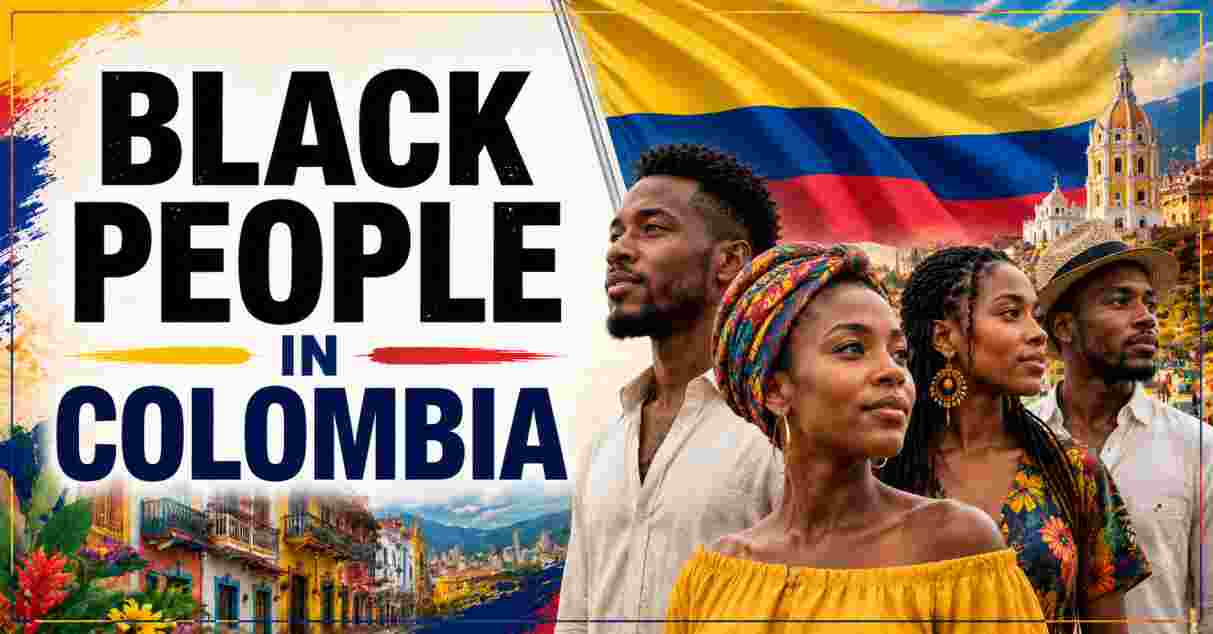
What Do We Know About Black People in Colombia in 2026?
Afro-Colombians constitute one of the largest Afro-descendant populations anywhere in Latin America, with a documented presence in the territory now known as Colombia stretching back more than 400 years to the earliest period of Spanish colonial slave trading in the Americas. Yet despite this deep historical presence — and despite Colombia hosting the second-largest Black population in Latin America after Brazil by most serious estimates — the country’s Afro-descendant community has been at the center of one of the most contested and consequential statistical controversies anywhere in the hemisphere. In 2018, Colombia’s National Administrative Department of Statistics (DANE) released census results showing a staggering 31% decline in the Afro-Colombian population — from 4,311,757 people recorded in the 2005 census down to just 2,982,224 in 2018 — a drop so demographically implausible, absent mass migration or catastrophic mortality, that Afro-Colombian civil society organizations immediately labeled it a “statistical genocide,” and pursued the matter all the way to Colombia’s Constitutional Court.
That legal battle culminated in a landmark 2022 ruling, in which Colombia’s Constitutional Court formally found that the implementation of the 2018 census had caused irreparable damage to the country’s Afro-descendant population’s statistical visibility, ordered DANE to correct the undercount using supplementary data collection methods, and mandated the creation of a formal “lessons learned” document cataloguing methodological errors across three separate Colombian censuses dating back to 1993. In the years since, the Colombian government’s own post-census survey estimates have settled on a figure of approximately 10% of the total population — roughly 4.67 million Afro-descendants — while community leaders, including Colombia’s own Vice President Francia Márquez Mina, the country’s first Black woman to hold that office, have publicly argued the true figure is dramatically higher, citing estimates of up to 15 million Afro-descendants, or close to 30% of Colombia’s entire population. Understanding Afro-Colombian demographics in 2026 means understanding not just the available numbers, but the deeply political process by which those numbers have been produced, contested, and revised.
Interesting Facts About Black People in Colombia in 2026
| # | Fact | Key Figure / Source |
|---|---|---|
| 1 | The 2005 Colombian Census recorded 4,311,757 Afro-Colombians — 10.60% of the national population | DANE 2005 Census, cited Wikipedia / Minority Rights Group |
| 2 | The 2018 Colombian Census recorded just 2,982,224 to 4,944,400 Afro-Colombians (figures vary by source/correction), representing a disputed 9.34% of the national population | DANE 2018 Census; Wikipedia Afro-Colombians |
| 3 | The raw, uncorrected initial 2018 figure represented a 31% drop from 2005 — triggering accusations of “statistical genocide” from Afro-Colombian organizations | Colombia Reports (2019); National Conference of Afro-Colombian Organizations (CNOA) |
| 4 | In 2022, Colombia’s Constitutional Court formally ruled the 2018 census had caused “irreparable damage” to Afro-descendant statistical visibility | Open Society Foundations, September 2024 |
| 5 | The Colombian government’s official post-census survey estimate now places the Afro-Colombian population at approximately 10% of the total population — roughly 4.67 million people | Minority Rights Group, citing DANE post-census survey |
| 6 | Vice President Francia Márquez Mina — Colombia’s first Black woman Vice President — has publicly stated the true Afro-descendant population is closer to 15 million people | Minority Rights Group; multiple Colombian press sources |
| 7 | Former Chocó Governor Luis Gilberto Murillo Urrutia has argued the Afro-Colombian population could be as high as 36–40% of Colombia’s total population | Minority Rights Group |
| 8 | As of 2026 demographic estimates, Afro-Colombians officially comprise 6.8% of Colombia’s population, ranking as the second-largest ethnic group after Mestizo/White Colombians (87.6%) | World Population Review, citing DANE 2026 |
| 9 | The Pacific Region of Colombia is the historic heartland of Afro-Colombian settlement, with some areas recording Afro-Colombian population shares as high as 90% | Office of the Ombudsperson (Defensoría del Pueblo), citing DANE 2005 |
| 10 | 75% of Afro-Colombians (approximately 3.7 million people) live in urban areas, while only 25% (about 1.2 million) remain in rural regions | Wikipedia Afro-Colombians, citing census-derived analysis |
| 11 | 39% of Afro-Colombians were found to be living in multidimensional poverty, according to the 2018 post-census survey | Minority Rights Group |
| 12 | By 2021, poverty levels among Afro-Colombians stood at approximately 45.5%, compared to 33.6% among non-Afro-Colombians — a gap of nearly 12 percentage points | Minority Rights Group |
| 13 | Only 69.6% of Afro-Colombians have access to the water system, compared to 89% at the national level | UN ECLAC data, cited in US Government Immigration and Refugee Board report |
| 14 | 14.3% of Afro-Colombian, Black, Raizal, and Palenquera populations are illiterate, compared to 10.1% for the general Colombian population | DANE 2018 National Quality of Life Survey |
| 15 | In the department of Chocó, 50% or less of the population has access to the water system and garbage collection, and 30% or less has access to sewage — compared to roughly 86%, 82%, and 77% respectively at the national level | DANE data, cited in US Government Immigration and Refugee Board report |
Source: DANE (Departamento Administrativo Nacional de Estadística) 2005 and 2018 Censuses; Colombia Reports (November 2019); Open Society Foundations (September 2024); Minority Rights Group International Afro-Colombians Profile (April 2024); World Population Review Colombia Population (2026); UN Economic Commission for Latin America and the Caribbean (ECLAC); US Government Immigration and Refugee Board Country Report on Colombia (2020), citing DANE 2018 National Quality of Life Survey
The 15 facts above make clear that Colombia’s Afro-descendant population statistics are not simply numbers to be reported but the subject of an ongoing, high-stakes political and legal struggle over statistical visibility and its real-world consequences. The 31% recorded drop between the 2005 and 2018 censuses is, on its face, a demographic impossibility for any population not experiencing war, genocide, or mass emigration — Colombia’s Afro-descendant communities experienced none of these at a scale remotely sufficient to explain such a decline. The Open Society Foundations’ own account of the litigation that followed makes clear what Afro-Colombian advocacy organizations understood immediately: a population miscount of this magnitude would directly translate into reduced political representation, smaller allocated government budgets, and diminished access to public services for a community that was already among the most structurally marginalized in the country — which is precisely why organizations like the Process of Black Communities and the Association of Community Councils of Norte del Cauca chose to pursue the matter through Colombia’s Constitutional Court rather than accept the figures as published.
The wide spread between competing population estimates — from the conservative official figure of roughly 6.8–10% (4.67 million people) up to Vice President Francia Márquez’s claim of 15 million, and former Chocó Governor Murillo’s estimate of 36–40% of the entire national population — reflects genuinely different methodologies, political incentives, and definitions of who counts as Afro-Colombian, but it also reflects something more fundamental: a community whose true size has likely never been accurately captured by any Colombian census, dating back to the very first inclusion of an Afro-descendant identification question in 1993, when only 502,343 people (1.52% of the population) were recorded — a figure now universally regarded by demographers as a severe undercount given that the 2005 census, using improved methodology, recorded more than eight times that number. This volatility across successive censuses — 1.52% in 1993, 10.60% in 2005, then a disputed drop back toward 9.34% in 2018 — illustrates how acutely sensitive Afro-Colombian population counts are to survey design, question wording, enumerator training, and the political will behind each census cycle.
Afro-Colombian Population History & Census Volatility in 2026 | Data Timeline
Afro-Colombian Population — Historical Census Record (1600–2026)
━━━━━━━━━━━━━━━━━━━━━━━━━━━━━━━━━━━━━━━━━━━━━━━━━━━━━━━━━━━━━━━━━━━━
1600 (Colonial era)        ████                                      60,000 (8% of colonial pop.)
1912                       ████                                      322,499 (6.36%)
1993 (first modern count)  ██                                        502,343 (1.52% — severe undercount)
2005 (improved method)     ████████████████████████████████████████  4,311,757 (10.60%)
2018 (disputed census)     ████████████████████████████              2,982,224–4,944,400 (9.34%, disputed)
2026 official estimate     ████████████████████████                  ~6.8% (DANE current estimate)
Government post-census est.████████████████████████████              ~10% / 4.67 million
VP Márquez claim            ████████████████████████████████████████  ~15 million (~28-30%)
Murillo (former Gov.) claim █████████████████████████████████████████ 36–40% of total population
━━━━━━━━━━━━━━━━━━━━━━━━━━━━━━━━━━━━━━━━━━━━━━━━━━━━━━━━━━━━━━━━━━━━
Scale: Each █ ≈ relative population/percentage magnitude
| Year | Recorded / Estimated Population | % of National Population | Context |
|---|---|---|---|
| 1600 | 60,000 | 8% | Spanish colonial-era slave trade period |
| 1825 | 50,000 | 3.3% | Post-independence period |
| 1852 | 80,000 | 3.4% | Year of formal slavery abolition in Colombia |
| 1912 | 322,499 | 6.36% | Early 20th-century national census |
| 1918 | 351,305 | 6.00% | Pre-modern statistical methodology |
| 1993 | 502,343 | 1.52% | First modern census with Afro-descendant question; widely viewed as severe undercount |
| 2005 | 4,311,757 | 10.60% | Improved methodology; widely regarded as more accurate baseline |
| 2018 | 2,982,224 (initial) | 9.34% (post-correction figure: 4,944,400 cited elsewhere) | Triggered “statistical genocide” accusations and Constitutional Court case |
| 2026 | ~6.8% (official current estimate) | DANE-cited figure | World Population Review / DANE, 2026 |
| 2026 (govt. post-census survey) | ~4.67 million | ~10% | Used by Minority Rights Group as current best estimate |
| 2026 (community/political estimates) | 15 million – 23 million+ | 28%–40% | Cited by VP Francia Márquez and former Chocó Governor Murillo |
Source: DANE Colombian census data 1912–2018, compiled in Wikipedia Afro-Colombians; Colombia Reports (2019); Minority Rights Group (2024); World Population Review Colombia (2026)
The long-run historical timeline of Afro-Colombian census counting reveals a population whose statistical record has been characterized by extreme volatility entirely disconnected from plausible demographic reality — a pattern that historians and statisticians attribute not to genuine population fluctuation but to recurring, systemic flaws in how Colombia’s census apparatus has approached racial and ethnic self-identification across more than a century of data collection. The collapse from 6.36% in 1912 down to just 1.52% in 1993 — even as Colombia’s Afro-descendant communities clearly persisted and grew across that 80-year span — reflects decades during which Colombian censuses either failed to ask about Afro-descendant identity at all, asked in ways that did not capture the population accurately, or operated within a broader national context where claiming Afro-descendant identity carried significant social stigma that discouraged self-identification. The dramatic jump to 10.60% in 2005, achieved through deliberately improved survey methodology and targeted outreach to Afro-descendant communities, is now widely treated by Colombian demographers and Afro-Colombian organizations alike as the most credible modern baseline — making the subsequent unexplained drop in the 2018 census all the more statistically and politically alarming.
The 2026 statistical landscape for Afro-Colombian population counting remains genuinely unsettled, reflecting the unresolved legacy of the 2018 census controversy even after the Constitutional Court’s 2022 ruling. The commonly cited 2026 figure of approximately 6.8% used by general demographic reference sources like World Population Review sits well below both the government’s own post-census survey estimate of roughly 10% and the dramatically higher figures advanced by senior Afro-Colombian political leaders, including the country’s sitting Vice President. This persistent gap — now spanning more than 20 percentage points between the most conservative and most expansive estimates in circulation — means that any single statistic cited about Colombia’s Afro-descendant population in 2026 should be understood as one data point within an actively contested and still-evolving statistical landscape, rather than a settled demographic fact, pending the results of Colombia’s next full national census and the implementation of the corrective measures mandated by the Constitutional Court.
Afro-Colombian Geographic Distribution & Socioeconomic Data in 2026
Afro-Colombian Population by Department — Top Concentrations (2018 Census)
━━━━━━━━━━━━━━━━━━━━━━━━━━━━━━━━━━━━━━━━━━━━━━━━━━━━━━━━━━━━━━━━━━━━
Valle del Cauca            ████████████████████████████████████████  647,526
Chocó                      ████████████████████████                  337,696 (highest % concentration)
Bolívar                    █████████████████████                     319,396
Antioquia                  ████████████████████                      312,112
Cauca                      ████████████████                          245,362
Urban Afro-Colombians      ████████████████████████████████████████  ~75% (3.7M)
Rural Afro-Colombians      ████████████                              ~25% (1.2M)
Chocó regional share       ████████████████████████████████████████  Up to 90% in parts of region
━━━━━━━━━━━━━━━━━━━━━━━━━━━━━━━━━━━━━━━━━━━━━━━━━━━━━━━━━━━━━━━━━━━━
Scale: Each █ ≈ relative population magnitude
| Department / Metric | Key Figure | Significance |
|---|---|---|
| Valle del Cauca | 647,526 Afro-Colombians | Largest single department by absolute Afro-Colombian population; includes Cali |
| Chocó | 337,696 Afro-Colombians | Highest proportional Afro-Colombian concentration nationally — up to 90% in parts of the region |
| Bolívar | 319,396 Afro-Colombians | Caribbean coast department; includes Cartagena |
| Antioquia | 312,112 Afro-Colombians | Includes Medellín; major urban concentration |
| Cauca | 245,362 Afro-Colombians | Pacific region; historic Afro-Colombian settlement area |
| Pacific Region (overall) | Historic heartland | Primary Afro-Colombian settlement zone alongside Caribbean Region |
| Urban Afro-Colombians | ~75% (approx. 3.7 million) | Reflects major 1970s-onward rural-to-urban migration wave |
| Rural Afro-Colombians | ~25% (approx. 1.2 million) | Concentrated mainly in Pacific Region and Chocó |
| Multidimensional poverty rate | 39% of Afro-Colombians (2018 post-census survey) | Significantly above national average |
| General poverty rate (2021) | 45.5% Afro-Colombians vs. 33.6% non-Afro-Colombians | Nearly 12-point gap |
| Water system access | 69.6% Afro-Colombians vs. 89% national average | Significant infrastructure gap |
| Illiteracy rate | 14.3% Afro-descendant population vs. 10.1% general population | Persistent education access gap |
| Health service access barriers | 8.9% of Afro-Colombians report barriers vs. 6.2% general population | DANE 2018 National Quality of Life Survey |
Source: DANE 2018 Census (department-level data); Wikipedia Afro-Colombians; Minority Rights Group (2024); US Government Immigration and Refugee Board Country Report (2020), citing DANE 2018 National Quality of Life Survey and UN ECLAC data
The geographic concentration data for Afro-Colombians in 2026 reveals a population whose settlement patterns trace directly back to the colonial-era plantation and mining economies that first brought enslaved Africans to Colombian shores, with the Pacific Region — particularly the department of Chocó — remaining the most concentrated and historically continuous center of Afro-Colombian life in the country. The finding that some areas of Chocó record Afro-Colombian population shares as high as 90%, according to Colombia’s own Office of the Ombudsperson, makes Chocó functionally one of the most demographically distinct regions anywhere in Latin America — yet this same department consistently registers among the worst infrastructure access statistics in the entire country, with only 50% or less access to water and garbage collection, and 30% or less access to sewage systems, compared to roughly 80-90% national averages across these same services. This combination — extraordinary demographic concentration paired with extraordinary infrastructure neglect — is precisely what Afro-Colombian activists and international human rights observers describe as “geographic apartheid”: a pattern of state absence and chronic underinvestment that maps with striking precision onto the country’s Black population centers.
The urbanization trend documented since the 1970s, which has pulled roughly three-quarters of all Afro-Colombians into urban areas — concentrated heavily in cities like Cali (Valle del Cauca), Medellín (Antioquia), Cartagena (Bolívar), and Bogotá — reflects a population actively seeking the economic and educational opportunities largely absent from the historically underdeveloped Pacific coast region. Yet this migration has not resolved the underlying socioeconomic disparities documented in Colombia’s own national statistics: the 39% multidimensional poverty rate and the nearly 12-percentage-point gap in general poverty rates between Afro-Colombians and the rest of the population persist regardless of urban or rural residence, indicating that the structural barriers facing Afro-Colombian communities — in education access, healthcare, employment discrimination, and political representation — extend well beyond simple geographic isolation and into the fabric of national institutions themselves. This is precisely the structural and institutionalized racism that Afro-Colombian leaders argue the disputed 2018 census undercount actively worsened, by diminishing the political weight and government resource allocation that an accurately counted population of this scale would otherwise command.
Disclaimer: This research report is compiled from publicly available sources. While reasonable efforts have been made to ensure accuracy, no representation or warranty, express or implied, is given as to the completeness or reliability of the information. We accept no liability for any errors, omissions, losses, or damages of any kind arising from the use of this report.