
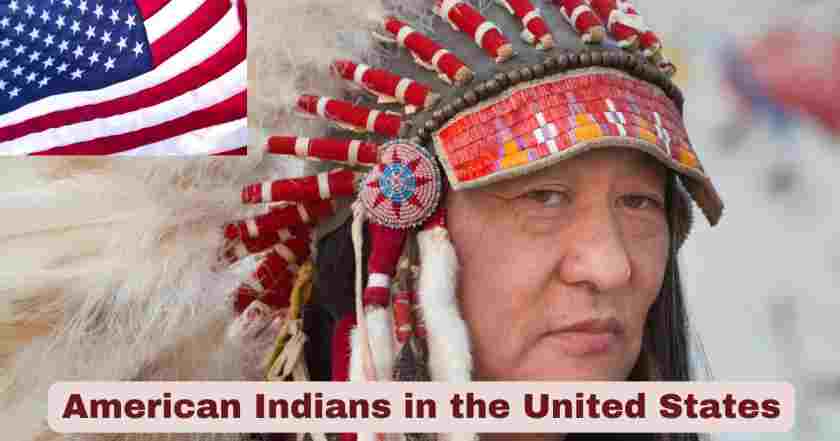
American Indians in the United States 2025
The American Indian and Alaska Native population continues to represent a vital and growing demographic within the United States, carrying forward thousands of years of cultural heritage, traditions, and resilience. As of 2025, this diverse community encompasses hundreds of distinct tribal nations, each with unique languages, customs, and histories that contribute to the rich tapestry of American society. The federal government officially recognizes 574 federally recognized tribes, alongside numerous state-recognized tribal entities and unrecognized indigenous communities that maintain their cultural identities across the nation.
Understanding the contemporary reality of American Indians in the United States in 2025 requires examining comprehensive data that reflects their demographic presence, socioeconomic conditions, health outcomes, and cultural vitality. From urban centers where approximately 87% of the AI/AN population now resides to reservation lands that serve as cultural anchors for indigenous communities, the American Indian and Alaska Native people face both opportunities and challenges unique to their historical and contemporary circumstances. The statistical landscape reveals a population navigating the complexities of modern American life while preserving ancestral traditions and advocating for sovereignty, improved healthcare access, educational opportunities, and economic development within their communities.
Interesting Stats & Facts About American Indians in the US 2025
| Fact Category | 2025 Statistics | Details |
|---|---|---|
| Total Population (Alone) | 1.8 million | Non-Hispanic American Indians and Alaska Natives identifying as single race |
| Total Population (Combination) | 9.1 million | American Indians and Alaska Natives alone or in combination with other races |
| Federally Recognized Tribes | 574 tribes | Official tribal nations recognized by the Bureau of Indian Affairs |
| Federally Recognized Reservations | 326 reservations | American Indian reservations across the United States |
| Urban Population | 87% | Percentage of AI/AN population living in urban areas |
| Reservation Population | 13% | Percentage of AI/AN population living on reservations or tribal lands |
| States with Highest Population | Alaska (13.5%) | Highest percentage of AI/AN residents by state population |
| Largest Tribal Group | Navajo Nation (14.6%) | Largest American Indian tribe by population alone count |
| Cherokee Population Share | 23.8% | Largest share of AI/AN population including combination responses |
| IHS Service Coverage | 2.6 million | American Indians and Alaska Natives served by Indian Health Service |
Data Source: U.S. Census Bureau American Community Survey 2024, Bureau of Indian Affairs 2025, Indian Health Service 2025, Office of Minority Health HHS 2024
The American Indian and Alaska Native population in 2025 demonstrates remarkable diversity and resilience across multiple demographic indicators. The distinction between those identifying as American Indian or Alaska Native alone versus those identifying in combination with other races reveals the complex nature of indigenous identity in contemporary America, with the combination population being more than five times larger than the alone population. This reflects increasing rates of multiracial identification and the fluid nature of racial and ethnic identity among younger generations of indigenous Americans.
Geographic distribution patterns show that while states like Alaska, New Mexico, South Dakota, and Oklahoma maintain the highest percentages of American Indian and Alaska Native residents relative to their total populations, the absolute numbers tell a different story. The majority of the AI/AN population in the US 2025 lives in urban environments across major metropolitan areas, representing a dramatic shift from historical settlement patterns. This urbanization trend, which accelerated throughout the late 20th century and continues today, has created new challenges around cultural preservation, access to tribal resources, and maintenance of community connections while simultaneously opening opportunities for education, employment, and economic advancement that may not be available on remote reservations. The 574 federally recognized tribes represent sovereign nations with government-to-government relationships with the United States federal government, entitled to specific services, protections, and rights under treaties and federal law.
Population Demographics of American Indians in the US 2025
| Demographic Category | 2025 Data | Comparison to US Average |
|---|---|---|
| Non-Hispanic AI/AN Alone | 1.8 million | 0.5% of total US population |
| AI/AN Alone or Combination | 9.1 million | 2.7% of total US population |
| Urban Residents | 87% (approximately 7.9 million) | Higher than historical patterns |
| Reservation Residents | 13% (approximately 1.2 million) | Declining percentage over time |
| Language Diversity | 18.2% speak non-English at home | Lower than some minority groups |
| Limited English Proficiency | 3.7% speak English less than very well | Indicates language retention challenges |
| IHS Service Population | 2.6 million in 37 states | Federal healthcare system coverage |
| Ten Largest States (AI/AN %) | Alaska 13.5%, New Mexico 8.3%, South Dakota 7.2% | Concentrated in western and plains states |
| Navajo Nation (Alone) | 14.6% of AI/AN alone population | Largest single tribal group |
| Cherokee (Combination) | 23.8% of AI/AN combination population | Largest tribal identification overall |
Data Source: U.S. Census Bureau American Community Survey 2024, Indian Health Service 2025, Office of Minority Health HHS September 2025
The demographic composition of American Indians in the United States in 2025 reveals a population undergoing significant transformation while maintaining cultural continuity. The 1.8 million people who identify as non-Hispanic American Indian or Alaska Native alone represent the core indigenous population, while the 9.1 million people identifying as AI/AN alone or in combination with other races demonstrates the broader reach of indigenous heritage across American society. This five-fold difference between these two population counts reflects historical patterns of intermarriage, adoption, and the complex ways individuals choose to identify their racial and ethnic background on census forms.
Urban migration has fundamentally reshaped the geographic distribution of the American Indian population in 2025, with 87% living in cities and metropolitan areas compared to just 13% on reservations or tribal lands. This urban majority represents one of the most significant demographic shifts in American Indian life over the past century. Cities like Los Angeles, Phoenix, New York, Oklahoma City, and Anchorage now host some of the largest American Indian populations in the country. This urbanization has created new forms of indigenous community building, with urban Indian centers, intertribal organizations, and cultural preservation efforts emerging to serve geographically dispersed populations who maintain connections to their tribal homelands while building lives in urban environments. The Indian Health Service provides comprehensive health services to approximately 2.6 million American Indians and Alaska Natives across 37 states, operating as the federal healthcare system specifically designed to fulfill treaty obligations and trust responsibilities to tribal nations.
Education Attainment Among American Indians in the US 2025
| Education Level | AI/AN Percentage (2025) | US Total Population | Achievement Gap |
|---|---|---|---|
| High School Diploma or Higher (Age 25+) | 34.9% | 25.7% | Higher than US average |
| Bachelor’s Degree or Higher | 11.3% | 22.1% | -10.8 percentage points |
| Advanced Graduate/Professional Degree | 6.1% | 14.7% | -8.6 percentage points |
| Bureau of Indian Education Schools | 183 schools serving 46,000+ students | Not applicable | Federal system unique to AI/AN |
| Tribal Colleges and Universities | 37 accredited institutions | Not applicable | Serving approximately 15,000 students |
| Language Retention | 18.2% speak non-English at home | Varies by minority group | Critical for cultural preservation |
| Limited English Proficiency | 3.7% speak English less than very well | Lower than some groups | Indicates bilingual capability |
| High School Completion Rate | Improving but gaps remain | National average higher | Persistent challenge in some areas |
| College Enrollment | Increasing trend | National average varies | Closing gap gradually |
| STEM Degree Attainment | Below national average | Varies by field | Targeted programs addressing disparity |
Data Source: U.S. Census Bureau American Community Survey 2024, Bureau of Indian Education 2025, American Indian Higher Education Consortium 2025
Education statistics for American Indians in 2025 present a complex picture of both progress and persistent challenges. The finding that 34.9% of non-Hispanic American Indians and Alaska Natives age 25 and older hold at least a high school diploma compared to 25.7% of the total US population initially appears positive, but this statistic requires careful interpretation within the broader educational attainment landscape. The significant gap emerges at higher education levels, where only 11.3% of American Indians and Alaska Natives hold a bachelor’s degree compared to 22.1% of the total US population, representing a substantial achievement gap of nearly 11 percentage points that has far-reaching implications for economic opportunity, professional advancement, and community leadership development.
The advanced degree gap proves even more pronounced, with just 6.1% of American Indians and Alaska Natives holding graduate or professional degrees compared to 14.7% of the overall US population. This educational attainment gap connects directly to economic outcomes, as higher education increasingly serves as a gateway to middle-class economic stability and professional opportunities in the modern American economy. Multiple factors contribute to these educational disparities, including inadequate funding for schools serving American Indian students, geographic isolation of many reservation communities from higher education institutions, financial barriers to college attendance, and historical trauma related to forced assimilation through education that creates complicated relationships between indigenous communities and formal educational systems. The Bureau of Indian Education operates 183 elementary and secondary schools and dormitories serving approximately 46,000 American Indian and Alaska Native students across 23 states, making it one of the largest federal school systems in the nation. Tribal Colleges and Universities represent an inspiring success story within American Indian education, with 37 accredited institutions now serving approximately 15,000 students annually, providing higher education access in reservation communities where students might otherwise face insurmountable barriers to college attendance.
Economic Conditions for American Indians in the US 2025
| Economic Indicator | AI/AN Data (2025) | US Total Population | Disparity |
|---|---|---|---|
| Median Household Income | $54,485 | $81,604 | -$27,119 difference |
| Family Poverty Rate | 19.0% | 8.5% | +10.5 percentage points |
| Unemployment Rate | 7.8% | 4.5% | +3.3 percentage points |
| Home Ownership Rate | 53.2% | 66.0% | -12.8 percentage points |
| Private Insurance Coverage | 44.8% | 67.2% | -22.4 percentage points |
| Public Insurance Coverage | 49.1% | 36.8% | +12.3 percentage points |
| Labor Force Participation | Lower than US average | 63.5% (national average) | Notable gap |
| Self-Employment/Business Ownership | Growing in gaming and non-gaming | Varies | Tribal economic development expanding |
| Access to Banking Services | Limited on many reservations | Nearly universal in US | Financial services challenges |
| Median Personal Income | Below US median | $42,220 (national) | Substantial income gap |
Data Source: U.S. Census Bureau American Community Survey 2024, Bureau of Labor Statistics 2023-2025, Office of Minority Health HHS 2024
The economic statistics for American Indians in 2025 reveal persistent and substantial disparities across virtually every measure of economic wellbeing. The median household income of $54,485 for non-Hispanic American Indian and Alaska Native households falls dramatically short of the $81,604 median for all US households, representing a gap of more than $27,000 annually. This income disparity translates directly to reduced access to quality housing, healthcare, nutritious food, educational opportunities, and other resources that support family stability and individual advancement. The causes of this economic disadvantage are multiple and deeply rooted in historical dispossession of land and resources, geographic isolation of many reservation communities, limited employment opportunities in rural areas, educational attainment gaps, and ongoing discrimination in employment and business development.
The poverty rate of 19.0% among non-Hispanic American Indian and Alaska Native families more than doubles the 8.5% poverty rate for all US families, marking one of the highest poverty rates of any demographic group in the nation. This poverty concentration has devastating effects on community wellbeing, contributing to housing instability, food insecurity, limited access to healthcare, and reduced educational opportunities for children growing up in economically disadvantaged circumstances. On many reservations, poverty rates exceed even these national averages for American Indians, sometimes reaching 40% or higher in the most economically distressed communities. Unemployment among American Indians and Alaska Natives stands at 7.8% compared to 4.5% for the total US population, representing significantly higher joblessness that reflects both structural barriers to employment and the economic conditions of the communities where many American Indians live. On some reservations, unemployment rates reach truly crisis levels, sometimes exceeding 50% or even 80% in the most isolated and economically depressed areas. Despite these challenges, tribal economic development has achieved notable successes in many communities, particularly through gaming enterprises, natural resource development, tourism, and traditional arts and crafts markets.
Health Status and Healthcare Access for American Indians in the US 2025
| Health Indicator | AI/AN Data (2025) | Comparison Population | Health Disparity |
|---|---|---|---|
| Life Expectancy at Birth | 70.1 years | 78.4 years (US average) | -8.3 years |
| Female Life Expectancy | 73.5 years | 81.1 years (US female average) | -7.6 years |
| Male Life Expectancy | 66.7 years | 75.5 years (US male average) | -8.8 years |
| Self-Reported Fair/Poor Health | 24.4% | 10.1% (US average) | +14.3 percentage points |
| Adult Current Smoking Rate | 15.8% | 11.5% (US average) | +4.3 percentage points |
| Uninsured Rate (Ages 18-64) | 29.0% | 10.5% (US average) | +18.5 percentage points |
| No Insurance Coverage (Total) | 16.2% | 8.2% (US average) | +8.0 percentage points |
| Infant Mortality Rate | 9.20 per 1,000 births | 5.46 per 1,000 (US) | 68% higher than US average |
| Birth Rate (Ages 15-44) | 48.0 per 1,000 women | 55.0 per 1,000 (US) | Slightly below US average |
| Total Deaths (2023) | 21,274 deaths | Not directly comparable | Mortality rate 874.5 per 100,000 |
Data Source: CDC National Center for Health Statistics 2023-2024, Indian Health Service 2025, Office of Minority Health HHS September 2025, National Health Interview Survey 2024
Health disparities affecting American Indians and Alaska Natives in 2025 remain among the most severe of any population group in the United States, reflecting the cumulative impact of historical trauma, socioeconomic disadvantage, geographic barriers to healthcare access, and systemic underfunding of Indian Health Service facilities. The life expectancy of 70.1 years for non-Hispanic American Indians and Alaska Natives falls more than eight years below the 78.4 year US average, representing a shocking gap in basic human longevity that would be considered a public health emergency if affecting any other demographic group. This life expectancy is lower than every other racial and ethnic group in America and approaches life expectancy levels seen in some developing nations rather than the world’s wealthiest country.
The gender disparity in life expectancy proves particularly striking, with American Indian and Alaska Native males living an average of 66.7 years compared to 75.5 years for US males overall, a gap of nearly nine years that reflects elevated rates of accidents, violence, chronic disease, and substance abuse affecting indigenous men. American Indian and Alaska Native females fare somewhat better at 73.5 years but still fall well short of the 81.1 year average for US females overall. The uninsured rate of 29.0% for American Indians and Alaska Natives ages 18-64 dramatically exceeds the 10.5% US average, representing nearly triple the national uninsured rate and creating severe barriers to accessing preventive care, managing chronic conditions, and receiving timely treatment for acute health problems. Only 44.8% of American Indians and Alaska Natives have private health insurance compared to 67.2% of the total US population, while 49.1% rely on public insurance compared to 36.8% nationally, and 16.2% have no insurance coverage whatsoever compared to just 8.2% of all Americans.
Leading Causes of Death for American Indians in the US 2025
| Cause of Death Ranking | Leading Causes (2023 Data) | Death Rate | National Comparison |
|---|---|---|---|
| #1 Leading Cause | Heart Disease | Highest cause of death | Elevated rate vs US average |
| #2 Leading Cause | Cancer (Malignant Neoplasms) | Second highest | Comparable to national pattern |
| #3 Leading Cause | Unintentional Injuries (Accidents) | Third highest | Significantly elevated vs US |
| #4 Leading Cause | Chronic Liver Disease and Cirrhosis | Fourth highest | Much higher than national average |
| #5 Leading Cause | Diabetes Mellitus | Fifth highest | Epidemic levels in AI/AN population |
| Overall Death Rate | 874.5 per 100,000 population | 21,274 total deaths in 2023 | Higher age-adjusted mortality |
| Infant Mortality | 9.20 per 1,000 live births | 24,571 total births in 2023 | 68% higher than US average |
| Suicide Rates | Elevated particularly among youth | Higher than national average | Mental health crisis indicator |
| Drug Overdose Deaths | Increasing trend | Rising concern | Opioid epidemic impact |
| COVID-19 Impact | Disproportionate mortality 2020-2023 | Higher than other groups | Healthcare access challenges |
Data Source: CDC National Center for Health Statistics 2023, CDC National Vital Statistics System 2023, CDC FastStats 2024
The leading causes of death for American Indians and Alaska Natives in 2025 mirror national patterns in some ways while revealing distinctive health challenges in others. Heart disease remains the number one killer, followed by cancer, but the third leading cause reveals a critical difference: unintentional injuries (accidents) claim American Indian and Alaska Native lives at rates substantially higher than the general population. These accidental deaths include motor vehicle crashes, which occur at elevated rates due to rural road conditions, long travel distances, and limited emergency medical services in remote areas, as well as other accidents related to occupational hazards and environmental factors affecting reservation communities.
Chronic liver disease and cirrhosis ranks as the fourth leading cause of death among American Indians and Alaska Natives, a position much higher than in the general US population where it typically ranks seventh or eighth. This elevated mortality from liver disease connects to complex issues including higher rates of alcohol-related health problems, hepatitis infections, and limited access to specialized medical care for managing chronic liver conditions. The appearance of chronic liver disease so prominently in the top five causes reflects both historical trauma and contemporary challenges affecting indigenous communities. Diabetes holds the fifth position among leading causes of death, and American Indians and Alaska Natives experience diabetes at rates more than twice the national average, creating what public health experts characterize as an epidemic within indigenous communities. Type 2 diabetes affects American Indians and Alaska Natives at younger ages and with more severe complications than most other populations.
The overall death rate of 874.5 per 100,000 population translating to 21,274 total deaths in 2023 reflects the younger age structure of the American Indian and Alaska Native population combined with elevated mortality rates across age groups. The infant mortality rate of 9.20 deaths per 1,000 live births stands 68% higher than the US average of 5.46, representing a tragic marker of healthcare disparities that begin at the very beginning of life. These infant deaths stem from multiple factors including inadequate prenatal care access, maternal health complications related to poverty and chronic disease, substance abuse during pregnancy, and limited neonatal intensive care availability in rural and reservation areas. Among the 24,571 births to American Indian and Alaska Native mothers in 2023, too many families experienced the devastating loss of an infant who should have survived with adequate healthcare access.
Healthcare Insurance Coverage for American Indians in the US 2025
| Insurance Coverage Type | AI/AN Percentage (2025) | US Total Population | Coverage Gap |
|---|---|---|---|
| Private Health Insurance | 44.8% | 67.2% | -22.4 percentage points |
| Public Health Insurance | 49.1% | 36.8% | +12.3 percentage points |
| No Insurance Coverage | 16.2% | 8.2% | +8.0 percentage points |
| Uninsured Ages 18-64 | 29.0% | 10.5% | +18.5 percentage points |
| IHS Coverage Only | Significant portion | Not applicable | Limited to eligible AI/AN |
| Medicare Coverage | Lower than US average | 18.7% nationally | Younger population structure |
| Medicaid Coverage | Higher than US average | Varies by state | Poverty-related eligibility |
| Employer-Sponsored Insurance | Lower than national average | Majority of private coverage | Employment gap impact |
| Individual Market Coverage | Limited participation | Growing under ACA | Affordability barriers |
| Dual Coverage (IHS + Other) | Common pattern | Unique to AI/AN | Supplementing federal services |
Data Source: U.S. Census Bureau American Community Survey 2024, Office of Minority Health HHS 2024, Indian Health Service 2025
Healthcare insurance coverage for American Indians and Alaska Natives in 2025 reveals alarming gaps that directly contribute to poor health outcomes and barriers to accessing medical care. Only 44.8% of non-Hispanic American Indians and Alaska Natives have private health insurance compared to 67.2% of the total US population, a gap of more than 22 percentage points that reflects lower rates of employer-sponsored coverage resulting from higher unemployment, concentration in jobs that do not offer health benefits, and inability to afford individual market insurance premiums even with Affordable Care Act subsidies. This private insurance gap matters tremendously because private coverage typically provides broader networks, better access to specialists, and more comprehensive benefits than public insurance programs.
Public health insurance covers 49.1% of American Indians and Alaska Natives compared to 36.8% of the total US population, indicating greater reliance on Medicare, Medicaid, and Indian Health Service coverage. While this higher public insurance rate might seem positive, it actually reflects the economic disadvantage and health challenges facing indigenous communities, as public program eligibility typically requires being elderly, disabled, or living in poverty. Most concerning is that 16.2% of American Indians and Alaska Natives have no health insurance coverage whatsoever compared to 8.2% of all Americans, meaning roughly one in six indigenous individuals lacks any form of health insurance. Among working-age American Indians and Alaska Natives ages 18-64, the uninsured rate reaches a staggering 29.0% compared to just 10.5% nationally, meaning nearly three in ten indigenous adults of working age have no health insurance.
The Indian Health Service provides healthcare to eligible American Indians and Alaska Natives regardless of insurance status, serving as the payer of last resort and fulfilling federal trust responsibilities to tribal nations. However, IHS operates under chronic underfunding, receiving only a fraction of the per capita healthcare spending allocated to other federal healthcare programs like Medicare and Veterans Affairs. Many American Indians and Alaska Natives who are eligible for IHS services also carry private insurance, Medicare, or Medicaid to supplement IHS coverage and access services not available through IHS facilities. This dual coverage pattern unique to indigenous populations reflects the inadequacy of IHS funding alone to meet healthcare needs. Those living in urban areas far from IHS facilities or tribal health programs face particular challenges accessing culturally appropriate healthcare, as IHS funding for urban Indian health programs serves only a small fraction of the urban indigenous population.
Self-Reported Health Status for American Indians in the US 2025
| Health Status Indicator | AI/AN Percentage (2025) | US Population | Health Disparity |
|---|---|---|---|
| Excellent Health | Lower than national average | 31.4% (US average) | Significant gap |
| Very Good Health | Lower than national average | 30.7% (US average) | Notable difference |
| Good Health | Similar to national average | 27.8% (US average) | Comparable |
| Fair or Poor Health | 24.4% | 10.1% (US average) | +14.3 percentage points |
| Multiple Chronic Conditions | Higher than national average | Varies by age | Earlier onset of disease |
| Disability Prevalence | Higher than national average | 12.7% (US adults) | Elevated disability rates |
| Mental Health Challenges | Elevated rates | National average varies | Historical trauma impact |
| Obesity Rates | Higher than national average | 42.4% (US adult obesity) | Contributing to chronic disease |
| Diabetes Prevalence | More than double US rate | 11.3% (US adults) | Public health crisis |
| Cardiovascular Disease | Elevated rates | Lower in general population | Leading cause mortality |
Data Source: CDC National Health Interview Survey 2024, Indian Health Service 2025, CDC Behavioral Risk Factor Surveillance System 2023-2024
Self-reported health status among American Indians and Alaska Natives in 2025 paints a troubling picture of community wellbeing, with 24.4% reporting their health as fair or poor compared to just 10.1% of the overall US population. This means nearly one in four American Indians and Alaska Natives characterizes their own health as suboptimal, a rate more than double the national average and indicative of widespread chronic disease, disability, pain, and functional limitations affecting daily life. When individuals report fair or poor health status, they are describing real experiences of illness, reduced quality of life, and limitations in their ability to work, care for family, and participate fully in community life.
The elevated rate of fair or poor health status among American Indians and Alaska Natives reflects the cumulative burden of chronic diseases that affect indigenous communities at younger ages and higher rates than the general population. Diabetes prevalence among American Indians and Alaska Natives exceeds 14% and continues rising, more than double the 11.3% rate in the overall US adult population. This diabetes epidemic drives rates of blindness, kidney failure requiring dialysis, amputations, and cardiovascular complications that devastate lives and families while straining already limited healthcare resources. Obesity rates among American Indians and Alaska Natives exceed 45% in many tribal communities, substantially higher than the 42.4% national adult obesity rate, creating risk factors for diabetes, heart disease, cancer, and joint problems.
Mental health challenges affect American Indians and Alaska Natives at elevated rates, with higher prevalence of depression, anxiety, post-traumatic stress disorder, and substance use disorders compared to the general population. These mental health disparities connect to historical trauma resulting from genocide, forced relocation, family separation through boarding schools, and ongoing marginalization, as well as contemporary stressors including poverty, discrimination, and limited access to mental health services. Suicide rates among American Indian and Alaska Native youth rank among the highest of any demographic group, representing a mental health crisis that demands urgent attention and culturally appropriate intervention. The shortage of mental health providers in reservation and rural areas means many individuals experiencing mental health crises cannot access timely treatment, leading to tragic outcomes that could be prevented with adequate services.
Geographic Distribution of American Indians in the US 2025
| State | AI/AN Population (% of State) | Total AI/AN Count | Ranking |
|---|---|---|---|
| Alaska | 13.5% | Approximately 98,000 | 1st by percentage |
| New Mexico | 8.3% | Approximately 174,000 | 2nd by percentage |
| South Dakota | 7.2% | Approximately 64,000 | 3rd by percentage |
| Oklahoma | 6.6% | Approximately 262,000 | 4th by percentage |
| Montana | 5.1% | Approximately 55,000 | 5th by percentage |
| North Dakota | 4.1% | Approximately 31,000 | 6th by percentage |
| Arizona | 3.1% | Approximately 226,000 | 7th by percentage |
| Wyoming | 1.4% | Approximately 8,000 | 8th by percentage |
| North Carolina | 0.8% | Approximately 84,000 | 9th by percentage |
| Washington | 0.8% | Approximately 61,000 | 10th by percentage |
Data Source: U.S. Census Bureau American Community Survey 2024, Office of Minority Health HHS 2024
The geographic distribution of American Indians and Alaska Natives in the US in 2025 shows significant concentration in western, southwestern, and plains states, reflecting both historical tribal territories and contemporary settlement patterns. Alaska leads all states with 13.5% of its population identifying as American Indian or Alaska Native, a percentage far exceeding any other state and reflecting the indigenous majority status in many Alaska Native villages and regional hub communities. Alaska is home to 229 federally recognized Alaska Native tribes and villages, the most of any state, with indigenous peoples maintaining strong cultural traditions and subsistence lifestyles in remote areas while also participating in modern economic development through regional corporations and resource extraction.
New Mexico ranks second at 8.3% of the state population, housing 23 federally recognized Pueblo nations, the Navajo Nation’s eastern portion, and Apache tribes whose ancestral territories span the region. The state’s indigenous population has maintained continuous occupation of their lands for thousands of years, with some Pueblo communities representing the longest continuously inhabited settlements in North America. South Dakota at 7.2% includes nine federally recognized tribes, primarily Lakota, Dakota, and Nakota nations whose reservations span the western portion of the state, including the Pine Ridge, Rosebud, Standing Rock, and Cheyenne River reservations that are home to tens of thousands of tribal members.
Oklahoma’s 6.6% American Indian and Alaska Native population includes 39 federally recognized tribes, many of which were forcibly relocated to Indian Territory during the 19th century through the Trail of Tears and similar removal policies. Oklahoma has the second largest American Indian population by absolute numbers after California, with the Cherokee Nation representing the largest tribe in the United States by enrollment with more than 400,000 citizens. The state’s indigenous population is predominantly urban, with major concentrations in Oklahoma City, Tulsa, and other metropolitan areas, though tribal headquarters and cultural centers remain in rural areas. Montana at 5.1%, North Dakota at 4.1%, and Arizona at 3.1% also maintain substantial indigenous populations, with Arizona notably including large portions of the Navajo Nation, the most populous reservation in the country with approximately 175,000 residents across Arizona, New Mexico, and Utah.
Major Tribal Nations in the US 2025
| Tribal Nation | Population Estimate | Primary Location | Federal Recognition Status |
|---|---|---|---|
| Cherokee Nation | 400,000+ enrolled citizens | Oklahoma | Federally recognized |
| Navajo Nation | 300,000+ enrolled members | Arizona, New Mexico, Utah | Federally recognized |
| Choctaw Nation | 200,000+ enrolled members | Oklahoma | Federally recognized |
| Sioux Tribes | 170,000+ combined enrollment | North Dakota, South Dakota, Montana, Minnesota, Nebraska | Multiple federally recognized tribes |
| Chickasaw Nation | 60,000+ enrolled citizens | Oklahoma | Federally recognized |
| Chippewa (Ojibwe) Tribes | 55,000+ combined enrollment | Minnesota, Wisconsin, Michigan, North Dakota, Montana | Multiple federally recognized tribes |
| Apache Tribes | 20,000+ combined enrollment | Arizona, New Mexico, Oklahoma | Multiple federally recognized tribes |
| Lumbee Tribe | 55,000+ members | North Carolina | State recognized, seeking federal recognition |
| Pueblo Nations | 50,000+ combined population | New Mexico | 19 federally recognized Pueblos |
| Iroquois Confederacy | 45,000+ combined enrollment | New York, Wisconsin, Oklahoma | Multiple federally recognized nations |
Data Source: Bureau of Indian Affairs Tribal Leaders Directory 2025, Individual Tribal Enrollment Offices 2024-2025, U.S. Census Bureau 2020 Census
The major tribal nations in the United States in 2025 represent diverse indigenous peoples with distinct histories, cultures, languages, and governmental structures. The Cherokee Nation stands as the largest federally recognized tribe with more than 400,000 enrolled citizens, primarily descended from those who survived forced removal on the Trail of Tears in the 1830s or who evaded removal by hiding in the Appalachian Mountains. The Cherokee Nation operates a sophisticated tribal government providing services in healthcare, education, housing, and economic development across northeastern Oklahoma, running businesses that employ thousands while maintaining cultural programs preserving the Cherokee language and traditions.
The Navajo Nation encompasses the largest land base of any tribe in the United States, with the reservation spanning 27,000 square miles across portions of Arizona, New Mexico, and Utah. With more than 300,000 enrolled members, the Navajo Nation operates as a sovereign government with its own president, legislative council, and judicial system. The tribe faces significant challenges including high unemployment, inadequate infrastructure, and limited access to running water and electricity in many remote areas, yet maintains strong cultural traditions with thousands of fluent Navajo language speakers and vibrant artistic traditions in weaving, silversmithing, and other crafts. The Choctaw Nation of Oklahoma ranks as the third largest tribe with more than 200,000 enrolled members, operating one of the most economically successful tribal governments in the nation with gaming, manufacturing, and service businesses employing more than 11,000 people and providing comprehensive social services to tribal citizens.
The Sioux tribes include multiple federally recognized nations across the northern plains states, collectively representing more than 170,000 enrolled members across reservations including Pine Ridge, Standing Rock, Rosebud, and Cheyenne River. These Lakota, Dakota, and Nakota peoples maintain strong cultural traditions and have been at the forefront of indigenous rights advocacy, including the Standing Rock protests against the Dakota Access Pipeline that drew international attention. The Chickasaw Nation operates a highly successful economic development program in south-central Oklahoma, leveraging gaming revenue to build diverse business enterprises while providing free healthcare, housing assistance, and educational support to the more than 60,000 enrolled citizens. The tribe operates one of the most advanced healthcare systems in Indian Country, with multiple hospitals and clinics serving both tribal members and the surrounding communities.
Urban American Indian Population in the US 2025
| Metropolitan Area | AI/AN Population Estimate | Urban Indian Services | Community Organizations |
|---|---|---|---|
| Los Angeles-Long Beach, CA | 150,000+ | Multiple urban Indian health centers | Strong intertribal community |
| Phoenix-Mesa, AZ | 85,000+ | Urban health and social services | Proximity to reservations |
| New York-Newark, NY-NJ | 75,000+ | American Indian Community House | Diverse tribal representation |
| Oklahoma City, OK | 70,000+ | Urban Indian health services | 39 tribes headquartered in state |
| Anchorage, AK | 60,000+ | Alaska Native Medical Center | Regional hub for Alaska Natives |
| Albuquerque, NM | 55,000+ | Urban Indian health programs | Connection to Pueblo nations |
| Tulsa, OK | 50,000+ | Urban Indian services | Major tribal headquarters nearby |
| Minneapolis-St. Paul, MN | 45,000+ | Extensive urban Indian programs | Strong Ojibwe/Dakota presence |
| San Diego, CA | 40,000+ | Urban health and cultural centers | Southern California tribes |
| Seattle-Tacoma, WA | 38,000+ | Urban Indian programs | Pacific Northwest tribal connections |
Data Source: Indian Health Service Urban Indian Health Program 2025, Urban Indian Health Institute 2024, U.S. Census Bureau American Community Survey 2024
The urban American Indian population in 2025 represents one of the most significant demographic realities of contemporary indigenous life, with 87% of American Indians and Alaska Natives now living in cities and metropolitan areas rather than on reservations or tribal lands. This urban majority developed through multiple waves of migration beginning with federal relocation programs in the 1950s and 1960s that encouraged American Indians to leave reservations for urban employment, continuing with ongoing movement driven by economic necessity, educational opportunities, and personal choice. Los Angeles-Long Beach hosts the largest urban Indian population in the nation with more than 150,000 American Indians and Alaska Natives, representing hundreds of different tribal affiliations living across the sprawling metropolitan area.
Urban American Indians face unique challenges maintaining cultural identity and community connections while living far from tribal homelands. Urban Indian health organizations have emerged in major cities to provide culturally appropriate healthcare services to indigenous urban residents, operating as part of the Indian Health Service system but serving populations who may live hundreds or thousands of miles from their enrolled tribes. These organizations provide not just medical care but also serve as community gathering places offering cultural programming, social services, and connections to traditional healing practices. The Phoenix-Mesa metropolitan area with more than 85,000 American Indians and Alaska Natives benefits from proximity to multiple reservations, allowing urban residents to maintain stronger connections to reservation-based family and cultural events while accessing urban employment and educational opportunities.
New York City represents one of the most diverse urban Indian communities, with the more than 75,000 American Indians and Alaska Natives representing tribal nations from across North America, from Mohawk ironworkers who helped build the city’s skyscrapers to recent migrants from reservations nationwide seeking economic opportunities. The American Indian Community House in Manhattan has served as a cultural and social services hub for decades, providing a space where urban Indians from diverse tribal backgrounds can connect, celebrate traditional practices, and access support services. Oklahoma City and Tulsa represent unique urban Indian environments where the cities developed within historical Indian Territory, with 39 federally recognized tribal nations headquartered in Oklahoma maintaining a strong indigenous presence throughout the state’s metropolitan areas.
Health Risk Behaviors Among American Indians in the US 2025
| Health Behavior | AI/AN Rate (2025) | US Population Rate | Impact on Health |
|---|---|---|---|
| Current Smoking | 15.8% | 11.5% | +4.3 percentage points higher |
| Obesity (Adults) | 45%+ in many communities | 42.4% nationally | Significantly elevated |
| Physical Inactivity | Higher than national average | 25.3% nationally | Contributing to chronic disease |
| Binge Drinking | Elevated in some communities | 16.5% nationally | Higher rates in certain populations |
| Drug Use | Opioid crisis impact | National crisis | Disproportionate mortality |
| Seat Belt Use | Lower than national average | 90.3% nationally | Contributing to accident deaths |
| Preventive Care Access | Lower than national average | Varies by insurance status | Delayed diagnosis and treatment |
| Diabetes Screening | High need, variable access | Recommended for high-risk groups | Critical for early intervention |
| Cancer Screening | Lower rates than national average | Varies by screening type | Later stage diagnosis |
| Dental Care Access | Significantly limited | Better in insured populations | Poor oral health outcomes |
Data Source: CDC Behavioral Risk Factor Surveillance System 2024, Indian Health Service 2025, National Health Interview Survey 2024
Health risk behaviors among American Indians and Alaska Natives in 2025 contribute significantly to the elevated rates of chronic disease and premature mortality affecting indigenous communities. The smoking rate of 15.8% among American Indian and Alaska Native adults exceeds the 11.5% national average by more than 4 percentage points, translating to thousands of additional cases of lung cancer, heart disease, chronic obstructive pulmonary disease, and other tobacco-related illnesses each year. Commercial tobacco use remains higher in indigenous communities despite the sacred and ceremonial role of traditional tobacco in many tribal cultures, reflecting complex historical factors including tobacco industry targeting of indigenous communities, stress and trauma, and limited access to smoking cessation programs and medications.
Obesity rates exceeding 45% in many American Indian and Alaska Native communities substantially surpass the 42.4% national adult obesity rate, creating widespread risk for type 2 diabetes, cardiovascular disease, joint problems, and certain cancers. These elevated obesity rates stem from multiple interconnected factors including food insecurity and lack of access to fresh produce in many reservation communities, high costs of healthy foods in remote areas with limited shopping options, loss of traditional diets based on hunting, fishing, and gathering, poverty limiting food choices, and built environments lacking safe spaces for physical activity. Many reservation communities exist as food deserts where the nearest supermarket offering fresh produce may be an hour or more away, leaving residents dependent on convenience stores with limited healthy options.
Physical inactivity rates among American Indians and Alaska Natives exceed national averages, though many indigenous peoples traditionally led highly active lifestyles centered on subsistence activities, agriculture, and daily movement. Modern sedentary lifestyles have replaced these traditional activity patterns, particularly in urban environments and on reservations where economic opportunities for outdoor work have diminished. Limited access to recreational facilities, unsafe conditions for outdoor activity in some communities, and economic barriers to organized sports and fitness programs all contribute to reduced physical activity. Preventive healthcare access remains limited for many American Indians and Alaska Natives, with lower rates of routine checkups, cancer screenings, and chronic disease monitoring compared to the general population, leading to later diagnoses when diseases are more advanced and harder to treat successfully.
Maternal and Child Health for American Indians in the US 2025
| Maternal-Child Health Indicator | AI/AN Data (2025) | US National Data | Disparity |
|---|---|---|---|
| Infant Mortality Rate | 9.20 per 1,000 live births | 5.46 per 1,000 | 68% higher |
| Total Births (2023) | 24,571 births | 3.6 million nationally | Proportional to population |
| Birth Rate (Ages 15-44) | 48.0 per 1,000 women | 55.0 per 1,000 | Slightly below national average |
| Teen Birth Rate | Higher than national average | 13.4 per 1,000 ages 15-19 | Elevated teen pregnancy |
| Prenatal Care in First Trimester | Lower than national average | 77.6% nationally | Delayed care access |
| Low Birth Weight | Higher than national average | 8.3% nationally | Increased health risks |
| Preterm Birth | Elevated rates | 10.4% nationally | Complications risk |
| Prenatal Smoking | Higher than national average | 5.3% nationally | Preventable risk factor |
| Breastfeeding Initiation | Lower than national average | 84.1% nationally | Nutritional impact |
| Well-Child Visits | Variable access | Recommended schedule | Preventive care gaps |
Data Source: CDC National Vital Statistics System 2023, CDC National Center for Health Statistics 2024, Indian Health Service 2025
Maternal and child health outcomes for American Indians and Alaska Natives in 2025 reveal concerning disparities that begin even before birth and extend through infancy and childhood. The infant mortality rate of 9.20 deaths per 1,000 live births stands 68% higher than the US average of 5.46, meaning American Indian and Alaska Native babies die in their first year of life at rates approaching those of developing nations rather than those expected in the world’s wealthiest country. These infant deaths result from multiple preventable causes including complications of prematurity, birth defects, sudden infant death syndrome, and injuries, many of which could be reduced through improved prenatal care access, better maternal health management, safe sleep education, and enhanced neonatal care capabilities in reservation and rural areas.
Among the 24,571 births to American Indian and Alaska Native mothers in 2023, too many began with inadequate prenatal care, contributing to complications that could have been prevented or better managed with early and continuous medical supervision throughout pregnancy. American Indian and Alaska Native women receive prenatal care beginning in the first trimester at rates substantially below the 77.6% national average, with many women receiving late or no prenatal care due to geographic barriers to obstetric services, lack of health insurance, transportation challenges, and provider shortages in reservation and rural areas. This delayed prenatal care means conditions like gestational diabetes, preeclampsia, and fetal growth problems may not be identified and managed until later in pregnancy or during labor, when treatment options are limited and complications more likely.
Low birth weight and preterm birth occur at elevated rates among American Indian and Alaska Native infants, creating immediate health challenges and long-term risks for developmental delays, learning disabilities, and chronic health conditions. These adverse birth outcomes connect to maternal health status, with high rates of diabetes, obesity, and chronic disease among American Indian and Alaska Native women of childbearing age contributing to pregnancy complications. Prenatal smoking remains higher among American Indian and Alaska Native pregnant women than the 5.3% national average, representing a modifiable risk factor that contributes to preterm birth, low birth weight, and sudden infant death syndrome. Comprehensive prenatal care including smoking cessation support, nutrition counseling, and management of chronic conditions could significantly improve birth outcomes.
Breastfeeding initiation rates among American Indian and Alaska Native mothers fall below the 84.1% national average, and continuation of breastfeeding through six months and one year occurs at even lower rates, depriving infants of the immunological, nutritional, and developmental benefits of breast milk. Barriers to breastfeeding in indigenous communities include lack of lactation support services, employment situations incompatible with breastfeeding or pumping, cultural shifts away from traditional feeding practices, and aggressive formula marketing. Revitalizing traditional breastfeeding practices and providing modern lactation support could improve infant nutrition and reduce illness.
Chronic Disease Prevalence Among American Indians in the US 2025
| Chronic Disease | AI/AN Prevalence (2025) | US Population Prevalence | Relative Risk |
|---|---|---|---|
| Diabetes Mellitus | 14%+ | 11.3% | More than double in some communities |
| Heart Disease | Elevated rates | 6.7% nationally | Leading cause of death |
| Hypertension | Higher than national average | 47.3% adults | Cardiovascular risk factor |
| High Cholesterol | Elevated rates | 38.1% adults | Heart disease contributor |
| Chronic Kidney Disease | 16% in some populations | 15% nationally | Diabetes complication |
| Chronic Liver Disease | Significantly elevated | Lower in general population | Top five cause of death |
| Asthma | Higher than national average | 7.7% adults | Respiratory health concern |
| Arthritis | Higher rates | 21.2% adults | Functional limitations |
| Cancer | Elevated incidence and mortality | Second leading cause death | Screening access limited |
| Obesity-Related Conditions | Multiple elevated rates | National obesity 42.4% | Metabolic syndrome epidemic |
Data Source: Indian Health Service 2025, CDC National Center for Chronic Disease Prevention 2024, CDC National Health Interview Survey 2024
Chronic disease prevalence among American Indians and Alaska Natives in 2025 reaches crisis proportions across multiple conditions, creating a devastating burden of illness, disability, and premature death. Diabetes affects more than 14% of American Indian and Alaska Native adults, with rates in some tribal communities exceeding 20% or even 30%, representing more than double the 11.3% national adult diabetes prevalence. This diabetes epidemic particularly affects certain tribal groups including Pima, Tohono O’odham, and other southwestern tribes where diabetes rates rank among the highest in the world. Type 2 diabetes onset occurs at younger ages in American Indian and Alaska Native populations, with increasing numbers of adolescents and young adults developing a disease traditionally seen in middle age and beyond.
The consequences of this diabetes epidemic devastate individuals, families, and communities. American Indians and Alaska Natives experience diabetes complications including end-stage kidney disease requiring dialysis, lower extremity amputations, diabetic retinopathy leading to blindness, and cardiovascular disease at rates substantially higher than other populations with diabetes. These complications result partly from later diagnosis when the disease has already caused organ damage, inadequate glucose control due to limited access to medications and supplies, and high rates of comorbid conditions like obesity and hypertension that accelerate diabetes progression. Chronic kidney disease affects approximately 16% of American Indians and Alaska Natives, much of it directly attributable to diabetes, creating needs for dialysis services that strain limited Indian Health Service budgets and require patients to travel long distances multiple times weekly for life-sustaining treatment.
Heart disease remains the leading cause of death among American Indians and Alaska Natives, with elevated rates of hypertension, high cholesterol, and other cardiovascular risk factors contributing to heart attacks, strokes, and heart failure. American Indians and Alaska Natives develop heart disease at younger ages than the general population and experience higher mortality rates from cardiovascular events, reflecting both higher disease burden and reduced access to advanced cardiac care including cardiac catheterization, bypass surgery, and interventional cardiology procedures. Many reservation communities lie hundreds of miles from the nearest cardiac catheterization laboratory, meaning heart attack patients cannot receive time-sensitive interventions that save lives and preserve heart muscle.
Chronic liver disease appears as the fourth leading cause of death among American Indians and Alaska Natives, a much higher ranking than in the general population where liver disease typically ranks seventh or eighth. This elevated liver disease mortality stems from multiple causes including alcohol-related liver damage, viral hepatitis, fatty liver disease associated with obesity and diabetes, and limited access to hepatology specialists and liver transplantation. Once liver disease progresses to cirrhosis, treatment options become limited and mortality rates high, making prevention and early intervention critical priorities that require expanded healthcare access and substance abuse treatment services.
Housing Conditions for American Indians in the US 2025
| Housing Indicator | AI/AN Data (2025) | US Population Data | Housing Disparity |
|---|---|---|---|
| Home Ownership Rate | 53.2% | 66.0% | -12.8 percentage points |
| Median Home Value | Below national median | $412,300 (US median) | Substantial value gap |
| Overcrowding (>1 person/room) | 16% on reservations | 3.5% nationally | More than 4x higher |
| Lacking Complete Plumbing | 6% on some reservations | <1% nationally | Basic infrastructure gaps |
| Lacking Complete Kitchen | 8% in some tribal areas | <1% nationally | Substandard housing |
| No Telephone Service | Higher on reservations | Nearly universal nationally | Communication barriers |
| Median Rent | Varies widely by location | $1,326 nationally | Affordability challenges |
| Cost-Burdened Households | Higher than national average | 30% pay >30% income | Severe cost burden |
| Substandard Housing | 30-40% on many reservations | 5-6% nationally | Structural deficiencies |
| Households Needing Replacement | 68,000 units estimated | Not directly comparable | Critical housing shortage |
Data Source: U.S. Census Bureau American Community Survey 2024, HUD Office of Native American Programs 2024-2025, Indian Housing Block Grant Program Data 2025
Housing conditions for American Indians and Alaska Natives in 2025 represent one of the most visible manifestations of economic disadvantage and inadequate federal investment in tribal communities. The home ownership rate of 53.2% among American Indian and Alaska Native households falls substantially below the 66.0% national rate, representing a gap of nearly 13 percentage points that limits wealth accumulation and financial security for indigenous families. Home ownership serves as the primary mechanism for building intergenerational wealth in American society, so this ownership gap translates directly to reduced assets, lower net worth, and diminished ability to leverage home equity for education, business investment, or retirement security. On many reservations, complicated land tenure systems involving trust land status and fractionated ownership create additional barriers to home ownership, making it difficult for tribal members to build or purchase homes on their own tribal lands.
Overcrowding affects approximately 16% of reservation households, more than four times the 3.5% national overcrowding rate, forcing multiple families or generations to share housing units designed for single-family occupancy. This severe overcrowding contributes to health problems including increased transmission of infectious diseases like tuberculosis and COVID-19, elevated stress and mental health challenges, reduced privacy and dignity, educational challenges for children lacking quiet study space, and increased conflict within households. Some reservation homes house 10, 15, or even 20 people in structures designed for four or five, creating conditions inconsistent with basic standards of decent housing. The underlying causes of this overcrowding include severe housing shortages on many reservations where housing construction has not kept pace with population growth, poverty preventing families from affording separate housing, and cultural values emphasizing family unity and care for extended family members.
Approximately 6% of homes on some reservations lack complete plumbing facilities, meaning thousands of American Indian families in 2025 live without running water, functional toilets, or adequate sewage disposal systems in the world’s wealthiest nation. An additional 8% of tribal area housing lacks complete kitchen facilities, forcing families to cook and store food without proper appliances, sinks, or food preparation areas. These conditions, virtually non-existent in the general US population where less than 1% of housing lacks these basic amenities, create serious health and safety hazards while reflecting decades of inadequate infrastructure investment on tribal lands. Families without running water must haul water from distant sources for drinking, cooking, and sanitation, while those without proper sewage systems may rely on failing septic systems or even open waste disposal that contaminates groundwater and creates disease risks.
Between 30-40% of reservation housing is classified as substandard on many tribal lands, meaning it suffers from structural deficiencies, inadequate weatherization, failing systems, or other conditions making it unsuitable for safe habitation. This compares to just 5-6% substandard housing nationally. An estimated 68,000 housing units on tribal lands need complete replacement due to conditions beyond reasonable repair, while tens of thousands more require major rehabilitation. The Indian Housing Block Grant program provides approximately $650 million annually for tribal housing needs, but this funding level falls far short of the estimated $33 billion needed to address the accumulated housing deficit and infrastructure needs on tribal lands. This massive underfunding means housing conditions continue deteriorating faster than they can be repaired or replaced, leaving families in increasingly unsafe and unhealthy living environments.
Poverty and Economic Hardship on Reservations in the US 2025
| Poverty Indicator | Reservation/Tribal Data | National/State Comparisons | Severity Level |
|---|---|---|---|
| Average Reservation Poverty Rate | 28.4% | 11.5% (US overall) | Nearly 3x higher |
| Extreme Poverty Reservations | 40-60% in some areas | Rare in general population | Crisis levels |
| Child Poverty Rate | 35-40% on many reservations | 16.3% nationally | More than double |
| Deep Poverty (<50% poverty line) | 12-15% reservation populations | 5.1% nationally | Concentrated deprivation |
| Median Household Income (Reservations) | $30,000-40,000 range | $81,604 nationally | Less than half national level |
| Unemployment Reservations | 40-80% on most isolated reservations | 4.5% nationally | Economic crisis |
| Food Insecurity | 25-30% on reservations | 10.5% nationally | Chronic hunger |
| Pine Ridge Reservation (SD) | 49% poverty rate | South Dakota 11.2% | Highest poverty in nation |
| Oglala Lakota County (SD) | Poorest county in America | US median income $81,604 | Extreme disadvantage |
| Per Capita Income (Reservations) | $8,000-12,000 range | $42,220 nationally | Less than one-quarter national |
Data Source: U.S. Census Bureau American Community Survey 2024, USDA Economic Research Service 2024, Harvard Project on American Indian Economic Development 2024
Poverty on American Indian reservations in 2025 reaches levels rarely seen elsewhere in the United States, with the average reservation poverty rate of 28.4% nearly tripling the 11.5% national poverty rate and creating conditions of economic deprivation comparable to developing nations rather than communities within the world’s wealthiest country. On some of the most economically distressed reservations, poverty rates climb to 40%, 50%, or even 60% of the population, meaning the majority of residents lack sufficient income to meet basic needs for food, housing, healthcare, and other necessities. These extreme poverty concentrations create what economists characterize as poverty traps, where lack of economic opportunity, inadequate infrastructure, geographic isolation, and intergenerational disadvantage combine to make escape from poverty extremely difficult even for motivated individuals with skills and education.
Child poverty affects 35-40% of children on many reservations, more than doubling the 16.3% national child poverty rate and condemning indigenous children to grow up in economic circumstances that limit their health, educational achievement, and life prospects. Growing up in poverty exposes children to chronic stress, food insecurity, inadequate healthcare, housing instability, and educational disadvantages that have lasting effects extending into adulthood and even affecting health and wellbeing across entire lifespans. Research demonstrates that childhood poverty increases risks for virtually every negative outcome including poor health, lower educational attainment, teen pregnancy, involvement with criminal justice systems, and adult poverty, creating cycles of disadvantage that perpetuate across generations. The concentration of indigenous children in poverty represents both a humanitarian crisis and a tremendous waste of human potential.
The Pine Ridge Reservation in South Dakota exemplifies extreme poverty within indigenous communities, with a poverty rate of approximately 49% making it one of the poorest communities in the entire United States. Oglala Lakota County, which encompasses most of Pine Ridge, consistently ranks as the poorest county in America by median household income, with per capita income around $8,000 annually, less than one-fifth the national average. Unemployment on Pine Ridge reaches 80-90% in some estimates, meaning the vast majority of working-age adults cannot find employment, creating communities where work is the exception rather than the norm. These extreme economic conditions result from geographic isolation in remote South Dakota prairie lands far from urban job centers, limited economic development opportunities, inadequate infrastructure, historical disinvestment, and the legacy of federal policies that deliberately impoverished indigenous peoples.
Food insecurity affects 25-30% of reservation households, meaning one in four indigenous families struggles to consistently access adequate nutritious food, facing periodic hunger and relying on food banks, federal food assistance, and community support to feed their families. This food insecurity rate more than doubles the 10.5% national food insecurity rate and results from both poverty limiting food purchasing power and geographic food deserts where many reservations lack full-service grocery stores offering fresh produce, meat, and other healthy foods at reasonable prices. Residents may need to drive 50, 100, or even 150 miles to reach a supermarket, making frequent shopping trips impractical and forcing reliance on convenience stores with limited selection and inflated prices. Food insecurity contributes directly to health problems including diabetes, obesity, and malnutrition, while also affecting children’s cognitive development, educational performance, and behavior.
American Indian Veterans in the US 2025
| Veteran Statistic | AI/AN Veteran Data | National Veteran Data | Service Record |
|---|---|---|---|
| Total AI/AN Veterans | 140,000+ estimated | 18.2 million total US veterans | Proportionally high service |
| Active Duty Service Members | 22,000+ AI/AN currently serving | 1.3 million total active duty | Highest per capita service rate |
| Military Service Rate | Highest per capita of any ethnic group | Varies by demographic | Distinguished service record |
| Vietnam Era Veterans | 35,000+ AI/AN | 6.2 million nationally | Significant combat exposure |
| Gulf War Era Veterans | 40,000+ AI/AN | 7.8 million nationally | Recent conflicts |
| Post-9/11 Veterans | 30,000+ AI/AN | 4.2 million nationally | Iraq/Afghanistan service |
| Female AI/AN Veterans | 18,000+ | 2 million women veterans nationally | Growing representation |
| Disabled Veterans | Higher disability rates | 25% of all veterans disabled | Combat-related injuries |
| VA Healthcare Enrolled | 65,000+ AI/AN | 9.2 million nationally | Utilizing VA services |
| Homeless Veterans | Disproportionate representation | 33,000 homeless veterans nationally | Housing insecurity |
Data Source: U.S. Department of Veterans Affairs 2024-2025, National Center for Veterans Analysis and Statistics 2024, Census Bureau American Community Survey 2024
American Indian and Alaska Native veterans in 2025 represent more than 140,000 individuals who have served in the United States armed forces, continuing a proud tradition of military service that extends back to the Revolutionary War and includes distinguished service in every American conflict since. American Indians and Alaska Natives serve in the military at the highest per capita rate of any ethnic or racial group in the United States, a remarkable fact given the complicated historical relationship between indigenous peoples and the federal government that includes broken treaties, forced removal, cultural suppression, and ongoing marginalization. This extraordinary service record reflects cultural traditions valuing warrior societies, protection of homeland and people, and honor through military service, as well as economic factors making military service an attractive career option for young people from economically disadvantaged reservation communities.
Currently, more than 22,000 American Indians and Alaska Natives serve on active duty in the Army, Navy, Air Force, Marines, Coast Guard, and Space Force, representing approximately 1.7% of active duty personnel despite American Indians and Alaska Natives comprising less than 1% of the total US population. This overrepresentation in military service means indigenous families disproportionately bear the costs of America’s military commitments including deployment separations, combat risks, injuries, and casualties. During the Vietnam War, 35,000 American Indian and Alaska Native service members deployed to Southeast Asia, with casualty rates exceeding those of other demographic groups. More recently, 30,000 American Indian and Alaska Native veterans have served in post-9/11 conflicts in Iraq and Afghanistan, with multiple deployments common and many returning with combat wounds, post-traumatic stress disorder, and traumatic brain injuries.
Approximately 18,000 American Indian and Alaska Native women have served as veterans, representing the growing role of indigenous women in military service across all branches and occupational specialties. Female American Indian and Alaska Native veterans face unique challenges including higher rates of military sexual trauma compared to other demographic groups, difficulty accessing gender-specific VA healthcare in rural areas near reservations, and balancing veteran identity with traditional cultural roles. The disability rate among American Indian and Alaska Native veterans exceeds that of veterans overall, reflecting higher combat exposure, more dangerous military occupational specialties, and socioeconomic factors affecting health even before military service.
More than 65,000 American Indian and Alaska Native veterans are enrolled in VA healthcare systems, seeking treatment for service-connected disabilities, chronic diseases, mental health conditions, and routine healthcare needs. However, many indigenous veterans face barriers accessing VA care due to geographic distance from VA medical centers, with some living hundreds of miles from the nearest VA facility. The relationship between the VA healthcare system and the Indian Health Service creates complexities, as some indigenous veterans are eligible for both systems but experience coordination problems and gaps in coverage. American Indian and Alaska Native veterans also experience homelessness at disproportionate rates, with indigenous veterans overrepresented among the estimated 33,000 homeless veterans nationwide, reflecting challenges transitioning to civilian life combined with poverty, substance abuse, mental health issues, and limited housing options on reservations.
Language Preservation and Cultural Identity in the US 2025
| Language/Cultural Indicator | Current Status (2025) | Historical Comparison | Preservation Status |
|---|---|---|---|
| Indigenous Languages Surviving | 175-200 languages still spoken | 300+ at European contact | Significant loss |
| Critically Endangered Languages | 80+ languages <100 speakers | Many dying with last fluent speakers | Crisis situation |
| Speakers of Indigenous Languages | 370,000 estimated speakers | Millions historically | Dramatic decline |
| Language Immersion Schools | 70+ programs operating | Recent revival (since 1980s) | Promising revitalization |
| Cherokee Language Speakers | 2,000 fluent speakers remaining | 12,000 in 1990 | Steep decline |
| Navajo Language Speakers | 150,000+ speakers | Most widely spoken indigenous language | Stronger retention |
| Alaska Native Languages | 20 distinct languages | Multiple dialects per language | Varied endangerment levels |
| Tribal Members Speaking Native Language | 18.2% speak non-English at home | Declining across generations | Intergenerational gap |
| Federal Funding for Language Programs | $13 million annually | Grossly inadequate | Insufficient support |
| Cultural Centers Operating | 300+ tribal museums/cultural centers | Growing institutional support | Cultural preservation infrastructure |
Data Source: U.S. Census Bureau American Community Survey 2024, Native American Languages Act Programs 2025, Endangered Languages Project 2024
Indigenous language preservation in 2025 represents both an urgent crisis and a area of inspiring revitalization work, with between 175-200 Native American languages still spoken across the United States out of more than 300 languages that existed at the time of European contact. This dramatic language loss reflects deliberate federal policies including Indian boarding schools that punished children for speaking their native languages, forced assimilation programs, and the broader disruption of indigenous communities and cultural transmission. More than 80 indigenous languages are now classified as critically endangered with fewer than 100 fluent speakers, many of whom are elderly, meaning these languages face extinction within the next decade or two as the last fluent speakers pass away without successfully transmitting linguistic knowledge to younger generations.
Approximately 370,000 people speak indigenous languages in the United States today, but this number masks tremendous variation across tribal nations and languages. The Navajo language with more than 150,000 speakers remains the most widely spoken indigenous language in the United States, with fluency spanning multiple generations and institutional support including Navajo language instruction in schools, media programming, and government services in Navajo. However, even Navajo faces challenges with declining fluency among younger generations and concerns about language survival beyond the next few decades. The Cherokee language has seen dramatic decline from 12,000 fluent speakers in 1990 to approximately 2,000 fluent speakers today, despite Cherokee being one of the largest tribes, demonstrating how quickly languages can disappear even in substantial tribal populations.
Language immersion schools have emerged as one of the most promising strategies for language revitalization, with more than 70 programs now operating across the country. These schools conduct all or most instruction in indigenous languages, creating environments where children acquire fluency through natural immersion similar to how they would have learned languages historically. Programs like the Piegan Institute in Montana, the Waadookodaading Ojibwe Language Immersion School in Wisconsin, and Hawaiian language immersion schools that have successfully revitalized Hawaiian demonstrate that indigenous language revival is possible with sufficient commitment and resources. These immersion programs report children achieving fluency levels their grandparents’ generation possesses, reversing decades of language loss.
Federal funding for indigenous language preservation totals approximately $13 million annually through Native American Languages Act programs and other sources, an amount that language advocates describe as grossly inadequate given the scope of the crisis and the number of languages requiring urgent intervention. This funding supports documentation of endangered languages, development of teaching materials, training of language teachers, and operation of language programs, but falls far short of what would be needed to mount comprehensive language preservation efforts for all endangered indigenous languages. Many tribal nations invest their own resources in language preservation, hiring fluent elders as language teachers, creating language nests for preschool-age children, and developing dictionaries, grammar guides, and audio recordings documenting their languages. More than 300 tribal museums and cultural centers now operate across the United States, serving as repositories for cultural knowledge and as venues for language classes, traditional arts instruction, and intergenerational cultural transmission.
Crime and Public Safety for American Indians in the US 2025
| Crime/Victimization Indicator | AI/AN Rate | National Rate | Disparity Factor |
|---|---|---|---|
| Violent Crime Victimization Rate | 101 per 1,000 persons annually | 41 per 1,000 nationally | 2.5 times higher |
| Murder and Homicide Rate | 12.4 per 100,000 | 6.5 per 100,000 nationally | Nearly double national rate |
| Interracial Violence | 70% of violence by non-Indians | Uncommon in other groups | Unique jurisdictional challenges |
| Domestic Violence Rate | Significantly elevated | National average varies | Cultural and jurisdictional factors |
| Sexual Assault Rate (Women) | 84.3% experience violence in lifetime | 81.7% all women nationally | Among highest in nation |
| Ages 18-24 Victimization | Highest per capita rate of any group | Lower in all other demographics | Youth vulnerability crisis |
| Violent Crime Ages 25-34 | 2.5 times higher than all races | National average significantly lower | Peak victimization years |
| Federal Prosecution Rate | Lower declination rate for major crimes | Varies by jurisdiction | Complex legal framework |
| Reservation Law Enforcement | Severely understaffed – 1.3 officers per 1,000 | 2.4 officers per 1,000 nationally | Public safety gaps |
| Missing and Murdered Indigenous Women | Over 5,700 cases reported | Disproportionate representation | National crisis recognition |
Data Source: Bureau of Justice Statistics 2024, Department of Justice 2024, GAO Reports 2024, FBI Uniform Crime Reports 2023-2024
Crime and public safety statistics for American Indians and Alaska Natives in 2025 reveal disturbing patterns of victimization far exceeding rates experienced by other demographic groups in the United States. American Indians experience violent crime at a rate of 101 per 1,000 persons annually, more than 2.5 times the national rate of 41 per 1,000, making indigenous peoples the most victimized population in America. This elevated victimization includes murder, rape, robbery, aggravated assault, and simple assault occurring at rates that would constitute a national emergency if affecting any other demographic group. Among American Indians and Alaska Natives ages 18-24, violent crime victimization reaches the highest per capita rate of any age or racial group in the United States, reflecting particular vulnerability of young indigenous adults who experience violence at truly shocking levels.
Particularly concerning is that approximately 70% of violence experienced by American Indians is committed by someone of a different race, typically non-Indians, a pattern virtually unique among demographic groups where most violence is intraracial. This interracial violence pattern creates complex jurisdictional challenges, as crimes involving non-Indian perpetrators and Indian victims on tribal lands often fall into gaps between tribal, state, and federal law enforcement systems, with each authority having limited jurisdiction depending on the specific circumstances. Sexual assault affects 84.3% of American Indian and Alaska Native women at some point in their lifetimes, among the highest rates of any population globally, with most perpetrators being non-Native and many crimes occurring on or near reservations where law enforcement response may be delayed or inadequate. The crisis of Missing and Murdered Indigenous Women (MMIW) has gained national attention in recent years, with more than 5,700 cases of missing or murdered indigenous women and girls reported, though advocates argue actual numbers are significantly higher due to underreporting and misclassification.
Law enforcement on reservations operates under severe constraints with tribal police forces averaging just 1.3 officers per 1,000 residents compared to 2.4 officers per 1,000 nationally, creating understaffed departments unable to adequately patrol vast reservation territories or respond promptly to crimes in progress. Many reservations spanning hundreds or thousands of square miles are patrolled by just a handful of officers, meaning response times to emergency calls can stretch to hours rather than minutes. Complicated jurisdictional frameworks further hamper public safety, with tribal police lacking authority to arrest non-Indians for most crimes, state police having limited jurisdiction on tribal lands, and federal authorities being responsible for prosecuting major crimes but often declining to pursue cases due to resource constraints or evidentiary challenges. This jurisdictional maze creates an environment where criminals, particularly non-Indian offenders, can victimize indigenous people with relative impunity.
Federal prosecution rates for crimes in Indian Country have historically been lower than for similar crimes elsewhere, with the Department of Justice declining to prosecute significant percentages of cases referred by tribal or BIA law enforcement due to resource limitations, evidentiary standards, or other factors. This pattern means many serious crimes including sexual assaults, assaults, and other violent offenses result in no prosecution whatsoever, denying justice to victims and allowing dangerous offenders to remain free. Recent legislative reforms including the Tribal Law and Order Act and Violence Against Women Act reauthorization have expanded tribal court jurisdiction and improved coordination between law enforcement agencies, but implementation challenges and resource constraints limit their effectiveness in many jurisdictions. Adequate funding for tribal law enforcement, expanded tribal court jurisdiction, and improved interagency cooperation remain critical priorities for improving public safety in indigenous communities.
Mental Health and Suicide Among American Indians in the US 2025
| Mental Health Indicator | AI/AN Data (2023-2024) | National Comparison | Mental Health Disparity |
|---|---|---|---|
| Serious Psychological Distress | 15.4% of adults | 14.2% non-Hispanic whites | Slightly elevated |
| Any Mental Illness (Past Year) | 23.5% of adults | 24.0% non-Hispanic whites | Comparable rates |
| Major Depressive Episode | 4.2% of adults | 9.1% non-Hispanic whites | Lower reported rates |
| Suicide Death Rate (Overall) | 28.2 per 100,000 | 18.6 non-Hispanic whites | 50% higher |
| Male Suicide Rate | 43.4 per 100,000 | 30.0 non-Hispanic white males | 45% higher |
| Female Suicide Rate | 13.4 per 100,000 | 7.5 non-Hispanic white females | 79% higher |
| Youth Suicide Ages 15-19 (Both Sexes) | 39.0 per 100,000 | 11.6 non-Hispanic whites | 3.4 times higher |
| Female Youth Suicide Ages 15-19 | 29.3 per 100,000 | 5.0 non-Hispanic white females | Nearly 6 times higher |
| Students Considering Suicide | 24.5% (grades 9-12) | 22.1% non-Hispanic whites | Elevated among teens |
| Students Attempting Suicide | 11.5% (grades 9-12) | 8.3% non-Hispanic whites | 38% higher |
Data Source: SAMHSA National Survey on Drug Use and Health 2023, CDC National Vital Statistics System 2021-2023, CDC Youth Risk Behavior Survey 2023, Office of Minority Health 2024
Mental health and suicide rates among American Indians and Alaska Natives in 2025 constitute one of the most devastating public health crises affecting indigenous communities, with suicide being the second leading cause of death for non-Hispanic American Indians/Alaska Natives ages 10-34 in 2022. The overall suicide death rate of 28.2 per 100,000 among American Indians and Alaska Natives stands 50% higher than the 18.6 rate among non-Hispanic whites, translating to hundreds of preventable deaths annually that devastate families, communities, and entire tribal nations. This elevated suicide mortality reflects complex interactions of historical trauma, socioeconomic disadvantage, substance abuse, mental health conditions, geographic isolation limiting access to care, and cultural disruption affecting identity and belonging.
The gender disparities in suicide prove particularly striking, with American Indian and Alaska Native males dying by suicide at a rate of 43.4 per 100,000 compared to 30.0 among non-Hispanic white males, representing a 45% elevation in male suicide mortality. However, the disparity among females proves even more dramatic, with American Indian and Alaska Native women dying by suicide at 13.4 per 100,000 compared to 7.5 among non-Hispanic white women, a 79% higher rate that makes indigenous women among the most likely of any demographic group to die by suicide. These elevated suicide rates among both men and women reflect the severe mental health challenges and limited access to crisis intervention and ongoing mental healthcare affecting indigenous communities.
Youth suicide among American Indians and Alaska Natives reaches crisis proportions, with adolescents ages 15-19 dying by suicide at a rate of 39.0 per 100,000, more than 3.4 times the rate of 11.6 among non-Hispanic white adolescents in the same age group. Most devastating, American Indian and Alaska Native females ages 15-19 die by suicide at a rate of 29.3 per 100,000, nearly six times the 5.0 rate among non-Hispanic white females, making indigenous teenage girls among the most likely of any population to take their own lives. These youth suicide statistics represent unbearable losses of young people who should have long lives ahead of them, with each death devastating families, schools, and communities while leaving friends and peers struggling with grief, trauma, and their own suicide risk.
Among high school students in grades 9-12, 24.5% of American Indian and Alaska Native students seriously considered attempting suicide in the past year compared to 22.1% of non-Hispanic white students, while 11.5% of indigenous students actually attempted suicide compared to 8.3% of white students, representing a 38% higher attempt rate. These statistics mean that in a typical high school classroom, two or three indigenous students have attempted suicide in the past year, creating an environment where suicide touches virtually every indigenous young person either directly or through peers and family members. Access to mental health treatment remains inadequate, with only 25.5% of American Indians and Alaska Natives with mental illness receiving treatment compared to 27.0% of non-Hispanic whites, and even lower rates receiving prescription medications for mental health conditions. Expanding culturally appropriate mental health services, suicide prevention programs, crisis intervention, and community-based healing approaches remains an urgent priority requiring substantial investment and indigenous community leadership.
Substance Use and Addiction Among American Indians in the US 2025
| Substance Use Indicator | AI/AN Rate | National Rate | Substance Use Disparity |
|---|---|---|---|
| Substance Use Disorder (SUD) | 10-12% of population | 7.9% nationally | 27-52% higher |
| Alcohol Use Disorder | Elevated rates | National average 5.2% | Significant disparity |
| Binge Drinking (Past Month) | Higher than national average | 21.7% adults nationally | Varies by community |
| Heavy Alcohol Use | Elevated in some communities | 6.3% nationally | Community variation |
| Illicit Drug Use (Past Month) | 13-15% estimated | 11.5% nationally | Moderately elevated |
| Methamphetamine Use | Crisis levels on some reservations | 2.5% lifetime use nationally | Regional epidemic |
| Opioid Use Disorder | Elevated rates | National crisis affecting all groups | Disproportionate mortality |
| Opioid Overdose Deaths | Rising significantly | Part of national crisis | Limited treatment access |
| Treatment Receipt (SUD) | Lower than treatment need | Treatment gap nationwide | Access barriers |
| Adolescent Substance Use | Concerning rates | Varies by substance | Early initiation risks |
Data Source: SAMHSA National Survey on Drug Use and Health 2022-2023, Indian Health Service 2024, CDC National Vital Statistics 2023-2024
Substance use disorders affect approximately 10-12% of the American Indian and Alaska Native population, significantly higher than the 7.9% national rate, creating widespread addiction challenges that devastate individuals, families, and communities while straining limited treatment resources. These elevated substance use disorder rates reflect complex causation including historical trauma and ongoing adversity creating psychological distress that individuals attempt to manage through substance use, socioeconomic factors including poverty and unemployment associated with higher substance use, geographic isolation and lack of recreational opportunities particularly on remote reservations, cultural disruption and loss of traditional identity and values that historically protected against substance abuse, and limited access to prevention and treatment services.
Methamphetamine use has reached crisis levels on some reservations, with certain tribal communities experiencing methamphetamine epidemics that have overwhelmed social services, healthcare systems, and law enforcement capabilities. Methamphetamine’s low cost, powerful effects, and ease of manufacture make it particularly problematic in economically disadvantaged rural areas, while the drug’s severe physical and psychological effects including addiction, psychosis, dental problems, and violent behavior create devastating impacts. The combination of methamphetamine’s destructive effects and limited residential treatment capacity means many indigenous people struggling with methamphetamine addiction cannot access the intensive treatment needed for recovery, leading to cycles of use, incarceration, and relapse.
Opioid use disorders and overdose deaths affect American Indian and Alaska Native communities at elevated rates as part of the national opioid crisis that has claimed hundreds of thousands of American lives. While comprehensive data on indigenous opioid mortality remains limited due to racial misclassification on death certificates, available evidence suggests American Indians and Alaska Natives experience opioid overdose deaths at rates exceeding the national average. Limited access to medications for opioid use disorder including buprenorphine and methadone in rural and reservation areas means many indigenous individuals with opioid addiction cannot access evidence-based treatments proven to reduce overdose risk and support recovery. Geographic barriers to treatment, stigma surrounding addiction and medication-assisted treatment, provider shortages, and inadequate Indian Health Service funding for addiction treatment all contribute to unmet treatment needs.
Treatment receipt falls far short of need, with only a minority of American Indians and Alaska Natives with substance use disorders receiving any form of treatment. Barriers to treatment access include lack of treatment facilities in rural and reservation areas requiring individuals to travel long distances or relocate for residential treatment, inadequate health insurance coverage for addiction treatment, shortage of culturally appropriate treatment programs incorporating indigenous healing practices and addressing historical trauma, long waiting lists at available treatment facilities, and stigma preventing individuals from seeking help. Expanding access to evidence-based substance use treatment including outpatient counseling, residential rehabilitation, medications for addiction treatment, and harm reduction services while also supporting traditional healing approaches and community-based recovery programs remains critical for addressing the addiction crisis affecting indigenous communities. Federal investment in Indian Health Service behavioral health programs, support for tribal-operated treatment facilities, and removal of regulatory barriers to treatment access could save lives and support recovery for thousands of indigenous people struggling with addiction.
Child Welfare and Family Services for American Indians in the US 2025
| Child Welfare Indicator | AI/AN Data | National Comparison | Child Welfare Disparity |
|---|---|---|---|
| Foster Care Entry Rate | 15.6 per 1,000 children | 5.3 per 1,000 nationally | Nearly 3 times higher |
| Children in Foster Care | 9,000-10,000 AI/AN children | 391,000 total nationally | Disproportionate representation |
| Foster Care Representation | 2.3% of foster care population | 0.9% of child population | 2.5 times overrepresentation |
| Out-of-Home Placement Rate | Significantly elevated | National average lower | Family separation crisis |
| Poverty Among Children | 35-40% on many reservations | 16.3% nationally | More than double |
| Child Abuse/Neglect Reporting | Higher rates | Varies by state | Complex factors |
| ICWA Compliance | Improving but inconsistent | Not applicable to non-AI/AN | Federal law protecting tribal connections |
| Adoption Disruption | Higher rates | National average varies | Cultural disconnect issues |
| Kinship Care Placement | Preference under ICWA | Increasingly common nationally | Cultural preservation priority |
| Reunification Rates | Lower than national average | 50% nationally | Systemic barriers |
Data Source: U.S. Children’s Bureau AFCARS Data 2023-2024, Casey Family Programs 2024, National Indian Child Welfare Association 2024
Child welfare outcomes for American Indian and Alaska Native children in 2025 reveal persistent disparities in foster care placement and family separation that echo historical trauma from Indian boarding school policies that forcibly removed indigenous children from their families and communities. American Indian and Alaska Native children enter foster care at a rate of 15.6 per 1,000 children, nearly three times the national rate of 5.3 per 1,000, meaning indigenous children are dramatically more likely than other children to experience removal from their parents and placement in out-of-home care. At any given time, approximately 9,000-10,000 American Indian and Alaska Native children reside in foster care, representing 2.3% of the total foster care population despite indigenous children comprising less than 1% of the overall child population, a more than two-fold overrepresentation indicating systemic factors driving disproportionate family separation.
Multiple interconnected factors contribute to elevated foster care entry rates among indigenous children including high poverty rates creating economic stress and material hardship that can be misinterpreted as neglect, substance abuse problems among some indigenous parents related to historical trauma and limited treatment access, housing inadequacy and overcrowding on many reservations creating conditions that may trigger child welfare involvement, historical distrust between tribal communities and child welfare systems due to past forcible removal of indigenous children, and potential bias in child welfare reporting and decision-making. The poverty rate of 35-40% among indigenous children on many reservations means hundreds of thousands of indigenous children grow up in economically disadvantaged circumstances that place them at higher risk for child welfare involvement even when parents are providing adequate care under challenging circumstances.
The Indian Child Welfare Act (ICWA) enacted in 1978 establishes federal standards for state child welfare cases involving American Indian and Alaska Native children, requiring efforts to maintain tribal connections and preferring placement with extended family or other tribal members over non-Native foster or adoptive homes. ICWA compliance varies significantly across states and jurisdictions, with some states implementing the law’s protections effectively while others face challenges with tribal notification, active efforts to prevent removal, and placement preferences. Recent Supreme Court decisions have upheld ICWA’s constitutionality, affirming the federal government’s trust responsibility and tribal sovereignty in matters affecting indigenous children. However, implementation gaps, resource constraints, and ongoing advocacy remain necessary to ensure full ICWA compliance and protection of indigenous children’s rights to maintain connections with their tribal nations, cultures, and identities.
Reunification rates for American Indian and Alaska Native children in foster care fall below the approximately 50% national reunification rate, meaning indigenous children who enter foster care are less likely than other children to return home to their parents. Lower reunification rates result from multiple factors including inadequate support services for indigenous families working toward reunification, geographic barriers when children are placed far from reservations and parents struggle to attend visits and services, economic challenges preventing parents from meeting case plan requirements like adequate housing, substance abuse treatment access limitations, and systemic biases in child welfare decision-making. Supporting indigenous families through preventive services that address poverty, housing, substance abuse, and mental health needs before children enter care, expanding kinship care placements that keep children within extended family networks, ensuring full ICWA compliance, and investing in tribal child welfare systems could reduce unnecessary family separation while ensuring child safety and wellbeing.
Internet Access and Digital Divide for American Indians in the US 2025
| Digital Access Indicator | AI/AN/Tribal Lands Data | National Data | Digital Divide Gap |
|---|---|---|---|
| Broadband Access (Tribal Lands) | 65-70% have access | 95% nationally | 25-30 percentage point gap |
| No Internet Access (Reservations) | 30-35% of households | 7% nationally | 4-5 times higher |
| High-Speed Broadband | Limited on many reservations | Increasingly standard | Infrastructure deficit |
| Cellular Coverage | Gaps on many reservations | Nearly universal elsewhere | Communication barriers |
| Computer Ownership | Lower than national average | 80%+ nationally | Technology access gap |
| Smartphone Ownership | Primary internet device for many | Supplemental for most Americans | Mobile-dependent access |
| Telehealth Access | Limited by connectivity | Expanding nationally | Healthcare delivery barrier |
| Online Education | Challenged by connectivity | Standard during COVID-19 | Educational equity concern |
| Economic Development Impact | Significant barrier | Essential for modern economy | Business development constraint |
| Federal Funding (Tribal Broadband) | $3 billion allocated | Infrastructure Investment and Jobs Act | Improving but insufficient |
Data Source: Federal Communications Commission 2024, National Telecommunications and Information Administration 2024, Pew Research Center 2024, GAO Reports 2024
Internet access on tribal lands in 2025 lags dramatically behind the rest of the United States, with only 65-70% of tribal land residents having access to broadband internet compared to 95% national broadband availability, creating a digital divide that limits educational opportunities, economic development, healthcare access, and connection to the modern information economy. Approximately 30-35% of households on reservations lack internet access entirely compared to just 7% of households nationally, meaning indigenous families are four to five times more likely to be completely disconnected from the internet and the vital services, information, and opportunities it provides. This digital divide reflects both geographic challenges of providing internet infrastructure to remote rural areas where many reservations are located and historical underinvestment in telecommunications infrastructure serving tribal communities.
The lack of reliable high-speed internet access creates cascading disadvantages for indigenous communities. Students on reservations without adequate internet access struggle to complete homework assignments requiring online research, participate in distance learning opportunities, access educational videos and resources, or develop digital literacy skills essential for college and career success. During the COVID-19 pandemic when schools shifted to remote learning, indigenous students without internet access faced complete exclusion from education for months, widening achievement gaps and causing lasting educational harm. Many indigenous students reported driving to school parking lots, fast food restaurants, or tribal government buildings to access WiFi for completing assignments, highlighting the absurdity of attempting modern education without universal broadband access.
Telehealth services that have expanded dramatically in recent years and offer potential for improving healthcare access in rural and underserved areas remain largely unavailable to many indigenous communities due to inadequate internet connectivity. Indian Health Service facilities and tribal health programs attempting to implement telehealth for specialty consultations, mental health counseling, chronic disease management, and other services encounter barriers when patients lack sufficient internet bandwidth for video visits. The potential of telehealth to overcome geographic barriers to healthcare access will remain unrealized for indigenous communities until broadband infrastructure gaps are addressed. Similarly, economic development opportunities including remote work, e-commerce, online business services, and digital entrepreneurship remain limited on many reservations without reliable high-speed internet, preventing indigenous communities from fully participating in the modern digital economy.
The Infrastructure Investment and Jobs Act allocated approximately $3 billion for tribal broadband programs, representing the largest federal investment in tribal telecommunications infrastructure in history. These funds support planning, deployment, and adoption of broadband services on tribal lands, with dozens of tribes receiving grants to build fiber optic networks, expand wireless coverage, and provide internet access to previously unconnected homes. While this investment represents significant progress, the total funding remains insufficient to close the tribal broadband gap entirely given the high costs of building infrastructure in remote areas and the number of tribes needing connectivity. Sustained federal investment, technical assistance to tribes in planning and implementing broadband projects, and policies encouraging private sector infrastructure deployment on tribal lands will be necessary to achieve universal broadband access in indigenous communities and eliminate the digital divide that currently limits opportunities for hundreds of thousands of American Indians and Alaska Natives.
Disclaimer: This research report is compiled from publicly available sources. While reasonable efforts have been made to ensure accuracy, no representation or warranty, express or implied, is given as to the completeness or reliability of the information. We accept no liability for any errors, omissions, losses, or damages of any kind arising from the use of this report.