
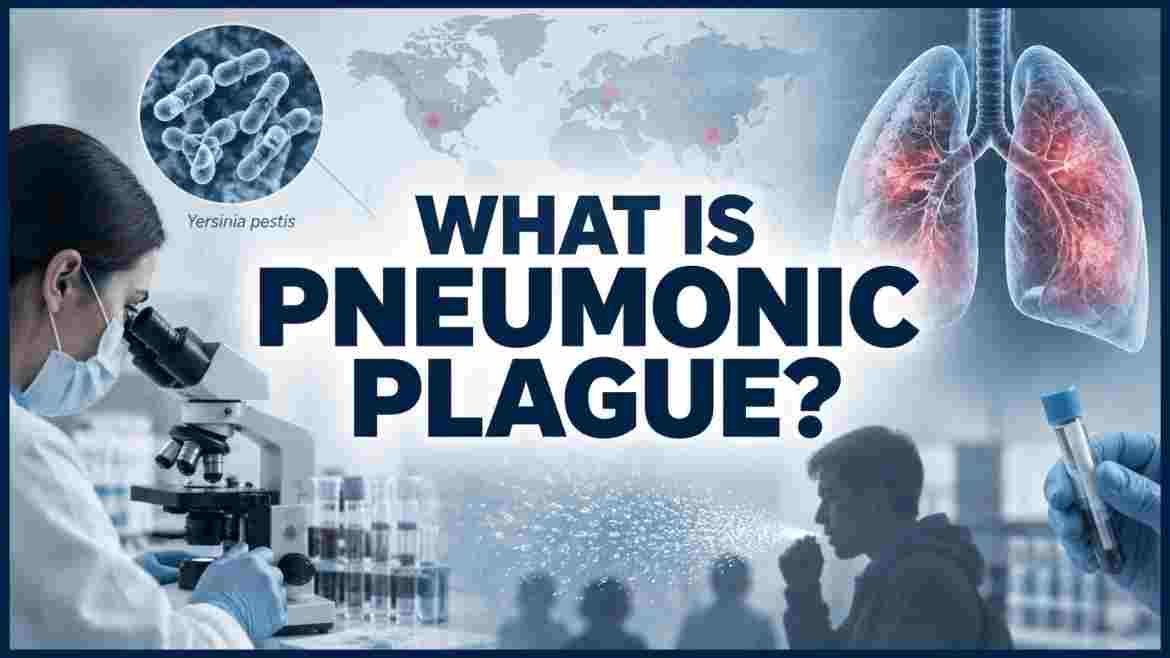
Pneumonic plague is the lung form of plague, caused by the bacterium Yersinia pestis, and it is the only form that spreads from person to person through respiratory droplets, with an incubation period of 1 to 4 days and a fatality rate close to 100% when untreated. In October 2026 a suspected case at an anti-plague institute in Irkutsk, Russia, where a 28-year-old worker died of pneumonia of unknown cause, put the disease back in the headlines, yet the CDC rates the risk to the United States as extremely low.
Pneumonic Plague – Introduction
Pneumonic Plague is the most dangerous clinical form of a disease that once killed tens of millions of people. Plague starts in rodents and fleas. When the bacteria reach the lungs, the illness becomes pneumonic plague. It then moves through coughs and close contact, and it can kill within days. Modern antibiotics changed the odds, but only when doctors give them early.
Human cases are rare today, and most of them come from Africa, Asia and the western United States. The October 2026 Irkutsk case brought fresh attention because the cause of death is still unconfirmed and the World Health Organization is asking Moscow for more information. Doctors treat plague as a medical emergency, and public health teams trace every contact. This report covers the symptoms, transmission, cases, treatment and key facts behind pneumonic plague, one data table at a time.
Interesting Facts About Pneumonic Plague 2026
FATALITY RATES FOR PLAGUE SCENARIOS (each █ = 5%)
━━━━━━━━━━━━━━━━━━━━━━━━━━━━━━━━━━━━━━━━━━━━━━━━━━━━━━━━
Untreated pneumonic plague (WHO)     ████████████████████  ~100%
Moramanga, Madagascar 2015 outbreak  ██████████████        71%
US plague before antibiotics         ████████████          60%
Untreated bubonic plague (upper end) ████████████          60%
Madagascar 2017 outbreak (Oct 20)    ██                    8%
US plague overall, with antibiotics  █                     6%
━━━━━━━━━━━━━━━━━━━━━━━━━━━━━━━━━━━━━━━━━━━━━━━━━━━━━━━━
| Interesting Fact | 2026 Data |
|---|---|
| Cause | The bacterium Yersinia pestis |
| Incubation period | 1 to 4 days for the pneumonic form (ECDC) |
| Untreated fatality | Close to 100% for pneumonic plague (WHO) |
| Global cases, 2010-2015 | 3,248 cases and 584 deaths (WHO) |
| US average | About 7 human plague cases per year |
| Last US person-to-person spread | 1925 |
| Irkutsk, Russia, October 2026 | 1 death, nearly 200 contacts observed, diagnosis unconfirmed |
| CDC risk rating for the US | Extremely low |
Source: World Health Organization; European Centre for Disease Prevention and Control; MedlinePlus (National Library of Medicine); Centers for Disease Control and Prevention, October 2026.
The first four rows describe the disease itself. The bacterium Yersinia pestis causes it, and pneumonic plague shows up fast, 1 to 4 days after exposure. Left untreated, it kills almost everyone, which is why the WHO puts the fatality rate near 100%. The WHO also counted 3,248 cases and 584 deaths worldwide from 2010 to 2015, so plague is rare but never gone.
The last four rows describe the United States and the Irkutsk case. Americans see about 7 plague cases a year, mostly in the rural West, and no one has caught plague from another person on US soil since 1925. The Irkutsk case involves 1 death and nearly 200 people under observation, yet the diagnosis remains unconfirmed. The CDC calls the US risk extremely low, and the chart shows why early antibiotics matter: 6% overall US mortality today against 60% before antibiotics.
Pneumonic Plague Outbreak in Russia 2026 | Irkutsk Timeline and Latest Updates
IRKUTSK CONTACT TESTING (each █ = 10 people)
━━━━━━━━━━━━━━━━━━━━━━━━━━━━━━━━━━━━━━━━━━━━━━
Contacts under medical observation  ████████████████████  ~200
Tested positive for Covid           ▏                      2
Tested positive for rhinovirus      ▏                      2
Tested positive for plague          ·                      0
━━━━━━━━━━━━━━━━━━━━━━━━━━━━━━━━━━━━━━━━━━━━━━
| Date | Event |
|---|---|
| September 25 | Local reports say a worker broke a test tube holding the pneumonic plague pathogen (unconfirmed) |
| September 29 | The 28-year-old woman was admitted with severe pneumonia |
| October 1-2 | She died overnight |
| October 4 | Russia acknowledged her death as pneumonia of unknown aetiology |
| October 7 | The Kremlin called reports of a second case false information; the WHO asked Russia to respond |
| October 7 | The CDC rated the US risk extremely low |
Source: Axios; Al Jazeera; NBC News; World Health Organization briefing; Centers for Disease Control and Prevention, October 4-8, 2026.
The timeline starts on September 25, when local reports said the worker broke a test tube holding the pathogen. Russian authorities have not confirmed that account. She entered hospital on September 29 with severe pneumonia and died overnight between October 1 and 2. After her death, officials quarantined several medical facilities and placed nearly 200 contacts under medical observation. The governor of Irkutsk said those people showed no illness and tested negative.
Russia’s health regulator found no plague among the contacts it tested. It reported 2 Covid cases and 2 rhinovirus cases and called the death pneumonia of unknown cause. The WHO says it does not know the causative agent and does not understand how she was infected. On October 7 the WHO chief asked Russia about media reports of a second employee with pneumonia. The Kremlin dismissed those reports. The CDC, the EU and the WHO all want timely information from Moscow.
Pneumonic Plague Symptoms 2026 | Early Signs, Incubation and Timeline
INCUBATION PERIOD, UPPER LIMIT IN DAYS (each █ = 1 day)
━━━━━━━━━━━━━━━━━━━━━━━━━━━━━━━━━━━━━━━━━━━━━━━━━━━━━━━
Pneumonic plague (NIH MedlinePlus)  ███                3 days
Pneumonic plague (ECDC)             ████               4 days
Plague, all forms (WHO)             ███████            7 days
━━━━━━━━━━━━━━━━━━━━━━━━━━━━━━━━━━━━━━━━━━━━━━━━━━━━━━━
| Symptom Metric | 2026 Data |
|---|---|
| Pneumonic incubation | 1 to 3 days (MedlinePlus); 1 to 4 days (ECDC) |
| Other plague forms | Symptoms after 1 to 7 days (WHO) |
| Early symptoms | Fever, headache, weakness |
| Lung symptoms | Rapid pneumonia, shortness of breath, chest pain, cough |
| Mucus | Sometimes bloody or watery |
| Confirmation | Requires laboratory testing |
Source: MedlinePlus (National Library of Medicine); European Centre for Disease Prevention and Control; World Health Organization; Médecins Sans Frontières, 2026.
Pneumonic plague moves fast. Symptoms appear suddenly, usually 1 to 3 days after exposure, and the ECDC extends that window to 4 days. Other forms of plague take longer, with the WHO citing 1 to 7 days. The short window explains why pneumonic outbreaks burn through a household or a ward before anyone names the cause.
The first signs look like many other illnesses: fever, headache and weakness. Then pneumonia develops quickly, with shortness of breath, chest pain and a cough that can bring up bloody or watery mucus. No symptom alone proves plague. Only laboratory testing confirms it, so doctors rely on exposure history, such as contact with a sick animal or a known case, and they must act before the result returns.
Types of Plague 2026 | Bubonic vs Septicemic vs Pneumonic Plague
UNTREATED FATALITY RANGE BY PLAGUE FORM
━━━━━━━━━━━━━━━━━━━━━━━━━━━━━━━━━━━━━━━━━━━━━━━━━━━━━━━━━━━━━━━━━━━━━━━━━━━━━━
Bubonic      ▒▒▒▒▒▒██████                30% to 60%
Septicemic   ▒▒▒▒▒▒██████████████        30% to 100%
Pneumonic    ████████████████████        close to 100%
━━━━━━━━━━━━━━━━━━━━━━━━━━━━━━━━━━━━━━━━━━━━━━━━━━━━━━━━━━━━━━━━━━━━━━━━━━━━━━
| Plague Form | 2026 Facts |
|---|---|
| Bubonic | Spread by infected fleas; 30% to 60% fatal untreated; the most common type in the US |
| Septicemic | Spreads through the whole body; almost everyone dies if not treated right away |
| Pneumonic | Lung infection; the most virulent and least common form; the only form that spreads between people |
| US cases, 1990-2005 | 107 total; 76% bubonic, 5% primary pneumonic, 10% fatal |
Source: World Health Organization; MedlinePlus (National Library of Medicine); CDC Morbidity and Mortality Weekly Report, 2006-2026.
Plague comes in three clinical forms, and they differ in speed and spread. Bubonic plague follows a flea bite and swells the lymph nodes. It kills 30% to 60% of untreated patients, and it is the type Americans meet most often. Septicemic plague puts the bacteria into the blood and spreads through the whole body. Neither form passes easily from person to person.
Pneumonic plague is the exception. The WHO calls it the most virulent and least common form. It can start in the lungs from an inhaled droplet, or it can follow bubonic or septicemic plague when the bacteria travel to the lungs. The CDC counted 107 US plague cases from 1990 to 2005. Of those, 76% were bubonic, only 5% were primary pneumonic, and 10% ended in death. Pneumonic plague is rare, but it carries the highest stakes.
Pneumonic Plague Transmission 2026 | How Does It Spread Between People?
MADAGASCAR 2017 CASES BY FORM, OCT 20
━━━━━━━━━━━━━━━━━━━━━━━━━━━━━━━━━━━━━━━━━━━━━━━━━━━━━━━━━
Pneumonic plague   ██████████████████   915
Bubonic plague     ██████               275
Unspecified        ███                  174
Septicemic plague  ▏                     1
━━━━━━━━━━━━━━━━━━━━━━━━━━━━━━━━━━━━━━━━━━━━━━━━━━━━━━━━━
| Transmission Metric | 2026 Data |
|---|---|
| Route | Respiratory droplets from an infected person or animal |
| Contact needed | Direct, close contact (CDC) |
| Person-to-person form | Pneumonic plague only |
| Last US person-to-person spread | 1925 |
| Pneumonic share, Madagascar 2017 | 915 of 1,365 cases (67%) |
| Common US source | Domestic cats with plague |
Source: Centers for Disease Control and Prevention; MedlinePlus (National Library of Medicine); European Centre for Disease Prevention and Control; Arizona Department of Health Services, 2017-2026.
Droplets carry the disease. An infected person or animal coughs, the droplets hang in the air, and a nearby person breathes them in. The CDC says this takes direct and close contact, and pneumonic plague is the only form that passes between people. Untreated bubonic or septicemic plague can also reach the lungs and turn pneumonic. In the United States, sick domestic cats have been a common source of primary pneumonic plague, and no one has caught plague from another person here since 1925.
Madagascar shows what droplet spread can do. In 2017 the island reported 1,365 cases by October 20, and 915 of them, or 67%, were pneumonic. The ECDC said that share pointed to droplet transmission driving the spread beyond the usual bubonic areas. Bubonic cases numbered 275, septicemic plague only 1, and 174 cases had no recorded form. The pattern explains why health officials isolate pneumonic patients at once.
Pneumonic Plague Cases 2026 | Global and US Statistics
MADAGASCAR 2017 PLAGUE REPORTS
━━━━━━━━━━━━━━━━━━━━━━━━━━━━━━━━━━━━━━━━━━━━━━━━━━━━━━━━━━━━━━━━
Oct 9 cases    ███████████                  560
Oct 20 cases   ███████████████████████████  1,365
Oct 9 deaths   ▒▒▒▒▒▒▒▒▒▒▒                  57
Oct 20 deaths  ▒▒▒▒▒▒▒▒▒▒▒▒▒▒▒▒▒▒▒▒▒        106
━━━━━━━━━━━━━━━━━━━━━━━━━━━━━━━━━━━━━━━━━━━━━━━━━━━━━━━━━━━━━━━━
| Case Metric | Data |
|---|---|
| Global cases, 2010-2015 | 3,248 cases, 584 deaths (WHO) |
| DRC and Madagascar share | 92% of cases, 2010-2015 |
| Madagascar, October 9, 2017 | 560 cases, 57 deaths, 394 pneumonic |
| Madagascar, October 20, 2017 | 1,365 cases, 106 deaths (8% fatality) |
| Moramanga, Madagascar, 2015 | 14 cases, 71% fatality |
| United States, yearly | About 7 cases |
| US pneumonic cases, 1942-2018 | 18 |
Source: World Health Organization; European Centre for Disease Prevention and Control; CDC Emerging Infectious Diseases and MMWR, 2015-2026.
The WHO counted 3,248 cases and 584 deaths from 2010 to 2015. The Democratic Republic of the Congo and Madagascar reported 92% of them. Africa’s burden sits in the same region that Ebola outbreak statistics in Africa track for 2026, where fragile health systems make every outbreak harder to contain. Madagascar’s 2017 epidemic grew from 560 cases and 57 deaths on October 9 to 1,365 cases and 106 deaths by October 20, an 8% fatality rate because most patients got treatment.
Smaller clusters hit harder. The 2015 Moramanga outbreak had only 14 cases but a 71% fatality rate. In the United States, plague stays rare at about 7 cases a year, and the CDC counted just 18 pneumonic cases from 1942 to 2018. A Wyoming case in 2021 was the second primary pneumonic case and the seventh plague case of any form in that state’s recorded history.
Pneumonic Plague in Madagascar and Endemic Countries 2026 | Where Plague Still Strikes
MADAGASCAR PNEUMONIC SHARE AND FATALITY
━━━━━━━━━━━━━━━━━━━━━━━━━━━━━━━━━━━━━━━━━━━━━━━━━━━━━━━━━
Pneumonic share of cases, 2015   █████               23.3%
Pneumonic share of cases, 2017   █████████████       67%
Overall fatality rate, 2015      █████               23%
Overall fatality rate, 2017      ██                  8%
━━━━━━━━━━━━━━━━━━━━━━━━━━━━━━━━━━━━━━━━━━━━━━━━━━━━━━━━━
| Endemic Metric | Data |
|---|---|
| Most endemic countries | Democratic Republic of the Congo, Madagascar and Peru |
| Madagascar epidemic season | September to April |
| Madagascar bubonic cases per year | About 400 (ECDC) |
| Suspected cases, 1998-2016 | 13,234 clinically suspected cases in Madagascar |
| Pneumonic share, 2015 | 23.3% of cases, with 23% overall fatality |
| Pneumonic share, 2017 | 67% of cases, with 8% overall fatality |
Source: Médecins Sans Frontières; European Centre for Disease Prevention and Control; CDC Emerging Infectious Diseases; World Health Organization, 2015-2026.
Three countries carry most of the world’s plague: the Democratic Republic of the Congo, Madagascar and Peru. Madagascar sees bubonic cases nearly every year during an epidemic season that runs from September to April, and the ECDC puts the yearly toll at about 400 cases. Between 1998 and 2016 the island logged 13,234 clinically suspected cases, so its health system faces plague as a routine threat.
The mix of forms changes with each outbreak. In 2015 pneumonic plague made up 23.3% of Madagascar’s cases and the overall fatality rate hit 23%. In 2017 the pneumonic share jumped to 67%, and the fatality rate fell to 8% because teams treated patients fast and gave antibiotics to contacts. A higher pneumonic share signals faster spread, while a lower fatality rate signals a faster response. Both numbers matter when officials judge an outbreak.
Pneumonic Plague Treatment 2026 | Antibiotics, Isolation and Prophylaxis
US PLAGUE MORTALITY AND UNTREATED PNEUMONIC
━━━━━━━━━━━━━━━━━━━━━━━━━━━━━━━━━━━━━━━━━━━━━━━━━━━━━━━━━
Untreated pneumonic plague   ████████████████████  ~100%
US before antibiotics        ████████████          60%
US overall, with antibiotics █                     6%
━━━━━━━━━━━━━━━━━━━━━━━━━━━━━━━━━━━━━━━━━━━━━━━━━━━━━━━━━
| Treatment Metric | 2026 Data |
|---|---|
| Antibiotics named by NIH | Streptomycin, gentamicin, doxycycline |
| FDA-approved options | Streptomycin, ciprofloxacin, levofloxacin, moxifloxacin, doxycycline |
| Close contacts | Preventive antibiotics and careful monitoring |
| US mortality before antibiotics | 60% |
| US mortality now | 6% overall |
| US vaccine | None available |
Source: MedlinePlus (National Library of Medicine); Centers for Disease Control and Prevention guidance via Arizona Department of Health Services; World Health Organization, 2026.
Treatment depends on speed. Doctors use streptomycin, gentamicin or doxycycline, and the FDA has approved streptomycin, ciprofloxacin, levofloxacin, moxifloxacin and doxycycline for plague. Almost everyone with pneumonic or septicemic plague dies without prompt treatment. Before antibiotics, 60% of US plague patients died. Today overall US mortality is 6%, and the gap shows what early antibiotics buy. Plague pneumonia looks like routine lung illness at first, and the US recorded 41,627 pneumonia deaths in 2024, as the pneumonia statistics in the US report shows.
Contacts need attention too. Anyone with close contact to a pneumonic plague patient should receive antibiotics as a precaution and stay under watch. Patients need isolation from caregivers and other patients. No plague vaccine is available in the United States, and a researcher quoted by the Associated Press said the vaccines used elsewhere lack strong evidence of protection against the pneumonic form. Antibiotics, isolation and fast diagnosis are the whole toolkit.
Pneumonic Plague Risk to the US 2026 | CDC Response, Travel and Screening
PNEUMONIC CASES: US HISTORY VS ONE MADAGASCAR OUTBREAK
━━━━━━━━━━━━━━━━━━━━━━━━━━━━━━━━━━━━━━━━━━━━━━━━━━━━━━━━━━━━━━━━━━━━━━━━━
US pneumonic cases, 1942-2018     ▏                    18
Madagascar 2017 pneumonic cases   ██████████████████   915
━━━━━━━━━━━━━━━━━━━━━━━━━━━━━━━━━━━━━━━━━━━━━━━━━━━━━━━━━━━━━━━━━━━━━━━━━
| Risk Metric | 2026 Data |
|---|---|
| CDC risk rating | Extremely low for the United States |
| Travel from the Siberian region | About 200 people per year to the US |
| Direct Russia-US flights | Suspended since 2022 |
| Airport screening | CDC health station at JFK in New York |
| Plague in Europe | Absent for more than 50 years |
| Secondary cases reported | 0 (EU assessment) |
Source: Centers for Disease Control and Prevention; US Department of Health and Human Services via Reuters; European Centre for Disease Prevention and Control, October 2026.
The CDC called the risk to the United States extremely low and said no sign points to a wider threat. About 200 people a year travel from the Siberian region to the US, and direct flights between Russia and America have been suspended since 2022. CDC Director Erica Schwartz said her agency is working with Homeland Security, State and Defense to monitor travelers, and the CDC health station at JFK can screen anyone arriving from the region. The ECDC reported no secondary cases and little travel to Europe.
The numbers back the low rating. The United States saw 18 pneumonic cases in more than seven decades, against 915 in one Madagascar outbreak. Plague has been absent from Europe for more than 50 years. Rodent-borne threats do exist in the American West, and the hantavirus statistics in the US report counts 890 laboratory-confirmed cases since 1993. The unanswered question in Irkutsk is the cause of death, and the WHO wants that answer.
Pneumonic Plague FAQs 2026
What Is Pneumonic Plague?
What Is Pneumonic Plague: it is the lung infection form of plague, caused by Yersinia pestis. It spreads through respiratory droplets, shows up within 1 to 4 days and kills nearly everyone it infects without treatment.
What are the symptoms of pneumonic plague?
Fever, headache and weakness come first. Rapid pneumonia follows, with shortness of breath, chest pain and a cough that sometimes brings up bloody or watery mucus. Only laboratory testing confirms plague.
How is pneumonic plague transmitted?
Through droplets from a coughing person or animal who has pneumonic plague. The CDC says it takes direct and close contact. It is the only form of plague that spreads between people.
How long is the incubation period for pneumonic plague?
Usually 1 to 3 days according to MedlinePlus, and up to 4 days according to the ECDC. Other plague forms can take 1 to 7 days to show symptoms.
How deadly is pneumonic plague?
Without treatment it is close to 100% fatal. With antibiotics, overall US plague mortality is 6%, compared with 60% before antibiotics existed.
Can pneumonic plague be treated?
Yes. Doctors use antibiotics such as streptomycin, gentamicin and doxycycline. Treatment must start early, and close contacts of a patient receive preventive antibiotics.
Is there a vaccine for pneumonic plague?
No plague vaccine is available in the United States. Vaccines used elsewhere protect against bubonic plague, but strong evidence for protection against the pneumonic form is missing.
How many people get plague each year?
The WHO counted 3,248 cases and 584 deaths worldwide from 2010 to 2015. The United States averages about 7 cases a year.
What happened in Irkutsk, Russia, in October 2026?
A 28-year-old worker at the Irkutsk anti-plague institute died after severe pneumonia, and Russia calls it pneumonia of unknown cause. Nearly 200 contacts are under observation, and the WHO is asking for more information.
Is pneumonic plague a risk in the United States in 2026?
The CDC calls the risk extremely low. About 200 people a year travel from the Siberian region to the US, and direct flights have been suspended since 2022.
Where does pneumonic plague occur today?
The Democratic Republic of the Congo and Madagascar reported 92% of global cases from 2010 to 2015. In the US, cases occur mainly in rural parts of the West.
Has pneumonic plague spread person to person in the US?
Not since 1925. Cases that do occur, such as the 2021 Wyoming case, are isolated infections with no known onward spread.
Is pneumonic plague the same as the Black Death?
Both come from the same bacterium. Plague caused pandemics that killed tens of millions of people in history. Today human cases are rare and doctors can cure most of them with antibiotics when treatment starts early.
How do doctors diagnose pneumonic plague?
Doctors suspect it from fever, pneumonia and an exposure history, such as contact with a sick animal or a known case. Laboratory testing confirms it, so treatment often begins before the result arrives.
Who is at risk of pneumonic plague?
People in close contact with a pneumonic patient face the highest risk. Others at risk include people exposed to sick cats or wild rodents, mainly in rural parts of the western United States, Africa and Asia.
How can you lower your risk of plague?
The CDC recommends bug spray with DEET to keep fleas away when hunting or camping. Anyone with fever after animal exposure should see a doctor quickly.
Will the Irkutsk situation change?
Yes. Russia, the WHO and the CDC are still exchanging information, and the cause of death is unconfirmed. Check the CDC and WHO websites for the newest updates and guidance.
Disclaimer: This research report is compiled from publicly available sources. While reasonable efforts have been made to ensure accuracy, no representation or warranty, express or implied, is given as to the completeness or reliability of the information. We accept no liability for any errors, omissions, losses, or damages of any kind arising from the use of this report.