
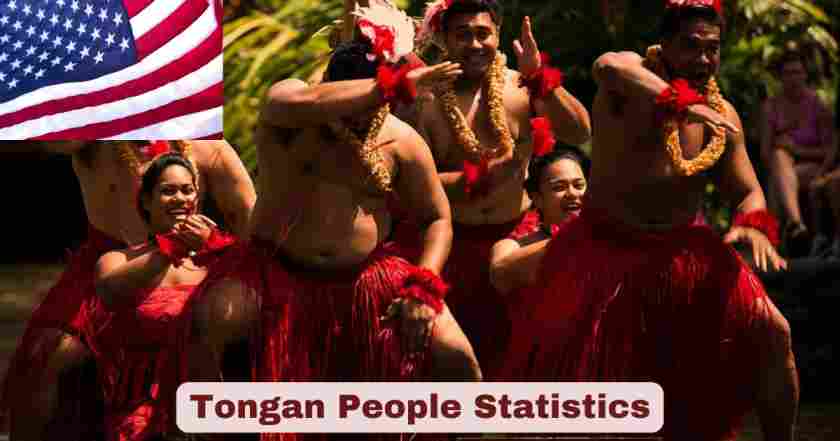
Tongan People in 2025
The Kingdom of Tonga, officially known as the Kingdom of Tonga, stands as one of the few remaining Polynesian monarchies in the Pacific Ocean. The nation comprises an archipelago of 176 islands spread across approximately 270,000 square miles of ocean, though only 36 islands are permanently inhabited, covering a total land area of 290 square miles (748 square kilometers). As we examine the demographic landscape of Tongan people in 2025, the picture reveals a resilient nation navigating the complexities of modernization while maintaining strong cultural traditions. The Tongan population has demonstrated remarkable perseverance through natural disasters, including the devastating 2022 Hunga Tonga-Hunga Ha’apai volcanic eruption, tropical cyclones, and the COVID-19 pandemic, all while continuing to preserve the unique fa’a Tonga (Tongan way of life) that has sustained these island communities for over three millennia.
The Tongan people 2025 population projections, based on United Nations data and the official 2021 Population and Housing Census, indicate an estimated 103,742 people residing in the Kingdom as of mid-year 2025. This represents a modest increase from the census-verified 100,179 residents counted on November 30, 2021. While population growth has remained positive, the rate continues to be substantially affected by outmigration, with an estimated 150,000 to 200,000 people of Tongan descent living overseas—nearly double the domestic population. This creates a unique demographic reality where the Tongan diaspora in countries like New Zealand, Australia, and the United States plays a crucial economic role through remittances, which accounted for an extraordinary 46% of Tonga’s GDP in 2021, one of the highest remittance-to-GDP ratios in the world.
Interesting Stats & Facts About Tongan People 2025
| Category | Facts & Statistics | Data Source & Year |
|---|---|---|
| Total Population (Projected) | 103,742 people | UN Population Division, 2025 Projection |
| Total Population (Last Census) | 100,179 people | Tonga Statistics Department, 2021 Census |
| Population Change 2016-2021 | Decreased by 511 people (-0.5%) | Tonga Statistics Department, 2021 |
| Global Ranking | 197th-199th in world population | UN Data, 2025 |
| Population Density 2025 | 144 per km² (373 per sq. mile) | UN Population Division, 2025 |
| Median Age | 20.8 years (2025) | UN Population Division, 2025 |
| Gender Distribution | Males: 50.3% (52,115); Females: 49.7% (51,627) | UN estimates based on 2021 Census |
| Youth Population | Approximately 34% under age 15 | UN Population Division, 2025 |
| Working Age Population | Approximately 61% aged 15-64 | UN Population Division, 2025 |
| Elderly Population | Approximately 5% aged 65 or over | UN Population Division, 2025 |
| Ethnic Tongans | 98.3% of population | 2021 Census data |
| Literacy Rate | 99.4% (ages 15+) | UNESCO, 2021 |
| Christian Population | 98.3% identify as Christian | CIA World Factbook, 2021 estimates |
| Urban Population | 25.98% (26,950 people) | UN Data, 2025 |
| Life Expectancy | 72.9 years overall (2023) | WHO/World Bank, 2023 |
| Obesity Rate | 75.6% of adults (2016); over 70% (2025 est.) | WHO, World Bank estimates |
| Diaspora Population | 150,000-200,000 overseas | Multiple sources, 2021-2025 |
| Remittances Share of GDP | 46% (2021) | World Bank, 2021 |
Data Sources: Tonga Statistics Department 2021 Population and Housing Census; United Nations Department of Economic and Social Affairs, Population Division – World Population Prospects: The 2024 Revision; UNESCO; WHO; World Bank
The statistics reveal fascinating characteristics about Tongan people. The modest 0.5% population decrease between 2016 and 2021 (a loss of 511 residents) demonstrates relative stability compared to other Pacific Island nations, though this masks the complex reality of significant outmigration offset by natural population growth. The remarkably young median age of 20.8 years positions Tonga as having one of the youngest populations in the Pacific region, with approximately 34% of the population under age 15. This youthful demographic structure contrasts sharply with aging populations in developed nations and reflects both cultural values emphasizing large families and relatively high fertility rates.
The ethnic homogeneity at 98.3% makes Tonga one of the most ethnically uniform nations globally, with indigenous Polynesian Tongans constituting nearly the entire population. The exceptional literacy rate of 99.4% ranks among the highest worldwide, reflecting Tonga’s strong commitment to universal education despite limited resources. Perhaps most striking is the obesity rate exceeding 70%, making Tonga the second most obese nation globally after Nauru. This public health crisis stems from dietary shifts toward imported processed foods, reduced physical activity, and genetic predispositions, creating significant challenges for healthcare systems and life expectancy. The urbanization rate of only 25.98% indicates that most Tongans continue to live in rural villages, maintaining traditional lifestyles centered on extended families, subsistence agriculture, and church communities, though increasing migration to the capital Nuku’alofa continues gradually reshaping settlement patterns.
Tongan Population Demographics 2025
| Demographic Category | 2021 Census Data | 2025 Projection |
|---|---|---|
| Total Population | 100,179 | 103,742 |
| Male Population | 50,412 (50.3%) | 52,115 (projected 50.2%) |
| Female Population | 49,767 (49.7%) | 51,627 (projected 49.8%) |
| Median Age | 20.2 years | 20.8 years |
| Children (0-14 years) | 33,871 (33.8%) | 35,272 (projected 34.0%) |
| Youth (15-24 years) | 19,756 (19.7%) | 20,437 (projected 19.7%) |
| Working Age (25-64 years) | 40,009 (39.9%) | 41,469 (projected 40.0%) |
| Seniors (65+ years) | 6,543 (6.5%) | 6,564 (projected 6.3%) |
| Dependency Ratio | 61.2 per 100 working-age | 62.5 per 100 (projected) |
| Population Density | 134 per km² | 144 per km² |
Data Source: Tonga Statistics Department 2021 Population and Housing Census; UN Population Division 2025 Projections
The demographic structure of Tongan people in 2025 showcases a classic developing nation profile with a broad base of young people supporting economic and social development. The projected total population of 103,742 represents a 3.6% increase from the 2021 census, suggesting that natural population growth (births minus deaths) has more than compensated for continued outmigration. The gender distribution remains nearly balanced, with males slightly outnumbering females at 50.2% versus 49.8%, a pattern typical of populations with high birth rates and relatively low selective migration by gender.
The age structure reveals critical insights about Tonga’s future. With 34% of the population under age 15, the nation possesses substantial momentum for continued population growth even if fertility rates decline, as these young people enter their reproductive years. The youth cohort aged 15-24 at 19.7% represents both opportunity and challenge—these young Tongans need quality education, vocational training, and employment opportunities to avoid joining the migration stream to New Zealand, Australia, or the United States. The working-age population between 25 and 64 constitutes 40%, providing the economic foundation for supporting dependents, though underemployment and limited formal employment opportunities push many into subsistence agriculture or overseas work.
The relatively small proportion of seniors aged 65 and over at 6.3% indicates that Tonga has not yet entered demographic aging, though this will inevitably increase as life expectancy improves and fertility moderates. The median age of 20.8 years places Tonga among the world’s youngest nations—by comparison, the global median age exceeds 30 years, while developed nations average 40+ years. The dependency ratio of 62.5 dependents per 100 working-age persons means that each working Tongan must theoretically support 0.625 dependents (children or elderly), creating economic pressures that drive migration seeking higher incomes. The population density increase from 134 to 144 persons per square kilometer reflects both population growth and the concentration of settlement on the main island of Tongatapu, where development and services concentrate, leaving outer islands increasingly depopulated.
Tongan Ethnic and Cultural Composition 2025
| Ethnicity/Identity | Population Count | Percentage |
|---|---|---|
| Tongan (Indigenous Polynesian) | 98,476 | 98.3% |
| Part-Tongan (Mixed Heritage) | 1,018 | 1.0% |
| European/Palagi | 401 | 0.4% |
| Other Pacific Islander | 184 | 0.2% |
| Asian (Chinese, Filipino, Indian) | 100 | 0.1% |
| Total Population | 100,179 | 100.0% |
| Tongan Language Speakers | 98,875 | 98.7% |
| English Speakers | 67,625 | 67.5% |
| Bilingual (Tongan & English) | 66,820 | 66.7% |
| Tongan Language Only | 32,055 | 32.0% |
Data Source: Tonga Statistics Department 2021 Population and Housing Census; Language estimates based on education and census data
The ethnic composition of Tongan people demonstrates extraordinary cultural homogeneity rarely found in modern nations. Indigenous Polynesian Tongans comprise 98.3% of the population, representing one of the world’s most ethnically uniform societies. This homogeneity reflects Tonga’s unique history as the only Pacific nation never formally colonized by European powers, preserving indigenous institutions including the monarchy, the noble system, and traditional land tenure. The Kingdom of Tonga has maintained continuous sovereignty since ancient times, with the current royal family tracing lineage back over 1,000 years through 50+ generations of monarchs.
The part-Tongan population at 1.0% typically results from intermarriage with Europeans, other Pacific Islanders, or Asians, with these mixed-heritage individuals fully integrated into Tongan society and culture. The minimal European/Palagi population at 0.4% consists primarily of expatriate teachers, missionaries, development workers, and business people, along with a small number who have married into Tongan families and settled permanently. The other Pacific Islander presence at 0.2% includes individuals from neighboring Samoa, Fiji, Niue, and other Polynesian nations, often connected through marriage or employment. The very small Asian population at 0.1% represents dramatic decline from earlier decades—in 2001, approximately 4,000 Chinese residents (4% of the population) lived in Tonga, but the 2006 Nuku’alofa riots targeting Chinese-owned businesses triggered mass emigration, reducing the Chinese population to fewer than 300.
Language patterns reinforce cultural preservation, with 98.7% speaking Tongan, the national language belonging to the Polynesian language family, closely related to Samoan, Maori, and Hawaiian. English serves as the co-official language, spoken by 67.5% of the population, primarily as a second language learned through education. The bilingual population at 66.7% navigates between Tongan for family and community life and English for government business, formal education beyond primary school, and international commerce. However, 32% speak only Tongan, concentrated among elderly villagers and young children, indicating that English proficiency correlates with education level and exposure to urban environments. The persistence of the Tongan language reflects deliberate cultural preservation, with parents teaching children traditional language, customs, and values, while schools balance Tongan cultural education with English-language instruction preparing students for global opportunities.
Tongan Education Statistics 2025
| Education Metric | Data/Percentage | Details |
|---|---|---|
| Literacy Rate – Total | 99.4% | Ages 15 and above (2021) |
| Literacy Rate – Males | 99.4% | Ages 15 and above (2021) |
| Literacy Rate – Females | 99.5% | Ages 15 and above (2021) |
| Primary School Enrollment | 94.6% net enrollment | Ages 4-5 (2020) |
| Primary Schools | Approximately 95 schools | Nationwide (2023) |
| Secondary Schools | Approximately 22 high schools | Nationwide (2023) |
| Tertiary Institutions | Approximately 20 institutions | Including Tonga National University (2023) |
| Education Spending | 4.9% of GDP | Government expenditure (2021) |
| Education Budget Share | 10.1% of total government spending | 2021 |
| Year 4 Reading Proficiency – Boys | 38% | Pacific Islands Assessment (2021) |
| Year 4 Reading Proficiency – Girls | 56% | Pacific Islands Assessment (2021) |
| Students Benefiting from Infrastructure Projects | ~8,000 students | Safe Schools Project |
Data Source: UNESCO, 2021; Tonga Ministry of Education; World Bank; Pacific Islands Literacy and Numeracy Assessment 2021
The educational profile of Tongan people reveals a fascinating paradox: exceptionally high literacy rates coupled with concerning learning outcome gaps. The remarkable literacy rate of 99.4% positions Tonga among the world’s most literate nations, comparable to developed countries and far exceeding the global average of 86.5%. Uniquely, female literacy at 99.5% slightly exceeds male literacy at 99.4%, one of the few countries where women achieve higher literacy, reflecting strong cultural values emphasizing education for both genders and possibly greater male dropout rates for agricultural work or early migration.
The near-universal primary education access demonstrates Tonga’s commitment to foundational education, with 94.6% net enrollment of 4-5 year-olds in pre-primary programs, a dramatic increase from previous decades when early childhood education reached only limited populations. The expansion results from partnerships with NGOs and faith-based organizations establishing community centers across islands. The country operates approximately 95 primary schools and 22 high schools, supplemented by 20 tertiary institutions including the newly-established Tonga National University (TNU), which opened in January 2023 by merging several government institutes to create a comprehensive national university offering degree programs previously unavailable domestically.
Public investment in education remains robust, with 4.9% of GDP allocated to education spending (2021), representing 10.1% of total government expenditure. This substantial commitment reflects recognition that education provides the foundation for economic development and equips youth for opportunities both domestically and through migration. However, learning outcomes reveal significant challenges. In the 2021 Pacific Islands Literacy and Numeracy Assessment, only 38% of boys and 56% of girls in Year 4 achieved minimum reading proficiency—disturbing results indicating that high enrollment and literacy rates mask serious quality deficiencies. The 18-percentage-point gender gap disadvantaging boys suggests that male students face particular challenges, possibly related to expectations for agricultural work, early dropout for employment, or teaching methods better suited to girls.
International development partners have responded with substantial support. The World Bank-supported Tonga Safe and Resilient Schools Project brings $21 million in financing to expand disaster-resistant classrooms, improve sanitation, and provide teacher housing, benefiting approximately 8,000 students. The Global Partnership for Education approved a $2.5 million System Transformation Grant (July 2024) supporting curriculum reform, classroom libraries, reading programs, and home-based learning, particularly targeting boys, children with disabilities, and low-income families. Australia and New Zealand provide ongoing support for literacy, numeracy, and technical-vocational education. These interventions aim to ensure that universal access translates into meaningful learning preparing Tongans for an increasingly competitive global economy.
Tongan Employment and Economy 2025
| Employment Category | Data/Percentage | Details |
|---|---|---|
| Official Unemployment Rate | 2.1% (2021); 2.4% (2023) | World Bank, Tonga Statistics |
| Agricultural Employment | 30% | 2021 data |
| Agricultural GDP Contribution | 3% from exports | Despite 30% employment (2021) |
| Remittances as % of GDP | 46% | World Bank, 2021 |
| Tourism Sector Impact | Significant employment | Pre-pandemic levels recovering |
| Poverty Rate (Upper-Middle Income Line) | 20.6% (2021) | USD $6.85/day (2017 PPP) |
| Poverty Rate (Lower-Middle Income Line) | 1.6% (2021) | USD $3.65/day (2017 PPP) |
| Multidimensional Poverty | 24% (2021) | Down from 27% (2015) |
| Food Poverty Rate | 1.0% | Below food poverty line |
| Labor Force Participation | ~55-60% | Working-age population |
| Informal Economy | High proportion | Subsistence agriculture, family businesses |
Data Source: World Bank 2021-2024 Reports; Tonga Statistics Department; International Labour Organization
The economic and employment landscape of Tongan people reflects a small island economy with limited diversification, heavy dependence on remittances, and vulnerability to external shocks. The official unemployment rate of 2.4% (2023) appears remarkably low, but this statistic masks substantial underemployment and informal work—many Tongans engage in subsistence agriculture, family enterprises, or casual employment not captured in formal labor statistics. The agricultural sector employs 30% of workers, making it the largest employment category, yet these jobs primarily support household subsistence rather than generating significant commercial income. Remarkably, despite one-third of employment being in agriculture, agricultural exports contribute only 3% to GDP, consisting mainly of fish, squash pumpkins, and root crops shipped to New Zealand, Japan, and the United States.
The most striking economic reality is remittances accounting for 46% of GDP, one of the highest ratios globally. This extraordinary dependence on money sent home by overseas Tongans reflects a cultural pattern where family members—especially husbands and adult children—migrate to New Zealand, Australia, the United States, or other destinations for employment, sending substantial portions of their earnings to support families remaining in Tonga. In 2021, remittances increased in both coverage (more households receiving) and per-household amounts, partially offsetting economic damage from COVID-19 border restrictions and the 2022 volcanic eruption. While remittances provide crucial income support, research suggests this dependence may increase inequality (wealthier, educated families send migrants who remit more) and suppress domestic economic dynamism by reducing incentives for local entrepreneurship and job creation.
Poverty rates depend significantly on measurement methodology. Using the upper-middle-income poverty line of $6.85 per day (2017 PPP), 20.6% of Tongans live in poverty (2021), equivalent to approximately 20,661 people. However, using the lower-middle-income line of $3.65 per day, only 1.6% are poor, indicating most Tongans avoid absolute deprivation. The multidimensional poverty rate of 24% measures deprivation across multiple dimensions including health, education, and living standards—this declined from 27% in 2015 despite major challenges including cyclones, the COVID-19 pandemic, and the 2022 volcanic eruption. Food poverty affects only 1.0%, based on a poverty line of T$2,783 (approximately $3.99 2017 PPP per day) representing the cost of a 2,100 kcal daily diet, indicating that most Tongans access adequate nutrition through subsistence agriculture, fishing, and food purchases supplemented by remittances.
The tourism sector provides employment in hotels, restaurants, tour operations, and handicrafts, though Tonga’s tourism industry remains small compared to other Pacific nations, limited by geographic isolation, limited direct flights, and underdeveloped infrastructure. The sector faced devastation during COVID-19 border closures but has begun recovering as international travel resumed. The economy’s structural challenges include limited private sector development, heavy government employment, small domestic market constraining business scale, vulnerability to natural disasters, and dependence on imported goods creating trade deficits. China has emerged as a significant economic partner, financing infrastructure projects through loans that raise concerns about debt sustainability, while traditional partners Australia and New Zealand continue providing development assistance, budget support, and market access for Tongan exports and migrant workers.
Tongan Health and Vital Statistics 2025
| Health Indicator | Rate/Data | Context |
|---|---|---|
| Life Expectancy at Birth | 72.9 years (2023) | WHO/World Bank data |
| Life Expectancy – Males | 69.4 years | 2023 estimate |
| Life Expectancy – Females | 76.4 years | 2023 estimate |
| Birth Rate (2024) | 23.18 per 1,000 population | MacroTrends estimate |
| Death Rate (2025 est.) | ~5.8 per 1,000 population | UN estimates |
| Fertility Rate (2024) | 3.36 children per woman | Above replacement level |
| Infant Mortality Rate | Declining, estimated ~12 per 1,000 | Historical trend data |
| Obesity Rate (Adults) | 75.6% (2016); >70% (2025 est.) | WHO, World Bank |
| Average BMI | 31.9 | Second highest globally |
| Leading Cause of Death | Non-communicable diseases (NCDs) | 60%+ of all deaths |
| Diabetes Prevalence | 13.63% | Of all deaths |
| Cardiovascular Disease | Major killer | Linked to obesity |
Data Source: WHO; World Bank; MacroTrends; Tonga Ministry of Health
The health profile of Tongan people presents contrasts between improving life expectancy and severe public health challenges. Life expectancy at birth reached 72.9 years (2023), a substantial improvement from 55.78 years in 1950, reflecting seven decades of progress in sanitation, healthcare access, childhood immunization, and reduced infant mortality. The gender gap shows females living to 76.4 years compared to males at 69.4 years, a 7-year difference exceeding typical patterns and possibly linked to higher rates of obesity-related diseases and risk-taking behaviors among men. The birth rate of 23.18 per 1,000 population combined with fertility at 3.36 children per woman indicates that Tongan women have substantially more children than the replacement level of 2.1, though fertility has declined dramatically from 7.3 births per woman in 1955.
The nation’s most critical health challenge is the obesity epidemic affecting over 70% of adults, making Tonga the world’s second most obese country after Nauru. The average body mass index (BMI) of 31.9 classifies the typical Tongan adult as obese (BMI ≥30). This crisis emerged from multiple factors: traditional Polynesian diets rich in coconut, root crops, and fresh fish have been largely replaced by imported processed foods high in fats, sugars, and sodium; physical activity declined as traditional subsistence agriculture gave way to sedentary lifestyles and motor vehicle use; and genetic factors may predispose Pacific Islanders to weight gain and metabolic disorders. The obesity rate surged from 47.8% in 1975 to 75.6% by 2016, representing one of the world’s fastest increases.
Non-communicable diseases (NCDs) constitute the leading causes of death, accounting for over 60% of all mortality. Cardiovascular diseases (heart disease and stroke combined) cause the most deaths, while diabetes affects 13.63% of the population and contributes significantly to mortality. Other major killers include respiratory diseases (influenza and pneumonia at 7.26%), cancers (breast cancer at 2.83% among others), and chronic lung diseases (4.60%). Risk factors for NCDs include obesity, physical inactivity, tobacco use, alcohol consumption, high blood pressure, and diets lacking fruits and vegetables—all prevalent in Tonga. The NCD epidemic strains the limited healthcare system, reduces quality of life, increases disability, and threatens to reverse life expectancy gains.
Government and international responses include Tonga becoming the first Pacific nation to implement a tax on unhealthy imported foods (2017), targeting mutton flaps, chicken pieces, and turkey tails to discourage consumption. The Tonga Health Promotion Foundation (TongaHealth), established in 2007, leads prevention efforts through public education on healthy eating, physical activity, tobacco control, and alcohol moderation. Schools have introduced nutrition and physical education programs, while community groups promote traditional foods and active lifestyles. International partners including WHO, Australia, and New Zealand support NCD prevention and healthcare system strengthening. Despite these efforts, changing deeply entrenched dietary and lifestyle patterns remains enormously challenging, requiring sustained multi-generational commitment to protect future Tongan health and wellbeing.
Tongan Geographic Distribution 2025
| Region/Division | 2021 Population | 2025 Projection | Percentage |
|---|---|---|---|
| Tongatapu | 74,611 | 77,292 | 74.5% |
| Vava’u | 12,918 | 13,382 | 12.9% |
| Ha’apai | 5,877 | 6,089 | 5.9% |
| ‘Eua | 4,903 | 5,080 | 4.9% |
| Ongo Niua (Niuas) | 1,870 | 1,899 | 1.8% |
| Capital – Nuku’alofa | ~24,500 | ~25,500 | 24.6% |
| Urban Population | ~26,000 | ~26,950 | 26.0% |
| Rural Population | ~74,179 | ~76,792 | 74.0% |
| Main Island Concentration | 74,611 (Tongatapu) | 77,292 | 74.5% |
Data Source: Tonga Statistics Department 2021 Census; UN Population Division 2025 Projections
The geographic distribution of Tongan people demonstrates extreme concentration on the main island, with population disparities creating economic and service delivery challenges. Tongatapu island houses 74.5% of the total population (approximately 77,292 people in 2025), despite being only one of 36 inhabited islands. Tongatapu, measuring approximately 99 square miles (257 square kilometers), contains the capital Nuku’alofa, home to roughly 25,500 people or 24.6% of the national population. Nuku’alofa serves as the political, economic, commercial, and cultural heart of the Kingdom, hosting the royal palace, government ministries, major businesses, the port, and Tonga’s only significant urban environment. The concentration intensifies as rural-to-urban migration continues, with villagers from Tongatapu’s interior and outer islands moving to the capital seeking employment, education, and services.
Vava’u, the second most populous division, contains 12.9% of residents (approximately 13,382 people), spread across several islands in the northern group. Vava’u’s main town, Neiafu, functions as a regional center with government offices, secondary schools, a hospital, and tourism infrastructure catering to visiting yachts attracted by the protected harbor and excellent sailing conditions. Ha’apai group, positioned between Tongatapu and Vava’u, houses only 5.9% of the population (approximately 6,089 people) across numerous low-lying islands that suffered severe damage from cyclones and the 2022 volcanic eruption. The volcanic ash fall, tsunami waves, and complete loss of communications devastated Ha’apai communities, accelerating outmigration to Tongatapu or overseas.
‘Eua island, located just 28 miles from Tongatapu, contains 4.9% of residents (approximately 5,080 people). Despite proximity to the capital, ‘Eua remains relatively undeveloped, characterized by rugged terrain, subsistence agriculture, and limited services, though its dramatic cliffs and rainforest attract eco-tourism. The remote Ongo Niua (Niuas) group in the far north houses only 1.8% of the population (approximately 1,899 people) on Niuafo’ou and Niuatoputapu islands. Geographic isolation—over 200 miles north of Vava’u—creates substantial challenges for service delivery, with infrequent shipping, limited air service, restricted healthcare, and few economic opportunities beyond subsistence agriculture and fishing.
The urbanization rate of only 26% indicates that most Tongans live in rural villages maintaining traditional lifestyles. However, this statistic somewhat misleads—Tonga’s “rural” areas include villages with schools, clinics, churches, electricity, and mobile phone coverage, differing substantially from remote rural areas in larger countries. Village life centers on extended family compounds, subsistence gardens (api), church activities, and traditional social obligations. The 74% rural population preserves Tongan culture, language, and customs more strongly than urban areas, though this creates challenges: rural incomes lag urban earnings, youth outmigrate seeking opportunities, and maintaining infrastructure across dispersed islands strains limited government budgets. The geographic concentration on Tongatapu creates environmental pressures including groundwater depletion, waste management challenges, coastal erosion, and vulnerability to sea-level rise, while depopulation of outer islands leaves aging communities struggling to maintain schools, clinics, and essential services, raising difficult questions about long-term viability of settlement across all island groups.
Tongan Religion and Cultural Practices 2025
| Religious Affiliation | Percentage | Denomination/Details |
|---|---|---|
| Christian (Total) | 98.3% | Nearly universal |
| Protestant | 63.9% | Multiple denominations |
| Free Wesleyan Church | 34.2% | Largest single denomination |
| Free Church of Tonga | 11.3% | Major Methodist branch |
| Church of Tonga | 6.8% | Methodist tradition |
| Tokaikolo Christian Church | 1.5% | Local Christian movement |
| Assembly of God | 2.5% | Pentecostal |
| Seventh Day Adventist | 2.3% | Protestant denomination |
| Other Protestant | 5.3% | Various smaller churches |
| Roman Catholic | 13.7% | Second largest group |
| Church of Jesus Christ of Latter-day Saints (Mormon) | 18.0% | Significant presence |
| Other Christian | 2.7% | Including Jehovah’s Witnesses |
| Other Religions | 0.8% | Non-Christian faiths |
| No Religion | 0.8% | Secular/unaffiliated |
| Church Attendance | Over 90% | Weekly participation |
| Sabbath Observance | Constitutionally protected | Sunday ban on commerce |
Data Source: CIA World Factbook 2021 estimates; Tonga Constitution; Cultural surveys
The religious landscape of Tongan people reveals one of the world’s most deeply Christian societies, where faith permeates every aspect of daily life. An overwhelming 98.3% identify as Christian, making religious practice nearly universal. Christianity arrived in Tonga in 1797 through Methodist missionaries, and the Free Wesleyan Church, established in 1885, remains the largest denomination at 34.2%. Historically, the royal family belonged to this church, giving it special status, though King Tāufa’āhau Tupou IV converted to Roman Catholicism in the 1960s, elevating that denomination’s social standing. The Free Church of Tonga (11.3%) and Church of Tonga (6.8%), both Methodist offshoots, combined with other Protestant denominations bring total Protestant affiliation to 63.9%.
The Roman Catholic Church comprises 13.7% of the population, operating schools and social services that extend its influence beyond its membership. The Church of Jesus Christ of Latter-day Saints (Mormon) represents 18.0%, a remarkably high proportion reflecting intensive missionary work and the church’s emphasis on family values resonating with Tongan culture. The LDS Church operates schools, provides humanitarian assistance, and attracts converts through its structured programs and economic support networks. Assembly of God (2.5%), Seventh Day Adventist (2.3%), and other Pentecostal/Evangelical movements appeal particularly to youth with contemporary worship styles, though traditional denominations still dominate.
Religious observance in Tonga exceeds 90% weekly church attendance, among the highest globally. Church services, often lasting two to three hours, feature passionate singing, lengthy sermons in Tongan, and social fellowship afterward. Religious leaders (faifekau) command immense respect and moral authority extending far beyond spiritual matters into community decision-making and conflict resolution. Sunday observance is constitutionally mandated—the Tongan Constitution prohibits commercial activities, sports, entertainment, and unnecessary labor on the Sabbath. Violations can result in fines or imprisonment, though enforcement varies. This creates a distinctive rhythm where Tonga essentially closes for 24 hours weekly, with families attending church in traditional formal attire, sharing elaborate Sunday feasts, and spending time together.
The remarkable aspect is Christianity’s integration with traditional Tongan culture rather than displacing it. The fa’a Tonga (Tongan way) encompasses pre-Christian customs including respect for rank and hierarchy, the faka’apa’apa (showing respect through behavior and language), gift-giving obligations, extended family responsibilities, and the kava ceremony (sharing of the traditional drink in formal settings). Churches support rather than oppose most traditional practices, creating a cultural synthesis where Christian faith and ancestral customs coexist. The tiny non-religious population at 0.8% indicates that secular perspectives remain extremely rare—Tongan identity intertwines so deeply with Christian faith that being Tongan and being Christian are virtually synonymous. Church affiliation often determines social networks, marriage prospects, business connections, and community standing, making religious participation essential for social integration beyond personal spirituality.
Tongan Family Structure and Household Composition 2025
| Family Characteristic | Data/Percentage | Details |
|---|---|---|
| Average Household Size | 5.2 persons | 2021 Census |
| Nuclear Family Households | ~40-45% | Parents and children |
| Extended Family Households | ~55-60% | Multiple generations/relatives |
| Female-Headed Households | ~25% | Women as primary householders |
| Households With Children Under 15 | ~60% | Majority have young children |
| Multigenerational Households | Over 50% | Three or more generations |
| Marriage Rate | High cultural emphasis | Traditional expectations |
| Average Age at First Marriage – Females | Early-mid 20s | Cultural variation |
| Average Age at First Marriage – Males | Mid-late 20s | Later than females |
| Divorce Rate | Low officially | Cultural stigma |
| Single-Parent Families | Increasing | Primarily female-headed |
Data Source: Tonga Statistics Department 2021 Census; Cultural research; Pacific Islands demographic studies
The family structure of Tongan people reflects the enduring strength of traditional kinship systems despite modernization pressures. The average household size of 5.2 persons substantially exceeds developed nation averages, indicating that Tongan families remain large and often include members beyond the nuclear family unit. Extended family living arrangements characterize 55-60% of households, with grandparents, unmarried adult siblings, nieces, nephews, or other relatives residing together. This pattern serves multiple functions: providing childcare while parents work, caring for elderly family members, pooling economic resources, and maintaining traditional social structures centered on the kainga (extended family group).
Nuclear family households comprising 40-45% represent increasing individualism, particularly among younger, educated, urban couples who establish independent residences. However, even these nuclear families maintain close ties with extended kin, participating in family obligations, contributing to ceremonial gift-giving, and providing mutual assistance during crises. The proportion of female-headed households at approximately 25% has grown substantially, driven by male outmigration for employment, relationship breakdown, and widowhood. Female household heads often face economic disadvantages but typically receive support from extended family networks that prevent the social isolation single mothers might experience in Western societies.
Marriage remains highly valued, with strong cultural and religious pressure to marry and have children. Women typically marry in their early-to-mid-20s, while men marry slightly later in their mid-to-late-20s, often after establishing economic stability through employment or land access. Traditional marriages involved extensive negotiations between families, substantial gift exchanges (koloa), and ceremonies affirming family alliances. Modern weddings blend Christian religious ceremonies with traditional customs including enormous feasts and elaborate gift presentations that can cost families thousands of dollars or more, creating significant economic pressure. Divorce rates remain relatively low officially due to religious opposition, cultural stigma, and legal obstacles, though informal separations occur more frequently than statistics suggest.
Over 60% of households include children under 15, reflecting the young population structure and cultural values emphasizing children as blessings and family continuity. Tongan children are typically raised not just by parents but by extended family members—grandparents, aunts, uncles, and older siblings all participate in childcare, discipline, and cultural education. This collective childrearing reinforces kinship bonds and transmits traditional knowledge, language, and values across generations. Multigenerational households exceeding 50% reflect the cultural expectation that adult children care for aging parents rather than placing them in institutional care, which would be considered shameful abandonment.
The kainga (extended family) system, led by a senior male or female, organizes social life beyond individual households. The kainga collectively owns land, makes decisions about resource allocation, pools labor for major tasks, and fulfills ceremonial obligations. Members contribute money, food, and labor for family events including weddings, funerals, and title installations. This system provides security and identity but also creates tensions as educated youth increasingly question obligations that drain personal resources, and as urbanization and migration weaken traditional structures. The tension between individual aspirations and family obligations represents one of the central dynamics shaping modern Tongan society.
Tongan Housing and Living Conditions 2025
| Housing Characteristic | Count/Percentage | Details |
|---|---|---|
| Total Households | 19,267 | 2021 Census |
| Average Persons per Household | 5.2 persons | 2021 Census |
| Permanent Dwellings | ~95% | Modern construction materials |
| Traditional Fale Construction | ~5% | Declining traditional homes |
| Households With Electricity | 96.5% | Near-universal access |
| Households With Piped Water | 78.0% | Urban areas higher |
| Households With Flush Toilets | 85.7% | Sanitation access |
| Homeownership | ~70-75% | On family/communal land |
| Rental Housing | ~20-25% | Primarily urban |
| Housing Materials – Concrete/Block | Majority | Modern construction |
| Roofing – Corrugated Iron | Dominant | Replaced traditional thatch |
| Cyclone-Resistant Construction | Increasing | Post-disaster reconstruction |
Data Source: Tonga Statistics Department 2021 Census; Tonga Ministry of Infrastructure; Development partner reports
The housing and living conditions of Tongan people have improved substantially over recent decades, though significant disparities exist between urban and rural areas. The 2021 Census counted 19,267 households, averaging 5.2 persons each, higher than developed nations but reflecting cultural preferences for larger family units and multigenerational living. The vast majority of homes (approximately 95%) now use permanent construction materials including concrete block walls, reinforced concrete or timber framing, and corrugated iron roofing, replacing traditional fale (Tongan houses) made from woven coconut fronds, timber posts, and thatched roofs. While traditional fale provided natural ventilation and cooling suited to tropical climate, they offered minimal protection against cyclones, required constant maintenance, and have largely disappeared except in remote villages or as ceremonial structures.
Access to basic services shows impressive coverage. An exceptional 96.5% of households have electricity, provided by Tonga Power Limited through diesel generators and increasingly through renewable energy—solar installations have expanded rapidly with international support, reducing dependence on expensive imported diesel fuel. Piped water access reaches 78.0% of households, though availability varies significantly—urban areas and main islands have reliable reticulated water systems, while outer islands and rural areas depend more on rainwater catchment tanks, wells, and communal taps. Water quality remains a concern in some areas, with contamination risks during flooding or after cyclones. Flush toilet access at 85.7% indicates substantial progress in sanitation, reducing waterborne diseases, though some rural households still use pit latrines or outdoor facilities.
Homeownership rates of 70-75% appear high but require context—most Tongans own their homes but not the underlying land. Under Tonga’s unique land tenure system, all land belongs to the Crown, divided into hereditary estates controlled by the King and 33 nobles. Upon reaching age 16, every Tongan male is entitled to lease an ‘api (tax allotment) of approximately 8.25 acres for agricultural use and a kolo (town allotment) of approximately 0.38 acres for residence. Women and non-Tongans cannot hold allotments directly but may build homes on family land or lease from allotment holders. This system prevents land sale to foreigners but also restricts land markets, complicates property rights for mortgages, and disadvantages women and non-noble commoners in a hierarchical system dating to the 1875 Constitution.
Housing construction has evolved toward cyclone resistance following repeated disasters. Traditional timber houses often collapsed during cyclones, causing deaths and leaving families homeless. Post-disaster reconstruction increasingly emphasizes reinforced concrete block construction, properly anchored roofing, impact-resistant windows, and elevated foundations to withstand storm surge. The World Bank-supported Tonga Safe and Resilient Schools Project demonstrates this approach, building disaster-resistant school facilities serving as community shelters during emergencies. However, cyclone-proof construction costs substantially more than traditional methods, requiring financial assistance, microfinance lending, or remittances from overseas family members to afford resilient housing. Rental housing, comprising 20-25% of dwellings, concentrates in Nuku’alofa and larger towns, serving government employees, teachers, healthcare workers posted from other islands, and the small expatriate community, though high rents relative to local incomes create affordability challenges for urban residents without land allotments.
Tongan Migration and Diaspora 2025
| Migration Category | Data/Percentage | Details |
|---|---|---|
| Domestic Population (2021) | 100,179 | Census count |
| Projected Domestic Population (2025) | 103,742 | UN projection |
| Overseas Diaspora | 150,000-200,000 | Estimated total |
| Tongans in New Zealand | ~80,000 | Largest diaspora community |
| Tongans in Australia | ~45,000 | Second largest community |
| Tongans in United States | ~60,000 | Including Hawaii |
| Population Growth Rate 2025 | 0.73% | Natural increase minus migration |
| Net Migration Rate | -17.5 per 1,000 population | Outmigration exceeds immigration |
| Remittances Received (2021) | $230 million USD | Equivalent to 46% of GDP |
| Households Receiving Remittances | Over 80% | Nearly universal |
| Average Annual Remittance | ~$2,000-5,000 per household | Varies widely |
Data Source: World Bank 2021-2024; Tonga Statistics; UN Population Division; Diaspora research studies
The migration and diaspora patterns of Tongan people represent the defining demographic characteristic shaping the nation’s present and future. The remarkable reality is that more Tongans live overseas (150,000-200,000) than in Tonga itself (103,742), creating a transnational community spanning multiple countries. This extensive diaspora emerged from limited domestic economic opportunities, natural disaster impacts, desires for better education and healthcare, and facilitated by migration pathways to New Zealand, Australia, and the United States. The net migration rate of -17.5 per 1,000 population indicates that outmigration substantially exceeds any immigration, making emigration the single largest factor constraining population growth despite relatively high fertility rates.
New Zealand hosts the largest overseas Tongan community, with approximately 80,000 people of Tongan descent. Auckland alone contains more Tongans than all of Tonga, with concentrated communities in South Auckland suburbs including Māngere and Ōtara. New Zealand’s migration pathways include the Pacific Access Category (PAC) quota allocating 250 residence places annually to Tongans, though the Recognized Seasonal Employer (RSE) scheme provides temporary agricultural work for thousands more. Australia’s Tongan population of approximately 45,000 concentrates in Sydney, Melbourne, and Brisbane, with migration facilitated by the Pacific Australia Labour Mobility (PALM) scheme providing seasonal work in horticulture and hospitality. The United States hosts around 60,000 Tongans, with major communities in California (Los Angeles, San Francisco Bay Area), Utah (Salt Lake City area), and Hawaii (Honolulu), entering through family reunification visas, refugee/asylum status, or educational pathways.
The economic impact of migration centers on remittances totaling $230 million USD in 2021, an extraordinary 46% of GDP—among the highest remittance-to-GDP ratios globally. Over 80% of households receive remittances, ranging from occasional contributions to regular monthly support averaging $2,000-5,000 annually per household, though amounts vary enormously based on family circumstances and overseas relatives’ financial capacity. Remittances fund daily consumption, school fees, healthcare, housing construction and improvement, ceremonial obligations, church donations, and starting small businesses. Research indicates remittances reduce poverty, increase household consumption, improve nutrition and health outcomes, and enable education investments. However, concerns exist that remittance dependence suppresses domestic labor force participation (why work locally for low wages when family abroad sends money?), creates inequality between families with overseas connections and those without, and makes the economy vulnerable to global economic downturns affecting diaspora employment.
Migration creates profound social impacts beyond economics. Families separate as husbands, wives, or adult children migrate for years or permanently, leaving behind spouses, elderly parents, and children raised by grandparents or relatives. This family fragmentation strains relationships, creates emotional hardship, and challenges traditional social structures. Children raised by grandparents while parents work overseas may benefit from remittances funding education but lose daily parental guidance. Yet migration also creates opportunities—diaspora members gain education, skills, income, and exposure to different cultures while maintaining strong Tongan identity through churches, cultural groups, and regular return visits. The transnational family has become the norm, with sophisticated communication networks using phones, social media, and money transfer services maintaining connections across vast distances. Tongans increasingly view themselves as a global people, with communities in Tonga and overseas equally legitimate parts of the nation, challenging traditional notions of national identity tied to geographic territory and suggesting that Tonga’s future may lie not in stemming migration but in leveraging diaspora resources, skills, and connections for homeland development while maintaining cultural continuity across dispersed populations.
Tongan Technology and Digital Access 2025
| Technology Metric | Percentage/Count | Details |
|---|---|---|
| Mobile Phone Subscribers | Over 90% of population | Near-universal coverage |
| Internet Users | 54.8% of population | 2023 estimate |
| Social Media Users | Growing rapidly | Facebook dominance |
| Households With Internet | ~40-45% | Home broadband access |
| Mobile Internet Dominance | Over 80% of internet access | Smartphone-based |
| Submarine Cable Access | Yes – Tonga Cable | Since 2013 |
| 4G Mobile Coverage | Major islands | Digicel and TCC |
| Computer/Laptop Ownership | ~25-30% of households | Lower than mobile devices |
| Digital Payment Adoption | Increasing | Mobile money services |
| Electricity Access | 96.5% of households | Enables device charging |
| Digital Divide – Urban vs Rural | Significant disparity | Outer islands lag |
Data Source: International Telecommunication Union; DataReportal 2023; Tonga Communications Corporation; Market research
The technology and digital access landscape for Tongan people has transformed dramatically over the past decade, driven by mobile phone proliferation and submarine cable internet connectivity. Mobile phone subscribers exceed 90% of the population, with many Tongans owning multiple devices or SIM cards from competing providers Digicel Tonga and Tonga Communications Corporation (TCC). Mobile phones serve not just for calls but increasingly as primary internet devices, banking platforms, and social connection tools. The shift toward mobile technology leapfrogged the fixed-line telephone era—landline penetration never exceeded 20% before mobile services rendered them obsolete.
Internet usage reached 54.8% of the population (2023), representing a dramatic increase from single-digit percentages in the early 2010s. The breakthrough came from the Tonga Cable, a submarine fiber optic cable connecting Tonga to Fiji (and onward to global networks) that began operations in 2013, replacing expensive and slow satellite connections. The cable reduced internet costs by over 90% and increased speeds by orders of magnitude, enabling Tongans to access modern web services, stream videos, use social media, and conduct online business previously impossible with satellite bandwidth limitations. Mobile internet dominates, with over 80% of internet users accessing primarily via smartphones using 4G mobile data from Digicel and TCC, which have expanded coverage across Tongatapu, Vava’u, Ha’apai, and partially to ‘Eua and the Niuas.
Home broadband access reaches only 40-45% of households, concentrated in urban Nuku’alofa and major towns, while rural areas depend more on mobile data. Computer and laptop ownership remains relatively low at 25-30% of households, reflecting costs and limited necessity when smartphones provide sufficient functionality for most users. The digital divide manifests clearly between urban and rural areas, with outer islands experiencing inferior connectivity, limited 4G coverage, and higher costs. Educational implications concern policymakers—students in Nuku’alofa with home internet and computers access vastly superior digital learning resources compared to rural students dependent on school facilities or mobile phones with limited data packages.
Social media adoption has exploded, particularly Facebook, which dominates online activity. Tongans use Facebook for personal communication, business marketing, news consumption, community organizing, political discussion, and maintaining diaspora connections—overseas Tongans share family updates, coordinate remittances, and participate virtually in home events through live-streamed funerals, weddings, and church services. Digital payment services are expanding, with mobile money platforms like M-Pa’anga enabling cashless transactions, bill payments, and remittance transfers, though cash remains dominant in rural areas. The COVID-19 pandemic accelerated digital adoption, forcing government services, education, and businesses online, revealing both progress and gaps in digital readiness. Looking forward, Tonga aims to leverage connectivity for economic development through remote work, online education, e-government services, and digital entrepreneurship, while addressing the digital divide threatening to create information haves and have-nots that could exacerbate existing inequalities between urban and rural populations, educated and less educated, and younger and older generations.
The demographic future of Tongan people presents both opportunities and challenges as the nation navigates the 2025 landscape and beyond. The projected modest population growth to 103,742 masks the fundamental tension between natural increase (births exceeding deaths) and persistent outmigration draining human capital, particularly educated youth and working-age adults seeking opportunities abroad. If current migration patterns continue, the domestic population could stagnate or decline despite relatively high fertility, while the overseas diaspora expands, fundamentally altering what it means to be Tongan and raising questions about sustaining communities on outer islands where schools close, clinics struggle, and young people vanish. The climate change threat looms increasingly large—rising seas threaten coastal communities and infrastructure, while intensifying cyclones and shifting weather patterns imperil agriculture and freshwater supplies, potentially forcing migration as an adaptation strategy rather than purely an economic choice.
Yet the assets Tongan people possess should not be underestimated. The young population with improving education levels, though many migrate, also creates potential for innovation and entrepreneurship if domestic conditions improve. The vast diaspora, rather than representing simply loss, constitutes a strategic resource—remittances provide crucial income support, while diaspora skills, capital, and connections could drive development if effectively engaged through diaspora investment incentives, knowledge transfer programs, and circular migration schemes allowing overseas Tongans to contribute periodically without permanent return. The strong cultural identity centered on Christianity, fa’a Tonga, and monarchy provides social cohesion that many nations lack, potentially anchoring identity across geographic dispersion. Success requires difficult policy choices: economic diversification beyond remittance dependence through sectors like sustainable tourism, fisheries, renewable energy, and digital services; climate adaptation investments in resilient infrastructure, sustainable agriculture, and disaster preparedness; education and health system strengthening to improve human capital; land tenure reform enabling women’s rights and mobilizing land for productive use; and governance improvements reducing corruption and improving service delivery. The next census in 2026 will reveal whether initiatives to address these challenges are succeeding or whether Tonga continues along the path toward an increasingly transnational, climate-vulnerable nation where prosperity lies primarily overseas while the homeland struggles to sustain viable communities across its beautiful but fragile island archipelago.
Disclaimer: This research report is compiled from publicly available sources. While reasonable efforts have been made to ensure accuracy, no representation or warranty, express or implied, is given as to the completeness or reliability of the information. We accept no liability for any errors, omissions, losses, or damages of any kind arising from the use of this report.