
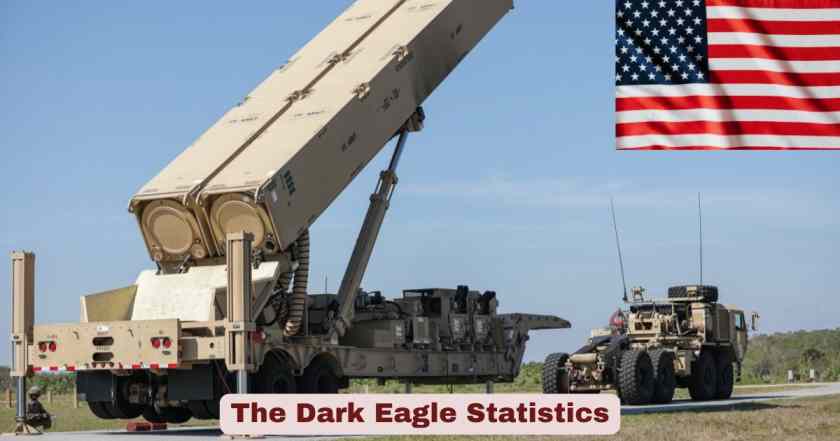
The Dark Eagle Hypersonic Missile
The Dark Eagle is the United States Army’s first operational hypersonic missile system — and in 2026, it is also one of the most consequential weapons programs in the entire US defense portfolio. Formally designated “Dark Eagle” on April 24, 2025, and officially known as the Long-Range Hypersonic Weapon (LRHW), the system is a ground-launched, boost-glide hypersonic weapon built around the Common Hypersonic Glide Body (C-HGB) — a maneuverable, unpowered glide vehicle that is released from a two-stage solid-fuel rocket booster in the upper atmosphere and then skims toward its target at speeds exceeding Mach 5 on an unpredictable, non-ballistic trajectory that current missile defense systems cannot reliably intercept. Unlike traditional ballistic missiles that follow a fixed, predictable arc, the Dark Eagle maneuvers laterally during its glide phase, adjusting altitude and direction in real time, making it extraordinarily difficult to track and defeat with existing surface-to-air missile batteries or advanced air defense networks. Developed jointly by the US Army and US Navy with industrial partners including Lockheed Martin, Northrop Grumman, and Dynetics (a subsidiary of Leidos), the system is a direct response to the operational hypersonic systems already fielded by China (DF-17) and Russia (Avangard).
What elevates Dark Eagle from a weapons program to a strategic landmark in 2026 is the pace at which its status has changed in the past twelve months. In April 2025, the Army formally gave it its name. In December 2024, it completed its second successful end-to-end flight test — the first confirming repeatability of a system that had failed or been cancelled multiple times between 2021 and 2022. In March 2026, a joint Army-Navy test at Cape Canaveral validated the shared missile architecture used across both services. In April 2026, it was formally placed under the authority of US Strategic Command (USSTRATCOM) — reporting directly to the National Command Authority, a command chain historically reserved for nuclear weapons. On April 27, 2026, the US Army awarded a $2.7 billion contract to accelerate production and fielding of the system. And as of April 29, 2026 — the day this article was last updated — US Central Command had formally requested the deployment of Dark Eagle to the Middle East, marking the first time Washington had considered deploying this technology in an active operational theater. The Dark Eagle is no longer approaching — it has arrived.
📊 Key Dark Eagle Hypersonic Missile Facts in 2026 — At a Glance
| Dark Eagle Fact | Data Point |
|---|---|
| Official designation | Dark Eagle — formally named April 24, 2025 |
| Program designation | Long-Range Hypersonic Weapon (LRHW) |
| Missile speed | Mach 5+ — some estimates up to Mach 17 at peak |
| Operational range | 1,725 miles (~2,775 km) (Congress.gov / CRS) |
| Time to maximum range target | 15–20 minutes |
| Warhead type | Conventional, non-nuclear — kinetic impact + small warhead |
| Warhead estimated weight | Below 14 kg |
| Glide body temperature tolerance | Up to 3,000°F (1,650°C) during hypersonic flight |
| Launch platform | Mobile Transporter Erector Launcher (TEL) — road-mobile |
| Missiles per battery | 8 All-Up Rounds (AURs) — 4 TELs per battery |
| Primary contractors | Lockheed Martin, Northrop Grumman, Dynetics (Leidos) |
| Glide body developer | Dynetics (Leidos) — C-HGB |
| Booster developer | Lockheed Martin / Northrop Grumman |
| Successful flight tests to date | 4 confirmed — Oct 2017, Mar 2020, Jun 2024, Dec 2024 |
| Joint Army-Navy test (2026) | March 26, 2026 — Cape Canaveral, validated shared architecture |
| Per-missile cost estimate (2023 CBO) | ~$41 million (300-unit buy; current costs exceed this) |
| Per-missile cost (Fox News / newer estimate) | ~$15 million per missile (alternative lower-end estimate) |
| $2.7 billion contract award | April 27, 2026 — accelerated production contract |
| Command authority (April 2026) | USSTRATCOM under National Command Authority |
| First operational unit | 5th Bn, 3rd Field Artillery Regiment, Joint Base Lewis-McChord, WA |
Source: Congressional Research Service (CRS) Report IF11991, Version 36 (April 7, 2026); USNI News (April 9, 2026); Army Recognition (April 7, 2026 & August 2025); Stars and Stripes (April 10, 2026); OvertDefense (April 27, 2026); Congress.gov; Fox News Digital (April 29, 2026); Wikipedia Long-Range Hypersonic Weapon (updated May 1, 2026)
These twenty facts establish the Dark Eagle’s position in 2026 as a system that has crossed the line from developmental to operational — but is still accumulating its full combat capability and strategic doctrine simultaneously. The Mach 5+ speed combined with a 1,725-mile range and a 15–20 minute time-to-target window places the Dark Eagle in a fundamentally different category than any conventional surface-to-surface weapon the US Army has previously fielded. For context: a conventionally armed cruise missile like the Tomahawk takes approximately 60–90 minutes to cover 1,000 miles; the Dark Eagle covers 1,725 miles in 15–20 minutes — a roughly five-to-six-times faster time-to-target that collapses the decision and response window available to adversaries in ways that no prior conventional weapon has achieved. The April 7, 2026 placement under USSTRATCOM — the command that controls US nuclear forces — formally signaled that this is not a battlefield fire support system but a strategic national asset to be held at the highest level of command authority, used only for high-value targets with national-level authorization.
Dark Eagle Technical Specifications in 2026
📊 Dark Eagle (LRHW) — Core Technical Specifications (2026)
━━━━━━━━━━━━━━━━━━━━━━━━━━━━━━━━━━━━━━━━━━━━━━━━━━━━━━━━━━━━
  Speed (minimum classified)     Mach 5+ (>3,836 mph at altitude)
  Speed (peak reported estimate) Mach 17 (~13,000 mph)
  Range                          1,725 miles / 2,775 km
  Time to max range target       15–20 minutes
  Flight altitude                Upper atmosphere (quasi-ballistic glide)
  Warhead                        Conventional kinetic strike + <14 kg warhead
  Booster stages                 2-stage solid-fuel rocket
  Glide body                     Common Hypersonic Glide Body (C-HGB) — unpowered
  Temp tolerance (glide body)    Up to 3,000°F / 1,650°C
  Launch platform                Mobile TEL (heavy tactical vehicle, road-mobile)
━━━━━━━━━━━━━━━━━━━━━━━━━━━━━━━━━━━━━━━━━━━━━━━━━━━━━━━━━━━━| Technical Specification | Value | Source |
|---|---|---|
| Speed — minimum threshold | Mach 5+ (>3,836 mph at altitude) | CRS IF11991 / Congress.gov |
| Speed — peak reported estimate | Mach 17 (~13,000 mph) | Interesting Engineering / WorldNews |
| Operational range (reported) | 1,725 miles (2,775 km) | Congress.gov (CRS), Stars and Stripes |
| Range (alternate metric) | Over 2,700–3,500 km depending on trajectory | Army Recognition (April 2026) |
| Time to maximum range target | 15–20 minutes | Army Recognition (April 2026) |
| Warhead type | Conventional non-nuclear — kinetic impact | CRS IF11991 |
| Warhead estimated weight | Below 14 kg | Army Recognition (April 2026) |
| Booster configuration | Two-stage solid-fuel rocket | CRS / Wikipedia LRHW |
| Glide body type | Common Hypersonic Glide Body (C-HGB) — unpowered | CRS / DoD |
| Maximum temperature during flight | Up to 3,000°F (1,650°C) | CBO / CRS (August 2025) |
| Trajectory type | Boost-glide, maneuvering, non-ballistic arc | TheDefenseWatch (November 2025) |
| Launch platform | Mobile Transporter Erector Launcher (TEL) | Congress.gov CRS |
Source: Congressional Research Service Report IF11991 Version 36 (April 7, 2026), Congress.gov LRHW Entry, Army Recognition Dark Eagle Entry (April 2026), Stars and Stripes (April 10, 2026), CBO “U.S. Hypersonic Weapons and Alternatives” (January 2023), Interesting Engineering (November 2025), TheDefenseWatch (November 2025)
The Dark Eagle’s core technical architecture is built around two interlinked design principles: extreme speed combined with an unpredictable, maneuvering flight path. The speed threshold of Mach 5 is the definitional boundary of the hypersonic regime — five times the speed of sound, approximately 3,836 miles per hour at altitude — but the Dark Eagle’s peak speed during the boost phase has been reported as high as Mach 17, or roughly 13,000 miles per hour, before the glide body separates and begins its atmospheric skip-glide toward the target. That separation phase is what makes the system uniquely lethal: the C-HGB glide vehicle does not follow a predictable ballistic arc but instead maneuvers laterally, adjusting its flight path in real time to complicate tracking and interception by enemy radar networks and surface-to-air missile batteries. Maintaining vehicle integrity at the temperatures generated by sustained hypersonic flight — reaching up to 3,000 degrees Fahrenheit on the vehicle’s leading surfaces — is one of the central technical challenges the program has spent years solving, requiring advanced thermal protection materials that can withstand sustained heat exposure while keeping the guidance electronics functional.
The two-stage solid-fuel booster — developed by Lockheed Martin and Northrop Grumman — serves as the launch vehicle, accelerating the C-HGB glide body to hypersonic velocity before jettisoning. The glide body itself is developed by Dynetics, a subsidiary of Leidos, based on the Alternate Re-Entry System (ARS) concept originally developed by the Army and Sandia National Laboratories. The complete assembled unit — glide body attached to booster — is referred to in military nomenclature as the Navy-Army All-Up Round plus Canister (AUR+C), reflecting the joint service architecture that allows the same fundamental missile to be launched from the Army’s ground-based TEL system or the Navy’s surface ships and submarines. A standard LRHW battery consists of one Battery Operations Center (BOC), four Transporter Erector Launchers, a BOC support vehicle, and up to eight All-Up Rounds — a mobile, self-contained fire unit that can be rapidly repositioned to reduce vulnerability to enemy counter-battery strikes.
Dark Eagle Program History & Testing Timeline in 2026
📊 Dark Eagle (LRHW) — Key Program Milestones (2017–2026)
━━━━━━━━━━━━━━━━━━━━━━━━━━━━━━━━━━━━━━━━━━━━━━━━━━━━━━━━━━
  Oct 2017   First C-HGB flight test (HI → Marshall Islands, 2,000+ nm)
  2018       Army + Navy formally co-develop C-HGB; Pentagon prioritizes hypersonics
  Mar 2020   Second successful C-HGB flight test
  Oct 2021   Booster test FAILED — C-HGB never deployed
  Jun 2022   Full LRHW system test — FAILED ("no test")
  Oct 2022   Scheduled test delayed — root cause assessment
  Sep 2023   Test launch CANCELLED — pre-flight mechanical failure
  Jun 2024   First successful end-to-end AUR flight test (HI → Marshall Islands)
  Dec 2024   Second successful end-to-end test — Cape Canaveral (confirmed repeatability)
  Dec 2025   Army began fielding system to first operational unit
  Mar 2026   Joint Army-Navy test validates shared architecture
  Apr 2026   Placed under USSTRATCOM / National Command Authority
  Apr 2026   $2.7 billion production contract awarded
  Apr 2026   CENTCOM requests Middle East deployment
━━━━━━━━━━━━━━━━━━━━━━━━━━━━━━━━━━━━━━━━━━━━━━━━━━━━━━━━━━| Program Milestone | Date | Outcome / Significance |
|---|---|---|
| First C-HGB flight test | October 30, 2017 | Success — flew 2,000+ nautical miles HI → Marshall Islands |
| Second C-HGB flight test | March 2020 | Success — validated glide body performance |
| Booster rocket test | October 21, 2021 | Failed — C-HGB never deployed; called “no test” |
| Full LRHW system test | June 2022 | Failed — full “no test” result |
| Test delayed | October 2022 | Delayed — root cause of June failure assessed |
| Test launch cancelled | September 7, 2023 | Cancelled — pre-flight mechanical engineering problem |
| First successful end-to-end AUR test | June 28, 2024 | Success — full system test, HI → Marshall Islands (2,000+ miles) |
| Second successful end-to-end test | December 12, 2024 | Success — Cape Canaveral; confirmed repeatability |
| Army formally designates “Dark Eagle” | April 24, 2025 | Official name assigned to LRHW |
| System deployed to Australia | August 2025 | First international deployment — Pacific theater |
| First fielding to operational unit | December 2025 | 5th Bn, 3rd FA Regt, JBLM — began receiving missiles |
| Joint Army-Navy validation test | March 26, 2026 | Cape Canaveral — confirmed shared AUR architecture |
| USSTRATCOM authority established | April 7, 2026 | Placed under National Command Authority chain |
| $2.7 billion production contract | April 27, 2026 | Accelerated production award |
| CENTCOM deployment request | April 29, 2026 | Middle East — potential deployment vs. Iran targets |
Source: Congressional Research Service Report IF11991 (April 7, 2026) via USNI News and Congress.gov; Wikipedia Long-Range Hypersonic Weapon (updated May 1, 2026); OvertDefense (April 27, 2026); Fox News Digital (April 29, 2026); Army Recognition (August 2025); Stars and Stripes (April 10, 2026)
The development history of the Dark Eagle is a story of repeated setbacks followed by a compressed period of decisive success — and understanding that arc is essential to accurately interpreting the program’s current status in 2026. The foundational technology, the C-HGB glide body, was successfully demonstrated as early as October 2017, when it flew more than 2,000 nautical miles from Hawaii to the Marshall Islands — a distance that validated the basic aerodynamic concept. But integrating the glide body with the booster, the ground launch system, the fire control network, and the operational battery infrastructure proved far more difficult than the successful glide body tests suggested. The October 2021 booster failure, the June 2022 no-test, and the September 2023 mechanical cancellation were three consecutive setbacks over nearly two years that raised serious congressional concern about the program’s management and timeline discipline — triggering the CRS recommendation for “enhanced oversight” noted in its April 2026 report to Congress.
The June 28, 2024 successful end-to-end flight test from the Pacific Missile Range Facility at Kauai, Hawaii — again to the Marshall Islands at a range of more than 2,000 miles — was the turning point that fundamentally changed the program’s momentum. The December 12, 2024 second successful test from Cape Canaveral confirmed that the June result was not a lucky outlier but a repeatable capability, which is the technical standard that defense programs must meet before committing to large-scale production. From that point forward, the acceleration has been rapid: formal naming in April 2025, first international deployment to Australia in August 2025, initial operational fielding to the 5th Battalion, 3rd Field Artillery Regiment at Joint Base Lewis-McChord in December 2025, and the landmark March 26, 2026 joint test that validated the shared Army-Navy missile architecture that will allow the same All-Up Round to be fired from ground launchers, Zumwalt-class destroyers, and eventually Virginia-class Block V submarines.
Dark Eagle Program Cost & Budget Statistics in 2026
📊 Dark Eagle / Hypersonic Weapons — US Budget Data (FY2025–FY2026)
━━━━━━━━━━━━━━━━━━━━━━━━━━━━━━━━━━━━━━━━━━━━━━━━━━━━━━━━━━━━
  DoD total hypersonic funding request (FY2026)     $13.4 billion
  DoD offensive hypersonic programs (FY2026)         $3.9 billion
  DoD offensive hypersonic programs (FY2025 request) $6.9 billion
  Navy CPS (FY2026 RDT&E request)                    $798.3 million
  Glide Phase Intercept defense funding (FY2026)     $247 million (accelerated)
  Dark Eagle production contract (April 27, 2026)    $2.7 billion
  CBO per-missile cost estimate (2023, 300-unit)     $41 million/missile
  Fox News / current smaller-lot estimate            ~$15 million/missile
  FY2025 budget: 8 missiles requested by Army        Cost exceeds $41M/missile
━━━━━━━━━━━━━━━━━━━━━━━━━━━━━━━━━━━━━━━━━━━━━━━━━━━━━━━━━━━━| Budget / Cost Metric | Value | Source |
|---|---|---|
| DoD total hypersonic warfare funding (FY2026 request) | $13.4 billion (procurement + RDT&E) | CRS R48860 (February 2026) |
| DoD offensive hypersonic programs (FY2026 request) | $3.9 billion | CRS R45811 / Congress.gov |
| DoD offensive hypersonic programs (FY2025 request) | $6.9 billion | CRS R45811 (August 2025) |
| Navy Conventional Prompt Strike RDT&E (FY2026) | $798.3 million | CRS R45811 (August 2025) |
| Glide Phase Intercept defensive funding (FY2026) | $247 million (accelerated delivery to FY2032) | CRS R45811 / Congress.gov |
| Dark Eagle production contract (April 27, 2026) | $2.7 billion | OvertDefense (April 27, 2026) |
| CBO per-missile cost (300-unit, 2023 dollars) | ~$41 million per missile | CBO January 2023 / CRS |
| Army: FY2025 fly-away cost (8 missiles) | Exceeds $41M/missile for small initial buy | CRS IF11991 (April 2026) / Stars & Stripes |
| Expected per-missile cost with scale production | Projected to decrease with higher order quantities | CRS IF11991 |
| Individual missile estimate (Fox News, April 2026) | ~$15 million each | Fox News Digital (April 29, 2026) |
Source: Congressional Research Service R48860 “FY2026 Defense Budget: Funding for Selected Weapon Systems” (February 2026); CRS R45811 “Hypersonic Weapons: Background and Issues for Congress” (August 2025); CRS IF11991 Version 36 (April 7, 2026) via USNI News; OvertDefense (April 27, 2026); Stars and Stripes (April 10, 2026); CBO “U.S. Hypersonic Weapons and Alternatives” (January 2023); Fox News Digital (April 29, 2026)
The budget picture around Dark Eagle in 2026 reflects a program that is simultaneously accelerating in strategic priority and navigating the challenging cost economics of early-stage precision weapons production. The Department of Defense’s FY2026 budget request included $13.4 billion in total procurement and RDT&E funding for hypersonic warfare programs — a headline number that covers the full ecosystem of offensive and defensive hypersonic investments across all services, not just the Army’s Dark Eagle. Of that total, $3.9 billion was requested specifically for offensive hypersonic programs — a reduction from the $6.9 billion requested in FY2025 that reflects program maturation and shifting priorities, but still represents a substantial commitment to hypersonic lethality at scale. The $2.7 billion Dark Eagle production contract awarded on April 27, 2026 was described by OvertDefense as having been “accelerated by the Army to meet a FY2026 goal,” and it explicitly targets deploying the first full operational battery in 2026 and adding two more batteries by FY2027.
The per-missile cost discussion remains one of the most sensitive financial dynamics in the program. The Congressional Budget Office’s 2023 analysis — conducted for a hypothetical 300-unit buy of similar intermediate-range hypersonic boost-glide missiles — estimated $41 million per missile in 2023 dollars, a figure the Army has confirmed would be exceeded by the small initial buys of eight missiles requested in the FY2025 budget. This is entirely standard for new weapons programs: unit cost is inversely correlated with production volume, and a development-phase buy of eight missiles is far more expensive per unit than a mature production run of hundreds. A lower estimate of approximately $15 million per individual missile has been reported by Fox News Digital in April 2026 for current production quantities, though the discrepancy between this figure and the CBO’s $41 million reflects differences in what costs are included — fly-away unit cost alone versus the full program lifecycle cost including development amortization. Army officials have consistently stated that per-missile costs are expected to decrease substantially as order quantities grow, positioning the program’s cost trajectory as a production scaling challenge rather than a fundamental affordability problem.
Dark Eagle Operational Deployment & Strategic Status in 2026
📊 Dark Eagle — Deployment & Strategic Status (2025–2026)
━━━━━━━━━━━━━━━━━━━━━━━━━━━━━━━━━━━━━━━━━━━━━━━━━━━━━━━━━━
  Command authority (April 2026)    USSTRATCOM / National Command Authority
  Previous doctrine                  Theater fires — operational commanders
  Current doctrine                   Strategic national strike — USSTRATCOM only
  First operational unit             5th Bn, 3rd FA Regt, JBLM, WA
  Second operational unit            Bravo Battery, 1st Bn, 17th FA Regt, JBLM
  International deployment           Australia — August 2025 (first foreign deployment)
  Middle East deployment request     April 29, 2026 — CENTCOM request (Bloomberg)
  Planned batteries (by FY2027)      3 batteries total (1 fielded + 2 additional)
  Navy CPS deployment (Zumwalt)      Integration ongoing — up to 12 missiles per ship
  Virginia-class sub integration     Block V — target FY2028
━━━━━━━━━━━━━━━━━━━━━━━━━━━━━━━━━━━━━━━━━━━━━━━━━━━━━━━━━━| Operational Deployment Metric | Detail | Source |
|---|---|---|
| Command authority (April 7, 2026) | USSTRATCOM under National Command Authority | Army Recognition / CRS April 2026 |
| Previous doctrine | Theater-level fires under operational commanders | CRS IF11991 |
| Current doctrine (2026) | Strategic national strike — USSTRATCOM controls employment | Army Recognition (April 2026) |
| First fielding unit | 5th Bn, 3rd Field Artillery Regt — Joint Base Lewis-McChord, WA | CRS IF11991 / USNI News |
| Second fielding unit | Bravo Battery, 1st Bn, 17th FA Regt, 3rd MDTF — JBLM | Congress.gov CRS (March 2026) |
| First international deployment | Australia — August 2025 | Army Recognition (August 2025) |
| Middle East deployment request | April 29, 2026 — CENTCOM request (Bloomberg report) | Fox News (April 29, 2026) / Wikipedia |
| FY2027 battery target | 3 batteries total — 1 fielded, 2 additional | OvertDefense (April 2026) |
| Navy integration (Zumwalt destroyers) | Up to 12 missiles per ship — CPS variant | CRS R45811 |
| Navy submarine integration | Virginia-class Block V — target 2028 | CRS R45811 (August 2025) |
Source: Army Recognition “US puts Dark Eagle under Strategic Command” (April 7, 2026); CRS IF11991 Version 36 (April 7, 2026) via USNI News (April 9, 2026); Congress.gov CRS entry (April 7, 2026); Fox News Digital (April 29, 2026); OvertDefense (April 27, 2026); CRS R45811 (August 2025); Army Recognition (August 2025)
The most significant operational development of 2026 is the formal elevation of Dark Eagle to USSTRATCOM authority — a decision documented in the April 7, 2026 Congressional Research Service report to Congress and reported by Army Recognition in detail. The prior doctrine, established in earlier program documents, treated the LRHW as a theater-level long-range fires capability available to operational commanders for suppressing Anti-Access/Area Denial (A2/AD) networks — the kind of mission where a 4-star general in the Pacific or European theater might authorize a strike. The 2026 revision fundamentally changes that chain: now, only the National Command Authority (the President and the Secretary of Defense) can authorize use, with USSTRATCOM executing — the identical authorization chain used for nuclear weapons and a small number of other strategic global strike assets. This reclassification reflects both the extraordinary sensitivity of deploying a Mach 5+ conventional weapon without nuclear escalation and the strategic recognition that Dark Eagle is not a battlefield tool but a strategic deterrent that sits in the space between slower conventional capabilities and nuclear weapons — providing a rapid, non-nuclear option for engaging high-value targets at long range within minutes.
The deployment geography of Dark Eagle in 2026 tells its own strategic story. The first international deployment to Australia in August 2025 — positioning the system within striking distance of key targets across the Indo-Pacific — was widely interpreted as a direct signal to Beijing about US conventional prompt strike capability in the event of a Taiwan crisis. The April 2026 CENTCOM request for Middle East deployment, reported by Bloomberg and confirmed by multiple defense outlets on April 29, 2026, was driven by a specific operational concern: Iranian missile launchers had reportedly moved beyond the range of existing US strike systems in the region, creating a coverage gap that only the Dark Eagle’s 1,725-mile range could fill without resorting to nuclear or aircraft-delivered strikes. If deployed — a decision that as of May 1, 2026, has not been publicly confirmed — it would mark the first-ever operational deployment of the Dark Eagle in a live combat context, a milestone that would immediately and permanently change the strategic calculus for any adversary that possesses such systems within its territory.
Dark Eagle vs. Global Hypersonic Missile Rivals in 2026
📊 Global Hypersonic Weapons Comparison — Key Systems (2026)
━━━━━━━━━━━━━━━━━━━━━━━━━━━━━━━━━━━━━━━━━━━━━━━━━━━━━━━━━━━━━━
  System              Country   Type         Speed     Range
  Dark Eagle (LRHW)   USA       Boost-glide  Mach 5+   1,725 mi (2,775 km)
  DF-17               China     Boost-glide  Mach 5-10 ~1,240-1,550 mi
  Avangard            Russia    Boost-glide  Mach 27+  Intercontinental
  Zircon (3M22)       Russia    Scramjet     Mach 8-9  ~620 miles (ship/sub)
  BrahMos-II          India     Scramjet     Mach 7-8  ~620 miles (dev.)
  Hycore              S. Korea  Scramjet     ~Mach 5+  In development
  HAWC (Air Force)    USA       Scramjet     ~Mach 5+  In development
━━━━━━━━━━━━━━━━━━━━━━━━━━━━━━━━━━━━━━━━━━━━━━━━━━━━━━━━━━━━━━| System | Country | Type | Speed | Range | Status |
|---|---|---|---|---|---|
| Dark Eagle (LRHW) | USA (Army) | Boost-glide | Mach 5+ (Mach 17 peak) | 1,725 mi / 2,775 km | Fielding — 2026 |
| DF-17 | China | Boost-glide | Mach 5–10 | ~1,240–1,550 mi | Operational since 2019 |
| DF-ZF (WU-14) | China | Boost-glide | Mach 5–10 | Strategic | Operational |
| Avangard | Russia | Boost-glide | Mach 27+ | Intercontinental (nuclear) | Operational since 2019 |
| Zircon (3M22) | Russia | Scramjet cruise | Mach 8–9 | ~620 miles | Operational — ship/sub |
| BrahMos-II | India / Russia | Scramjet | Mach 7–8 | ~620 miles | In development |
| HAWC (Hypersonic Attack Cruise Missile) | USA (Air Force) | Scramjet | ~Mach 5+ | In development | Development / Test |
| HACM (Air Force program) | USA | Scramjet cruise | Mach 5+ | Multiple platforms | $802.8M FY2026 request |
| Hycore | South Korea | Scramjet | ~Mach 5+ | In development | Development |
| V-MaX | France | Boost-glide demo | Mach 5+ | — | First flight 2024 |
Source: Interesting Engineering “Dark Eagle missile explained” (November 2025), CRS R45811 “Hypersonic Weapons: Background and Issues for Congress” (August 2025), StudyIQ Dark Eagle Analysis (December 2025), CRS R48860 (February 2026)
The global hypersonic missile competition that motivated the Dark Eagle program is far more mature and competitive in 2026 than it was when the US formally prioritized the technology in 2018. Both China and Russia had already deployed operational hypersonic systems before the Dark Eagle completed its first successful end-to-end test. China’s DF-17, which made its public debut in a national military parade in 2019, is an operational boost-glide hypersonic missile with a reported range of 1,240 to 1,550 miles and speed in the Mach 5–10 range — the direct peer competitor that most shapes US Army requirements for the LRHW. Russia’s Avangard is in a different class entirely: a nuclear-capable boost-glide vehicle that Russia claims achieves Mach 27+ — intercontinental range, nuclear warhead, effectively impossible to intercept with current technology — an existential deterrent rather than a conventional precision strike weapon. Russia’s Zircon (3M22) is a ship and submarine-launched scramjet cruise missile operating at Mach 8–9 over ranges of approximately 620 miles — a more tactically oriented hypersonic weapon that Russia has used operationally in the Ukraine conflict.
What distinguishes the Dark Eagle from these rival systems is its non-nuclear, conventionally armed character combined with its range and maneuverability profile. The Avangard is nuclear-armed and strategic; the DF-17 is shorter-ranged and optimized for Taiwan Strait scenarios; the Zircon is ship-launched and range-limited. The Dark Eagle fills a specific gap: a ground-mobile, road-deployable, non-nuclear conventional weapon that can strike targets at 1,725 miles in under 20 minutes, without requiring aircraft overflight of contested airspace or naval vessel positioning within missile range. Beyond the US and peer competitors, the global hypersonic proliferation trend is accelerating rapidly: India’s BrahMos-II targeting Mach 7–8; South Korea’s Hycore scramjet program; France’s V-MaX demonstrator (which completed its first successful flight in 2024); and even Iran’s claimed Fattah missile at Mach 13–15 (though analysts remain deeply skeptical of Iranian claims without verifiable test data) — all confirm that hypersonic technology is moving from the domain of two superpowers toward a multi-nation capability that will fundamentally reshape conventional deterrence architecture in the 2030s.
Dark Eagle Strategic Significance & 2026 Operational Context
📊 Dark Eagle — Strategic Role & 2026 Context
━━━━━━━━━━━━━━━━━━━━━━━━━━━━━━━━━━━━━━━━━━━━━━━━━━━━━━━━━━
  Strategic mission set              High-value, time-sensitive targets (national authority)
  Replaces/supplements               Slower Tomahawk, JASSM; complements nuclear deterrent
  Response window provided           15–20 min vs. 60–90 min (Tomahawk at same range)
  Command authority change           Theater → USSTRATCOM (nuclear-equivalent chain)
  First domestic fielding            JBLM — Pacific focus (Indo-Pacific deterrence)
  First international deployment     Australia, August 2025 — Indo-Pacific posture
  CENTCOM request (Apr 29, 2026)     Middle East — Iranian target coverage gap
  Multi-Domain Task Force (MDTF)     Primary operational unit structure in Army
  DOT&E assessment (2024)            "Insufficient data" on effectiveness/survivability
  Army FY2026 goal                   First operational battery fully fielded
━━━━━━━━━━━━━━━━━━━━━━━━━━━━━━━━━━━━━━━━━━━━━━━━━━━━━━━━━━| Strategic Metric | Detail | Source |
|---|---|---|
| Primary mission (2026) | High-value, time-sensitive targets at strategic range | CRS IF11991 |
| Employment authority | USSTRATCOM — National Command Authority direction | Army Recognition (April 2026) |
| Strategic gap it fills | Between slow conventional strikes and nuclear weapons | Army Recognition (April 2026) |
| Time-to-target advantage | 15–20 min vs. ~60–90 min (Tomahawk) at comparable range | Army Recognition / CRS |
| Anti-access/area denial penetration | Designed to defeat modern integrated air defense (A2/AD) | Army Recognition / TheDefenseWatch |
| A2/AD environments targeted | High-value threats in contested airspace — no overflight needed | StudyIQ (December 2025) |
| Multi-Domain Operations (MDO) role | Synchronized strikes across air, land, sea, space, cyber | Army Recognition |
| DOT&E 2024 assessment | “Insufficient data” to evaluate effectiveness, lethality, survivability | CRS IF11991 (April 2026) |
| Army’s stated priority level | “Scaled hypersonics” designated critical technology area | Fox News Digital (April 29, 2026) |
| Pentagon official statement (April 2026) | “Fielding and scaling hypersonic weapons is a top priority” | Fox News Digital (April 29, 2026) |
Source: Army Recognition (April 7, 2026); CRS IF11991 Version 36 (April 7, 2026) via USNI News (April 9, 2026); Fox News Digital (April 29, 2026); Stars and Stripes (April 10, 2026); StudyIQ (December 2025); TheDefenseWatch (November 2025)
The strategic significance of the Dark Eagle in 2026 extends well beyond its technical specifications — it represents a fundamental expansion of the options available to US national leadership in a crisis that falls between the traditional thresholds of conventional war and nuclear confrontation. For decades, the US faced a capability gap: if an adversary deployed mobile, high-value assets — missile launchers, command centers, air defense batteries — in locations beyond the practical range of carrier-launched aircraft or too far for timely Tomahawk delivery, the practical options were either to accept the threat or escalate to nuclear weapons. Dark Eagle closes that gap by providing a sub-twenty-minute, non-nuclear, precision strike capability at 1,725 miles — reachable from ground-based positions that don’t require naval access or overflight rights, survivable because the TEL is road-mobile and can be repositioned continuously, and untouchable by current air defense systems because no interceptor in any nation’s inventory today can reliably engage a maneuvering hypersonic glide body in the terminal phase.
The April 2026 CENTCOM deployment request crystallizes how this capability gap maps onto real-world operational planning. The reported reason — that Iranian missile launchers had moved beyond the reach of existing US strike systems — illustrates exactly the kind of time-sensitive, high-value, mobile target problem that the Dark Eagle was designed to solve. Whether the deployment request is ultimately approved remains, as of May 1, 2026, a decision pending at the National Command Authority level — the precise command chain that the April 7, 2026 USSTRATCOM reclassification established for exactly this kind of decision. However, the DOT&E’s frank 2024 assessment that “insufficient data are available to evaluate operational effectiveness, lethality, suitability, and survivability” of the LRHW system — included in the CRS’s most recent congressional report — serves as an important caveat: a system that has completed two successful end-to-end flight tests is not the same as a combat-proven weapon with a fully characterized performance envelope. The Dark Eagle of May 2026 is a weapon of extraordinary promise backed by two confirmed successful tests — a different standard of confidence than a system with twenty or two hundred operational flights behind it.
Disclaimer: This research report is compiled from publicly available sources. While reasonable efforts have been made to ensure accuracy, no representation or warranty, express or implied, is given as to the completeness or reliability of the information. We accept no liability for any errors, omissions, losses, or damages of any kind arising from the use of this report.