
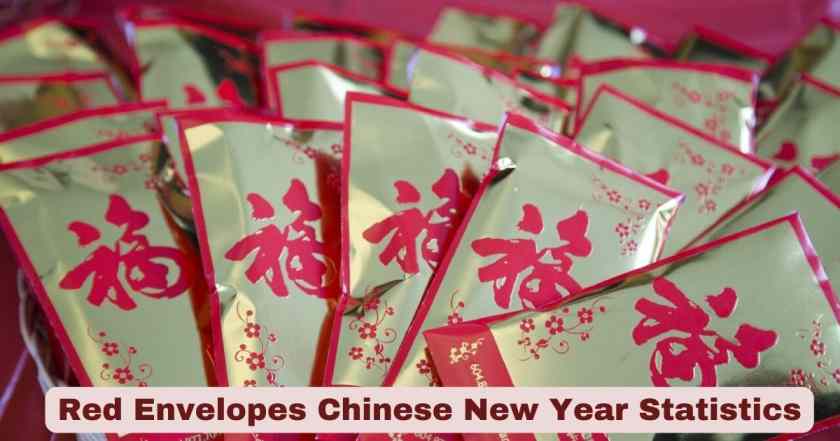
Red Envelopes in Chinese New Year 2026
The tradition of exchanging red envelopes, known as hongbao in Mandarin, lai see in Cantonese, and ang pow in Hokkien, represents one of the most cherished and enduring customs of Chinese New Year celebrations worldwide. As 2026 ushers in the Year of the Fire Horse on February 17, billions of people across Asia and the global Chinese diaspora will participate in this ancient ritual that seamlessly blends cultural heritage, familial bonds, and wishes for prosperity. The vibrant red packets, traditionally decorated with gold calligraphy and auspicious symbols, contain monetary gifts that symbolize more than mere financial exchange—they represent the transfer of good luck, blessings, and positive energy from one generation to the next. The red color itself holds profound significance in Chinese culture, symbolizing energy, happiness, and good fortune while serving as a powerful talisman to ward off evil spirits, particularly the legendary demon Sui who was said to terrorize children on New Year’s Eve until protective coins wrapped in red paper drove the malevolent spirit away.
The 2026 Chinese New Year celebration carries special significance as it marks the arrival of the Fire Horse, a rare combination that occurs only once every 60 years within the Chinese sexagenary cycle that blends the twelve zodiac animals with the five elements (Wood, Fire, Earth, Metal, Water). The previous Fire Horse year was 1966, remembered for its transformative energy and cultural upheaval. In modern times, the red envelope tradition has evolved dramatically beyond its physical origins, with digital platforms transforming how millions exchange these symbolic gifts. WeChat, China’s dominant messaging and mobile payment platform with 1.481 billion monthly active users projected for 2025, has revolutionized the hongbao tradition since introducing its digital red envelope feature during Chinese New Year 2014. The innovation proved wildly successful, with users sending over 32 billion virtual envelopes during the 2016 Chinese New Year holiday, representing a tenfold increase from 2015, and the numbers have continued to climb exponentially. On Chinese New Year’s Eve 2024, users received over 5.08 billion red envelopes and sent out 190 million “New Year greeting red envelopes”, demonstrating the massive scale at which this tradition now operates. As February 17, 2026 approaches, marking the transition from the Year of the Wood Snake to the Year of the Fire Horse, families worldwide are preparing both physical red envelopes filled with crisp new banknotes and digital hongbao loaded with carefully chosen amounts that reflect numerological auspiciousness, relationship closeness, and hopes for the recipient’s prosperity in the year ahead.
Interesting Facts About Red Envelopes Chinese New Year 2026
| Fact Category | Statistic/Detail | Significance |
|---|---|---|
| 2026 Chinese New Year Date | February 17, 2026 | Year of the Fire Horse begins |
| Festival Duration | 16 days | From New Year’s Eve to Lantern Festival |
| Previous Fire Horse Year | 1966 | Occurs once every 60 years |
| WeChat Monthly Users 2025 | 1.481 billion | Primary digital hongbao platform |
| Digital Envelopes 2024 CNY Eve | 5.08 billion received | On single night (Feb 10, 2024) |
| New Year Greeting Envelopes 2024 | 190 million sent | Special greeting hongbao |
| WeChat Red Envelopes 2016 | 32 billion sent | Tenfold increase from 2015 |
| Peak Sending Rate | 1.65 million per minute | During CNY 2015 celebrations |
| WeChat Pay Users 2025 | 1.318 billion | Digital payment platform |
| Popular Amount 2024 | CNY 8.88 | Most common digital envelope amount |
| WeChat Shake Interactions | 11 billion total | During 2015 CCTV Gala promotion |
| Peak Shake Rate 2015 | 810 million per minute | During gala broadcast |
| Red Envelope Launch Year | January 2014 | WeChat introduced feature |
| Traditional Symbolism | Good luck & blessings | Wards off evil spirits |
| Red Color Significance | Energy, happiness, fortune | Protection against demons |
| Even Number Preference | 2, 6, 8 auspicious | Odd numbers for funerals |
| Number to Avoid | 4 (sounds like “death”) | Considered unlucky |
| Lucky Number Exception | 9 (sounds like “long”) | Represents longevity |
| Traditional Recipients | Unmarried individuals | From married or elders |
| Age Cutoff (North China) | Under 25-30 years | Regardless of marital status |
| Historical Origin | Han Dynasty | Over 2,000 years old |
| Legend Origin | Demon Sui protection | Eight coins scared away demon |
| Modern Competition | “Red Envelope War” | Tencent vs Alibaba rivalry |
| Alibaba 2015 Promotion | RMB 269 million spent | Marketing campaign investment |
| Countries Celebrating | 185 countries | Global WeChat participation 2015 |
Data sources: Tencent Holdings Reports, WeChat Statistics 2024-2025, Chinese New Year Cultural Research, WeChat Red Envelope Historical Data, Spring Festival Statistics
The Year of the Fire Horse in 2026 represents a culturally significant milestone, as this particular zodiac-element combination appears only once every six decades, making it a generational event for families celebrating Chinese New Year. The Horse, ranking seventh among the twelve zodiac animals, symbolizes energy, success, speed, and perseverance, with the Chinese phrase “马到成功” (mǎ dào chéng gōng) meaning “success arrives with the horse” representing swift and smooth achievement. The Fire element adds passion, drive, and enthusiasm to this already dynamic zodiac sign, creating a year characterized by bold moves, transformative energy, and restless momentum. The 2026 celebration will officially begin on February 17 and extend through 16 days until the Lantern Festival on March 3, 2026, though preparations begin eight days earlier on February 9, with families cleaning homes, shopping for new clothes, and preparing the red envelopes that will be distributed to younger generations and unmarried friends and relatives.
The digital transformation of red envelope tradition has created unprecedented scale and participation. WeChat’s introduction of digital hongbao during Chinese New Year 2014 fundamentally changed how hundreds of millions exchange these gifts, with the platform partnering with CCTV’s Spring Festival Gala—China’s most-watched television special with over 700 million viewers—to promote the feature through an interactive “shake” game where viewers could win red envelopes by shaking their smartphones during the broadcast. The 2015 promotion generated 11 billion shakes total, with a peak rate of 810 million shakes per minute, demonstrating the massive engagement this gamification created. The digital red envelope feature proved to be WeChat’s secret weapon in driving adoption of WeChat Pay, with 200 million users by November 2016 and projected 1.318 billion users by 2025, making it one of the world’s largest mobile payment platforms. The “Red Envelope War” between Tencent (WeChat’s owner) and rival Alibaba Group (owner of Alipay) has seen both companies invest hundreds of millions of yuan annually to capture market share, with Alibaba spending RMB 269 million (approximately $40 million USD) in 2016 alone to secure exclusive partnership with CCTV. The most popular digital envelope amount in 2024 was CNY 8.88, as the number 8 is considered extremely lucky in Chinese culture, sounding similar to the word for “prosperity” (發, fā), while 88 represents “double prosperity.” The ability to send random amounts to group chats, where recipients compete to grab the largest share, has added a gamification element that has made digital hongbao immensely popular, particularly among younger generations, though traditional physical red envelopes remain essential for the most important family exchanges, especially those between grandparents and grandchildren during reunion dinners on New Year’s Eve.
Digital Red Envelope Platforms and Technology 2026
| Platform/Technology | Statistics | Details |
|---|---|---|
| WeChat Monthly Active Users | 1.481 billion (2025) | World’s 5th most-used social platform |
| WeChat Daily Messages | 45+ billion | Average daily messaging volume |
| WeChat Pay Active Users | 1.318 billion (2025) | Year-over-year growth 7.6% |
| Mini Programs DAU | 764 million (2025) | Daily active users |
| Average WeChat Usage | 82 minutes per day | User engagement time |
| Digital Envelopes CNY 2022 | 5 billion total | Between New Year’s Eve and Day 5 |
| Digital Envelopes CNY 2016 | 8 billion sent | By end of February 8 |
| Digital Envelopes CNY 2017 | 47 billion sent | 6-day period around New Year |
| CNY Eve 2018 Envelopes | 14.2 billion exchanged | Single night, 75% increase YoY |
| Transactions January 1, 2016 | 2.3 billion | Single day transaction volume |
| WeChat Launch Date | January 21, 2011 | Platform founding |
| Red Envelope Feature Launch | January 2014 | During CNY 2014 |
| Alipay 2015 Red Envelopes | 240 million sent | Competitor platform |
| Baidu 2016 Red Envelopes | 4.6 million sent | Third competitor (Jan 28-Feb 8) |
| WeChat Gender Split | 53% male, 47% female | User demographics 2024 |
| Users Over 50 Years | 98.5% use messaging | Adoption among older adults |
| Users Over 50 Hongbao Use | 83% send/receive | Digital envelope participation |
| Red Envelope Single Limit | RMB 200 maximum | Per envelope in chats |
| Transfer Function | No limit | For larger amounts |
| Global Reach 2015 | 185 countries | WeChat shake participation |
| Venmo Gift-Wrapping Launch | January 2022 | US platform inspired by hongbao |
Data sources: WeChat Statistics 2024-2025, Tencent Holdings Annual Reports, Statista Social Media Data, IMD Business School Case Studies, Mobile Payment Platform Reports
The digital revolution in red envelope tradition represents one of the most successful integrations of ancient cultural practice with modern mobile technology, creating a phenomenon that has fundamentally altered how hundreds of millions of people express goodwill and exchange monetary gifts. WeChat’s dominance in this space stems from its position as China’s “super app,” combining messaging, social networking, mobile payments, mini-programs, and countless other services into a single platform that has become indispensable to daily life. With 1.481 billion monthly active users projected for 2025 and 82 minutes of average daily usage, WeChat has embedded itself into the fabric of Chinese society more deeply than any Western social platform has achieved in its respective markets. The platform’s 1.318 billion WeChat Pay users represent over 90% of consumers using it for offline purchases in Tier-1 and Tier-2 Chinese cities, creating the infrastructure necessary for seamless digital red envelope exchange.
The scale of digital hongbao exchange during Chinese New Year has grown exponentially since the feature’s 2014 launch. From 32 billion envelopes sent during the 2016 holiday to 47 billion during the 6-day period around New Year 2017, and 14.2 billion exchanged on New Year’s Eve alone in 2018 (a 75% year-over-year increase), the trajectory demonstrates both the cultural acceptance and platform innovation driving adoption. The 5.08 billion red envelopes received on Chinese New Year’s Eve 2024, combined with 190 million specialized “New Year greeting red envelopes,” represent just the tip of the iceberg, as these figures capture only the most concentrated period of the 16-day festival. The technology behind digital hongbao includes several innovative features: users can send individual envelopes directly to contacts, distribute group envelopes where multiple recipients compete to grab random amounts (creating excitement and engagement), customize cover messages with New Year greetings, and choose amounts with lucky numbers like 8.88, 88, 168, or 888 yuan. The RMB 200 per-envelope limit in chat functions reflects regulations designed to prevent excessive gambling-like behavior, while the unlimited Transfer function allows larger gifts when appropriate, such as parents giving substantial amounts to adult children or employers providing year-end bonuses to employees.
Traditional Physical Red Envelope Customs 2026
| Custom/Practice | Details | Cultural Significance |
|---|---|---|
| Primary Recipients | Children and unmarried individuals | Traditional gift direction |
| Age Cutoff Southern China | Unmarried, any age | Marital status matters most |
| Age Cutoff Northern China | Under 25-30 years old | Age-based regardless of marriage |
| Giver Qualification | Married or earning income | Sharing blessings with others |
| Currency Form | Paper notes, never coins | Easier to conceal amount |
| Bill Condition Requirement | Crisp, new bills | Bank queues before CNY |
| Coin Addition (Malaysia) | Common practice | Signifies extra luck |
| Amount Numerology | Even numbers preferred | Odd for funerals only |
| Number 4 Avoidance | Never use | Sounds like “death” (死, sǐ) |
| Number 8 Preference | Highly auspicious | Sounds like “prosper” (發, fā) |
| Number 9 Exception | Acceptable odd number | Sounds like “long” (久, jiǔ) |
| Amount 88 Meaning | Double prosperity | Very popular choice |
| Amount 168 Meaning | Prosperity all the way | Combining 1+6+8 auspicious |
| Amount 888 Meaning | Triple prosperity | Premium gift amount |
| Opening Timing | Not in front of giver | Courtesy and modesty |
| Opening Date Hong Kong | On/after 7th day | Traditional waiting period |
| Receiving Gesture | Two hands, palms down | Shows respect and humility |
| Giving Gesture | Two hands, palms up | Offers with sincerity |
| Employer to Employee | 100-1,000 yuan typical | Last working day before holiday |
| Parents to Children | 20-50 yuan small amounts | For acquaintances’ children |
| Grandparents to Grandchildren | Larger amounts | Closest family bonds |
| Red Color Requirement | Must be red envelope | Symbolic protection |
Data sources: China Highlights Chinese New Year Guide, Cultural Anthropology Research, Traditional Festival Customs Studies, Hong Kong Tourism Board CNY Information
The physical red envelope tradition maintains deep cultural significance despite the digital transformation, with families carefully preparing envelopes filled with new banknotes in the weeks leading up to Chinese New Year. Banks across Asia experience dramatically increased traffic in late January and early February as customers queue to exchange old, worn currency for pristine new bills, as tradition dictates that giving wrinkled or dirty money in red envelopes represents bad taste and diminished blessings. The requirement for paper currency rather than coins reflects both practical considerations—bills make it more difficult to judge the amount before opening—and cultural standards of appropriateness for this special gift. In Malaysia, a unique local variation includes adding a coin to paper notes in children’s hongbao, signifying even more abundant luck. The physical presentation carries ritualized meaning, with elders extending envelopes using both hands with palms facing upward in a gesture of offering, while recipients accept using both hands with palms facing downward, demonstrating humility and gratitude.
Numerology governs every aspect of red envelope amounts, rooted in Chinese linguistic homophones and cultural associations. Even numbers are universally preferred because they represent harmony and balance, while odd numbers are traditionally associated with funerals and therefore avoided in celebratory contexts. The exception proves the rule with the number 9, which although odd, is considered highly auspicious because its pronunciation (jiǔ) sounds identical to the word meaning “long-lasting” (久, jiǔ), and as the largest single digit, it represents completeness and eternity. The number 8 enjoys supreme status due to its pronunciation (bā) resembling the word for prosperity or wealth (發, fā), making amounts ending in 8, such as 88, 188, 288, 588, or 888, extremely popular choices. The number 168 carries particular significance by combining 1 (unity/beginning), 6 (smooth/flowing), and 8 (prosperity), while 888 represents “triple prosperity” and serves as a premium gift amount for especially close relationships or important occasions. Conversely, the number 4 must be strictly avoided because its pronunciation (sì) sounds virtually identical to the word for death (死, sǐ), making any amount containing 4, such as 40, 400, or 4,000, deeply inauspicious and potentially offensive. Traditional gift amounts vary by relationship and region, with children from acquaintances receiving small envelopes of 20-50 yuan (approximately $3-7 USD), while grandparents typically give more substantial amounts to grandchildren, employers distribute 100-1,000 yuan to employees on the last working day before the holiday, and parents may give several hundred or even thousands of yuan to adult children, especially those who have achieved career success or life milestones during the preceding year.
Historical Origins and Cultural Evolution 2026
| Historical Element | Time Period/Details | Cultural Development |
|---|---|---|
| Earliest Origins | Han Dynasty (206 BCE – 220 CE) | Over 2,000 years old |
| Original Name | 壓勝錢 (yāshèng qián) | “Coins to ward off evil” |
| Original Purpose | Protect from sickness and death | Inscribed with auspicious words |
| Tang Dynasty Evolution | 618-907 CE | CNY as beginning of spring |
| Modern Name | 壓歲錢 (yāsuì qián) | “Age-restraining money” |
| Alternative Names | 紅包 (hóngbāo), 利是 (lìshì) | Regional variations |
| Demon Legend | Sui (祟) demon story | Terrorized sleeping children |
| Eight Coins Legend | Protective fairy coins | Emitted light to scare demon |
| Red Paper Significance | More important than money | Symbolic protection power |
| WeChat Digitalization | January 2014 | Modern platform integration |
| CCTV Gala Partnership | 2015 first major promotion | Reached 700 million viewers |
| Alipay Competition Start | 2015 “Lucky Card” game | Red Envelope War begins |
| Global Recognition | 185 countries by 2015 | Worldwide cultural awareness |
| Venmo Adoption | January 2022 | Western platform inspiration |
| UNESCO Recognition | Cultural heritage significance | Intangible cultural heritage |
| Lunar Calendar Basis | Lunisolar system | Second new moon after solstice |
| Modern Commercial Use | Brand marketing campaigns | Corporate hongbao promotions |
| E-commerce Integration | Shopping vouchers in envelopes | Blending gift with commerce |
| Fraud Concerns | Fake celebrity scams | 51,600 cases by July 2014 |
| Anti-Corruption Use | Government scrutiny | Positioned as bribery tool |
Data sources: Chinese Historical Records, Cultural Anthropology Studies, Tencent Historical Reports, CCTV Spring Festival Gala Data, China Anti-Corruption Campaign Documentation
The red envelope tradition traces its origins to the Han Dynasty (206 BCE – 220 CE), making it a practice with over two millennia of continuous cultural evolution. The earliest forms were special coins called yāshèng qián (壓勝錢), inscribed with auspicious phrases such as “May you live a long and successful life,” believed to protect people from illness and premature death by warding off malevolent supernatural forces. During the Tang Dynasty (618-907 CE), as Chinese New Year became more clearly associated with the beginning of spring and agricultural renewal, elders began giving children money specifically to protect them from evil spirits during this vulnerable transition period. The modern name yāsuì qián (壓歲錢) literally translates as “money to suppress (or restrain) the age,” referring to the practice of keeping children safe from the demon Sui who would touch children’s heads on New Year’s Eve, causing fever, nightmares, and misfortune for the coming year.
The legend of the demon Sui provides the mythological foundation for the tradition. According to the story, a couple doted on their young son and gave him eight copper coins to play with on New Year’s Eve to keep him awake and protected. The child wrapped and unwrapped the coins in red paper until exhaustion, then fell asleep with the packet under his pillow. When the demon Sui attempted to touch the boy’s head, the eight coins emitted brilliant light that frightened the demon away, revealing that the coins were actually eight fairies in disguise. From that night forward, parents across China adopted the practice of giving children coins wrapped in red paper for protection, establishing a custom that has endured for centuries. The red color itself carries multiple layers of meaning: it represents the life force and yang energy that drives away darkness and evil, it symbolizes good fortune and celebration in contrast to white which represents mourning, and it serves as a visual reminder of the protective fire that keeps malevolent spirits at bay. The envelope’s red paper was traditionally considered more significant than the amount of money inside, as the wrapping itself conferred the blessing and protection, though over time the monetary gift became increasingly important as Chinese society modernized and cash economy expanded.
Regional Variations and Global Celebrations 2026
| Region/Country | Local Name | Unique Customs |
|---|---|---|
| Mainland China (Mandarin) | 紅包 (hóngbāo) | Standard practices nationwide |
| Hong Kong (Cantonese) | 利是 (lai see) | Open on/after 7th day |
| Southern China | 利是 (lìshì) | Married give to unmarried |
| Northern China | 紅包 (hóngbāo) | Age-based (under 25-30) |
| Taiwan | 紅包 (hóngbāo) | Similar to mainland customs |
| Singapore | Ang pow (Hokkien) | Multicultural integration |
| Malaysia | Ang pow | Often include coins with notes |
| Vietnam | Lì xì | Tet New Year celebration |
| Korea | Sebae (세배) | Bow ritual exchange |
| Thailand | Ang pao | Chinese-Thai communities |
| Philippines | Ampao | Chinese-Filipino tradition |
| Indonesia | Angpau | Hokkien-speaking communities |
| Japan | Otoshidama (お年玉) | New Year money in white envelopes |
| United States | Red envelope/Hongbao | Chinatown celebrations |
| Canada | Red envelope | Vancouver, Toronto festivals |
| Australia | Red envelope | Sydney, Melbourne events |
| United Kingdom | Red envelope | London Chinatown festivities |
| France | Envelope rouge | Paris 13th arrondissement |
| Typical Amount China | 100-500 yuan | Standard family gifts |
| Typical Amount Hong Kong | 10-100 HKD notes | Based on 2025 survey data |
| Employer Gifts | 100-1,000 yuan | Workplace bonuses |
| Corporate Marketing | Millions in promotions | Brand engagement campaigns |
Data sources: Regional Cultural Studies, Hong Kong Census Statistics, Southeast Asian Chinese Community Research, Global Chinese Diaspora Festival Documentation, Statista Hong Kong Surveys
The red envelope tradition exhibits fascinating regional variations across Asia and the global Chinese diaspora, reflecting local linguistic differences, community customs, and cultural adaptations. In Hong Kong, where Cantonese is the dominant dialect, red envelopes are called lai see (利是, lìshì), and a unique custom dictates that recipients traditionally wait until on or after the 7th day of the Lunar New Year to open their envelopes, demonstrating patience and modesty. Southern China generally follows the practice that married individuals give to unmarried people regardless of age, whereas Northern China typically uses age as the determinant, with those under 25-30 years old receiving hongbao from elders regardless of marital status. In Malaysia, the multicultural society where Chinese, Malay, and Indian communities coexist, red envelopes often include a coin alongside paper notes to signify extra luck, and the practice has been adopted to some degree by non-Chinese Malaysians who participate in the festive spirit.
Throughout Southeast Asia, where substantial Chinese diaspora communities have maintained cultural traditions for generations, red envelopes appear under various names reflecting local Hokkien, Cantonese, or Mandarin linguistic influence. In Singapore, the Hokkien term ang pow dominates due to the large Hokkien-speaking population, while Indonesia and Philippines use similar Hokkien-derived terms (angpau and ampao respectively). Vietnam celebrates Tet New Year with lì xì envelopes, demonstrating cultural exchange between Vietnamese and Chinese traditions over centuries of interaction. Japan has its own parallel tradition called otoshidama (お年玉), where money is given to children during New Year celebrations, though notably in white rather than red envelopes, reflecting different color symbolism in Japanese culture. The amounts given vary dramatically by region and economic context, with surveys in Hong Kong for 2025 showing typical hongbao amounts ranging from 10-100 Hong Kong dollars (approximately $1.30-$13 USD), while mainland China typically sees 100-500 yuan (approximately $14-$70 USD) for standard family gifts, with employers distributing 100-1,000 yuan (approximately $14-$140 USD) to employees. In Western countries with significant Chinese populations, including the United States, Canada, Australia, United Kingdom, and France, red envelope traditions continue in communities celebrating Chinese New Year, with major Chinatowns hosting festivals, parades, and cultural events where the practice introduces non-Chinese participants to this ancient custom, contributing to multicultural understanding and appreciation of Asian heritage in increasingly diverse global societies.
Economic Impact and Commercial Applications 2026
| Economic Factor | Value/Impact | Details |
|---|---|---|
| Tencent 2020 Revenue | $60.602 billion USD | Parent company of WeChat |
| Tencent Revenue Growth | 21.67% increase (2019-2020) | Year-over-year expansion |
| Alibaba 2016 Marketing | RMB 269 million ($41M USD) | CCTV Gala exclusive partnership |
| Alibaba 2015 Promotion | RMB 600 million giveaway | Lucky money campaign |
| WeChat 2015 Promotion | RMB 500 million cash | Plus RMB 3 billion coupons |
| 2018 Combined Giveaway | $826 million USD | Tencent + Alibaba total |
| WeChat Pay Market Share | 84.3% in China | Mobile payment dominance |
| Total CNY Gift Market | Growing billions annually | Physical + digital combined |
| Red Envelope Manufacturing | Millions of units | Annual production volumes |
| Corporate Marketing Budgets | Hundreds of millions | Brand hongbao campaigns |
| E-commerce Integration | Shopping vouchers common | Blending gifts with commerce |
| Retail Sales Boost | Significant CNY increase | Pre-holiday shopping surge |
| Banking Services Demand | New bill exchange surge | Pre-CNY queue increases |
| Tourism Economic Impact | $billions during Chunyun | World’s largest migration |
| Hospitality Industry Boost | Occupancy rate increases | Family reunion travel |
| Gold Jewelry Sales | Premium gift purchases | Traditional wealth symbols |
| Traditional Market Revenue | Physical envelope sales | Design, printing industry |
| Digital Payment Growth | Double-digit annually | Driven partly by hongbao |
| Gift Set Market Size | Expanding significantly | CNY-specific products |
| Advertising Revenue | Platform promotions | Brands sponsor hongbao |
Data sources: Tencent Holdings Financial Reports, Alibaba Group Annual Reports, China Internet Report 2021, Mobile Payment Industry Analysis, Spring Festival Economic Impact Studies
The economic impact of red envelope tradition extends far beyond the monetary gifts exchanged between individuals, encompassing massive corporate marketing campaigns, platform competition, manufacturing industries, retail sales, financial services, and tourism sectors. Tencent Holdings, WeChat’s parent company, generated $60.602 billion USD in revenue during 2020, representing a 21.67% increase from the previous year, with WeChat’s red envelope feature playing a crucial role in driving WeChat Pay adoption that captured 84.3% of the mobile payment market share in China. The platform’s success in monetizing the cultural practice through embedded payment services demonstrates how technology companies can leverage traditional customs for commercial advantage while simultaneously making participation more convenient and accessible for hundreds of millions of users. The “Red Envelope War” between Tencent and rival Alibaba Group has seen both companies invest staggering sums to capture market share, with Alibaba spending RMB 269 million (approximately $41 million USD) in 2016 alone to outbid Tencent for exclusive partnership with CCTV’s Spring Festival Gala, while 2015 campaigns saw WeChat offering RMB 500 million in cash plus RMB 3 billion in e-commerce coupons, and Alibaba countering with RMB 600 million in lucky money. By 2018, the combined giveaway from both companies reached an incredible $826 million USD, demonstrating the strategic importance both firms placed on mobile payment platform adoption and user engagement during the crucial Chinese New Year period.
Beyond platform competition, red envelopes drive economic activity across multiple industries. Physical envelope manufacturing remains a significant business despite digital growth, with printing companies producing millions of units annually featuring traditional designs, zodiac animals (such as the Fire Horse for 2026), modern graphics, and corporate branding for businesses that distribute customized hongbao to clients and employees. Retail sales experience dramatic increases in the weeks preceding Chinese New Year as families purchase red envelopes, new clothes, decorations, food, and gifts, with the broader gift market expanding significantly year over year. Banking services see surging demand as customers queue for hours to exchange old currency for new bills, with some banks dedicating special windows and extended hours to accommodate the rush. The tourism industry benefits enormously from Chunyun, the world’s largest annual human migration that sees hundreds of millions of Chinese traveling to reunite with families, generating billions in transportation, accommodation, and hospitality revenues. E-commerce platforms have integrated hongbao into their business models by including shopping vouchers in digital envelopes, blending the cultural tradition with commercial objectives and driving sales during the Spring Festival shopping period. Corporate marketing campaigns leverage red envelope promotions to engage customers, with brands from Coca-Cola to Procter & Gamble sponsoring digital hongbao distributions that combine cash prizes with product coupons, creating win-win scenarios where consumers receive gifts while companies gain exposure, data, and sales. The economic significance of red envelopes in 2026 reflects their evolution from simple monetary gifts into a multi-billion-dollar ecosystem that touches nearly every sector of Asian economies while maintaining the cultural authenticity and emotional resonance that has sustained this tradition for over two thousand years.
Design Trends and Aesthetic Innovations 2026
| Design Element | 2026 Trends | Symbolic Meaning |
|---|---|---|
| Zodiac Animal 2026 | Fire Horse designs | Energy, success, speed |
| Color Schemes | Red and gold dominant | Prosperity and celebration |
| Fire Element Motifs | Flame patterns, bold designs | Passion and transformation |
| Embossing Techniques | Raised gold foil details | Premium quality feel |
| Calligraphy Styles | Traditional and modern fonts | Blessings and wishes |
| Common Phrases | 恭喜發財, 萬事如意 | Prosperity wishes |
| Modern Minimalist | Clean lines, simple elegance | Contemporary aesthetics |
| Traditional Elaborate | Complex patterns, symbols | Classical cultural heritage |
| Corporate Branding | Company logos integrated | Business relationship gifts |
| Personalization Options | Custom names, messages | Individual connection |
| Luxury Materials | Silk, satin, premium paper | High-end gift presentation |
| Size Variations | Small to large formats | Different occasions, amounts |
| Window Designs | Transparent sections | Display currency inside |
| Closure Methods | Peel-and-seal, string ties | Convenience and security |
| Cultural Symbols | Peonies, dragons, phoenixes | Traditional auspiciousness |
| Lucky Character 福 | “Fu” blessing symbol | Happiness and good fortune |
| Prosperity Character 財 | “Cai” wealth symbol | Financial abundance |
| Regional Variations | Cantonese vs Mandarin phrases | Local linguistic customs |
| Children’s Designs | Cartoon characters, bright colors | Appeal to young recipients |
| Eco-Friendly Options | Recycled paper, sustainable | Environmental consciousness |
Data sources: Chinese New Year Market Research, Printing Industry Reports, Cultural Design Studies, E-commerce Platform Analysis (Alibaba, Amazon, Etsy)
The design of red envelopes for 2026’s Year of the Fire Horse reflects both timeless traditional elements and contemporary aesthetic innovations, with manufacturers and individuals seeking to balance cultural authenticity with modern tastes. The Horse zodiac symbol dominates 2026 designs, often depicted in dynamic poses that emphasize the animal’s associations with speed, energy, and success, with the Fire element represented through flame motifs, bold color contrasts, and energetic compositions. The gold and red color combination remains universal, as these colors represent the fundamental concepts of prosperity (gold symbolizing wealth and precious metals) and celebration (red signifying joy, luck, and protection), creating the instantly recognizable aesthetic that has defined red envelopes for centuries. Calligraphy plays a central role, with auspicious phrases such as 恭喜發財 (gōng xǐ fā cái, “wishing you prosperity”), 萬事如意 (wàn shì rú yì, “may all your wishes come true”), 大吉大利 (dà jí dà lì, “great fortune and great benefit”), and the single character 福 (fú, “blessing” or “happiness”) appearing on envelopes in traditional brush script, modern printed fonts, or embossed gold foil that adds tactile dimension to the visual appeal.
Modern design trends for 2026 show increasing sophistication in manufacturing techniques and aesthetic approaches. Embossing and gold foil stamping create raised patterns that provide premium quality feel and visual depth, with coiled Horse designs, peony flowers (representing wealth and honor), and cloud motifs (symbolizing the heavens) commonly featured. Minimalist designs have gained popularity among younger urban consumers who appreciate clean lines, subtle elegance, and contemporary aesthetics while maintaining red-and-gold color schemes and auspicious symbolism. Luxury versions use silk lamination, satin finishes, or premium thick paper stock that conveys the importance of the gift and the relationship between giver and receiver. Personalization options have expanded dramatically with digital printing technology, allowing individuals to add recipient names, custom messages, family photos, or company logos for corporate gifts, creating more meaningful connections than generic mass-produced envelopes. Size variations accommodate different amounts and occasions, from small 3 × 4.5 inch envelopes for modest gifts to larger formats that hold multiple bills or include greeting cards with longer written messages. Eco-conscious consumers increasingly seek recycled paper options or envelopes made from sustainable materials, reflecting growing environmental awareness even within traditional cultural practices. For children, designs featuring cartoon characters, zodiac animals in cute styles, and bright colors appeal to younger tastes while maintaining the essential red color and lucky symbolism. The 2026 Fire Horse designs available through platforms like Alibaba, Amazon, and Etsy range from $0.10 to several dollars per envelope, with sets typically containing 24, 36, or 48 envelopes in 6 different designs to provide variety for the many recipients most families exchange with during the 16-day Spring Festival celebration period.
Digital Security and Modern Challenges 2026
| Challenge/Risk | Statistics/Examples | Mitigation Strategies |
|---|---|---|
| Fraud Cases 2014 | 51,600 reported cases | Government warnings issued |
| Fake Celebrity Scams | Chen Guangbiao incident | Impersonation for donations |
| Anti-Corruption Scrutiny | Thousands of officials investigated | Hongbao positioned as bribery |
| Platform Link Blocking | WeChat banned Alibaba links | Competitive restrictions |
| Privacy Concerns | Data collection on transactions | User awareness campaigns |
| Amount Pressure | Social competition for larger gifts | Stress on givers |
| Gambling-Like Behavior | Group hongbao grabbing addiction | RMB 200 limit implemented |
| Generational Digital Divide | Older adults less comfortable | Family assistance required |
| Cultural Dilution | Loss of physical ritual meaning | Traditionalists concerned |
| Commercial Exploitation | Corporate marketing dominance | Tradition vs commerce tension |
| Transaction Tracking | Government monitoring capability | Financial surveillance concerns |
| Platform Dependency | WeChat/Alipay monopolization | Limited alternatives |
| Technical Errors | Lost or delayed transactions | Customer service issues |
| Account Security | Hacking and unauthorized access | Two-factor authentication |
| Tax Implications | Large gift reporting requirements | Regulatory compliance |
| Cross-Border Restrictions | International transfer limitations | Diaspora participation barriers |
| Age Verification | Minors using payment apps | Parental control needs |
| Addiction Concerns | Excessive phone checking | Psychological impacts |
| Authenticity Verification | Real vs promotional hongbao | User confusion |
| Data Breaches | Platform security vulnerabilities | Encryption requirements |
Data sources: China Anti-Fraud Center Reports, Tencent Security Documentation, Government Anti-Corruption Campaign Data, Digital Payment Security Studies, Cultural Impact Research
The digital transformation of red envelopes has introduced significant security challenges and social concerns that didn’t exist with physical hongbao. Fraud cases surged dramatically after WeChat’s red envelope feature launched, with Chinese authorities reporting 51,600 cases by July 2014 involving scams where criminals impersonated celebrities or created fake promotional campaigns to collect money from victims. A prominent example involved someone claiming to be billionaire philanthropist Chen Guangbiao promising to distribute RMB 20 million (approximately $3.2 million USD) in digital red envelopes, attracting thousands of people who added the account hoping to receive gifts but instead found themselves tricked into sending money to the scammer. The incident prompted Chinese police to issue public warnings about digital hongbao fraud and encouraged users to verify sources before engaging with promotional offers or celebrity claims. The anti-corruption campaign under President Xi Jinping has positioned red envelopes as potential instruments of bribery, with investigators examining digital hongbao transfers between government officials and business people, leading to thousands of corruption cases where the convenient, relatively invisible nature of digital transfers facilitated inappropriate gifts that traditional physical envelopes would have made more conspicuous.
Platform competition has created user frustrations through artificial restrictions, with WeChat historically blocking external links to competitor services including Alibaba’s e-commerce platforms and payment services, forcing users who want to share content across platforms to use workarounds or screenshots rather than direct sharing, prioritizing commercial interests over user convenience. Privacy concerns have emerged as transaction data provides platforms and potentially government authorities with detailed information about who gives how much to whom, when, and how frequently, creating surveillance capabilities that didn’t exist with physical cash exchanges. The social pressure created by visible amounts in group hongbao settings has led to competition where participants feel obligated to give larger amounts than they can comfortably afford to avoid losing face, with the gambling-like excitement of grabbing random amounts from group envelopes creating quasi-addictive behaviors, prompting WeChat to implement a RMB 200 maximum per envelope to limit potential harm. The generational digital divide affects many older adults who struggle with smartphone interfaces and payment apps, with surveys showing that while 98.5% of internet users over 50 can use WeChat messaging, only 83% successfully send and receive digital hongbao, suggesting that approximately 17% of older users miss out on this modernized tradition or require assistance from younger family members. Cultural dilution concerns arise as the physical ritual—the careful selection of envelope designs, folding of crisp new bills, respectful two-handed exchange, and delayed opening—gets replaced by instantaneous digital transfers that may lose some of the emotional weight and intergenerational connection that made the tradition meaningful. These challenges require ongoing attention from platforms, regulators, families, and communities to ensure that technological innovation enhances rather than undermines the cultural values and social benefits that have sustained red envelope tradition for over two thousand years as 2026’s Year of the Fire Horse continues this evolving practice into its third millennium of existence.
Future Trends and Predictions Beyond 2026
| Trend Category | Emerging Developments | Projected Timeline |
|---|---|---|
| Augmented Reality | AR-enhanced hongbao opening | 2026-2028 implementation |
| Blockchain Integration | NFT red envelopes | Experimental phase 2025-2027 |
| AI Personalization | Algorithm-recommended amounts | Near-term deployment |
| Voice-Activated Sending | Hands-free hongbao distribution | Smart speaker integration |
| Wearable Device Support | Smartwatch red envelope apps | Already available, expanding |
| Cross-Platform Interoperability | Universal digital hongbao | Long-term goal 2030+ |
| Cryptocurrency Options | Bitcoin/digital currency gifts | Regulatory dependent |
| Gamification Expansion | More interactive features | Continuous evolution |
| Video Message Integration | Personalized video greetings | Growing adoption |
| Charitable Donation Options | Hongbao to causes | Social responsibility trend |
| Global Platform Adoption | Western app integration | Gradual internationalization |
| Biometric Security | Fingerprint/face recognition | Enhanced security measures |
| Smart Contract Automation | Scheduled future distributions | Advanced planning features |
| Cultural Education Features | In-app tradition explanations | Diaspora youth engagement |
| Environmental Tracking | Carbon offset digital vs physical | Sustainability metrics |
| Multilingual Support | Global Chinese diaspora access | Broader participation |
| Corporate ESG Integration | Responsible gifting practices | Business ethics emphasis |
| Generational Preservation | Digital tradition documentation | Cultural heritage archiving |
| Hybrid Physical-Digital | QR code physical envelopes | Blending tradition and tech |
| Regulatory Evolution | Government oversight expansion | Ongoing policy development |
Data sources: Technology Trend Reports, Digital Payment Innovation Studies, Cultural Preservation Research, Blockchain Application Analysis, AR/VR Development Forecasts
The future of red envelopes promises continued evolution as emerging technologies intersect with cultural tradition, creating hybrid experiences that may seem unimaginable from the perspective of the Han Dynasty originators yet maintain the essential spirit of sharing blessings and warding off misfortune. Augmented reality (AR) features are already emerging, with platforms testing AR effects that transform the digital envelope-opening experience into animated celebrations featuring the Fire Horse leaping across screens, fireworks exploding, or 3D zodiac animals that recipients can interact with before claiming their gift, adding visual spectacle to what might otherwise be a simple transaction. Blockchain technology and NFTs (non-fungible tokens) represent experimental frontiers where unique digital art red envelopes could be created as collectible items that combine monetary value with digital scarcity and artistic expression, though regulatory uncertainty and energy consumption concerns may limit widespread adoption. Artificial intelligence is being incorporated to recommend appropriate amounts based on relationship, occasion, recipient’s age, and regional customs, helping users navigate complex social expectations while respecting traditional numerological preferences.
Voice-activated sending through smart speakers and wearable device support on smartwatches already allow more convenient hongbao distribution, with future development likely bringing even more seamless integration across the expanding ecosystem of connected devices. Cross-platform interoperability remains an elusive goal due to competitive tensions between payment platforms, but pressure from users and potentially regulatory intervention may eventually create universal standards allowing WeChat users to send digital red envelopes to Alipay users or even international platforms, truly globalizing the tradition for the diaspora. Cryptocurrency options could emerge if regulatory frameworks develop to permit Bitcoin or digital yuan red envelopes, though questions about volatility, energy consumption, and government control make this speculative. The charitable donation integration trend allows givers to designate a portion of their red envelope budget to causes, combining traditional generosity with modern social responsibility. Global platform adoption continues gradually, with services like Venmo introducing “gift-wrapping” features inspired by hongbao in January 2022, suggesting that elements of Chinese red envelope tradition may influence Western digital payment culture over time. The Year of the Fire Horse 2026 represents not an ending but a waypoint in this ongoing cultural and technological journey, as the ancient practice of exchanging red envelopes adapts to whatever innovations the future brings while maintaining the core values of family connection, intergenerational respect, auspicious numerology, and the simple yet profound act of wishing prosperity and happiness to those we care about as each new year begins its cyclical journey through the twelve animals of the Chinese zodiac.
Disclaimer: This research report is compiled from publicly available sources. While reasonable efforts have been made to ensure accuracy, no representation or warranty, express or implied, is given as to the completeness or reliability of the information. We accept no liability for any errors, omissions, losses, or damages of any kind arising from the use of this report.