
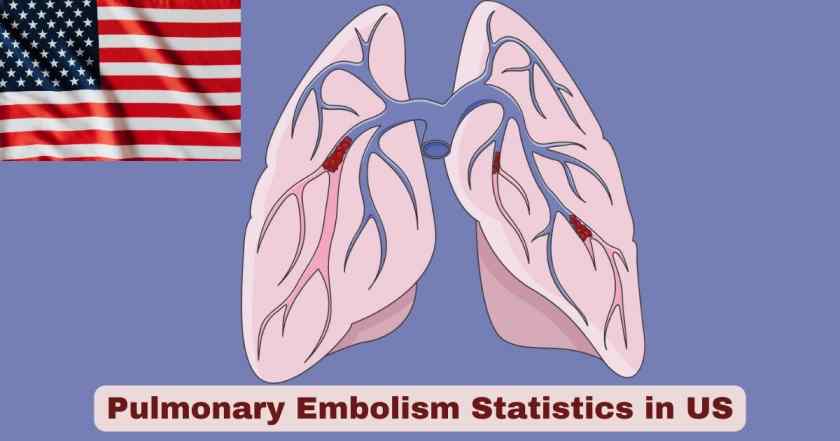
What is Pulmonary Embolism?
Pulmonary embolism (PE) represents one of the most critical cardiovascular emergencies facing the American healthcare system today. This life-threatening condition occurs when a blood clot, typically originating from deep veins in the legs, travels through the bloodstream and lodges itself in the pulmonary arteries of the lungs. The blockage disrupts normal blood flow and oxygen exchange, creating a medical crisis that demands immediate recognition and treatment. As the third leading cause of cardiovascular death in the United States, pulmonary embolism claims an estimated 60,000 to 100,000 American lives annually, making it a significant public health concern that affects individuals across all demographics, ages, and backgrounds.
The clinical presentation of pulmonary embolism varies dramatically, ranging from completely asymptomatic cases discovered incidentally during imaging for other conditions to massive embolic events causing immediate hemodynamic collapse and sudden death. Understanding the scope and impact of this disease has become increasingly important as diagnostic technologies have advanced and treatment protocols have evolved. Modern multi-detector computed tomography pulmonary angiography (CTPA) has revolutionized PE detection, enabling physicians to identify even small subsegmental emboli that might have gone undiagnosed in previous decades. This enhanced diagnostic capability, combined with the development of direct oral anticoagulants (DOACs) and refined risk stratification tools, has transformed the landscape of pulmonary embolism management in emergency departments and hospitals across the nation.
Pulmonary Embolism Key Facts in the US 2026
| Key Fact Category | Statistical Data | Year |
|---|---|---|
| Annual VTE Cases | As many as 900,000 Americans affected by venous thromboembolism (DVT and PE combined) | 2026 |
| Annual Deaths | Estimated 60,000-100,000 deaths from VTE each year | 2026 |
| Incidence Rate | 115 cases per 100,000 persons per year | 2026 |
| ED Visit Rate | Approximately 1.15 cases per 1,000 persons annually | 2026 |
| Sudden Death Rate | 25% of PE patients experience sudden death as first symptom | 2026 |
| Untreated Mortality | Up to 30% mortality rate when left untreated | 2026 |
| Treated Mortality | Approximately 8% mortality rate with proper treatment | 2026 |
| Hospitalization Rate | Nearly one-third of hospitalized patients at risk for VTE | 2026 |
| Recurrence Rate | 3 in 10 people (30%) will have another blood clot within 10 years | 2026 |
| Hospital-Related Cases | More than one-third of VTE cases related to recent hospitalization | 2026 |
| Economic Burden | Up to $10 billion annually in total costs | 2026 |
| Treatment Costs | $15,000 to $20,000 per person for treatment | 2026 |
Data Source: Centers for Disease Control and Prevention (CDC) – Venous Thromboembolism Data and Statistics, Updated January 2025
The statistics presented in this comprehensive table reveal the staggering magnitude of pulmonary embolism’s impact on American public health and the healthcare system. With as many as 900,000 Americans affected by venous thromboembolism annually, the disease burden extends far beyond the immediate medical crisis, creating ripple effects throughout families, communities, and the economy. The 60,000 to 100,000 annual deaths attributed to VTE underscore the lethal nature of this condition, particularly when considering that 25% of patients experience sudden death as their first and only symptom, leaving no opportunity for intervention or treatment.
The stark contrast between treated and untreated mortality rates highlights the critical importance of rapid diagnosis and appropriate medical intervention. While untreated pulmonary embolism carries a devastating 30% mortality rate, proper medical treatment dramatically reduces this risk to approximately 8%, demonstrating the life-saving potential of timely emergency department care and evidence-based therapeutic protocols. The incidence rate of 115 cases per 100,000 persons translates to hundreds of thousands of new diagnoses each year, placing tremendous strain on emergency medical services, hospital resources, and healthcare providers who must maintain constant vigilance for this potentially fatal condition. The substantial economic burden of up to $10 billion annually, combined with individual treatment costs ranging from $15,000 to $20,000 per patient, reflects both the complexity of care required and the frequency with which Americans face this serious medical emergency.
Pulmonary Embolism Mortality Trends in the US 2026
| Mortality Category | Age-Adjusted Mortality Rate (AAMR) | Period | Trend |
|---|---|---|---|
| Overall AAMR (1999) | 6.0 deaths per 100,000 population | 1999 | Baseline |
| Overall AAMR (2018-2020) | Increasing trend after 2008 | 2018-2020 | Rising |
| Overall AAMR (2020) | 1.88 per 100,000 (HF and PE combined) | 2020 | Increased |
| Black Population AAMR | Consistently higher than White population | 2006-2019 | Persistent Disparity |
| Male vs Female AAMR | Higher in males (0.7% APC) vs females | 1999-2018 | Gender Gap |
| Young Adults (25-39 years) | Highest percentage increase | 1999-2019 | Alarming Rise |
| Adults (70+ years) | Decreased or plateaued rates | 1999-2019 | Declining |
| 30-Day Mortality Rate | 12.3% (1999) decreased to 9.1% (2010) | 1999-2010 | Improving |
| In-Hospital Mortality | 8.3% (1999) decreased to 4.4% (2010) | 1999-2010 | Significant Reduction |
| Cancer Patients AAMR | 2.71 (males) and 2.20 (females) | 1999-2020 | Higher Risk |
Data Source: CDC WONDER Database (Centers for Disease Control and Prevention Wide-Ranging Online Data for Epidemiologic Research), Multiple Cause-of-Death Records, 1999-2020
The mortality trends for pulmonary embolism in the United States present a complex and concerning picture that defies simple interpretation. While overall mortality rates showed improvement from 6.0 deaths per 100,000 population in 1999, recent data reveals a troubling reversal of this positive trend, particularly in the past decade. The most alarming finding centers on young adults aged 25-39 years, who have experienced the highest percentage increase in PE-related mortality between 1999 and 2019, suggesting that traditional assumptions about pulmonary embolism as primarily a disease of the elderly require urgent reassessment. This unexpected trend among younger Americans demands immediate attention from public health officials and healthcare providers, as it may indicate changing risk factor patterns, lifestyle factors, or diagnostic challenges specific to this demographic group.
Significant racial disparities persist in pulmonary embolism mortality, with Black Americans experiencing consistently higher age-adjusted mortality rates compared to White Americans throughout the entire study period. Gender differences also emerge clearly in the data, with males showing a 0.7% annual percentage change increase compared to females, representing a widening mortality gap that requires further investigation into potential biological, behavioral, or healthcare access factors. On a more positive note, improvements in in-hospital care and 30-day outcomes demonstrate the effectiveness of modern treatment protocols, with in-hospital mortality dropping from 8.3% to 4.4% between 1999 and 2010, and 30-day mortality declining from 12.3% to 9.1% during the same period. These improvements reflect advances in diagnostic imaging, anticoagulation therapy, and critical care management, though they also highlight the ongoing need to extend these benefits equitably across all demographic groups and geographic regions.
Pulmonary Embolism Racial and Ethnic Disparities in the US 2026
| Race/Ethnicity | Age-Adjusted Mortality Rate | Comparison | Year Range |
|---|---|---|---|
| Black Population | 3.65 per 100,000 (cancer patients) | Highest mortality | 1999-2020 |
| White Population | 2.33 per 100,000 (cancer patients) | Baseline comparison | 1999-2020 |
| American Indian/Alaska Native | 1.43 per 100,000 (cancer patients) | Lower than Black and White | 1999-2020 |
| Asian/Pacific Islander | 1.04 per 100,000 (cancer patients) | Lowest mortality | 1999-2020 |
| Hispanic Population | 1.45 per 100,000 (cancer patients) | Lower than non-Hispanic | 1999-2020 |
| Non-Hispanic Population | 2.48 per 100,000 (cancer patients) | Higher than Hispanic | 1999-2020 |
| Black Hospitalization Rate (1999) | 174 per 100,000 person-years | Highest baseline | 1999 |
| Black Hospitalization Rate (2010) | 548 per 100,000 person-years | 174% increase | 2010 |
| Overall Mortality Disparity | Nearly 2-fold increase for Black individuals | Compared to White individuals | 2000-2020 |
Data Source: CDC WONDER Database and American Heart Association Scientific Statement on Disparities in Pulmonary Embolism Management and Outcomes, 2024
The data reveals profound and persistent racial and ethnic disparities in pulmonary embolism outcomes that represent one of the most significant equity challenges in contemporary cardiovascular medicine. Black Americans face a nearly 2-fold increase in pulmonary heart disease-associated mortality compared to White Americans, a gap that has remained stubbornly consistent over two decades despite overall improvements in PE diagnosis and treatment. Among cancer patients with pulmonary embolism, Black individuals experience an age-adjusted mortality rate of 3.65 per 100,000, substantially higher than the 2.33 per 100,000 rate observed in White patients and dramatically exceeding the rates seen in Asian/Pacific Islander populations at 1.04 per 100,000. These disparities extend beyond mortality to hospitalization rates, where Black patients experienced a staggering 174% increase from 1999 to 2010, rising from 174 to 548 per 100,000 person-years, representing the highest rate of increase among all age, sex, and race categories.
The underlying causes of these racial disparities are multifaceted and complex, encompassing biological factors, socioeconomic determinants, healthcare access barriers, and systemic inequities in medical care delivery. Research suggests that differences in clinical presentation, delays in diagnosis, variations in treatment strategies, and disparities in access to advanced therapies all contribute to poorer outcomes for minority populations. Hispanic Americans show somewhat lower mortality rates at 1.45 per 100,000 compared to non-Hispanic populations at 2.48 per 100,000, though this difference requires careful interpretation considering potential under-diagnosis or under-reporting in some communities. The American Heart Association has issued a scientific statement specifically addressing these disparities, emphasizing the urgent need for healthcare systems to develop and implement interventions that ensure equitable pulmonary embolism care regardless of race, ethnicity, or socioeconomic status. Addressing these disparities requires comprehensive approaches that tackle social determinants of health, improve cultural competency in medical care, enhance community education and awareness, and ensure equal access to state-of-the-art diagnostic and therapeutic resources.
Pulmonary Embolism Emergency Department Visits and Hospitalizations in the US 2026
| ED Visit Metric | Value/Percentage | Time Period | Trend |
|---|---|---|---|
| Total ED Visits for PE (2016-2023) | 531,968 visits | 2016-2023 | Increasing |
| PE as Percentage of All ED Visits | 0.29% of total ED encounters | 2016-2023 | Rising |
| ED Visit Rate (2016) | 0.20% of all ED visits | 2016 | Baseline |
| ED Visit Rate (2021 Peak) | 0.35% of all ED visits | 2021 | Peak year |
| Overall Hospitalization Rate | 68.3% of PE patients admitted | 2016-2023 | High but declining |
| Admission Rate (2016) | 75.6% | 2016 | Higher baseline |
| Admission Rate (2023) | 66.1% | 2023 | Decreased |
| Low-Risk Patient Hospitalization | 66% still hospitalized | 2012-2020 | Unchanged |
| ED Discharge Rate (Low-Risk) | Only 33-35% discharged | 2012-2020 | Stable |
| CT Scan Utilization | 43% of PE visits | 2010-2018 | Stable |
| Mean Patient Age | 57 years | 2010-2018 | Consistent |
Data Source: National Hospital Ambulatory Medical Care Survey (NHAMCS) 2010-2018, Epic Cosmos National Database 2016-2023, CDC National Emergency Department Statistics
Emergency department visits for pulmonary embolism have shown a steady and concerning upward trajectory over the past decade, with 531,968 total visits documented between 2016 and 2023, representing 0.29% of all emergency department encounters nationwide. This represents a significant increase from the 0.20% baseline in 2016, peaking at 0.35% in 2021 before moderating slightly in subsequent years. The rising trend in ED presentations for pulmonary embolism occurs despite stable computed tomography utilization rates of approximately 43%, suggesting a genuine increase in PE incidence rather than simply an artifact of increased diagnostic imaging. The mean age of 57 years for PE patients presenting to emergency departments underscores that while pulmonary embolism can affect individuals of all ages, it predominantly impacts middle-aged and older adults who often have accumulated risk factors over time.
Hospitalization patterns reveal both progress and persistent challenges in pulmonary embolism management. While the overall admission rate of 68.3% represents a decline from 75.6% in 2016 to 66.1% in 2023, these figures remain remarkably high, particularly considering that current clinical practice guidelines recommend outpatient management for appropriate low-risk patients. The data reveals a troubling gap between evidence-based recommendations and actual clinical practice, with only 33-35% of low-risk patients being safely discharged from emergency departments despite multiple validated risk stratification tools demonstrating the safety and effectiveness of outpatient management. This conservative approach to hospitalization, while understandable given the potentially fatal nature of pulmonary embolism, results in significant healthcare costs, hospital bed utilization, and potential exposure to hospital-acquired complications for patients who could be safely managed at home with appropriate anticoagulation and close outpatient follow-up. The persistence of high hospitalization rates even for low-risk patients suggests that healthcare systems, providers, and patients may benefit from enhanced education about risk stratification, improved outpatient infrastructure for PE management, and greater confidence in implementing guideline-recommended discharge protocols.
Pulmonary Embolism Treatment Patterns in the US 2026
| Treatment Type | Percentage/Rate | Year | Notes |
|---|---|---|---|
| Apixaban (DOAC) | 40.0% of anticoagulated patients | 2016-2023 | Most common |
| Rivaroxaban (DOAC) | 17.3% of anticoagulated patients | 2016-2023 | Second most common |
| Enoxaparin (LMWH) | 6.1% of anticoagulated patients | 2016-2023 | Injectable anticoagulant |
| Warfarin | 2.6% of anticoagulated patients | 2016-2023 | Traditional oral anticoagulant |
| Dabigatran (DOAC) | 0.4% of anticoagulated patients | 2016-2023 | Least common DOAC |
| Direct Oral Anticoagulants (Total) | 8.8% of ED discharges | 2010-2018 | Increasing adoption |
| Thrombolytic Therapy | Variable use based on severity | 2016-2023 | Reserved for high-risk cases |
| Mean Length of Stay (1999) | 7.6 days | 1999 | Historical baseline |
| Mean Length of Stay (2010) | 5.8 days | 2010 | Significant reduction |
| Discharge to Home (1999) | 51.1% | 1999 | Higher baseline |
| Discharge to Home (2010) | 44.1% | 2010 | Decreased |
Data Source: Epic Cosmos Database, National Hospital Ambulatory Medical Care Survey, Medicare Claims Data Analysis 1999-2010
The treatment landscape for pulmonary embolism in the United States has undergone a dramatic transformation over the past two decades, with direct oral anticoagulants (DOACs) emerging as the dominant therapeutic approach. Apixaban leads all anticoagulants with 40.0% of anticoagulated patients receiving this medication, followed by rivaroxaban at 17.3%, collectively demonstrating the medical community’s strong preference for these newer agents over traditional therapies. The precipitous decline in warfarin use to just 2.6% of anticoagulated patients reflects the superior safety profile, convenience, and lack of dietary restrictions and routine monitoring requirements associated with DOACs. Enoxaparin, a low molecular weight heparin requiring subcutaneous injections, maintains a role at 6.1% primarily for patients with contraindications to oral anticoagulation or those requiring bridging therapy, while dabigatran remains the least prescribed DOAC at 0.4%, likely due to its requirement for twice-daily dosing and lack of reversal agent availability for most of the study period.
Hospital length of stay for pulmonary embolism has shown remarkable improvement, decreasing from 7.6 days in 1999 to 5.8 days in 2010, a 24% reduction that reflects advances in diagnostic efficiency, streamlined treatment protocols, and growing confidence in earlier discharge for stable patients. However, this progress comes with an interesting caveat: the proportion of patients discharged directly home decreased from 51.1% in 1999 to 44.1% in 2010, with corresponding increases in discharges to skilled nursing facilities and with home health services. This trend suggests that while patients spend less time in acute hospital beds, they may require more post-discharge support services, possibly reflecting an aging patient population with more complex medical needs or increased recognition of the need for transitional care to prevent readmissions. Thrombolytic therapy, while not quantified with specific percentages across all cases, remains an important treatment option reserved for high-risk patients with hemodynamic instability or massive pulmonary embolism, with emerging catheter-directed techniques offering alternatives to systemic thrombolysis for carefully selected patients.
Pulmonary Embolism Age-Specific Trends in the US 2026
| Age Group | Mortality Trend | Hospitalization Rate Change | Period |
|---|---|---|---|
| 25-39 Years | Highest percentage increase in PE mortality | Rising significantly | 1999-2019 |
| 40-54 Years | Substantial increase in mortality | Increasing | 1999-2019 |
| 55-69 Years | Moderate increase | Increasing | 1999-2019 |
| 70-84 Years | Plateaued or decreased | Stable to declining | 1999-2019 |
| 85+ Years | Decreased recent rates | Highest absolute rate but declining trend | 1999-2019 |
| Adults ≥65 (1999) | 129 per 100,000 person-years | Baseline | 1999 |
| Adults ≥65 (2010) | 302 per 100,000 person-years | 134% increase | 2010 |
| Young Adults Trend | Reversing decade of decline | Concerning upward trajectory | 2006-2019 |
| Elderly Adults Trend | Continuing to improve | Positive trajectory | 2006-2019 |
Data Source: CDC WONDER Database, Medicare Claims Data, Age-Sex-Specific Pulmonary Embolism Mortality Analysis 1999-2019
The age-specific trends in pulmonary embolism present a paradoxical pattern that challenges conventional understanding of this disease. While older adults aged 70 years and above have experienced plateaued or decreased mortality rates, young and middle-aged adults between 25-39 years have seen the highest percentage increase in PE-related mortality from 1999 to 2019, representing a concerning reversal of previous declining trends in this demographic. This alarming shift among younger Americans occurs despite overall improvements in diagnostic capabilities and treatment options, suggesting that emerging risk factors, changing lifestyle patterns, or gaps in clinical suspicion for PE in younger patients may be driving this trend. The 134% relative increase in hospitalization rates among adults aged 65 and older, rising from 129 per 100,000 person-years in 1999 to 302 per 100,000 in 2010, reflects both the aging of the American population and potentially increased diagnostic sensitivity through widespread adoption of CT pulmonary angiography.
Several hypotheses may explain the divergent age-specific trends. For younger adults, potential contributing factors include rising obesity rates, increased use of hormonal contraceptives and testosterone therapy, greater prevalence of sedentary occupations and lifestyles, higher rates of substance use including vaping, and possibly under-recognition of PE symptoms in patients not traditionally considered high-risk. The improvement in outcomes among the very elderly may reflect better management of hospitalized patients, enhanced prophylaxis protocols in hospitals and nursing homes, and possibly selective survival effects. The age distribution of pulmonary embolism cases emphasizes the critical importance of maintaining clinical vigilance across all age groups rather than limiting concern to elderly patients with traditional risk factors. Healthcare providers must recognize that young and middle-aged adults can and do develop life-threatening pulmonary emboli, often without classic risk factors, requiring a low threshold for considering PE in the differential diagnosis of chest pain, shortness of breath, or unexplained tachycardia regardless of patient age.
Pulmonary Embolism Geographic and Regional Variations in the US 2026
| Region/Location | Mortality Rate/Pattern | Comparison | Year |
|---|---|---|---|
| Midwest Region | 2.58 per 100,000 (cancer patients) | Highest mortality among regions | 1999-2020 |
| South Region | 2.26 per 100,000 (cancer patients) | Lowest mortality among regions | 1999-2020 |
| Rural Communities | 2.50 per 100,000 (cancer patients) | Higher than urban areas | 1999-2020 |
| Urban Communities | 2.38 per 100,000 (cancer patients) | Lower than rural areas | 1999-2020 |
| Large Metropolitan Areas | Lower hospitalization risk factors | Access to advanced care | 2006-2019 |
| Micropolitan Areas | Moderate hospitalization rates | Intermediate access | 2006-2019 |
| Rural Areas (<50,000) | Higher mortality risk | Limited healthcare access | 2006-2019 |
| Regional Variation | Significant state-by-state differences | Up to 2-fold differences | 1999-2020 |
Data Source: CDC WONDER Database, Geographic Analysis of PE Mortality by Census Regions and Urban-Rural Classification, 1999-2020
Geographic disparities in pulmonary embolism outcomes reveal striking regional patterns that persist across the United States. The Midwest region leads all geographic areas with the highest age-adjusted mortality rate of 2.58 per 100,000 among cancer patients with pulmonary embolism, while the South demonstrates the lowest regional mortality at 2.26 per 100,000. These regional variations likely reflect complex interactions between demographic composition, prevalence of risk factors, healthcare infrastructure, climate factors affecting seasonal activity patterns, and regional differences in medical practice patterns. Rural communities face a 5% higher mortality rate compared to urban areas (2.50 vs 2.38 per 100,000), a disparity that becomes even more pronounced when examining specific outcomes and access to advanced interventional therapies for high-risk pulmonary embolism.
The urban-rural divide in pulmonary embolism outcomes represents a significant health equity concern, as rural Americans often face substantial barriers to timely diagnosis and optimal treatment. Geographic isolation, longer transport times to comprehensive medical centers, limited availability of advanced imaging technologies in smaller hospitals, reduced access to specialist care, and potential delays in recognition and referral all contribute to poorer outcomes in rural settings. State-by-state variations can exceed 2-fold differences in age-adjusted mortality rates, suggesting that state-level policies, healthcare system organization, insurance coverage patterns, and public health initiatives significantly impact patient outcomes. Large metropolitan areas with teaching hospitals, specialized PE response teams, and access to catheter-directed therapies demonstrate better outcomes, particularly for high-risk patients who may benefit from advanced interventional treatments beyond standard anticoagulation. Addressing these geographic disparities requires targeted interventions including telemedicine consultation services, regionalized systems of care for high-risk PE, enhanced diagnostic capabilities in rural hospitals, rapid transport protocols, and educational initiatives to improve early recognition and appropriate initial management in resource-limited settings.
Pulmonary Embolism Risk Factors and Comorbidities in the US 2026
| Risk Factor/Comorbidity | Association Strength | Impact | Notes |
|---|---|---|---|
| Recent Hospitalization | More than one-third of all VTE cases | Very High Risk | Most occur post-discharge |
| Cancer Diagnosis | Independently associated with higher PE proportion | Very High Risk | Blood clots second leading cause of cancer death |
| History of VTE | Independently associated with higher PE proportion | Very High Risk | 30% recurrence rate within 10 years |
| Obesity | Independently associated with higher PE proportion | High Risk | Growing prevalence |
| Older Age | Independently associated with higher PE proportion | High Risk | Risk increases with age |
| Pregnancy/Postpartum | PE leading cause of maternal death | High Risk | Hormonal and physiologic changes |
| Estrogen Therapy | Higher incidence in transgender individuals and women | Moderate to High Risk | Hormone-related |
| Surgery (Total Hip/Knee) | Third most frequent readmission cause | High Risk | Orthopedic procedures |
| Male Sex | 4.4-fold higher admission risk in ED | Moderate Risk | Gender disparity |
| Prolonged Immobility | Travel, bedrest, sedentary lifestyle | Moderate to High Risk | Venous stasis |
Data Source: CDC VTE Data, American Heart Association Scientific Statement, National Hospital Ambulatory Medical Care Survey, Multiple Epidemiologic Studies 2020-2025
Understanding the risk factor profile for pulmonary embolism is essential for both prevention efforts and maintaining appropriate clinical suspicion. Recent hospitalization emerges as one of the most significant risk factors, accounting for more than one-third of all VTE cases, with the troubling finding that most hospital-associated cases manifest after discharge rather than during the acute hospitalization itself. This pattern underscores the critical importance of appropriate pharmacologic prophylaxis during hospitalization and careful assessment of continued risk upon discharge, particularly for patients undergoing surgery, those with prolonged immobility, or individuals with multiple comorbidities. Cancer patients face particularly elevated risk, with blood clots representing the second leading cause of death among cancer patients after the malignancy itself, driven by hypercoagulable states induced by certain tumors, chemotherapy effects, central venous catheters, and the inflammatory milieu of malignancy.
The 30% recurrence rate within 10 years among individuals who have survived an initial venous thromboembolism episode highlights the chronic nature of thrombotic risk in many patients and the importance of careful consideration regarding duration of anticoagulation therapy. Obesity has emerged as an increasingly important risk factor as the American population becomes heavier, creating a perfect storm when combined with other risk factors like immobility or recent surgery. Gender differences manifest in complex ways, with males demonstrating a 4.4-fold higher risk of hospital admission from emergency departments, yet reproductive-age women facing unique risks from pregnancy, oral contraceptives, and hormone replacement therapy. Pregnancy and the postpartum period represent times of particularly heightened risk, with pulmonary embolism serving as a leading cause of maternal mortality in the United States despite advances in obstetric care. The growing recognition of PE risk in transgender individuals receiving estrogen hormone therapy has expanded awareness of hormone-related thrombotic risk beyond traditional female populations. Orthopedic surgery, particularly total hip and knee replacements, carries such substantial PE risk that it ranks as the third most frequent cause of unplanned hospital readmissions, driving the widespread adoption of extended thromboprophylaxis protocols extending weeks beyond hospital discharge.
Pulmonary Embolism Prevention and Prophylaxis in the US 2026
| Prevention Strategy | Implementation Rate/Effectiveness | Setting | Impact |
|---|---|---|---|
| Preventable Deaths | VTE is leading cause of preventable hospital death | Hospitals nationwide | Critical priority |
| High-Risk Patient Prophylaxis | Nearly one-third of hospitalized patients require assessment | All acute care hospitals | Standard of care |
| Post-Surgical Prophylaxis | Extended duration for orthopedic surgery | Total hip/knee replacement | Third leading readmission cause |
| Early Mobilization | Encouraged for all hospitalized patients | Inpatient units | Reduces venous stasis |
| Mechanical Prophylaxis | Compression devices and early ambulation | Surgical and medical units | Adjunct to pharmacologic |
| Risk Assessment Tools | Multiple validated scoring systems available | Emergency departments and inpatient | Guides prophylaxis decisions |
| Outpatient Management | Safe for appropriately selected low-risk patients | Emergency department discharge | Cost-effective, reduces hospital exposure |
| Discharge Planning | Continued prophylaxis for high-risk patients | Post-discharge setting | Prevents late-occurring VTE |
Data Source: CDC VTE Prevention Guidelines, Joint Commission Hospital Standards, American College of Chest Physicians Antithrombotic Guidelines, The Surgeon General’s Call to Action 2008
Prevention of venous thromboembolism represents one of the most important patient safety initiatives in modern healthcare, particularly given its status as the leading cause of preventable hospital death in the United States. The recognition that nearly one-third of all hospitalized patients face elevated VTE risk has driven the development and widespread implementation of systematic risk assessment protocols in hospitals nationwide. These assessments, conducted upon admission and updated regularly throughout hospitalization, stratify patients into risk categories that guide appropriate prophylactic interventions ranging from mechanical compression devices and early mobilization for lower-risk patients to pharmacologic prophylaxis with low molecular weight heparin, unfractionated heparin, or direct oral anticoagulants for higher-risk individuals. The 2008 Surgeon General’s Call to Action to Prevent Deep Vein Thrombosis and Pulmonary Embolism catalyzed national attention to this issue, spurring quality improvement initiatives, public awareness campaigns, and enhanced hospital protocols.
Surgical patients, particularly those undergoing major orthopedic procedures like total hip or knee replacements, require extended-duration prophylaxis continuing weeks beyond hospital discharge due to the prolonged elevation in thrombotic risk associated with these procedures. The effectiveness of these protocols has been demonstrated through clinical trials, yet the persistence of VTE as the third most frequent cause of readmission following joint replacement suggests opportunities for further improvement in implementation, patient adherence, and risk stratification. Early mobilization of hospitalized patients, once they are medically stable, represents a simple yet effective mechanical prophylaxis strategy that reduces venous stasis, maintains muscle pump function, and decreases thrombotic risk without the bleeding risks associated with pharmacologic agents. For patients being discharged from emergency departments with pulmonary embolism, careful selection using validated risk assessment tools like the Pulmonary Embolism Severity Index (PESI) or simplified PESI can safely identify low-risk patients appropriate for outpatient management, reducing healthcare costs and hospital-acquired complication risks while maintaining excellent safety profiles. Comprehensive VTE prevention requires a multi-faceted approach combining risk assessment, appropriate prophylaxis, early mobilization, patient and provider education, and systematic monitoring of outcomes to continuously improve protocols and address gaps in implementation.
Pulmonary Embolism Long-Term Outcomes and Complications in the US 2026
| Outcome/Complication | Incidence Rate | Impact | Time Frame |
|---|---|---|---|
| Recurrent VTE | 30% within 10 years | High risk of subsequent events | Long-term |
| Chronic Thromboembolic Pulmonary Hypertension (CTEPH) | 0.56-1.5% of all PE patients | Severe, progressive complication | Develops over months to years |
| CTEPH in PE Survivors | Cumulative incidence ~3% | Progressive pulmonary vascular disease | 2-3 years post-PE |
| Post-PE Syndrome | Approximately one-third of survivors | Reduced quality of life | Chronic, ongoing |
| Hospital Readmission | Fifth most frequent cause overall | Healthcare utilization burden | Within 30 days |
| Readmission Post-Joint Replacement | Third most frequent cause | High-risk surgical population | Post-operative period |
| Two-Hour Mortality | Two out of every three PE deaths | Rapid progression | Immediate |
| 30-Day Mortality (Low-Risk) | 1-6% | Good prognosis with treatment | First month |
| 30-Day Mortality (High-Risk) | 10-25% | Substantial early mortality | First month |
Data Source: CDC VTE Outcomes Data, American Heart Association Pulmonary Embolism Outcomes Studies, Post-Pulmonary Embolism Syndrome Research 2020-2025
The long-term prognosis following pulmonary embolism extends far beyond the acute event, with 30% of survivors experiencing recurrent venous thromboembolism within 10 years, creating a substantial burden of chronic disease and ongoing healthcare needs. This high recurrence rate drives difficult clinical decisions regarding the duration of anticoagulation therapy, balancing the ongoing thrombotic risk against the cumulative bleeding risk associated with long-term anticoagulation. Chronic thromboembolic pulmonary hypertension (CTEPH) represents one of the most severe late complications, developing when residual organized thrombus in the pulmonary arteries fails to resolve and leads to progressive pulmonary vascular remodeling and right heart failure. While the incidence of 0.56-1.5% among all PE patients may seem modest, the cumulative incidence among survivors approaches 3%, and the condition carries significant morbidity and mortality, often requiring specialized treatment including pulmonary endarterectomy surgery or balloon pulmonary angioplasty at expert centers.
Post-PE syndrome affects approximately one-third of pulmonary embolism survivors, manifesting as persistent dyspnea, exercise intolerance, reduced functional capacity, and diminished quality of life despite resolution of the acute thrombotic event and completion of anticoagulation therapy. The pathophysiology remains incompletely understood but likely involves persistent vascular remodeling, endothelial dysfunction, ventilation-perfusion mismatch, and deconditioning. The immediate mortality risk remains substantial, with two-thirds of all PE deaths occurring within two hours of symptom onset, underscoring the critical importance of rapid recognition, diagnosis, and treatment initiation. Risk stratification clearly distinguishes prognosis, with low-risk patients facing only 1-6% 30-day mortality when appropriately treated, compared to 10-25% for high-risk patients with hemodynamic instability or right ventricular dysfunction. Hospital readmissions due to recurrent VTE or complications rank as the fifth most frequent cause overall and third most frequent following total hip or knee replacement, representing substantial healthcare costs, patient morbidity, and opportunities for improvement through enhanced discharge planning, patient education, appropriate duration anticoagulation, and close outpatient follow-up to detect and manage complications early.
Pulmonary Embolism Healthcare Costs and Economic Impact in the US 2026
| Cost Category | Amount | Scope | Year |
|---|---|---|---|
| Total Annual National Cost | Up to $10 billion | Entire United States | 2026 |
| Per-Patient Treatment Cost | $15,000 to $20,000 | Individual patient episode | 2026 |
| Hospital Readmission Costs | Often results in readmission | Post-discharge complications | Ongoing |
| Long-Term Management Costs | Anticoagulation, monitoring, follow-up | Chronic phase | Years |
| CTEPH Treatment Costs | Specialized surgery or interventions | Advanced complications | As needed |
| Lost Productivity | Work absences, disability | Societal economic impact | Ongoing |
| ED Visit Costs | Variable by complexity and admission | Per emergency visit | 2026 |
| Outpatient Management Savings | Reduced compared to hospitalization | Low-risk patients | Per episode |
Data Source: CDC Economic Analysis of VTE, Healthcare Cost and Utilization Project (HCUP), National Health Expenditure Accounts
The economic burden of pulmonary embolism extends far beyond the immediate costs of emergency care and hospitalization, reaching up to $10 billion annually across the United States when accounting for acute treatment, long-term management, complications, readmissions, and lost productivity. Individual patient treatment costs ranging from $15,000 to $20,000 per episode reflect the resource-intensive nature of PE care, including emergency department evaluation, advanced imaging with CT pulmonary angiography, hospitalization for the majority of patients, anticoagulation therapy, and close follow-up. These costs vary substantially based on disease severity, with high-risk patients requiring intensive care, advanced interventions like catheter-directed therapy or surgical embolectomy, and prolonged hospitalizations incurring costs many times higher than uncomplicated cases managed with simple anticoagulation and brief observation.
The frequent occurrence of hospital readmissions, ranking as the fifth most common cause overall and particularly prevalent following orthopedic surgery, multiplies the economic impact beyond the index hospitalization. Long-term anticoagulation therapy, while less expensive than acute care, accumulates costs over months to years through medication expenses, laboratory monitoring (for warfarin), healthcare provider visits, and management of anticoagulation-related complications including bleeding events. Patients who develop chronic thromboembolic pulmonary hypertension face particularly substantial costs from specialized diagnostic procedures, pulmonary hypertension-specific medications, potential need for pulmonary endarterectomy surgery at expert centers, or balloon pulmonary angioplasty procedures. Lost productivity from work absences during acute illness, extended recovery periods, and long-term disability in patients with post-PE syndrome or CTEPH creates additional indirect costs borne by patients, employers, and society. The economic analysis strongly supports expanded use of evidence-based outpatient management for appropriately selected low-risk patients, which can dramatically reduce costs while maintaining excellent safety profiles, though implementation has lagged behind the evidence due to provider and patient concerns, liability considerations, and infrastructure limitations for close outpatient monitoring and rapid re-evaluation if needed.
Disclaimer: This research report is compiled from publicly available sources. While reasonable efforts have been made to ensure accuracy, no representation or warranty, express or implied, is given as to the completeness or reliability of the information. We accept no liability for any errors, omissions, losses, or damages of any kind arising from the use of this report.