
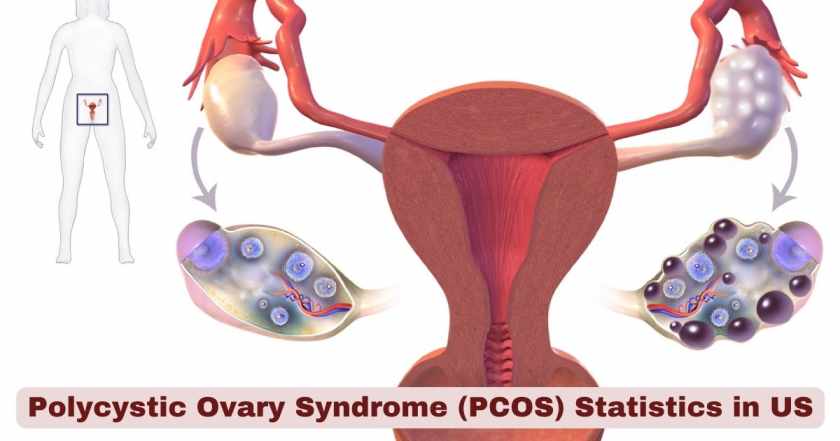
What Is Polycystic Ovary Syndrome (PCOS) in America 2026
Polycystic ovary syndrome (PCOS) is the most common endocrine disorder among women of reproductive age in the United States and across the world — and yet, in 2026, it remains one of the most consistently underdiagnosed, underfunded, and misunderstood chronic conditions in American medicine. At its core, PCOS is a complex hormonal, metabolic, and reproductive disorder in which the body produces higher-than-normal levels of androgens (male hormones), disrupting the normal process of ovulation and producing a cascade of symptoms that can touch nearly every organ system in the body. The clinical picture is strikingly heterogeneous: one woman with PCOS might present primarily with irregular periods and difficulty conceiving, while another deals with significant insulin resistance, weight gain, and severe acne, and a third struggles mainly with unwanted facial and body hair. This variability is precisely what makes PCOS so challenging to diagnose in a clinical setting — and why so many American women go years without ever receiving an accurate answer for what is happening in their bodies. Diagnosis requires the presence of at least two of three criteria: signs or symptoms of hyperandrogenism, evidence of ovulatory dysfunction, and/or polycystic ovarian morphology on imaging — but because no single symptom is required, the diagnostic path rarely runs in a straight line.
What makes the 2026 PCOS landscape in the United States particularly urgent is the compounding burden the condition places on women’s long-term health, the American healthcare system, and the national economy. The most comprehensive economic analyses available now put the total direct healthcare cost of PCOS in the US at more than $15 billion per year — a figure that accounts for reproductive complications, metabolic disease, stroke, type 2 diabetes, and the mental health disorders that accompany the condition at dramatically elevated rates. Despite affecting an estimated 5 to 6 million American women under conservative NIH diagnostic criteria — and potentially as many as 1 in 5 women of reproductive age under broader Rotterdam criteria — PCOS receives a fraction of the research funding dedicated to conditions of comparable prevalence. Up to 70% of women with PCOS worldwide have not yet been diagnosed, and in the United States, structural inequities in healthcare access mean that this diagnostic gap falls disproportionately on women of color and low-income populations. In 2026, understanding the full statistical picture of PCOS in America is not just a matter of clinical interest — it is a matter of public health urgency.
Interesting Key Facts About PCOS in the US 2026
Before exploring the data in depth, these foundational facts about polycystic ovary syndrome help frame just how significant and far-reaching this condition truly is in the American healthcare context.
| Key Fact | Detail |
|---|---|
| Classification | PCOS is the most common endocrine disorder among women of reproductive age — worldwide and in the United States |
| US prevalence — NIH 1990 criteria | Approximately 5–6 million reproductive-aged women in the US — roughly 6.6% of reproductive-aged women |
| US prevalence — Rotterdam criteria (broader) | Up to 5%–20% of reproductive-aged women in the US, depending on criteria applied |
| US population-based EHR study (2006–2019) | PCOS prevalence of 5.2% in a nonselected cohort of US females ages 16–40 (validated electronic health records) |
| Global undiagnosed rate | Up to 70% of women with PCOS worldwide are estimated to be undiagnosed — including many in the US |
| No cure exists | There is currently no cure for PCOS in the United States — management focuses on symptom control and risk reduction |
| Diagnostic criteria | Requires 2 of 3: hyperandrogenism, ovulatory dysfunction, polycystic ovarian morphology — a diagnosis of exclusion |
| Leading cause of infertility in the US | PCOS is the single leading cause of female infertility in the United States and globally, responsible for 50–80% of anovulatory infertility cases |
| Insulin resistance prevalence in PCOS | 50%–70% of women with PCOS have insulin resistance; rises to ~80% in obese women with PCOS |
| Diagnosis delay | More than one-third of patients had their PCOS diagnosis delayed by more than 2 years; nearly half needed to see 3 or more healthcare providers before receiving a diagnosis |
| Age of onset | PCOS most commonly appears during adolescence and the reproductive years; peak incidence is in the 15–19 age group globally; peak clinical presentation in ages 20–34 |
| PCOS and type 2 diabetes | Women with PCOS have a 3-fold higher prevalence of type 2 diabetes and impaired glucose tolerance versus women without PCOS |
| PCOS and cardiovascular risk | Women with PCOS are approximately 2.5 times more likely to develop cardiovascular disease compared to the general female population |
| Endometrial cancer risk | Prolonged irregular menstruation in PCOS increases risk for endometrial hyperplasia and endometrial cancer |
| Obesity prevalence in PCOS | 38%–88% of women with PCOS are overweight or obese — but PCOS also occurs in lean women |
| Research underfunding | Despite affecting millions of American women, PCOS receives significantly less research funding per affected individual than conditions of comparable burden |
| Persistence beyond menopause | PCOS is a lifelong condition — metabolic and cardiovascular risks from PCOS persist well beyond the reproductive years into menopause |
Source: NIH/NICHD (2024); NCBI StatPearls — Polycystic Ovarian Syndrome, Last Updated July 7, 2025; CDC — Diabetes and PCOS (February 2025); WHO Fact Sheet — PCOS (January 2026); American Journal of Obstetrics and Gynecology — US Population-Based EHR Study (Arenas et al., 2023); Nature Reviews Disease Primers — PCOS (Stener-Victorin et al., April 2024); Frontiers in Public Health — GBD 2021 Analysis (2025)
The key facts above tell the story of a disease that is simultaneously ubiquitous and overlooked. PCOS is not a rare condition confined to a narrow clinical population — it is a disorder affecting potentially 1 in every 5 to 7 American women of reproductive age, making it one of the most common chronic health conditions in the entire country. Yet the diagnostic experience for the average American woman with PCOS remains characterized by delay, frustration, and inadequate information: seeing three or more healthcare providers before receiving a diagnosis is not an outlier experience — it is the documented norm for more than half of patients. The 50–70% insulin resistance rate is particularly critical to understand because it is the metabolic engine driving many of PCOS’s most dangerous long-term consequences — from early-onset type 2 diabetes to cardiovascular disease — and it is entirely reversible with early lifestyle intervention. The 3-fold elevated type 2 diabetes risk is not a distant, theoretical concern for American women with PCOS: it is an active, present-day threat that is only manageable if the underlying diagnosis is made in a timely fashion. The fact that no cure exists for PCOS makes early, accurate diagnosis and sustained management not just clinically important but genuinely life-altering in scope.
PCOS Prevalence Statistics in the US 2026
Pinning down exactly how many American women have PCOS has been the subject of decades of research, and the answer is deeply dependent on which diagnostic criteria are applied — but regardless of the lens used, the numbers are consistently large.
| Prevalence Metric | Data |
|---|---|
| US prevalence — NIH 1990 criteria | ~6.6% of unselected reproductive-aged women in the US (~5 million women per NIH 2012 workshop) |
| US prevalence — validated EHR population-based study (2006–2019) | 5.2% among US females ages 16–40 (n = 177,527; validated ICD codes) |
| US prevalence — Rotterdam criteria | Up to 5%–20% of reproductive-aged women in the US |
| US prevalence — ESHRE/ASRM (broadest criteria) | As high as 15%–20% of reproductive-aged women |
| Estimated total US women affected (conservative) | Approximately 5–6 million (NIH criteria) |
| Estimated total US women affected (broader symptomatic) | Up to 1 in 5 to 1 in 7 reproductive-aged American women |
| Global prevalence estimate (WHO, 2026) | 10%–13% of reproductive-aged women worldwide |
| Global prevalence range (broader criteria) | 8%–13% per most current meta-analyses; up to 21% with broadest criteria |
| Global undiagnosed proportion | Up to 70% of women with PCOS globally remain undiagnosed |
| Average annual PCOS incidence rate — US (2006–2019) | 42.5 per 10,000 person-years (validated EHR cohort) |
| PCOS incidence in US ages 16–20 (trend) | Increased from 31.0 to 51.9 per 10,000 person-years between 2006–2019 — a 67% rise in the youngest age group |
| PCOS incidence in US ages 26–30 (trend) | Decreased from 82.8 to 45.0 per 10,000 person-years in same period — likely reflecting improved earlier diagnosis |
| Global PCOS incidence growth (1990–2021) | Increased from 1.48 million new cases in 1990 to 2.3 million in 2021 — a 55% increase over three decades |
| High SDI regions (including US) — age-standardized incidence | 90.13 per 100,000 population — highest globally |
Source: American Journal of Obstetrics and Gynecology — US Population-Based EHR Study (Arenas et al., 2023; n = 177,527); NCBI StatPearls (July 7, 2025); NIH 2012 Evidence-Based Methodology Workshop Report on PCOS; WHO Fact Sheet — PCOS (January 2026); PMC — Global Trends in PCOS 1990–2021, Age-Period-Cohort Analysis of 204 Countries (2025); Nature Reviews Disease Primers — PCOS (Stener-Victorin et al., April 2024)
The prevalence data for PCOS in the United States reveals a condition of extraordinary scale, and the trend data is arguably even more concerning than the absolute numbers. The validated EHR-based study covering 177,527 American women — one of the most rigorous US-specific prevalence analyses ever conducted — confirmed a 5.2% diagnosed prevalence in the 2006–2019 period, which is already meaningfully higher than earlier ICD-code-based estimates of 2.9% from 2009. The true undiagnosed prevalence, however, almost certainly dwarfs the diagnosed figure: with up to 70% of women with PCOS worldwide remaining undiagnosed, the gap between the 5–6 million estimated by conservative NIH criteria and the 1-in-5 estimate under broader criteria represents millions of American women whose symptoms are either going unrecognized or being attributed to other conditions. The incidence trend data adds a further layer of urgency: the 67% rise in PCOS incidence among American women aged 16–20 between 2006 and 2019 suggests that PCOS is increasingly presenting and being identified in younger age groups — a pattern that has significant implications for long-term metabolic and reproductive outcomes if early intervention is not initiated promptly. These young women diagnosed today are the ones who will shoulder the type 2 diabetes, cardiovascular disease, and mental health burdens of untreated PCOS in the decades to come.
PCOS Demographic Statistics in the US 2026
Understanding exactly who is most affected by PCOS in the United States — and where the most significant diagnostic gaps lie — requires a close look at the demographic distribution of the condition across age, race, ethnicity, and BMI.
| Demographic Category | Data |
|---|---|
| Primary affected population | Women of reproductive age (roughly 15–49 years) in the United States |
| Peak incidence age group (global, GBD 2021) | Ages 15–19 — adolescents are the highest-incidence group globally |
| Peak clinical presentation / diagnosis age in the US | Most commonly detected in ages 20–34, often when seeking infertility care |
| Shift in peak prevalence age group (GBD 2021) | Peak prevalence has shifted from ages 20–24 to ages 30–34 — consistent with widespread diagnosis delay |
| Highest burden age group (DALYs) | Ages 40–44 — period associated with highest metabolic syndrome, diabetes, and cardiovascular disease risk from PCOS |
| Non-Hispanic White patients | Higher rates of PCOS diagnosis in US studies — driven by greater healthcare utilization, not necessarily higher true prevalence |
| Black and Hispanic women | Lower rates of formal PCOS diagnosis — attributed to lower healthcare access and structural inequities, not lower biological prevalence |
| Hispanic women and PCOS | Among Hispanic patients with PCOS-C (constipation-predominant), higher insulin resistance burden documented; Hispanic women have greater metabolic risk profile within PCOS |
| Native American and Hawaiian/Pacific Islander women | Had greater proportions of incident PCOS cases in the US EHR-based study compared to White women |
| Obese women with PCOS | ~80% have insulin resistance and elevated insulin levels |
| Lean women with PCOS | 30%–40% have insulin resistance — PCOS is not exclusively an obesity-related condition |
| Adolescent PCOS diagnosis | Challenging due to overlap with normal puberty; menstrual irregularity in first 2–3 years post-menarche is physiologically normal, complicating early identification |
| PCOS persistence into menopause | Metabolic and cardiovascular sequelae of PCOS persist beyond menopause; it is a lifelong, not just reproductive-years, condition |
| Family history | PCOS runs in families — both genetic and shared environmental factors contribute to familial aggregation |
Source: American Journal of Obstetrics and Gynecology — US Population-Based EHR Study (Arenas et al., 2023); PMC — Global Burden of PCOS, GBD 2021 Analysis, Frontiers in Public Health (2025); PMC — Global Burden and Future Trends of PCOS, GBD 2021 Study (2025); NCBI StatPearls — Polycystic Ovarian Syndrome (July 7, 2025); WHO Fact Sheet — PCOS (January 2026)
The demographic picture of PCOS in the United States challenges a number of persistent assumptions about who this disease affects and how it gets detected. The shift in peak diagnosed prevalence from the 20–24 age group to the 30–34 age group — documented in the most recent global burden analyses — is not a sign that PCOS is becoming more common in older women. It is a marker of diagnostic delay: women are most commonly not being diagnosed until their late 20s and early 30s, when fertility concerns finally push them to seek specialized care. This means that years of metabolic deterioration — insulin resistance quietly worsening, cardiovascular risk factors compounding, mental health eroding — are typically occurring before the first correct diagnosis is ever made. The racial and ethnic data is equally stark in its implications: lower PCOS diagnosis rates among Black and Hispanic American women do not reflect lower disease burden; they reflect lower access to the gynecologists, endocrinologists, and reproductive specialists who are most likely to make the diagnosis. For these populations, PCOS is not just a medical condition — it is a condition where structural healthcare inequities directly translate into worse long-term metabolic and reproductive outcomes that compound over decades.
PCOS Reproductive Health Statistics in the US 2026
Polycystic ovary syndrome is the leading identifiable cause of female infertility in the United States, and its impact on reproductive health extends well beyond the challenge of conception to include pregnancy complications and long-term gynecologic cancer risk.
| Reproductive Health Metric | Data |
|---|---|
| PCOS as cause of anovulatory infertility | Responsible for 50%–80% of all anovulatory infertility cases in the US and globally |
| PCOS as a leading infertility cause | PCOS is the single most common identifiable cause of female infertility in the United States |
| Infertility treatment hospitalization rate | Women with PCOS were hospitalized for infertility treatment at 40.9% vs. 4.6% of controls in a Western Australia population-based study — a nearly 9-fold higher rate |
| Miscarriage rate | Women with PCOS had a miscarriage hospitalization rate of 11.1% vs. the control rate — significantly elevated |
| Menorrhagia (heavy bleeding) hospitalization | 14.1% vs. 3.6% of controls — nearly 4 times higher |
| Gestational diabetes risk | Women with PCOS face significantly elevated gestational diabetes risk; risk is further amplified by BMI |
| Gestational hypertension | Women with PCOS are at higher risk for gestational hypertension during pregnancy |
| Preeclampsia risk | Elevated risk of preeclampsia documented in PCOS patients vs. non-PCOS controls |
| Global pregnancy complications from PCOS | Approximately 17 million women globally with PCOS experience pregnancy-related complications annually |
| Endometrial cancer risk | Women with PCOS are at significantly higher risk for endometrial hyperplasia and endometrial cancer due to prolonged anovulation and unopposed estrogen exposure |
| Ovulation induction — first-line treatment | Letrozole is the first-line therapy for PCOS-related infertility per current evidence-based guidelines |
| IVF risk | Women with PCOS can conceive via IVF but face higher risk for ovarian hyperstimulation syndrome (OHSS) |
Source: NCBI StatPearls — Polycystic Ovarian Syndrome (July 7, 2025); PMC — PCOS Risk Factor for Non-Communicable Diseases, Journal of Ovarian Research (October 2025); CDC — Diabetes and PCOS (February 2025); WHO Fact Sheet — PCOS (January 2026); PMC — Western Australia Population-Based Reproductive Outcomes Study; Endocrine Society PCOS Guidelines
The reproductive health data for PCOS in the United States confirms what clinicians and patients already know from lived experience: this is not a condition that mildly complicates fertility — it systematically dismantles it for millions of American women. The 40.9% hospitalization rate for infertility treatment among women with PCOS versus 4.6% in controls is one of the starkest head-to-head comparisons in the entire PCOS literature, illustrating the enormous personal and healthcare cost of a condition that leaves so many women unable to conceive without significant medical intervention. The elevated miscarriage, gestational diabetes, and preeclampsia rates mean that the reproductive burden of PCOS does not end with conception — it follows patients through pregnancy and delivery with a heightened risk profile that demands specialized obstetric monitoring. The endometrial cancer connection is particularly important to understand: prolonged anovulation means the uterine lining is continuously exposed to estrogen without the regular progesterone-driven shedding of a normal menstrual cycle, creating conditions that favor abnormal cell growth over time. This is precisely why regular menstrual regulation — whether through hormonal contraceptives, progestins, or ovulation induction — is not just a quality-of-life intervention for women with PCOS in the US: it is a cancer prevention strategy.
PCOS Metabolic and Cardiovascular Health Statistics in the US 2026
The metabolic consequences of polycystic ovary syndrome are among its most serious and least publicly understood features, and the numbers tell a story of long-term health risk that extends across an American woman’s entire lifespan.
| Metabolic / Cardiovascular Metric | Data |
|---|---|
| Insulin resistance prevalence in PCOS | 50%–70% of all women with PCOS; rises to ~80% among obese women with PCOS |
| Broader insulin resistance range (research) | 35%–80% of women with PCOS across published studies |
| Type 2 diabetes risk vs. general population | Women with PCOS have a 3-fold higher prevalence of type 2 diabetes and impaired glucose tolerance |
| Excess annual US cost of PCOS-attributable type 2 diabetes | $1.5 billion per year (2020 USD) |
| Excess annual US cost of PCOS-attributable stroke | $2.4 billion per year (2020 USD) |
| Cardiovascular disease risk | Women with PCOS are approximately 2.5 times more likely to develop cardiovascular disease vs. general female population |
| PCOS and adult-onset diabetes hospitalization | Women with PCOS: 12.5% vs. 3.8% of controls — more than 3 times higher |
| PCOS and obesity hospitalization | Women with PCOS: 16% vs. 3.7% of controls — more than 4 times higher |
| PCOS and hypertensive disorders hospitalization | Women with PCOS: 3.8% vs. 0.7% of controls |
| PCOS and ischemic heart disease hospitalization | Women with PCOS: 0.8% vs. 0.2% of controls |
| PCOS and cerebrovascular disease hospitalization | Women with PCOS: 0.6% vs. 0.2% of controls |
| Metabolic syndrome prevalence in PCOS | Substantially elevated — PCOS is a primary contributor to metabolic syndrome in reproductive-aged US women |
| Non-alcoholic fatty liver disease (MASLD) | PCOS is associated with metabolic dysfunction-associated steatotic liver disease (MASLD) as a recognized comorbidity |
| Obstructive sleep apnea | Significantly elevated risk in women with PCOS due to obesity and hormonal factors |
| Weight loss benefit | A 5% reduction in body weight can meaningfully improve ovulatory function, hyperandrogenism symptoms, and metabolic markers in women with PCOS |
Source: NCBI StatPearls — Polycystic Ovarian Syndrome (July 7, 2025); PMC — PCOS Stratification for Precision Diagnostics (Frontiers in Cell and Developmental Biology, 2024); PMC — Health Care-Related Economic Burden of PCOS, Riestenberg et al. (Journal of Clinical Endocrinology & Metabolism, 2022); PMC — Western Australia Population-Based PCOS Outcomes Study; PMC — PCOS Risk Factor for Non-Communicable Diseases (Journal of Ovarian Research, October 2025); Endocrine Society Press Release (2021)
The metabolic data for PCOS in the United States is a powerful argument for why this condition must be understood and managed as a lifelong cardiometabolic disorder — not just a reproductive inconvenience. The 50–70% insulin resistance rate places the majority of American women with PCOS in a state of chronically elevated metabolic risk from the moment they are diagnosed, and for most, that diagnosis is already arriving years late. When untreated insulin resistance drives the 3-fold type 2 diabetes risk associated with PCOS, the downstream consequences are staggering: $1.5 billion per year in excess US healthcare costs attributable just to PCOS-associated diabetes, and another $2.4 billion per year attributable to PCOS-associated stroke — costs that are substantially preventable with earlier diagnosis and intervention. The population-based hospital outcomes data is equally sobering: women with PCOS are hospitalized for adult-onset diabetes at more than three times the rate of controls, and for obesity-related conditions at more than four times the rate. These are not marginal risk elevations — they reflect a disease that, when left unmanaged, systematically degrades every major organ system over the course of a lifetime. The single most important clinical insight buried in this data is also the most actionable: even a 5% reduction in body weight can produce meaningful improvements across the metabolic profile of PCOS — making lifestyle intervention one of the most cost-effective tools available in the entire US PCOS management toolkit.
PCOS Economic Burden Statistics in the US 2026
Polycystic ovary syndrome is not just a health crisis for millions of American women — it is a multi-billion dollar strain on the US healthcare system, generating costs that have grown substantially with each successive economic analysis.
| Economic Metric | Data |
|---|---|
| Total direct healthcare burden of PCOS in the US | Exceeds $15 billion per year (most current comprehensive estimate, including mental health costs) |
| PCOS economic burden — reproductive morbidities only (2020 USD) | $3.7 billion per year |
| PCOS economic burden — adding pregnancy and long-term morbidities (2020 USD) | $8 billion per year (Riestenberg et al., Journal of Clinical Endocrinology & Metabolism, 2022) |
| Updated estimate including mental health costs (2021–2022 USD) | $8.5 billion per year (Dove Medical Press scoping review, 2025) |
| Total direct burden including MH disorders (2021 USD) | Exceeds $15 billion per year (Yadav et al., PMC, 2023) |
| Annual cost of treating PCOS-associated anxiety (US) | $1.939 billion per year (2021 USD) |
| Annual cost of treating PCOS-associated depression (US) | $1.678 billion per year (2021 USD) |
| Annual cost of treating PCOS-associated eating disorders (US) | $0.644 billion per year (2021 USD) |
| Annual cost of treating PCOS-associated type 2 diabetes (US) | $1.5 billion per year (2020 USD) |
| Annual cost of treating PCOS-associated stroke (US) | $2.4 billion per year (2020 USD) |
| Annual cost of PCOS-related pregnancy complications (US) | $375 million per year (2020 USD) — gestational hypertension, gestational diabetes, preeclampsia |
| Annual cost of PCOS initial diagnostic evaluation (US) | Approximately $93–$147 million per year — less than 2% of total burden |
| Breakdown of total US PCOS costs by category | ~29.5% reproductive aspects; ~28% mental health; ~26% type 2 diabetes/stroke; ~15% obstetric |
| Cost efficiency of early diagnosis | Diagnostic evaluation is <2% of total costs — suggesting early, liberal screening is highly cost-effective |
Source: PMC / Journal of Clinical Endocrinology & Metabolism — Riestenberg et al. (2022); PMC — Direct Economic Burden of Mental Health Disorders in PCOS, Yadav et al. (2023); PMC / Dove Medical Press — Cost-Effectiveness of PCOS Interventions Scoping Review (accepted March 2025, published 2025); Endocrine Society Press Release (2021); AJMC — PCOS Estimated to Cost $8 Billion (2021); Journal of Clinical Endocrinology & Metabolism — Azziz et al. (2005, 2014 USD baseline); SOGC Position Statement on PCOS (February 2025)
The economic data on PCOS in the United States tells a story that is extraordinary both in its scale and in what it reveals about the consequences of diagnostic failure. The headline figure — more than $15 billion in annual direct healthcare costs — is a number that has roughly tripled from earlier estimates as researchers have progressively incorporated more of PCOS’s downstream consequences into their calculations. Each successive analysis has revealed new cost layers that earlier work missed: reproductive costs first, then metabolic costs, then pregnancy costs, and most recently the $4.26 billion annual mental health cost burden that reflects the anxiety, depression, and eating disorders that accompany PCOS at dramatically elevated rates. Perhaps the most powerful single finding in all of this economic data is the ratio between diagnostic costs and total costs: the initial evaluation of PCOS accounts for less than 2% of the total economic burden. This means that every dollar spent on earlier, more liberal screening for PCOS in the United States has the potential to prevent enormous downstream medical expenditures. The researchers who produced the most comprehensive economic analyses have been explicit about this implication: greater clinician awareness, more proactive screening, and earlier diagnosis are not just better for patients — they are among the most cost-effective investments the American healthcare system could make in the management of chronic metabolic disease.
PCOS Mental Health and Quality of Life Statistics in the US 2026
The psychological and emotional burden of polycystic ovary syndrome is one of the most consistently underdiscussed dimensions of the condition — and the data confirms that PCOS profoundly and measurably damages mental health across every studied dimension.
| Mental Health / Quality of Life Metric | Data |
|---|---|
| Depression risk vs. general population | Women with PCOS are 60% more likely to have depression or anxiety compared to women without the condition |
| Anxiety odds ratio in PCOS | OR = 2.75 (95% CI: 2.10–3.60) — women with PCOS are nearly 3 times more likely to have an anxiety disorder |
| Anxiety symptom severity in PCOS | Women with PCOS had 5 times higher odds of anxiety symptoms and nearly 6 times higher odds of moderate-to-severe anxiety vs. controls (Cooney et al., 2017) |
| Depression odds ratio in PCOS | Women with PCOS have significantly higher odds of moderate and severe depressive symptoms than controls — independent of obesity |
| Eating disorder risk | Women with PCOS are approximately twice as likely to have eating disorders (prevalence ratio: 1.48) vs. controls |
| Bipolar disorder association | 5% of PCOS study participants had bipolar disorder — higher than control rates; bipolar disorder is an emerging comorbidity in PCOS |
| Suicidal ideation | A higher prevalence of suicidal ideation has been observed in individuals with PCOS vs. the general population |
| Self-harm hospitalization | Women with PCOS: 7.2% vs. 2.9% of controls — more than 2.5 times higher |
| Anxiety/depression hospitalization | Women with PCOS: 14% vs. 5.9% of controls for stress/anxiety; 9.8% vs. 4.3% of controls for depression |
| Diagnosis delay and mental health | Time to PCOS diagnosis is independently associated with both depression and anxiety — the longer the delay, the greater the psychological impact |
| 50% of patients with PCOS show signs of depression | Whether previously diagnosed or newly diagnosed, 50% of women with PCOS in an Australian cohort had signs of depression |
| Body image distress | Body image distress fully or partially mediates the association between PCOS and depression scores — hirsutism had the greatest negative effect on quality-of-life metrics |
| Quality of life impact | Infertility, obesity, and unwanted hair growth are subject to social stigma that affects family relationships, work, community belonging, and overall wellbeing |
| Annual US mental health cost from PCOS | $4.26 billion per year in direct costs for anxiety, depression, and eating disorders attributable to PCOS |
Source: Focus — American Psychiatric Association Publishing — Bridging the Gap: Integrating Awareness of PCOS Into Mental Health Practice; PMC — Direct Economic Burden of Mental Health Disorders in PCOS, Yadav et al. (2023); MDPI — The Psychosocial Impact of PCOS (2023); PMC — Western Australia Population-Based PCOS Outcomes Study; PMC — Analysis of Risk Factors for Depression and Anxiety in PCOS, Frontiers in Global Women’s Health (February 2025); Frontiers — Research Trend and Hotspots of PCOS with Depression 1993–2024 (November 2024)
The mental health data associated with PCOS is among the most compelling — and most frequently overlooked — bodies of evidence in the entire condition’s clinical literature. An odds ratio of 2.75 for anxiety means that a woman with PCOS in the United States is nearly three times more likely to be living with an anxiety disorder than a woman without the condition — and the severity data is even more striking, with nearly 6 times higher odds of moderate-to-severe anxiety symptoms in one major meta-analysis. The elevated suicidal ideation and 2.5-times higher self-harm hospitalization rate among women with PCOS represent clinical red flags that the American medical community has been slow to incorporate into routine management protocols. The finding that diagnosis delay is independently associated with depression and anxiety is perhaps the most actionable piece of the entire mental health data set: it means that every year a woman with PCOS spends seeing multiple providers without answers, not only are her metabolic risks compounding, but her psychological health is actively deteriorating. The stigma around the visible symptoms of PCOS — particularly hirsutism, acne, and weight gain — creates a feedback loop where social shame worsens anxiety and depression, which in turn worsens cortisol levels and insulin resistance, which worsens the underlying hormonal imbalance. The $4.26 billion annual US mental health cost from PCOS-associated anxiety, depression, and eating disorders is not a secondary concern to be addressed after reproductive and metabolic issues are managed — it is a core, co-equal component of what makes polycystic ovary syndrome one of the most comprehensively burdensome conditions facing American women in 2026.
PCOS Diagnosis and Healthcare Access Statistics in the US 2026
The gap between how many American women have PCOS and how many have actually received a proper diagnosis is one of the most significant unresolved public health challenges in the country.
| Diagnosis / Access Metric | Data |
|---|---|
| Global undiagnosed PCOS rate | Up to 70% of women with PCOS worldwide — including in the US — are estimated to remain undiagnosed |
| Diagnosis delay — proportion with >2 year delay | More than one-third of patients had their PCOS diagnosis delayed by more than 2 years |
| Number of providers before diagnosis | Almost half of patients needed to see 3 or more healthcare professionals before receiving a PCOS diagnosis |
| Most common route to diagnosis in the US | Often discovered when women seek care for infertility — not during routine gynecologic care |
| Adolescent diagnosis challenge | Many features of PCOS — acne, menstrual irregularity, hyperinsulinemia — overlap with normal puberty, making early diagnosis particularly difficult |
| Racial diagnostic disparities | Lower formal PCOS diagnosis rates in Black and Hispanic women — attributed to structural inequities in healthcare access, not lower biological disease burden |
| Patient dissatisfaction | International surveys consistently show high patient dissatisfaction with PCOS care, particularly related to information quality at diagnosis and time to diagnosis |
| PCOS as diagnosis of exclusion | PCOS requires exclusion of other conditions (congenital adrenal hyperplasia, Cushing syndrome, androgen-secreting tumors) — contributing to diagnostic complexity and delay |
| Underdiagnosis consequence | Delayed diagnosis allows insulin resistance, type 2 diabetes, cardiovascular disease, endometrial cancer risk, and mental health disorders to progress undetected and untreated |
| Comorbidity screening at diagnosis | Guidelines recommend screening for obesity (BMI/waist circumference), blood pressure, diabetes, lipids, and depression/anxiety at initial PCOS diagnosis — but implementation is inconsistent |
| PCOS research funding gap | Despite affecting millions of American women and costing the US healthcare system >$15 billion per year, PCOS receives significantly less research funding per affected individual than conditions of comparable burden |
| Early diagnosis cost-effectiveness | The initial diagnostic evaluation accounts for <2% of total PCOS costs — making early screening one of the most cost-effective interventions available |
Source: NCBI StatPearls — Polycystic Ovarian Syndrome (July 7, 2025); Journal of Clinical Endocrinology & Metabolism — Rising Incidence, Health Resource Utilization, and Costs of PCOS in the United Kingdom, Berni et al. (May 2025); American Journal of Obstetrics and Gynecology — US EHR-Based Prevalence Study (Arenas et al., 2023); WHO Fact Sheet — PCOS (January 2026); SOGC Position Statement on PCOS (February 2025); Endocrine Society; PMC — Cost-Effectiveness of PCOS Interventions (Dove Medical Press, 2025)
The diagnosis and access data for PCOS in the United States exposes a healthcare system failure that is both longstanding and deeply costly — in every sense of the word. The fact that nearly half of American women with PCOS must see three or more separate healthcare providers before receiving an accurate diagnosis is not a reflection of diagnostic complexity alone — it reflects a systemic lack of awareness, training, and prioritization around a condition that affects millions. The >2-year diagnosis delay experienced by more than a third of patients is happening precisely during the years when early lifestyle intervention — dietary changes, exercise, weight management — could most effectively prevent the metabolic and reproductive damage that defines the long-term course of PCOS. Every year of delay is a year in which insulin resistance silently deepens, the risk of developing type 2 diabetes compounds, and the psychological toll of unexplained symptoms accumulates. The racial diagnostic disparities are particularly troubling in this context: Black and Hispanic American women with PCOS are not just diagnosed less often — they are navigating a healthcare system that is less equipped to see and respond to their symptoms in the first place. And underpinning all of it is a research funding gap that has allowed PCOS — a condition costing the US healthcare system more than $15 billion annually — to remain one of the most poorly understood and inadequately treated chronic diseases in the country. In 2026, closing the diagnosis gap is not just a clinical imperative. It is an economic one.
Disclaimer: This research report is compiled from publicly available sources. While reasonable efforts have been made to ensure accuracy, no representation or warranty, express or implied, is given as to the completeness or reliability of the information. We accept no liability for any errors, omissions, losses, or damages of any kind arising from the use of this report.