
What Is Osteoporosis?
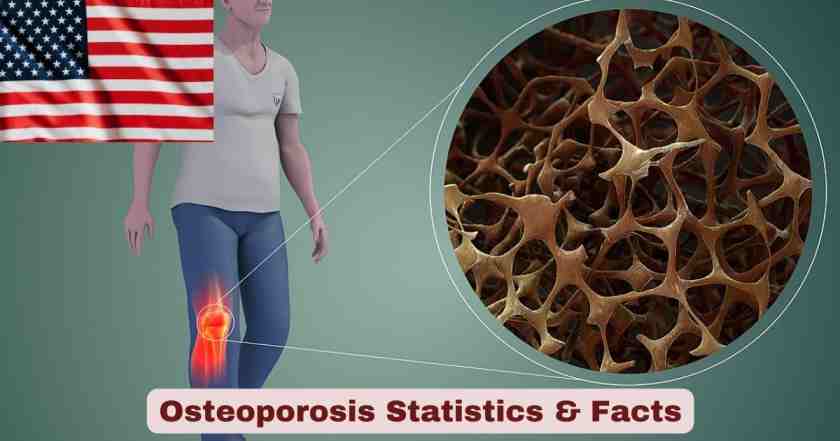
Osteoporosis is a progressive skeletal disease defined by low bone mass and the gradual deterioration of bone tissue architecture — a combination that makes bones fragile, porous, and far more vulnerable to fracture than they should be. The word itself comes from the Greek for “porous bones,” and that is precisely what happens at the microscopic level: the tiny internal scaffolding that gives bone its strength slowly breaks down faster than the body can rebuild it. What makes osteoporosis in the United States in 2026 such a pressing public health concern is not just how common it is, but how silently it operates. There are no early symptoms. No pain signals the loss of bone density. Millions of Americans are walking around with significantly weakened bones right now and have no idea — a reality that has earned osteoporosis the clinical nickname “the silent disease.” The World Health Organization has classified it as a global health problem, and the most current data from the National Institutes of Health (NIH), the Centers for Disease Control and Prevention (CDC), and the Bone Health and Osteoporosis Foundation (BHOF) confirm that its burden on American health care is both enormous and still growing.
In 2026, osteoporosis affects an estimated 10.2 million Americans aged 50 and older, with an additional 43 to 54 million at elevated risk due to low bone mass — a condition called osteopenia. The disease is most strongly associated with postmenopausal women, where declining estrogen levels accelerate bone loss at a rate that the body simply cannot compensate for. But the data increasingly shows that osteoporosis in America is not just a woman’s disease — 1 in 4 men over the age of 50 will suffer an osteoporosis-related fracture in their lifetime, and yet male patients are almost universally undertreated and underscreened. Add to that a diagnosis gap so large that nearly 69% of people with osteoporosis in the US are undiagnosed, and the scale of the problem becomes undeniable. This article pulls together the most current, fully verified data from US government sources and peer-reviewed institutional research to give you the clearest available picture of osteoporosis statistics in the US in 2026.
Interesting Osteoporosis Facts in the US 2026
Before the section-by-section breakdown, here are the most striking and evidence-backed facts about osteoporosis in America as of 2026 — drawn from the latest federal health surveys and peer-reviewed research.
| Fact | Detail |
|---|---|
| Americans with osteoporosis (adults 50+) | ~10.2 million |
| Americans with low bone mass (osteopenia) — at risk | 43 to 54 million |
| Total Americans affected or at risk (osteoporosis + low bone mass) | ~54 million |
| Projected adults with osteoporosis by 2030 | More than 13 million (30%+ increase from 2010) |
| Overall osteoporosis prevalence in adults 50+ (2017–2018 NHANES) | 12.6% |
| Osteoporosis prevalence in women 50+ (2017–2018 NHANES) | 19.6% |
| Osteoporosis prevalence in women 65+ (2017–2018 NHANES) | 27.1% |
| Osteoporosis prevalence in men 50+ (2017–2018 NHANES) | 4.4% |
| Low bone mass prevalence in adults 50+ (2017–2018 NHANES) | 43.1% |
| Osteoporotic fractures in the US (projected annually by 2025–2026) | ~3 million per year |
| Annual cost of osteoporotic fractures in the US (2025–2026 projection) | ~$25.3 billion |
| Hip fracture share of total osteoporotic fracture costs | 72% |
| 1-year mortality rate after a hip fracture | ~24%–30% |
| Men’s 1-year mortality after hip fracture vs. women | Men are 2x more likely to die |
| Lifetime fracture risk — women over 50 | 1 in 2 (50%) |
| Lifetime fracture risk — men over 50 | 1 in 5 (20%) |
| Proportion of people with osteoporosis who go undiagnosed (US) | 69.12% |
| Men with osteoporosis who go undiagnosed | 86.88% |
| Adults aged 50–59 with osteoporosis who go undiagnosed | 84.77% |
| 95% of men hospitalized for hip fractures discharged without treatment | Up to 95% |
| Doctors who would screen a 65-year-old postmenopausal woman | 90% |
| Doctors who would screen a 74-year-old man with no medical history | Only 22% |
| Osteoporosis prevalence increase (women) 2007–2018 | From 14.0% to 19.6% |
| DALYs lost from osteoporotic fractures | More than most common cancers |
Source: CDC/NCHS NHANES 2017–2018; NCHS Data Brief No. 405 (March 2021); Osteoporosis International (January 2025, George Mason University / NHANES 2005–2018); Bone Health and Osteoporosis Foundation (BHOF); NIH Osteoporosis and Related Bone Diseases National Resource Center; PMC (2023, 2024, 2025); Journal of Bone and Mineral Research (Wright et al., 2014)
The facts table above tells a story of a disease that is both widespread and extraordinarily under-managed. The combination of 10.2 million confirmed cases with 43 to 54 million more Americans at elevated risk means that roughly half of all US adults over the age of 50 are somewhere on the spectrum of compromised bone health — either already osteoporotic or rapidly heading there. The projected surge to more than 13 million cases by 2030 is not a speculative estimate — it reflects straightforward demographic math as the Baby Boomer generation ages further into the highest-risk years for bone disease.
What makes the facts table particularly alarming is the size of the diagnosis and treatment gap. When 69% of all osteoporosis cases in the US go undiagnosed, the downstream consequences are severe and entirely preventable. The gender disparity in clinical awareness is especially damning: while 90% of physicians would screen a 65-year-old postmenopausal woman, only 22% would screen a 74-year-old man — despite the fact that men’s post-fracture mortality is twice as high as women’s. That 95% of men hospitalized for a hip fracture are discharged without any osteoporosis treatment is not a rounding error or an anomaly. It is a systemic failure that costs lives. The $25.3 billion annual fracture cost projected for this period represents the price America pays for underscreening, underdiagnosis, and undertreated bone disease.
Osteoporosis Prevalence and Incidence in the US 2026
Osteoporosis Prevalence Among Adults 50+ in the US 2026
| Prevalence Category | Data |
|---|---|
| Total US adults 50+ with osteoporosis | ~10.2 million |
| Total US adults 50+ with low bone mass (osteopenia) | ~43.4 million |
| Total US adults 50+ with osteoporosis or low bone mass combined | ~53.6 million |
| Overall age-adjusted osteoporosis prevalence (adults 50+) | 12.6% (NHANES 2017–2018) |
| Osteoporosis prevalence — adults 50–64 | 8.4% |
| Osteoporosis prevalence — adults 65+ | 17.7% |
| Low bone mass prevalence — adults 50+ | 43.1% |
| Low bone mass prevalence — women 50+ | 51.5% |
| Low bone mass prevalence — men 50+ | 33.5% |
| Osteoporosis prevalence trend (women) — 2007 to 2018 | Increased from 14.0% to 19.6% |
| Osteoporosis prevalence trend (men) — 2007 to 2018 | No significant change (3.7% to 4.4%) |
| Projected adults with osteoporosis by 2030 | More than 13 million |
| Projected increase in osteoporosis burden (2010–2030) | More than 30% |
| Share of world population affected by osteoporosis | ~10% |
| US adults aged 50+ population (approximately) | ~130+ million |
Source: CDC/NCHS Data Brief No. 405 (March 2021); NHANES 2017–2018; Journal of Bone and Mineral Research (Wright et al., 2014); Osteoporosis International (2025); NIH Osteoporosis and Related Bone Diseases National Resource Center; Bone Health and Osteoporosis Foundation (BHOF)
The osteoporosis prevalence data for the US in 2026 paints a picture of a disease that is both deeply entrenched and actively worsening in key demographic groups. The age-adjusted prevalence of 12.6% among adults 50 and older — drawn from the most recent NHANES data — translates into real human numbers: roughly 10.2 million Americans living with confirmed osteoporosis, alongside 43.4 million more whose low bone mass puts them on a direct pathway to the same diagnosis. The combined figure of 53.6 million Americans dealing with compromised bone health is not a distant projection — it is the current state of the US population. And when you factor in the projected 30%+ increase by 2030, driven purely by demographic aging, the trajectory becomes unmistakable.
What the data also reveals is a meaningful divergence by sex. Osteoporosis prevalence in women has been climbing consistently — rising from 14.0% in 2007–2008 to 19.6% in 2017–2018 — while men’s prevalence has remained relatively flat. This matters for two reasons. First, it confirms that women’s bone health is deteriorating across the population over time, even as awareness campaigns and treatment options have expanded. Second, the flat trend in men likely reflects measurement and detection failure more than true biological stability — with 86.88% of men with osteoporosis going undiagnosed, the real male prevalence is likely considerably higher than what the survey data captures. The osteopenia prevalence of 43.1% in adults over 50 is perhaps the most urgent number in the table, because these are the patients who still have a real window for intervention — if they are identified and treated before osteoporosis takes hold.
Osteoporosis Fracture Statistics in the US 2026
Osteoporotic Fracture Burden in the US 2026
| Fracture Metric | Data |
|---|---|
| Annual osteoporotic fractures in the US (projected 2025–2026) | ~3 million |
| Lifetime fracture risk — women over 50 | 46.4% (major osteoporotic fracture) |
| Lifetime fracture risk — men over 50 | 22.4% (major osteoporotic fracture) |
| Hip fracture share of all osteoporotic fractures | ~14% |
| Hip fracture share of total osteoporotic fracture costs | 72% |
| Annual hip fractures in the US | ~300,000 |
| Men’s share of all hip fractures | ~30% |
| Vertebral fracture share of all osteoporotic fractures | 27% |
| Wrist fracture share of all osteoporotic fractures | 19% |
| Pelvic fracture share | 7% |
| Other fracture sites combined | 33% |
| 1-year mortality rate after hip fracture (overall) | ~24%–30% |
| Mortality from hip or spine fractures (general rate) | ~20% |
| 1-year mortality comparison — fracture vs. non-fracture Medicare cohort | 18% vs. 9.3% |
| Risk of subsequent fracture after first fracture | Significantly elevated (compounding risk) |
| DALYs from osteoporotic fractures globally (2000) | 5.8 million years — exceeds most cancers |
| Disability-Adjusted Life Years lost — osteoporotic fracture vs. cancers | More than most common cancers |
| Hip fracture 90-day cost in Medicare population | $5.96 billion total direct costs |
| Intertrochanteric hip fracture cost per patient (first year) | ~$71,057 (fracture cohort vs. $16,807 non-fracture) |
Source: NIH Osteoporosis and Related Bone Diseases National Resource Center; Burge et al., Journal of Bone and Mineral Research (2007, projected through 2025); PMC (2025) — Economic Burden of Osteoporosis-Related Fractures in the US Medicare Population; Orthopedics (Sabri et al., 2023); CDC National Center for Health Statistics; Bone Health and Osteoporosis Foundation
The fracture burden from osteoporosis in the US is one of the most expensive and medically consequential in all of chronic disease. The projection of 3 million osteoporotic fractures annually — with a combined economic toll of $25.3 billion — positions osteoporosis as a healthcare cost driver rivaling many cancers in scale. What makes the hip fracture data especially disturbing is the disproportionate cost and mortality it carries. Despite accounting for only 14% of all osteoporotic fractures, hip fractures consume 72% of the total fracture cost — a ratio that reflects the intensity of hospital care, rehabilitation, and long-term disability that follows. The Medicare data showing that hip fracture patients incur costs of nearly $71,000 in the year following fracture compared to just $16,807 for matched non-fracture patients underscores just how catastrophic a single osteoporotic hip fracture is for an individual’s health and for the healthcare system.
The mortality figures are where the data becomes most sobering. A 24% to 30% mortality rate within 12 months of a hip fracture means that roughly one in four or one in three patients who suffer this injury will not be alive a year later. The fact that osteoporotic fractures account for more Disability-Adjusted Life Years (DALYs) than most common cancers has not received the public awareness it deserves — largely because fracture events are often treated as isolated injuries rather than as symptoms of a systemic bone disease. The compounding risk is particularly critical: once a person suffers one osteoporotic fracture, their probability of a subsequent fracture rises substantially, creating a cascade of injury, disability, and mortality that could often have been interrupted with timely diagnosis and treatment.
Osteoporosis by Sex — Men vs. Women Statistics in the US 2026
Sex-Based Osteoporosis Differences in the US 2026
| Sex-Based Metric | Data |
|---|---|
| Osteoporosis prevalence — women 50+ (age-adjusted) | 19.6% |
| Osteoporosis prevalence — men 50+ (age-adjusted) | 4.4% |
| Women 50+ with low bone mass | 51.5% |
| Men 50+ with low bone mass | 33.5% |
| Women 65+ with osteoporosis | 27.1% |
| Men 65+ with osteoporosis | 5.7% (not significantly different from younger men) |
| Lifetime risk of major osteoporotic fracture — women 50+ | 46.4% |
| Lifetime risk of major osteoporotic fracture — men 50+ | 22.4% |
| Estimated men with osteoporosis (US) | ~2 million |
| Men’s share of all annual hip fractures | ~30% (approximately 90,000/year) |
| Men’s 1-year post-hip fracture mortality vs. women | Men 2x more likely to die |
| Men with osteoporosis who go undiagnosed | 86.88% |
| Men hospitalized for hip fracture discharged without osteoporosis treatment | Up to 95% |
| Doctors who would screen a 65-year-old postmenopausal woman | 90% |
| Doctors who would screen a 74-year-old man with no history | Only 22% |
| Women: postmenopausal lifetime risk of osteoporosis | 1 in 2 |
| Men: lifetime risk of osteoporosis | 1 in 4 |
| Men over 80 — osteoporosis prevalence (age-specific) | 46.3% |
| Women over 80 — osteoporosis prevalence (age-specific) | 77.1% |
Source: CDC/NCHS Data Brief No. 405 (March 2021); NHANES 2017–2018; Osteoporosis International (January 2025 — George Mason University NHANES time trend); Bone Health and Osteoporosis Foundation (BHOF); Arthritis & Rheumatology Disease Consortium (ARBDA, 2025); Nature Reviews Rheumatology (Fuggle et al., 2024 — Evidence-Based Guideline for Men)
The sex disparity in osteoporosis in the US operates on two levels: biological and clinical, and they both matter. On the biological side, women’s 19.6% prevalence versus men’s 4.4% reflects the reality that postmenopausal estrogen decline drives accelerated bone loss that simply has no male equivalent — at least not at the same intensity or timing. The 46.4% lifetime major fracture risk for women over 50 is staggering in its breadth; it means that roughly half of all American women who reach age 50 will experience a clinically significant osteoporotic fracture at some point. That risk is real, it is measurable with a DXA scan, and it is modifiable with treatment — yet the undiagnosed population remains enormous.
The male osteoporosis story in 2026, however, may actually be the more urgent crisis from a systemic standpoint. Men account for 30% of all hip fractures in the US — approximately 90,000 per year — and they are twice as likely to die within 12 months of that fracture compared to women. Yet 86.88% of men with osteoporosis go undiagnosed, and up to 95% of men hospitalized for a hip fracture are discharged without any osteoporosis treatment. The physician screening data is particularly telling: 90% of doctors would screen a 65-year-old postmenopausal woman for osteoporosis, but only 22% would screen a 74-year-old man — despite the man in that scenario being at a statistically higher risk of dying after his first fracture. This is a clinical blind spot with deadly consequences, and the 2024 international evidence-based guidelines from ESCEO for the management of osteoporosis in men represent the first serious attempt to close this gap at the guideline level.
Osteoporosis by Age Group in the US 2026
Age-Specific Osteoporosis Prevalence Data in the US 2026
| Age Group | Metric | Data |
|---|---|---|
| Adults aged 50–64 | Overall osteoporosis prevalence | 8.4% |
| Adults aged 50–64 — women | Osteoporosis prevalence | 13.1% |
| Adults aged 50–64 — men | Osteoporosis prevalence | 3.3% |
| Adults aged 65+ | Overall osteoporosis prevalence | 17.7% |
| Adults aged 65+ — women | Osteoporosis prevalence | 27.1% |
| Adults aged 65+ — men | Osteoporosis prevalence | 5.7% |
| Adults aged 80+ — women | Osteoporosis + osteopenia prevalence combined | 77.1% |
| Adults aged 80+ — men | Osteoporosis + osteopenia prevalence combined | 46.3% |
| Adults aged 50–59 with osteoporosis — undiagnosed share | Proportion undiagnosed | 84.77% |
| Adults aged 60–69 with osteoporosis — undiagnosed share | Proportion undiagnosed | 62.86% |
| Adults aged 70–79 with osteoporosis — undiagnosed share | Proportion undiagnosed | 67.02% |
| Adults aged 80+ with osteoporosis — undiagnosed share | Proportion undiagnosed | 61.12% |
| Fastest growing fracture age group (projected 2005–2025) | Growth rate | Adults 65–74 — 87%+ increase |
| USPSTF screening recommendation — women | Screening start age | 65+ (or younger with risk factors) |
| USPSTF screening recommendation — men | Screening guidance | “I” grade (insufficient evidence) |
Source: CDC/NCHS Data Brief No. 405 (March 2021); NHANES 2017–2018; Osteoporosis International (January 2025 — George Mason University / NHANES 2005–2018 time trend analysis); Burge et al., Journal of Bone and Mineral Research (2007 — projected through 2025); US Preventive Services Task Force (USPSTF)
The age gradient in osteoporosis prevalence is one of the most consistent findings in the entire epidemiological literature — and the numbers in this table show exactly why. The jump from 8.4% prevalence in adults aged 50 to 64 to 17.7% in adults 65 and older reflects the compounding effects of bone loss over years of aging, declining hormone levels, reduced physical activity, and the accumulating weight of other chronic diseases that affect bone health. For women specifically, the progression from 13.1% at ages 50 to 64 to 27.1% at 65 and older represents a doubling of prevalence in a single demographic transition. By age 80, the picture has transformed completely: 77.1% of women over 80 have either osteoporosis or low bone mass — meaning bone disease is the norm, not the exception, among the oldest American women.
The undiagnosis data by age group — drawn from the George Mason University time trend analysis published in Osteoporosis International in January 2025 — is one of the most illuminating findings to emerge from any recent government-sourced study. The 84.77% undiagnosed rate among adults aged 50 to 59 tells us that the decade immediately following the highest-risk bone loss period for women — the menopausal transition — is being almost entirely missed from a clinical standpoint. These are patients at a point where intervention would be most impactful, where bone deterioration has been going on for years but catastrophic fracture has not yet occurred. The projected 87%+ increase in fractures among adults aged 65 to 74 between 2005 and 2025 reflects the reality that the patients being missed in their 50s are arriving at their most fracture-vulnerable decade completely unprotected.
Osteoporosis by Race and Ethnicity in the US 2026
Racial and Ethnic Disparities in Osteoporosis in the US 2026
| Race / Ethnicity | Key Osteoporosis Statistic |
|---|---|
| Non-Hispanic White women | Highest osteoporosis prevalence by BMD — ~18–19.6% (50+) |
| Non-Hispanic Black (NHB) women 50+ | Osteoporosis prevalence: 8.2% (significantly lower BMD-based rate) |
| Non-Hispanic Black (NHB) men 50+ | Osteoporosis prevalence: 1.9% (lowest of all groups) |
| Hispanic / Mexican American women 50+ | Osteoporosis prevalence: ~16–20.4% (similar to or higher than White) |
| Hispanic women 80+ | More than 60% meet treatment guidelines (NOF) |
| African American women 80+ | More than 40% meet treatment guidelines (NOF) |
| NHB women — Black vs. White fracture risk | 40–50% lower hip fracture rate than White women |
| Black women — post-fracture 1-year mortality vs. White women | 1.42x higher risk of mortality after major osteoporotic fracture |
| American Indian / Alaska Native women — 5-year post-fracture mortality | 3.30x higher risk vs. White women |
| Asian women screened — meeting BMD osteoporosis criteria | 24% (but only 9% had high FRAX-defined hip fracture risk) |
| Non-Hispanic White women screened — meeting BMD criteria | 12% (with 17% having high FRAX-defined risk) |
| Hispanic fractures share of all US fractures (2005) | 12% in non-White groups |
| Projected non-White share of US fractures by 2025 | 21% (up from 12% in 2005) |
| Hispanic women | Rising hip fracture rates (while declining in White women) |
| Treatment gap at any given fracture risk level — Black vs. White women | Less than 12% of Black women treated vs. ~20% of White women |
Source: NHANES 2013–2014 and 2017–2018 (CDC/NCHS); Journal of Bone and Mineral Research (Noel et al., 2021 — Racial and Ethnic Disparities in Bone Health and Outcomes in the US); Journal of Clinical Endocrinology & Metabolism (Dickens et al., December 2025); JAMA Internal Medicine; Women’s Health Initiative Study (Race, Ethnicity, and Mortality Following Major Osteoporotic Fracture — PMC 2025); American Journal of Managed Care (2024); Burge et al., 2007
The racial and ethnic landscape of osteoporosis in the US is one of the most nuanced areas of the entire field — and one that is still being actively studied and reclassified. The historical assumption was simple: non-Hispanic White women face the highest risk. The data largely supports this for fracture incidence, where Black women’s 40 to 50% lower hip fracture rates compared to White women have been consistently documented. Higher bone mineral density in the femoral neck — approximately 10% greater in Black women than White women — partly explains this protective effect. But the fracture rate advantage does not translate into a survival advantage. Black women face a 1.42 times higher risk of death within one year of a major osteoporotic fracture, a disparity that researchers attribute to older age at fracture, greater comorbidity burden, and structural inequities in the quality of post-fracture care.
The findings for American Indian and Alaska Native women are even more stark — a 3.30 times higher five-year post-fracture mortality risk compared to White women, representing the largest post-fracture mortality gap of any racial group studied. The treatment data is where the racial inequity becomes most concrete and most actionable: at every threshold of predicted hip fracture risk, less than 12% of Black women who meet treatment guidelines receive therapy, compared to approximately 20% of White women. Given that more than 40% of African American women and more than 60% of Hispanic women over 80 meet the National Osteoporosis Foundation’s criteria for treatment, the clinical undertreatment of minority women with osteoporosis represents both a serious disparity and a major missed opportunity for fracture prevention.
Osteoporosis Diagnosis Gap and Treatment Gap in the US 2026
Osteoporosis Underdiagnosis and Undertreatment Data in the US 2026
| Diagnosis / Treatment Metric | Data |
|---|---|
| Overall proportion of osteoporosis cases undiagnosed (US) | 69.12% |
| Men with osteoporosis — undiagnosed proportion | 86.88% |
| Adults aged 50–59 with osteoporosis — undiagnosed proportion | 84.77% |
| Adults aged 60–69 with osteoporosis — undiagnosed proportion | 62.86% |
| Adults aged 70–79 with osteoporosis — undiagnosed proportion | 67.02% |
| Adults aged 80+ with osteoporosis — undiagnosed proportion | 61.12% |
| Men hospitalized for hip fracture discharged without treatment | Up to 95% |
| Physicians who would screen postmenopausal woman (65) | 90% |
| Physicians who would screen older man (74) without risk history | 22% |
| Patients picking up prescribed osteoporosis medications | Only ~40% |
| Clinicians believing their patients are taking prescribed medications | >67% (overestimating adherence) |
| Bisphosphonate treatment trend (2012 vs. previous decade) | Declining treatment initiation despite rising prevalence |
| USPSTF screening guidance for men | “I” grade — insufficient evidence classification |
| USPSTF screening recommendation for women | Grade B — women 65+; younger postmenopausal women with risk factors |
| Osteoporosis identified as “silent disease” | Named so due to no symptoms until fracture occurs |
| Increase in osteoporosis prevalence (statistically significant groups) | Women, non-Hispanic Whites, all age groups except 80+ |
Source: Osteoporosis International (January 28, 2025 — George Mason University / NHANES 2005–2018 time trend); PMC (The Treatment Gap in Osteoporosis, 2021); Orthopedics (Sabri et al., 2023 — Osteoporosis: Update on Screening, Diagnosis, Evaluation, and Treatment); ARBDA (2025); US Preventive Services Task Force (USPSTF)
The osteoporosis diagnosis and treatment gap in the US is not a minor problem of margin. It is systemic, substantial, and directly responsible for a significant fraction of the 3 million fractures that happen every year. The finding from the January 2025 Osteoporosis International study — using NHANES data spanning 2005 to 2018 — that 69.12% of all Americans with osteoporosis go undiagnosed means that the condition is essentially invisible in the majority of the people it affects. The researchers from George Mason University described this as a potentially more drastic gap in preventive bone health care than had previously been recognized. The clinical infrastructure simply is not catching these patients before they fracture.
The medication adherence data compounds the problem considerably. Even among the roughly 31% of osteoporotic Americans who have been diagnosed, only 40% are picking up their prescribed osteoporosis medications — while their physicians, strikingly, believe that more than 67% of their patients are actually taking them. This disconnect between physician perception and patient behavior means the treatment gap is even wider at the point of actual medication use than the diagnosis numbers suggest. The declining trend in bisphosphonate treatment initiation over the past decade — despite rising disease prevalence — has prompted global health organizations including the ASBMR, the Gerontological Society of America, and the Fragility Fracture Network to issue formal calls for action, calling the undertreated osteoporosis population in America a genuine public health crisis.
Osteoporosis Economic Burden in the US 2026
Cost and Economic Impact of Osteoporosis in the US 2026
| Economic Metric | Data |
|---|---|
| Annual cost of osteoporotic fractures in the US (2025–2026 projection) | ~$25.3 billion |
| Annual cost of osteoporosis-related care (BHOF figure) | ~$19 billion |
| Total projected annual fractures and cost increase by 2025 vs. 2005 | ~50% rise in both fractures and costs |
| Fastest-growing cost segment (2005–2025) | Adults 65–74 — 87%+ cost growth |
| Non-White population share of costs (projected 2025) | Rising to 21% from 12% in 2005 |
| Hip fracture cost per patient (Medicare, first year) | ~$71,057 (vs. $16,807 for non-fracture patients) |
| Spine fracture cost per patient (Medicare, first year) | ~$37,544 (vs. $16,860 for non-fracture patients) |
| Wrist/radius fracture cost per patient (Medicare, first year) | ~$24,505 |
| Second fracture patient total cost (Medicare) | $78,137 vs. $44,467 (one-fracture patients) |
| Inpatient + skilled nursing facility costs — dominant cost drivers | Skilled nursing: $29,216; Inpatient: $24,190 |
| Hip fracture share of total osteoporotic fracture costs | 72% |
| Intertrochanteric hip fracture — 42% of all hip fractures; cost | $2.63 billion of $5.96B total hip fracture costs |
| Projected cost increase for Hispanic and other subpopulations (2005–2025) | ~175% increase |
| Cost per hip fracture avoided (treatment model) | $48,600 |
| Cost per quality-adjusted life year saved (osteoporosis treatment model) | $14,900 |
Source: Burge et al., Journal of Bone and Mineral Research (2007, projected through 2025); PMC — Economic Burden of Osteoporosis-Related Fractures in the US Medicare Population (2021); Bone Health and Osteoporosis Foundation (BHOF); PMC — Incidence and Economic Burden of Intertrochanteric Fracture: Medicare Claims Analysis; NIH/Surgeon General’s Report on Bone Health and Osteoporosis
The economic cost of osteoporosis in the United States is one of the largest chronic disease financial burdens in the entire healthcare system, and the 2026 projections confirm that the original 2007 forecasts have been largely accurate. The $25.3 billion projected annual fracture cost — alongside the BHOF’s figure of $19 billion in direct osteoporosis-related care costs — represents money spent largely on the consequences of a disease that was not detected or treated in time. The Medicare data is particularly illuminating on this point: a patient who suffers a hip fracture incurs costs of approximately $71,000 in the year following the event, compared to just $16,807 for a demographically matched patient without a fracture. That is a cost difference of more than $54,000 per patient, for a single fracture type.
The projected 175% increase in osteoporosis fracture costs among Hispanic and other growing subpopulations between 2005 and 2025 underscores why the racial and demographic shift in US osteoporosis burden is not just a clinical concern but a financial planning imperative for health systems. Meanwhile, the economic modeling on treatment cost-effectiveness tells a clear story: preventing one hip fracture costs an estimated $48,600 through standard osteoporosis pharmaceutical treatment — while the cost of caring for a patient after a hip fracture can exceed that by a factor of more than one in just the first year. The cost per quality-adjusted life year saved of just $14,900 compares extraordinarily favorably with other common chronic disease interventions, reinforcing the argument that treating osteoporosis is not just clinically sound — it is one of the most economically rational investments in American preventive medicine.
Osteoporosis Risk Factors and Comorbidities in the US 2026
Key Osteoporosis Risk Factors and Associated Data in the US 2026
| Risk Factor / Comorbidity | Increased Osteoporosis Risk |
|---|---|
| History of bone fractures | Risk increases by 6.23x (multivariate) |
| Diabetes mellitus | Risk increases by 3.78x |
| Smoking | Risk increases by 2.46x |
| Low BMI (underweight) | Significant risk factor — BMI is protective against osteoporosis |
| Low testosterone in men | Elevated risk; testosterone supports bone mass in men |
| Long-term corticosteroid use | Well-established bone density reduction over time |
| Rheumatoid arthritis | Significant independent risk factor |
| Gastrointestinal disorders | Interfere with calcium and vitamin D absorption |
| Kidney or liver disease | Associated with higher osteoporosis risk |
| Postmenopausal estrogen decline | Primary driver of accelerated bone loss in women |
| Family history of osteoporosis or fractures | Established genetic risk factor |
| Age over 60 — men | Particularly elevated risk |
| Excessive alcohol consumption | Contributes to bone loss |
| Physical inactivity / sedentary lifestyle | Well-established modifiable risk factor |
| Low calcium intake | Modifiable dietary risk factor |
| Low vitamin D levels | Critical for calcium absorption and bone maintenance |
| Prior fragility fracture | Substantially elevated risk of subsequent fracture |
| Prostate cancer treatment (ADT) | Reduces testosterone → increases bone loss in men |
Source: PMC — Prevalence and Risk Factors of Osteoporosis (Medicina, 2024); PMC — Osteoporosis: An Update on Screening, Diagnosis, Evaluation, and Treatment (Orthopedics, 2023); NIH Osteoporosis and Related Bone Diseases National Resource Center; ARBDA (Osteoporosis in Men: Underdiagnosed and Undertreated, 2025); Bone Health and Osteoporosis Foundation (BHOF)
The risk factor profile for osteoporosis in the US in 2026 shows a mix of modifiable and non-modifiable factors that together determine an individual’s trajectory toward bone disease. The most striking numbers come from a 2024 retrospective cohort study published in Medicina, which found that a personal history of bone fractures increases osteoporosis risk by 6.23 times, diabetes by 3.78 times, and smoking by 2.46 times. These are not modest associations — they are dose-response relationships that underscore how powerfully systemic health conditions and lifestyle behaviors affect bone architecture at the cellular level. The finding that BMI itself is protective against osteoporosis represents one of the few metabolic contexts where higher body weight is associated with a lower disease burden, due to the mechanical loading of bone that weight-bearing provides.
For men specifically, the risk factor landscape in 2026 includes several underappreciated pathways. Prostate cancer treatment — which often involves androgen deprivation therapy (ADT) that dramatically reduces testosterone — is a clinically significant but frequently overlooked driver of bone loss in male patients. Similarly, long-term corticosteroid use, which is extremely common across conditions ranging from asthma to rheumatoid arthritis, is a well-established contributor to secondary osteoporosis in both sexes. The challenge for 2026’s US healthcare system is not that these risk factors are unknown — they are well-documented in clinical literature. The challenge is that the combination of inadequate screening, poor medication adherence, and systemic clinical blind spots toward men and younger patients means that even highly identifiable at-risk individuals are often not receiving the care the evidence clearly supports.
Disclaimer: The data reports published on The Global Files are sourced from publicly available materials considered reliable. While efforts are made to ensure accuracy, no guarantees are provided regarding completeness or reliability. The Global Files is not liable for any errors, omissions, or damages resulting from the use of these reports.