
Meaning of OPEC 2026
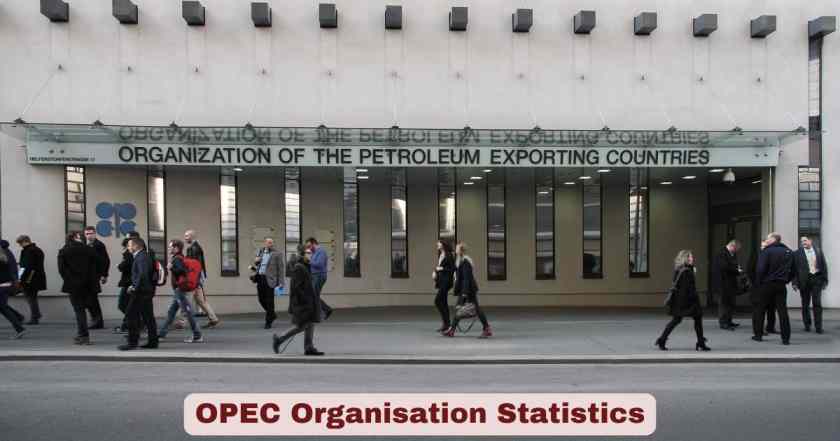
The Organization of the Petroleum Exporting Countries, universally known as OPEC, is one of the most influential intergovernmental bodies in global energy markets. Founded on 14 September 1960 in Baghdad, Iraq, by five founding members — Iran, Iraq, Kuwait, Saudi Arabia, and Venezuela — the organisation was designed to coordinate and unify the petroleum policies of its member states. At its core, the meaning of OPEC revolves around collective control: giving oil-rich nations a unified voice to stabilise crude oil prices, secure steady revenues for producers, and maintain reliable supplies for consuming nations. By 2026, the organisation operates as a formal cartel with its secretariat headquartered in Vienna, Austria, where it has been based since 1965 after its original Geneva location.
As of April 29, 2026, OPEC has 12 active member countries following the United Arab Emirates’ announcement on April 28, 2026 of its intention to exit on May 1, 2026. The current members are Algeria, Republic of the Congo, Equatorial Guinea, Gabon, Iran, Iraq, Kuwait, Libya, Nigeria, Saudi Arabia, UAE (through April 30, 2026), and Venezuela. OPEC’s relevance in 2026 has never been more contested — the organisation navigates a world of energy transition, geopolitical conflict in the Middle East affecting the Strait of Hormuz, and mounting pressure from non-OPEC producers. Yet its grip on global crude supply remains undeniable, with member nations holding an estimated 79.5% of the world’s proven crude oil reserves, a statistic that continues to define OPEC’s leverage across international energy diplomacy.
Interesting Facts About OPEC 2026
Before diving into the statistics, here are the most remarkable and lesser-known facts about OPEC that every energy enthusiast and researcher should know in 2026.
| # | Fact | Detail |
|---|---|---|
| 1 | OPEC was founded in 1960 | Established at the Baghdad Conference on September 14, 1960 |
| 2 | Original founders | Iran, Iraq, Kuwait, Saudi Arabia, Venezuela — all still members today |
| 3 | Secretariat relocated in 1965 | Moved from Geneva, Switzerland to Vienna, Austria |
| 4 | UAE exits OPEC in 2026 | UAE announced departure on April 28, 2026, effective May 1, 2026 — after six decades |
| 5 | 12 current members | As of April 2026: Algeria, Congo, Equatorial Guinea, Gabon, Iran, Iraq, Kuwait, Libya, Nigeria, Saudi Arabia, UAE, Venezuela |
| 6 | 79.5% of world’s proven oil reserves | Concentrated within OPEC member nations |
| 7 | 67.2% of OPEC reserves in Middle East alone | Middle East dominance within OPEC itself |
| 8 | OPEC+ formed in 2016 | A broader alliance including Russia, Kazakhstan, Azerbaijan and others |
| 9 | Members cheating 96% of commitments | Per political scientist Jeff Colgan’s analysis spanning 1982–2009 |
| 10 | 70 million jobs supported | By the global oil industry underpinned by OPEC data (OPEC ASB 2026) |
| 11 | ASB-2026 is the 61st edition | OPEC’s Annual Statistical Bulletin, first published in 1965 |
| 12 | Strait of Hormuz crisis 2026 | Iraq, Saudi Arabia, Kuwait, UAE, Qatar and Bahrain shut in 7.5 mb/d of production in March 2026 |
| 13 | Venezuela holds world’s largest reserves | At 303 billion barrels of proven crude oil reserves |
| 14 | Saudi Arabia’s reserves | Second-largest with 267 billion barrels of proven reserves |
| 15 | OPEC Reference Basket (ORB) | A weighted average price benchmark in use since 2000 |
Source: OPEC Annual Statistical Bulletin 2026 (ASB-2026); U.S. Energy Information Administration (EIA) Short-Term Energy Outlook, April 2026
The facts above paint a vivid picture of an organisation that has both endured and evolved over six decades. OPEC’s founding in 1960 was a direct response to the dominance of Western oil majors — the “Seven Sisters” — who set oil prices unilaterally. By reclaiming sovereignty over natural resources, member nations fundamentally reshaped global energy economics. Fast forward to 2026, and the organisation faces a dramatically different threat landscape: the UAE’s departure after six decades of membership signals the growing ambition of oil-rich Gulf states to chart independent paths, particularly as Abu Dhabi eyes expanded production capacity without quota constraints. The fact that Venezuela holds 303 billion barrels — the world’s most — yet struggles to monetise it due to sanctions, underscores how geopolitics and reserves data tell two very different stories. Meanwhile, the Strait of Hormuz crisis of 2026 has put OPEC’s supply influence in sharp, immediate relief, with a collective shut-in of 7.5 million barrels per day sending shockwaves across global energy markets.
OPEC Countries 2026 | Member Nations, Regions & Production Capacity
OPEC Member Countries Production Chart (2025 Annual Average, mb/d)
━━━━━━━━━━━━━━━━━━━━━━━━━━━━━━━━━━━━━━━━━━━━━━━━━━━━━━━━━━━━━━━━━━━
Saudi Arabia  ████████████████████████████████████  9.33
Iran          ████████████████████                  3.38
UAE           ███████████████████                   3.36
Iraq          █████████████████████████             4.33
Kuwait        ██████████████                        2.49
Libya         ███████                               1.29
Nigeria       ████████                              1.41
Algeria       █████                                 0.93
Venezuela     █████                                 0.94
Gabon         █                                     0.24
Congo         █                                     0.24
Eq. Guinea    ░                                     0.05
━━━━━━━━━━━━━━━━━━━━━━━━━━━━━━━━━━━━━━━━━━━━━━━━━━━━━━━━━━━━━━━━━━━
| OPEC Member Country | Region | 2025 Avg. Crude Production (mb/d) | Joined OPEC |
|---|---|---|---|
| Saudi Arabia | Middle East | 9.33 | 1960 (Founding) |
| Iraq | Middle East | 4.33 | 1960 (Founding) |
| Iran | Middle East | 3.38 | 1960 (Founding) |
| United Arab Emirates | Middle East | 3.36 | 1967 |
| Kuwait | Middle East | 2.49 | 1960 (Founding) |
| Libya | Africa | 1.29 | 1962 |
| Nigeria | Africa | 1.41 | 1971 |
| Algeria | Africa | 0.93 | 1969 |
| Venezuela | South America | 0.94 | 1960 (Founding) |
| Gabon | Africa | 0.24 | 1975 |
| Republic of the Congo | Africa | 0.24 | 1975 |
| Equatorial Guinea | Africa | 0.05 | 2017 |
| OPEC Total | — | 27.99 | — |
Source: U.S. Energy Information Administration (EIA), Short-Term Energy Outlook – April 2026; OPEC Annual Statistical Bulletin 2026 (ASB-2026)
The 12 OPEC member countries span three continents — seven are in Africa, four in the Middle East, and one in South America — yet the Middle Eastern members dominate production by a wide margin. Saudi Arabia alone produced 9.33 mb/d on an annual average in 2025, accounting for over a third of OPEC’s total crude output of 27.99 mb/d. The geographic imbalance reflects decades of investment in oil infrastructure by Gulf producers versus the chronic underinvestment and political instability plaguing African members like Nigeria and Libya. Iraq at 4.33 mb/d stands as the second-largest OPEC producer, though its output has faced periodic disruption. The UAE’s 3.36 mb/d contribution is notable precisely because it was produced under a system of constraints the country has now chosen to exit — Abu Dhabi has signalled it wants to expand output beyond current levels, a key driver of the April 2026 departure announcement. For smaller members like Equatorial Guinea at just 0.05 mb/d, OPEC membership has always been more about political standing than market power.
OPEC World Crude Oil Production Statistics 2025–2026
World Crude Oil Production Trend (mb/d) — EIA STEO April 2026
━━━━━━━━━━━━━━━━━━━━━━━━━━━━━━━━━━━━━━━━━━━━━━━━━━━━━━━━━━━━━━━━━━━
Year       World Total    OPEC Total    OPEC+       United States
━━━━━━━━━━━━━━━━━━━━━━━━━━━━━━━━━━━━━━━━━━━━━━━━━━━━━━━━━━━━━━━━━━━
2025 Avg   78.93 mb/d    27.99 mb/d   36.67 mb/d  13.59 mb/d
2026 Fcst  77.01 mb/d    25.64 mb/d   34.59 mb/d  13.51 mb/d
2027 Fcst  80.82 mb/d    28.47 mb/d   37.54 mb/d  13.95 mb/d
━━━━━━━━━━━━━━━━━━━━━━━━━━━━━━━━━━━━━━━━━━━━━━━━━━━━━━━━━━━━━━━━━━━
(Bars represent relative scale)| Production Category | 2025 Annual Avg (mb/d) | 2026 Forecast (mb/d) | 2027 Forecast (mb/d) |
|---|---|---|---|
| World Total | 78.93 | 77.01 | 80.82 |
| OPEC Total | 27.99 | 25.64 | 28.47 |
| OPEC+ Total | 36.67 | 34.59 | 37.54 |
| United States | 13.59 | 13.51 | 13.95 |
| Non-OPEC+ ex-US | 28.68 | 28.91 | 29.34 |
| OPEC Middle East Capacity | 27.04 | 21.74 | 27.11 |
| OPEC Surplus Capacity | 4.21 | 1.20 | 3.84 |
| OPEC Unplanned Outages | 0.98 | — | — |
Source: U.S. Energy Information Administration (EIA), Short-Term Energy Outlook – April 2026 (Completed April 6, 2026)
The 2026 crude oil production forecast for OPEC at 25.64 mb/d represents a sharp drop from the 27.99 mb/d annual average of 2025 — a decline driven almost entirely by the Strait of Hormuz conflict that shut in an estimated 7.5 to 9.1 million barrels per day of Middle Eastern production in March and April 2026 alone. The EIA’s forecast reflects the assumption that the conflict does not persist beyond April 2026 and that tanker traffic through the Strait gradually resumes. Perhaps the most telling number in this table is OPEC’s surplus crude oil production capacity, which collapses from 4.21 mb/d in 2025 to a razor-thin 1.20 mb/d in 2026 — meaning there is essentially no buffer left to cushion further supply shocks. By 2027, production is expected to rebound to 28.47 mb/d, suggesting markets anticipate a resolution to the current conflict. The United States, with a projected 13.51 mb/d in 2026, continues to challenge OPEC’s market share, though EIA forecasts a modest dip compared to the 13.59 mb/d averaged in 2025.
OPEC ASB 2026: World Oil Demand Statistics 2025
Global Oil Demand Growth Chart (mb/d Annual Average)
━━━━━━━━━━━━━━━━━━━━━━━━━━━━━━━━━━━━━━━━━━━━━━━━━━━━━━━━━━━━━━━━━━━
Year    World Demand    YoY Growth    Key Growth Region
━━━━━━━━━━━━━━━━━━━━━━━━━━━━━━━━━━━━━━━━━━━━━━━━━━━━━━━━━━━━━━━━━━━
2023    102.21 mb/d     +2.56 mb/d   China, India, ME, LatAm
2024    103.84 mb/d     +1.49 mb/d   Non-OECD Asia, China, India
2025    105.15 mb/d     +1.30 mb/d   Non-OECD Asia, China, Africa
━━━━━━━━━━━━━━━━━━━━━━━━━━━━━━━━━━━━━━━━━━━━━━━━━━━━━━━━━━━━━━━━━━━
[IEA April 2026: Demand projected to DECLINE -80 kb/d in 2026 avg
 due to Strait of Hormuz conflict and demand destruction in Asia]
━━━━━━━━━━━━━━━━━━━━━━━━━━━━━━━━━━━━━━━━━━━━━━━━━━━━━━━━━━━━━━━━━━━
| Year | World Oil Demand (mb/d) | Year-on-Year Change (mb/d) | OPEC Member Country Demand Change |
|---|---|---|---|
| 2023 | 102.21 | +2.56 | — |
| 2024 | 103.84 | +1.49 | +0.12 mb/d |
| 2025 | 105.15 | +1.30 | +0.17 mb/d |
| 2026 (Proj.) | ~105.07 | –0.08 (decline) | — |
Source: OPEC Annual Statistical Bulletin 2026 (ASB-2026), covering data to end of 2025; IEA Oil Market Report – April 2026
Three consecutive years of rising global oil demand culminated in a 105.15 mb/d annual average in 2025 — the highest level in recorded history — before the 2026 Strait of Hormuz disruption triggered what the IEA now projects as the first demand contraction in years. The +1.30 mb/d gain in 2025 was driven by robust consumption across Non-OECD Asia, China, Africa, Latin America, India, and the Middle East, validating OPEC’s long-standing argument that oil demand in the developing world would continue expanding despite Western transitions to renewable energy. The +0.17 mb/d increase in OPEC member countries’ own oil demand during 2025 reflects the rapid industrialisation and subsidised fuel consumption that characterises Gulf economies. The IEA’s April 2026 projection of an –80 kb/d decline in average 2026 demand represents a dramatic reversal — with refineries in Asia cutting crude runs by roughly 6 mb/d in April 2026 alone due to feedstock disruptions and infrastructure damage, the short-term demand picture has darkened considerably. Whether this turns into a sustained decline depends entirely on how quickly Hormuz shipping lanes reopen.
OPEC Crude Oil Export Statistics 2025
OPEC Crude Oil Export Destinations 2025 (mb/d)
━━━━━━━━━━━━━━━━━━━━━━━━━━━━━━━━━━━━━━━━━━━━━━━━━━━━━━━━━━━━━━━━━━━
Destination         Volume     Share of Total Exports
━━━━━━━━━━━━━━━━━━━━━━━━━━━━━━━━━━━━━━━━━━━━━━━━━━━━━━━━━━━━━━━━━━━
Asia                14.79      74.5%   ████████████████████████████
Europe              ~3.3       16.6%   ████████
OECD Americas       ~1.1        5.5%   ██
Other               ~0.65       3.4%   █
━━━━━━━━━━━━━━━━━━━━━━━━━━━━━━━━━━━━━━━━━━━━━━━━━━━━━━━━━━━━━━━━━━━
Total Crude: 19.85 mb/d  |  Petroleum Products: 5.31 mb/d
━━━━━━━━━━━━━━━━━━━━━━━━━━━━━━━━━━━━━━━━━━━━━━━━━━━━━━━━━━━━━━━━━━━| Export Category | 2024 (mb/d) | 2025 (mb/d) | Year-on-Year Change |
|---|---|---|---|
| OPEC Crude Oil Exports (Total) | 19.01 | 19.85 | +0.85 mb/d |
| Crude Exports to Asia | 13.67 | 14.79 | +1.12 mb/d |
| Crude Exports to Europe | 3.34 | ~3.30 | ~Stable |
| Crude Exports to OECD Americas | 1.06 | ~1.10 | ~Stable |
| Petroleum Product Exports (Total) | 5.07 | 5.31 | +0.24 mb/d |
Source: OPEC Annual Statistical Bulletin 2026 (ASB-2026), covering data to end of 2025
The export data from the OPEC ASB-2026 — published today, April 29, 2026 — reveals that OPEC member countries exported an average of 19.85 mb/d of crude oil in 2025, a jump of +0.85 mb/d from the 19.01 mb/d recorded in 2024. The dominance of Asia as the destination market is stunning — 14.79 mb/d, or roughly 74.5% of all OPEC crude exports, flowed to Asia in 2025. This reflects the structural dependency of major Asian economies — particularly China, India, Japan, and South Korea — on Middle Eastern and African crude. The +1.12 mb/d surge in Asian exports mirrors the demand growth data: Non-OECD Asian economies powered the lion’s share of global oil demand growth in 2025. Petroleum product exports also rose by +0.24 mb/d to 5.31 mb/d, reflecting growing downstream refining capacity in OPEC nations. The critical caveat for 2026 is the Strait of Hormuz: since 14.79 mb/d of OPEC crude was destined for Asia via that route, the disruption has directly strangled the very export lifeline that defines OPEC’s economic survival — a supply shock without modern historical parallel.
OPEC Proven Crude Oil Reserves Statistics 2025
Top OPEC Countries by Proven Crude Oil Reserves (Billion Barrels, end-2024)
━━━━━━━━━━━━━━━━━━━━━━━━━━━━━━━━━━━━━━━━━━━━━━━━━━━━━━━━━━━━━━━━━━━
Venezuela    ████████████████████████████████████████  303 bn b
Saudi Arabia ███████████████████████████████████       267 bn b
Iran         ████████████████████                     ~208 bn b
Iraq         ████████████████████                     ~145 bn b
Kuwait       ████████████                             ~102 bn b
UAE          ████████                                  ~97 bn b
Libya        ████                                      ~48 bn b
Nigeria      ██                                        ~37 bn b
Algeria      █                                         ~12 bn b
━━━━━━━━━━━━━━━━━━━━━━━━━━━━━━━━━━━━━━━━━━━━━━━━━━━━━━━━━━━━━━━━━━━
OPEC Total: ~1,241 bn b  |  World Total: ~1,567 bn b (end-2024)
━━━━━━━━━━━━━━━━━━━━━━━━━━━━━━━━━━━━━━━━━━━━━━━━━━━━━━━━━━━━━━━━━━━| OPEC Country / Aggregate | Proven Reserves (bn barrels, end-2024) | Share of World Reserves |
|---|---|---|
| Venezuela | 303 | ~19.3% |
| Saudi Arabia | 267 | ~17.0% |
| Iran | ~208 | ~13.3% |
| Iraq | ~145 | ~9.2% |
| Kuwait | ~102 | ~6.5% |
| United Arab Emirates | ~97 | ~6.2% |
| Libya | ~48 | ~3.1% |
| Nigeria | ~37 | ~2.4% |
| Algeria | ~12 | ~0.8% |
| OPEC Member Countries (Total) | ~1,241 | ~79.2% |
| World Total | ~1,567 | 100% |
Source: OPEC Annual Statistical Bulletin 2025 (ASB-2025) & ASB-2026; data as of year-end 2024
The proven oil reserves picture is arguably the single most powerful argument for OPEC’s continued relevance: OPEC member nations control approximately 1,241 billion barrels, which is roughly 79.2% of total world proven reserves of 1,567 billion barrels. The numbers at the top of the OPEC reserves ranking present a fascinating paradox — Venezuela, with the world’s largest proven reserves at 303 billion barrels, has been largely unable to monetise this resource due to U.S. sanctions, infrastructure collapse, and political upheaval. Saudi Arabia’s 267 billion barrels are the exact opposite story: highly developed, efficiently extracted, and commercially active. Iran’s estimated 208 billion barrels sit third globally, but Western sanctions cap Iranian export capacity. The Middle East’s 67.2% share of OPEC’s own reserves confirms that the Gulf subregion is truly the engine of OPEC’s market power. The world total remained broadly flat at 1,567 bn barrels at end-2024, with OPEC’s share unchanged at 1,241 bn barrels — the reserves mountain is vast, but the pipeline to extract and export it runs directly through Hormuz, which is precisely why the 2026 Strait of Hormuz crisis has had such outsized market impact.
OPEC Crude Oil Price Statistics 2026 — EIA Brent & WTI Forecast
Brent Crude Oil Price Forecast — EIA STEO April 2026 ($/barrel)
━━━━━━━━━━━━━━━━━━━━━━━━━━━━━━━━━━━━━━━━━━━━━━━━━━━━━━━━━━━━━━━━━━━
Period         Brent Price    WTI Price    Brent-WTI Spread
━━━━━━━━━━━━━━━━━━━━━━━━━━━━━━━━━━━━━━━━━━━━━━━━━━━━━━━━━━━━━━━━━━━
March 2026     $103/b         ~$91/b       ~$12/b
Q2 2026 (Pk)   $115/b (fcst)  —            —
Q4 2026        <$90/b (fcst)  —            —
2027 Avg       $76/b (fcst)   —            —
━━━━━━━━━━━━━━━━━━━━━━━━━━━━━━━━━━━━━━━━━━━━━━━━━━━━━━━━━━━━━━━━━━━
[Peak driven by Strait of Hormuz supply shock]
━━━━━━━━━━━━━━━━━━━━━━━━━━━━━━━━━━━━━━━━━━━━━━━━━━━━━━━━━━━━━━━━━━━| Price Metric | Value | Period / Notes |
|---|---|---|
| Brent Crude Spot (March 2026 Actual) | $103/barrel | Monthly average — Strait of Hormuz impact |
| Brent Peak Forecast (Q2 2026) | $115/barrel | EIA forecast — highest since post-COVID spike |
| Brent Forecast Q4 2026 | Below $90/barrel | Assuming Hormuz reopens and outages abate |
| Brent Average Forecast 2027 | $76/barrel | Supply resumes; market rebalances |
| Brent–WTI Spread (March 2026) | ~$12/barrel | Widest spread due to Middle East exposure |
| Retail Gasoline (US, April 2026 peak) | ~$4.30/gallon | Monthly average at peak |
| Retail Diesel (US, April 2026 peak) | >$5.80/gallon | Elevated due to tight global supply |
Source: U.S. Energy Information Administration (EIA), Short-Term Energy Outlook – April 7, 2026 (Completed April 6, 2026)
The Brent crude oil price told a dramatic story in early 2026, averaging $103 per barrel in March — a level that immediately activated economic pain across oil-importing nations worldwide. The EIA’s April 2026 STEO forecast projects Brent peaking at $115/b in Q2 2026, driven entirely by the Strait of Hormuz conflict that forced Iraq, Saudi Arabia, Kuwait, the UAE, Qatar, and Bahrain to collectively shut in supply. The $12/barrel Brent-WTI spread is itself a signal: international Brent prices surged far beyond domestic U.S. WTI prices because American crude does not transit the Strait, giving the U.S. market a relative buffer against the supply shock. For American consumers, though, the knock-on impact was still severe — retail gasoline at approximately $4.30/gallon in April 2026 and diesel at over $5.80/gallon represent a significant inflationary burden. The price trajectory beyond Q2 2026 hinges entirely on the assumption — embedded in the EIA model — that Hormuz flows gradually resume. If that assumption proves wrong, the $115/b forecast could itself prove conservative.
OPEC World Refining Capacity Statistics 2025
World Refining Capacity Trend (mb/d) — OPEC ASB 2026
━━━━━━━━━━━━━━━━━━━━━━━━━━━━━━━━━━━━━━━━━━━━━━━━━━━━━━━━━━━━━━━━━━━
Year     World Refining Capacity    Change YoY
━━━━━━━━━━━━━━━━━━━━━━━━━━━━━━━━━━━━━━━━━━━━━━━━━━━━━━━━━━━━━━━━━━━
2024     103.80 mb/d               +1.04 mb/d
2025     103.66 mb/d               –0.14 mb/d (slight decline)
━━━━━━━━━━━━━━━━━━━━━━━━━━━━━━━━━━━━━━━━━━━━━━━━━━━━━━━━━━━━━━━━━━━
2026 (IEA): Global crude throughputs declining ~1 mb/d to 82.9 mb/d
           Middle East + Asia cut runs ~6 mb/d in April 2026
━━━━━━━━━━━━━━━━━━━━━━━━━━━━━━━━━━━━━━━━━━━━━━━━━━━━━━━━━━━━━━━━━━━| Refining Metric | 2024 | 2025 | Change |
|---|---|---|---|
| World Refining Capacity (mb/d) | 103.80 | 103.66 | –0.14 mb/d |
| Global Refinery Throughput (mb/d) | 85.97 | — | +0.52 mb/d in 2024 |
| Non-OECD Capacity Additions (2025) | — | Positive | Other Asia, India, ME, China |
| 2026 (IEA): Global Crude Throughputs | — | — | ~82.9 mb/d (–1.0 mb/d) |
| April 2026 Run-Rate Cut (ME + Asia) | — | — | ~6 mb/d cut |
Source: OPEC Annual Statistical Bulletin 2026 (ASB-2026); IEA Oil Market Report – April 2026
The world refining capacity edged slightly lower in 2025 to 103.66 mb/d, down from a 2024 figure of 103.80 mb/d, as additions in the non-OECD region — particularly Other Asia, India, the Middle East, and China — were not enough to offset closures elsewhere. The 2024 expansion of +1.04 mb/d had been the result of ambitious investment in downstream infrastructure, particularly China’s continued push to build refining self-sufficiency. But 2025 saw the pace of new capacity slow, a signal that refinery investment cycles are lengthening even as crude demand grows. The most alarming downstream number of 2026 comes not from OPEC’s own data but from the IEA: global crude throughputs are now expected to decline by roughly 1 mb/d to 82.9 mb/d on average in 2026, with Middle Eastern and Asian refineries cutting runs by approximately 6 mb/d in April 2026 alone because feedstock supplies have been disrupted. This creates a cascading effect — less refinery output means tighter product markets, spiking middle distillate margins to all-time highs, and driving the diesel prices now punishing consumers globally.
OPEC+ Alliance Statistics 2025–2026
OPEC+ Production Alliance Members at a Glance (2025 Annual Avg, mb/d)
━━━━━━━━━━━━━━━━━━━━━━━━━━━━━━━━━━━━━━━━━━━━━━━━━━━━━━━━━━━━━━━━━━━
OPEC Members (under quota)  Russia    Kazakhstan  Other OPEC+
━━━━━━━━━━━━━━━━━━━━━━━━━━━━━━━━━━━━━━━━━━━━━━━━━━━━━━━━━━━━━━━━━━━
    22.39 mb/d             9.11      1.75        ~1.43 mb/d
━━━━━━━━━━━━━━━━━━━━━━━━━━━━━━━━━━━━━━━━━━━━━━━━━━━━━━━━━━━━━━━━━━━
Total OPEC+: 36.67 mb/d  (2025 annual average)
━━━━━━━━━━━━━━━━━━━━━━━━━━━━━━━━━━━━━━━━━━━━━━━━━━━━━━━━━━━━━━━━━━━
| OPEC+ Participant | 2025 Annual Avg Production (mb/d) | Status |
|---|---|---|
| OPEC Members (quota-subject) | 22.39 | Subject to OPEC+ agreements |
| Russia | 9.11 | OPEC+ Non-OPEC partner |
| Kazakhstan | 1.75 | OPEC+ Non-OPEC partner |
| Mexico | 1.43 | OPEC+ Non-OPEC partner |
| Oman | 0.77 | OPEC+ Non-OPEC partner |
| Azerbaijan | 0.45 | OPEC+ Non-OPEC partner |
| Malaysia | 0.37 | OPEC+ Non-OPEC partner |
| Bahrain | 0.18 | OPEC+ Non-OPEC partner |
| Brunei | 0.09 | OPEC+ Non-OPEC partner |
| South Sudan | 0.11 | OPEC+ Non-OPEC partner |
| Sudan | 0.03 | OPEC+ Non-OPEC partner |
| OPEC+ Total | 36.67 | 2025 Annual Average |
Source: U.S. Energy Information Administration (EIA), Short-Term Energy Outlook – April 2026 (Table 3d, April 6, 2026)
OPEC+, the alliance born in late 2016 that brings together OPEC’s 12 members with 10 non-OPEC oil-producing nations, collectively averaged 36.67 mb/d in 2025 — nearly half of total world crude production. Russia, at 9.11 mb/d, is by far the most consequential non-OPEC partner, giving the alliance a geopolitical weight that extends far beyond the original OPEC framework. Kazakhstan at 1.75 mb/d has been a complicated partner, frequently exceeding its quotas as it expands production from the massive Tengiz field. The OPEC+ framework controls approximately 41% of global oil supply when measured against the broader liquid fuels market, meaning its production decisions reverberate directly into petrol prices paid at forecourts from Mumbai to Manchester. The 2026 Strait of Hormuz crisis has paradoxically undermined OPEC+’s ability to act as the usual stabilising force — when the supply disruption is geopolitical and physical rather than financial, the classic tool of quota adjustment becomes irrelevant. Instead, the alliance’s members face unplanned shut-ins, not voluntary cuts, in what the IEA has described as the largest supply disruption in history.
OPEC Natural Gas Reserves Statistics 2023–2024
OPEC Natural Gas Reserves (Trillion Standard Cubic Metres)
━━━━━━━━━━━━━━━━━━━━━━━━━━━━━━━━━━━━━━━━━━━━━━━━━━━━━━━━━━━━━━━━━━━
                2023                  2024
OPEC Total:     75.12 tr s cu m       ~75.2 tr s cu m (est.)
World Total:    206.43 tr s cu m      ~207 tr s cu m (est.)
OPEC Share:     ~36.4%                ~36.3%
━━━━━━━━━━━━━━━━━━━━━━━━━━━━━━━━━━━━━━━━━━━━━━━━━━━━━━━━━━━━━━━━━━━
Iran holds the largest OPEC gas reserves — one of the world's top 3
━━━━━━━━━━━━━━━━━━━━━━━━━━━━━━━━━━━━━━━━━━━━━━━━━━━━━━━━━━━━━━━━━━━| Metric | 2023 Data | Source/Notes |
|---|---|---|
| World Proven Natural Gas Reserves | 206.43 trillion s cu m | Up +0.3% from 2022 |
| OPEC Member Countries’ Gas Reserves | 75.12 trillion s cu m | Up +0.2% from 2022 |
| OPEC Share of World Gas Reserves | ~36.4% | As of year-end 2023 |
| Iran | Largest OPEC gas holder | Shares South Pars/North Dome with Qatar |
| Iraq | Significant gas flaring | Substantial associated gas largely unmonetised |
| Venezuela | Growing gas focus | Large reserves, limited infrastructure |
Source: OPEC Annual Statistical Bulletin 2024 (ASB-2024), covering data to end-2023; OPEC Annual Statistical Bulletin 2025 (ASB-2025)
While oil dominates OPEC’s public narrative, the organisation’s member countries also hold a substantial 36.4% of world proven natural gas reserves, totalling 75.12 trillion standard cubic metres as of year-end 2023. This gas wealth matters more than ever in 2026, as global energy markets increasingly look to gas as a transition fuel. Iran is the OPEC heavyweight in gas — sharing the South Pars/North Dome formation with Qatar, one of the world’s largest natural gas structures — yet sanctions prevent it from fully monetising this enormous asset. Iraq sits on vast quantities of associated gas that is largely still being flared rather than captured and sold, representing both an environmental problem and an economic missed opportunity. The +0.2% increase in OPEC gas reserves from 2022 to 2023 suggests reserves are being incrementally uplifted as exploration data matures. The broader energy transition context is critical here: as coal-to-gas switching and LNG demand growth accelerate in Asia, OPEC nations with gas resources stand to gain additional revenue streams well beyond crude oil — a diversification imperative that will define the post-2030 energy economy.
Key OPEC 2026 Data Summary — Quick Reference Statistics
| Statistic | Figure | Year/Period |
|---|---|---|
| OPEC Founded | 14 September 1960 | Baghdad, Iraq |
| Current OPEC Member Countries | 12 (11 after May 1, 2026) | As of April 29, 2026 |
| OPEC Share of World Oil Reserves | ~79.5% | Ongoing |
| OPEC Share of World Gas Reserves | ~36.4% | End-2023 |
| World Proven Crude Oil Reserves | ~1,567 billion barrels | End-2024 |
| OPEC Proven Crude Oil Reserves | ~1,241 billion barrels | End-2024 |
| World Oil Demand (2025) | 105.15 mb/d | Annual Average |
| World Crude Oil Production (2025) | 74.85 mb/d (OPEC ASB) / 78.93 mb/d (EIA) | Annual Average |
| OPEC Crude Oil Production (2025) | 27.99 mb/d | Annual Average |
| OPEC Crude Oil Exports (2025) | 19.85 mb/d | Annual Average |
| OPEC Crude to Asia (2025) | 14.79 mb/d | Annual Average |
| World Refining Capacity (2025) | 103.66 mb/d | Annual |
| Brent Crude (March 2026) | $103/barrel | Monthly Average |
| Brent Peak Forecast (Q2 2026) | $115/barrel | EIA Forecast |
| Strait of Hormuz Shut-in (March 2026) | 7.5 mb/d | EIA Estimate |
| OPEC Surplus Capacity (2026 Fcst) | 1.20 mb/d | EIA Forecast |
| OPEC+ Total Production (2025) | 36.67 mb/d | Annual Average |
| ASB-2026 Edition | 61st Annual Statistical Bulletin | Published April 29, 2026 |
Source: OPEC Annual Statistical Bulletin 2026 (ASB-2026); U.S. Energy Information Administration (EIA) Short-Term Energy Outlook, April 2026; IEA Oil Market Report, April 2026
The snapshot above consolidates the most critical OPEC statistics for 2026 into a single reference table. Several numbers stand out as historically significant. The 105.15 mb/d global oil demand average in 2025 is a record high, demolishing the narrative that peak oil demand had already arrived. The fact that OPEC member nations hold 1,241 billion barrels — nearly 79.5% of world proven crude reserves — while producing only a portion of global supply, underscores the sheer scale of the reservoir advantage these countries possess. But 2026 has introduced a new and sobering variable: the Strait of Hormuz shut-in of 7.5 mb/d in March alone demonstrates that political and military factors can override any production quota or market mechanism. With OPEC’s surplus capacity projected at just 1.20 mb/d for 2026 — the thinnest buffer in years — the global oil market enters the second half of the year with almost no shock absorber left. These statistics, sourced directly from the EIA’s April 2026 Short-Term Energy Outlook and OPEC’s own just-published ASB-2026, represent the most current and verified data available as of April 29, 2026.
Disclaimer: This research report is compiled from publicly available sources. While reasonable efforts have been made to ensure accuracy, no representation or warranty, express or implied, is given as to the completeness or reliability of the information. We accept no liability for any errors, omissions, losses, or damages of any kind arising from the use of this report.