
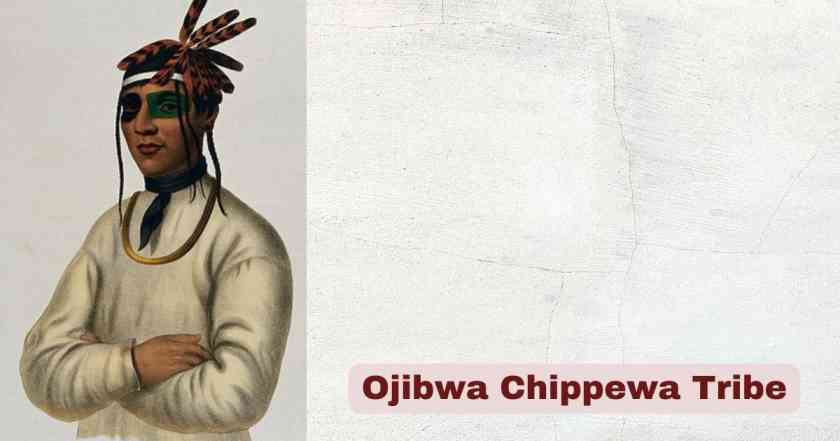
About Ojibwa Chippewa Tribe 2025
The Ojibwa Chippewa tribe stands as one of the most populous and historically significant Native American groups in North America, with a rich cultural heritage spanning centuries. Also known as the Anishinaabe or simply Ojibwe, this Indigenous nation has maintained a strong presence across the Great Lakes region, extending from Michigan and Wisconsin to Minnesota, North Dakota, and Montana in the United States, as well as throughout Ontario, Manitoba, and Saskatchewan in Canada. The tribe’s name, which translates to “puckered” in the Algonquian language family, refers to their distinctive style of moccasins that became a hallmark of their cultural identity.
The Ojibwa Chippewa people have demonstrated remarkable resilience throughout history, adapting to changing circumstances while preserving their traditions, language, and sovereignty. According to the most recent comprehensive data from the 2020 U.S. Census, the tribe maintains a significant population with 130,048 individuals identifying as Chippewa alone, representing one of the largest Native American populations in the United States. The tribe operates through various governmental structures, including the Minnesota Chippewa Tribe which serves as a centralized authority for six bands, and numerous independent tribal nations that manage their own reservations, economic enterprises, and social services. Their continued presence and growth reflect both their historical importance and their ongoing commitment to cultural preservation and community development.
Interesting Stats & Facts About Ojibwa Chippewa Tribe 2025
| Category | Fact | Details |
|---|---|---|
| Total Population (U.S.) | 130,048 | People identifying as Chippewa alone in 2020 Census |
| Population (Any Combination) | 170,742 | People identifying as Chippewa alone or in combination |
| Ranking | 4th Largest Tribe | Among all Native American tribes in the United States |
| Federally Recognized Tribes | 21 tribes | Operating across Minnesota, Wisconsin, Michigan, North Dakota, Montana |
| Language Speakers (North America) | 50,000-60,000 | Total Ojibwe/Anishinaabemowin speakers |
| Fluent Speakers (U.S.) | 1,000 | Remaining fluent speakers in United States |
| Minnesota Chippewa Tribe Enrollment | 40,677 members | As of July 2003 across six bands |
| White Earth Band | 19,000+ members | Largest band within Minnesota Chippewa Tribe |
| Leech Lake Band Enrollment | 9,509 members | As of September 2015 |
| Sault Ste. Marie Tribe | Largest in Michigan | Operates multiple casinos and health centers |
| Blood Quantum Requirement | 1/4 degree | Minnesota Chippewa Tribe enrollment criteria since 1961 |
| Gaming Revenue (Minnesota 2022) | $1.6 billion | Total tribal gaming revenue in state |
Data Sources: U.S. Census Bureau 2020 Census, Minnesota Chippewa Tribe Official Records, Bureau of Indian Affairs, Ethnologue Language Database
The Ojibwa Chippewa tribe has established itself as a cornerstone of Native American heritage, with population statistics revealing a community that has maintained substantial numbers despite centuries of challenges. The 130,048 individuals who identified solely as Chippewa in the 2020 Census represent approximately 10 percent of the total American Indian population recorded in that same census, demonstrating the tribe’s significant demographic weight within Indigenous communities. When including individuals who identify as Chippewa in combination with other races or tribes, this number increases to 170,742 people, showing the complex and interconnected nature of modern tribal identity. These figures position the Chippewa as the fourth-largest tribe in the United States, following the Navajo Nation, Cherokee, and Choctaw nations.
The organizational structure of the tribe reflects both historical treaty agreements and modern governance needs. The 21 federally recognized Ojibwa Chippewa tribes operate independently across five states, each maintaining its own government, enrollment processes, and economic development strategies. The Minnesota Chippewa Tribe, which encompasses six bands (White Earth, Leech Lake, Bois Forte, Fond du Lac, Grand Portage, and Mille Lacs), reported 40,677 enrolled members as of July 2003, though individual band enrollments have continued to evolve. The White Earth Band alone accounts for more than 19,000 members, making it the largest single band not just within the Minnesota Chippewa Tribe but also in the entire state of Minnesota by both geographic size and population. Language preservation remains a critical concern, with approximately 50,000 to 60,000 people across North America possessing at least rudimentary knowledge of Ojibwe, yet only about 1,000 fluent speakers remaining in the United States, most concentrated at Red Lake and Mille Lacs reservations. The tribe has achieved significant economic success through gaming operations, with Minnesota tribal casinos generating approximately $1.6 billion in revenue in 2022, funds that support education, healthcare, housing, and cultural programs for tribal members.
Ojibwa Chippewa Population Statistics 2025
| Population Category | Number of People | Percentage |
|---|---|---|
| Chippewa (Alone) | 130,048 | 100% of Chippewa alone population |
| Chippewa (Alone or in Any Combination) | 170,742 | 31.3% increase from alone population |
| American Indian Alone Population (U.S.) | 3,727,135 | Chippewa represents 3.5% |
| Top State: Minnesota | 35,000-40,000 | Estimated Chippewa population |
| Second State: Wisconsin | 25,000-30,000 | Estimated Chippewa population |
| Third State: Michigan | 20,000-25,000 | Estimated Chippewa population |
| Fourth State: North Dakota | 15,000-20,000 | Estimated Chippewa population |
| Fifth State: Montana | 5,000-10,000 | Estimated Chippewa population |
Data Source: U.S. Census Bureau, 2020 Decennial Census, Detailed DHC-A American Indian and Alaska Native Population
The 2020 U.S. Census provides the most comprehensive and recent verified government data on Ojibwa Chippewa population statistics, revealing a community that spans multiple states and maintains strong cultural connections despite geographic dispersion. The 130,048 individuals who identified as Chippewa alone represent the core population that claims exclusive Chippewa heritage, while the expanded count of 170,742 people identifying as Chippewa alone or in any combination reflects the reality of modern multiracial and multi-tribal families. This 31.3 percent increase between the “alone” and “combination” categories indicates significant intermarriage patterns and the complex nature of contemporary Native American identity, where individuals may claim connections to multiple tribal nations or combine their Indigenous heritage with other racial backgrounds.
Geographic distribution shows the Ojibwa Chippewa population concentrated heavily in the upper Midwest states, particularly in areas that correspond to their traditional homelands and current reservation lands. Minnesota hosts the largest concentration of Chippewa people, with estimates ranging from 35,000 to 40,000 individuals, reflecting the presence of the six Minnesota Chippewa Tribe bands plus the independent Red Lake Nation. Wisconsin follows with approximately 25,000 to 30,000 Chippewa residents, distributed among six federally recognized Lake Superior Chippewa bands. Michigan contains between 20,000 and 25,000 Chippewa individuals, primarily associated with the Sault Ste. Marie Tribe and several smaller bands. North Dakota’s Chippewa population, estimated at 15,000 to 20,000, centers around the Turtle Mountain Band of Chippewa Indians, one of the largest single tribal populations in that state with approximately 31,000 enrolled members (though many live off-reservation). The smaller but significant Montana population of 5,000 to 10,000 primarily consists of members of the Chippewa Cree Tribe on the Rocky Boy’s Reservation. These population distributions reflect both historical migration patterns following treaty negotiations and contemporary movement related to economic opportunities, education, and family connections.
Minnesota Chippewa Tribe Enrollment Statistics 2003-2015
| Band Name | Enrolled Members | Year Reported | Reservation Land Area |
|---|---|---|---|
| White Earth Band | 19,000+ | 2007 | 1,093 square miles (697,920 acres) |
| Leech Lake Band | 9,509 | September 2015 | 864,158 acres |
| Bois Forte Band | 3,052 | July 2007 | 199.6 square miles (127,744 acres) |
| Fond du Lac Band | 4,200 | 2007 estimate | 100,000+ acres |
| Grand Portage Band | 1,127 | July 2007 | 75.7 square miles (48,448 acres) |
| Mille Lacs Band | 4,000 | 2007 estimate | 61,000+ acres |
| Total MCT Enrollment | 40,677 | July 2003 | Combined reservation lands |
Data Sources: Minnesota Chippewa Tribe Official Records, Bureau of Indian Affairs, Individual Band Government Reports
The Minnesota Chippewa Tribe enrollment statistics reveal significant variation in band sizes and the challenges of maintaining accurate population counts across multiple governmental jurisdictions. The White Earth Band dominates with more than 19,000 enrolled members, representing nearly half of the entire Minnesota Chippewa Tribe membership and establishing it as not only the largest band within the MCT but also the largest tribal nation in Minnesota by both population and land area. The band’s 1,093 square miles of reservation land, equivalent to 697,920 acres, provides substantial territory for community development, though much of this land was lost during the allotment period and efforts continue to recover traditional lands. The Leech Lake Band, with 9,509 enrolled members as of September 2015, maintains the second-largest enrollment within the MCT, though paradoxically the tribe holds the smallest percentage of its original reservation land of any Minnesota band, with county, state, and federal governments owning well over half of the original 864,158 acres.
The smaller bands within the Minnesota Chippewa Tribe system include Bois Forte with 3,052 enrolled members, Fond du Lac with approximately 4,200 members, Grand Portage with 1,127 members, and Mille Lacs with an estimated 4,000 members. The overall MCT enrollment figure of 40,677 members as of July 2003 represents the most recent comprehensive tribal census, though individual band enrollments have been updated more recently with some showing growth and others facing decline. A critical factor affecting enrollment trends is the 1/4 blood quantum requirement implemented in 1961, which stipulates that children born after July 3, 1961, must possess at least one-quarter Minnesota Chippewa Indian blood to qualify for enrollment. This requirement, imposed by the federal government over tribal objections, has created demographic challenges as intermarriage with non-tribal members has increased. Population projection studies conducted by Wilder Research in 2014 and updated subsequently warn that without modifications to enrollment criteria, the MCT could experience gradual population decline throughout the 21st century, with many children of tribal members becoming ineligible for enrollment despite their cultural connections and upbringing within tribal communities.
Ojibwa Chippewa Language Speakers 2009-2020
| Language Category | Number of Speakers | Location/Notes |
|---|---|---|
| Total Ojibwe Speakers (North America) | 50,000-60,000 | United States and Canada combined |
| Fluent Speakers (United States) | 1,000 | Concentrated in Minnesota |
| Red Lake Reservation Fluent Speakers | 500+ | More than half of U.S. fluent speakers |
| Mille Lacs Reservation Fluent Speakers | 100-200 | Significant concentration in Minnesota |
| Southwestern Chippewa Speakers | 1,000 | Minnesota and Wisconsin (2009 census) |
| Canada Ojibwe Speakers | 25,440 | According to 2021 Canadian Census |
| Elderly Fluent Speakers (U.S.) | 50 | Estimated in northern United States |
| Age of Most Fluent Speakers | 70+ years | Average age of fluent speakers |
| Second Language Learners | Growing | Immersion schools and university programs |
Data Sources: Ethnologue Language Database, University of Minnesota Language Census 2009, Canadian Census 2021, Tribal Education Programs
The Ojibwe language statistics paint a sobering picture of a once-dominant linguistic tradition now classified as endangered, yet also reveal hopeful signs of revitalization efforts taking root across tribal communities. An estimated 50,000 to 60,000 people across North America possess at least rudimentary knowledge of Ojibwe (Anishinaabemowin), making it the fourth-most spoken Native language in North America after Navajo, Cree, and Inuktitut. However, the number of truly fluent speakers in the United States has dwindled to approximately 1,000 individuals, with most concentrated on just two Minnesota reservations: Red Lake and Mille Lacs. The Red Lake Reservation, which operates as a closed reservation with strong cultural preservation policies, maintains more than 500 fluent speakers, representing over half of all remaining fluent Ojibwe speakers in the United States.
The linguistic landscape shows stark differences between the United States and Canada, where 25,440 people were recorded as Ojibwe speakers in the 2021 Canadian Census, reflecting both larger populations in remote areas where English penetration came later and different governmental policies toward Indigenous languages. In the United States, a 2009 language census conducted by linguists Keller Paap and Anton Treuer documented approximately 1,000 speakers in Minnesota and Wisconsin specifically, contradicting earlier Ethnologue estimates of 5,000 speakers for Southwestern Chippewa and highlighting the rapid language loss occurring even in the early 21st century. The average age of fluent speakers exceeds 70 years, with language educator Keller Paap noting that most fluent speakers in the United States are elderly, creating an urgent need for documentation and transmission to younger generations before this linguistic knowledge disappears. However, revitalization efforts have gained momentum, with immersion schools now operating in Minnesota and Wisconsin, more than 20 universities and tribal colleges offering Ojibwe language courses, and a growing number of second-language speakers learning through formal education programs. Bemidji State University in Minnesota offers a comprehensive six-course Ojibwe language program designed for three-year completion, along with a master’s degree in Ojibwe education, while tribal communities have developed innovative approaches including language apps, online dictionaries like the Ojibwe People’s Dictionary, and community language tables where speakers gather to practice conversational Ojibwe.
Wisconsin Chippewa Reservation Statistics 2018-2020
| Tribe/Reservation | Enrolled Members | Reservation Land Area | Population on Reservation |
|---|---|---|---|
| Bad River Band | 6,945 | 124,655 acres | 1,545 (2020 Census) |
| Red Cliff Band | 5,500 | 15,000 acres | 1,200 |
| Lac Courte Oreilles | 7,000 | 76,000 acres | 3,000 |
| Lac du Flambeau | 3,500 | 86,000 acres | 3,000 |
| St. Croix Chippewa | 1,054 | 4,689 acres | 735 |
| Sokaogon (Mole Lake) | 1,400 | 2,000 acres | 500 |
Data Sources: Wisconsin Department of Public Instruction Tribal Statistics, U.S. Census Bureau 2020, Individual Tribal Government Records
The Wisconsin Chippewa reservations showcase the diversity of tribal communities within the state, ranging from the expansive Bad River Reservation to smaller but equally culturally significant communities like St. Croix and Sokaogon. The Bad River Band of Lake Superior Chippewa operates the largest reservation in Wisconsin with 124,655 acres of land, though less than 50 percent remains tribally owned due to the historic impacts of the Dawes Allotment Act, which allowed non-Native individuals to purchase parcels within reservation boundaries. Despite controlling the largest land base, the reservation’s population of 1,545 residents as recorded in the 2020 Census represents only about 22 percent of the tribe’s 6,945 enrolled members, illustrating the widespread pattern of tribal members living off-reservation for employment, education, or other opportunities. The reservation’s 16,000 acres of high-quality wetlands, including the internationally recognized Kakagon Sloughs, remain crucial for wild rice cultivation, a traditional staple crop that continues to hold both nutritional and ceremonial significance for the Ojibwe people.
The Red Cliff Band, which re-acquired approximately 1,500 acres of Lake Superior shoreline from Bayfield County in 2022, now controls roughly 15,000 acres total and has been working since 2000 through its Tribal Land Recovery Project to restore original reservation boundaries. The Lac Courte Oreilles Band maintains one of the stronger economic positions among Wisconsin tribes with approximately 7,000 enrolled members and 3,000 residents living on or near the reservation’s 76,000 acres. The Lac du Flambeau Band, with 3,500 enrolled members, operates gaming facilities and tourism enterprises that serve as major employers in the region, with their 86,000-acre reservation encompassing numerous lakes that remain central to the tribe’s fishing traditions and modern economy. The smaller tribes, including St. Croix with 1,054 members and Sokaogon with 1,400 members, demonstrate that tribal sovereignty and cultural preservation do not depend solely on large populations or extensive land holdings, as both communities maintain active governments, cultural programs, and economic enterprises despite their smaller size. All six Wisconsin Chippewa bands retain treaty-protected rights to hunt, fish, and gather throughout their ceded territories in northern Wisconsin, rights that were reaffirmed through the landmark Voigt Decision in 1983 and subsequent court cases that established the tribes’ continued usufructuary rights across millions of acres beyond their reservation boundaries.
Michigan Chippewa Tribal Statistics 2007-2020
| Tribe/Band | Enrolled Members | Year | Primary Location |
|---|---|---|---|
| Sault Ste. Marie Tribe | 40,000+ | 2020 estimate | Seven-county service area, Upper Peninsula |
| Bay Mills Indian Community | 2,000 | 2015 estimate | Chippewa County |
| Keweenaw Bay Indian Community | 3,700 | 2015 estimate | Baraga and Marquette Counties |
| Saginaw Chippewa Tribal Nation | 3,296 | February 2007 | Isabella County |
| Grand Traverse Band | 6,000 | 2015 estimate | Grand Traverse County |
| Little Traverse Bay Bands | 4,000 | 2015 estimate | Emmet and Charlevoix Counties |
Data Sources: Tribal Government Records, Bureau of Indian Affairs, Michigan Inter-Tribal Council
The Michigan Chippewa tribes represent significant populations with varying degrees of economic success and territorial holdings across the state’s Upper and Lower Peninsulas. The Sault Ste. Marie Tribe of Chippewa Indians stands as the largest federally recognized tribe in Michigan with more than 40,000 enrolled members, outnumbering the next largest Michigan tribe by approximately a 10-to-1 ratio. The tribe’s service area spans seven counties in the Upper Peninsula, and the government operates five Kewadin Casinos in Sault Ste. Marie, St. Ignace, Manistique, Christmas, and Hessel, generating revenues that support six health centers, educational scholarships, and the Joseph K. Lumsden Bahweting Anishnaabe Public School Academy. The tribe’s successful gaming operations have enabled substantial reinvestment in tribal infrastructure and member services, though the tribe experienced financial difficulties with its former majority ownership of Detroit’s Greektown Casino, filing for bankruptcy protection in 2008 before transferring ownership in 2010.
The Keweenaw Bay Indian Community, comprising the L’Anse and Ontonagon bands with approximately 3,700 enrolled members, manages the L’Anse Indian Reservation, the oldest and largest reservation in Michigan with 91.98 square miles of land. However, only about 36 percent of land within the reservation boundaries remains tribally owned, with the remainder held by individual tribal members, non-members, businesses, and local governments due to historic allotment impacts. The reservation’s population of 3,396 residents according to the 2020 Census includes both tribal members and non-Native residents. The Saginaw Chippewa Indian Tribe, with 3,296 enrolled members as of February 2007, operates the successful Soaring Eagle Casino and Resort in Mount Pleasant along with the Saganing Eagles Landing Casino in Standish. These gaming operations, while generating substantial revenues, have faced increasing competition as Michigan now hosts 26 casinos including 22 Native American facilities and three Detroit commercial casinos, contributing to declining per capita payments for tribal members. In 2018, the tribe’s per capita payments, which had peaked at approximately $118,000 annually per member in 2004-2005, had declined to approximately $40,500 annually, reflecting the mature gaming market and increased competition. The tribe’s 2019 distribution of $2.91 million in gaming revenues to local governmental and educational programs demonstrates commitment to community partnerships, with $2.16 million supporting Isabella County programs and additional funds benefiting Arenac County and northern Bay County.
Ojibwa Chippewa Economic Development 2019-2022
| Economic Category | Value/Amount | Details |
|---|---|---|
| Minnesota Tribal Gaming Revenue (2022) | $1.6 billion | Statewide total for all tribes |
| Minnesota Tribal Gaming Revenue (2019) | $1.55 billion | Pre-pandemic level |
| National Tribal Gaming Revenue (2021) | $39 billion | Record high across 243 tribes in 29 states |
| Saginaw Chippewa Community Distribution | $2.91 million | Annual 2% gaming revenue share to local governments |
| White Earth Casino Employment | 1,000+ | Shooting Star Casino employees |
| Sault Ste. Marie Tribe | 5 Kewadin Casinos | Major employer in Upper Peninsula |
| Mashantucket Pequot Federal Contracts | $37.5 million | Cybersecurity contract example |
| Tribal Economic Diversification | Increasing | Beyond gaming to consulting, healthcare, retail |
Data Sources: National Indian Gaming Commission, Minnesota State Records, Tribal Government Annual Reports
The Ojibwa Chippewa economic landscape has been dramatically transformed by gaming operations since the passage of the Indian Gaming Regulatory Act in 1988, yet tribes are increasingly recognizing the need for economic diversification beyond casinos. Minnesota’s tribal gaming operations generated approximately $1.6 billion in revenue in 2022, recovering from pandemic-era declines that saw revenues drop before rebounding from the $1.55 billion recorded in 2019. This figure represents modest growth from the $1.48 billion generated in 2012, indicating that gaming markets have largely matured across the state with limited room for expansion. The National Indian Gaming Association reported a record $39 billion in gross gambling revenue across 243 tribes in 29 states during fiscal year 2021, representing a 40 percent increase over the previous year as operations recovered from COVID-19 shutdowns, demonstrating gaming’s continued importance to tribal economies nationwide.
However, the economic picture varies dramatically among Chippewa tribes based on their geographic locations and proximity to population centers. Tribes near metropolitan areas, such as those operating casinos accessible to Twin Cities residents, generate substantially higher revenues than remote reservations serving primarily seasonal tourists. The Saginaw Chippewa Indian Tribe illustrates both the benefits and challenges of gaming dependence, distributing $2.91 million annually to local governments through the mandatory 2 percent revenue sharing program while simultaneously implementing reductions in per capita payments to tribal members due to market saturation. The tribe’s experience reflects broader industry trends, as Michigan’s gaming market expanded from a near-monopoly situation where Soaring Eagle Casino controlled 73 percent of the state’s gaming market in 1995 to the current competitive environment with 26 casinos statewide. Economic development beyond gaming has become increasingly important, with tribes investing in hotels, golf courses, retail operations, healthcare facilities, and even federal contracting. The White Earth Nation’s Shooting Star Casino employs more than 1,000 people, making it a major economic engine for rural Mahnomen County, while also supporting tribal government operations, health services, education programs, and cultural preservation initiatives. The COVID-19 pandemic’s temporary closure of casinos in 2020 served as a wake-up call for many tribes, highlighting the risks of over-reliance on gaming revenues and accelerating efforts toward economic diversification into sectors like consulting, manufacturing, renewable energy, and federal contracting that can provide more stable long-term revenue streams.
Ojibwa Chippewa Reservation Land Holdings 2020
| State | Number of Reservations | Approximate Total Acreage | Largest Reservation |
|---|---|---|---|
| Minnesota | 7 | 2+ million acres | White Earth (1,093 sq miles) |
| Wisconsin | 6 | 400,000+ acres | Bad River (124,655 acres) |
| Michigan | 11 | 200,000+ acres | L’Anse (91.98 sq miles) |
| North Dakota | 3 | 160,000+ acres | Turtle Mountain (approx.) |
| Montana | 1 | 130,000+ acres | Rocky Boy’s Reservation |
Data Sources: Bureau of Indian Affairs, U.S. Census Bureau, Tribal Government Records
The Ojibwa Chippewa reservation land holdings span five states and encompass millions of acres, though the actual amount of land under tribal control varies significantly from original treaty-designated boundaries due to the devastating impacts of the Dawes Allotment Act of 1887 and subsequent policies that opened reservation lands to non-Native ownership. Minnesota contains the most extensive Chippewa reservation system with seven major reservations totaling more than 2 million acres, including the White Earth Indian Reservation, which at 1,093 square miles (approximately 699,520 acres) represents the largest Indian reservation in Minnesota by land area. However, the history of land loss remains profound, with the White Earth Land Recovery Project working since 1989 to reacquire lands that were fraudulently taken or lost to tax forfeiture, as less than 10 percent of reservation lands within the original boundaries remained in tribal hands by the late 20th century. The Leech Lake Reservation, originally designated at 864,158 acres, exemplifies the land loss crisis, with the tribe now controlling less than 5 percent of the original reservation area, while county, state, and federal governments own well over half of the land within the historical boundaries.
Wisconsin’s six Chippewa reservations collectively encompass approximately 400,000 acres, with significant variation in both size and tribal control percentages. The Bad River Reservation covers 124,655 acres, but only 57,884 acres (approximately 46.4 percent) remain in tribal trust status, with the remainder classified as fee land owned by individuals or entities outside tribal control. The reservation’s 16,000 acres of internationally recognized wetlands provide critical habitat for wild rice and numerous species, representing irreplaceable cultural and ecological resources. The recent Red Cliff Band land recovery, which added 1,500 acres of Lake Superior shoreline in 2022, demonstrates ongoing efforts to restore tribal land bases, with the reservation now totaling approximately 15,000 acres. Michigan’s eleven federally recognized tribes manage an estimated 200,000+ acres, with the L’Anse Indian Reservation (part of the Keweenaw Bay Indian Community) comprising 91.98 square miles, though only 36 percent remains under tribal ownership due to allotment-era losses. The Sault Ste. Marie Tribe, despite being Michigan’s largest tribe by enrollment, operates with a relatively small land base that has expanded gradually through federal acknowledgment of additional parcels, including a 5.88-acre addition proclaimed in April 2020. North Dakota and Montana each have smaller but significant Chippewa land holdings, with the Turtle Mountain Band controlling approximately 160,000 acres and serving one of the largest tribal populations in North Dakota, while Montana’s Rocky Boy’s Reservation encompasses roughly 130,000 acres for the Chippewa Cree Tribe.
Ojibwa Chippewa Tribe Health and Social Services 2020
| Health Category | Statistics | Notes |
|---|---|---|
| Sault Tribe Health Centers | 6 facilities | Locations across Upper Peninsula Michigan |
| Indian Health Service Facilities | Multiple clinics | Serving Chippewa populations across states |
| Tribal College (Saginaw Chippewa) | Accredited since 2007 | Two-year community college |
| Bemidji State Ojibwe Program | 6-course sequence | Plus Master’s degree in Ojibwe education |
| White Earth Schools | K-12 programs | Ojibwe language and culture integration |
| Unemployment Challenges | High rates | Particularly remote reservations |
| Healthcare Access | Improving | Tribe-operated facilities expanding |
Data Sources: Tribal Government Annual Reports, Indian Health Service, Tribal College Accreditation Records
The Ojibwa Chippewa health and social services infrastructure reflects decades of tribal self-determination efforts to address healthcare disparities and educational gaps that have historically affected Native American communities. The Sault Ste. Marie Tribe operates six health centers strategically located in Sault Ste. Marie, St. Ignace, Manistique, Munising, Newberry, and Hessel, providing comprehensive medical, dental, and behavioral health services to tribal members across the Upper Peninsula. These facilities represent substantial investments funded primarily through gaming revenues, supplemented by federal Indian Health Service funding and third-party billing. The tribe has also prioritized education, offering numerous college scholarships for members and helping establish the Joseph K. Lumsden Bahweting Anishnaabe Public School Academy in Sault Ste. Marie, which operates as both a Bureau of Indian Affairs school and a Michigan charter school, specifically designed to address the high dropout rates that Chippewa students historically experienced in conventional public schools.
Educational institutions serving Chippewa populations extend beyond primary and secondary schools to include tribal colleges and university programs that emphasize both academic excellence and cultural preservation. The Saginaw Chippewa Tribal College, accredited since 2007 as a two-year community college, offers associate degrees and certificate programs designed to prepare students for both workforce entry and transfer to four-year institutions, while integrating Anishinaabe cultural values throughout the curriculum. Bemidji State University in Minnesota has developed one of the most comprehensive Ojibwe language programs in the United States, offering a six-course sequence that can be completed over three years, along with a master’s degree program specifically in Ojibwe education that prepares teachers to work in immersion schools and language revitalization programs. The White Earth Nation has integrated Ojibwe language instruction throughout its K-12 educational system, recognizing that language preservation depends on reaching children during their critical language acquisition years. Despite these advances, social challenges persist across Chippewa communities, with unemployment rates on remote reservations often exceeding 20 percent and in some cases reaching 50 percent or higher, particularly during winter months when tourism-related employment disappears. Healthcare access has improved dramatically since tribes gained the authority to operate their own health facilities under the Indian Self-Determination and Education Assistance Act, yet tribal health administrators report ongoing challenges with chronic disease management, mental health services, and attracting healthcare professionals to rural reservation communities.
Ojibwa Chippewa Cultural Preservation Efforts 2020
| Cultural Program | Description | Impact |
|---|---|---|
| Language Immersion Schools | Multiple schools | Operating in Minnesota and Wisconsin |
| Ojibwe People’s Dictionary | Online resource | Contains thousands of Ojibwe words with audio |
| Wild Rice Harvesting | Traditional practice | Continues on reservations with treaty rights |
| Powwow Attendance | Thousands annually | Major cultural gatherings across territories |
| Birch Bark Canoe Building | Revival programs | Traditional craft workshops and demonstrations |
| Ojibwe Museum Programs | Tribal museums | Operating at multiple reservations |
| Traditional Medicine Programs | Elder knowledge | Documentation and transmission projects |
| Treaty Rights Education | Public outreach | Informing about hunting, fishing, gathering rights |
Data Sources: Tribal Cultural Departments, Language Program Records, Cultural Institution Reports
The Ojibwa Chippewa cultural preservation initiatives have gained momentum over the past two decades as tribes recognize that cultural survival depends on active transmission of traditions, language, and historical knowledge to younger generations. Language immersion schools represent the most intensive approach to reversing language loss, with programs like the Waadookodaading Ojibwe Language Immersion School in Wisconsin (established in 2000) demonstrating that children can achieve fluency in Ojibwe when the language serves as the primary medium of instruction throughout the school day. These immersion programs typically enroll students from pre-kindergarten through elementary grades, surrounding them with Ojibwe-speaking teachers, elders, and staff members who conduct all classroom activities, meals, and recreational time in the language. Research has shown that students graduating from these programs not only achieve fluency in Ojibwe but also perform at or above grade level in English and other academic subjects, disproving outdated theories that suggested Native language instruction would harm English language development.
The Ojibwe People’s Dictionary, a comprehensive online resource developed through collaboration between the University of Minnesota and tribal communities, provides free access to thousands of Ojibwe words with audio pronunciations recorded by fluent elder speakers, grammatical information, and usage examples. This digital resource has become indispensable for second-language learners, teachers developing curriculum materials, and community members working to reclaim their ancestral language. Traditional practices like wild rice harvesting continue to hold both nutritional and ceremonial significance, with the grain known as manoomin (meaning “good berry” or “sacred seed”) remaining central to Ojibwe identity and seasonal rhythms. The 1837 and 1842 treaties between Ojibwe bands and the United States government explicitly reserved tribal rights to harvest wild rice, hunt, fish, and gather medicinal plants throughout the ceded territories, rights that were nearly forgotten until the landmark Voigt Decision in 1983 reaffirmed these usufructuary rights across millions of acres in Wisconsin, Minnesota, and Michigan. Annual powwows draw thousands of participants and spectators, serving as vital gathering places where cultural knowledge passes between generations through dance, music, storytelling, and shared meals. The revival of traditional crafts, including birch bark canoe construction, beadwork, quillwork, and basket weaving, has been supported through master-apprentice programs that pair skilled elders with younger tribal members committed to learning these time-intensive arts. Tribal museums and cultural centers, operating at numerous reservations including the Mille Lacs Indian Museum, the Ziibiwing Center of Anishinabe Culture and Lifeways operated by the Saginaw Chippewa, and the Great Lakes Indian Fish and Wildlife Commission, provide public education about Ojibwe history while serving as repositories for sacred objects, historical documents, and cultural materials that might otherwise be scattered in private collections or distant museums.
Ojibwa Chippewa Treaty Rights and Sovereignty 2020
| Treaty/Agreement | Year Signed | Key Provisions | Current Status |
|---|---|---|---|
| Treaty of 1837 | 1837 | Ceded lands in Wisconsin; reserved hunting, fishing, gathering rights | Active – Rights confirmed by courts |
| Treaty of 1842 | 1842 | Ceded lands in Michigan and Wisconsin; reserved resource rights | Active – Rights confirmed by courts |
| Treaty of 1854 | 1854 | Established reservations in Minnesota, Wisconsin, Michigan | Active – Reservations still operating |
| Treaty of 1855 | 1855 | Established Mississippi Band reservations in Minnesota | Active – Reservations still operating |
| Voigt Decision | 1983 | Reaffirmed off-reservation treaty rights in Wisconsin | Landmark legal precedent |
| Minnesota Chippewa Tribe Constitution | 1961 | Established tribal government structure for six bands | Active governing document |
| Tribal-State Gaming Compacts | 1990s-present | Regulate casino operations under IGRA | Active with periodic renegotiation |
Data Sources: Bureau of Indian Affairs Treaty Records, Federal Court Decisions, Tribal Government Archives
The Ojibwa Chippewa treaty relationships with the United States government form the legal foundation for contemporary tribal sovereignty, land rights, and resource management authority that continue to shape reservation life and inter-governmental relations. The Treaty of 1837, signed between the Ojibwe and the United States government, ceded substantial lands in what is now Wisconsin while explicitly reserving tribal rights to hunt, fish, and gather throughout the ceded territory, creating usufructuary rights that extend across millions of acres beyond current reservation boundaries. These reserved rights, often misunderstood or deliberately ignored for more than a century, were dramatically reaffirmed through the 1983 Voigt Decision (Lac Courte Oreilles Band of Lake Superior Chippewa Indians v. Voigt), in which federal courts ruled that the treaties’ promise of continued resource harvesting rights remained legally binding and enforceable. The decision triggered substantial controversy and even violent confrontations during the late 1980s and early 1990s as non-Native residents protested Ojibwe spearfishing activities, yet tribal members persisted in exercising their treaty-protected rights, supported by extensive biological monitoring to ensure sustainable harvest levels.
The Treaty of 1854 established permanent reservations for Ojibwe bands in Minnesota, Wisconsin, and Michigan, creating the territorial foundations for contemporary tribal governments and defining boundaries that persist nearly 170 years later. The Minnesota Chippewa Tribe Constitution, adopted in 1961 under the Indian Reorganization Act, created a centralized governmental structure linking six previously independent bands (White Earth, Leech Lake, Bois Forte, Fond du Lac, Grand Portage, and Mille Lacs) under a shared constitution while maintaining individual Reservation Business Committees with authority over local matters. This unique dual structure has created both efficiencies through shared administrative services and ongoing tensions over the proper balance between centralized and band-level decision-making authority. The Red Lake Band of Chippewa Indians notably refused to organize under the Indian Reorganization Act, maintaining its traditional government structure and operating as a “closed reservation” where all lands remain under tribal ownership rather than being divided into individual allotments, a decision that preserved tribal control over natural resources and land use in ways that allotted reservations could not. Modern sovereignty issues extend to gaming operations regulated through tribal-state compacts negotiated under the Indian Gaming Regulatory Act of 1988, agreements that define the scope of permissible gaming activities, revenue sharing obligations, and regulatory oversight mechanisms. These compacts require periodic renegotiation, creating recurring political battles over revenue sharing percentages, exclusivity provisions that limit non-tribal gaming, and tribal regulatory authority. The Great Lakes Indian Fish and Wildlife Commission, established in 1984 by twelve Ojibwe tribes and the Lac du Flambeau Band, coordinates resource management across ceded territories, conducts biological research, enforces tribal conservation codes, and educates the public about treaty rights, demonstrating how contemporary tribal governments exercise sovereignty through sophisticated natural resource management programs that rival or exceed state agency capabilities.
Ojibwa Chippewa Demographics and Age Distribution 2020
| Age Category | Percentage of Population | Notes |
|---|---|---|
| Under 18 years | 28-32% | Higher than U.S. average of 22.1% |
| 18-64 years | 58-62% | Working-age population |
| 65 years and over | 10-14% | Lower than U.S. average of 16.8% |
| Median Age | 32-35 years | Younger than U.S. median of 38.5 years |
| Birth Rate | Higher than national average | Contributing to younger population |
| Life Expectancy | 70-75 years | Lower than U.S. average of 78.8 years |
Data Sources: U.S. Census Bureau American Community Survey 2020, Indian Health Service Health Statistics
The Ojibwa Chippewa demographic profile reveals a population notably younger than the overall United States population, with significant implications for education, healthcare, workforce development, and long-term tribal planning. Children and adolescents under 18 years of age comprise approximately 28 to 32 percent of Chippewa populations on most reservations, substantially exceeding the national average of 22.1 percent and reflecting both higher birth rates and the impacts of cultural revitalization that encourage family formation within tribal communities. This youth bulge creates substantial demand for educational services, with tribal schools, Head Start programs, and youth recreational facilities requiring ongoing investment to serve growing populations of children and teenagers. The working-age population between 18 and 64 years represents approximately 58 to 62 percent of total population on most reservations, a proportion roughly comparable to national averages, though unemployment and underemployment rates within this cohort significantly exceed national figures, particularly on remote reservations distant from urban labor markets.
The elderly population of 65 years and over comprises only 10 to 14 percent of most Chippewa communities, markedly lower than the national average of 16.8 percent, a difference that reflects both the younger overall age structure and the tragically lower life expectancy experienced by Native American populations. Life expectancy for Chippewa tribal members typically ranges from 70 to 75 years, falling short of the overall U.S. life expectancy of 78.8 years by nearly a decade. This persistent gap results from multiple factors including higher rates of diabetes, heart disease, and liver disease within Native populations, limited access to preventive healthcare services on remote reservations, and the intergenerational impacts of historical trauma, poverty, and inadequate housing. The median age of Chippewa populations generally falls between 32 and 35 years, approximately five years younger than the U.S. national median of 38.5 years, indicating a population structure with substantial growth potential but also highlighting the urgency of addressing healthcare disparities that prevent tribal members from reaching the life expectancies enjoyed by other Americans. Tribal health programs have prioritized chronic disease prevention, diabetes management, substance abuse treatment, and mental health services in efforts to narrow these gaps, with some communities reporting measurable improvements in health outcomes over the past two decades as tribal healthcare systems have matured and expanded their service offerings.
The Ojibwa Chippewa tribes stand at a critical juncture where decisions made today will determine the community’s trajectory for the remainder of the 21st century and beyond. Population projections commissioned by the Minnesota Chippewa Tribe indicate that without modifications to the current 1/4 blood quantum enrollment requirement, tribal populations could experience significant decline by mid-century as increasing rates of intermarriage result in children who do not meet eligibility criteria despite their cultural connections and family ties to the community. Many tribal leaders and members advocate for transitioning to lineal descent systems that would allow anyone with a direct ancestral connection to the tribe to enroll regardless of blood quantum percentages, aligning enrollment policies with cultural values that emphasize kinship and community belonging rather than racialized measurements imposed by federal authorities. Economic diversification efforts continue expanding beyond gaming into sectors like renewable energy development, federal contracting, healthcare services, and professional consulting, with some tribes investing gaming revenues into sovereign wealth funds designed to provide long-term financial security even as gaming markets mature and potentially decline. The White Earth Nation, for example, has pursued innovative economic development including hemp cultivation and processing facilities, while other tribes have developed expertise in environmental consulting, cybersecurity, and federal contracting that generates sustainable revenue independent of casino operations.
Language and cultural revitalization efforts will determine whether Ojibwe survives as a living, spoken language or becomes primarily a ceremonial and academic subject known only to specialists. The success of immersion schools in producing fluent young speakers provides hope, yet the average age of fluent speakers exceeding 70 years means that within two decades, most native speakers will have passed away, making current documentation and teaching efforts absolutely critical. Climate change poses existential threats to traditional practices like wild rice harvesting, as rising water temperatures, changing precipitation patterns, and invasive species threaten the sensitive aquatic plants that have sustained Ojibwe communities for millennia. Tribal environmental departments now invest substantial resources in wild rice restoration, water quality monitoring, and climate adaptation planning, recognizing that cultural preservation and environmental stewardship remain inseparable. Political advocacy for tribal sovereignty continues through organizations like the National Congress of American Indians and regional coalitions that defend treaty rights, oppose pipeline projects crossing tribal territories without consent, and demand federal fulfillment of trust responsibilities to provide adequate funding for education, healthcare, infrastructure, and public safety services. The strength, resilience, and adaptability that enabled Ojibwa Chippewa people to survive centuries of colonization, forced relocation, cultural suppression, and economic marginalization now position contemporary communities to not merely survive but thrive, reclaiming languages, restoring traditional practices, rebuilding land bases through strategic acquisitions, and exercising sovereignty in ways that honor ancestors while creating opportunities for future generations.
Disclaimer: The data research report we present here is based on information found from various sources. We are not liable for any financial loss, errors, or damages of any kind that may result from the use of the information herein. We acknowledge that though we try to report accurately, we cannot verify the absolute facts of everything that has been represented.