
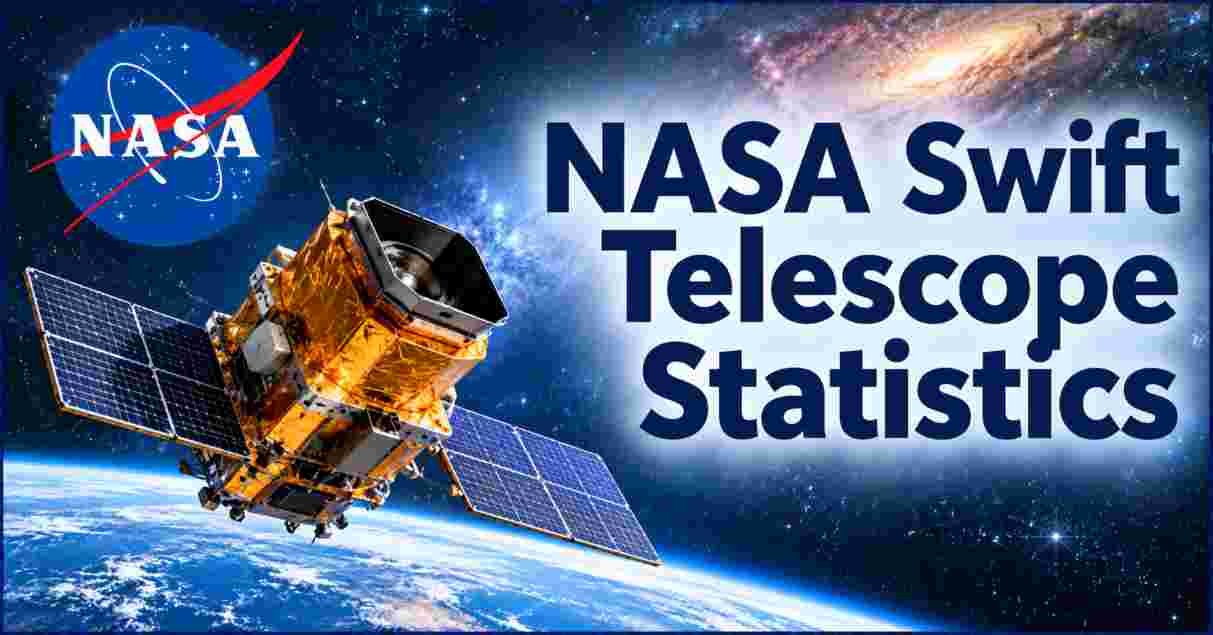
What happened to NASA’s Swift telescope in 2026? NASA’s Neil Gehrels Swift Observatory ended its science mission on October 23, 2026 after nearly 22 years in orbit, having observed more than 2,000 gamma-ray bursts and more than 1,400 supernovae, and NASA expects it to re-enter Earth’s atmosphere on Wednesday, November 4, 2026, with an uncertainty of 11 hours. A $30 million commercial rescue mission failed, and NASA puts the risk of harm to anyone on Earth from surviving debris at about 1 in 2,100, with any fragments falling between 20.6 degrees south and 20.6 degrees north.
NASA Swift Telescope 2026 – Introduction
NASA Swift telescope statistics tell the story of a small mission that outlived its plan by a factor of eleven. Swift launched on November 20, 2004 with a two-year prime mission, and it kept working through two decades of discoveries about the most violent explosions in the universe. Then the Sun, not a hardware failure, ended it. A burst of solar activity expanded Earth’s upper atmosphere, and the extra drag pulled the satellite down faster than anyone predicted.
NASA tried to save it, and the attempt failed. A servicing spacecraft built by Katalyst Space launched in July, ran into attitude control trouble and never reached Swift. The observatory made its final observation on October 20 and is now in a final descent. This report covers the mission’s duration, orbit, discoveries, gamma-ray burst counts, the rescue attempt and the reentry forecast, one data table at a time.
Interesting Facts About NASA’s Swift Observatory 2026
SWIFT MISSION LENGTH IN YEARS
━━━━━━━━━━━━━━━━━━━━━━━━━━━━━━━━━━━━━━━━━━━━━━━━━━━━━
Planned prime mission    ██                            2
Actual time in orbit     ██████████████████████       ~22
━━━━━━━━━━━━━━━━━━━━━━━━━━━━━━━━━━━━━━━━━━━━━━━━━━━━━
| Interesting Fact | 2026 Data |
|---|---|
| Launch date | November 20, 2004 |
| Planned prime mission | 2 years |
| Time in orbit | Nearly 22 years |
| Gamma-ray bursts observed | More than 2,000 |
| Supernovae studied | More than 1,400 |
| Scientific papers | About 7,000 |
| Final science observation | October 20, 2026 |
| Reentry forecast | November 4, 2026, plus or minus 11 hours |
Source: NASA, October 23 and November 2, 2026; NASA Goddard Space Flight Center; Xinhua, November 3, 2026; Space.com, October 26, 2026.
The first four rows describe the mission’s life. Swift launched on November 20, 2004 with a 2-year prime mission and kept going for nearly 22 years, which is why NASA calls it a multi-tool. The telescope was built to hunt gamma-ray bursts but later became a general observatory for any fast-changing event in the sky.
The last four rows describe what it delivered and how it ends. Swift observed more than 2,000 gamma-ray bursts and more than 1,400 supernovae, and its data contributed to about 7,000 scientific papers. Its last observation came on October 20, 2026. NASA now expects uncontrolled reentry on November 4, with an uncertainty of 11 hours, so the exact moment is not known.
Swift Mission Timeline 2004-2026 | From Launch to the Final Observation
KEY DATES IN SWIFT'S HISTORY
━━━━━━━━━━━━━━━━━━━━━━━━━━━━━━━━━━━━━━━━━━━━━━━━━━━━━━━━━━━━━━━━━━━━━━━
2004, Nov 20   ●── Launch; two-year prime mission begins
2018           ●── Renamed for Neil Gehrels, first principal investigator
2022, Jan      ●── Failed reaction wheel puts Swift in safe mode
2022, Oct 9    ●── Observes GRB 221009A, one of the brightest ever recorded
2025, Sep      ●── NASA hires Katalyst Space for a $30 million rescue
2026, Feb      ●── X-ray and UV telescopes switched off to reduce drag
2026, Jul 3    ●── Katalyst LINK spacecraft launches
2026, Aug 19   ●── NASA and Katalyst cancel the capture and boost
2026, Sep 25   ●── LINK re-enters without reaching Swift
2026, Oct 20   ●── Final science observation at 171 miles
2026, Oct 23   ●── NASA ends Swift operations
2026, Nov 4    ●── Forecast reentry, plus or minus 11 hours
━━━━━━━━━━━━━━━━━━━━━━━━━━━━━━━━━━━━━━━━━━━━━━━━━━━━━━━━━━━━━━━━━━━━━━━
| Date | Event |
|---|---|
| November 20, 2004 | Swift launches into low Earth orbit |
| 2018 | Observatory renamed in honor of Neil Gehrels |
| January 2022 | A failed reaction wheel puts the spacecraft in safe mode |
| September 2025 | NASA awards Katalyst a $30 million contract |
| February 2026 | UV and X-ray telescopes shut off to cut drag |
| July 3, 2026 | Katalyst’s LINK servicing spacecraft launches |
| August 19, 2026 | Reboost declared not possible |
| September 25, 2026 | LINK re-enters without boosting Swift |
| October 20, 2026 | Swift’s last science observation |
| October 23, 2026 | NASA announces the end of the mission |
Source: NASA Swift mission pages; SpacePolicyOnline, August 19, 2026; Space.com, October 26, 2026; Wikipedia Swift boost mission, November 2026.
Swift’s history runs from a routine launch to a rare orbital rescue attempt. The mission survived a failed reaction wheel in January 2022 and observed GRB 221009A on October 9, 2022, an exceptionally bright blast. In September 2025 NASA gave Katalyst a $30 million contract after solar activity pulled the orbit down faster than expected, and in February 2026 the team switched off the X-ray and ultraviolet telescopes to cut drag.
The rescue slipped away in stages. LINK launched on July 3, but attitude control problems ended the capture plan on August 19, and LINK itself re-entered on September 25. Swift then restarted its science instruments and kept observing until October 20, when it entered safe mode as drag overwhelmed its controls. NASA announced the end of operations on October 23, about two weeks before the forecast reentry.
Swift Orbit Decay 2026 | Altitude From 600 Kilometers to 275 Kilometers
SWIFT ORBITAL ALTITUDE OVER TIME
━━━━━━━━━━━━━━━━━━━━━━━━━━━━━━━━━━━━━━━━━━━━━━━━━━━━━━━━━━━━━━━━
Launch, 2004                ██████████████████████████████  600
Early 2025                  ████████████████████            400
2024 measurement            ██████████████████▌             370
Mid-2026                    ██████████████████              360
October 9, 2026             ███████████████                 under 300
October 20, 2026            █████████████▊                  275
━━━━━━━━━━━━━━━━━━━━━━━━━━━━━━━━━━━━━━━━━━━━━━━━━━━━━━━━━━━━━━━━
| Orbit Metric | Data |
|---|---|
| Original altitude | About 600 km (373 miles) |
| Altitude in 2024 | About 370 km |
| Altitude in mid-2026 | About 360 km (230 miles) |
| Altitude on October 9, 2026 | Below 300 km |
| Altitude at final observation | 275 km (171 miles) |
| Minimum altitude for the rescue rendezvous | 300 km |
| NASA estimate in September 2025 | 50% chance of reentry by mid-2026, 90% by end of 2026 |
| Cause of faster decay | Increased solar activity around the 2024 solar maximum |
Source: NASA; Astronomy.com, September 2025; Sky & Telescope, August 24, 2026; Wikipedia Swift boost mission and Swift Observatory pages, November 2026.
Swift started at about 600 km and spent two decades slowly sinking. By 2024 it was down to about 370 km, and by mid-2026 to about 360 km. The decline sped up as the Sun neared its 2024 activity peak, which heated and expanded the upper atmosphere. Swift dropped below 300 km on October 9 and reached 275 km at its last observation. The rescue plan needed it to stay above 300 km for a rendezvous.
NASA’s own odds, published in September 2025, put the chance of uncontrolled reentry by mid-2026 at 50%, rising to 90% by the end of the year. The agency paused much of Swift’s work in early 2026 to hold the best orientation and cut drag. That bought time but not a rescue. Once Swift fell below 275 km, the telescopes could no longer hold steady against drag, and the team stopped science operations.
Swift Gamma-Ray Burst Detections and Discoveries 2026 | The Numbers Behind the Mission
SWIFT SCIENCE OUTPUT
━━━━━━━━━━━━━━━━━━━━━━━━━━━━━━━━━━━━━━━━━━━━━━━━━━━━━━━━━━━━━━━━━━━━━━━━━━━━━━━
Gamma-ray bursts observed   ████████+  more than 2,000
Supernovae studied          ██████     more than 1,400
Published papers            ████████████████████████████  about 7,000
━━━━━━━━━━━━━━━━━━━━━━━━━━━━━━━━━━━━━━━━━━━━━━━━━━━━━━━━━━━━━━━━━━━━━━━━━━━━━━━
| Science Metric | Data |
|---|---|
| Gamma-ray bursts observed | More than 2,000 |
| Supernovae studied | More than 1,400 |
| Papers using Swift data | About 7,000 |
| Typical burst detection rate | About 100 a year |
| Archive size | About 12 terabytes |
| Notable burst, December 11, 2021 | Detected with Fermi; challenged theories of how bursts form |
| Notable burst, October 9, 2022 | GRB 221009A, among the most luminous events known |
| Targets of opportunity | Up to 5 requests a day |
Source: NASA, October 23, 2026; NASA Goddard Swift news archive; Sky & Telescope, 2026; NeoTeo, November 1, 2026.
Swift’s output dwarfs its original plan. NASA credits the observatory with observing more than 2,000 gamma-ray bursts and more than 1,400 supernovae, and its data helped produce about 7,000 published papers. At its usual pace it detected about 100 bursts a year while also handling up to 5 requests a day from other astronomers to look at stars, black holes and other transient events. The archive it leaves behind amounts to about 12 terabytes, according to reports citing NASA.
Two blasts stand out. On December 11, 2021, Swift and the Fermi telescope detected a burst from the edge of a galaxy about 1 billion light-years away that rattled scientists’ understanding of how such explosions work. On October 9, 2022, GRB 221009A swept over Earth and ranked among the most luminous events ever recorded. NASA principal investigator Bradley Cenko described the mission’s design as detecting a burst, alerting other telescopes and imaging it before the afterglow fades.
How the Swift Telescope Worked | Three Instruments and a Two-Minute Response
SWIFT SPEED AND SCALE (each █ = 20 units as labeled)
━━━━━━━━━━━━━━━━━━━━━━━━━━━━━━━━━━━━━━━━━━━━━━━━━━━━━━━━━━━━━
Burst detections per year          █████            about 100
Slew time to a burst (seconds)     ██████           within ~120
Targets of opportunity per day     ▏                up to 5
━━━━━━━━━━━━━━━━━━━━━━━━━━━━━━━━━━━━━━━━━━━━━━━━━━━━━━━━━━━━━
| Instrument or Capability | Detail |
|---|---|
| Burst Alert Telescope (BAT) | Detects bursts and computes their sky positions |
| X-ray Telescope (XRT) | Images the X-ray afterglow |
| Ultraviolet/Optical Telescope (UVOT) | Images and measures the afterglow in UV and visible light |
| Response time | Slews to a suspected burst within about 2 minutes |
| Spacecraft name | Explorer 84, MIDEX-3 |
| Catalog ID | 2004-047A / 28485 |
| Operations team | Pennsylvania State University |
| Build, launch and operating cost | About $500 million as of 2026 |
Source: NASA Goddard Space Flight Center; Sky & Telescope, 2026; Wikipedia Neil Gehrels Swift Observatory and Swift boost mission pages, November 2026.
Swift combined three telescopes in one spacecraft. The Burst Alert Telescope watches a wide patch of sky and works out where a burst occurred. The spacecraft then swings its X-ray Telescope and Ultraviolet/Optical Telescope toward that spot, usually within about 2 minutes, before the afterglow fades. That speed let astronomers on the ground follow up on bursts almost as they happened.
The design made Swift a general-purpose tool. Between bursts, scientists from universities and other organizations could request observations of comets, asteroids, black holes and other fast-changing targets, and the team handled up to 5 such requests a day. The mission was operated from Pennsylvania State University and cost about $500 million to build, launch and operate as of 2026. When Swift fell below 275 km, it could no longer point steadily, which ended that work.
Swift Operations in 2026 | Pause, Restart and the Final Weeks of Science
SWIFT 2026 OPERATIONS STATUS BY PERIOD
━━━━━━━━━━━━━━━━━━━━━━━━━━━━━━━━━━━━━━━━━━━━━━━━━━━━━━━━━━━━━━━━━━━━
Jan-Feb 2026    ●── Operations paused and then scaled back for the rescue
Feb 2026        ●── X-ray and UV/optical telescopes switched off
Aug 19          ●── Boost mission cancelled
Aug 26          ●── X-ray and UV/optical telescopes resume operations
After Aug 26    ●── Burst Alert Telescope back to full operation
Oct 20          ●── Final observation; safe mode; operations ended
━━━━━━━━━━━━━━━━━━━━━━━━━━━━━━━━━━━━━━━━━━━━━━━━━━━━━━━━━━━━━━━━━━━━
| Operations Metric | 2026 Data |
|---|---|
| Telescopes switched off to minimize drag | X-ray and UV/optical, February 2026 |
| Telescopes restarted | August 26, 2026 |
| Burst Alert Telescope | Returned to full operation after the restart |
| Science targets observed in the final push | Hundreds, from stellar explosions to active black holes |
| Final science observation | October 20, 2026, at 275 km |
| Altitude at which pointing failed | Below about 275 km (171 miles) |
| Command that ended operations | Sent by the Penn State team, October 2026 |
| Mission end announced | October 23, 2026 |
Source: NASA, October 23, 2026; Discover Magazine, November 2026; Technology.org, October 26, 2026; YourNews, October 31, 2026.
NASA slowed Swift down in 2026 to give the rescue a chance. The team switched off the X-ray and ultraviolet telescopes in February and held the spacecraft in the lowest-drag orientation. After the reboost was cancelled, the team restarted those instruments on August 26 and used the remaining weeks to observe as much as possible. The Burst Alert Telescope returned to full operation, so Swift could again turn itself toward new bursts as they appeared.
The final push covered hundreds of targets, from exploding stars to the active centers of distant galaxies, plus comets and asteroids in the solar system. On October 20, at about 275 km, Swift could no longer compensate for drag and entered safe mode. The Penn State operations team then commanded the end of science operations, and NASA announced it on October 23. The observatory had been built to react within minutes, and it was shut down while still doing that job.
Swift Rescue Mission 2026 | Katalyst LINK, $30 Million and Why It Failed
SWIFT RESCUE MISSION KEY NUMBERS
━━━━━━━━━━━━━━━━━━━━━━━━━━━━━━━━━━━━━━━━━━━━━━━━━━━━━━━━━━━━━━━━━━━━━━━━━━━━
Contract value                 ██████  $30 million
Months from contract to cancel ███████████  11 months
Boost duration planned         ██████  2 to 3 months
━━━━━━━━━━━━━━━━━━━━━━━━━━━━━━━━━━━━━━━━━━━━━━━━━━━━━━━━━━━━━━━━━━━━━━━━━━━━
| Rescue Mission Metric | Data |
|---|---|
| Contractor | Katalyst Space Technologies, Flagstaff, Arizona |
| Contract value | $30 million |
| Contract award | September 2025 |
| LINK launch | July 3, 2026 |
| Software update sent | August 11, 2026 |
| Mission cancelled | August 19, 2026, attitude control problems |
| LINK reentry | September 25, 2026, without boosting Swift |
| Planned boost altitude | Back to about 600 km over 2 to 3 months |
Source: SpacePolicyOnline, August 19, 2026; Astronomy.com, September 2025; Wikipedia Swift boost mission, November 2026.
The rescue plan was unprecedented. NASA gave Katalyst $30 million in September 2025 to fly a robotic spacecraft called LINK to Swift, capture it and push it back toward its original 600 km orbit over 2 to 3 months. Swift was not built to be serviced and has no grappling fixtures, so LINK would have had to find capture points on the satellite itself. The spacecraft launched on July 3, 2026, on time.
Control problems ended it. LINK could not stabilize its spin well enough for a safe approach, engineers sent new attitude control software on August 11, and on August 19 NASA and Katalyst concluded the reboost was not possible. The effort was scaled back to technology demonstrations after LINK ran low on fuel. LINK re-entered the atmosphere on September 25 without touching Swift. The plan still gave NASA a test of commercial servicing, even though the satellite was lost.
Swift Discoveries Timeline 2021-2022 | Blasts, Black Holes and Record Alerts
SWIFT HEADLINE EVENTS IN 2021 AND 2022
━━━━━━━━━━━━━━━━━━━━━━━━━━━━━━━━━━━━━━━━━━━━━━━━━━━━━━━━━━━━━━━━━━━━━
2021, Dec 11   ●── GRB 211211A, about 1 billion light-years away
2022, Jan 18   ●── Reaction wheel failure puts Swift in safe mode
2022, Feb      ●── Swift returns to science operations
2022, May      ●── Tracks a potential magnetic flip of a monster black hole
2022, Oct 9    ●── GRB 221009A sweeps over Earth
━━━━━━━━━━━━━━━━━━━━━━━━━━━━━━━━━━━━━━━━━━━━━━━━━━━━━━━━━━━━━━━━━━━━━
| Event | Detail |
|---|---|
| December 11, 2021 | Swift and Fermi detect a blast from the outskirts of a galaxy about 1 billion light-years away |
| Scientific impact of the December 2021 burst | “Rattled” scientists’ understanding of gamma-ray bursts |
| January 18, 2022 | A failed reaction wheel suspends pointed observations |
| February 2022 | Swift returns to science operations after the repair |
| May 2022 | Swift tracks a possible magnetic flip of a supermassive black hole |
| October 9, 2022 | An unusually bright and long-lasting pulse hits Earth |
| Observing Cycle 18 | Targets and proposals posted for the 2022 cycle |
| Rank of GRB 221009A | Among the most luminous events known |
Source: NASA Goddard Space Flight Center, Swift news archive 2022.
Swift’s busiest headlines came in a two-year span. On December 11, 2021, Swift and the Fermi Gamma-ray Space Telescope caught a blast from the outskirts of a galaxy about 1 billion light-years away, and the event challenged how astronomers understood these explosions. A reaction wheel failed on January 18, 2022, which forced the observatory into safe mode, and the team brought it back to science in February.
The record event followed that autumn. On October 9, 2022, an unusually bright and long-lasting pulse of high-energy radiation reached Earth, and it ranked among the most luminous events ever observed. NASA’s Swift and Fermi both detected it, and observatories around the world joined the follow-up. In May 2022, Swift had also tracked a possible magnetic flip in a monster black hole. These results show how a satellite built for bursts became a broad time-domain observatory.
Swift Reentry Forecast 2026 | Date, Debris Zone and Risk
SWIFT REENTRY RISK AND FORECAST DETAILS
━━━━━━━━━━━━━━━━━━━━━━━━━━━━━━━━━━━━━━━━━━━━━━━━━━━━━━━━━━━━━━━━━━
Forecast reentry date            ●── November 4, 2026
Forecast uncertainty             ●── plus or minus 11 hours
Debris latitude band             ●── 20.6 degrees south to 20.6 degrees north
Chance of harm to anyone         ●── about 1 in 2,100
━━━━━━━━━━━━━━━━━━━━━━━━━━━━━━━━━━━━━━━━━━━━━━━━━━━━━━━━━━━━━━━━━━
| Reentry Metric | NASA Data |
|---|---|
| Forecast reentry date | Wednesday, November 4, 2026 |
| Uncertainty | 11 hours |
| Debris latitude range | 20.6 degrees south to 20.6 degrees north |
| Risk of harm to anyone on Earth | About 1 in 2,100 |
| Most likely fate of debris | Fall into the ocean |
| Regions inside the possible zone | Africa, Australia, India, Southeast Asia, Central and South America |
| Mass expected to burn up | Most of the spacecraft |
| Forecast source | US Space Force tracking |
Source: NASA statement, November 2, 2026, as reported by Xinhua; Gizmodo, November 2026; Discover Magazine, November 2026.
NASA says Swift will re-enter the atmosphere on November 4, 2026, give or take 11 hours. The agency says most of the spacecraft will burn up, but some components are expected to survive, and any debris could land between 20.6 degrees south and 20.6 degrees north. That band includes Africa, Australia, India, Southeast Asia and Central and South America. The forecast comes from US Space Force tracking and will keep narrowing as the spacecraft descends.
The risk to people is small. NASA puts the chance that anyone is harmed at about 1 in 2,100, and surviving pieces are most likely to fall into the ocean, which covers most of the band. Reentry forecasts for objects in low orbit can shift by days, so the date is a window and not a promise. Any news of reentry will come from NASA and the Space Force, not from this report, which reflects the forecast as of November 3.
NASA Swift Telescope FAQs 2026
What happened to NASA’s Swift telescope?
Its orbit decayed after a surge in solar activity, a rescue mission failed, and NASA ended science operations on October 23, 2026. It is expected to re-enter around November 4.
When will Swift re-enter the atmosphere?
NASA forecasts Wednesday, November 4, 2026, with an uncertainty of 11 hours.
Will Swift debris hit anyone?
The chance of harm to anyone is about 1 in 2,100, according to NASA, and most debris will likely fall into the ocean.
Where could Swift debris land?
Anywhere between 20.6 degrees south and 20.6 degrees north, including parts of Africa, Australia, India, Southeast Asia and Central and South America.
How long was Swift in orbit?
Nearly 22 years, from November 20, 2004, against a planned 2-year prime mission.
How many gamma-ray bursts did Swift observe?
More than 2,000, according to NASA.
How many supernovae did Swift study?
More than 1,400.
How many papers used Swift data?
About 7,000 published scientific papers.
How much did Swift cost?
About $500 million to build, launch and operate as of 2026.
Why did the Swift rescue mission fail?
Katalyst’s LINK spacecraft had attitude control problems, and NASA and Katalyst cancelled the capture on August 19, 2026. LINK later re-entered on September 25.
How much did NASA pay for the rescue attempt?
$30 million, awarded to Katalyst Space Technologies in September 2025.
What altitude was Swift when it ended science?
275 km (171 miles), at its final observation on October 20, 2026.
Why did Swift’s orbit decay so fast?
Increased solar activity around the 2024 solar maximum expanded Earth’s upper atmosphere and raised drag on satellites in low orbit.
What was Swift’s most famous burst?
GRB 221009A on October 9, 2022, one of the most luminous gamma-ray bursts ever recorded.
When did Swift shut down its science instruments?
The X-ray and UV/optical telescopes were switched off in February 2026, restarted on August 26, and shut down for good after the October 20 observation.
What was the Swift boost mission?
A $30 million Katalyst Space effort to capture Swift with the LINK spacecraft and push it back to a 600 km orbit. It was cancelled on August 19, 2026.
Did Swift survive earlier failures?
Yes. A failed reaction wheel put it in safe mode on January 18, 2022, and the team returned it to science in February 2022.
Who was Swift named after?
Neil Gehrels, its first principal investigator, who died in 2017. NASA renamed the observatory for him in 2018.
What is the Swift catalog number?
2004-047A / 28485.
How much of Swift will survive reentry?
NASA expects most of the spacecraft to burn up, but some components are expected to survive.
What did Swift’s final observations include?
Hundreds of targets, from stellar explosions to active black holes, plus comets and asteroids.
How big is the Swift data archive?
About 12 terabytes, according to reports citing NASA, and NASA says it will fuel new discoveries for decades.
Who ran Swift operations?
Pennsylvania State University ran day-to-day operations for NASA’s Goddard Space Flight Center.
Disclaimer: This research report is compiled from publicly available sources. While reasonable efforts have been made to ensure accuracy, no representation or warranty, express or implied, is given as to the completeness or reliability of the information. We accept no liability for any errors, omissions, losses, or damages of any kind arising from the use of this report.