
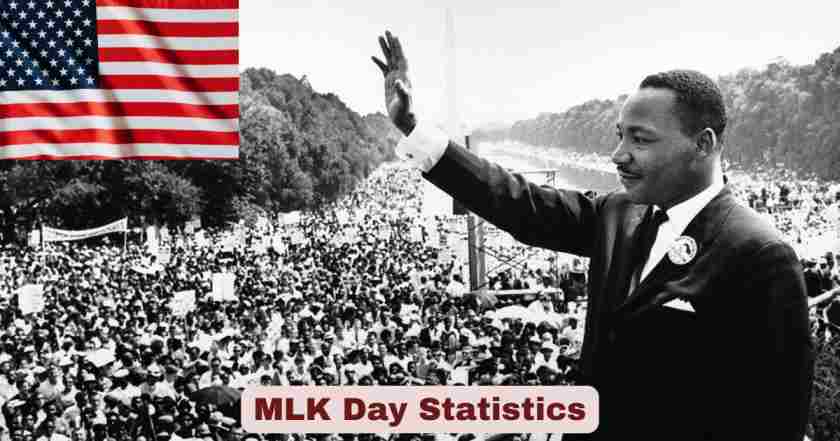
MLK Day in US 2026
Martin Luther King Jr. Day stands as a powerful testament to the enduring legacy of one of America’s most influential civil rights leaders. Observed annually on the third Monday of January, MLK Day in US 2026 falls on Monday, January 19, 2026, marking the 40th anniversary of its first federal observance in 1986. This federal holiday honors Dr. Martin Luther King Jr.’s extraordinary contributions to the civil rights movement and his unwavering commitment to nonviolent activism, racial equality, and social justice. The holiday represents not just a day of remembrance, but a call to action for Americans across the nation to engage in community service and advance the principles Dr. King championed throughout his life.
MLK Day 2026 holds unique significance as Congress has designated it as the nation’s only official National Day of Service among all 11 federal holidays. This distinctive status encourages millions of Americans to transform the holiday into a “day on, not a day off,” participating in volunteer activities that strengthen communities and embody Dr. King’s vision of the Beloved Community. From its contentious path to federal recognition in 1983 to its eventual adoption by all 50 states by the year 2000, the journey of this holiday reflects the ongoing struggle for civil rights and the power of persistent advocacy in American democracy.
Interesting Facts and Latest Statistics for MLK Day in the US 2026
| Category | Key Facts & Statistics | Year/Source |
|---|---|---|
| Federal Holiday Date | Monday, January 19, 2026 (Third Monday in January) | 2026 |
| Anniversary Milestone | 40th anniversary of first federal observance | 1986-2026 |
| Federal Holiday Status | 1 of 11 federal holidays recognized by U.S. government | 2026 |
| National Day of Service | Only federal holiday designated as National Day of Service by Congress | U.S. Census Bureau |
| State Recognition | Recognized by all 50 states as official holiday | 2000-2026 |
| Last State to Adopt | South Carolina (May 2, 2000) | 2000 |
| Private Employer Observance | 45% of private employers provide paid day off | 2019 Survey |
| State Government Workers | 85% receive MLK Day as paid holiday | Bureau of Labor Statistics |
| Private Sector Workers | 24% receive MLK Day as paid holiday | Bureau of Labor Statistics |
| Federal Employees | 100% of federal employees receive paid holiday | Office of Personnel Management |
| Banks and Post Offices | Closed nationwide for federal holiday observance | 2026 |
| Stock Market Status | NYSE and NASDAQ closed for trading | 2026 |
| Volunteer Participation (2023) | 75.7 million Americans volunteered through organizations | AmeriCorps/Census Bureau |
| Volunteer Hours (2023) | 4.99 billion hours of formal volunteer service | AmeriCorps/Census Bureau |
| Economic Value (2023) | $167.2 billion in economic value from volunteering | AmeriCorps/Census Bureau |
| National Volunteering Rate | 28.3% of Americans age 16+ formally volunteered | 2023 |
| Informal Helping Rate | 54.2% of Americans helped neighbors informally | 2023 |
| Women Volunteer Rate | 30.9% of women volunteer vs. 25.6% of men | 2023 |
| Parents Volunteer Rate | 37% of parents with children under 18 volunteer | 2023 |
| Virtual Volunteering | 18% of volunteers served completely or partially online | 2023 |
| Black Voter Turnout (2020) | 62.6% of Black American voters cast ballots | U.S. Census Bureau |
| National Park Fee Change | No free entry on MLK Day 2026 (policy changed) | 2026 |
Data Source: U.S. Census Bureau, AmeriCorps, Office of Personnel Management, Bureau of Labor Statistics, National Museum of African American History and Culture
The statistics presented above reveal the multifaceted nature of MLK Day in the US 2026 and its profound impact on American civic life. The data demonstrates that while Monday, January 19, 2026 marks the 40th anniversary of the holiday’s first federal observance, the journey toward universal recognition spanned 17 years from the initial 1983 federal law to all 50 states adopting the holiday by 2000. The designation as the nation’s only National Day of Service has catalyzed remarkable civic engagement, with 75.7 million Americans contributing 4.99 billion hours of volunteer service valued at $167.2 billion in economic impact during 2023, according to comprehensive research by AmeriCorps and the U.S. Census Bureau.
However, the data also exposes persistent disparities in holiday observance across employment sectors. While 100% of federal employees receive MLK Day as a paid holiday, only 45% of private employers extend this benefit to their workers, with state and local government employees faring better at 85% compared to just 24% in the private sector. The 2026 observance brings a notable policy change as national parks will no longer offer free admission on MLK Day, a benefit that had been standard in previous years. The volunteering statistics showcase the holiday’s success in mobilizing community service, particularly among women (30.9%), parents (37%), and increasingly through virtual platforms (18%), reflecting evolving modes of civic engagement in modern America.
Federal Holiday Recognition for MLK Day in the US 2026
| Federal Holiday Aspect | Details | Authority/Source |
|---|---|---|
| Official Federal Status | 1 of 11 federal holidays established by law | 5 U.S.C. 6103 |
| Date of 2026 Observance | Monday, January 19, 2026 | Office of Personnel Management |
| Observance Rule | Third Monday in January each year | Federal Law |
| Law Signed | November 2, 1983 by President Ronald Reagan | King Holiday Bill |
| First Federal Observance | January 20, 1986 | Historical Record |
| Years to Federal Recognition | 15 years after assassination (1968-1983) | National Museum of African American History |
| Total Federal Holidays 2026 | 11 federal holidays throughout the year | Office of Personnel Management |
| Federal Office Closures | All non-essential government offices closed | OPM Policy |
| Federal Employee Benefit | Paid holiday for all federal employees | 5 U.S.C. 6103 |
| Weekend Observance Rule | If on Sunday, observed Monday; if Saturday, observed Friday | Federal Holiday Policy |
| Postal Service Status | All post offices closed, no mail delivery | USPS Federal Requirement |
| Federal Courts Status | Federal courts closed nationwide | Federal Judiciary |
| Essential Personnel | Required to work receive premium pay plus future leave | Federal Compensation Policy |
Data Source: U.S. Office of Personnel Management, Federal Law 5 U.S.C. 6103, National Museum of African American History and Culture
Martin Luther King Jr. Day in the US 2026 stands as a federally mandated holiday under title 5, United States Code, section 6103, positioning it among the 11 official federal holidays that govern the work schedules of approximately 2.1 million federal civilian employees across the nation. The Office of Personnel Management (OPM), serving as the chief human resources agency for the federal government, administers the holiday policy that ensures Monday, January 19, 2026 will see the closure of all non-essential federal operations. The journey to this federal recognition began just four days after Dr. King’s assassination on April 4, 1968, when Michigan Congressman John Conyers first introduced legislation, yet it took 15 years of persistent advocacy before President Ronald Reagan signed the King Holiday Bill into law on November 2, 1983.
The federal observance rules dictate that MLK Day occurs on the third Monday of January, strategically positioned near Dr. King’s actual birthday of January 15, 1929, creating a consistent long weekend for federal employees and many others. When the calculated holiday falls on a weekend, federal law provides that the observance shifts to the nearest weekday—Monday if the holiday lands on Sunday, or Friday if it falls on Saturday—ensuring that federal workers receive their entitled paid time off. The 2026 observance will see the complete shutdown of federal operations, including all post offices under the United States Postal Service, which as part of the Executive Branch must observe all 11 federal holidays, resulting in no mail delivery on January 19, 2026. Essential federal personnel required to work during MLK Day 2026 receive premium holiday pay plus an additional day of administrative leave, a compensation structure designed to acknowledge their service during the designated federal holiday.
State Recognition Timeline for MLK Day in the US 2026
| Milestone | Year | Details |
|---|---|---|
| First State to Adopt | 1973 | Illinois became first state to adopt MLK Day |
| Federal Law Signed | 1983 | President Reagan signed federal legislation |
| First Federal Observance | 1986 | First nationwide federal MLK Day celebration |
| States with Holiday by 1986 | 1986 | 17 states had already adopted the holiday |
| Arizona Controversy | 1987-1992 | Gov. Mecham rescinded; voters failed 1990, approved 1992 |
| Super Bowl Impact | 1993 | NFL moved Super Bowl XXVII from Arizona due to no holiday |
| Economic Loss to Arizona | 1990s | Estimated $500 million revenue loss from Super Bowl move |
| New Hampshire Adoption | 1999 | Last state to adopt as paid holiday, replaced Civil Rights Day |
| Utah Name Change | 2000 | Changed from Human Rights Day to MLK Day |
| South Carolina Final Adoption | May 2, 2000 | Last state to recognize MLK Day by name and as paid holiday |
| All 50 States Recognition | 2000 | First year all states officially recognized the holiday |
| Virginia Lee-Jackson Split | 2000 | Separated Lee-Jackson Day from MLK Day observance |
| Years to Full State Adoption | 17 years | From 1983 federal law to 2000 universal state recognition |
| Current Status 2026 | 2026 | All 50 states continue to recognize MLK Day |
Data Source: National Museum of African American History and Culture, National Constitution Center, State Legislative Records
The path to universal state recognition of MLK Day in the US reveals a complex tapestry of regional resistance, economic pressure, and eventual acceptance that spanned 17 years from federal enactment to complete state adoption. Illinois pioneered state-level recognition in 1973, a full decade before federal legislation, demonstrating early progressive leadership. However, by 1986 when the first federal MLK Day was celebrated on January 20, only 17 states had established their own state holidays honoring Dr. King. The most contentious battle occurred in Arizona, where Governor Evan Mecham rescinded his predecessor’s executive order establishing the holiday in 1987, arguing it lacked legislative approval. This decision triggered a massive boycott movement, and when Arizona voters rejected the holiday in a 1990 referendum, the National Football League made good on its threat to relocate Super Bowl XXVII from Tempe to Pasadena, California, costing the state an estimated $500 million in revenue.
The economic consequences and public pressure eventually persuaded Arizona voters to approve MLK Day in a 1992 referendum, demonstrating how financial incentives can accelerate social change. The final holdouts were New Hampshire, Utah, and South Carolina, each reaching full recognition in 2000. New Hampshire transformed its optional “Civil Rights Day” into a paid “Martin Luther King Jr. Civil Rights Day” in 1999, becoming the last state to adopt it as a compensated holiday. Utah changed its “Human Rights Day” to “Martin Luther King Jr. Day” in March 2000, ending years of celebrating the holiday under an alternative name. South Carolina holds the distinction of being the absolute last state when Governor Jim Hodges signed legislation on May 2, 2000, finally establishing MLK Day as an official paid state holiday, completing the nationwide recognition that civil rights advocates had fought to achieve for over three decades. Today in 2026, all 50 states continue to honor this federal holiday, though some like Alabama and Mississippi still combine it with Robert E. Lee’s Birthday, and Wyoming calls it “Martin Luther King Jr./Wyoming Equality Day.”
Private Sector Employment and MLK Day in the US 2026
| Employment Sector | Paid Holiday Percentage | Source |
|---|---|---|
| Private Sector Overall | 45% of employers provide paid day off | 2019 Bloomberg Law Survey |
| Private Industry Workers | 24% receive MLK Day as paid holiday | Bureau of Labor Statistics |
| State/Local Government | 85% receive MLK Day as paid holiday | Bureau of Labor Statistics |
| Federal Government | 100% receive MLK Day as paid holiday | Office of Personnel Management |
| Non-Business Organizations | 62% provide paid day off (government, education) | Bloomberg BNA Survey |
| Non-Manufacturing Business | 34% provide paid day off | Bloomberg BNA Survey |
| Manufacturing Establishments | 10% provide paid day off | Bloomberg BNA Survey |
| Growth Since 2009 | Increased from 28% to 45% of companies | Historical Comparison |
| Comparison to Other Holidays | Lower than Presidents Day (35%) observance | Holiday Practices Survey |
| Floating Holiday Alternative | 48% of companies offer floating holidays | National Statistics |
| Organized Service Programs | 11% sponsor MLK programs without paid day off | Bloomberg Survey |
| Workers Without Paid Holidays | 40 million Americans (1 in 4) receive no paid holidays | National Statistics |
| Average Paid Holidays | Workers average 7.6 paid holidays annually | Bureau of Labor Statistics |
Data Source: Bureau of Labor Statistics, Bloomberg Law, Office of Personnel Management, National Compensation Survey
The stark disparity in MLK Day observance across employment sectors reveals significant inequalities in how American workers experience this federal holiday in 2026. While 100% of federal employees enjoy Monday, January 19, 2026 as a compensated day off, the Bureau of Labor Statistics reports that only 45% of private sector employers extend this same benefit to their workforce, a figure that represents substantial growth from the 28% observed in 2009 but still leaves 55% of private companies operating as usual. The gap widens dramatically when examining specific industry sectors: manufacturing establishments provide the lowest observance rate at just 10%, while non-manufacturing businesses fare somewhat better at 34%, and non-business organizations including educational institutions and government-adjacent entities lead at 62% provision rates.
The 24% figure for private industry workers receiving MLK Day as a paid benefit stands in sharp contrast to the 85% of state and local government employees who enjoy the holiday, underscoring how public sector employment offers substantially better holiday benefits than private industry positions. This reality contributes to the broader statistic that approximately 40 million Americans, representing 1 in 4 employees, receive no paid holidays whatsoever throughout the year. Many private employers have adopted alternative approaches, with 48% of companies offering “floating holidays” that allow workers to choose when to take time off, potentially using one of these days for MLK Day 2026 if they wish. Additionally, 11% of organizations that don’t provide a paid day off still sponsor MLK Day commemoration programs, volunteer opportunities, or educational events, attempting to honor Dr. King’s legacy while maintaining business operations. The average American worker receives 7.6 paid holidays annually according to the Bureau of Labor Statistics, placing MLK Day among the less commonly observed federal holidays, trailing significantly behind near-universal holidays like Thanksgiving (97%), Christmas (97%), Independence Day (92%), and Labor Day (91%).
National Day of Service Statistics for MLK Day in the US 2026
| Volunteer Metric | 2023 Data | Source |
|---|---|---|
| Formal Volunteers | 75.7 million Americans (28.3% of population 16+) | AmeriCorps/U.S. Census Bureau |
| Total Volunteer Hours | 4.99 billion hours of service | AmeriCorps/Census Bureau |
| Economic Value | $167.2 billion in economic contribution | AmeriCorps/Census Bureau |
| Growth Rate (2021-2023) | 5.1 percentage point increase (22% growth rate) | AmeriCorps Report |
| Informal Helping | 137.5 million Americans (54%) helped neighbors | Census Bureau |
| Women Volunteer Rate | 30.9% of women volunteer | AmeriCorps Survey |
| Men Volunteer Rate | 25.6% of men volunteer | AmeriCorps Survey |
| Parents Volunteer Rate | 37% of parents with children under 18 | Census Bureau |
| Non-Parents Rate | 25% of those without children volunteer | Census Bureau |
| Virtual Volunteering | 18% of volunteers served partially/completely online | AmeriCorps 2023 |
| In-Person Volunteers | 82% served completely in-person (64 hours average) | AmeriCorps Survey |
| Virtual/Hybrid Hours | 95 hours average for virtual/hybrid volunteers | AmeriCorps Report |
| Virtual Volunteer Total | 13.4 million engaged in virtual/hybrid volunteering | Census Bureau |
| Virtual Economic Value | $41.5 billion from 1.2 billion virtual volunteer hours | AmeriCorps |
| MLK Day Designation | Only federal holiday designated as National Day of Service | U.S. Census Bureau |
| Service Act Signed | August 23, 1994 by President Bill Clinton | King Holiday and Service Act |
| AmeriCorps Coordination | AmeriCorps coordinates national MLK Day service since 1994 | Federal Agency |
| Largest Event | Greater Philadelphia King Day of Service (since 1996) | Pennsylvania Record |
Data Source: AmeriCorps Volunteering and Civic Life in America Report 2023, U.S. Census Bureau Current Population Survey Civic Engagement and Volunteering Supplement
The transformation of MLK Day in the US 2026 into a National Day of Service represents one of the most successful civic engagement initiatives in American history, as evidenced by the latest comprehensive data from AmeriCorps and the U.S. Census Bureau covering the 2022-2023 period. The King Holiday and Service Act, signed into law by President Bill Clinton on August 23, 1994, uniquely designates MLK Day as the only federal holiday focused on voluntary citizen action, distinguishing it from the other 10 federal holidays that primarily serve as days of rest or remembrance. This designation has yielded remarkable results: 75.7 million Americans, representing 28.3% of the population aged 16 and older, engaged in formal volunteering through organizations between September 2022 and September 2023, contributing an astounding 4.99 billion hours of service with an estimated economic value of $167.2 billion to American communities.
The 2021-2023 period witnessed the largest expansion of formal volunteering ever recorded, with a 5.1 percentage point increase representing a growth rate exceeding 22% in just two years—a remarkable rebound from the 7 percentage point decline experienced during the height of the COVID-19 pandemic. Women continue to volunteer at substantially higher rates (30.9%) compared to men (25.6%), and parents with children under 18 demonstrate a 12 percentage point advantage over non-parents (37% versus 25%). The 2023 data marks the first time researchers tracked virtual volunteering, revealing that 18% of formal volunteers—approximately 13.4 million Americans—served partially or completely online, contributing 1.2 billion hours valued at $41.5 billion. Notably, virtual and hybrid volunteers averaged 95 hours of service compared to 64 hours for strictly in-person volunteers, suggesting that remote engagement enables more sustained commitment. Beyond formal organizational volunteering, 137.5 million Americans (54% of the population) engaged in informal helping behaviors like assisting neighbors with errands or childcare, representing a 3 percentage point increase from previous years and demonstrating that the spirit of service extends far beyond structured programs throughout 2026.
Voting Rights Impact and MLK Day in the US 2026
| Voter Participation Metric | Statistics | Source |
|---|---|---|
| 2020 Presidential Turnout | 66.8% of U.S. citizens voted | U.S. Census Bureau |
| Black Voter Turnout 2020 | 62.6% of Black voters participated | Census Bureau |
| 1964 Black Voter Turnout | 58.5% of Black voters participated | Census Bureau Historical Data |
| 2020 vs 1964 Black Turnout | 4.1 percentage point increase over 56 years | Census Bureau Comparison |
| 2024 Presidential Turnout | 65.3% of U.S. citizens voted | Census Bureau |
| White-Black Turnout Gap 2024 | 11 percentage point gap | Voter Analysis Research |
| Female Turnout Rate 2024 | 61.0% of women voted | Census Bureau |
| Male Turnout Rate 2024 | 57.4% of men voted | Census Bureau |
| Age 65+ Turnout 2024 | 74.7% highest among all age groups | Census Bureau |
| Hispanic Turnout 2024 | 50.6% of Hispanic voters | Census Bureau |
| Black-White Gap Historical | Varied from 8 to 12.6 percentage points (1996-2020) | Brennan Center Analysis |
| Obama Era Black Turnout | 2008 and 2012 saw highest Black voter participation | Historical Data |
| Peak Black Turnout | Approximately equal to white turnout in 2012 | Census Bureau |
| Civil Rights Act Impact | Voting Rights Act of 1965 followed MLK advocacy | Historical Record |
| Black Eligible Voters 2024 | 34.4 million Black eligible voters projected | Pew Research Center |
| Black Share of Electorate | 14.0% of eligible voters nationwide | Pew Research |
Data Source: U.S. Census Bureau Voting and Registration Surveys, Pew Research Center, Brennan Center for Justice
The legacy of Dr. Martin Luther King Jr.’s fight for voting rights continues to shape American democracy in 2026, with data from the U.S. Census Bureau revealing both progress and persistent challenges in electoral participation across racial lines. The Voting Rights Act of 1965, achieved through the civil rights movement that Dr. King helped lead, fundamentally transformed American democracy by removing discriminatory barriers that had prevented millions of Black Americans from exercising their constitutional right to vote. Census data shows that Black voter turnout increased from 58.5% in the 1964 presidential election—the year the Civil Rights Act was passed—to 62.6% in 2020, representing a 4.1 percentage point improvement over 56 years, though this modest gain masks significant fluctuations during this period.
The 2008 and 2012 presidential elections, featuring Barack Obama as the first African American major party nominee, represented high-water marks for Black political participation, with turnout rates reaching approximate parity with white voters in 2012 when the Black-white turnout gap narrowed to just 8 percentage points, the smallest margin since researchers began tracking this metric in 1996. However, subsequent elections saw this gap widen again, reaching 12.5 percentage points in 2020 and 11 percentage points in 2024, indicating that the progress toward equal participation remains fragile and subject to reversal. The 2024 election data shows that 65.3% of citizens voted, with 74.7% of voters aged 65 and older participating at the highest rate, while Hispanic voters recorded the lowest turnout at 50.6%, declining 3.1 percentage points from the previous election—the largest drop among measured racial and ethnic groups. Women continued their 44-year streak of outpacing men in voter participation, with 61.0% of women voting compared to 57.4% of men in 2024. These statistics underscore the ongoing relevance of MLK Day 2026 as a moment to reflect on voting rights achievements while acknowledging the continued work needed to realize Dr. King’s vision of full democratic participation for all Americans, particularly as 34.4 million Black eligible voters represent 14.0% of the electorate according to Pew Research Center projections.
Economic and Cultural Impact of MLK Day in the US 2026
| Economic/Cultural Aspect | Details | Source |
|---|---|---|
| Bank Closures | All major banks closed nationwide | Federal Banking Regulation |
| Stock Market | NYSE and NASDAQ closed for trading | Financial Market Policy |
| Retail Operations | Majority of retail stores remain open | Industry Practice |
| School Closures | Most public schools closed, varies by district | Local Education Policy |
| University Observance | Many extend winter break to include MLK Day | Higher Education Practice |
| National Park Fee 2026 | No free entry (changed from previous years) | Department of Interior |
| Free Entry Days 2026 | 8 fee-free days total (MLK Day removed) | National Park Service |
| Community Events Nationwide | Thousands of commemorative events and marches | AmeriCorps Coordination |
| Educational Programs | Seminars, workshops on civil rights and nonviolence | Nationwide Observance |
| Faith Community Participation | Interfaith services and commemorations | Religious Organizations |
| Arts and Cultural Events | Concerts, exhibitions, performances honoring MLK | Cultural Institutions |
| State-Specific Names | Wyoming: MLK/Wyoming Equality Day | State Designation |
| Combined Observances | Alabama, Mississippi: MLK and Robert E. Lee Day | State Practice |
| 40th Anniversary Events | Special commemorations marking 1986-2026 milestone | 2026 Observance |
| Minnesota 40th Celebration | Statewide week-long programming January 5-26 | State of Minnesota |
| Greater Philadelphia Event | Nation’s largest MLK Day of Service (since 1996) | Historical Record |
| The King Center Service | Annual Beloved Community Commemorative Service | Atlanta, Georgia |
Data Source: Department of Interior, National Park Service, State Governments, The King Center, AmeriCorps
MLK Day in the US 2026 exerts substantial economic and cultural influence across American society, touching everything from financial markets to educational institutions to community organizations. On Monday, January 19, 2026, the federal holiday status ensures that all major banking institutions will close their doors, the New York Stock Exchange and NASDAQ will halt trading activities, and the United States Postal Service will suspend mail delivery, creating a significant pause in the nation’s commercial and financial operations. However, unlike holidays such as Thanksgiving or Christmas, most retail establishments, restaurants, and entertainment venues remain open for business on MLK Day, reflecting the 45% private sector observance rate and the reality that many Americans do not receive a paid day off. The majority of public schools close for the holiday, while numerous colleges and universities have strategically extended their winter break periods to encompass MLK Day, transforming the three-day weekend into an extended academic recess.
A notable policy change for 2026 concerns national park access: visitors will now pay full entrance fees on MLK Day after the Trump Administration removed it from the list of fee-free days in December 2025, a reversal of the previous practice that had offered complimentary admission on this holiday. The decision also eliminated Juneteenth from the free-entry calendar while adding alternative dates including Flag Day, reducing the annual fee-free days from 10 to 8 total. Despite this change, the cultural programming surrounding MLK Day 2026 remains robust, with thousands of community events scheduled nationwide including commemorative marches, interfaith services, educational seminars on civil rights history and nonviolent activism, and artistic performances celebrating Dr. King’s legacy. 2026 marks particularly significant celebrations as the 40th anniversary of the holiday’s first federal observance, with special programming planned across the country. Minnesota hosts a week-long series of events from January 5-26, 2026, representing one of the longest-running and largest state-level MLK celebrations in the nation. The King Center in Atlanta will conduct its annual Beloved Community Commemorative Service at the historic Ebenezer Baptist Church, while the Greater Philadelphia King Day of Service, continuously operated since 1996, maintains its position as the nation’s largest single MLK Day event, coordinating thousands of volunteers in community improvement projects throughout the metropolitan area.
2026 MLK Day Observance Details Across the United States
| Observance Category | Information | Details |
|---|---|---|
| Federal Date | Monday, January 19, 2026 | Third Monday of January |
| Dr. King’s Actual Birthday | January 15, 1929 | Holiday observed near actual date |
| Next Actual Birthday Match | 2029 | Next time holiday falls on January 15 |
| Earliest Possible Date | January 15 | Federal observance rule |
| Latest Possible Date | January 21 | Federal observance rule |
| 2026 Week Designation | January 5-26, 2026 | Minnesota extended celebration |
| Historical Observances Begin | January 11, 2026 | The King Center preliminary events |
| Main Service Date | Monday, January 19, 2026 | Peak of nationwide celebrations |
| School Programming | January 16-19, 2026 | Weekend and holiday educational events |
| Virtual Opportunities | Available nationwide through AmeriCorps | Online volunteer matching |
| In-Person Service Projects | Thousands of local community projects | AmeriCorps coordination |
| Federal Employee Status | Paid holiday with office closures | Government operations suspended |
| Essential Federal Workers | Premium pay plus compensatory leave | Required workforce compensation |
| State Government Variations | All 50 states recognize, some with combined names | State-specific practices |
| Religious Observances | Interfaith services nationwide | Faith community participation |
| Academic Institution Response | Closures, extended breaks, or educational programming | Varies by institution |
| Corporate Sector Response | 45% paid holiday, others regular operations | Business decision-based |
Data Source: Office of Personnel Management, The King Center, State Government Announcements, AmeriCorps
The 2026 MLK Day observance unfolds across a diverse landscape of commemoration styles, service opportunities, and institutional responses throughout the United States. While the core federal holiday falls on Monday, January 19, 2026, many organizations and communities have extended their celebrations into multi-day or even week-long events. Minnesota exemplifies this expanded approach with its 40th anniversary celebration spanning from January 5 through January 26, 2026, featuring educational programs, community dialogues, service projects, and cultural events distributed across this three-week period. The King Center in Atlanta, founded by Coretta Scott King and serving as the official living memorial to Dr. King, begins its observance activities on January 11 with preliminary events including the MLK Jr. Beloved Community Awards, Nonviolence365 Lunch and Learn, and the Beloved Community Youth Book Reading, building toward the main commemorative service on January 19 at Ebenezer Baptist Church at 10:00 AM Eastern Time.
For Americans seeking to participate in the National Day of Service component of MLK Day 2026, AmeriCorps provides a comprehensive volunteer search tool powered by VolunteerMatch, enabling individuals to locate service opportunities in their communities by entering their zip code. The 2023 volunteering data indicates that 18% of volunteers served partially or completely online, meaning virtual service options will be available for those unable to participate in-person or preferring remote engagement. In-person projects span diverse focus areas including food bank operations, environmental conservation, educational mentorship, affordable housing construction, senior citizen assistance, and homeless services, with organizations instructed to tag opportunities with #MLK and #MLKDay for discoverability in the national search platform. The employment status of individual Americans on January 19, 2026 varies dramatically based on sector: 100% of federal employees receive paid time off, 85% of state and local government workers enjoy the holiday, but only 24% of private sector workers receive compensation for the day, meaning that millions of Americans will be working regular schedules while simultaneously having the opportunity to participate in after-work or weekend service events surrounding the holiday.
Historical Timeline of MLK Day Recognition in the US 2026
| Year | Milestone Event | Significance |
|---|---|---|
| 1929 | Martin Luther King Jr. born January 15 | Birthday becomes basis for holiday |
| 1955-1968 | Civil Rights Movement leadership | MLK’s active years of advocacy |
| 1968 | Dr. King assassinated April 4 | Triggered calls for memorial holiday |
| 1968 | First bill introduced April 8 | Rep. John Conyers (MI) introduced legislation |
| 1973 | Illinois first state adoption | State-level recognition begins |
| 1979 | Bill reaches House floor for first time | Failed to pass (252-133, needed 2/3 majority) |
| 1983 | Federal bill signed November 2 | President Reagan signs King Holiday Bill |
| 1983 | 6 million petition signatures | Largest petition in favor of individual in U.S. history |
| 1986 | First federal observance January 20 | Holiday officially celebrated nationwide |
| 1986 | 17 states observe by first federal date | Partial state adoption |
| 1987 | Arizona controversy begins | Gov. Mecham rescinds executive order |
| 1990 | Arizona referendum fails | Voters reject MLK holiday proposition |
| 1993 | NFL moves Super Bowl from Arizona | Economic pressure for holiday adoption |
| 1992 | Arizona voters approve (November) | State finally adopts MLK Day |
| 1994 | King Holiday and Service Act signed | Designated as National Day of Service |
| 1996 | Greater Philadelphia event begins | Largest MLK Day of Service launched |
| 1999 | New Hampshire adopts as paid holiday | Next-to-last state recognition |
| 2000 | South Carolina final adoption May 2 | All 50 states recognize MLK Day |
| 2000 | Utah changes name from Human Rights Day | Adopts official MLK Day designation |
| 2026 | 40th anniversary of first observance | Commemorative milestone year |
Data Source: National Museum of African American History and Culture, The King Center, Congressional Record, State Legislative Archives
The historical timeline leading to MLK Day in the US 2026 encompasses a remarkable 58-year journey from Dr. King’s assassination to the current 40th anniversary of federal observance. The campaign for a federal holiday honoring Dr. King began almost immediately after his tragic death on April 4, 1968, when Michigan Representative John Conyers introduced the first commemorative legislation just four days later on April 8, 1968. This initial effort represented the beginning of a 15-year congressional battle that would test the persistence of civil rights advocates and demonstrate the power of grassroots organizing. Throughout the 1970s, the bill repeatedly failed to gain traction in Congress, facing opposition from those who questioned whether any individual American, regardless of their contributions, deserved such recognition, and from others who harbored racial prejudice against honoring an African American leader.
The turning point arrived in 1983 when civil rights activists delivered 6 million petition signatures to Congress—the largest petition supporting an individual in United States history—demonstrating overwhelming public support for the holiday. This massive citizen mobilization, combined with advocacy from Coretta Scott King and prominent entertainment figures like Stevie Wonder, who released the song “Happy Birthday” to promote the cause, finally convinced Congress to pass the legislation with bipartisan support. President Ronald Reagan, despite earlier skepticism about the holiday, signed the King Holiday Bill into law on November 2, 1983, establishing the third Monday in January as the permanent date of observance. The 17-year gap between federal enactment in 1983 and universal state adoption in 2000 reveals the complex federalist nature of American governance, where states maintain autonomy over their own holiday calendars. The economic consequences faced by Arizona after losing the Super Bowl and suffering an estimated $500 million in revenue losses demonstrates how financial pressure can accelerate social change when moral arguments alone prove insufficient. Today in 2026, the holiday stands as a testament to the power of sustained advocacy, with all 50 states, the federal government, and countless private organizations participating in commemorations that honor Dr. King’s vision of equality, nonviolence, and service to others.
Education and Youth Engagement for MLK Day in the US 2026
| Educational Aspect | Statistics/Details | Source |
|---|---|---|
| School Closures | Majority of public schools closed nationwide | Local District Policies |
| Educational Programming | Thousands of schools hold special programs | National Education Association |
| Student Volunteer Rate | Students volunteer at higher rates than general population | AmeriCorps Data |
| Parents Volunteer Rate | 37% of parents with children under 18 volunteer | Census Bureau 2023 |
| University Extended Breaks | Many extend winter recess through MLK Day | Higher Education Practice |
| MLK Day of Learning | Structured curriculum available for educators | Teaching Tolerance/Learning for Justice |
| Documentary Viewings | Schools screen films about civil rights movement | Common Educational Practice |
| Guest Speaker Programs | Civil rights veterans, activists address students | School District Programs |
| Essay Contests | National and local writing competitions | Various Sponsors |
| Art Projects | Students create commemorative artwork | Educational Programs |
| Community Service Projects | Student-led neighborhood improvement initiatives | School-Organized Activities |
| Youth Book Reading | The King Center hosts youth literary events | The King Center Program |
| Historical Site Visits | Field trips to civil rights landmarks | Educational Excursions |
| Curriculum Integration | MLK teachings incorporated into year-round lessons | National Standards |
| Digital Resources | Online educational materials widely available | Department of Education |
| Youth Service Hours | Students contribute millions of volunteer hours | AmeriCorps Tracking |
| Interfaith Youth Programs | Religious organizations engage young people | Faith Community Initiatives |
Data Source: National Education Association, AmeriCorps, The King Center, U.S. Census Bureau, Department of Education
Educational institutions play a pivotal role in shaping how young Americans experience and understand MLK Day in the US 2026, with schools serving as primary venues for introducing students to Dr. King’s legacy and the broader civil rights movement. While the majority of public school districts close for Monday, January 19, 2026, many schedule special programming during the days immediately preceding the holiday, transforming the observance into an educational opportunity rather than merely a day off. These programs typically include age-appropriate lessons on the civil rights movement, screenings of documentaries like “Eyes on the Prize” or dramatizations such as “Selma,” readings from Dr. King’s speeches including the iconic “I Have a Dream” address, and discussions about contemporary social justice issues that connect historical struggles to present-day challenges facing American society.
The National Education Association and organizations like Learning for Justice (formerly Teaching Tolerance) provide comprehensive curriculum resources that enable teachers to conduct meaningful MLK Day lessons aligned with educational standards. The King Center specifically targets youth engagement through programs like the Beloved Community Youth Book Reading, encouraging young people to explore literature that reflects Dr. King’s philosophy of nonviolence and beloved community. The Census Bureau’s 2023 data showing that 37% of parents with children under 18 volunteer—12 percentage points higher than non-parents—suggests that family-oriented service activities represent a significant component of MLK Day observance, with parents using the holiday as an opportunity to instill values of civic engagement in their children through hands-on community service. Many schools organize age-appropriate service projects such as creating care packages for homeless shelters, writing letters to senior citizens, collecting donations for food banks, or participating in neighborhood beautification efforts. Universities take varied approaches, with some closing for the day, others holding special commemorative events, and many extending winter break to encompass the three-day weekend, though this practice has drawn criticism for potentially diminishing engagement with the holiday’s deeper meaning. The widespread availability of digital educational resources through the Department of Education and numerous nonprofits ensures that even schools remaining open or students learning remotely can access high-quality materials about Dr. King’s life, philosophy, and continuing relevance to contemporary America in 2026.
Faith Community Observance of MLK Day in the US 2026
| Religious Aspect | Details | Context |
|---|---|---|
| Interfaith Services | Thousands of interfaith gatherings nationwide | Multi-denominational Participation |
| The King Center Service | Beloved Community Commemorative Service at Ebenezer Baptist Church | Historic MLK home church |
| Service Time | 10:00 AM Eastern Time, January 19, 2026 | Annual tradition |
| Pastoral Leadership | Rev. Dr. Gerald Durley delivers sermon | 2026 Featured Speaker |
| Historic Church Significance | Ebenezer Baptist where MLK co-pastored with father | Civil Rights Hub |
| Catholic Observances | Masses and educational programs in parishes | U.S. Conference of Catholic Bishops |
| Jewish Community Events | Synagogues hold commemorative services | Interfaith Solidarity |
| Muslim Community Participation | Islamic centers engage in MLK Day activities | Cross-Faith Engagement |
| Protestant Denominations | Mainline and evangelical churches hold services | Widespread Participation |
| Black Church Tradition | Central role in MLK Day observances nationwide | Historical Leadership |
| Sermon Themes | Nonviolence, justice, reconciliation, beloved community | King’s Core Messages |
| Youth Religious Programs | Sunday schools and youth groups study MLK | Faith-Based Education |
| Community Service Organization | Faith communities organize volunteer projects | Service Component |
| Prayer Breakfasts | Interfaith breakfast gatherings common | Community Building |
| Gospel Concerts | Musical tributes to civil rights movement | Cultural Celebration |
| Social Justice Focus | Congregations address contemporary inequality | Modern Application |
| Ecumenical Collaborations | Churches across denominations partner for events | Unity Emphasis |
Data Source: The King Center, U.S. Conference of Catholic Bishops, Interfaith Alliance, Religious Organization Reports
Faith communities across the United States occupy a central position in MLK Day in the US 2026 observances, reflecting Dr. King’s identity as a Baptist minister and the Black church’s foundational role in the civil rights movement. The most prominent religious observance occurs at the historic Ebenezer Baptist Church in Atlanta, where Dr. King served as co-pastor alongside his father from 1960 until his assassination in 1968. The King Center organizes the annual Beloved Community Commemorative Service at this sacred site, scheduled for 10:00 AM Eastern Time on Monday, January 19, 2026, featuring Reverend Dr. Gerald Durley delivering the keynote sermon. This service draws attendees from across the nation and is often broadcast or livestreamed, enabling widespread participation in a direct connection to Dr. King’s spiritual heritage and the church that served as a nerve center for civil rights organizing during the movement’s most critical years.
Beyond this flagship event, thousands of congregations representing diverse faith traditions hold their own MLK Day observances throughout 2026. Interfaith services bring together Christians, Jews, Muslims, Buddhists, Hindus, and other religious communities in unified celebrations that embody Dr. King’s vision of the Beloved Community where people of all backgrounds work together toward justice and peace. The U.S. Conference of Catholic Bishops encourages parishes to observe MLK Day through special masses, educational programs about Catholic social teaching and civil rights, and service projects that address contemporary social needs. Jewish synagogues frequently hold commemorative services emphasizing the historical alliance between the Jewish and African American communities during the civil rights era, honoring figures like Rabbi Abraham Joshua Heschel who marched alongside Dr. King. Muslim communities increasingly participate through Islamic centers organizing discussions connecting Dr. King’s nonviolent philosophy with Islamic principles of justice and community service. Protestant denominations across the theological spectrum—from mainline traditions like United Methodist, Presbyterian, and Episcopal churches to evangelical congregations—incorporate MLK Day into their worship and programming, though approaches vary based on theological perspectives and regional contexts. Sermons delivered on the Sunday preceding January 19, 2026 or during special Monday services typically explore themes of nonviolence, racial reconciliation, economic justice, and the ongoing work of building Dr. King’s vision of the Beloved Community. Many congregations organize their own community service projects, transforming the National Day of Service into an expression of faith-based values and providing structured opportunities for members to engage in hands-on assistance to vulnerable populations, environmental stewardship, or community development initiatives.
Media Coverage and Cultural Representation of MLK Day in the US 2026
| Media/Cultural Element | Details | Platform |
|---|---|---|
| Television Specials | Networks air documentaries and biographical programs | Broadcast/Cable TV |
| Streaming Content | MLK-related films and documentaries featured | Netflix, Hulu, Disney+, etc. |
| News Coverage | Extensive reporting on events and observances | All major news outlets |
| Social Media Campaigns | #MLKDay #DayOn trends nationally | Twitter, Facebook, Instagram |
| Radio Programming | Special broadcasts, interviews, historical retrospectives | NPR, Commercial Stations |
| Museum Exhibitions | Special MLK-focused exhibits and programming | National and Local Museums |
| National Museum African American History | Ongoing MLK exhibits and 2026 special programming | Smithsonian Institution |
| The King Center Resources | Educational materials and streaming content | Official MLK Organization |
| Podcast Episodes | History and civil rights podcasts release MLK content | Various Podcast Networks |
| Music Tributes | Concerts featuring civil rights era music | Performance Venues |
| Theater Productions | Plays about MLK and civil rights movement | Regional Theaters |
| Film Screenings | Community screenings of MLK biographical films | Libraries, Community Centers |
| Virtual Events | Online commemorations and webinars | Digital Platforms |
| Library Programs | Special displays, readings, educational events | Public Libraries Nationwide |
| Corporate Statements | Companies issue MLK Day messages | Corporate Communications |
| Sports Tributes | Professional sports teams honor MLK | NBA, NFL, Other Leagues |
| Public Art Installations | Temporary and permanent MLK memorials | Cities Nationwide |
Data Source: Media Industry Reports, The King Center, Smithsonian Institution, Social Media Analytics
Media coverage and cultural representation of MLK Day in the US 2026 extends far beyond news reporting to encompass a comprehensive multi-platform commemoration that reaches Americans through virtually every communication channel available in modern society. Television networks traditionally air special programming including biographical documentaries, historical retrospectives on the civil rights movement, and re-broadcasts of Dr. King’s most significant speeches and public appearances. The National Museum of African American History and Culture, part of the Smithsonian Institution in Washington, D.C., maintains extensive permanent exhibitions dedicated to Dr. King and the civil rights movement while often scheduling special programming, curator talks, and educational events surrounding January 19, 2026 to capitalize on heightened public interest during the holiday period.
Streaming platforms like Netflix, Hulu, Disney+, and others feature MLK-related content prominently in 2026, including the biographical film “Selma” directed by Ava DuVernay, various documentaries about the civil rights movement, and educational programming suitable for family viewing. Social media platforms experience significant #MLKDay and #MLKDayOfService trending activity as individuals, organizations, and public figures share quotes from Dr. King, photos from service projects, reflections on his legacy, and calls to action addressing contemporary civil rights issues. The King Center maintains a robust digital presence providing authentic educational resources, streaming access to commemorative events, and curated content that ensures accurate representation of Dr. King’s philosophy and the civil rights movement’s history. Professional sports leagues, particularly the National Basketball Association, frequently schedule games on MLK Day and incorporate special tributes, with players often wearing commemorative warm-up shirts bearing Dr. King’s quotes or images. Public libraries across the nation organize special displays of books by and about Dr. King, host reading groups discussing his writings, and provide spaces for community conversations about race, justice, and civic engagement. This comprehensive media ecosystem ensures that even Americans who don’t participate in formal service projects or attend commemorative events encounter meaningful content about Dr. King’s legacy and the continuing relevance of his work to contemporary challenges facing American society in 2026.
Regional Variations in MLK Day Observance Across the US 2026
| State/Region | Unique Observance Details | Notes |
|---|---|---|
| Alabama | Martin Luther King Jr. and Robert E. Lee Day | Combined state holiday |
| Mississippi | Martin Luther King Jr. and Robert E. Lee Day | Combined state holiday |
| Arkansas | Martin Luther King Jr. Day and Robert E. Lee Day | Separate but same day |
| Wyoming | Martin Luther King Jr./Wyoming Equality Day | Unique state designation |
| Arizona | Paid state holiday (adopted 1992 after controversy) | Historical resistance overcome |
| Virginia | Separated Lee-Jackson Day from MLK Day in 2000 | No longer combined |
| Georgia | Extensive programming in Dr. King’s home state | Atlanta epicenter of events |
| Tennessee | Observes at National Civil Rights Museum in Memphis | Assassination site memorial |
| Minnesota | Extended celebration January 5-26, 2026 | Week-long programming |
| Pennsylvania | Greater Philadelphia hosts largest service event | Largest single MLK Day event |
| California | Extensive programming in major cities | High participation rates |
| New York | Major commemorations in NYC | Significant cultural events |
| Illinois | First state to adopt MLK Day in 1973 | Pioneer state recognition |
| South Carolina | Last state to adopt May 2, 2000 | Final holdout |
| Utah | Changed from Human Rights Day in 2000 | Name modification |
| New Hampshire | Last to adopt as paid holiday (1999) | Final paid recognition |
| Hawaii | Only state celebrating in Pacific time zone | Geographic uniqueness |
Data Source: State Government Records, National Museum of African American History and Culture, The King Center
Regional variations in how states observe MLK Day in the US 2026 reveal the complex interplay of history, politics, and local culture that shapes commemoration of this federal holiday across America’s diverse landscape. The most controversial regional differences involve three Southern states—Alabama, Mississippi, and Arkansas—that continue to observe MLK Day in conjunction with Robert E. Lee’s birthday, either as a combined holiday or as separate state holidays falling on the same date. This practice, rooted in the historical resistance to civil rights progress in these states, creates a complex symbolic message that critics argue diminishes the significance of honoring Dr. King by pairing his commemoration with a celebration of the Confederate general who led military forces fighting to preserve slavery. Alabama and Mississippi maintain combined holidays officially titled “Martin Luther King Jr. and Robert E. Lee Day,” while Arkansas technically designates them as separate holidays that happen to fall on the same third Monday in January.
Wyoming takes a unique approach with its official state designation of “Martin Luther King Jr./Wyoming Equality Day,” linking Dr. King’s legacy explicitly to the state’s own commitment to equality while honoring his national significance. Virginia, which historically combined Lee-Jackson Day (honoring Robert E. Lee and Stonewall Jackson) with MLK Day, separated these observances in 2000, moving the Confederate commemoration to a different date and recognizing MLK Day independently—a change that reflected the state’s gradually evolving perspective on civil rights history. Georgia, as Dr. King’s birth state and home to Atlanta—the city where he was born, educated, pastored, and is buried—serves as the national epicenter of MLK Day 2026 observances with the most extensive programming, highest concentration of commemorative events, and greatest cultural significance surrounding the holiday. Tennessee focuses particular attention on the National Civil Rights Museum in Memphis, located at the Lorraine Motel where Dr. King was assassinated on April 4, 1968, transforming this tragic site into a space of education and remembrance during the 2026 observance. Minnesota’s decision to extend its 40th anniversary celebration across three weeks from January 5-26 demonstrates how states can amplify the holiday’s impact beyond a single day. The Greater Philadelphia region in Pennsylvania earns recognition for hosting the nation’s largest single MLK Day of Service event since 1996, coordinating thousands of volunteers across hundreds of projects in a model that other cities have sought to replicate. These regional variations demonstrate that while MLK Day achieves federal uniformity in legal recognition across all 50 states in 2026, the cultural meaning, emotional resonance, and practical observance patterns remain deeply influenced by local history, demographics, and political contexts.
Legacy and Continuing Impact of MLK Day in the US 2026
| Impact Area | Measurement/Details | Source |
|---|---|---|
| Annual Volunteer Hours | 4.99 billion hours of service nationally | AmeriCorps 2023 |
| Economic Value Generated | $167.2 billion in community benefit | AmeriCorps Calculation |
| Formal Volunteers | 75.7 million Americans participate | U.S. Census Bureau |
| Informal Helpers | 137.5 million Americans help neighbors | Census Bureau Survey |
| Years of Federal Observance | 40 years since 1986 | Historical Timeline |
| Universal State Recognition | 26 years since all 50 states adopted | 2000-2026 |
| Growth in Volunteering | 22% increase in formal volunteering 2021-2023 | AmeriCorps Report |
| Educational Curriculum | MLK teachings incorporated in all 50 states | National Standards |
| Civil Rights Awareness | Increased public knowledge of movement | Educational Research |
| Nonviolence Training | Thousands trained in King Center programs annually | The King Center |
| Youth Engagement | Millions of students participate in service | School Programs |
| Interfaith Cooperation | Enhanced collaboration across religious traditions | Faith Community Reports |
| Social Justice Movements | MLK’s methods influence contemporary activism | Movement Analysis |
| Commemorative Infrastructure | Memorials, museums, streets named for MLK | Nationwide Recognition |
| National Memorial | Washington D.C. MLK Memorial visited by millions | National Park Service |
| Cultural Impact | “I Have a Dream” among most recognized speeches | Cultural Studies |
| Continuing Relevance | 2026 observance addresses current civil rights issues | Contemporary Application |
Data Source: AmeriCorps, U.S. Census Bureau, The King Center, National Park Service, Educational Research Organizations
The legacy and continuing impact of MLK Day in the US 2026 extends far beyond a single January holiday to represent an ongoing transformation of American civic culture and social consciousness. The 40-year journey from the first federal observance in 1986 to the 2026 commemoration demonstrates how a dedicated holiday can successfully institutionalize values, preserve historical memory, and mobilize millions of Americans toward concrete action. The AmeriCorps data showing 75.7 million volunteers contributing 4.99 billion hours valued at $167.2 billion represents an extraordinary mobilization of civic energy that, while not exclusively attributable to MLK Day, certainly benefits from the holiday’s existence as a cultural anchor point for service-oriented citizenship. The 22% increase in formal volunteering between 2021 and 2023 represents the largest expansion ever recorded and suggests that the National Day of Service designation has achieved genuine cultural penetration, making volunteer service a normalized expectation associated with January 19, 2026 and the surrounding period.
Educational impact constitutes another crucial dimension of the holiday’s legacy, as all 50 states now incorporate Dr. King’s teachings, civil rights history, and the principles of nonviolent social change into their curriculum standards, ensuring that successive generations of American students encounter these ideas as core components of their civic education. The King Center continues its founder Coretta Scott King’s mission of training individuals in nonviolent social change methodologies through year-round programming, with MLK Day serving as the highest-visibility moment for promoting these skills and philosophies. The establishment of the Martin Luther King Jr. Memorial on the National Mall in Washington, D.C., opened in 2011, provides a permanent physical space where millions of visitors can engage with Dr. King’s legacy alongside the monuments to presidents and other national heroes, symbolizing his full integration into the pantheon of American historical figures. Contemporary social justice movements from Black Lives Matter to various economic justice campaigns explicitly reference Dr. King’s methods and messages, demonstrating the ongoing relevance of his nonviolent philosophy to 21st-century activism even as activists also critique limitations in how mainstream America has sanitized or selectively remembered his more radical economic and anti-war positions. The 2026 observance occurs during a period of renewed national debate about voting rights, racial justice, economic inequality, and the meaning of American democracy—precisely the issues Dr. King devoted his life to addressing—making the 40th anniversary commemoration particularly resonant as Americans grapple with how far the nation has progressed toward his vision and how much work remains to achieve the Beloved Community he articulated as the ultimate goal of the civil rights movement and the American democratic experiment itself.
Disclaimer: This research report is compiled from publicly available sources. While reasonable efforts have been made to ensure accuracy, no representation or warranty, express or implied, is given as to the completeness or reliability of the information. We accept no liability for any errors, omissions, losses, or damages of any kind arising from the use of this report.