
What Is Liver Fibrosis?
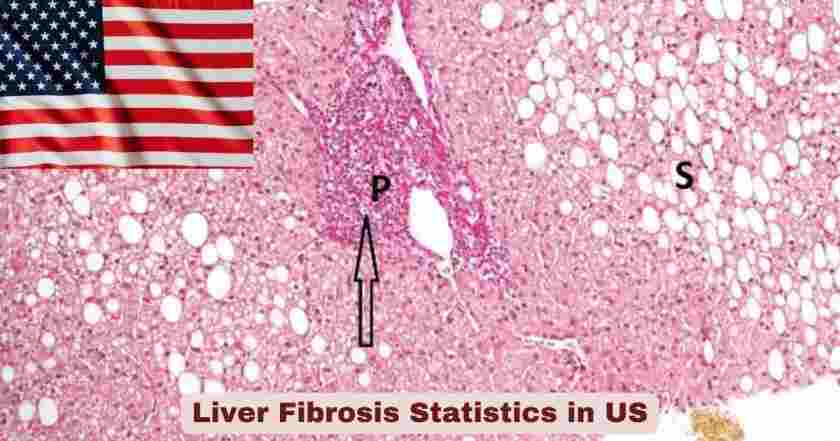
Liver fibrosis is one of those conditions that quietly destroys a vital organ long before most people even realize something is wrong. At its core, liver fibrosis is the accumulation of excessive scar tissue — primarily excess collagen — within the liver as a response to chronic injury or inflammation. When the liver sustains repeated damage over months or years, its natural repair mechanism kicks in, generating fibrous scar tissue to patch the injury. In healthy livers, this process is controlled and reversible. But in people with persistent liver damage — from metabolic dysfunction-associated steatotic liver disease (MASLD, formerly NAFLD), alcohol-related liver disease (ALD), chronic hepatitis B or C, or other causes — this scarring process becomes relentless, eventually distorting the liver’s architecture and replacing functional tissue with rigid, non-functioning fibrous bands. Left unchecked, liver fibrosis progresses to cirrhosis, the irreversible terminal stage of liver scarring, and from there to liver failure or hepatocellular carcinoma (HCC). What makes liver fibrosis particularly dangerous is how silently it advances — the vast majority of people with early-to-moderate fibrosis have no noticeable symptoms, making it one of the most underdiagnosed serious conditions in American healthcare.
The scale of liver fibrosis in the United States in 2026 is alarming by any measure. According to the most current federal health data — the CDC’s National Center for Health Statistics (NCHS) updated in February 2026 — chronic liver disease and cirrhosis claimed 52,274 lives in 2024, ranking as the 9th leading cause of death in the country, with a crude death rate of 15.4 deaths per 100,000 population. The underlying driver of this crisis is the epidemic of metabolic liver disease: the National Health and Nutrition Examination Survey (NHANES) 2017–2023 data, published in Hepatology in November 2025, found that 11.3% of U.S. adults — representing tens of millions of people — have clinically significant liver fibrosis, and that this proportion rose from 10.4% to 12.7% between the pre-pandemic and pandemic survey cycles. With obesity, type 2 diabetes, and metabolic syndrome continuing to rise across the American population, liver fibrosis in the US 2026 is on a trajectory that healthcare systems, policymakers, and patients urgently need to understand and address.
Key Interesting Facts About Liver Fibrosis in the US 2026
Before examining the full statistical breakdown of liver fibrosis in the United States 2026, it is worth pausing on some of the most striking verified facts drawn from U.S. government health agencies, peer-reviewed studies using CDC WONDER and NHANES data, and NIH-affiliated research published through 2025–2026.
| Fact Category | Key Fact |
|---|---|
| Total Deaths from Chronic Liver Disease & Cirrhosis | 52,274 deaths in 2024 — the 9th leading cause of death in the US (CDC NCHS, February 2026) |
| Death Rate | 15.4 deaths per 100,000 population (crude); 13.0 per 100,000 age-adjusted (CDC NCHS 2024 data) |
| Fibrosis Prevalence — US Adults | 11.3% of US adults have clinically significant liver fibrosis (NHANES 2017–2023, Hepatology Nov 2025) |
| Rising Fibrosis Trend | Fibrosis prevalence rose from 10.4% to 12.7% between pre-pandemic and pandemic survey cycles |
| Adults with Diagnosed Liver Disease | 4.5 million U.S. adults have a diagnosed liver disease (CDC NCHS, NHIS 2018) |
| MASLD (formerly NAFLD) Prevalence | ~25–28% of US adults have steatotic liver disease — up to 100 million Americans |
| NASH/MASH Prevalence | 1.5% to 6.5% of US adults have MASH (metabolic steatohepatitis), the form that drives fibrosis (NIDDK/NIH) |
| Cirrhosis Burden | An estimated 2–7 million US adults are affected by cirrhosis (PMC/CDC WONDER 2025) |
| Alcohol-Related Fibrosis Cost Projection | Alcohol-associated liver disease costs projected to reach $66 billion annually by 2040 |
| Cirrhosis Healthcare Cost | National cost of cirrhosis-related care was $32.5 billion in 2016; significantly higher today with 4.3%/year increase |
| Liver Transplant Cost | Management of advanced liver disease requiring transplant can exceed $300,000 per patient per year |
| COVID-19 Impact on Fibrosis | The pandemic period was associated with a 2.2% increase in clinically significant fibrosis prevalence and an odds ratio of 1.47 for developing CSF |
Source: CDC/NCHS FastStats Chronic Liver Disease and Cirrhosis, last reviewed February 20, 2026; NHANES 2017–2023 data published in Hepatology, November 2025; NIH/NIDDK; CDC WONDER Mortality Database
These facts, taken together, reveal a public health emergency hiding in plain sight. The figure of 52,274 deaths in 2024 is striking on its own — but what makes it even more alarming is the evidence that these deaths represent a significant undercount of the true liver-related mortality burden, since many liver disease deaths are attributed to other causes like cardiovascular disease or diabetes on death certificates. The 11.3% fibrosis prevalence figure from NHANES 2017–2023, published in one of the most authoritative hepatology journals, is perhaps the single most important statistic in this entire picture: roughly 1 in 9 American adults currently has liver scarring significant enough to place them at elevated risk of cirrhosis, liver cancer, or liver failure. The fact that this number rose measurably during the COVID-19 pandemic — driven largely by increased alcohol consumption and metabolic deterioration — signals that liver fibrosis trends in the US are worsening, not stabilizing.
Liver Fibrosis Prevalence Statistics in the US 2026
Understanding how widespread liver fibrosis is in America 2026 requires examining data from multiple layers of the U.S. population. The most authoritative recent sources are the NHANES 2017–2023 analysis published in Hepatology (November 2025) by NIH/NIDDK researchers, and the CDC NCHS FastStats, last updated February 20, 2026.
| Metric | Statistic | Source / Period |
|---|---|---|
| Adults with diagnosed liver disease | 4.5 million (1.8% of adults 18+) | CDC NCHS / NHIS 2018 |
| Overall liver fibrosis prevalence (liver stiffness >8 kPa) | 11.3% of US adults | NHANES 2017–2023, Hepatology Nov 2025 |
| Fibrosis prevalence — pre-pandemic cycle (2017–2020) | 10.4% | NHANES, Hepatology Nov 2025 |
| Fibrosis prevalence — pandemic cycle (2021–2023) | 12.7% | NHANES, Hepatology Nov 2025 |
| Steatotic liver disease (SLD) prevalence | 28.7% of adults (CAP >300 dB/m) | NHANES 2017–2023, Hepatology Nov 2025 |
| MASLD prevalence (metabolic fatty liver) | 25.6% of adults | NHANES 2017–2023, Hepatology Nov 2025 |
| Estimated adults with any chronic liver disease | ~112.8 million | PMC / Medicare Advantage data, 2025 |
| Estimated adults with cirrhosis | 2–7 million | CDC WONDER-based analysis, 2025 |
| Advanced fibrosis (FIB-4 high probability) | 2.3% (95% CI: 1.2–3.7%) in general population | Systematic review & meta-analysis, PMC 2024 |
| Significant fibrosis (VCTE-based) | 7.3% of general population | PMC systematic review, 2024 |
Source: CDC/NCHS FastStats Chronic Liver Disease, last reviewed February 20, 2026; NHANES 2017–2023 published in Hepatology, Vol. 82(5), November 2025 (NIH/NIDDK funded); PMC systematic review and meta-analysis, 2024
The prevalence numbers here deserve careful unpacking. When NHANES data shows 11.3% of U.S. adults have clinically significant liver fibrosis, and that this percentage climbed from 10.4% to 12.7% across survey cycles, that represents a real and measurable increase in one of the most serious forms of chronic liver damage — not just a counting artifact or diagnostic shift. The 28.7% steatotic liver disease prevalence is the upstream driver of this fibrosis epidemic: nearly 3 in 10 American adults have excess liver fat detectable by imaging, placing them on a potential progression pathway toward inflammation, fibrosis, and cirrhosis over years or decades. The estimate of 112.8 million adults living with any chronic liver disease is a figure that should reframe how Americans think about liver health — this is not a niche condition affecting a small at-risk subgroup, but rather a condition that touches more than one-third of the entire adult population in some form.
Liver Fibrosis Mortality Statistics in the US 2026
The mortality data on liver fibrosis and cirrhosis in the United States 2026 is drawn directly from the CDC’s National Center for Health Statistics, sourced through the National Vital Statistics System and updated on February 20, 2026 using 2024 mortality data via CDC WONDER.
| Mortality Metric | Data Point | Source |
|---|---|---|
| Total deaths from chronic liver disease & cirrhosis (2024) | 52,274 deaths | CDC NCHS FastStats, February 20, 2026 |
| Crude death rate (2024) | 15.4 deaths per 100,000 population | CDC NCHS / National Vital Statistics System 2024 |
| Age-adjusted death rate (2023) | 13.0 per 100,000 | CDC NCHS / NVSS 2023 (NCHS Data Brief No. 521, December 2024) |
| Cause of death rank | 9th leading cause of death in the United States | CDC NCHS FastStats, February 20, 2026 |
| Trend 2000–2019: age-adjusted rate increase | Rose 26.4% — from 9.7 to 12.2 per 100,000 (all cirrhosis) | NIAAA Surveillance Report #118 |
| Alcohol-related cirrhosis death rate increase (2000–2019) | +47% — from 4.3 to 6.4 per 100,000 | NIAAA Surveillance Report #118 |
| CLD mortality increase — younger adults (2000–2020) | Rose in all subgroups of 25–44 year olds | CDC WONDER analysis, Cureus, May 2025 |
| Highest mortality subgroup | American Indian/Alaska Native men aged 35–44: avg 19.4 deaths per 100,000 | CDC WONDER, Cureus May 2025 |
| Alcohol-related share of cirrhosis deaths | 50.3% of all cirrhosis deaths in 2019 were alcohol-related | NIAAA Surveillance Report #118 |
| Alcohol-related cirrhosis — ages 25–34 | 80.9% of deaths in this age group were alcohol-related | NIAAA Surveillance Report #118 |
Source: CDC/NCHS FastStats Chronic Liver Disease and Cirrhosis, last reviewed February 20, 2026 (2024 data via CDC WONDER); CDC NCHS Data Brief No. 521, December 2024; NIAAA Surveillance Report #118; CDC WONDER-Based Analysis, Cureus, May 2025
The mortality landscape of liver fibrosis and cirrhosis in America 2026 tells a deeply troubling story, especially when age-disaggregated data is examined. While the overall picture of 52,274 deaths in 2024 is sobering enough on its own, what is particularly alarming is the documented rise in liver disease mortality among younger Americans. The CDC WONDER analysis published in Cureus in May 2025 confirmed that chronic liver disease mortality increased in all subgroups of adults aged 25 to 44 between 2000 and 2020 — a cohort that has traditionally not been considered high-risk for liver-related death. The disproportionate burden on American Indian and Alaska Native men aged 35–44, who record an average of 19.4 deaths per 100,000 — among the highest rates of any demographic group — reflects deep and persistent health disparities that go far beyond individual lifestyle choices and implicate systemic access, economic, and cultural factors. The fact that alcohol-related causes account for 80.9% of cirrhosis deaths in the 25–34 age bracket underscores that for young Americans dying of liver disease, alcohol-associated liver injury — now increasingly recognized as a fibrosis driver comparable to MASLD — is the single dominant pathway.
Liver Fibrosis Statistics by Risk Factor & Cause in the US 2026
Liver fibrosis in the United States 2026 does not arise from a single cause. It sits at the intersection of metabolic disease, alcohol use, viral hepatitis, and other chronic liver conditions. Each pathway carries its own burden and prevalence profile, grounded in NHANES and CDC-affiliated data.
| Cause / Risk Factor | Key Statistic | Source |
|---|---|---|
| MASLD (Metabolic Fatty Liver Disease) | ~25.6% of US adults (NHANES 2017–2023); 31.9% by alternate MASLD cutoff | Hepatology Nov 2025; NHANES-based |
| MASH (Metabolic Steatohepatitis, driving fibrosis) | 1.5%–6.5% of US adults have MASH | NIH/NIDDK |
| Obesity co-occurrence with MASLD | Over 90% of obese Americans develop MASLD | NCBI/StatPearls, August 2025 |
| Diabetes co-occurrence with MASLD | 60% of diabetic patients develop MASLD; 1/3 to 2/3 of type 2 diabetes patients have NAFLD/MASLD | NIH/NIDDK |
| Alcohol-Related Liver Disease (ALD) | 50.3% of all cirrhosis deaths in 2019 were alcohol-related | NIAAA Surveillance Report #118 |
| COVID-19 pandemic alcohol increase → fibrosis | Moderate/excessive alcohol use: OR 2.13 for clinically significant fibrosis | NHANES/PMC, 2025 |
| Advanced fibrosis in ALD vs. MASLD | ALD had two-fold higher proportion of advanced fibrosis compared to MASLD | PubMed, November 2024 |
| MASLD progression risk to MASH per year | 7%–35% annual risk of MASLD progressing to MASH | NCBI/StatPearls, August 2025 |
| Fibrosis associated with diabetes | Diabetes, high BMI, high BP all independently associated with fibrosis | NHANES 2017–2023, Hepatology Nov 2025 |
| Non-Hispanic Black inverse association | Non-Hispanic Black adults inversely associated with both MASLD and fibrosis | NHANES 2017–2023, Hepatology Nov 2025 |
Source: NIH/NIDDK NAFLD/MASLD Definition & Facts (updated October 2025); NHANES 2017–2023 analysis, Hepatology Vol. 82(5), November 2025; NIAAA Surveillance Report #118; NCBI StatPearls (MASLD), August 2025; PMC peer-reviewed COVID-19 era fibrosis study, 2025
The risk factor data for liver fibrosis in the US 2026 reveals how tightly this condition is intertwined with the broader epidemic of metabolic disease that is already straining the American healthcare system. The fact that over 90% of obese Americans develop MASLD — and that 60% of diabetic patients have MASLD — means that liver fibrosis is not an isolated liver problem but rather the downstream hepatic consequence of obesity, insulin resistance, and metabolic syndrome. With obesity rates in the United States continuing to rise, the liver fibrosis pipeline will only grow larger over time. The COVID-19 data introduces another dimension that is still being fully appreciated by clinicians: during the pandemic, excessive alcohol consumption became a measurable and statistically significant driver of clinically significant fibrosis — with drinkers showing nearly double the odds (OR: 2.13) of developing significant liver scarring compared to non-drinkers. The pandemic-era increase in fibrosis prevalence from 10.4% to 12.7% may represent a preview of the long-term chronic liver disease burden that will become fully visible in clinical systems over the next decade.
Liver Fibrosis Symptoms Statistics in the US 2026
One of the most medically consequential aspects of liver fibrosis in America 2026 is how silent the condition is, especially in its earlier stages. Understanding the symptom profile — and critically, the lack thereof — has direct implications for why so many Americans go undiagnosed until fibrosis has reached advanced stages.
| Symptom / Clinical Feature | Description & Significance | Noted In |
|---|---|---|
| Asymptomatic (early fibrosis) | The majority of patients with early to moderate fibrosis have no symptoms — often discovered incidentally | NIH/NIDDK; StatPearls MASLD Aug 2025 |
| Fatigue | The most common reported symptom of MASLD/MASH — often vague and attributed to other causes | NCBI StatPearls, August 2025 |
| Right upper abdominal discomfort | Dull ache or heaviness in the right abdomen as the liver enlarges | NIH/NIDDK |
| Jaundice (yellowing of skin/eyes) | Appears in moderate-to-advanced fibrosis and cirrhosis when bilirubin is not properly processed | NIH/NIDDK; CDC |
| Spider angiomas & palmar erythema | Skin vascular changes visible in advanced fibrosis and cirrhosis | Clinical hepatology guidelines |
| Ascites (fluid accumulation in abdomen) | A sign of decompensated cirrhosis — significant abdominal swelling | AASLD clinical guidance |
| Portal hypertension signs | Varices, splenomegaly — develops in late-stage fibrosis/early cirrhosis | AASLD; EASL-EASD-EASO 2024 guidelines |
| Mental confusion / hepatic encephalopathy | Occurs in decompensated cirrhosis; ammonia buildup affects brain function | NIH/NIDDK |
| Unexplained weight loss | May accompany advanced liver disease and hepatocellular carcinoma | NIH/NIDDK; CDC |
| Easy bruising or bleeding | Reduced clotting factor production as liver function deteriorates | NIH/NIDDK |
Source: NIH/NIDDK (Symptoms & Causes of NAFLD & NASH); NCBI StatPearls — Metabolic Dysfunction-Associated Steatotic Liver Disease (MASLD), August 2025; EASL-EASD-EASO Clinical Practice Guidelines on MASLD, 2024 (PubMed); CDC
The symptom picture of liver fibrosis in the United States 2026 is dominated by one critical reality: early liver fibrosis is almost entirely asymptomatic. This is not just a minor clinical inconvenience — it is the fundamental reason why millions of Americans carry liver scarring for years without any diagnosis, while the condition advances silently toward the threshold of cirrhosis. By the time symptoms like jaundice, ascites, or hepatic encephalopathy appear, the liver has typically progressed to advanced cirrhosis or decompensated liver disease, dramatically narrowing treatment options and worsening prognosis. Fatigue, the most commonly reported symptom of MASLD-related liver disease, is so non-specific that most patients and even clinicians attribute it to a host of other conditions long before liver disease is considered. This diagnostic delay is one of the driving forces behind the large gap between the 11.3% fibrosis prevalence seen in NHANES population surveys and the far smaller number of people who carry an active liver fibrosis diagnosis in the healthcare system. Closing this gap through proactive screening in high-risk populations — particularly those with diabetes, obesity, and metabolic syndrome — is one of the most important clinical challenges in American hepatology in 2026.
Liver Fibrosis Demographic & Racial Disparity Statistics in the US 2026
The burden of liver fibrosis in the United States 2026 is not shared equally. Multiple federal data sources reveal significant disparities by age, sex, and racial/ethnic group that demand targeted public health attention.
| Demographic Group | Key Statistic | Source |
|---|---|---|
| Men vs. Women — MASLD | MASLD associated with male sex in multivariable analysis | NHANES 2017–2023, Hepatology Nov 2025 |
| Women — CLD/cirrhosis mortality trend | Alcohol-related cirrhosis death rate for women rose 83.5% from 2000–2019 | NIAAA Surveillance Report #118 |
| White women — cirrhosis increase | Cirrhosis death rates for White females rose 106% (2000–2019) | NIAAA Surveillance Report #118 |
| American Indian/Alaska Native (AI/AN) men 35–44 | Highest CLD mortality — avg 19.4 deaths per 100,000 | CDC WONDER, Cureus May 2025 |
| Age group: 45–64 | Death rate rose 31% (from 20.1 to 26.4 per 100,000) from 2000–2015 | CDC MMWR (NVSS data) |
| Non-Hispanic Black adults | Inversely associated with MASLD and fibrosis vs. other groups | NHANES 2017–2023, Hepatology Nov 2025 |
| Hispanic/Latino men | Age-adjusted cirrhosis death rate for Hispanic White males = 1.4× that of non-Hispanic White males | NIAAA Surveillance Report #118 |
| Mexican-origin Hispanics | Highest cirrhosis death rates among Hispanic subgroups | NIAAA Surveillance Report #118 |
| Young adults (25–34) and ALD | 80.9% of cirrhosis deaths in this group were alcohol-related | NIAAA Surveillance Report #118 |
| MASLD burden by sex after age 60 | US females exceed males in MASLD DALYs and mortality after age 60–64 | PMC GBD analysis, 2025 |
Source: NIAAA Surveillance Report #118 (Liver Cirrhosis Mortality in the United States); CDC WONDER-based Analysis, Cureus, May 2025; NHANES 2017–2023, Hepatology Vol. 82(5), November 2025; CDC MMWR National Vital Statistics System data
The demographic data on liver fibrosis and cirrhosis in America 2026 exposes some of the most striking health inequities in the entire chronic disease landscape. The trajectory for women is particularly alarming: while men still account for the majority of liver disease deaths overall, the rate of increase in women has been dramatically faster. A 106% increase in cirrhosis death rates among White women between 2000 and 2019 is not a small statistical fluctuation — it represents a generational shift in who is dying from liver disease in America, driven largely by rising alcohol consumption among women. For American Indian and Alaska Native men aged 35–44, the average of 19.4 deaths per 100,000 is a mortality rate that reflects not just individual health behaviors but deep structural inequities in access to healthcare, prevalence of alcohol use disorder treatment, and broader social determinants of health. The Hispanic paradox also plays out in liver disease in a complicated way: despite generally lower MASLD rates compared to non-Hispanic White adults in some measures, Mexican-origin and Puerto Rican-origin Hispanics actually carry the highest cirrhosis death rates among all Hispanic subgroups, reflecting the compounding effects of ALD and metabolic risk factors.
Healthcare & Economic Cost of Liver Fibrosis in the US 2026
The financial burden of liver fibrosis and cirrhosis in the United States 2026 is enormous and growing. Data from peer-reviewed health economics studies using federal datasets quantify a cost that rivals — and in acute care settings, exceeds — other major chronic diseases.
| Economic / Healthcare Metric | Estimated Figure | Source / Context |
|---|---|---|
| National cost of cirrhosis-related care (2016 baseline) | $32.5 billion (95% CI: $27.0–$40.4 billion) | ACG / Health Metrics & Evaluation, 2021 |
| Healthcare spending growth rate (1996–2016) | 4.3% per year increase in overall CLD/cirrhosis spending | ACG journal, PubMed 2021 |
| Inpatient/ED share of CLD spending | Over 65% of all CLD/cirrhosis spending is inpatient or ED-based | ACG / Health Metrics & Evaluation, 2021 |
| Cirrhosis care cost per patient-year | ~$27,467 per patient-year in medical care | PMC / Medicare Advantage study, 2025 |
| Medication costs for cirrhosis per patient-year | ~$8,917 per patient-year | PMC / Medicare Advantage study, 2025 |
| Decompensated cirrhosis cost vs. heart failure | Decompensated cirrhosis exceeds heart failure costs by 45.5% per patient-month | PMC / Medicare Advantage study, 2025 |
| Liver transplant cost (advanced MASH/MASLD) | Can exceed $300,000 per patient per year | Journal of Managed Care & Specialty Pharmacy, 2024 |
| Alcohol-associated liver disease projected annual cost (2040) | Projected to reach $66 billion/year | American Journal of Gastroenterology, 2024 |
| NAFLD/MASLD direct annual medical costs (US) | ~$103 billion ($1,613 per patient) for projected 64 million patients | PubMed economic model |
| US liver fibrosis treatment market value (2024) | $4.87 billion — projected to reach $14.18 billion by 2034 | Precedence Research, 2025 |
Source: ACG — Trends in the Economic Burden of Chronic Liver Diseases and Cirrhosis (PubMed 2021); PMC — Comparing the Cost of Cirrhosis to Other Common Chronic Diseases, 2025; Journal of Managed Care & Specialty Pharmacy, June 2024; American Journal of Gastroenterology, 2024; Precedence Research Liver Fibrosis Treatment Market 2025
The economic data on liver fibrosis in America 2026 paints a picture of a condition whose true cost is still being underestimated at the policy level. The $32.5 billion baseline from 2016 cirrhosis-related spending — which has been growing at 4.3% annually — has almost certainly crossed $40–45 billion in today’s dollars, and that figure does not include the full upstream cost of managing MASLD and early fibrosis stages before they progress to cirrhosis. The finding that decompensated cirrhosis costs exceed heart failure by 45.5% per patient-month is a critical comparison that healthcare economists and payers need to internalize — liver disease may be less prominently discussed than cardiovascular disease in public health campaigns, but its acute care cost intensity is actually higher. The projection that alcohol-associated liver disease alone will cost $66 billion per year by 2040 — driven by the rise in decompensated cirrhosis costs — represents a preventable financial catastrophe if public health interventions targeting alcohol use disorder are not substantially scaled up. The fact that over 65% of all CLD-related spending is in inpatient and emergency department settings tells you exactly what is happening: patients are being discovered late, when their disease has already reached a crisis point that requires expensive hospitalization, rather than being caught early and managed cost-effectively in outpatient settings.
Liver Fibrosis Treatment Options in the US 2026
The treatment landscape for liver fibrosis in the United States 2026 has seen its most important milestone in decades: the FDA approval of resmetirom (Rezdiffra™) in March 2024, the first drug ever approved specifically for non-cirrhotic MASH with moderate-to-advanced fibrosis. This has opened a new era in pharmacological management alongside established lifestyle and procedural options.
| Treatment Type | How It Works / Efficacy | Evidence Base / Approval Status |
|---|---|---|
| Weight loss (lifestyle intervention) | Losing 3%–5% body weight reduces liver fat; 7%–10% reduces inflammation and fibrosis | NIH/NIDDK; NIDDK Treatment Guidance (updated 2025) |
| Dietary modification | Mediterranean-style diet reduces hepatic steatosis and fibrosis risk | NIH/NIDDK; EASL-EASD-EASO 2024 Guidelines |
| Physical activity | Exercise alone improves liver fat even without weight loss | NIH/NIDDK; AASLD guidelines |
| Resmetirom (Rezdiffra™) | Selective thyroid hormone receptor-beta agonist; reduces fibrosis in MASH F2–F3; first FDA-approved MASH drug (March 2024) | FDA approved; Phase 3 MAESTRO-NASH trial; PMC 2025 |
| GLP-1 agonists (semaglutide, tirzepatide) | Promote weight loss; reduce hepatic steatosis and fibrosis; semaglutide may cause fibrosis regression | EASL-EASD-EASO 2024; trial data showing 63% MASH resolution in one trial |
| SGLT-2 inhibitors | Reduce liver fat and fibrosis in patients with metabolic risk factors | NIH/NIDDK; EASL-EASD-EASO guidelines 2024 |
| Pioglitazone (for patients with diabetes/prediabetes) | Reduces liver inflammation and fibrosis in MASH | EASL-EASD-EASO 2024; NIDDK |
| Vitamin E (non-diabetic adults) | Antioxidant; reduces liver inflammation in non-diabetic MASH | NIH/NIDDK; AASLD guidelines |
| Bariatric/metabolic surgery | Can significantly improve or resolve MASLD and fibrosis in patients with obesity | NIH/NIDDK; EASL-EASD-EASO 2024 guidelines |
| Liver transplantation | Last resort for decompensated cirrhosis or HCC; MASH projected to be #1 indication for liver transplant in the US by 2025 | Journal of Managed Care & Specialty Pharmacy, 2024 |
Source: NIH/NIDDK Treatment for NAFLD & NASH (updated 2025); FDA resmetirom approval March 2024; EASL-EASD-EASO Clinical Practice Guidelines on MASLD, PubMed 2024; PMC Resmetirom review, 2025; StatPearls MASLD, August 2025
The treatment picture for liver fibrosis in America 2026 is genuinely more hopeful than it was just two years ago, primarily because of the landmark FDA approval of resmetirom in March 2024 — the first dedicated pharmacological therapy for MASH-related fibrosis in history. Clinical trial data showed resmetirom achieved significant fibrosis regression in patients with stage F2–F3 fibrosis, and it has quickly become a foundational option in specialist management of non-cirrhotic MASH. However, resmetirom does not negate the critical role of lifestyle modification — NIH/NIDDK guidance continues to emphasize that losing 7%–10% of body weight produces meaningful fibrosis regression in MASLD patients, and that physical activity alone — even without weight loss — improves liver fat content. The most clinically significant development beyond resmetirom has been the emerging evidence base for GLP-1 receptor agonists like semaglutide and tirzepatide, which were already transforming the treatment of obesity and type 2 diabetes and are now showing compelling liver-specific benefits including fibrosis regression. One clinical trial showed semaglutide associated with MASH resolution in 63% of treated patients and fibrosis regression in more than a third — results that are reshaping how hepatologists and primary care physicians approach metabolic liver disease simultaneously with its systemic comorbidities.
Liver Fibrosis Prevention Statistics & Strategies in the US 2026
Preventing liver fibrosis in America 2026 is fundamentally about interrupting the upstream causes — metabolic dysfunction, alcohol misuse, and viral hepatitis — before they accumulate enough liver injury to initiate the scarring process. Prevention evidence comes from NIH/NIDDK clinical guidance, CDC recommendations, and population-level data.
| Prevention Strategy | Evidence Base / Impact | Source |
|---|---|---|
| Maintain healthy body weight | Losing 3%–5% of body weight reduces liver fat; prevents MASLD progression to fibrosis | NIH/NIDDK (updated October 2025) |
| Follow a healthy diet (low in refined carbs, sugar, saturated fat) | Reduces hepatic steatosis; Mediterranean diet associated with lower fibrosis risk | NIH/NIDDK; EASL-EASD-EASO 2024 |
| Regular physical activity | Even without weight loss, exercise reduces liver fat and fibrosis markers | NIH/NIDDK; AASLD |
| Limit or eliminate alcohol consumption | ALD responsible for 50.3% of cirrhosis deaths; eliminating alcohol is most direct ALD-related fibrosis prevention | NIAAA; CDC |
| Hepatitis B vaccination | Prevents HBV infection, a major global driver of liver fibrosis and cirrhosis | CDC immunization guidance |
| Hepatitis C treatment (antiviral cure) | HCV cure rates with direct-acting antivirals exceed 95% — eliminates viral fibrosis driver | NIH/NIDDK; CDC |
| Manage type 2 diabetes and insulin resistance | Controlling blood glucose reduces MASH risk and fibrosis progression | NHANES data; NIDDK; EASL 2024 |
| Control blood pressure and cholesterol | Both independently associated with liver fibrosis in NHANES 2017–2023 multivariate analysis | NHANES 2017–2023, Hepatology Nov 2025 |
| Avoid hepatotoxic substances | Certain herbal supplements and medications can worsen liver injury and fibrosis | NIH/NIDDK; NCCIH |
| Early screening in high-risk groups (FIB-4, FibroScan) | FIB-4 index is recommended as first-line non-invasive fibrosis screening tool; allows intervention before advanced fibrosis | EASL-EASD-EASO 2024; AASLD guidelines |
Source: NIH/NIDDK Treatment and Prevention for NAFLD & NASH (updated October 2025); EASL-EASD-EASO Clinical Practice Guidelines on MASLD, PubMed 2024; NIAAA Surveillance Report #118; CDC immunization and hepatitis guidance; NHANES 2017–2023, Hepatology November 2025
The prevention data for liver fibrosis in the United States 2026 points directly at the intersection of lifestyle medicine and proactive healthcare. The two most powerful preventable drivers of liver fibrosis in America — metabolic dysfunction (obesity, diabetes, metabolic syndrome) and excessive alcohol consumption — are both theoretically modifiable at the individual and population level, even if achieving meaningful change at scale has proven extraordinarily difficult. The NIH/NIDDK guidance is clear: even a 3%–5% reduction in body weight produces measurable reduction in liver fat, and weight loss of 7%–10% can meaningfully reduce inflammation and fibrosis. These are achievable thresholds for most people with dedicated lifestyle support, and the emergence of GLP-1 agonists as both metabolic and liver-targeted therapies creates an unprecedented opportunity to address fibrosis prevention and treatment simultaneously in the large population of Americans with obesity and type 2 diabetes. The role of early non-invasive screening using tools like the FIB-4 blood test or FibroScan liver elastography is growing in clinical guidelines precisely because the asymptomatic nature of early fibrosis means that without proactive screening, high-risk individuals will simply never be identified until their disease has progressed to a point where options are far more limited and costs are far higher. Screening the estimated 25–28% of American adults with MASLD for elevated fibrosis risk is the single most scalable intervention available to reduce the downstream liver fibrosis burden in America in 2026 and beyond.
Disclaimer: This research report is compiled from publicly available sources. While reasonable efforts have been made to ensure accuracy, no representation or warranty, express or implied, is given as to the completeness or reliability of the information. We accept no liability for any errors, omissions, losses, or damages of any kind arising from the use of this report.