
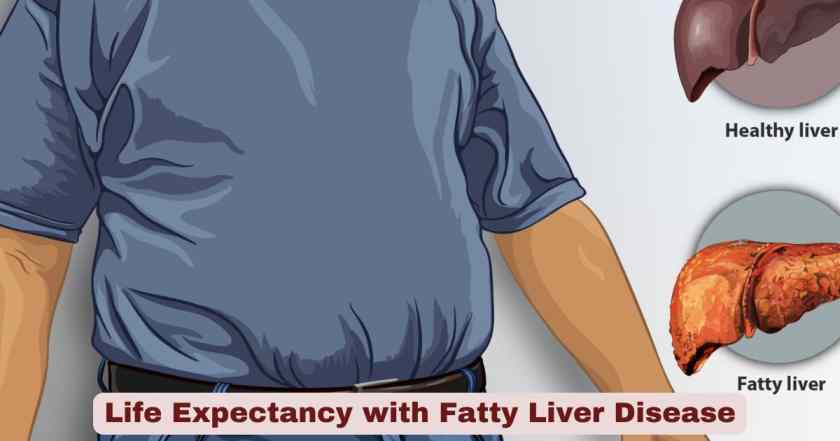
Fatty Liver Disease in America 2026
Fatty liver disease — now most accurately called Metabolic Dysfunction-Associated Steatotic Liver Disease (MASLD) following a landmark 2023 international consensus renaming — is the most common chronic liver condition in the United States and the world. It refers to the abnormal accumulation of fat in the liver cells that is not caused by significant alcohol consumption, and it exists on a broad spectrum: from simple fat accumulation (steatosis) with no inflammation, to the more dangerous Metabolic Dysfunction-Associated Steatohepatitis (MASH) — formerly known as NASH — which involves active liver inflammation, cell damage, and progressive scarring (fibrosis) that can eventually lead to cirrhosis, liver failure, hepatocellular carcinoma (HCC), and death. The renaming from NAFLD to MASLD in June 2023 was designed to reduce the stigma associated with the word “fatty” and to more accurately reflect the condition’s deep entanglement with metabolic dysfunction — obesity, type 2 diabetes, hypertension, dyslipidaemia, and insulin resistance — as its primary drivers. Importantly, approximately 99% of patients previously diagnosed with NAFLD also meet the newer MASLD criteria, meaning historical data from NAFLD studies remains applicable to understanding MASLD outcomes.
What makes fatty liver disease in America in 2026 such a pressing public health crisis is the sheer scale of the problem combined with chronically low awareness. More than 100 million Americans are estimated to be living with some form of fatty liver disease, and the vast majority of them don’t know it. The condition progresses silently for years — often decades — with no symptoms, until advanced fibrosis or cirrhosis has already developed. This creates a scenario where many Americans first learn they have liver disease when they are already at high risk of liver failure. The United States prevalence has increased by over 50% in the past three decades, tracking in lockstep with the epidemics of obesity and type 2 diabetes that are reshaping American health. In March 2024, the FDA approved resmetirom (Rezdiffra) — the first drug ever approved to specifically treat MASH — marking a historic turning point in the treatment landscape. In August 2025, semaglutide injection received additional accelerated FDA approval for MASH with moderate to advanced fibrosis. Despite these milestones, the burden of disease in the US is expected to grow significantly for decades to come without broader population-level intervention on the metabolic risk factors driving it.
Fatty Liver Disease Statistics in US 2026 — Key Facts at a Glance
The table below captures the most critical, verified facts about fatty liver disease (MASLD/NAFLD) in the United States, drawn from peer-reviewed literature published in major journals including Diabetes Spectrum, Clinical Gastroenterology and Hepatology, JAMA, the New England Journal of Medicine, the American Liver Foundation, and data from the Global Burden of Disease 2021 study.
| Fact | Data Point |
|---|---|
| Estimated Americans with fatty liver disease (MASLD/NAFLD) | ~100 million Americans (approximately 25–31% of US adults) |
| MASLD prevalence in US adults — most recent NHANES-based estimate | ~42.4% of US adults (Communications Medicine, 2024) |
| NAFLD/MASLD prevalence in the US — studies 2016–2019 | 38% (Younossi et al., Diabetes Spectrum, February 2024) |
| Prevalence increase over past 3 decades (US) | >50% increase |
| Number of Americans projected to have MASLD by 2050 | ~122 million US adults |
| Life expectancy reduction — NAFLD/MASLD vs. age-matched US peers | ~4 years lower |
| All-cause mortality risk increase in MASLD | 19% higher (HR 1.19, 95% CI 1.06–1.34) |
| US chronic liver disease and cirrhosis deaths (2017 CDC data) | 41,473 deaths; mortality rate 12.8 per 100,000 |
| US adults with chronic liver disease and cirrhosis (2017 CDC) | ~4.5 million (1.8% of adult population) |
| NAFLD/MASLD share of global chronic liver disease cases | 59% (most prevalent cause globally) |
| Leading cause of death in MASLD patients | Cardiovascular disease |
| MASH — most common cause of death increase per year | 2.6% increased annual mortality risk (those with MASH) |
| NASH/MASH as liver transplant indication | Second most common in US (rapidly becoming #1) |
| Annual US economic/medical cost of MASLD | ~$103 billion (direct costs alone) |
| FDA approval of first MASH-specific drug | Resmetirom (Rezdiffra) — March 14, 2024 |
| Second FDA-approved MASH treatment | Semaglutide injection — August 2025 |
| Annual list price of resmetirom (US) | ~$47,400 per year |
| NAFLD/MASLD prevalence in children and young adults (US, ages 6–29) | 10–20%; increased ~40% since early 2000s |
| MASLD in US adolescents | ~13% of American children |
| MASLD as leading cause of chronic liver disease in Western countries | Yes — most prevalent chronic liver condition worldwide |
Source: Younossi ZM, Henry L. Diabetes Spectrum 2024;37(1):9–19 (American Diabetes Association); American Liver Foundation (liverfoundation.org); Díaz et al. Communications Medicine 2024 (Nature); AJMC — Alarming Rise in Liver Disease, February 2026; Allen AM et al., JAMA — Estimated Burden of MASLD in US Adults, 2020–2050 (PMC11742522); ScienceDirect — GBD 2021 NAFLD incidence trends, 2025; CDC WONDER chronic liver disease mortality data; Annals of Hepatology — resmetirom affordability, 2025
The numbers behind this table represent one of the most underappreciated public health crises in modern American medicine. The figure that arguably demands the most attention is the 4-year reduction in life expectancy associated with fatty liver disease compared to age-matched peers without the condition — a finding documented in US data cited by the GBD 2021 analysis. That is not a marginal effect. Losing four years of life expectancy to a condition that is largely preventable through metabolic risk factor management represents an enormous human cost. When you overlay that against ~100 million Americans currently affected, the scale of potential years of life lost to this disease is staggering. And unlike many conditions that primarily affect the elderly, MASLD is being diagnosed in younger Americans at an accelerating rate — with prevalence in children and young adults ages 6–29 having increased by approximately 40% since the early 2000s, meaning the trajectory of the disease has decades to compound before its full mortality impact is felt.
The $103 billion in annual US direct economic costs places MASLD on par with some of the costliest disease categories in American healthcare. When societal costs are included — lost productivity, caregiver burden, disability — the estimate for total annual US economic impact rises even higher, with some analyses citing figures approaching $292 billion in total medical and societal costs annually. Against that backdrop, the approval of resmetirom in March 2024 — at an annual list price of $47,400 — represents a genuinely historic pharmaceutical milestone, but also raises immediate questions about affordability and access. The treatment exists. The financial infrastructure to make it universally accessible in the United States does not.
Life Expectancy With Fatty Liver Disease — By Stage 2026
The most critical variable determining life expectancy with fatty liver disease is not simply the diagnosis itself but the stage of fibrosis — the degree of scarring in the liver — at the time of assessment. This is the single most powerful predictor of mortality outcomes.
| Disease Stage / Fibrosis Level | All-Cause Mortality at 5 Years | All-Cause Mortality at 10 Years | Relative Risk vs. No Fibrosis | Key Context |
|---|---|---|---|---|
| Non-advanced fibrosis (F0–F2) | 3.3% | 7.7% | Reference | Lowest risk tier; slow progression typical |
| Clinically significant fibrosis (F2–F4) | 14.0% | 29.3% | Substantially elevated | Important risk threshold |
| Advanced fibrosis (F3 and F4) | 14.9% | 32.2% | 3× higher all-cause mortality vs. no advanced fibrosis | High-risk category |
| Cirrhosis (F4 — stage 4 fibrosis) | 20.6% | 41.5% | 3× higher mortality vs. F3 | Significantly reduced survival |
| Cirrhosis — liver-related mortality (10 years) | — | Higher liver-related rates | 10× higher liver-related mortality vs. non-advanced fibrosis | Liver complications dominant cause of death at this stage |
| Post-cirrhosis diagnosis (general) | — | 7–15 years average life expectancy after diagnosis | — | Varies by severity and complications |
| MASH diagnosis | — | — | 2.6% increased annual mortality risk | Inflammation accelerates progression |
| Death rate per 100 person-years — F0 to F2 | 0.32 per 100 person-years | — | — | NEJM prospective study |
| Death rate per 100 person-years — F3 | 0.89 per 100 person-years | — | — | NEJM prospective study |
| Death rate per 100 person-years — F4 (cirrhosis) | 1.76 per 100 person-years | — | — | NEJM prospective study |
| Hepatic decompensation event — hazard ratio for mortality | — | HR 6.8 (95% CI 2.2–21.3) | — | NEJM prospective cohort study |
Source: Ng CH et al. Clinical Gastroenterology and Hepatology 2023;21(4):931–939 (systematic review and meta-analysis; 14 studies, 17,301 patients); Kim D et al. — Association Between Fibrosis Stage and Outcomes; NEJM prospective cohort study — Outcomes in Adults with NAFLD (NAFLD Database-2, NASH Clinical Research Network); Hagström H et al. — Fibrosis Stage Strongest Predictor of Disease-Specific Mortality, NAFLD; myMASHteam clinical overview 2025
The fibrosis stage data in this table is among the most clinically important in all of liver disease research, and its implications for understanding life expectancy with fatty liver disease in the US in 2026 cannot be overstated. The difference between 3.3% all-cause mortality at five years for non-advanced fibrosis (F0–F2) and 20.6% all-cause mortality at five years for cirrhosis (F4) is not just a statistical gradient — it represents the difference between a condition that, at its early stages, may barely shorten life at all compared to the general population, and one that at advanced stages rivals many cancers in its five-year survival profile. The fact that advanced fibrosis carries a 10-fold higher risk of liver-related mortality compared to non-advanced fibrosis explains why the entire field of MASLD research is now focused on identifying and treating fibrosis rather than simply the presence of fat in the liver.
The landmark New England Journal of Medicine prospective cohort study from the NAFLD Clinical Research Network provides some of the most granular death-rate data available, showing that mortality rates in absolute terms roughly double with each major fibrosis stage progression — from 0.32 deaths per 100 person-years at F0–F2, to 0.89 at F3, to 1.76 at F4. The finding that a hepatic decompensation event — such as variceal bleed, ascites, or encephalopathy — multiplies mortality hazard by 6.8 times captures exactly why preventing progression to decompensated cirrhosis is the critical intervention goal. Every year of delay in reaching decompensation is a year of substantially better survival prospects. This is why the approval of resmetirom — the first drug capable of reversing fibrosis in MASH patients — represents such a potential turning-point in these mortality curves.
Fatty Liver Disease Prevalence Statistics 2026
Understanding who has fatty liver disease in the United States — and at what rates across age groups, sexes, and demographics — is essential for understanding where and how the life expectancy burden falls.
| Prevalence Metric | Data |
|---|---|
| Estimated total US adults with MASLD/NAFLD | ~75–100 million Americans |
| US adults affected by MASLD — NHANES-based estimate (2024) | ~42.4% of US adults |
| General US adult MASLD/NAFLD prevalence range (major studies) | 23–38% (variation by diagnostic method and year) |
| US MASLD prevalence by 2020 (microsimulation modelling) | 33.7% (~83–88 million adults) |
| US MASLD prevalence projected to 2050 | 41.4% — ~122 million US adults |
| NAFLD in US adults — NHANES 2017–2018 (Hispanic population) | 63.7% |
| NAFLD in US adults — NHANES 2017–2018 (non-Hispanic White) | 56.8% |
| NAFLD in US adults — NHANES 2017–2018 (non-Hispanic Black) | 46.2% |
| MAFLD (using NHANES 2009–2018) — Mexican American prevalence | 54.1% |
| MAFLD (using NHANES 2009–2018) — overall US prevalence | 34.1% |
| MAFLD sex difference — male vs. female (US) | Males 39% vs. Females 29.2% |
| MASLD in obese Americans (BMI ≥30) | Over 90% |
| MASLD in Americans with type 2 diabetes | 55–70% (NAFLD); up to 75% (MASLD per GLI 2025) |
| MASLD in normal-weight Americans | Up to 20% |
| NAFLD/MASLD in US children and young adults (ages 6–29) | 10–20%; increased ~40% since early 2000s |
| US adolescent fatty liver disease prevalence | ~13% |
| MASLD prevalence increase trend (US) — AAPC | +0.52% per year (rising) |
| NASH/MASH prevalence globally (including US) | 5–7% of general population; >37% in those with type 2 diabetes |
| MASLD — proportion undiagnosed | Vast majority — most people with condition remain undiagnosed |
Source: Younossi ZM, Henry L. Diabetes Spectrum 2024;37(1):9–19; Allen AM et al. JAMA MASLD burden 2020–2050 (PMC11742522); Díaz et al. Communications Medicine 2024 (Nature); NHANES 2017–2018 data cited in Global Incidence/Prevalence PMC (2023); PMC MAFLD NHANES 2009–2018 study (PMC12046859); UCSF News January 2024 (pediatric data); American Liver Foundation (liverfoundation.org); AJMC February 2026 (GLI data); Wikipedia — MASLD (updated 2025)
The prevalence data reveals a critical paradox at the heart of the US fatty liver disease crisis: this is simultaneously one of the most common conditions in America and one of the least diagnosed. The estimate that 42.4% of US adults have some form of steatotic liver disease in the most recent comprehensive analysis is a figure that would, if it achieved the same level of public awareness as comparable conditions, be treated as an emergency. It means that in a group of 10 Americans, roughly four of them are likely carrying excess liver fat — and most of those four have no idea. The racial and ethnic disparities are particularly striking: with Hispanic Americans showing NAFLD prevalence rates of 63.7% in NHANES data, the condition is not merely common but near-universal in some demographic groups, driven in part by the genetic PNPLA3 I148M variant that is more prevalent in Hispanic populations and associated with higher hepatic steatosis and NASH risk.
The pediatric trajectory is where the long-term life expectancy implications become most sobering. With 13% of American children already affected and rates having increased approximately 40% since the early 2000s, the foundation for a wave of advanced liver disease in working-age Americans in the 2040s and 2050s is already being laid. The 122 million projected MASLD cases by 2050 — compared to roughly 88 million in 2020 — reflect disease burden projections that assume no major breakthrough in population-level metabolic risk factor control. Given current obesity and type 2 diabetes trends, those projections are likely conservative.
Fatty Liver Disease Mortality & Cause of Death Statistics 2026
Understanding what kills Americans with fatty liver disease requires separating the direct liver causes of death from the substantially larger burden of cardiovascular and cancer mortality.
| Mortality Metric | Data |
|---|---|
| Leading cause of death in NAFLD/MASLD patients | Cardiovascular disease |
| All-cause mortality increase in MASLD vs. non-MASLD (HR) | HR 1.19 (19% higher risk) |
| Cardiovascular disease mortality risk increase in NAFLD | HR 1.55 (55% higher risk vs. general population) |
| Hepatocellular carcinoma risk increase in NAFLD | HR 6.55 (6.5× higher risk vs. general population) |
| Cirrhosis-specific mortality risk increase in NAFLD | HR 3.2 (3× higher risk vs. general population) |
| Infectious disease mortality risk in NAFLD | HR 2.71 (2.7× higher risk) |
| MASLD — cardiovascular events risk increase | 64% higher likelihood of fatal or nonfatal CVD events (OR 1.6, 95% CI 1.3–2.1) |
| MASLD with advanced liver disease — cardiovascular event risk | OR 2.6 (95% CI 1.8–3.8) |
| MASLD with T2DM — CVD risk vs. non-MASLD T2DM | 2-fold higher risk of developing CVD |
| US chronic liver disease and cirrhosis deaths (2017 CDC, most recent published) | 41,473 deaths; rate 12.8 per 100,000 |
| Breakdown of MASLD deaths — cardiovascular | ~85% of total MASLD deaths from general background + cardiovascular |
| Breakdown of MASLD deaths — liver-related (2015 US estimate) | 2.2% of total MASLD deaths (~28,200/year) |
| Projected US liver-related deaths in NAFLD population by 2030 | ~78,300 deaths/year (178% increase from 2015) |
| Extrahepatic malignancies — 2nd and 3rd causes of death in MASLD | Second cause after cardiovascular; liver-related complications third |
| NAFLD-related HCC — US deaths projected growth | From ~5,000–6,000 cases (2005) to 45,000 cases (2025 projection) |
| HCC cases expected increase 2015–2030 | 146% increase (from 10,100 to 24,900 prevalent cases) |
| Decompensated cirrhosis — projected US increase by 2050 | More than triple compared to 2020 |
| Liver transplants for NAFLD-HCC — 2003–2015 increase | 10-fold increase |
Source: Hagström H et al. — Fibrosis Stage Strongest Predictor, NAFLD (HR data for cardiovascular, HCC, cirrhosis, infectious disease); European Journal of Internal Medicine — Natural History of MASLD (CVD event data); Estes C et al. Hepatology 2018 — Epidemic of NAFLD (US mortality projections); Temporal Trends in Chronic Liver Disease Mortality, CDC WONDER, 1999–2023 (PMC12158815); Health and Economic Burden of NAFLD PMC (Shetty/Syn 2019); ScienceDirect GBD 2021 (life expectancy data); JAMA MASLD burden modelling
The cardiovascular disease dominance in fatty liver disease mortality is the data point that most significantly shapes how the condition should be managed clinically — and it is also the fact most widely misunderstood by the general public. When people hear “fatty liver disease,” they think liver failure and liver cancer. The data says the reality is mostly heart disease. In the landmark long-term follow-up study that tracked NAFLD patients over up to 33 years, cardiovascular disease accounted for the largest share of the excess mortality, with NAFLD patients carrying a 55% higher risk of cardiovascular death than matched controls. The association is not coincidental: the same insulin resistance, visceral adiposity, dyslipidaemia, and chronic systemic inflammation that drive liver fat accumulation are exactly the risk factors that accelerate atherosclerosis and coronary artery disease. MASLD is, in a very real sense, both a liver disease and a cardiovascular disease.
That said, the liver-specific mortality trajectory in the United States is deeply concerning in its own right. The projection of 78,300 liver-related deaths per year by 2030 in the NAFLD population — a 178% increase from 2015 — reflects the lag between disease onset and fatal complications. The people who will die of NAFLD-related cirrhosis and liver cancer in 2030 are already carrying the disease today, many without knowing it. The 10-fold increase in liver transplants for NAFLD-associated hepatocellular carcinoma between 2003 and 2015 gives a concrete measure of how rapidly the advanced liver disease burden has been rising in the US healthcare system, and there is no epidemiological reason to expect that growth to reverse without aggressive early detection and intervention.
Fatty Liver Disease Risk Factors & Associated Conditions 2026
Fatty liver disease does not exist in isolation — it is deeply embedded within America’s broader metabolic health crisis, and understanding the associated conditions is essential for grasping the life expectancy implications.
| Risk Factor / Associated Condition | Statistical Association with MASLD/NAFLD |
|---|---|
| Obesity (BMI ≥30) | Over 90% of obese Americans have MASLD |
| Type 2 diabetes | 55–70% of T2DM patients have NAFLD/MASLD; up to 75% per 2025 data |
| T2DM incidence in NAFLD | 65 cases per 1,000 person-years in NAFLD (vs. 44/1,000 without) |
| Overweight / obese — NAFLD incidence | 3× higher incidence than normal-weight individuals |
| Metabolic syndrome | Strongly associated; MASLD considered hepatic manifestation of metabolic syndrome |
| Insulin resistance | Core pathophysiologic driver of MASLD |
| Hypertension | Major cardiometabolic risk factor (CMRF) in MASLD definition |
| Dyslipidaemia (abnormal lipid levels) | Major CMRF; MASLD strongly associated with elevated triglycerides/low HDL |
| Cardiovascular disease — MASLD association | 64% higher CVD event risk (OR 1.6); leading cause of death |
| Chronic kidney disease (CKD) | MASLD is associated with increased risk of CKD development |
| Hepatocellular carcinoma (HCC) | HR 6.55 increased risk vs. general population; 10-fold liver transplant increase for NAFLD-HCC (2003–2015) |
| PNPLA3 gene variant — Hispanic populations | Higher prevalence of PNPLA3 I148M associated with elevated NAFLD/NASH risk in Hispanics |
| PNPLA3, TM6SF2, MBOAT7 variants | Genetic polymorphisms influencing MASLD susceptibility across racial/ethnic groups |
| Food insecurity | Children in food-insecure households >2× more likely to have fatty liver disease (UCSF, 2024) |
| Lower socioeconomic status (SES) | MASLD more prevalent in lower SES populations |
| Sedentary behaviour | Associated with higher MASLD risk independent of BMI |
| Fibrosis progression — T2DM patients | T2DM patients progress through fibrosis stages significantly faster |
| Stage 2 fibrosis (F2) in T2DM context | Predictor of mortality (classified as “high-risk NAFLD”) |
Source: Younossi ZM, Henry L. Diabetes Spectrum 2024;37(1):9–19; Communications Medicine 2024 — Disparities in SLD Prevalence by Race/Ethnicity; Digestive Diseases and Sciences 2024 — Disparities in MASLD Prevalence, Diagnosis, Treatment, Outcomes (Springer); UCSF News January 2024 (food insecurity / pediatric MASLD); Wikipedia — MASLD (updated 2025); OAE Publications — Racial and ethnic disparities in MASLD (2024); PMC PMC12046859 — MAFLD NHANES 2009–2018
The metabolic interconnectedness of fatty liver disease with the rest of America’s chronic disease burden is what makes it so difficult to solve in isolation — and so dangerous to ignore. The bidirectional relationship between MASLD and type 2 diabetes is particularly vicious: having MASLD increases your risk of developing T2DM, and having T2DM dramatically accelerates MASLD progression through fibrosis stages. T2DM patients progress faster through fibrosis than non-diabetic MASLD patients, and once they reach stage 2 fibrosis (F2) in the context of diabetes, they are classified as “high-risk NAFLD” and are at measurably elevated mortality risk. This is not a minor interaction — it is the central escalating pathway through which millions of Americans with overlapping metabolic conditions are heading toward advanced liver disease.
The UCSF finding that children in food-insecure households are more than twice as likely to develop fatty liver disease adds a social determinants dimension to the epidemiology that points directly to the structural drivers of the US MASLD epidemic. This is not merely about individual diet choices. Access to nutritious food, neighbourhood safety for physical activity, economic stress and its hormonal impacts on insulin resistance, and access to healthcare for early detection — all of these social factors shape the MASLD burden in ways that any purely clinical or pharmaceutical solution will struggle to address. The disproportionate burden falling on Hispanic Americans — both through higher prevalence and through genetic risk factors like the PNPLA3 variant — and the higher adverse outcomes documented in Black and Hispanic patients compared to White patients make fatty liver disease a health equity issue as much as a medical one.
Fatty Liver Disease Life Expectancy — Stage-by-Stage Summary 2026
A concise, evidence-based summary of what each stage of fatty liver disease means for life expectancy in practical terms for American patients.
| Stage | Prognosis / Life Expectancy Context | Key Data Point | Reversibility |
|---|---|---|---|
| Simple steatosis (MASL / no fibrosis F0) | Broadly similar life expectancy to general population if no progression | All-cause mortality 0.1% at 1 year; 7.7% at 10 years (F0–F2) | Potentially fully reversible with weight loss and metabolic risk factor control |
| MASH without fibrosis (F0–F1) | Modest life expectancy impact; progression risk is the primary concern | Still within low-risk mortality tier; low annual mortality rate | Potentially reversible |
| Significant fibrosis (F2) | Elevated risk; T2DM patients classified as “high-risk NAFLD” at this stage | Mortality begins to separate from general population meaningfully | Reversibility possible but harder; requires active intervention |
| Advanced fibrosis (F3) | Substantially reduced life expectancy; 3× all-cause mortality vs. no fibrosis; 0.89 deaths/100 person-years | All-cause mortality ~14.9% at 5 years; 32.2% at 10 years | Fibrosis regression documented but slow (F3 stage: ~12.5 years to regress one stage) |
| Cirrhosis (F4) | Significantly reduced life expectancy; 3× higher mortality vs. F3; 1.76 deaths/100 person-years | All-cause mortality ~20.6% at 5 years; 41.5% at 10 years | Difficult to reverse; management focuses on prevention of decompensation |
| Decompensated cirrhosis | Severely reduced; average life expectancy 7–15 years post-diagnosis (varies by severity) | HR 6.8 for mortality upon first decompensation event | Generally not reversible without liver transplant |
| Hepatocellular carcinoma (HCC) without spread | 5-year survival ~37% if no metastasis | Rare but rising in MASLD; 6.5× higher HCC risk vs. general population | Treatment-dependent |
| MASH-related decompensated cirrhosis | Worse prognosis than decompensated cirrhosis of other etiologies | EJIM 2023 — natural history review | Transplant candidacy evaluations critical |
Source: Ng CH et al. Clinical Gastroenterology and Hepatology 2023; NEJM NAFLD prospective cohort (NAFLD Database-2, NASH CRN); European Journal of Internal Medicine — Natural History of MASLD (2023); myMASHteam life expectancy data (citing clinical sources); American Cancer Society (HCC 5-year survival); Younossi ZM et al. Diabetes Spectrum 2024
The stage-by-stage life expectancy picture for fatty liver disease in America is one that contains genuine room for optimism at the early stages — and genuine urgency at the later ones. The critical insight is that the disease is not a death sentence at diagnosis. A patient diagnosed with simple fatty liver (MASL/steatosis alone, F0 fibrosis) who achieves meaningful weight loss, reverses insulin resistance, controls their metabolic risk factors, and receives regular monitoring faces a prognosis broadly comparable to the general population. The liver is a remarkably regenerative organ, and regression of fibrosis is documented even at stage F1 and F2 — the entire premise behind the approval of resmetirom is that pharmacological intervention can reverse fibrosis in MASH patients at F2–F3 stages.
The concern sharpens dramatically at F3 advanced fibrosis and beyond. At this stage, even without cirrhosis, the all-cause mortality data at 10 years approaches one in three patients — a statistic that is difficult to reconcile with the near-total public unawareness of what advanced fibrosis means. For the substantial population of Americans who are silently progressing from F2 to F3 without diagnosis or treatment — driven by uncontrolled obesity, type 2 diabetes, and metabolic syndrome — the window for life-altering intervention is closing with each passing year of fibrosis accumulation. The 12.5 years required for F3 to regress by one stage without pharmacological intervention underscores just how slowly fibrosis reverses naturally, and just how valuable the new generation of MASH treatments is likely to become as it becomes more accessible.
Fatty Liver Disease Projections & Future Burden 2026
Where the US fatty liver disease epidemic is heading over the next two to three decades, based on current modelling.
| Projection Metric | Data |
|---|---|
| US MASLD prevalence by 2050 | 41.4% — ~122 million US adults |
| US MASLD prevalence in 2020 (baseline) | 33.7% — ~83–88 million adults |
| Decompensated cirrhosis cases — projected increase by 2050 | More than triple vs. 2020 |
| Liver cancer (HCC) incident cases — projected increase by 2050 | Almost double vs. 2020 |
| Liver transplants — projected increase by 2050 | Almost quadruple vs. 2020 |
| MASH — projected to become #1 liver transplant indication in US | Yes — already second; rapidly approaching first |
| US NAFLD liver-related deaths by 2030 (projected) | ~78,300/year (178% increase from 2015) |
| Global NAFLD incidence trend | Continuously increasing 1990–2021; projected to continue through 2050 |
| Young people and men — highlighted priority groups | Rising proportions of NAFLD in young people and men represent major future burden |
| End-stage liver disease (NASH) — projected increase by 2030 | Expected to triple |
| MASH treatment market value projected by 2029 | ~$27.2 billion |
| Semaglutide FDA approval for MASH (second drug approved) | August 2025 — accelerated approval for MASH with F2–F3 fibrosis |
| US MASLD annual cost of care — projected increase 2000–2035 | 18% increase expected |
| US MASLD-related societal costs (annual estimate) | ~$292 billion (medical + societal combined) |
Source: Allen AM et al. JAMA — Estimated Burden of MASLD in US Adults, 2020 to 2050 (PMC11742522); Estes C et al. Hepatology 2018 — Epidemic of NAFLD; ScienceDirect GBD 2021 incidence trends (2025); AJMC February 2026 — Global Liver Institute 2025 awareness data; Annals of Hepatology — resmetirom affordability 2025 (semaglutide approval); Resmetirom review PMC12682840; Recent advances in NAFLD management — BMF 2018 (societal costs)
The projection data for the United States is a portrait of a healthcare system heading toward a liver disease crisis of historic proportions — unless meaningful action is taken on both the treatment and prevention fronts simultaneously. The finding that decompensated cirrhosis cases are projected to more than triple by 2050, that incident liver cancer will almost double, and that liver transplants will almost quadruple comes from a rigorous microsimulation modelling study published in JAMA using 2.8 million individuals as its starting population. These are not alarmist projections — they are conservative estimates based on current trends in obesity and diabetes prevalence, which themselves show no sign of reversing.
The emergence of a genuine pharmacological treatment landscape — with resmetirom as the first approved drug and semaglutide gaining its own MASH indication in August 2025 — changes the calculus somewhat. For the first time, American patients with moderate to advanced MASH fibrosis have access to treatments that can reverse liver damage rather than simply managing risk factors. The MASH treatment market projected at $27.2 billion by 2029 reflects the pharmaceutical industry’s recognition of an enormous unmet clinical need. The challenge now is whether the US healthcare system can translate these regulatory milestones into broad population-level access — and whether the $47,400 annual cost of resmetirom and equivalent pricing dynamics for semaglutide in MASH will allow the patients who need these treatments most to actually receive them.
Medical Disclaimer: The statistics and projections in this article are drawn from peer-reviewed research, government health data, and authoritative medical literature. They represent population-level findings and averages. Individual outcomes vary significantly based on stage of disease, comorbidities, treatment adherence, lifestyle factors, and access to care. This article is not a substitute for medical advice. Anyone who believes they may have fatty liver disease should seek evaluation from a qualified healthcare provider.