
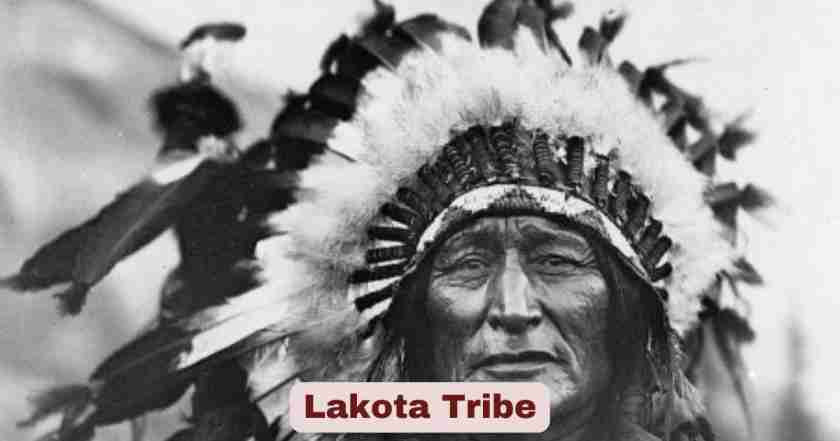
About Lakota Tribe 2025
The Lakota people represent one of the most recognized Indigenous nations in the United States, with a rich cultural heritage spanning centuries across the Northern Plains. As of 2024-2025, the Lakota Nation comprises seven federally recognized tribes collectively known as the Oceti Sakowin or Seven Council Fires. These tribes include the Oglala Sioux Tribe, Rosebud Sioux Tribe (Sicangu Lakota), Cheyenne River Sioux Tribe, Standing Rock Sioux Tribe, Lower Brule Sioux Tribe, and two others, each maintaining sovereign governmental authority over their respective reservation lands primarily in South Dakota and North Dakota.
The contemporary Lakota population faces both tremendous challenges and remarkable resilience as they work to preserve their cultural identity, language, and traditional ways of life while navigating modern socioeconomic realities. Understanding the current statistics and demographic data about the Lakota tribes in 2024-2025 provides crucial insight into the living conditions, health outcomes, economic circumstances, and cultural preservation efforts of these sovereign nations. The Bureau of Indian Affairs, U.S. Census Bureau, and Indian Health Service provide official data that illuminates both the struggles and strengths of Lakota communities across their ancestral territories in the Great Plains region.
Interesting Facts About Lakota Tribe 2024-2025
| Fact Category | Details |
|---|---|
| Total Lakota Population | Approximately 170,000 Lakota people across all tribes and locations |
| Largest Tribe | Oglala Sioux Tribe with over 52,000 enrolled members |
| Reservation Land Area | Pine Ridge Reservation: 2.1 million acres (4th largest in U.S.) |
| Language Status | Only 2,000 first-language Lakota speakers remain (critically endangered) |
| Historical Population | Over 200,000 Lakota speakers existed in the late 1800s |
| Language Decline Rate | 66% decline in speakers from 2006 to 2016 (400 speakers lost annually) |
| Average Speaker Age | 65 years old (increased from 50 years in 1993) |
| Reservation Residents | Approximately 28,000-40,000 people live on major Lakota reservations |
| Tribal Sovereignty | 7 federally recognized tribes with government-to-government relationships with U.S. |
| Sacred Territory | The Black Hills (Paha Sapa) remain sacred to all Lakota bands |
Data Source: U.S. Bureau of Indian Affairs, Lakota Language Consortium (2016), U.S. Census Bureau (2020), Oglala Sioux Tribe Official Data
The Lakota Nation demonstrates remarkable cultural continuity despite facing significant demographic and linguistic challenges. The total enrolled membership across all seven Lakota tribes exceeds 170,000 individuals, though only a fraction resides on reservation lands. The Oglala Sioux Tribe maintains the largest enrollment with over 52,000 members, operating the expansive Pine Ridge Reservation that spans 2.1 million acres across southwestern South Dakota. However, the most pressing concern for cultural preservation remains the Lakota language crisis, with only 2,000 first-language speakers remaining as of 2016, representing a catastrophic 66% decline over just 10 years.
This linguistic emergency contrasts sharply with historical records showing over 200,000 Lakota speakers in the late 1800s before the devastating impacts of boarding school policies. The average age of fluent Lakota speakers has risen to 65 years, meaning that approximately 400 speakers are lost annually without sufficient younger generations learning the language. Despite these challenges, the Lakota tribes maintain their sovereign status with seven federally recognized governments exercising jurisdiction over their territories, and their cultural institutions continue working tirelessly to revitalize traditional practices, ceremonies, and language education programs for future generations.
Lakota Tribe Population Statistics 2024-2025
| Tribe Name | Enrolled Members | Reservation Population | Reservation Size | Primary Counties |
|---|---|---|---|---|
| Oglala Sioux Tribe | 52,000+ | 18,834-19,895 | 2.1 million acres | Oglala Lakota, Jackson, Bennett (SD) |
| Rosebud Sioux Tribe | 33,210 | 11,000 | 900,000 acres | Todd, Mellette, Tripp (SD) |
| Cheyenne River Sioux Tribe | 15,993 | 8,090-12,000 | 1.4 million acres | Dewey, Ziebach (SD) |
| Standing Rock Sioux Tribe | 8,217 | 8,217 | 3,571.9 sq miles | Sioux (ND), Corson (SD) |
| Lower Brule Sioux Tribe | 3,410 | 1,664 | 404 square miles | Lyman, Stanley (SD) |
| Total Combined | 112,830+ | 47,805-49,806 | 4.5+ million acres | Multiple (SD/ND) |
Data Source: Bureau of Indian Affairs Great Plains Region, U.S. Census Bureau 2010-2020, Tribal Government Official Records, South Dakota Department of Tribal Relations
The Lakota population statistics for 2024-2025 reveal significant disparities between tribal enrollment numbers and actual reservation residents, highlighting the complex demographic patterns within these sovereign nations. The Oglala Sioux Tribe leads with over 52,000 enrolled members according to official tribal records, yet the 2020 Census reports approximately 19,895 residents living on the Pine Ridge Reservation, indicating that many tribal citizens reside off-reservation in urban areas or other locations. The Rosebud Sioux Tribe follows with 33,210 enrolled members but only about 11,000 reservation residents, demonstrating similar migration patterns driven by limited economic opportunities on reservation lands.
The Cheyenne River Sioux Tribe reports 15,993 enrolled members with approximately 8,090 to 12,000 people residing on their 1.4 million acre reservation in north-central South Dakota. The Standing Rock Sioux Tribe, spanning both North Dakota and South Dakota, maintains 8,217 enrolled members with a similar number of reservation residents across their 3,571.9 square mile territory. The Lower Brule Sioux Tribe, though smaller with 3,410 enrolled members and 1,664 reservation residents, operates their sovereign government over 404 square miles along the Missouri River. Collectively, these five major Lakota tribes account for over 112,830 enrolled tribal citizens with approximately 47,805 to 49,806 people currently living on reservation lands, managing a combined territory exceeding 4.5 million acres across the Dakotas.
Lakota Reservation Economic Indicators 2025
| Economic Metric | Pine Ridge | Rosebud | National Average | Disparity Factor |
|---|---|---|---|---|
| Poverty Rate | 53.75-80% | 49-50% | 15.6% | 3-5x higher |
| Unemployment Rate | 80-89% | 83% | 3.7% | 20-24x higher |
| Per Capita Income | $7,773-8,768 | $23,000 (household) | $27,599 | 40-70% lower |
| Median Household Income | $26,721 | $23,000 | $53,482 | 50-58% lower |
| Life Expectancy (Men) | 48 years | N/A | 76 years | 28 years lower |
| Life Expectancy (Women) | 52 years | N/A | 81 years | 29 years lower |
Data Source: U.S. Department of Interior (2005-2023), U.S. Census Bureau, Re-Member Organization, South Dakota Department of Health
The economic statistics for Lakota reservations in 2024 paint a stark picture of profound poverty and limited economic opportunity that persists across these tribal communities. The Pine Ridge Reservation reports an official poverty rate of 53.75%, though many assessments suggest the actual rate exceeds 80% when accounting for informal economies and unreported income. The unemployment rate on Pine Ridge ranges from 80% to 89%, meaning only a small fraction of working-age adults maintain formal employment. The per capita income of $7,773 to $8,768 stands in dramatic contrast to the U.S. national average of $27,599, representing approximately 40-70% lower purchasing power for reservation residents.
The Rosebud Reservation faces similarly dire economic conditions with an unemployment rate of approximately 83% and a median household income of $23,000, roughly 58% lower than the national median of $53,482. Perhaps most alarming are the health disparities reflected in life expectancy data from Pine Ridge, where men live an average of just 48 years and women 52 years—a shocking 28-29 years lower than national averages. These economic indicators reveal how historical dispossession, limited infrastructure investment, geographic isolation, and systemic inequities have created conditions where Lakota communities experience poverty rates 3-5 times higher and unemployment rates 20-24 times higher than the broader U.S. population, contributing to cascading health and social challenges that require sustained attention and resources to address.
Lakota Language and Cultural Preservation 2025
| Language Metric | 2006 Data | 2016 Data | 2024 Status | Change |
|---|---|---|---|---|
| First-Language Speakers | 6,000 | 2,000 | ~1,500-2,000 | -66% decline |
| Average Speaker Age | 50 years | 65 years | 67-70 years | +17-20 years |
| Annual Speaker Loss | N/A | 400 speakers/year | ~300-400/year | Ongoing crisis |
| Pine Ridge Language Use | N/A | 26% | ~25% | Declining |
| Rosebud Language Use | N/A | 21% | ~20% | Declining |
| Standing Rock Language Use | N/A | 13% | ~12% | Critical |
| Lower Brule Language Use | N/A | 4% | ~4% | Severely endangered |
Data Source: Lakota Language Consortium, South Dakota Magazine Language Survey, University of Colorado Linguistics Department
The Lakota language crisis represents one of the most urgent cultural preservation challenges facing the Lakota Nation in 2024-2025, with alarming statistics documenting the rapid disappearance of first-language speakers. The Lakota Language Consortium reported that first-language speakers plummeted from approximately 6,000 in 2006 to only 2,000 by 2016, marking a catastrophic 66% decline in just one decade. This translates to approximately 400 fluent speakers being lost annually, primarily due to the passing of elders and the historical disruption of intergenerational language transmission caused by boarding school policies that punished Indigenous language use throughout the 20th century.
The average age of Lakota speakers has risen dramatically from 50 years in 1993 to 65 years in 2016, and current estimates suggest it now exceeds 67-70 years, meaning the remaining speaker population consists almost entirely of elders. Language usage rates vary significantly across reservations: Pine Ridge maintains the highest percentage with approximately 26% of residents speaking Lakota, while Rosebud reports 21%, Standing Rock shows a concerning 13%, and Lower Brule has the lowest at just 4%. The Ethnologue catalog has reclassified Lakota from “Threatened” to “Moribund/Critically Endangered” status, recognizing that without immediate and sustained intervention through immersion programs, youth education initiatives, and elder documentation projects, the Lakota language faces potential extinction within the next two to three generations, representing an irreplaceable loss of cultural knowledge, worldview, and identity.
Lakota Reservation Health Statistics 2025
| Health Indicator | Lakota Reservations | National Average | Disparity |
|---|---|---|---|
| Diabetes Rate | 8x national rate | 10.5% | 800% higher |
| Tuberculosis Rate | 8x national rate | 2.2 per 100k | 800% higher |
| Cervical Cancer Rate | 5x national rate | 7.5 per 100k | 500% higher |
| Alcoholism Rate | 80%+ | 14.1% | 467% higher |
| Infant Mortality | 300% higher | 5.4 per 1,000 | 3x higher |
| Teenage Suicide Rate | 150% higher | 10.7 per 100k | 2.5x higher |
| Food Insecurity (children) | 28% | 16% | 75% higher |
Data Source: Indian Health Service, South Dakota Department of Health (2023), U.S. Commission on Civil Rights, Re-Member Research
The health crisis affecting Lakota reservations in 2024 extends far beyond individual illnesses, representing systemic healthcare disparities rooted in poverty, geographic isolation, and historical trauma. Diabetes affects Lakota communities at eight times the national average, with nearly 50% of adults over age 40 on Pine Ridge Reservation living with the disease. The tuberculosis rate similarly runs 800% higher than national figures, while cervical cancer occurs at five times the national rate. These elevated chronic disease rates stem from multiple factors including limited access to preventive care, food deserts lacking fresh produce, and inadequate medical infrastructure across vast reservation territories.
Mental health and substance abuse challenges compound physical health problems, with alcoholism affecting over 80% of reservation residents according to some estimates, and the teenage suicide rate running 150% higher than the U.S. average. The infant mortality rate stands at 300% above the national average, while a 2021 study documented Native American maternal mortality at 121.77 deaths per 100,000 births compared to 44 for white women. Perhaps most concerning, 28% of Native American households with children experience food insecurity, nearly double the 16% rate for non-Native households. The life expectancy on Pine Ridge—48 years for men and 52 years for women—ranks as the second-lowest in the Western Hemisphere after Haiti, starkly illustrating how these compounding health disparities create a public health emergency that demands comprehensive intervention, increased funding for Indian Health Service facilities, and addressing the underlying social determinants of health including poverty, unemployment, and inadequate infrastructure.
Lakota Reservation Infrastructure and Housing 2025
| Infrastructure Metric | Lakota Reservations | Details |
|---|---|---|
| Households Lacking Plumbing | Many communities | Several small communities lack water systems |
| Road Conditions | Poor | Majority gravel roads, flood damage common |
| Adequate Housing Shortage | Severe | Overcrowding widespread, multi-generational homes |
| Grocery Store Access | Limited | Pine Ridge: no major stores; Lower Brule: none on reservation |
| Healthcare Facilities | 1 major hospital | Limited capacity, recent federal oversight issues |
| Internet Access | Limited | Available through cooperatives but not universal |
| Distance to Major City | Rapid City: 100+ miles | Transportation barriers significant |
| Electricity Provider | Rural cooperatives | West Central Rural Electric Cooperative |
Data Source: Bureau of Indian Affairs Agency Reports, Tribal Government Records, U.S. Census Bureau
The infrastructure deficits across Lakota reservations in 2024 create daily hardships that exacerbate poverty and limit opportunities for economic development and improved health outcomes. Many of the 13 small communities on the Cheyenne River Reservation lack adequate water systems, forcing residents to live without running water or proper sanitation facilities. Road infrastructure remains severely inadequate, with the Lower Brule Reservation maintaining approximately 200 miles of roads, including 107 miles of gravel roads and 11 miles of unimproved dirt roads that become impassable during storms. The Cheyenne River Agency reports that maintaining reservation roads larger than the State of Connecticut operates on a budget “inadequate for most small counties,” leading to chronic disrepair and flood damage.
Housing shortages force multiple generations to crowd into small homes, with some households on Pine Ridge housing more than a dozen individuals. Food access presents another critical challenge: the Pine Ridge Reservation has no major grocery stores despite its 2.1 million acre expanse, forcing residents to travel great distances or rely on convenience stores selling processed foods at inflated prices. The Lower Brule Reservation similarly lacks a grocery store across its 404 square mile territory. Healthcare infrastructure remains dangerously inadequate, with Pine Ridge operating one hospital that recently faced federal oversight for quality concerns. The closest major urban center, Rapid City, lies 100 miles from Pine Ridge, creating significant transportation barriers for employment, healthcare, and essential services. These infrastructure gaps—inadequate water systems, poor roads, housing shortages, food deserts, limited healthcare facilities, and geographic isolation—create a self-reinforcing cycle of poverty and poor health that cannot be addressed without substantial federal investment in basic infrastructure development.
Lakota Education and Youth Statistics 2025
| Education Metric | Lakota Reservations | National Average | Gap |
|---|---|---|---|
| High School Dropout Rate | 70% (Pine Ridge) | 5.1% | 13.7x higher |
| Population Under Age 20 | 42.4% | 25.5% | Much younger demographic |
| Tribal College | Oglala Lakota College (1971) | N/A | 4-year degrees available |
| Language Immersion Programs | Multiple reservations | N/A | Growing but insufficient |
| Youth Programs | Various tribal initiatives | N/A | Under-resourced |
| Access to Quality Education | Significant challenges | N/A | Teacher shortages, facilities |
| College Scholarships | Dreamstarter Academy grants | N/A | $105,612 to 14 students (2023-24) |
Data Source: Tribal Education Departments, Re-Member Organization, Running Strong for American Indian Youth
The education crisis on Lakota reservations in 2024 undermines the future prospects of a predominantly young population while simultaneously threatening language and cultural preservation efforts. The Pine Ridge Reservation reports a devastating 70% high school dropout rate, more than 13 times the national average of 5.1%, reflecting multiple systemic challenges including inadequate school facilities, teacher shortages, poverty-related barriers, and limited post-secondary opportunities. This educational emergency particularly impacts the 42.4% of the reservation population under age 20, a significantly younger demographic than the U.S. average of 25.5%, meaning that thousands of Lakota youth lack the educational foundation necessary for future employment and economic self-sufficiency.
Despite these challenges, important educational institutions serve Lakota communities, including Oglala Lakota College established in 1971 as one of the nation’s first tribal colleges, offering 4-year degrees and serving as a cultural anchor. Language immersion programs operate on multiple reservations attempting to address the Lakota language crisis, though resources remain insufficient given the urgency of losing 300-400 fluent speakers annually. Organizations like Running Strong for American Indian Youth provide crucial support, awarding over $105,612 in scholarships to 14 Dreamstarter students during fiscal years 2023-2024, yet these programs reach only a fraction of students in need. The educational infrastructure gaps—inadequate facilities, teacher recruitment and retention challenges, limited technology access, and insufficient funding for language and cultural programs—compound the economic barriers facing Lakota youth, creating an urgent need for increased investment in K-12 education, tribal colleges, vocational training, and culturally-grounded educational approaches that honor Lakota knowledge systems while preparing students for contemporary opportunities.
Lakota Tribal Government Structure 2025
| Tribe | Governing Body | Council Members | Executive Officers | Election Terms |
|---|---|---|---|---|
| Oglala Sioux Tribe | Tribal Council | 18 members | President, VP, Secretary, Treasurer | 2 years |
| Rosebud Sioux Tribe | Tribal Council | 20 members | President, VP, Secretary, Treasurer, Sgt-at-Arms | 3 years |
| Cheyenne River Sioux Tribe | Tribal Council | 15 members | Chairman, VP, Secretary, Treasurer | 4 years (Chair) |
| Standing Rock Sioux Tribe | Tribal Council | 17 members | Chairman, VP, Secretary, 14 reps | 4 years (staggered) |
| Lower Brule Sioux Tribe | Tribal Council | 3 members | Chairman, VP, Secretary, Treasurer | 2 years |
Data Source: Tribal Constitutions, South Dakota Department of Tribal Relations, Bureau of Indian Affairs
The Lakota tribal governments in 2024 operate as sovereign nations with government-to-government relationships with the United States, exercising jurisdiction over their reservation territories through elected democratic councils. The Oglala Sioux Tribe governs through an 18-member Tribal Council plus four executive officers (President, Vice President, Secretary, and Treasurer) elected for 2-year terms, though this short electoral cycle makes long-term planning and projects challenging. The Rosebud Sioux Tribe maintains a larger 20-member council representing the reservation’s 20 communities, with executive officers serving 3-year terms under their constitution approved in 1935 and amended multiple times since.
The Cheyenne River Sioux Tribe operates with a 15-member council where executive positions (excluding Vice-Chair) serve 4-year terms, providing greater continuity for implementing tribal programs. The Standing Rock Sioux Tribe governs through a 17-member council including the Chairman, Vice Chairman, Secretary, and 14 district representatives serving 4-year staggered terms, with Janet Alkire currently serving as the first woman chair as of 2022. The Lower Brule Sioux Tribe has a smaller 3-member council plus four executive officers serving 2-year terms. All Lakota tribes operate under constitutions adopted under the Indian Reorganization Act of 1934, maintaining sovereignty to pass laws, levy taxes, regulate commerce, operate courts and law enforcement, manage natural resources, negotiate with federal and state governments, and provide services to their citizens, though the Bureau of Indian Affairs retains certain oversight functions that some scholars characterize as “indirect colonialism.”
Lakota Economic Development and Employment 2025
| Economic Activity | Details | Employment Impact |
|---|---|---|
| Cattle Ranching | Primary economic activity | Seasonal, limited positions |
| Tribal Government | Largest employer | Hundreds of positions |
| Gaming Operations | Golden Buffalo Casino (Lower Brule), Rosebud Casino | Revenue generator, jobs |
| Bureau of Indian Affairs | Major employer | Federal positions |
| Indian Health Service | Healthcare provider | Medical staff positions |
| Agriculture | Lower Brule Farm Corporation | #1 popcorn producer nationally |
| Tourism/Recreation | Hunting, fishing licenses | Limited revenue |
| Construction | Tribal construction companies | Project-based employment |
Data Source: Bureau of Indian Affairs Agency Reports, Tribal Economic Development Corporations, South Dakota Department of Tribal Relations
The Lakota reservation economies in 2024 struggle with extremely limited economic diversity and job creation, resulting in unemployment rates of 80-89% despite various tribal economic initiatives. Cattle ranching remains the predominant private sector activity, particularly on Cheyenne River where it accounts for three out of every four dollars in the reservation’s private economy, though seasonal nature and consolidation limit employment opportunities. The tribal governments themselves serve as the largest employers on each reservation, operating numerous programs through P.L. 93-638 contracts including tribal courts, law enforcement, housing, education, and social services, providing hundreds of stable government positions.
Gaming operations generate significant revenue and employment on several reservations, with the Golden Buffalo Casino on Lower Brule and Rosebud Casino providing entertainment, hospitality jobs, and crucial funding for tribal programs and services. The Lower Brule Farm Corporation operates 5,900 acres of irrigated farmland and ranks as the #1 popcorn producer in the nation, demonstrating successful agricultural enterprise. The Bureau of Indian Affairs and Indian Health Service provide federal employment across reservations but cannot meet the scale of need given massive unemployment. Tourism-related activities including guided hunting for buffalo, elk, and small game, along with fishing and recreational programs, generate modest revenue but insufficient job creation. Despite these varied economic activities, the fundamental challenges of geographic isolation, limited infrastructure, insufficient capital access, and historical land loss create an economy where 80-83% of working-age adults cannot find employment, forcing most families to rely on federal assistance programs and remittances from relatives working off-reservation.
The Lakota Nation stands at a critical juncture as it moves deeper into 2025, facing unprecedented challenges in language preservation, economic development, healthcare access, and educational opportunity while simultaneously demonstrating remarkable cultural resilience and sovereignty. The most urgent crisis remains the Lakota language, with only 1,500-2,000 first-language speakers remaining and an average age exceeding 67 years, meaning that without immediate and dramatically scaled intervention through immersion schools, elder documentation projects, and intergenerational transmission programs, the language faces potential extinction within two generations. However, growing momentum around language revitalization, increased tribal resources being directed toward immersion programs, and technological tools like language-learning applications offer hope that the decline can be slowed or potentially reversed if sustained funding and community engagement continue.
Economic prospects for Lakota reservations depend heavily on infrastructure investment, diversification beyond gaming and ranching, and addressing systemic barriers to business development. The Rosebud Sioux Tribe’s partnership with the Economic Development Administration to develop food sovereignty initiatives, farmers’ markets, and sustainable agriculture planning represents the kind of comprehensive approach needed across all reservations. Expanding broadband internet access, improving road infrastructure, developing renewable energy projects on tribal lands, and supporting Lakota-owned businesses through improved access to capital could begin addressing the 80-89% unemployment crisis. Health outcomes will improve only through sustained investment in Indian Health Service facilities, addressing social determinants of health including housing and food security, and supporting traditional healing practices alongside Western medicine. The next decade will determine whether the Lakota people—who have survived centuries of colonization, forced relocation, cultural suppression, and systematic dispossession—can leverage their sovereignty, growing political influence, and cultural strength to create sustainable economic opportunities, preserve their language and traditions, and ensure their 170,000 tribal citizens can thrive on their ancestral lands while maintaining their distinct identity as sovereign nations within the United States.
Disclaimer: This research report is compiled from publicly available sources. While reasonable efforts have been made to ensure accuracy, no representation or warranty, express or implied, is given as to the completeness or reliability of the information. We accept no liability for any errors, omissions, losses, or damages of any kind arising from the use of this report.