
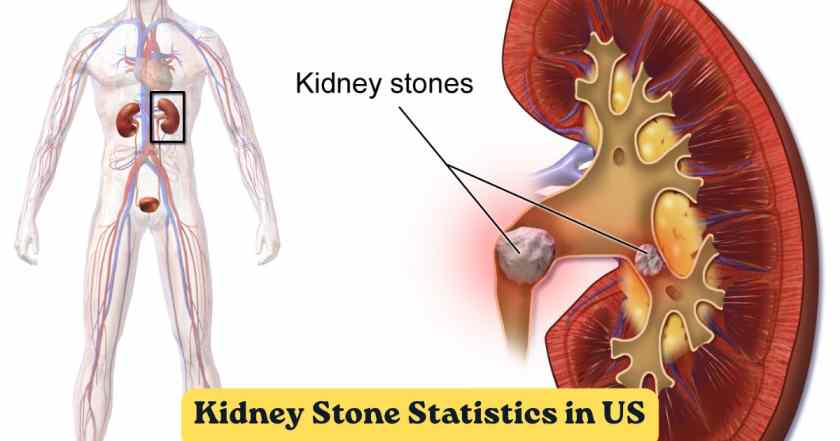
Kidney Stone Disease in America 2026
Kidney stone disease — clinically known as nephrolithiasis or urinary stone disease (USD) — is one of the most common and consistently underestimated conditions in American medicine. As of 2026, the data tells a story of steady, unrelenting growth: the prevalence of kidney stones has risen from 5.2% of US adults in 1988–1994 to over 11% by the mid-2020s, meaning that roughly 1 in 9 Americans has experienced a kidney stone. That translates to an estimated 600,000 Americans suffering from urinary stones every year, with annual healthcare costs already surpassing $10 billion and projected to hit $4.57 billion in attributed costs by 2030 based on Global Burden of Disease modeling. The drivers behind this trajectory are well-documented: rising obesity rates, dietary shifts toward high sodium and animal protein, chronic dehydration, and the creeping influence of climate change on ambient temperatures and bodily water loss. Together, these forces are transforming what was once considered a painful but manageable condition into a growing public health burden with serious downstream consequences for kidney function, cardiovascular health, and quality of life.
What distinguishes kidney stone statistics in 2026 from earlier decades is not just the volume of cases, but the changing face of who gets them and where they form. Women — historically at lower risk than men — are closing the gender gap, with female kidney stone prevalence rising faster than male rates particularly among those with obesity. The “stone belt” of the American Southeast has been joined by the Northeast as a high-prevalence region among older adults. The 50% recurrence rate within 5 to 10 years remains stubbornly persistent despite decades of clinical guidance on hydration and diet. And a landmark 2026 Lancet trial — the PUSH study — has complicated the foundational assumption that simply increasing fluid intake will reliably prevent stone recurrence, reshaping how clinicians and patients should think about prevention. The data on kidney stones in 2026 is more nuanced, more urgent, and more actionable than at any point in the history of urology.
Key Kidney Stone Facts in the US 2026
| Fact | Statistic |
|---|---|
| Overall US kidney stone prevalence | ~11% of US adults (1 in 9 Americans) |
| Annual US kidney stone sufferers | ~600,000 Americans per year |
| Historical prevalence rise | 5.2% (1988–1994) → 10.2% (2017–2020) |
| Annual incidence rate | 2.1% — 2,054 stones per 100,000 adults per year |
| Annual US healthcare cost | Surpassing $10 billion annually |
| Projected annual cost by 2030 | $4.57 billion (attributed urolithiasis cost) |
| Recurrence rate within 5–10 years | 50% of patients experience another stone |
| Recurrence rate within 20 years | 75% of stone formers experience a recurrence |
| Without preventive treatment — annual recurrence risk | 10–23% per year |
| Most common stone type | Calcium oxalate — accounts for 75–80% of all kidney stones |
| Men lifetime kidney stone prevalence | ~11% — approximately 16% by age 70 |
| Women lifetime kidney stone prevalence | ~7% — rapidly rising, especially with obesity |
| Male to female ratio (current trend) | Narrowed from 3.4:1 historically to approximately 1.3:1 |
| Kidney stones in adults with obesity | 12.5% prevalence — vs. overall 10.2% |
| Kidney stones in cancer survivors (2020) | 17% — vs. 9% in non-cancer adults |
| Global kidney stone prevalence | 12% of the global population affected |
| Global new cases (2021) | 106 million new cases worldwide |
| Fluid intake target for stone prevention | At least 2.5 L/day (guidelines) — some severe forms require 3.5–4 L/day |
| Hydration adherence in clinical population | Only 56.5% adhere to fluid targets; 3% achieve sodium targets |
| PUSH trial finding (Lancet, March 2026) | Increased urine output did not significantly reduce symptomatic stone recurrence |
Source: NIDDK 2024 Urologic Diseases in America Annual Data Report; NHANES data via PMC June 2025; Journal of Urology 2022; American Journal of Kidney Diseases, 2023; Lancet PUSH Trial, March 2026 (CHOP/multi-institutional); Frontiers in Public Health, January 2026; Global Burden of Disease Study 2021 (PMC 2024)
The table above concentrates the most critical kidney stone statistics for 2026 into a format that makes the scope of this disease immediately visible. The jump from 5.2% prevalence in 1988 to over 10% today represents a near-doubling in a single generation — driven not by better detection alone but by genuine increases in disease burden tied to dietary and lifestyle changes that have reshaped American health across the board. The $10 billion annual economic burden places kidney stone disease alongside other major chronic conditions as a significant driver of US healthcare spending, and the projected rise to $4.57 billion in direct attributed costs by 2030 from the Global Burden of Disease Study signals that this burden is still building. Especially striking is the cancer survivor data from a September 2025 study in Current Oncology: by 2020, 17% of cancer survivors had experienced kidney stones compared to just 9% of the general adult population — a nearly twofold gap that points to the interaction between metabolic dysregulation, treatment side effects, and stone formation risk that the field is only beginning to fully characterize.
The hydration data embedded in the table deserves particular attention as it frames the section that follows. Despite decades of universal clinical guidance recommending at least 2.5 liters of fluid per day for kidney stone prevention, a 2026 study published in Frontiers in Public Health found that among 1,723 clinical kidney stone patients, only 56.5% achieved the hydration target and a striking 3% adhered to both hydration and sodium targets simultaneously. Adherence to both recommendations together — which is what the evidence base recommends — stood at just 1.2%. These numbers reveal that the prevention gap in kidney stone disease is not primarily a knowledge problem. Patients know they should drink more water. The barriers are behavioral, occupational, environmental, and structural — and closing them requires interventions far more sophisticated than telling a patient to carry a water bottle.
Kidney Stone Prevalence Trends in the US 2026
US KIDNEY STONE PREVALENCE OVER TIME (AGE-STANDARDIZED)
━━━━━━━━━━━━━━━━━━━━━━━━━━━━━━━━━━━━━━━━━━━━━━━━━━━━━━━━━━━━━━━━━━
  1988–1994     ████████████████              5.2%
  2007–2008     █████████████████████         9.4%
  2015–2018     ████████████████████████████  11.0%
  2017–2020     █████████████████████████████ 10.2% (age-standardized)
  Obesity group ██████████████████████████████ 12.5% (2017–2020)
━━━━━━━━━━━━━━━━━━━━━━━━━━━━━━━━━━━━━━━━━━━━━━━━━━━━━━━━━━━━━━━━━━| Population Group | Kidney Stone Prevalence | Trend |
|---|---|---|
| All US adults (2015–2018, NHANES) | 11.0% | Rising |
| All US adults, age-standardized (2017–2020) | 10.2% | Increased from 9.4% in 2007–2008 |
| Adults with obesity | 12.5% | Significantly increased (P=0.035) |
| Females with obesity | 11.5% | Up from 8.8% in 2007–2008 (P=0.042) |
| Males with obesity | 14.0% | Up from 13.4% (modest increase) |
| Hispanic adults with obesity | 10.9% | Up sharply from 7.5% (P=0.017) |
| Non-Hispanic White adults with obesity | 14.2% | Modest increase from 12.4% |
| Non-Hispanic Black adults with obesity | Stable prevalence | No significant trend |
| Men aged 80+ (highest prevalence group) | 19.7% | Highest by age/sex category |
| Men aged 60–79 | 18.8% | Second highest |
| Men aged 20–39 | 5.1% | Lowest male age group |
Source: PMC Trends in Kidney Stone Prevalence Among US Adults with Obesity, June 2025 (NHANES 2007–2020); PMC Epidemiology of Kidney Stones 2023; Journal of Urology 2022 (NHANES 2015–2018)
The prevalence trajectory of kidney stones in the United States is one of the more remarkable trends in chronic disease epidemiology — a condition that doubled its footprint within a single generation without attracting anywhere near the public health attention that diabetes or heart disease receive. The NHANES-based age-standardized prevalence of 10.2% in 2017–2020, published in a June 2025 PMC study, represents the most current nationally representative figure and confirms that the upward trend from the 1980s and 1990s has not plateaued. The strongest driver in recent years appears to be obesity: adults with obesity show a kidney stone prevalence of 12.5% — meaningfully above the overall average — and the female obesity-associated prevalence has risen particularly sharply, from 8.8% to 11.5% between 2007 and 2020, a statistically significant increase that reflects both the rising obesity rate among American women and the metabolic conditions that obesity creates for stone formation, including hyperuricosuria, hypercalciuria, and reduced urinary citrate.
Among racial and ethnic subgroups, the data reveals a divergence worth watching. Hispanic adults with obesity experienced a notable 45% relative increase in kidney stone prevalence between 2007 and 2020 — from 7.5% to 10.9% — a finding that likely reflects intersecting trends in dietary patterns, obesity rates, and healthcare access within this community. Non-Hispanic Black adults, by contrast, have historically shown lower kidney stone rates despite higher rates of obesity and hypertension — a paradox likely related to differences in urinary calcium excretion — and the 2025 data confirms that this relative protection has remained stable even as rates rise across other groups. The age-stratified data is equally instructive: nearly 1 in 5 men aged 80 and older (19.7%) have a history of kidney stones, illustrating that this is a condition with enormous cumulative lifetime impact, not merely an acute episodic event. For a disease with a 50% five-year recurrence rate, each initial episode sets the patient on a long-term path of monitoring, dietary management, and repeated healthcare utilization.
Kidney Stone Recurrence Rates in the US 2026
KIDNEY STONE RECURRENCE PROBABILITY OVER TIME (WITHOUT PREVENTION)
━━━━━━━━━━━━━━━━━━━━━━━━━━━━━━━━━━━━━━━━━━━━━━━━━━━━━━━━━━━━━━━━━━
  Annual recurrence risk (no prophylaxis)    ████████████      10–23%/year
  Recurrence within 5 years                  ████████████████████████████ 50%
  Recurrence within 10 years                 ████████████████████████████ 50–60%
  Recurrence within 20 years                 ████████████████████████████████ 75%
  Cystine stone formers (highest risk)       2.71x more likely to need repeat surgery
  Uric acid stone formers                    1.5x more likely vs. calcium oxalate
━━━━━━━━━━━━━━━━━━━━━━━━━━━━━━━━━━━━━━━━━━━━━━━━━━━━━━━━━━━━━━━━━━| Recurrence Metric | Data Point |
|---|---|
| Recurrence rate within 5–10 years | 50% of all stone formers |
| Recurrence rate within 20 years | 75% of stone formers |
| Annual recurrence risk without treatment | 10–23% per year |
| Most common stone type | Calcium oxalate — 75–80% of all kidney stones |
| 5-year recurrence risk reduction (diet intervention) | ~50% reduction with normal calcium + low salt + low animal protein diet |
| Cystine stone formers — repeat surgery risk | 2.71x higher than calcium oxalate formers |
| Infection stone formers | 1.87x higher repeat surgery risk |
| Brushite stone formers | 2.64x higher repeat surgery risk |
| Uric acid stone formers | 1.5x higher repeat surgery risk |
| Calcium phosphate stone formers | 1.5x higher repeat surgery risk |
| Risk factors for recurrence | Multiple prior episodes, younger onset age, male sex, family history, high BMI |
| Cancer survivors with recurrent kidney stones | Significantly elevated — 17% prevalence by 2020 |
Source: American Journal of Kidney Diseases, Core Curriculum 2023; PMC Calcium Oxalate Stone Update, March 2025; Sagepub Journals — Calcium Oxalate Stone Recurrence Study, 2025; Current Oncology (MDPI), September 2025
The recurrence statistics for kidney stones are arguably more important than the prevalence figures for understanding the true burden of this disease. A 50% recurrence rate within 5 to 10 years — cited consistently across the American Journal of Kidney Diseases, PMC reviews, and the most current clinical literature — means that half of all first-time stone patients will be back in the emergency department, imaging suite, or urologist’s office within a decade. Over 20 years, that figure rises to 75%, confirming that kidney stone disease is a chronic, relapsing condition rather than an isolated event for the vast majority of those affected. Without prophylactic management, patients face an annual recurrence risk of 10–23% — a compounding probability that makes long-term prevention not optional but essential. The economic implications are direct: each recurrence event drives additional emergency department visits, imaging, urological procedures, and lost productivity, all feeding into the $10 billion+ annual cost of this disease.
Stone composition is a critical but underutilized predictor of recurrence risk. While calcium oxalate stones — accounting for 75–80% of all kidney stones — are the most prevalent, a 2025 study in Sagepub Journals analyzing risk stratification for repeat stone surgery found that cystine stone formers are 2.71 times more likely to require a second stone surgery compared to calcium oxalate formers, and brushite formers 2.64 times more likely. This data argues strongly for routine stone composition analysis after every surgical intervention, yet clinical practice remains inconsistent in this regard. Diet intervention data offers more encouraging numbers: a landmark randomized trial found that a dietary regimen of normal calcium (1,200 mg/day), low salt, and low animal protein reduced the risk of stone recurrence by approximately 50% at five years compared to a low-calcium diet — a finding with immediate clinical applicability. The persistent myth that kidney stone patients should restrict calcium intake is not only wrong but counterproductive: restricting dietary calcium increases intestinal oxalate absorption, raising urinary oxalate and stone formation risk.
Hydration, Water Intake & Stone Prevention in the US 2026
HYDRATION ADHERENCE AMONG KIDNEY STONE PATIENTS (2026 DATA)
━━━━━━━━━━━━━━━━━━━━━━━━━━━━━━━━━━━━━━━━━━━━━━━━━━━━━━━━━━━━━━━━━━
  Hydration target met (≥2.5 L/day)     ██████████████████████████  56.5%
  Sodium target met (≤100 mmol/day)     ██                           3.0%
  BOTH targets met simultaneously       ▌                            1.2%
  Mean urine volume (clinical patients) 2.3 L/day
  Mean sodium excretion (clinical)      178.4 mmol/day (≈10.3g salt)
  PUSH trial: urine output increased but recurrence unchanged (Lancet 2026)
━━━━━━━━━━━━━━━━━━━━━━━━━━━━━━━━━━━━━━━━━━━━━━━━━━━━━━━━━━━━━━━━━━| Hydration / Prevention Metric | Data Point |
|---|---|
| Clinical guideline fluid intake target | At least 2.5 L/day urine output; 3.5–4 L for severe forms |
| Hydration adherence in kidney stone patients | Only 56.5% achieve urine volume target |
| Sodium reduction adherence | Only 3.0% achieve sodium target |
| Both hydration AND sodium targets met | Just 1.2% of patients |
| Mean daily urine volume (clinical patients) | 2.3 L/day — below recommended threshold |
| Mean daily sodium excretion | 178.4 mmol/day (~10.3 g of salt) — nearly double the recommended limit |
| Night shift work effect | Lower hydration adherence — identified as occupational barrier |
| Older trial: high water intake benefit | 12% recurrence (intervention) vs. 27% (control) over 5 years |
| PUSH trial result (Lancet, March 2026) | Increased fluid intake did not reduce symptomatic stone recurrence |
| PUSH trial caveat | Adherence challenges persisted even with smart bottles, coaching, and incentives |
| Recommended additional prevention | Normal dietary calcium (1,200 mg/d) + low salt + low animal protein |
| 55% recurrence risk reduction | High water intake (≥2 L/day) vs. low in prior modeling studies |
Source: Frontiers in Public Health (Barriers to Hydration study), January 13, 2026; Lancet PUSH Trial — published March 21, 2026, reported by CHOP and Renal & Urology News; PMC Nutrition and Kidney Stone Disease 2021; Hydration for Health / PubMed Lotan et al.
The hydration and prevention data for kidney stones in 2026 is simultaneously sobering and scientifically fascinating — because a landmark clinical trial has now called into question one of the most universally repeated pieces of medical advice in urology. The Prevention of Urinary Stones with Hydration (PUSH) trial, published in The Lancet on March 21, 2026, involving researchers from the Children’s Hospital of Philadelphia (CHOP) and multiple institutions, found that a behavioral program using smart water bottles, personalized hydration goals, coaching, and financial incentives successfully increased 24-hour urine volume in participants — but this increase did not translate into a statistically significant reduction in symptomatic stone recurrence. The finding does not invalidate the biological rationale for hydration in stone prevention; rather, it suggests that hydration alone, in a broad unselected population of stone formers, is insufficient as a standalone intervention. Other metabolic, dietary, and stone-composition factors must be addressed simultaneously for meaningful risk reduction.
The adherence data from the January 2026 Frontiers in Public Health study confirms why this matters so acutely in practice. Among 1,723 kidney stone patients in a clinical setting, only 56.5% achieved the hydration target of ≥2.5 L/day urine output, and the average patient was excreting 178.4 mmol of sodium per day — approximately 10.3 grams of salt — nearly double the recommended maximum. The barriers are real and varied: night shift work, access constraints, cost of fluids, and insufficient self-efficacy all reduce adherence independently. Yet prior evidence — including a 5-year randomized trial showing 12% recurrence vs. 27% in control groups with adequate vs. inadequate fluid intake — demonstrates that when patients do achieve target urine volumes consistently, the benefit is real. The challenge for 2026 clinical practice is moving beyond the generic advice to “drink more water” and toward individualized, metabolically informed prevention strategies that account for stone composition, dietary patterns, urine chemistry, and the occupational realities of each patient’s daily life.
Geographic Distribution and Climate Trends for Kidney Stones in the US 2026
KIDNEY STONE GEOGRAPHIC RISK IN THE US — 2026
━━━━━━━━━━━━━━━━━━━━━━━━━━━━━━━━━━━━━━━━━━━━━━━━━━━━━━━━━━━━━━━━━━
  "Stone Belt" Southeast:   NC, SC, GA, AL, MS, TN — historically highest
  South (overall):          High USD prevalence — warm, wet climate burden
  Northeast (65+ adults):   Now SURPASSING the South in USD prevalence (NIDDK 2024)

  State-level contrasts (historical NHANES):
  Highest: North Carolina (men) — 14.9% prevalence
  Lowest: North Dakota (men)    — 5.6% prevalence

  Climate projection:
  Mild scenario (2025–2089):    +5,938 extra ER stone visits from heat
  Severe scenario (2025–2089):  +10,431 extra ER stone visits from heat
━━━━━━━━━━━━━━━━━━━━━━━━━━━━━━━━━━━━━━━━━━━━━━━━━━━━━━━━━━━━━━━━━━| Geographic / Climate Metric | Data Point |
|---|---|
| “Stone Belt” states | NC, SC, GA, AL, MS, TN — Southeast US |
| Stone Belt formation | First identified in 1989 — warm, wet climate raises thermoregulatory burden |
| Current Southeast prevalence | Still highest overall — consistent with prior literature (NIDDK 2024) |
| Northeast — adults aged 65+ | Now surpassing the South in USD prevalence (NIDDK 2024 report) |
| Highest state prevalence (men) | North Carolina — 14.9% |
| Lowest state prevalence (men) | North Dakota — 5.6% |
| Highest state prevalence (women) | South Carolina — 6.4% |
| Lowest state prevalence (women) | South Dakota — 2.4% |
| Climate — mild scenario (2025–2089) | +5,938 additional emergency stone visits attributed to heat |
| Climate — severe scenario (2025–2089) | +10,431 additional emergency stone visits attributed to heat |
| Global warming mechanism | Higher temperatures → dehydration → concentrated urine → stone formation |
| Medicaid population USD prevalence | ~1.7% (2016–2021) — lower than general adult estimate due to care-seeking patterns |
Source: NIDDK 2024 Urologic Diseases in America Annual Data Report; PMC Epidemiology of Kidney Stones 2023 (South Carolina climate projection data); ScienceDirect Demographic and Geographic Variability of Kidney Stones
The geographic story of kidney stones in the United States is being rewritten in real time. The “stone belt” — the Southeast cluster of NC, SC, GA, AL, MS, and TN — has been recognized since 1989, driven by warm humid climate that increases sweating and concentrates stone-forming minerals in the kidneys. The NIDDK 2024 Annual Data Report confirms the South still leads in overall USD prevalence — but also flags a striking development: the Northeast has now surpassed the South in kidney stone prevalence among adults aged 65 and older, a shift reflecting aging demographics, dietary patterns, and the long latency between lifestyle risk accumulation and clinical presentation. State-level contrasts remain wide: North Carolina men show 14.9% prevalence against just 5.6% in North Dakota — a nearly threefold difference shaped by climate, diet, and sun exposure.
Climate change projects this problem forward with quantified urgency. A South Carolina modeling study estimated that rising ambient temperatures will generate between 5,938 (mild scenario) and 10,431 (severe scenario) additional emergency kidney stone presentations from heat alone between 2025 and 2089. The mechanism is straightforward: hotter days increase sweating, reduce urine volume, and concentrate lithogenic minerals past the supersaturation threshold. For a condition already costing the US more than $10 billion annually, even a modest climate-driven incidence increase carries significant systemic cost. With an aging population, rising obesity, worsening climate, and barely 1.2% of patients meeting combined hydration and dietary sodium targets, kidney stone disease in 2026 is a growing, preventable burden that the US healthcare system is not yet adequately addressing.
Disclaimer: This research report is compiled from publicly available sources. While reasonable efforts have been made to ensure accuracy, no representation or warranty, express or implied, is given as to the completeness or reliability of the information. We accept no liability for any errors, omissions, losses, or damages of any kind arising from the use of this report.