
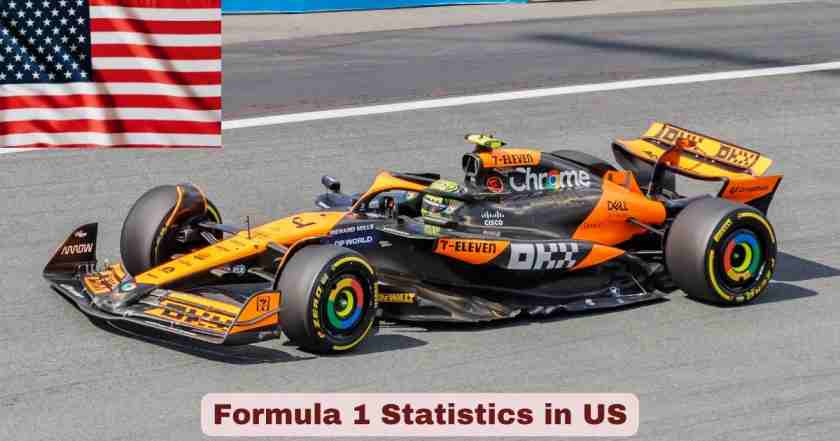
History of Formula 1
Formula 1, officially the FIA Formula One World Championship, began in 1950 as the world’s premier international auto racing competition for single-seater racing cars. The inaugural race took place on May 13, 1950, at the Silverstone Circuit in the United Kingdom, a track formerly used as a Royal Air Force station during World War II. Italian driver Giuseppe “Nino” Farina claimed the first World Drivers’ Championship driving for Alfa Romeo, narrowly beating his legendary teammate Juan Manuel Fangio. The early years of Formula 1 were dominated by Italian and British manufacturers, with Alfa Romeo, Ferrari, Maserati, and later Mercedes-Benz establishing the sport’s foundation. The 1958 season saw the introduction of the Constructors’ Championship, recognizing team achievements alongside individual driver success.
Throughout its 76-year history, Formula 1 has evolved from relatively simple front-engine cars racing on converted airfield circuits to becoming a global motorsport phenomenon featuring the most technologically advanced racing machines in existence. The sport has weathered numerous eras defined by legendary rivalries—from Fangio’s dominance in the 1950s, Jim Clark and Jackie Stewart in the 1960s-70s, Niki Lauda versus James Hunt, Alain Prost against Ayrton Senna in the 1980s-90s, to Michael Schumacher’s Ferrari dynasty and Lewis Hamilton’s record-equaling seven championships. In recent years, Max Verstappen and Red Bull Racing dominated from 2021-2024 before Lando Norris claimed his maiden championship in 2025 with McLaren. The sport has grown from seven races in 1950 to 24 Grand Prix events across five continents, transforming into a multi-billion dollar global entertainment property with 827 million fans worldwide as of 2025.
Interesting Formula 1 Facts 2026
| Formula 1 Fact | 2026 Data |
|---|---|
| Season Number | 77th season of F1 (1950-2026) |
| Total Races (2026) | 22 Grands Prix (reduced from 24) |
| Teams (2026) | 11 teams (first time since 2016) |
| Total Drivers (2026) | 22 drivers (11 teams × 2) |
| New Teams (2026) | Audi and Cadillac |
| New Engine Manufacturers | Audi, Ford-Red Bull, Honda (return) |
| Reigning Drivers’ Champion | Lando Norris (McLaren) |
| Reigning Constructors’ Champion | McLaren-Mercedes |
| All-Time Drivers’ Champions | 35 different champions |
| All-Time Most Championships | 7 titles (Hamilton, Schumacher) |
| Global Fanbase (2025) | 827 million fans |
| Year-Over-Year Growth | 12% increase (2024-2025) |
| Fans Under 35 Years Old | 43% of global fanbase |
| Female Fans | 42% of total fanbase |
| US Fanbase (2025) | 52 million fans |
Data sources: FIA, Formula 1, Wikipedia, BlackBook Motorsport (December 2025 – April 2026)
Formula 1 enters its 77th season in 2026 with unprecedented global reach and significant regulatory changes. The sport now boasts 827 million fans worldwide, representing a 12% year-over-year increase and an extraordinary 63% rise since 2018, making it the world’s most popular annual sporting series with a fanbase 11.4% larger than the NBA. The 2026 season features 22 Grands Prix after two Middle Eastern races were canceled due to regional conflict, marking a reduction from the record 24 races held in 2025.
The most significant change is the expansion to 11 teams and 22 drivers for the first time since 2016, with Audi (taking over Sauber) and American manufacturer Cadillac joining the grid. The sport has crowned 35 different World Champions since 1950, with Lewis Hamilton and Michael Schumacher sharing the all-time record of 7 titles each. Lando Norris became the 36th driver to win a championship in 2025, ending Max Verstappen’s four-year reign. The demographic transformation continues with 43% of fans now under 35 years old and women comprising 42% of the total fanbase, up from 37% in 2018. In the United States specifically, Formula 1’s fanbase has grown to 52 million, up 11% year-over-year, demonstrating the sport’s explosive American growth.
Formula 1 2025 Season Statistics
| 2025 Season Metric | Value |
|---|---|
| Total Races | 24 Grands Prix |
| Sprint Race Weekends | 6 events |
| 2025 Drivers’ Champion | Lando Norris (McLaren) |
| 2025 Constructors’ Champion | McLaren-Mercedes |
| Different Race Winners | 4 drivers |
| Different Teams on Podium | 9 teams |
| Total Race Attendance | 6.7 million fans |
| Sold-Out Events | 19 of 24 races |
| New Attendance Records | 11 events |
| Events Over 400,000 Fans | 4 races (Australia 465k, Britain 500k) |
| Events Over 300,000 Fans | 10 races |
| Las Vegas GP Attendance | 300,000+ weekend |
| Global TV Viewership Growth | Increases in 15 key markets |
| Social Media Engagements | 2.3 billion (all platforms) |
| Total Social Following | 114.5 million (+19% YoY) |
Data sources: Formula 1, Wikipedia, Today in Miami, RacingNews365 (December 2025)
The 2025 Formula 1 season delivered exceptional on-track action and record-breaking attendance figures across its 24-race calendar. McLaren’s Lando Norris claimed his maiden Drivers’ Championship in a thrilling three-way title fight with teammate Oscar Piastri and defending champion Max Verstappen, with the championship decided at the final race in Abu Dhabi. McLaren secured their second consecutive Constructors’ Championship at the Singapore Grand Prix with six rounds remaining, matching Red Bull’s record for the earliest title clinch and lifting them above Williams to second place all-time with 10 Constructors’ crowns.
The season witnessed four different race winners from three teams, with nine teams reaching the podium throughout the year, demonstrating competitive racing despite McLaren’s eventual dominance. Race attendance reached a historic 6.7 million combined, the highest in Formula 1 history, up from 6.5 million in 2024 and just 4.2 million in 2019. An unprecedented 19 of 24 events were completely sold out, with 11 new attendance records set. The British Grand Prix attracted an extraordinary 500,000 spectators, while Australia drew 465,000 fans. Four race weekends surpassed 400,000 attendees and ten events exceeded 300,000. The Las Vegas Grand Prix sold out with over 300,000 people attending, generating 450 million video views and 60 million online interactions across the weekend. Digital engagement soared to 2.3 billion social media interactions, with Formula 1’s total social following climbing to 114.5 million, a 19% year-over-year increase.
Formula 1 US Television Viewership 2026
| US Viewership Metric | Value |
|---|---|
| 2025 Average Viewers (ESPN) | 1.3 million per race |
| Previous Record (2022) | 1.21 million per race |
| 2024 Average Viewers | 1.1 million per race |
| 2018 Average Viewers (ESPN Start) | 554,000 per race |
| 8-Year Growth (2018-2025) | 135% increase |
| Abu Dhabi 2025 Finale | 1.5 million viewers (peak 1.8M) |
| Event Viewership Records (2025) | 16 of 24 races |
| Races Without YoY Growth | 3 races (Miami, Singapore, Brazil) |
| 2017 NBC Final Year | 538,000 viewers |
| Growth vs NBC Final Year | 142% increase |
| Apple TV Deal (2026-2030) | $140 million annually |
| ESPN Previous Deal | ~$85 million annually |
| New US Broadcaster (2026) | Apple TV (exclusive 5-year) |
Data sources: ESPN Press Room, Yahoo Sports, Sportcal, Front Office Sports (December 2025)
Formula 1’s 2025 season concluded ESPN’s eight-year broadcast partnership with an all-time US television viewership record of 1.3 million average viewers per race, surpassing the previous record of 1.21 million set in 2022. The season-ending Abu Dhabi Grand Prix averaged 1.5 million viewers and peaked at 1.8 million, delivering a fitting finale to ESPN’s coverage. An impressive 16 of 24 races in 2025 set new event viewership records, with only three races—Miami, Singapore, and Brazil—failing to show year-over-year growth. Over ESPN’s eight-year tenure, average viewership increased 135% from 554,000 in 2018 to 1.3 million in 2025, while comparison to NBC’s final year in 2017 shows a 142% increase from 538,000 viewers.
The 2026 season marks a dramatic shift as Apple TV becomes Formula 1’s exclusive US broadcast partner through a groundbreaking five-year deal worth $140 million annually, significantly higher than the approximately $85 million ESPN paid per season. All 24 race weekends will air on Apple TV, with every practice session and select races available free to stream in the Apple TV app, while the majority require an Apple TV+ subscription ($13/month). F1 TV Premium will continue in the US via Apple TV subscription and will be free for subscribers. However, industry analysts predict viewership will likely decline in 2026 due to Apple TV’s significantly smaller reach compared to ESPN’s near-universal cable and streaming presence. The Canadian Grand Prix will also be available live on Netflix in the US, while IMAX theaters will show live races for Miami, Monaco, Silverstone, Monza, and Austin.
Formula 1 Global Viewership & Demographics 2026
| Global Audience Metric | Value |
|---|---|
| Global Fanbase (2025) | 827 million fans |
| Year-Over-Year Growth | 12% increase |
| Growth Since 2018 | 63% increase |
| Fanbase vs NBA | 11.4% larger than NBA |
| Fans Under 35 | 43% of total fanbase |
| New Fans Under 35 (2025) | 51 million added |
| New Fans Under 35 Percentage | 57% of all new fans |
| Female Fans | 42% of total fanbase |
| Female Fans (2018) | 37% of fanbase |
| New Female Fans (2025) | 43 million added YoY |
| Women as New Fans | 48% of all new fans |
| YouTube Viewership | Fastest-growing sports league (5th year) |
| Social Media Followers | 114.5 million total |
| Social Follower Growth | 19% year-over-year |
| 2018 Social Followers | 18.7 million |
Data sources: Formula 1 Corporate, RacingNews365, BlackBook Motorsport (December 2025)
Formula 1’s global audience has reached unprecedented levels with 827 million fans worldwide as of 2025, representing a 12% year-over-year increase and a remarkable 63% growth since 2018. This makes Formula 1 the world’s most popular annual sporting series, with a fanbase 11.4% larger than the second-biggest sport, the NBA. The demographic transformation is even more striking than the raw growth numbers, with 43% of the fanbase now under 35 years old. In 2025 alone, Formula 1 added 51 million fans in that age group, with 57% of all new fans being under 35—a clear signal that the sport resonates strongly with younger generations.
Gender diversity has improved significantly, with women now accounting for 42% of the total fanbase, up from 37% in 2018. Formula 1 added 43 million female fans year-over-year, with women comprising 48% of all new fans in 2025. Once viewed as a traditionally male-dominated sport, F1 increasingly reflects a far broader and more inclusive audience. Digital engagement continues to power growth, with Formula 1 being the fastest-growing global sports league on social media for the fifth consecutive year, generating 2.3 billion engagements and outperforming the NBA, NFL, Premier League, and UEFA Champions League. Total social following climbed to 114.5 million, a 19% year-over-year increase from a base of just 18.7 million in 2018—a staggering 512% growth over seven years.
Formula 1 US Market Statistics 2026
| US Market Metric | Value |
|---|---|
| US Fanbase (2025) | 52 million fans |
| Year-Over-Year Growth | 11% increase |
| Mid-Season Viewership Growth | 23% vs 2024 average |
| US YouTube Viewership | 135 million (largest globally) |
| US Social Media Followers | 5.8 million |
| US Social Growth | 26% year-over-year |
| F1 TV Subscriptions Growth | 20% year-over-year |
| US Grand Prix Renewal | Until 2034 (Austin, COTA) |
| Miami Grand Prix Renewal | Until 2041 (longest on calendar) |
| Las Vegas GP Attendance | 300,000+ weekend |
| US Races (2026) | 3 races (Austin, Miami, Las Vegas) |
| NASCAR Cup Finale (2025) | 2.78 million viewers |
| F1 vs NASCAR | F1 #2 motorsport in US behind NASCAR |
Data sources: Formula 1 Corporate, ESPN, Yahoo Sports (August-December 2025)
The United States has emerged as Formula 1’s most important growth market, with the fanbase reaching 52 million in 2025, up 11% year-over-year. Across the first fourteen races of the 2025 season, live race viewership in the US was up 23% versus the 2024 season average, demonstrating accelerating momentum. The US leads globally as Formula 1’s largest market for YouTube viewership (135 million) and boasts 5.8 million social media followers, up 26% year-over-year. F1 TV subscriptions increased 20% annually, indicating strong fan engagement beyond traditional television broadcasts.
America’s commitment to Formula 1 is reflected in unprecedented race contract extensions. The United States Grand Prix at Circuit of the Americas (COTA) in Austin was renewed until 2034, while the Miami Grand Prix secured an extension until 2041, making it the longest-contracted race on the Formula 1 calendar following a 10-year extension. The Las Vegas Grand Prix sold out with over 300,000 weekend attendees, generating massive digital engagement and cementing its status as a marquee event. Formula 1 is now consistently the second-most watched motorsport in the United States behind NASCAR’s Cup Series, with the gap narrowing. The 2025 NASCAR championship race averaged 2.78 million viewers, while F1’s Abu Dhabi finale drew 1.5 million—notable considering the Abu Dhabi race started at 8 AM ET versus NASCAR’s 3 PM ET slot.
Formula 1 2026 Season Changes & Regulations
| 2026 Regulation Change | Details |
|---|---|
| New Power Unit Regulations | Completely redesigned hybrid systems |
| Electric Power Increase | 50% power from battery (vs 30% previously) |
| MGU-K Power Output | 350kW (vs 120kW previously) |
| Sustainable Fuel | 100% advanced sustainable fuels |
| Active Aerodynamics | Front and rear wings adjust dynamically |
| DRS Replacement | “Overtake Mode” (power boost within 1 sec) |
| Car Size Changes | Shorter, thinner, lighter, nimbler |
| Cost Cap (Operations) | $215 million (up from $135M) |
| Cost Cap (Power Units) | $130 million (up from $95M) |
| Engine Manufacturers | 6 total (Mercedes, Ferrari, Honda, Audi, Red Bull-Ford) |
| Boost Button | Drivers control energy deployment strategy |
| Monaco Two-Stop Rule | Removed (was mandated in 2025) |
Data sources: Formula 1, ESPN, Wikipedia, Sky Sports (January 2026)
The 2026 Formula 1 season features the most comprehensive technical regulation changes in the sport’s history, affecting both chassis and power units in what Lewis Hamilton described as the “biggest changes in my career.” The new hybrid power units represent a fundamental philosophical shift, with 50% of power now coming from the battery compared to approximately 30% previously. The MGU-K (Motor Generator Unit-Kinetic) is nearly three times as powerful as its predecessor, delivering 350kW to the rear wheels (up from 120kW), while recovering energy at greatly increased rates during braking, coasting, and even on throttle.
All teams must use advanced sustainable fuels made from cutting-edge sources like carbon capture, municipal waste, and non-food biomass, independently certified to meet strict sustainability standards as part of F1’s commitment to reach net zero by 2030. The cars themselves are shorter, thinner, lighter, and nimbler, with simplified aerodynamics featuring flatter floors and bigger side pod openings leading to significantly less drag. The controversial DRS system (used since 2011) has been replaced by “Overtake Mode,” where drivers can boost power if within one second of another car on designated straights. Active Aerodynamics means front and rear wings adjust before and after corners, creating variation in overtaking opportunities. The cost cap increased from $135 million to $215 million for operations and from $95 million to $130 million for power units, primarily due to inflation and the inclusion of previously exempted costs.
Formula 1 2026 Teams & Drivers
| Team | Driver 1 | Driver 2 | Engine |
|---|---|---|---|
| McLaren-Mercedes | Lando Norris | Oscar Piastri | Mercedes |
| Mercedes | George Russell | Kimi Antonelli | Mercedes |
| Red Bull-Ford | Max Verstappen | Isack Hadjar | Red Bull-Ford |
| Ferrari | Lewis Hamilton | Charles Leclerc | Ferrari |
| Aston Martin-Honda | Fernando Alonso | Lance Stroll | Honda |
| Alpine-Mercedes | Pierre Gasly | Franco Colapinto | Mercedes |
| Williams-Mercedes | Alex Albon | Carlos Sainz Jr. | Mercedes |
| Racing Bulls-Ford | Yuki Tsunoda | Arvid Lindblad | Red Bull-Ford |
| Haas-Ferrari | Esteban Ocon | Oliver Bearman | Ferrari |
| Audi | Nico Hülkenberg | Gabriel Bortoleto | Audi |
| Cadillac-Ferrari | Sergio Pérez | Valtteri Bottas | Ferrari |
Data sources: Formula 1, ESPN, Wikipedia, Red Bull, Silverstone (December 2025 – January 2026)
The 2026 Formula 1 grid expands to 11 teams and 22 drivers with the addition of Audi and Cadillac. Audi enters as a full works team after acquiring Sauber, bringing their own power unit and retaining drivers Nico Hülkenberg (15th season in F1) and Gabriel Bortoleto (2nd season). Cadillac marks General Motors’ entry as the 11th team and second American constructor alongside Haas, initially using Ferrari power units before developing their own GM engine for 2029. Cadillac signed experienced veterans Sergio Pérez (returning after leaving Red Bull) and Valtteri Bottas (returning after a year as Mercedes reserve), combining for 16 wins and 527 race starts.
The only rookie on the 2026 grid is 18-year-old Arvid Lindblad at Racing Bulls, born in Surrey to a Swedish father and Indian-British mother. Lewis Hamilton enters his second season with Ferrari after leaving Mercedes, while Red Bull pairs Max Verstappen with Isack Hadjar, promoting the French driver from Racing Bulls. Alpine fields Pierre Gasly and Franco Colapinto, with Colapinto entering his first full season after part-time stints in 2024-2025. Engine supply sees Mercedes powering five teams (their works team plus McLaren, Williams, Alpine), Ferrari powering four teams (works team, Haas, Cadillac), Red Bull-Ford powering two teams (Red Bull, Racing Bulls), while Audi and Honda (returning with Aston Martin) each power one team. Notable departures include Renault ending their engine supply after poor results since 2014, marking the first season without Renault engines since 2000.
Formula 1 All-Time Championship Records
| Championship Record | Driver/Team | Total |
|---|---|---|
| Most Drivers’ Championships | Lewis Hamilton, Michael Schumacher | 7 titles each |
| Most Consecutive Titles (Driver) | Michael Schumacher | 5 (2000-2004) |
| Most Constructors’ Championships | Ferrari | 16 titles |
| Second Most Constructors’ Titles | McLaren | 10 titles (now 2nd all-time) |
| Third Most Constructors’ Titles | Williams | 9 titles |
| Most Wins (Driver) | Lewis Hamilton | 105 wins |
| Most Wins (Team) | Ferrari | 262 wins |
| Most Pole Positions | Lewis Hamilton | 104 poles |
| Most Podiums | Lewis Hamilton | 203 podiums |
| Most Wins Single Season | Max Verstappen | 19 wins (2023) |
| Win Percentage Record (Season) | Max Verstappen | 86.36% (2023) |
| Youngest World Champion | Sebastian Vettel | 23 years, 134 days (2010) |
| Total World Champions | 35 different drivers | 76 seasons |
Data sources: Wikipedia, Motorsport Tickets, Formula One History, RacingNews365 (2026)
Formula 1’s championship history is dominated by an elite group of drivers and teams. Lewis Hamilton and Michael Schumacher share the all-time record with 7 World Drivers’ Championships each, though Hamilton came agonizingly close to a record-breaking eighth title in 2021, losing in the final lap of the final race to Max Verstappen. Michael Schumacher holds the record for most consecutive titles with 5 (2000-2004), all with Ferrari. Juan Manuel Fangio’s five championships in the 1950s stood as the benchmark for nearly 50 years until Schumacher surpassed it in 2003. Following Schumacher and Hamilton are Max Verstappen, Sebastian Vettel, and Alain Prost with 4 titles each.
Lewis Hamilton dominates individual records with 105 career wins, 104 pole positions, and 203 podium finishes—all Formula 1 records. However, Max Verstappen owns the single-season records, winning 19 of 22 races in 2023 for an astonishing 86.36% win percentage. Among teams, Ferrari leads with 16 Constructors’ Championships and 262 race wins as the longest-serving team in F1 history (competing since 1950). McLaren moved into second place all-time with 10 Constructors’ titles following their 2025 championship, surpassing Williams’ 9 titles. Since 1950, 35 different drivers have won the World Championship across 76 seasons, with Lando Norris becoming the most recent addition in 2025. Sebastian Vettel remains the youngest World Champion, winning his first title at 23 years and 134 days old in 2010 with Red Bull.
Formula 1 2026 Calendar & Race Locations
| Race # | Grand Prix | Location | Date (2026) |
|---|---|---|---|
| 1 | Australian Grand Prix | Melbourne, Australia | March 8 |
| 2 | Chinese Grand Prix | Shanghai, China | March 22 |
| 3 | Japanese Grand Prix | Suzuka, Japan | April 5 |
| 4 | Miami Grand Prix | Miami, USA | May 3 |
| 5 | Canadian Grand Prix | Montreal, Canada | May 31 |
| 6 | Monaco Grand Prix | Monte Carlo, Monaco | May 24 |
| 7 | Spanish Grand Prix | Barcelona, Spain | June 7 |
| 8 | Austrian Grand Prix | Spielberg, Austria | June 21 |
| 9 | British Grand Prix | Silverstone, UK | July 5 |
| 10 | Belgian Grand Prix | Spa-Francorchamps, Belgium | July 26 |
| 11 | Hungarian Grand Prix | Budapest, Hungary | August 2 |
| 12 | Dutch Grand Prix | Zandvoort, Netherlands | August 30 |
| 13 | Italian Grand Prix | Monza, Italy | September 6 |
| 14 | Madrid Grand Prix | Madrid, Spain | September 20 (NEW) |
| 15 | Azerbaijan Grand Prix | Baku, Azerbaijan | September 27 |
| 16 | Singapore Grand Prix | Singapore | October 4 |
| 17 | United States Grand Prix | Austin, Texas, USA | October 18 |
| 18 | Mexico City Grand Prix | Mexico City, Mexico | November 1 |
| 19 | São Paulo Grand Prix | São Paulo, Brazil | November 8 |
| 20 | Las Vegas Grand Prix | Las Vegas, USA | November 15 |
| 21 | Qatar Grand Prix | Lusail, Qatar | November 22 |
| 22 | Abu Dhabi Grand Prix | Abu Dhabi, UAE | December 6 |
Data sources: Formula 1, Sky Sports, NBC Miami (March 2026)
The 2026 Formula 1 calendar features 22 Grands Prix following the cancellation of the Bahrain and Saudi Arabian races in April due to Middle East conflict. The season begins in Australia on March 8 and concludes in Abu Dhabi on December 6. The most significant change is the addition of the Madrid Grand Prix on September 20, with drivers racing through the streets of the Spanish capital. Imola, Italy has dropped from the schedule, marking the first time since 2019 the circuit won’t host a race.
The United States maintains its unprecedented three-race presence with the Miami Grand Prix (May 3), United States Grand Prix at COTA in Austin (October 18), and the Las Vegas Grand Prix (November 15). Six venues will host the Sprint format in 2026: Shanghai, Miami, Montreal, Silverstone, Zandvoort, and Singapore, with Montreal, Zandvoort, and Singapore hosting their first-ever Sprint weekends. Major contract extensions secured in 2025 include Miami until 2041 (longest on the calendar), Austria until 2041, United States (COTA) until 2034, Canada until 2035, Mexico City until 2028, and Belgium renewed with races in 2026, 2027, 2029, and 2031. Formula 1 will also return to Portugal’s Portimão circuit in 2027 and 2028, last used during the COVID-19 pandemic in 2020-2021.
Formula 1 Commercial Partnerships & Revenue 2026
| Partnership Type | Partner | Details |
|---|---|---|
| US Broadcast (2026-2030) | Apple TV | $140 million/year (5-year exclusive) |
| Official Energy Drink | Sting Energy (PepsiCo) | Through 2030 |
| Sprint Race Naming | Gatorade | Official Sprint partner |
| Official Snack | Doritos | Through 2030 |
| Luxury Partner | LVMH | 10-year deal (started 2025) |
| Tech Partner (2026+) | T-Mobile | 5G Innovation Partner |
| Entertainment Partner (2026) | Disney’s Mickey & Friends | Multi-year activation |
| Consulting Partner | PwC | Operational excellence support |
| Official Pasta | Barilla | Multi-year partnership |
| Cruise Partner | MSC Cruises | Extended contract |
| Beer Partner | Heineken | Extended contract |
| Betting Data | ALT Sports Data | Official supplier |
| Lottery Partner | Allwyn | Multi-year deal |
Data sources: Formula 1 Corporate, BlackBook Motorsport (December 2025)
Formula 1’s commercial success in 2025-2026 reflects the sport’s transformation into a global entertainment powerhouse. The Apple TV broadcast deal worth $140 million annually represents a 65% increase from ESPN’s ~$85 million per season and marks Apple’s most significant sports rights acquisition to date. PepsiCo signed as an Official Partner until 2030, with Sting Energy becoming the Official Energy Drink, Gatorade securing Sprint race naming rights, and Doritos designated as the Official Savoury Snack. The LVMH partnership represents a landmark 10-year deal bringing luxury brands including Louis Vuitton, TAG Heuer, Moët Hennessy, and others into the F1 ecosystem.
Disney’s Mickey & Friends partnered with Formula 1 for 2026 after successful activations throughout 2025, including major presence at the Las Vegas Grand Prix. T-Mobile joined as Regional 5G Innovation Partner from 2026, while PwC became the Official Consulting Partner supporting F1’s drive for operational excellence. Traditional partnerships with Heineken and MSC Cruises were extended, while new partners include Barilla (world’s biggest pasta producer), Allwyn (lottery entertainment), and ALT Sports Data (betting data supplier). Multiple licensing deals were finalized including with Pottery Barn Kids, Pottery Barn Teen, integration into Fortnite, and an officially-licensed version of Uno. Celebrity chef Gordon Ramsay delivered world-class culinary experiences in F1 Garage across 10 Grands Prix in 2025.
Formula 1 Movie & Entertainment Impact 2026
| Entertainment Metric | Value |
|---|---|
| F1: The Movie Box Office | Highest-grossing sports film ever |
| F1: The Movie Apple TV | #1 on platform after release |
| F1 75 Live at The O2 | Sold out in 20 minutes |
| F1 75 Live YouTube | 1.1 million concurrent viewers |
| Netflix Drive to Survive | Airing since 2019 |
| Las Vegas GP Video Views | 450 million (weekend) |
| Las Vegas GP Interactions | 60 million online |
| Las Vegas GP Creator Posts | 5,000 posts from 1,200 creators |
| Las Vegas GP Impressions | 1.8 billion |
| Las Vegas GP Media Articles | 43,000 articles |
| Las Vegas GP VIP Suites | 44 private, 5 shared suites |
| Season Social Mentions | 8% higher on Sprint weekends |
| Season Social Reach | 4% higher on Sprint weekends |
Data sources: Formula 1, Today in Miami, BlackBook Motorsport (December 2025)
Formula 1’s entertainment and cultural impact reached new heights in 2025-2026. “F1: The Movie” became the highest-grossing sports film of all time at the box office before landing at #1 on Apple TV following its streaming release. The film, featuring major Hollywood production values and unprecedented Formula 1 access, captured mainstream attention and introduced the sport to entirely new audiences. The F1 75 Live at The O2 event to celebrate the sport’s 75th anniversary and launch the 2025 season sold out in just 20 minutes, featuring performances from Take That, Kane Brown, mgk, Tems, and composer Brian Tyler. The event drew 1.1 million concurrent viewers on YouTube, surpassing Formula 1’s previous live event viewership records.
Netflix’s “Drive to Survive” docuseries, airing since 2019, continues to be credited with Formula 1’s explosive American growth, offering behind-the-scenes access that humanized drivers and teams for new fans. The 2025 Las Vegas Grand Prix exemplified F1’s entertainment evolution, generating 450 million video views and 60 million online interactions across the weekend. More than 1,200 content creators were involved, producing 5,000 social posts that generated 1.8 billion impressions, while media coverage produced 43,000 articles. The event offered unprecedented VIP access with 44 private suites and 5 shared suites across the Paddock Club. Formula 1 also hosted an F1 Business Summit in Las Vegas in partnership with Liberty Media, bringing together global partners, industry leaders, and investors to explore the intersection of sports, entertainment, and culture.
Formula 1 Sprint Race Statistics 2026
| Sprint Metric | Value |
|---|---|
| 2026 Sprint Venues | 6 races |
| New Sprint Venues (2026) | Montreal, Zandvoort, Singapore |
| Returning Sprint Venues | Shanghai, Miami, Silverstone |
| Fan Support for Sprint | 78% want it on calendar |
| Sprint Social Mentions | 8% higher than non-Sprint |
| Sprint Social Reach | 4% higher than non-Sprint |
| Miami Sprint Viewership Growth | 21% year-over-year |
| Belgium Sprint Viewership Growth | 30% year-over-year |
| Sprint Weekend Format | Friday Practice, Saturday Sprint Qualifying & Sprint, Sunday Qualifying & Race |
| Sprint Race Distance | ~100km (one-third GP distance) |
| Sprint Points | Top 8 score points |
| Gatorade Sprint Sponsorship | Official naming rights partner |
Data sources: Formula 1 Corporate, BlackBook Motorsport (December 2025)
The Sprint race format continues to grow in popularity and will expand to six venues in 2026: Shanghai, Miami, Silverstone (returning from 2025), plus Montreal, Zandvoort, and Singapore hosting their first-ever Sprint weekends. The format introduces a shortened race on Saturday (approximately 100km or roughly one-third of a Grand Prix distance) with the top 8 finishers scoring championship points. Fan reception remains overwhelmingly positive, with an average of 78% of fans wanting Sprint weekends to remain on the calendar.
Sprint weekends generate significantly more engagement, with 8% higher social media mentions and 4% higher social reach compared to non-Sprint weekends. Specific venues showed exceptional growth, with the Miami Sprint drawing 21% higher audiences year-over-year and the Belgium Sprint surging 30%. The Sprint format creates more on-track action and conversation throughout the weekend, providing fans with competitive racing on both Saturday and Sunday. Gatorade (PepsiCo) secured official naming rights for Sprint races as part of the broader PepsiCo partnership extending through 2030, further legitimizing the format’s place in Formula 1’s future. The 2026 Sprint calendar represents Formula 1’s commitment to providing more racing action while testing the format’s viability across different circuit types—from street circuits like Miami and Singapore to traditional racing circuits like Silverstone and Shanghai.
Formula 1 US Races & Attendance 2026
| US Race | Location | Circuit | Contract | 2025 Attendance |
|---|---|---|---|---|
| Miami Grand Prix | Miami, Florida | Miami International Autodrome | Until 2041 | 300,000+ weekend |
| United States Grand Prix | Austin, Texas | Circuit of the Americas (COTA) | Until 2034 | 400,000+ weekend |
| Las Vegas Grand Prix | Las Vegas, Nevada | Las Vegas Strip Circuit | Multi-year | 300,000+ weekend (sold out) |
Data sources: Formula 1, ESPN, BlackBook Motorsport (2025-2026)
The United States maintains an unprecedented three Formula 1 races in 2026, cementing America’s status as F1’s most important market. The Miami Grand Prix at the Miami International Autodrome holds the distinction of being the longest-contracted race on the entire Formula 1 calendar following its renewal until 2041—a 10-year extension that demonstrates both Formula 1’s and Miami’s long-term commitment. The race attracts over 300,000 fans across the weekend and has become a major cultural event in South Florida, blending high-speed racing with celebrity appearances and entertainment.
The United States Grand Prix at Circuit of the Americas (COTA) in Austin, Texas, was renewed until 2034 and consistently draws over 400,000 spectators across the race weekend, making it one of the best-attended events on the calendar. COTA has established itself as America’s premier purpose-built Formula 1 facility since joining the calendar in 2012. The Las Vegas Grand Prix sold out with over 300,000 weekend attendees in its second year (2025), generating massive digital engagement with 450 million video views and 60 million online interactions. The Saturday night race through the iconic Las Vegas Strip has quickly become one of F1’s marquee events, offering unparalleled VIP experiences with 44 private suites and attracting global media attention with 43,000 articles written about the event. Together, these three races represent Formula 1’s strategic investment in the American market, with combined weekend attendance exceeding 1 million fans annually.
Formula 1 Regional Market Growth 2026
| Regional Market | 2025 Growth | Key Details |
|---|---|---|
| Germany | +12% viewership | Heritage market growth |
| Brazil | +11% viewership | Strong regional interest |
| France | +6% viewership | Steady European growth |
| China | +11% viewership | Major growth market |
| Middle East | +10% viewership | Expanding regional base |
| Australia | +55% viewership | Driven by Piastri title fight |
| United States | +23% mid-season | Record-breaking growth |
| Europe Total | 115.4 million fans | Core market base |
| United Kingdom | 16.7 million fans | Heritage F1 market |
| China | 221.1 million fans | Largest Asian market |
| India | 78.8 million fans | Growing Asian market |
| Canada | Extended broadcast through 2035 | Bell Media partnership |
| Brazil | Globo broadcaster from 2026 | New broadcast deal |
Data sources: Formula 1 Corporate, BlackBook Motorsport, Sportcal (2025)
Formula 1’s global viewership growth in 2025 demonstrated strength across both heritage and emerging markets. Traditional F1 strongholds showed impressive resilience, with Germany increasing 12%, Brazil up 11%, and France growing 6%—remarkable for mature markets with deep Formula 1 history. Growth markets delivered even stronger performance, with China surging 11% and the Middle East up 10%, reflecting Formula 1’s strategic focus on expanding beyond traditional European strongholds.
The most dramatic regional growth came from Australia, which saw viewership explode 55% as fans rallied behind Oscar Piastri’s championship battle alongside teammate Lando Norris. Kayo, Australia’s streaming platform, reported 2025 as the most-streamed F1 season ever with 898 million minutes watched, representing a 26% increase year-over-year. Geographically, Europe maintains 115.4 million fans, with the United Kingdom contributing 16.7 million. Asia’s scale is staggering, with China hosting 221.1 million fans and India adding 78.8 million, highlighting Formula 1’s expanding global appeal. Broadcast partnerships were extended or renewed across key markets, including Bell Media in Canada through 2035, Tencent in mainland China, Globo in Brazil from 2026, and Coupang Play in South Korea through a multi-year exclusive partnership.
Formula 1 Historical Milestones & Legacy
| Historical Milestone | Year | Details |
|---|---|---|
| First F1 Race | 1950 | Silverstone, UK (May 13) |
| First World Champion | 1950 | Giuseppe “Nino” Farina (Italy) |
| Constructors’ Championship Created | 1958 | Team championship introduced |
| Total Seasons | 76 | 1950-2025 completed |
| Total Drivers Started | 782 | Since 1950 |
| Total Champions | 35 | Different drivers |
| British Drivers’ Titles | 21 | Most of any nation |
| British Champions | 11 | Different drivers |
| American F1 Champions | 2 | Phil Hill (1961), Mario Andretti (1978) |
| Ferrari Constructor Titles | 16 | Most of any team |
| McLaren Drivers’ Titles | 13 | Second most (8 drivers) |
| Most Dangerous Era | 1950s-1970s | Many driver fatalities |
| Hybrid Era Begins | 2014 | Current power unit technology |
| Netflix Era Begins | 2019 | “Drive to Survive” launches |
Data sources: Wikipedia, Formula One History, RacingNews365 (2026)
Formula 1’s 76-year history began on May 13, 1950, at Silverstone Circuit in the United Kingdom, with Italian driver Giuseppe “Nino” Farina becoming the first World Drivers’ Champion. Of the 782 drivers who have started a Grand Prix since 1950, only 35 have won the World Championship—an exclusive club representing less than 5% of all competitors. Great Britain has produced the most champions with 21 titles across 11 different drivers, led by Lewis Hamilton’s 7 championships. The United States has contributed 2 World Champions: Phil Hill in 1961 and Mario Andretti in 1978.
The sport’s early decades were extraordinarily dangerous, with the 1950s-1970s seeing numerous driver fatalities as safety measures were virtually non-existent. The introduction of the Constructors’ Championship in 1958 added a team dimension to F1, with Ferrari leading all teams with 16 titles and 262 race wins. The modern hybrid era began in 2014 with revolutionary power units that remain the most technologically advanced in motorsport history. Formula 1’s explosive recent growth is often attributed to Netflix’s “Drive to Survive” documentary series launching in 2019, which provided unprecedented behind-the-scenes access and introduced millions of new fans—particularly in the United States—to the sport’s personalities, politics, and drama beyond just racing.
Disclaimer: This research report is compiled from publicly available sources. While reasonable efforts have been made to ensure accuracy, no representation or warranty, express or implied, is given as to the completeness or reliability of the information. We accept no liability for any errors, omissions, losses, or damages of any kind arising from the use of this report.