
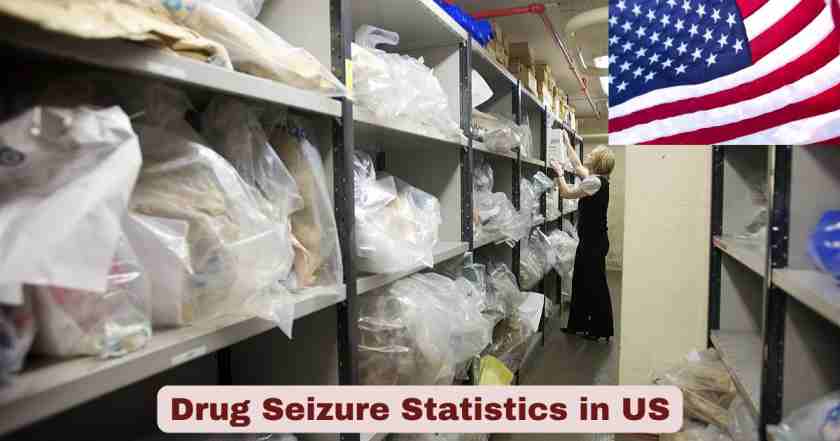
Drug Seizure in America 2025
The landscape of drug seizure operations across America has witnessed dramatic transformations throughout 2025, reflecting both the evolving nature of narcotics trafficking and the intensified enforcement measures implemented by federal agencies. As the nation grapples with an ongoing substance abuse crisis, U.S. Customs and Border Protection (CBP) and the Drug Enforcement Administration (DEA) have mobilized unprecedented resources to intercept illicit substances before they penetrate American communities. The year 2025 has proven to be a watershed moment in the battle against drug trafficking, with enforcement agencies deploying advanced detection technologies, strategic operations, and collaborative partnerships across federal, state, local, and international jurisdictions.
The magnitude of drug interdiction efforts in 2025 reflects a comprehensive approach to combating transnational criminal organizations that profit from America’s drug epidemic. From the deserts of the Southwest border to major metropolitan distribution hubs, law enforcement personnel have worked tirelessly to dismantle trafficking networks and prevent deadly narcotics from reaching vulnerable populations. The statistics emerging from this year paint a complex picture of both successes and ongoing challenges, with certain drug categories showing decreased trafficking volumes while others have surged. Understanding these patterns provides critical insights into the effectiveness of current enforcement strategies and highlights areas requiring enhanced focus and resources.
Key Drug Seizure Stats & Facts in the US 2025
| Drug Seizure Fact | 2025 Data | Source |
|---|---|---|
| Fentanyl Pills Seized (DEA, Jan-Jul 2025) | 44 million pills | U.S. Department of Justice |
| Fentanyl Powder Seized (DEA, Jan-Jul 2025) | 4,500 pounds | U.S. Department of Justice |
| Record Single Fentanyl Pill Seizure (Albuquerque, April 2025) | 2.7 million pills | DEA |
| Methamphetamine Seized (DEA, Jan-Jul 2025) | 65,000 pounds | U.S. Department of Justice |
| Cocaine Seized (DEA, Jan-Jul 2025) | 201,500 pounds | U.S. Department of Justice |
| Fentanyl-Related Arrests (DEA, Jan-Jul 2025) | 2,105 arrests | U.S. Department of Justice |
| Fentanyl Seized (CBP January 2025) | 1,029 pounds | U.S. Customs and Border Protection |
| Fentanyl Seized (CBP February 2025) | 1,266 pounds | U.S. Customs and Border Protection |
| Fentanyl Seized (CBP March 2025) | 760 pounds | U.S. Customs and Border Protection |
| Fentanyl Seized (CBP April 2025) | 758 pounds | U.S. Customs and Border Protection |
| Fentanyl Seized (CBP May 2025) | 718 pounds | U.S. Customs and Border Protection |
| Fentanyl Seized (CBP June 2025) | 742 pounds | U.S. Customs and Border Protection |
| Fentanyl Seized (CBP October 2025) | 968 pounds | U.S. Customs and Border Protection |
| Total Drugs Seized in August 2025 (CBP) | 55,000 pounds | U.S. Department of Homeland Security |
| Fentanyl Trafficking Decline (compared to same 2024 period) | 56% decrease | U.S. Department of Homeland Security |
| Coast Guard Cocaine Seizures (FY 2025) | 500,000+ pounds | U.S. Coast Guard |
| Khat Drug Seizures (FY 2025) | 46,000 pounds | U.S. Customs and Border Protection |
Data Source: U.S. Customs and Border Protection, Drug Enforcement Administration, U.S. Department of Justice, U.S. Department of Homeland Security
The drug seizure statistics for 2025 reveal a multifaceted enforcement landscape that underscores both the persistent threat of narcotics trafficking and the considerable impact of coordinated law enforcement operations. The staggering figure of 44 million fentanyl pills confiscated by the DEA between January and July represents one of the most significant interdiction achievements in the agency’s history, demonstrating the scale at which synthetic opioids continue to flood toward American borders. This massive quantity, combined with 4,500 pounds of fentanyl powder, illustrates the dual nature of fentanyl trafficking through both pill-form distribution and raw powder that cartels use for further processing and mixing with other substances.
Perhaps most notably, the single largest fentanyl pill seizure ever recorded by the DEA occurred in Albuquerque during April 2025, when agents confiscated 2.7 million pills in one operation. This historic seizure, which authorities estimate could have produced over 1.5 million lethal doses, effectively dismantled a major distribution hub for the Sinaloa Cartel and prevented catastrophic harm to communities across multiple states. The methamphetamine interdiction numbers are equally impressive, with 65,000 pounds seized by the DEA during the first seven months of the year, while cocaine seizures reached 201,500 pounds during the same period. These figures collectively demonstrate that while fentanyl dominates public discourse about border drug trafficking, traditional substances like methamphetamine and cocaine continue flowing at substantial volumes.
Monthly Fentanyl Seizure Trends in the US 2025
| Month | Fentanyl Seized (Pounds) | Percentage Change from Previous Month | Key Operation Details |
|---|---|---|---|
| January 2025 | 1,029 pounds | Baseline month | Methamphetamine seizures increased 15% |
| February 2025 | 1,266 pounds | +23% increase | Operation Hourglass concluded (1,484 lbs seized) |
| March 2025 | 760 pounds | -40% decrease | Combined drug seizures increased 47% |
| April 2025 | 758 pounds | -0.3% decrease | Methamphetamine seizures increased 30% |
| May 2025 | 718 pounds | -5.3% decrease | Cocaine seizures increased 19% |
| June 2025 | 742 pounds | +3.3% increase | Overall drug seizures increased 13% |
| October 2025 | 968 pounds | +50% increase from September | Marijuana seizures increased 61% |
Data Source: U.S. Customs and Border Protection Monthly Updates
The monthly fluctuation patterns in fentanyl seizures throughout 2025 provide valuable intelligence about trafficking dynamics and enforcement effectiveness at the U.S. borders. January commenced the year with a substantial 1,029 pounds of fentanyl intercepted, setting a robust baseline for enforcement operations. February witnessed a notable 23% surge to 1,266 pounds, coinciding with the conclusion of Operation Hourglass, a comprehensive multi-agency initiative spanning from January 15 through March 1 that specifically targeted fentanyl trafficking corridors in Arizona, California, and the Pacific Northwest. This strategic operation resulted in the seizure of over 1,484 pounds of fentanyl pills and powder, along with 15 pill press die molds and more than 9,700 pounds of other illicit narcotics.
The subsequent months from March through May showed a declining trend, with seizures dropping to 760 pounds in March (a 40% decrease), then stabilizing around 758 pounds in April and 718 pounds in May. This downward trajectory suggests possible shifts in trafficking routes, enhanced intelligence preventing shipments from reaching interception points, or seasonal variations in smuggling operations. June marked a slight uptick to 742 pounds, while the most dramatic change occurred in October when fentanyl seizures surged 50% from September to reach 968 pounds. Throughout these monthly variations, CBP continued emphasizing that the overall trajectory showed fentanyl trafficking declining 56% compared to the same period in 2024, indicating that multi-year enforcement strategies have yielded measurable suppression of this deadly synthetic opioid’s flow across borders.
Methamphetamine Seizure Statistics in the US 2025
| Time Period | Methamphetamine Seized | Location/Agency | Notable Operations |
|---|---|---|---|
| January-July 2025 (DEA) | 65,000 pounds | Nationwide | Multi-state enforcement operations |
| February 2025 (CBP Operations) | 5,683 pounds | Border regions | Joint FSLTT operations |
| July-August 2025 | 37% increase | Southwest border | Third-highest monthly total under Trump administration |
| Galveston, TX (Single Seizure) | 1,700 pounds ($15 million value) | Vehicle concealment | DEA-CBP coordination |
| Austin, TX (Single Seizure) | 783 pounds | Refrigerated truck with blueberries | DEA-FBI-local partners |
| El Paso, TX (Single Seizure) | 115 pounds | GPS-tracked vehicle | DEA-HSI-Border Patrol |
| Kern County, CA (Lab Seizure) | 250 pounds crystal meth + 151 gallons liquid | Conversion lab | Five traffickers arrested |
Data Source: U.S. Department of Justice, U.S. Customs and Border Protection, Drug Enforcement Administration
Methamphetamine trafficking has experienced a concerning resurgence throughout 2025, reversing a brief downward trend observed between 2021 and 2023. The DEA’s interception of 65,000 pounds of methamphetamine during just the first seven months of the year represents a substantial volume that, if distributed, could have supplied millions of doses to users across the nation. The 37% surge in methamphetamine seizures between July and August alone underscores the accelerating pace at which this powerful stimulant is being smuggled across borders and transported through interior checkpoints. Unlike fentanyl, which concentrates primarily at official ports of entry, methamphetamine seizures have shown a more distributed pattern, with significant quantities intercepted both at border crossings and between ports where Border Patrol maintains surveillance.
The individual seizure operations highlight sophisticated trafficking methodologies employed by criminal organizations. The Galveston interception of 1,700 pounds concealed within a vehicle, valued at over $15 million, demonstrates the massive financial stakes driving the methamphetamine trade. Similarly creative was the Austin seizure where 783 pounds were discovered hidden inside a refrigerated truck ostensibly carrying blueberries, illustrating traffickers’ adaptation to agricultural shipping patterns to mask their illicit cargo. The discovery of a methamphetamine conversion laboratory in Kern County, California, where five individuals were arrested alongside 250 pounds of crystal methamphetamine and 151 gallons of liquid methamphetamine, reveals that domestic production operations continue supplementing imported supplies. These conversion labs represent particularly dangerous facilities where precursor chemicals are transformed into finished product, creating both distribution points and significant public safety hazards for surrounding communities.
Cocaine Trafficking and Seizure Data in the US 2025
| Reporting Period | Cocaine Seized | Key Details | Geographic Focus |
|---|---|---|---|
| January-July 2025 (DEA) | 201,500 pounds | Major interdiction success | Nationwide operations |
| February 2025 (CBP Operations) | 2,584 pounds | Part of 13,348 lbs total drugs | Joint operations |
| April-May 2025 | 19% increase | Month-over-month comparison | Border-wide seizures |
| Coast Guard FY 2025 | 500,000+ pounds | Record seizure year | Eastern Pacific and Caribbean |
| Ramey Sector (Puerto Rico/Virgin Islands) | 9,600 pounds | Compared to 5,900 lbs in FY 2024 | Maritime interdiction |
| Single Seizure Operation (Multi-state) | 11 pounds + other drugs | Combined with 74 lbs meth, 11 lbs fentanyl | Indiana, Kentucky, Arizona |
| Arizona and California | 96% of border fentanyl seizures | Since 2020 | Western and southwestern corridors |
Data Source: Drug Enforcement Administration, U.S. Customs and Border Protection, U.S. Coast Guard
Cocaine seizures during 2025 have maintained elevated levels that reflect both the enduring demand for this stimulant within the United States and the entrenched trafficking networks that supply it. The DEA’s confiscation of 201,500 pounds between January and July represents a significant interdiction achievement, particularly given that cocaine trafficking typically involves more sophisticated maritime and overland smuggling operations compared to other narcotics. The 19% increase in cocaine seizures between April and May signals that trafficking organizations continued pushing substantial quantities northward during the spring months, potentially anticipating seasonal demand fluctuations or attempting to compensate for earlier losses to law enforcement.
The most remarkable cocaine interdiction story of 2025 comes from the U.S. Coast Guard, which achieved a record-breaking year by seizing over 500,000 pounds of cocaine in the Eastern Pacific and Caribbean theaters. This massive haul, which authorities calculate represents 193 million potentially lethal doses, underscores the critical role maritime enforcement plays in disrupting cocaine supply chains before they reach continental United States. The Ramey Sector operations covering Puerto Rico and the Virgin Islands seized 9,600 pounds during fiscal year 2025, representing a 63% increase from the previous year’s 5,900 pounds and an 81% increase from fiscal 2023’s 5,300 pounds. This upward trajectory in Caribbean interdictions suggests that trafficking organizations have been increasingly routing cocaine shipments through island territories, either for transshipment to the mainland or for local distribution networks.
Heroin and Other Opioid Seizures in the US 2025
| Time Period | Heroin Seized | Change from Previous Period | Context |
|---|---|---|---|
| Fiscal Year 2024 | 961 pounds | Baseline comparison | Significant decline from historical levels |
| October 2024 – January 2025 (First 4 months FY 2025) | 502 pounds | 89% ahead of same period FY 2024 | Unexpected resurgence |
| February 2025 (CBP Operations) | 135 pounds | Part of Operation Hourglass | Multi-agency seizure |
| April-May 2025 | 191% increase | Month-over-month surge | Cocaine seizures increased 19% |
| October 2025 | 188% increase from September | Monthly comparison | Marijuana increased 61% |
| Pre-2021 Annual Levels | 5,000+ pounds | Historical comparison | Over 85% seized at ports of entry |
Data Source: U.S. Customs and Border Protection, Washington Office on Latin America (WOLA) Analysis
The trajectory of heroin seizures throughout 2025 presents a paradoxical narrative within America’s broader drug enforcement landscape. For several years, heroin interdictions had plummeted as synthetic opioids like fentanyl displaced traditional opium-derived narcotics in the illicit market. By fiscal year 2024, total heroin seizures had collapsed to just 961 pounds annually, a fraction of the 5,000+ pounds routinely intercepted as recently as 2021. This dramatic decline reflected a fundamental shift in the opioid supply chain, as Mexican cartels and international trafficking organizations pivoted away from labor-intensive opium poppy cultivation toward manufacturing synthetic fentanyl using chemical precursors.
However, 2025 witnessed an unexpected reversal of this downward trend. During the first four months of fiscal year 2025 (October through January), heroin seizures reached 502 pounds, placing the year on pace to potentially exceed previous figures and representing an 89% surge compared to the same period in fiscal 2024. The reasons behind this resurgence remain subject to law enforcement analysis, but potential explanations include renewed poppy cultivation in source countries, trafficking organizations diversifying their product portfolios to include both synthetic and plant-derived opioids, or enforcement agencies refocusing detection efforts on heroin after years of fentanyl-centric operations. The dramatic monthly spikes observed during 2025, including a 191% increase between April and May and a 188% surge in October compared to September, suggest volatile trafficking patterns that may indicate disrupted supply chains or opportunistic smuggling attempts.
Geographic Distribution of Drug Seizures in the US 2025
| Border Region | Primary Drugs Seized | Percentage of Total Seizures | Key Characteristics |
|---|---|---|---|
| Arizona (San Diego-Arizona Corridor) | Fentanyl, Cocaine, Methamphetamine | 61% of all fentanyl seizures (since 2020: 48%) | Increased concentration in recent years |
| California (San Diego CBP) | Fentanyl, Cocaine | 36% of all fentanyl seizures (since 2020: 48%) | Major port of entry interdictions |
| Texas (Laredo and Rio Grande Valley) | Cocaine, Methamphetamine | 34% of cocaine (25% since FY 2024) | Easternmost concentration zone |
| Southwest Border Overall | All drug categories | 96% of fentanyl at ports of entry | Official crossing points dominant |
| El Paso Sector (Texas-New Mexico) | Marijuana (70% by weight), Methamphetamine | 75% decline in marijuana seizures FY 2024-2025 | Significant overall decrease |
| Puerto Rico/Virgin Islands (Ramey Sector) | Cocaine | 9,600 pounds (63% increase from FY 2024) | Maritime interdiction focus |
| Eastern Pacific & Caribbean | Cocaine | 500,000+ pounds (Coast Guard) | Record maritime seizures |
Data Source: U.S. Customs and Border Protection, U.S. Coast Guard, Border Enforcement Statistics
The geographic distribution of drug seizures throughout 2025 reveals distinct regional patterns that reflect both trafficking organizations’ strategic routing decisions and enforcement resource deployment. Arizona has solidified its position as the primary entry corridor for fentanyl, with 61% of all fentanyl seizures occurring within the state’s border regions during the early 2025 period, representing an increase from its 48% share averaged since 2020. This concentration suggests that the Sinaloa and Jalisco New Generation cartels, which dominate fentanyl production and trafficking, have optimized their smuggling routes through Arizona’s ports of entry, particularly in the Nogales and San Luis areas. California, traditionally sharing nearly equal fentanyl interdiction volumes with Arizona, has seen its proportion decline to approximately 36% of total seizures, though the San Diego Field Office remains a critical enforcement zone.
The Texas border presents a different profile, with the Laredo Field Office and Rio Grande Valley Border Patrol Sector accounting for 34% of all cocaine seizures nationally, though this represents a decline from their combined 48% share observed earlier in the decade. This shift indicates possible rerouting of cocaine trafficking lanes away from South Texas toward western corridors. The El Paso Sector experienced dramatic changes during fiscal year 2025, with total drug seizures declining 35% compared to the previous year, driven primarily by a 75% collapse in marijuana seizures. This marijuana decline mirrors national trends as legalization in numerous states has reduced black market demand. Maritime interdiction zones demonstrated unprecedented activity, with the Coast Guard’s 500,000+ pound cocaine haul in the Eastern Pacific and Caribbean representing the single largest annual maritime drug seizure in the service’s history, while the Ramey Sector covering Puerto Rico and the U.S. Virgin Islands seized 9,600 pounds of cocaine, a 63% increase reflecting enhanced trafficking through Caribbean transshipment routes.
DEA Enforcement Operations and Major Busts in the US 2025
| Operation Name | Duration | Seizures | Arrests | Geographic Scope |
|---|---|---|---|---|
| Operation Hourglass | January 15 – March 1, 2025 | 1,484 lbs fentanyl, 9,700 lbs other drugs, $1.9M currency | Multiple arrests | Arizona, California, Pacific Northwest |
| Operation Artemis (4 months) | Early 2025 | 13,000 lbs fentanyl precursor chemicals | 900+ seizure events | Strategic locations nationwide |
| Albuquerque Record Seizure | April 28, 2025 | 2.7 million fentanyl pills, $5M currency, 49 firearms | 16 individuals | New Mexico, multi-state network |
| Operation Bodega Rip | April 14 – May 14, 2025 | Precursor materials for terrorist organizations | Multiple arrests | Unified 30-day operation |
| Operation FREE 3.0 Virginia | April 2025 | 51 lbs fentanyl, 16,077 lbs cocaine, 152 lbs methamphetamine, 189 firearms | 1,371 drug arrests | Virginia, 114 partner agencies |
| Single Operations (January-July 2025) | Ongoing | 44 million fentanyl pills, 4,500 lbs fentanyl powder, 65,000 lbs methamphetamine, 201,500 lbs cocaine | 2,105 fentanyl-related arrests | Nationwide |
Data Source: Drug Enforcement Administration, U.S. Department of Justice
The DEA’s strategic operations throughout 2025 exemplify a coordinated, intelligence-driven approach to dismantling drug trafficking networks at multiple levels of distribution infrastructure. Operation Hourglass, conducted between January 15 and March 1, represented one of the year’s most comprehensive enforcement surges, targeting the entire supply chain of synthetic drug trafficking through Arizona, California, and Pacific Northwest corridors. This operation’s seizure of 1,484 pounds of fentanyl pills and powder, combined with the confiscation of 15 pill press die molds, directly attacked both the finished product distribution and the manufacturing capability of criminal organizations. The recovery of over $1.9 million in U.S. currency further disrupted the financial networks that sustain these operations.
Operation Artemis introduced an innovative “jump team” concept, where multi-disciplinary interagency units deployed rapidly to strategic locations based on real-time intelligence about fentanyl supply chains. Over its four-month duration, Artemis generated more than 900 separate seizure events, with its most significant achievement being the interdiction of 13,000 pounds of fentanyl precursor chemicals. This focus on precursors represents a strategic shift toward disrupting the manufacturing process before finished fentanyl enters the distribution system. The Albuquerque operation in late April stands as 2025’s most spectacular single enforcement action, with the 2.7 million fentanyl pills seized representing enough potential lethal doses to kill the majority of New Mexico’s population. This massive bust, which also netted nearly $5 million in currency and 49 firearms, effectively dismantled what the DEA characterized as “one of the largest and most dangerous drug trafficking organizations in U.S. history,” with 16 individuals arrested across a five-state network spanning the operation’s investigative reach.
Emerging Drug Trends and Lesser-Known Substances in the US 2025
| Substance | FY 2025 Seizures | Change from FY 2024 | Characteristics |
|---|---|---|---|
| Khat | 46,000 pounds | 162% increase (from 17,600 lbs) | East African/Arabian stimulant, chewed like tobacco |
| Carfentanil | 24 pounds (Fresno, CA) | Largest single Northern California seizure | 10,000x more potent than morphine, 100x more than fentanyl |
| Xylazine | 640 pounds (included in “other substances”) | Growing presence in drug supply | Veterinary tranquilizer mixed with opioids |
| Marijuana | Increased seizures | 75% decline in El Paso region FY 2024-2025 | Legalization reducing black market demand |
| Synthetic Cannabinoids | Confiscated in vaping products | Week-long operational enforcement | Whole-of-government initiative |
Data Source: U.S. Customs and Border Protection, Drug Enforcement Administration
Beyond the traditional focus on fentanyl, methamphetamine, cocaine, and heroin, 2025 enforcement statistics reveal concerning trends in several lesser-known substances that pose unique public health threats. Khat, a flowering evergreen shrub native to East Africa and the Arabian Peninsula, experienced the most dramatic seizure increase of any substance in fiscal year 2025. CBP agents intercepted 46,000 pounds of khat, representing a 162% surge from the previous year’s 17,600 pounds. While these 2025 figures remain below the peak years of 2022 (175,000 pounds) and 2023 (70,000 pounds), the substance’s resurgence suggests renewed trafficking activity targeting immigrant communities from regions where khat use is culturally embedded. The drug, typically chewed like tobacco, produces stimulant effects but can also cause manic behavior, paranoia, hallucinations, and severe gastrointestinal problems.
Perhaps most alarming is the emergence of carfentanil in the U.S. drug supply, with DEA agents in Fresno, California, seizing 24 pounds of this ultra-potent synthetic opioid disguised as legitimate prescription pills in what authorities described as the largest single carfentanil seizure in Northern California’s history. Carfentanil’s potency, approximately 10,000 times greater than morphine and 100 times more powerful than fentanyl, makes it extraordinarily dangerous even in microscopic quantities. Originally developed as an elephant tranquilizer, carfentanil poses severe risks not only to users but also to law enforcement and medical personnel who may be exposed during handling. Xylazine, a veterinary tranquilizer increasingly mixed with fentanyl and other opioids, appeared in 640 pounds of seized substances categorized as “other illicit substances” during February 2025 operations. This “zombie drug,” as it’s colloquially known, causes severe skin lesions, respiratory depression, and complicates overdose treatment since naloxone cannot reverse its effects, requiring entirely different medical interventions.
Federal Drug Enforcement Budget and Resources in the US 2025
| Agency/Resource | Budget Amount | Key Allocation | Purpose |
|---|---|---|---|
| CBP Overall Request | $19.76 billion | Approximately 1/3 of DHS total budget | Border security, inspection, law enforcement |
| Joint Fentanyl Signature Laboratory | Included in CBP allocation | Forward operating lab expansion | Research, testing, signature analysis of fentanyl |
| Incident-Driven Video Recording Systems (IDVRS) | $30 million | Body-worn cameras, vehicle cameras, in-vessel routers | Enhanced documentation and accountability |
| DEA Personnel | Approximately 10,000 staff | Special Agents, Diversion Investigators, Intelligence Analysts, Chemists | 241 domestic offices, 93 foreign offices |
| Multi-Agency Operations Funding | Various appropriations | FSLTT partnership support | Collaborative enforcement operations |
Data Source: Department of Homeland Security Budget Request, Drug Enforcement Administration
The federal investment in drug enforcement infrastructure and operations during 2025 reflects a prioritization of border security and drug interdiction as core national security objectives. CBP’s budget request of $19.76 billion for fiscal year 2025, representing approximately one-third of the Department of Homeland Security’s entire budget allocation, underscores the massive scale of resources dedicated to maintaining and strengthening the physical borders with Mexico (1,900 miles) and Canada (5,000+ miles), as well as securing 95,000 miles of shoreline. This substantial funding supports not only personnel compensation for the agency’s 65,000+ employees but also the technological infrastructure necessary for modern drug detection and interdiction.
A significant portion of this budget specifically targets fentanyl interdiction capabilities, including expansion of the Joint Fentanyl Signature Laboratory and similar forward-operating facilities. These specialized laboratories enable real-time analysis of seized fentanyl samples to identify manufacturing signatures, trace precursor chemical sources, and map trafficking networks based on chemical composition patterns. The $30 million allocation for Incident-Driven Video Recording Systems represents a commitment to enhanced accountability and evidence documentation, equipping both agents and vehicles with body-worn cameras, vehicle-mounted recording equipment, and in-vessel routers that enable comprehensive recording of enforcement activities. The DEA’s operational capacity, supported by approximately 10,000 personnel deployed across 241 domestic offices in 23 divisions and 93 foreign offices worldwide, enables the agency to conduct simultaneous multi-jurisdictional operations like those observed throughout 2025, demonstrating that effective drug enforcement requires sustained financial commitment matched with strategic resource deployment.
Impact of Drug Seizures on Public Health in the US 2025
| Public Health Metric | 2025 Impact | Context |
|---|---|---|
| Potential Lethal Doses Prevented (Fentanyl) | Over 2 billion doses | Based on nearly 50,000 lbs seized in last 2 fiscal years |
| Coast Guard Cocaine Interdiction | 193 million potentially lethal doses | From 500,000+ pounds seized |
| Albuquerque Single Seizure Impact | 1.5 million lives potentially saved | 2.7 million pills = enough to kill majority of New Mexico population |
| Overdose Deaths (2023 latest complete data) | 107,543 deaths | 3% decrease from 2022 (111,029 deaths) |
| Synthetic Opioid Involvement | 69% of fatal overdoses | Fentanyl and other synthetic opioids |
| Stimulant Overdose Deaths (2022 data) | 34,022 deaths (psychostimulants/meth) | Rising steadily since 2014 |
| Cocaine Overdose Deaths (2022 data) | 27,569 deaths | 73.5% increase since 2019 |
Data Source: Centers for Disease Control and Prevention, Drug Enforcement Administration, U.S. Customs and Border Protection
The quantifiable public health impact of drug seizure operations during 2025 extends far beyond the raw tonnage of narcotics interdicted, translating directly into lives saved and communities protected from the devastating consequences of addiction and overdose. The DEA’s calculation that the nearly 50,000 pounds of fentanyl seized during fiscal years 2023 and 2024 represented over 2 billion potential lethal doses provides stark perspective on the magnitude of harm prevented through enforcement operations. To contextualize this figure, it represents enough fentanyl to theoretically kill every person in the United States multiple times over, underscoring both the deadly efficiency of synthetic opioids and the critical importance of interdiction efforts.
The Coast Guard’s record-breaking 500,000+ pound cocaine seizure in 2025, calculated to represent 193 million potentially lethal doses, prevented a massive influx of stimulant drugs that would have fueled addiction cycles, sparked violent crime associated with drug distribution, and contributed to the alarming rise in cocaine-involved overdose deaths, which increased 73.5% between 2019 and 2022. The Albuquerque operation’s 2.7 million fentanyl pills, representing sufficient quantity to potentially kill 1.5 million people (nearly the entire population of New Mexico).
Disclaimer: This research report is compiled from publicly available sources. While reasonable efforts have been made to ensure accuracy, no representation or warranty, express or implied, is given as to the completeness or reliability of the information. We accept no liability for any errors, omissions, losses, or damages of any kind arising from the use of this report.