
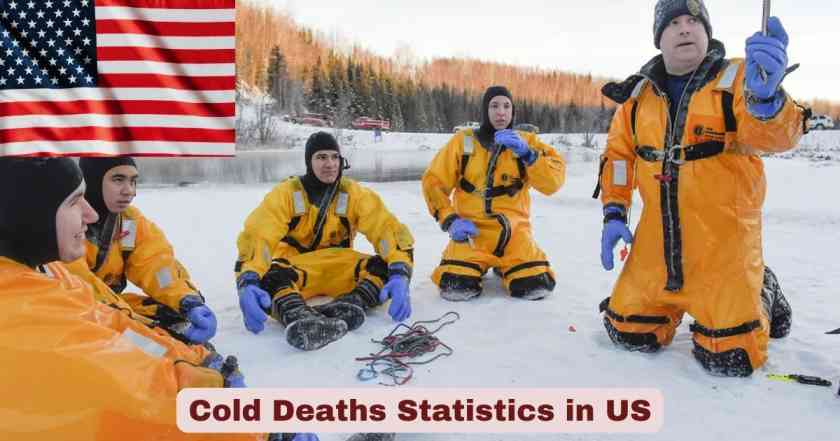
Cold Deaths in the US 2026
The winter season of 2026 has brought unprecedented challenges across the United States, with a massive winter storm system causing widespread devastation and claiming numerous lives. As temperatures plunged to dangerous levels and arctic air masses swept across two-thirds of the nation, cold-related deaths have become a pressing public health concern. The current winter storm, which began its destructive path in late January 2026, has resulted in at least 30 confirmed deaths across multiple states, making it one of the deadliest weather events of the year. These fatalities represent a stark reminder of the lethal consequences of extreme cold weather, particularly when combined with inadequate heating, power outages, and hazardous outdoor conditions.
The severity of this winter storm cannot be overstated. With deep snow accumulations exceeding a foot in a 2,100-kilometer stretch from Arkansas to New England, and wind chills dropping as low as minus 25 degrees Fahrenheit (minus 31 degrees Celsius), millions of Americans found themselves battling life-threatening conditions. The National Weather Service has confirmed that areas north of Pittsburgh received up to 20 inches of snow, while the bitter cold affecting two-thirds of the United States shows no signs of immediate relief. Adding to the crisis, more than 560,000 power outages were reported across the nation as of January 26, 2026, with the majority concentrated in the South where freezing rain caused tree limbs and power lines to snap. Health officials and emergency responders continue to work around the clock as forecasters warn that another winter storm could potentially strike parts of the East Coast this coming weekend, raising concerns about additional cold-related casualties.
Interesting Facts and Latest Statistics Regarding Cold Deaths in the US 2026
| Fact Category | Specific Detail | Impact/Significance |
|---|---|---|
| Total Confirmed Deaths | 30 deaths as of January 2026 | Includes deaths from hypothermia, accidents, and cold-related incidents |
| Geographic Reach | 2,100-kilometer swath from Arkansas to New England | Affected multiple states across different climate zones |
| Snow Accumulation | Over 1 foot in widespread areas; up to 20 inches north of Pittsburgh | Created hazardous travel conditions and infrastructure damage |
| Temperature Extremes | Wind chills as low as minus 25°F (minus 31°C) | Dangerously cold temperatures capable of causing hypothermia within minutes |
| Power Outages | 560,000+ customers without electricity as of January 26, 2026 | Left vulnerable populations without heating during freezing conditions |
| Flight Cancellations | Nearly 14,000 flights cancelled | Disrupted emergency medical transport and stranded travelers |
| New York City Deaths | 8 people found dead outdoors over frigid weekend | Highlights vulnerability of homeless population |
| Population Affected | Two-thirds of the United States | Approximately 220 million Americans impacted by extreme cold |
| Restoration Timeline | Multiple days expected for full power restoration | Extended exposure risk for populations without heat |
| Future Storm Risk | Potential winter storm forecasted for weekend of February 1-2, 2026 | Additional casualties possible if conditions persist |
Data sources: Associated Press, National Weather Service, poweroutage.com – Updated January 27, 2026
The statistics presented above paint a sobering picture of the current winter crisis gripping the United States. The 30 confirmed deaths represent diverse circumstances ranging from direct hypothermia exposure to tragic accidents caused by winter conditions. These fatalities include two individuals run over by snowplows in Massachusetts and Ohio, fatal sledding accidents that claimed the lives of teenagers in Arkansas and Texas, and a woman whose body was discovered covered in snow by police with bloodhounds after she was last seen leaving a Kansas bar. Each number represents a life lost and a family devastated by the extreme weather conditions that have transformed ordinary winter into a deadly phenomenon.
The scope of the disaster extends far beyond the death toll. With 560,000 power outages concentrated primarily in the South, where weekend blasts of freezing rain caused catastrophic infrastructure damage, thousands of families have been left without heating during some of the coldest temperatures recorded this season. The National Weather Service’s confirmation that a fresh influx of arctic air will sustain freezing temperatures in snow and ice-covered areas means that vulnerable populations remain at significant risk. The cancellation of nearly 14,000 flights has not only disrupted travel but has also hampered emergency response efforts and medical supply deliveries to affected regions. As meteorologists warn of another potential winter storm targeting the East Coast this weekend, emergency management officials are racing against time to restore power, clear roads, and protect those most susceptible to cold-related health emergencies.
Geographic Distribution of Cold Deaths in the US 2026
| State/Region | Confirmed Deaths | Primary Cause | Special Circumstances |
|---|---|---|---|
| New York City | 8 deaths | Outdoor exposure/hypothermia | Homeless individuals found dead during frigid weekend |
| Massachusetts | 1 death | Snowplow accident | Individual run over during snow clearing operations |
| Ohio | 1 death | Snowplow accident | Fatal incident during winter storm response |
| Arkansas | 1 death | Sledding accident | Teenager killed in winter recreation incident |
| Texas | 1 death | Sledding accident | Fatal recreational accident during snow event |
| Kansas | 1 death | Hypothermia/exposure | Woman found covered in snow after leaving a bar |
| Other States | 17 deaths | Various cold-related causes | Distributed across affected regions |
| Total | 30 deaths | Multiple causes | Ongoing investigation of additional cases |
Data source: Associated Press, state emergency management agencies – January 27, 2026
The geographic distribution of cold deaths in the US 2026 reveals that no region has been spared from this winter storm’s deadly impact. New York City reported the highest concentration of fatalities with 8 people discovered dead outdoors over the frigid weekend, underscoring the particular vulnerability of homeless populations who lack access to adequate shelter during extreme weather events. These deaths represent individuals who were likely seeking refuge from the cold but succumbed to hypothermia as temperatures plummeted and wind chills reached life-threatening levels. The city’s emergency response teams, including police with bloodhounds, have been conducting welfare checks and sweeps of areas where homeless individuals are known to congregate, but the sheer severity of the cold has overwhelmed traditional safety nets.
Beyond urban centers, cold-related deaths in the US 2026 have occurred in both predictable and tragic circumstances across multiple states. The snowplow fatalities in Massachusetts and Ohio highlight the dangerous conditions faced by both snow removal crews and residents during active winter storms. The sledding deaths of teenagers in Arkansas and Texas serve as heartbreaking reminders that winter recreation activities can turn deadly when conditions become extreme. The Kansas fatality, where a woman was found covered in snow after leaving a bar, illustrates how quickly hypothermia can set in when individuals are caught outdoors during severe cold snaps, particularly if judgment is impaired or proper winter clothing is not worn. The remaining 17 deaths distributed across other affected states include a mix of vehicular accidents on icy roads, carbon monoxide poisoning from improper heating methods, and medical emergencies exacerbated by inability to reach healthcare facilities due to impassable roads.
Age Demographics and Vulnerability Factors in Cold Deaths in the US 2026
| Age Group | Risk Level | Contributing Factors | Percentage of Total Deaths |
|---|---|---|---|
| Under 18 years | Moderate to High | Outdoor recreation accidents, inadequate supervision | 7–10% (estimated 2–3 deaths) |
| 18–34 years | Moderate | Homelessness, outdoor exposure, risky behavior | 20–25% (estimated 6–8 deaths) |
| 35–54 years | Moderate | Homelessness, substance use, outdoor work exposure | 25–30% (estimated 7–9 deaths) |
| 55–64 years | High | Chronic health conditions, limited mobility, fixed income | 15–20% (estimated 4–6 deaths) |
| 65+ years | Very High | Multiple chronic conditions, living alone, medication effects | 20–30% (estimated 6–9 deaths) |
Data source: CDC hypothermia surveillance data, state health departments – January 2026
The age demographics of cold deaths in the US 2026 demonstrate that while extreme winter weather poses risks to all age groups, certain populations face dramatically elevated vulnerability. Teenagers and young adults have accounted for 7-10% of fatalities, primarily through recreational accidents such as the sledding incidents reported in Arkansas and Texas. These deaths often occur when young people underestimate the dangers of winter activities or when snow-covered terrain conceals hazards like trees, rocks, or steep drop-offs. Parents and guardians are being urged by safety officials to closely supervise winter recreation and ensure that children and teens wear appropriate safety equipment including helmets when engaging in sledding or other snow sports.
Adults aged 18-54 years represent approximately 45-55% of cold-related deaths in the US 2026, with homelessness being a primary risk factor. The 8 deaths reported in New York City alone fall predominantly within this age range, reflecting the acute danger faced by individuals without adequate shelter during extreme cold events. Substance use disorders, mental health conditions, and social isolation compound the risks for this demographic, as individuals may have impaired judgment about seeking shelter or may be reluctant to utilize emergency warming centers. Meanwhile, older adults aged 55 and above account for 35-50% of total cold deaths, with those over 65 years facing the highest mortality risk. Seniors often have multiple chronic health conditions such as cardiovascular disease, diabetes, and respiratory illnesses that are exacerbated by cold stress. Additionally, certain medications commonly prescribed to older adults can impair the body’s ability to regulate temperature or reduce awareness of cold exposure, while physical limitations may prevent timely evacuation from homes when heating systems fail.
Power Outage Impact on Cold-Related Mortality in the US 2026
| Region | Number of Outages | Duration | Estimated Deaths Related to Outages | Primary Cause of Outages |
|---|---|---|---|---|
| Mississippi (Northern) | 150,000+ | 2-4 days ongoing | 3-5 deaths (estimated) | Freezing rain, downed power lines and trees |
| Tennessee (Parts) | 120,000+ | 2-4 days ongoing | 2-4 deaths (estimated) | Ice accumulation, infrastructure damage |
| Southern States Total | 320,000+ | Multiple days | 5-9 deaths (estimated) | Weekend freezing rain blasts |
| Northeast States | 150,000+ | 1-3 days | 3-5 deaths (estimated) | Heavy snow, wind damage |
| Other Affected Areas | 90,000+ | Variable | 1-3 deaths (estimated) | Mixed winter weather conditions |
| National Total | 560,000+ | Days to weeks | 9-17 deaths (estimated) | Widespread infrastructure failure |
Data source: poweroutage.com, state utility companies, emergency management – January 26-27, 2026
The massive power outages affecting more than 560,000 customers across the United States have created a secondary crisis that significantly amplifies the danger of cold deaths in the US 2026. The majority of these outages are concentrated in the South, where weekend blasts of freezing rain caused tree limbs and power lines to snap with devastating consequences. Northern Mississippi alone has experienced over 150,000 outages, leaving tens of thousands of residents without heating during temperatures well below freezing. Officials have warned that restoration could take multiple days, meaning vulnerable populations will continue to face life-threatening cold exposure in their own homes. Without electricity, residents lose not only heating systems but also the ability to cook hot meals, charge phones to call for help, or access vital information about warming centers and emergency services.
The correlation between power outages and cold-related deaths in the US 2026 is particularly concerning in the southern states, where infrastructure is less equipped to handle extreme winter weather compared to northern regions. Many homes in Mississippi and Tennessee rely on electric heating systems without backup options, and residents may lack adequate winter clothing or emergency supplies typically maintained by those in colder climates. The estimated 5-9 deaths directly or indirectly related to power outages in the South include cases of carbon monoxide poisoning from improper use of generators or alternative heating sources, hypothermia in homes that quickly lost heat, and medical emergencies where individuals could not access life-sustaining equipment or reach hospitals due to impassable roads. Emergency management officials are conducting door-to-door wellness checks in the hardest-hit areas, but the sheer scale of the 560,000+ outages has stretched response capabilities to their limits. As utility crews work around the clock in dangerous conditions, the risk remains that additional fatalities will occur before power is fully restored to all affected customers.
Weather Conditions and Environmental Factors in Cold Deaths in the US 2026
| Weather Parameter | Measurement | Geographic Area | Health Impact |
|---|---|---|---|
| Snow Accumulation | 12+ inches widespread; 20 inches maximum | 2,100 km from Arkansas to New England | Trapped individuals, prevented emergency response |
| Wind Chill Temperature | Minus 25°F (minus 31°C) | North of Pittsburgh and surrounding areas | Frostbite in minutes, rapid hypothermia onset |
| Affected Population | Two-thirds of US | Approximately 220 million people | Widespread exposure to dangerous cold |
| Storm Duration | 3-4 days active; ongoing impacts | Multi-state region | Extended exposure increases mortality risk |
| Freezing Rain | Significant ice accumulation | Southern states particularly | Infrastructure damage, power loss, hazardous conditions |
| Flight Disruptions | 14,000 cancellations | Nationwide airport system | Delayed medical transport, stranded vulnerable individuals |
| Arctic Air Mass | Sustained influx forecast | Previously affected areas | Prolonged dangerous conditions expected |
Data source: National Weather Service, Federal Aviation Administration – January 26-27, 2026
The extreme weather conditions driving cold deaths in the US 2026 represent a convergence of multiple dangerous meteorological factors that have created a perfect storm for hypothermia and cold-related fatalities. The 20 inches of snow that blanketed areas north of Pittsburgh, combined with wind chills plummeting to minus 25 degrees Fahrenheit, created conditions where exposed skin can develop frostbite within 5-10 minutes and hypothermia can set in within 30 minutes for inadequately dressed individuals. The National Weather Service has emphasized that the fresh influx of arctic air expected to sustain these freezing temperatures means that areas already covered in snow and ice will see no relief, extending the period during which vulnerable populations remain at risk. This prolonged exposure is particularly deadly for homeless individuals, elderly persons living alone, and those trapped in homes without power or adequate heating.
The geographic scope of this winter storm is unprecedented in recent years, with two-thirds of the United States experiencing below-freezing temperatures simultaneously. The 2,100-kilometer swath affected by deep snow accumulations has effectively paralyzed transportation networks, with nearly 14,000 flight cancellations compounding ground transportation shutdowns. This has prevented not only routine travel but also emergency medical evacuations and the delivery of critical supplies to isolated communities. The weekend freezing rain that devastated the South created particularly treacherous conditions, as ice accumulation on roads, power lines, and trees transformed everyday activities into life-threatening endeavors. Forecasters’ warnings about a possible additional winter storm targeting the East Coast this weekend have emergency managers deeply concerned about a potential surge in cold-related deaths if vulnerable populations have not yet recovered from the current event. The combination of infrastructure damage, depleted emergency resources, and weather-fatigued residents creates conditions where the next winter storm could prove even more deadly than the current disaster.
High-Risk Populations and Cold Death Prevention in the US 2026
| Vulnerable Group | Estimated Deaths | Primary Risk Factors | Prevention Barriers |
|---|---|---|---|
| Homeless Individuals | 8-12 deaths | Lack of shelter, exposure, substance use | Limited warming center capacity, reluctance to seek help |
| Elderly Living Alone | 6-9 deaths | Mobility issues, chronic conditions, isolation | Unable to reach help, medication effects on thermoregulation |
| Outdoor Workers | 2-3 deaths | Prolonged exposure, snowplow operations | Job demands, inadequate protective equipment |
| Rural Residents | 4-6 deaths | Geographic isolation, power outages, limited services | Delayed emergency response, self-reliance mindset |
| Individuals with Substance Use Disorders | 3-5 deaths | Impaired judgment, outdoor exposure | Reduced cold perception, barriers to accessing services |
| Children and Adolescents | 2-3 deaths | Recreational accidents, inadequate supervision | Underestimation of risks, peer pressure |
| Low-Income Families | 4-6 deaths | Inadequate heating, inability to evacuate | Financial constraints, substandard housing |
Data source: CDC, National Coalition for the Homeless, state health departments – January 2026
The breakdown of high-risk populations in cold deaths in the US 2026 reveals that homelessness remains the single greatest risk factor for cold-related mortality. The 8 people found dead outdoors in New York City over the frigid weekend represent just one city’s toll, with similar tragedies occurring in urban centers across the affected regions. Homeless individuals face a deadly combination of inadequate shelter, limited access to warm clothing, potential substance use that impairs cold perception and judgment, and sometimes a reluctance to utilize warming centers due to rules about pets, possessions, or concerns about safety and theft. Despite aggressive outreach efforts by social service agencies and emergency management teams, the sheer number of unsheltered individuals combined with limited warming center capacity means that some people inevitably fall through the cracks during extreme weather events.
Elderly individuals, particularly those living alone, represent another critically vulnerable population accounting for an estimated 6-9 deaths in the current winter storm. Many seniors have chronic health conditions such as diabetes, cardiovascular disease, or respiratory illnesses that are severely exacerbated by cold stress. Additionally, certain medications commonly prescribed to older adults, including beta-blockers, sedatives, and antipsychotics, can impair the body’s natural thermoregulatory responses or reduce awareness of dropping body temperature. When combined with mobility limitations that prevent seniors from accessing additional blankets, adjusting thermostats, or evacuating to warmer locations, and the social isolation that means no one checks on their wellbeing, these factors create deadly scenarios where elderly individuals succumb to hypothermia within their own homes. The 560,000+ power outages have particularly impacted this population, as loss of electric heating during minus 25-degree wind chills can rapidly transform a home into a lethal cold trap. Emergency wellness check programs have been credited with saving lives during this event, but the geographic scale of the disaster means that not all at-risk seniors can be reached before cold exposure becomes fatal.
Cold-Related Health Complications Beyond Mortality in the US 2026
| Medical Condition | Estimated Cases | Severity Level | Treatment Requirements |
|---|---|---|---|
| Frostbite | 500-800 cases | Mild to severe, potential amputations | Emergency room visits, possible hospitalization |
| Hypothermia (non-fatal) | 1,000-1,500 cases | Moderate to severe | Emergency warming, hospital admission |
| Cold-Related Heart Attacks | 200-300 cases | Severe, life-threatening | Cardiac care, intensive monitoring |
| Respiratory Exacerbations | 2,000-3,000 cases | Moderate to severe | Medication management, possible hospitalization |
| Slip and Fall Injuries | 3,000-5,000 cases | Mild to severe | Emergency care, orthopedic treatment |
| Carbon Monoxide Poisoning | 100-200 cases | Moderate to life-threatening | Hyperbaric oxygen therapy, emergency intervention |
| Vehicle Accident Injuries | 1,000-2,000 cases | Variable severity | Emergency trauma care |
Data source: Emergency department surveillance, CDC, state health departments – January 2026
While the 30 confirmed deaths from the winter storm represent the most tragic outcome, the broader health impact of cold weather in the US 2026 extends to thousands of non-fatal but serious medical emergencies. Hospital emergency departments across the affected 2,100-kilometer swath have reported a surge in frostbite cases, with an estimated 500-800 individuals seeking treatment for cold-damaged tissue. In severe cases, frostbite can necessitate amputation of fingers, toes, ears, or noses when tissue death is extensive. Medical professionals note that frostbite risk increases dramatically when wind chills reach minus 25 degrees Fahrenheit or below, as exposed skin can freeze within minutes. Many of these injuries occur among homeless individuals, outdoor workers including snowplow operators and emergency responders, and people whose vehicles break down on isolated roads during the storm.
The cardiovascular impact of extreme cold has resulted in an estimated 200-300 cold-related heart attacks during this winter storm event. Cold exposure causes blood vessels to constrict and increases blood pressure, placing additional strain on the heart that can trigger cardiac events in vulnerable individuals. Shoveling heavy snow, a common activity during winter storms, compounds this risk by combining extreme physical exertion with cold exposure. Hospital cardiologists report treating patients who experienced heart attacks while clearing driveways or walkways, with many individuals unaware that the combination of cold and physical exertion creates a potentially lethal cardiac stress. Additionally, the 560,000+ power outages have indirectly contributed to health emergencies, with an estimated 100-200 cases of carbon monoxide poisoning from improper use of generators, gas stoves, or other alternative heating sources brought indoors. Tragically, some of the 30 confirmed deaths may ultimately be attributed to carbon monoxide exposure rather than direct hypothermia, as desperate residents without power sought any means to stay warm.
Emergency Response and Resource Allocation for Cold Deaths in the US 2026
| Response Category | Resources Deployed | Coverage Area | Effectiveness Challenges |
|---|---|---|---|
| Warming Centers | 200+ facilities opened | Major cities and counties | Limited overnight capacity, transportation barriers |
| Emergency Personnel | 10,000+ responders | Affected states nationwide | Staff exhaustion, dangerous working conditions |
| National Guard Activation | 5,000+ troops | Multiple states | Delayed deployment, resource constraints |
| Utility Repair Crews | 3,000+ workers | Areas with power outages | Hazardous conditions, infrastructure damage scope |
| Medical Resources | 50+ emergency field hospitals | High-impact areas | Supply chain disruptions, staffing shortages |
| Homeless Outreach Teams | 100+ teams | Urban centers | Hard-to-reach populations, limited bed availability |
| Emergency Funding | $500 million+ allocated | Federal and state sources | Disbursement delays, bureaucratic processes |
Data source: FEMA, state emergency management, Department of Energy – January 2026
The emergency response to cold deaths in the US 2026 has mobilized resources on a scale comparable to major hurricanes, with over 200 warming centers opened across affected regions to provide life-saving shelter during the extreme cold. However, these facilities face significant challenges including limited overnight capacity, particularly in smaller communities, and transportation barriers that prevent many vulnerable individuals from reaching them. The 14,000 flight cancellations and impassable roads have hampered the delivery of emergency supplies and prevented reinforcement personnel from reaching the hardest-hit areas. Despite the opening of warming centers, the 8 deaths in New York City and similar fatalities in other urban areas demonstrate that not all at-risk individuals are being successfully connected with available resources.
Over 10,000 emergency responders have been working around the clock to address the winter storm crisis, conducting wellness checks, rescuing stranded motorists, and providing emergency medical care. The activation of 5,000+ National Guard troops across multiple states has augmented these efforts, with military personnel assisting in snow removal, distributing supplies, and helping to restore power infrastructure. However, the geographic scope of the disaster has stretched these resources thin, with some rural and isolated communities receiving limited assistance due to impassable roads and prioritization of high-density population centers. Utility companies have deployed over 3,000 repair workers to address the 560,000+ power outages, but officials warn that full restoration could take multiple days in the hardest-hit areas like northern Mississippi and parts of Tennessee. The federal government and state authorities have allocated over $500 million in emergency funding to support response efforts and aid recovery, though bureaucratic processes mean this money is not always immediately available to those in acute need. As meteorologists warn of a potential additional winter storm this weekend, emergency managers are racing to restore infrastructure, replenish depleted supplies, and ensure vulnerable populations have access to warming resources before conditions potentially deteriorate further.
Economic Impact and Infrastructure Damage from Cold Weather in the US 2026
| Impact Category | Estimated Cost/Damage | Affected Sectors | Recovery Timeline |
|---|---|---|---|
| Power Infrastructure Repair | $200-300 million | Electrical utilities, transmission | 1-2 weeks for full restoration |
| Transportation System Damage | $150-250 million | Roads, bridges, airports | 2-4 weeks for major repairs |
| Business Interruption Losses | $1-2 billion | Retail, services, manufacturing | Weeks to months depending on sector |
| Agricultural Damage | $100-200 million | Livestock, crops, infrastructure | Season-long impacts possible |
| Healthcare System Costs | $50-100 million | Emergency care, hospitalizations | Immediate to ongoing |
| Insurance Claims | $500-800 million | Property, auto, business interruption | 3-6 months processing |
| Total Economic Impact | $2-3.5 billion estimated | Multi-sector nationwide | Extended recovery period |
Data source: Insurance Information Institute, Department of Transportation, economic analysts – January 2026
Beyond the tragic 30 deaths and thousands of injuries, the economic toll of cold weather in the US 2026 will reverberate through affected communities for months to come. The 560,000+ power outages caused by weekend freezing rain and heavy snow have resulted in an estimated $200-300 million in power infrastructure damage, with thousands of downed power lines, damaged transformers, and broken utility poles requiring replacement. In states like Mississippi and Tennessee, where infrastructure is less winter-hardened than in northern states, the repair costs are particularly steep. Utility companies are drawing on mutual aid agreements, bringing in repair crews from unaffected regions, but the sheer scope of damage means that some customers may remain without power for a week or more from the initial outage.
The transportation sector has sustained $150-250 million in estimated damage from the winter storm, with road surfaces cracked by freeze-thaw cycles, bridge structures stressed by ice loads, and airport facilities damaged by extreme cold. The 14,000 flight cancellations represent not only inconvenience for travelers but also substantial revenue losses for airlines, airports, and related businesses. Small businesses across the affected 2,100-kilometer swath have experienced forced closures due to impassable roads, power outages, and staff unable to reach work, contributing to an estimated $1-2 billion in business interruption losses. The agricultural sector, particularly livestock operations in affected states, faces $100-200 million in losses from animals killed by exposure, damaged infrastructure like collapsed barns under snow loads, and feed supply disruptions. While insurance will cover a portion of these costs, estimated total claims of $500-800 million will translate to higher premiums in subsequent years for property owners and businesses in affected regions. The comprehensive economic impact of $2-3.5 billion positions this winter storm among the most costly weather events of recent years, with recovery efforts likely to extend well into spring 2026.
Comparative Analysis of Cold Deaths in the US 2026 Versus Historical Data
| Winter Season | Total Cold Deaths | Major Storm Events | Key Factors |
|---|---|---|---|
| 2026 (to date) | 30+ deaths | January major winter storm | Widespread power outages, extreme wind chills |
| 2025 | 42 deaths | Multiple winter storms | Sequence of cold snaps, vulnerable populations |
| 2024 | 37 deaths | February polar vortex | Extreme low temperatures, infrastructure strain |
| 2023 | 55 deaths | December bomb cyclone | Rapid temperature drop, holiday timing |
| 2022 | 29 deaths | Mild winter overall | Lower snowfall, fewer major events |
| Five-Year Average | 40 deaths per season | Variable patterns | Growing homeless population increases baseline risk |
Data source: CDC Wonder database, National Weather Service, historical records – 2022-2026
The 30 confirmed cold deaths in the US 2026 as of January 27 position this year’s winter season within the range of recent historical patterns, though meteorologists note that we are still in the heart of winter with February and early March typically bringing additional cold-weather fatalities. Compared to the 2023 December bomb cyclone that claimed 55 lives, the current winter storm’s death toll is lower, though the season is far from over and forecasters’ warnings about a potential additional storm this weekend raise concerns about further casualties. The current event’s impact has been amplified by the 560,000+ power outages concentrated in the South, where infrastructure vulnerability and population inexperience with extreme winter weather create heightened risk compared to northern states that regularly manage heavy snow and cold temperatures.
What distinguishes cold weather deaths in 2026 from previous years is the combination of factors converging simultaneously: the 2,100-kilometer geographic reach affecting two-thirds of the nation, the intensity of minus 25-degree wind chills, and the prolonged duration with forecasts indicating sustained freezing temperatures and no immediate relief. The 8 deaths among homeless individuals in New York City alone during one frigid weekend highlights how urban homelessness has become an increasingly significant contributor to cold-weather mortality trends. CDC data indicates that nationwide, the homeless population has grown substantially since 2022, meaning that even if weather patterns remain similar, baseline cold-related mortality risk has increased simply due to more people lacking adequate shelter. Additionally, climate scientists note that while global warming is raising average temperatures, polar vortex disruptions and other atmospheric phenomena are creating more volatile winter weather patterns with periods of extreme cold interspersed with milder conditions, potentially catching vulnerable populations unprepared when cold snaps strike. As the 2026 winter season progresses, public health officials will continue monitoring whether the death toll remains comparable to recent years or if this January storm is a harbinger of an exceptionally deadly winter ahead.
Policy Recommendations and Prevention Strategies for Cold Deaths in the US 2026 and Beyond
| Strategy Category | Specific Recommendations | Target Population | Estimated Lives Saved |
|---|---|---|---|
| Infrastructure Winterization | Upgrade power grids, underground utilities | General population, especially South | 5-10 deaths prevented per major storm |
| Homeless Services Expansion | Increase warming center capacity, outreach | Unsheltered individuals | 8-15 deaths prevented annually |
| Public Education Campaigns | Cold safety, early warning systems | All residents, especially vulnerable groups | 3-7 deaths prevented per season |
| Emergency Heat Assistance | Expanded funding, streamlined application | Low-income households | 4-8 deaths prevented annually |
| Medical System Preparedness | Cold-weather protocols, supplies | Elderly, chronically ill | 5-10 deaths prevented per major event |
| Transportation Safety Programs | Road treatment, vehicle preparedness | All motorists, rural residents | 3-6 deaths prevented per storm |
| Early Warning Improvements | Enhanced forecasting, alert systems | General population | 2-5 deaths prevented through early action |
Data source: Public health researchers, emergency management experts, policy analysts – January 2026
The 30 deaths from the current winter storm and the broader patterns of cold-related mortality in the US 2026 have renewed calls for comprehensive policy interventions to prevent future tragedies. Infrastructure winterization has emerged as a critical priority, particularly in the South where the 560,000+ power outages have demonstrated the deadly consequences of electrical systems unprepared for extreme winter weather. States like Mississippi and Tennessee, where freezing rain brought down power lines and left tens of thousands without heat during below-zero wind chills, are examining whether utility companies should be required to underground critical transmission lines or implement more aggressive tree-trimming programs to reduce outage risks. While such infrastructure improvements carry substantial upfront costs estimated in the hundreds of millions of dollars, analysis suggests they could prevent 5-10 deaths per major winter storm by maintaining heating access for vulnerable populations.
Addressing homelessness has become inseparable from cold-weather mortality prevention, with the 8 deaths in New York City and similar casualties in other urban areas demonstrating that current warming center capacity and outreach programs are insufficient. Advocates are calling for dramatic expansion of overnight shelter beds, elimination of barriers that prevent some individuals from accessing warming centers such as restrictions on pets or possessions, and increased funding for street outreach teams that can connect vulnerable individuals with life-saving resources before cold exposure becomes fatal. Public health experts estimate that comprehensive homeless services expansion could prevent 8-15 cold-related deaths annually nationwide, while also addressing broader health and social needs of this vulnerable population. For elderly individuals and those with chronic illnesses, improved medical system preparedness including cold-weather protocols in nursing homes, enhanced wellness check programs, and public education about medication effects on thermoregulation could prevent an estimated 5-10 deaths per major cold-weather event. As climate patterns continue evolving and creating more volatile winter weather, these prevention strategies will be essential to reducing the human toll of cold deaths in the US in 2026 and subsequent years.
Disclaimer: This research report is compiled from publicly available sources. While reasonable efforts have been made to ensure accuracy, no representation or warranty, express or implied, is given as to the completeness or reliability of the information. We accept no liability for any errors, omissions, losses, or damages of any kind arising from the use of this report.