
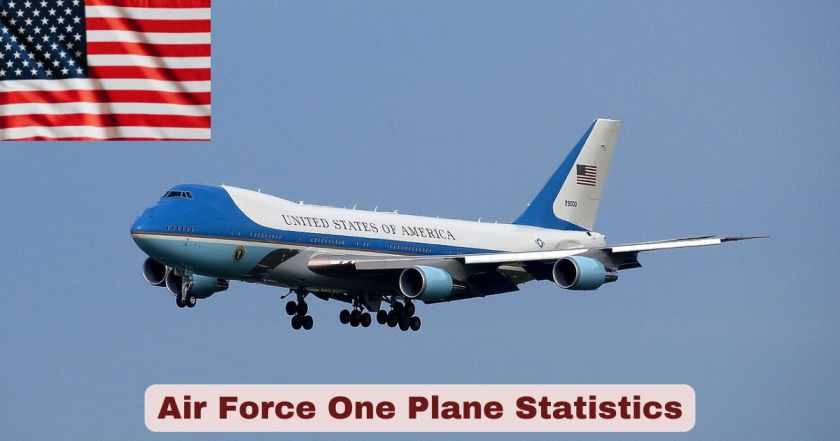
Air Force One Plane in US 2026
The Air Force One plane represents one of the most sophisticated and iconic aircraft in global aviation history, serving as the official transport for the President of the United States. As we progress through 2026, the presidential aircraft fleet continues to operate from Joint Base Andrews in Maryland, maintaining its critical role in national security and executive branch operations. The current fleet consists of two highly modified Boeing 747-200B aircraft, designated VC-25A, which have been serving the nation since 1990. These magnificent flying command centers embody American technological prowess and presidential prestige, equipped with advanced communications systems, defensive capabilities, and luxurious accommodations that transform them into mobile White House facilities capable of supporting the Commander-in-Chief anywhere across the globe.
The significance of Air Force One extends far beyond mere transportation. These aircraft serve as flying symbols of American power and continuity of government, designed to operate in the most challenging circumstances including national emergencies and security threats. With operating costs exceeding $177,000 per flight hour and a crew of 26 specialized personnel, every aspect of Air Force One operations reflects the extraordinary measures taken to protect and support the presidency. As the nation looks toward the future, preparations continue for the next generation VC-25B aircraft, though significant delays have pushed their delivery timeline to 2028 or potentially 2029, making the understanding of current Air Force One capabilities and statistics increasingly important for citizens, researchers, and aviation enthusiasts throughout 2026.
Fascinating Facts About Air Force One Plane in the US 2026
| Fact Category | Specific Detail | Source/Verification |
|---|---|---|
| Official Call Sign | Air Force One applies to any USAF aircraft carrying the President | U.S. Air Force Official |
| Current Aircraft Model | Two Boeing 747-200B (VC-25A) | Air Mobility Command |
| Tail Numbers | 28000 and 29000 | U.S. Air Force Records |
| Years in Service | Since 1990 (36 years as of 2026) | Air Force Historical Data |
| Base Location | Joint Base Andrews, Maryland | 89th Airlift Wing |
| Operating Unit | 89th Airlift Wing, Presidential Airlift Group | Air Mobility Command |
| Passenger Capacity | Up to 102 passengers total | Official Air Force Specifications |
| Crew Size | 26 members (pilots, flight engineer, navigator, cabin crew) | Military.com Records |
| Operating Cost Per Hour | $177,843 (Fiscal Year 2021 data) | Air Force FOIA Documents |
| Maximum Speed | 630 miles per hour (Mach 0.92) | Technical Specifications |
| Unrefueled Range | 7,800 statute miles (12,550 kilometers) | Boeing/Air Force Data |
| Maximum Takeoff Weight | 833,000 pounds (377,842 kilograms) | Official Specifications |
| Interior Floor Space | 4,000 square feet across three levels | Boeing Technical Data |
| Service Ceiling | 45,100 feet (13,746 meters) | Air Force Fact Sheet |
| Kitchen Capacity | Two galleys serving up to 100 meals simultaneously | Presidential Airlift Records |
Data compiled from U.S. Air Force official fact sheets, Air Mobility Command records, and verified government documents as of January 2026
The statistics presented in this comprehensive table reveal the extraordinary capabilities of Air Force One in 2026. The $177,843 per flight hour operating cost represents one of the highest in military aviation, reflecting the sophisticated systems, specialized fuel requirements, intensive maintenance schedules, and elite personnel needed to maintain these presidential aircraft. This cost encompasses fuel consumption, flight consumables, aircraft overhaul expenses, and engine maintenance, demonstrating the substantial investment required to keep the Commander-in-Chief connected and protected during global travels. The 26-member crew includes highly trained pilots, a flight engineer, navigator, communications specialists, cabin attendants, maintenance personnel, and security staff, each selected through rigorous vetting processes that exceed standard Air Force requirements.
The physical specifications of these VC-25A aircraft showcase their impressive capabilities in the US 2026 operational environment. With a maximum takeoff weight of 833,000 pounds and a wingspan of 195.8 feet, these modified Boeing 747s dwarf standard commercial aircraft in both size and capability. The 7,800-mile unrefueled range enables nonstop travel from Washington D.C. to most global destinations, though the aircraft also features aerial refueling capability for unlimited range when necessary. The 4,000 square feet of interior space distributed across three levels provides accommodations rivaling luxury hotels, including the presidential suite with bedroom and office, conference rooms, medical facilities capable of performing emergency surgery, staff work areas, secure communications centers, and separate quarters for Secret Service agents, senior advisors, and traveling press corps. The ability to serve 100 meals simultaneously from two fully equipped galleys ensures that diplomatic functions and working meals can occur seamlessly at 45,000 feet altitude.
Current Air Force One Fleet Specifications in the US 2026
| Specification | VC-25A Details | Measurement Units |
|---|---|---|
| Aircraft Designation | VC-25A | Military Classification |
| Base Aircraft | Boeing 747-200B | Commercial Variant |
| Manufacturer | Boeing Airplane Company | Primary Contractor |
| Length | 231 feet 10 inches | 70.7 meters |
| Height | 63 feet 5 inches | 19.3 meters |
| Wingspan | 195 feet 8 inches | 59.6 meters |
| Engines | Four General Electric CF6-80C2B1 turbofans | Each 56,700 lbs thrust |
| Total Thrust | 226,800 pounds combined | Maximum Power Output |
| Cruise Speed | 630 mph | Mach 0.92 |
| Maximum Altitude | 45,100 feet | 13,746 meters |
| Fuel Capacity | 53,611 gallons | 203,000 liters |
| Aircraft Weight Empty | 412,775 pounds | 187,200 kilograms |
| Maximum Takeoff Weight | 833,000 pounds | 377,842 kilograms |
| Range Without Refueling | 7,800 statute miles | 12,550 kilometers |
| Introduction Date Aircraft 28000 | December 8, 1990 | First Operational VC-25A |
| Introduction Date Aircraft 29000 | December 23, 1990 | Second Operational VC-25A |
| First Mission Date | September 6, 1990 | President George H.W. Bush |
Source: U.S. Air Force Official Fact Sheets, Air Mobility Command Technical Documentation, January 2026
The current Air Force One fleet specifications demonstrate why these VC-25A aircraft remain among the most capable presidential transport systems globally despite their 36 years of service as of 2026. The four General Electric CF6-80C2B1 turbofan engines, each producing 56,700 pounds of thrust, provide a combined 226,800 pounds of propulsive force, enabling the heavily modified and weighted aircraft to achieve a respectable cruise speed of 630 miles per hour at altitudes reaching 45,100 feet. This combination of power and altitude capability ensures smooth flights above most weather systems while maintaining fuel efficiency during extended presidential missions. The engines represent 1980s technology but remain reliable through meticulous maintenance protocols established by the 89th Airlift Wing at Joint Base Andrews.
The dimensional specifications reflect the massive scale of presidential airlift operations in the US 2026. With a length of 231 feet 10 inches and wingspan of 195 feet 8 inches, each VC-25A requires specialized ground handling equipment and dedicated hangar facilities at Andrews. The maximum takeoff weight of 833,000 pounds includes the aircraft structure, modifications adding thousands of pounds of communications equipment and defensive systems, fuel load, passengers, crew, provisions, and the presidential motorcade sometimes carried in cargo holds. The 7,800-mile unrefueled range calculation assumes optimal conditions and typical payload, though actual range varies based on weather, passenger load, and operational requirements. The aircraft’s 53,611-gallon fuel capacity supports extended missions, with consumption rates significantly higher than commercial 747s due to the additional weight of presidential modifications and the specialized fuel blend required for security purposes.
Air Force One Interior Configuration and Accommodations in the US 2026
| Interior Section | Features and Capacity | Purpose |
|---|---|---|
| Presidential Suite | Private office, bedroom with convertible couches, lavatory with shower, vanity, double sink | Executive workspace and rest |
| Conference/Dining Room | Seats 12-14 people, secure communications, video conferencing | Meetings and diplomatic functions |
| Senior Staff Area | 16-18 workstations with communications access | Advisory and support operations |
| Medical Facility | Fold-out operating table, emergency supplies, pharmacy, oxygen | Emergency medical care capability |
| Guest Accommodations | Seats for 20-30 guests including family members | VIP travel support |
| Secret Service Quarters | 12-15 personnel spaces, weapons storage, monitoring equipment | Security operations |
| Press/Media Area | 16 seats with work tables at rear of main deck | Traveling press corps |
| Flight Crew Rest Area | Bunks for 6-8 crew members | Extended mission support |
| Forward Galley | Full commercial kitchen, storage for 50 meals | Presidential and VIP dining |
| Aft Galley | Full commercial kitchen, storage for 50 meals | Staff and crew dining |
| Communications Center | Satellite systems, secure voice and data links, 87 phones | Global connectivity |
| Defensive Systems Room | Classified countermeasure equipment | Threat response |
| Cargo Hold Lower Deck | Luggage, supplies, equipment storage | Logistics support |
| Lavatories | 6 passenger facilities including disabled access | Passenger comfort |
| Total Floor Space | 4,000 square feet across three levels | Complete facility |
Source: Air Force Technical Documentation, Presidential Airlift Group, Boeing VC-25 Interior Specifications, 2026
The interior configuration of Air Force One in 2026 represents a masterpiece of aerospace engineering and luxury accommodation design. The forward section, informally called the “White House”, contains the presidential suite featuring a private office often referred to as the “Oval Office in the sky” where the President conducts official business, holds secure video conferences with world leaders, and addresses the nation when necessary. This office includes advanced communications equipment enabling the President to maintain command authority anywhere globally, with satellite links providing classified voice and data transmission capabilities. Adjacent to the office, the bedroom area features two couches converting into beds, a private lavatory with shower facilities, and a vanity with double sink, ensuring the Commander-in-Chief can rest and refresh during extended international journeys that often span multiple time zones.
The medical facility aboard Air Force One represents one of its most critical but least publicized features in the US 2026 operational context. This dedicated medical area includes a fold-out operating table, comprehensive emergency medical supplies, a well-stocked pharmacy with prescription medications, and specialized equipment enabling the onboard medical team to perform emergency surgical procedures if necessary. Every presidential flight includes a doctor and nurse from the White House Medical Unit, trained specifically for the unique challenges of providing emergency care at 45,000 feet altitude while the aircraft continues its mission. The two fully equipped galleys can produce restaurant-quality meals for up to 100 people simultaneously, with presidential menus prepared by White House chefs using provisions loaded before each flight. The 6 lavatories distributed throughout the cabin, including disabled-access facilities, ensure passenger comfort during flights that can extend beyond 12 hours. The 87 phones and 19 televisions installed throughout the aircraft provide communications and information access for the diverse passenger manifest, while the communications center on the upper deck houses classified satellite systems maintaining constant connectivity with the White House Situation Room, Pentagon, and other critical command facilities.
Air Force One Operating Costs and Budget in the US 2026
| Cost Category | Amount/Details | Fiscal Period |
|---|---|---|
| Cost Per Flight Hour | $177,843 | Fiscal Year 2021 Official |
| Annual Flying Hours (Estimated) | 1,200-1,500 hours combined fleet | Calendar Year 2026 |
| Estimated Annual Operating Cost | $213-266 million | Based on flight hour data |
| Fuel Cost Component | $40,000-50,000 per hour estimated | Variable by mission |
| Maintenance Cost Component | Included in per-hour rate | Continuous program |
| Crew Salaries | Included in per-hour rate | 26 members per flight |
| Aircraft Overhaul Costs | Included in per-hour rate | Multi-year cycles |
| Engine Overhaul Costs | Included in per-hour rate | Scheduled maintenance |
| Each VC-25A Original Cost | $325 million per aircraft | 1990 delivery price |
| Modern Replacement Value | $600-700 million per aircraft estimated | 2026 equivalent |
| Communication System Upgrades | $15.5 million (2025 contract) | Latest modernization |
| VC-25B Program Total Budget | $3.9 billion fixed-price contract | 2018 agreement |
| VC-25B Program Actual Cost | $6 billion estimated total | Including infrastructure |
| VC-25B Budget Increase 2026 | $201 million additional | Acceleration funding |
| Support Aircraft Costs | Additional millions per trip | C-17, C-32, C-40 escorts |
Source: Air Force Budget Documents, GAO Reports, FOIA Documents, Congressional Testimony, January 2026
The operating costs of Air Force One in the US 2026 fiscal environment reflect the extraordinary expenses associated with maintaining and flying the world’s most sophisticated presidential transport. The $177,843 per flight hour cost represents a comprehensive calculation including fuel, flight consumables, scheduled and unscheduled maintenance, aircraft overhaul expenses, engine overhaul costs, and crew salaries. This figure, disclosed through Freedom of Information Act requests and Air Force budget documents, actually represents a decrease from the $206,337 per flight hour reported in 2014-2015, attributed to operational efficiencies, maintenance improvements, and stabilized fuel prices. However, it remains among the highest operating costs in the Air Force fleet, comparable only to specialized aircraft like the B-2 Spirit stealth bomber ($130,159 per hour in 2020) and the E-4B Nightwatch airborne command post ($159,529 per hour in 2020).
The VC-25B replacement program represents one of the most expensive aircraft acquisition programs in Air Force history as of 2026. The original $3.9 billion fixed-price contract negotiated with Boeing in February 2018 has grown to an estimated $6 billion total program cost when including infrastructure improvements, testing, support equipment, and additional capability upgrades. This includes a new $250 million hangar facility at Joint Base Andrews specifically designed to accommodate the larger VC-25B aircraft based on the Boeing 747-8 platform. The $201 million budget increase for fiscal year 2026 designated for “acceleration initiatives” reflects Air Force efforts to expedite delivery of these critically needed replacement aircraft. Additionally, each presidential trip often involves multiple support aircraft including C-17 Globemaster cargo planes transporting the presidential motorcade and support vehicles, C-32 or C-40 aircraft carrying additional staff and Secret Service agents, creating comprehensive mission costs that can exceed $1 million for a single domestic roundtrip and substantially more for international travel requiring extensive logistics support.
Air Force One Crew Complement and Personnel in the US 2026
| Crew Position | Number of Personnel | Primary Responsibilities |
|---|---|---|
| Pilot (Aircraft Commander) | 1 | Overall flight operations command |
| Co-Pilot | 1 | Flight operations support |
| Flight Engineer | 1 | Systems monitoring and management |
| Navigator | 1 | Flight planning and navigation |
| Flight Attendants | 8-12 | Passenger service and comfort |
| Communications Specialists | 2-3 | Secure communications operations |
| Maintenance Crew | 3-5 | In-flight systems maintenance |
| Security Personnel | 6-8 | Aircraft and passenger security |
| White House Medical Unit | 1 Doctor, 1 Nurse | Presidential medical support |
| White House Staff | Variable (15-30) | Presidential support |
| Secret Service Agents | Variable (20-40) | Presidential protection |
| Total Crew Capacity | 26 official crew | Core operational team |
| Total Passenger Capacity | 102 maximum | Including crew and passengers |
| Presidential Airlift Group Personnel | 450+ total assigned | Ground and flight operations |
| 89th Airlift Wing Total Personnel | 7,000+ | All mission aircraft |
Source: 89th Airlift Wing Personnel Data, Presidential Airlift Group Records, Air Mobility Command, 2026
The crew complement of Air Force One in 2026 represents the elite of Air Force aviation personnel. The official 26-member crew includes the core operational team essential for safe flight operations and passenger support, though actual staffing varies by mission requirements. The pilot and co-pilot are senior Air Force officers, typically with rank of Lieutenant Colonel or Colonel, possessing thousands of flight hours and flawless safety records. Selection for the Presidential Airlift Group requires exceptional skill, extensive experience, rigorous background investigations exceeding top-secret clearances, and demonstrated reliability under pressure. The flight engineer monitors all aircraft systems during flight, managing the complex modifications that distinguish VC-25A from standard Boeing 747 operations, while the navigator maintains flight plans and coordinates with air traffic control worldwide.
The 8-12 flight attendants serving aboard Air Force One are active-duty Air Force enlisted personnel specially trained for presidential support missions. Unlike commercial flight attendants, they receive extensive training in protocol, diplomacy, secure communications, and emergency procedures specific to presidential operations. They serve meals prepared to White House standards, maintain the aircraft’s pristine interior, and ensure passenger comfort during flights that can exceed 12 hours duration. The 2-3 communications specialists manage the sophisticated satellite and radio systems enabling the President to maintain contact with the White House, Pentagon, State Department, and field commanders globally. The 3-5 maintenance crew members monitor aircraft systems continuously, performing minor repairs and adjustments during flight to ensure all equipment functions perfectly. The Presidential Airlift Group, the unit within the 89th Airlift Wing specifically operating Air Force One, maintains a roster of over 450 personnel including pilots, navigators, flight engineers, maintenance technicians, communications specialists, and support staff, ensuring round-the-clock readiness for presidential travel on minimal notice at Joint Base Andrews throughout 2026.
Air Force One Technical Capabilities and Systems in the US 2026
| System Category | Capabilities | Purpose |
|---|---|---|
| Secure Communications | 87 phones, classified voice/data links | Global connectivity |
| Satellite Systems | Multiple secure SATCOM terminals | Real-time communications |
| Defensive Countermeasures | Classified threat detection and response | Aircraft protection |
| Electronic Warfare Suite | Classified systems | Defense against attacks |
| Electromagnetic Pulse Protection | Shielded electronics and wiring | Nuclear event survival |
| Aerial Refueling Capability | Extendable boom receptacle | Unlimited range |
| Self-Contained Power | Auxiliary power units operational in flight | Ground independence |
| Onboard Medical Equipment | Surgical capability, pharmacy, ICU equipment | Emergency medical care |
| Secure Video Conferencing | Multiple rooms with classified capability | Remote meetings |
| Navigation Systems | GPS, INS, redundant systems | Worldwide operations |
| Weather Radar | Advanced detection and avoidance | Flight safety |
| Television Systems | 19 televisions throughout aircraft | Information access |
| Galley Equipment | Commercial-grade kitchen appliances | 100-meal capacity |
| Climate Control | Multi-zone temperature regulation | Passenger comfort |
| Oxygen System | Emergency oxygen for all occupants | Safety requirement |
| Fire Suppression | Advanced detection and suppression | Critical safety |
Source: Air Force Technical Specifications, Classified Systems Documentation (General Capabilities Only), 2026
The technical capabilities of Air Force One in 2026 extend far beyond those of any commercial aircraft, reflecting its dual role as presidential transport and flying command center. The 87 telephone systems distributed throughout the aircraft include both secure and non-secure lines, enabling simultaneous conversations with multiple government agencies, foreign leaders, military commanders, and White House staff. The multiple satellite communication terminals provide redundant connectivity ensuring the President maintains contact even if primary systems fail, with bandwidth sufficient for secure video conferencing, classified document transmission, and real-time intelligence briefing. These communication systems received a $15.5 million upgrade in December 2025 to “keep pace with mission requirements that have evolved since the program baseline was established,” according to Air Force contract announcements.
The defensive systems aboard Air Force One remain highly classified but are known to include sophisticated countermeasures against various threats. The aircraft features electromagnetic pulse (EMP) protection through extensive shielding of electronic components and redundant systems, enabling continued operations even after a nuclear detonation in the vicinity. The electronic warfare suite includes threat detection radar, missile warning systems, and classified countermeasures for defeating air-to-air and surface-to-air missiles. The aerial refueling capability extends the aircraft’s already impressive 7,800-mile range to unlimited distance, enabling the President to remain airborne indefinitely during national emergencies when landing might be unsafe. The self-contained power generation through auxiliary power units eliminates dependence on ground power sources at potentially unsecure airports worldwide. The advanced navigation systems include GPS with military-grade encryption, inertial navigation systems providing backup if GPS is jammed or unavailable, and redundant instrumentation ensuring pilots can navigate safely anywhere globally. These systems collectively ensure Air Force One can execute its mission under the most challenging circumstances throughout 2026 and beyond.
Air Force One Historical Missions and Presidential Travel in the US 2026
| Historical Milestone | Date | Significance |
|---|---|---|
| First Presidential Flight | October 11, 1910 | Theodore Roosevelt (ex-president) |
| First In-Office Presidential Flight | January 1943 | Franklin D. Roosevelt to Casablanca |
| First Purpose-Built Presidential Aircraft | 1944 | C-54 “Sacred Cow” for Roosevelt |
| Air Force One Call Sign Created | 1954 | After airspace conflict with commercial flight |
| Current VC-25A Introduction | September 6, 1990 | President George H.W. Bush first flight |
| September 11, 2001 | September 11, 2001 | Bush airborne during terrorist attacks |
| Presidential State Funeral Missions | Multiple | Reagan, Ford, Bush Sr., Carter transport |
| International Summits | Ongoing | G7, NATO, bilateral meetings |
| Domestic Campaign Travel | Election years | Political event transportation |
| Emergency Evacuations | As required | Hurricane, disaster response |
| State Visits | Annual | Foreign diplomatic missions |
| Average Annual Missions | 150-200 flights | Combined VC-25A fleet |
| Total Miles Flown Since 1990 | Over 20 million miles estimated | Cumulative both aircraft |
| Countries Visited | 100+ nations | Global diplomatic reach |
| Current Service Duration | 36 years (as of 2026) | Exceptional longevity |
Source: Air Force Historical Records, Presidential Libraries, White House Archives, 89th Airlift Wing Mission Logs, 2026
The historical missions of Air Force One demonstrate its essential role in presidential leadership and American diplomacy throughout 2026. The current VC-25A aircraft have transported every president since 1990 including George H.W. Bush, Bill Clinton, George W. Bush, Barack Obama, Donald Trump, and Joe Biden, accumulating over 20 million miles across 36 years of service. These aircraft have witnessed historic moments including the aftermath of the September 11, 2001 terrorist attacks when President Bush remained airborne for hours while threats were assessed, the 2011 mission to Pakistan where President Obama oversaw the operation against Osama bin Laden from aboard the aircraft, and countless international summits where Air Force One’s arrival symbolized American commitment to diplomatic engagement.
The 150-200 annual missions flown by the combined VC-25A fleet in typical years include official state visits to foreign capitals, domestic travel for policy events and disaster response, campaign activities during election years, and emergency evacuations when threats require immediate presidential departure from ground locations. Each international mission involves extensive advance planning by the 89th Airlift Wing and Presidential Airlift Group, with maintenance crews deploying ahead to ensure perfect aircraft condition, communications specialists testing connectivity, and security personnel coordinating with local authorities. The aircraft has landed on every continent except Antarctica, in over 100 countries, at airports ranging from major international hubs to remote airfields hastily prepared for presidential arrival. The distinctive light blue and white livery designed by Raymond Loewy in 1962, carried forward on the current VC-25A fleet, remains instantly recognizable worldwide as a symbol of American power and presidential authority. As these aircraft approach potential retirement in late 2026 pending VC-25B delivery, they represent an unmatched record of reliability, security, and diplomatic service in the US presidential airlift mission.
Next Generation VC-25B Air Force One Program Status in the US 2026
| VC-25B Program Element | Current Status | Timeline |
|---|---|---|
| Base Aircraft Model | Boeing 747-8 Intercontinental | Modern platform |
| Number of Aircraft | 2 VC-25B under conversion | Replacement fleet |
| Contract Award Date | February 27, 2018 | Fixed-price agreement |
| Original Contract Value | $3.9 billion | Boeing agreement |
| Estimated Total Program Cost | $6 billion | Including infrastructure |
| Original Planned Delivery | December 2024 | Initial timeline |
| Current Projected First Delivery | Mid-2028 | Revised schedule |
| Current Projected Second Delivery | 2028-2029 | Revised schedule |
| Program Delay | 4 years behind schedule | From original plan |
| Budget Overrun | $2 billion over original | Cost growth |
| Fiscal Year 2026 Funding Increase | $201 million additional | Acceleration efforts |
| Recent Contract Modification | $15.5 million (December 2025) | Communications upgrade |
| Additional Training Aircraft | 2 Boeing 747-8s from Lufthansa | Support fleet |
| Training Aircraft Cost | $400 million | 2026 delivery |
| Qatari Donated Aircraft | 1 Boeing 747-8 | Potential interim use |
| Conversion Facility | Boeing San Antonio, Texas | Modification location |
Source: Air Force Budget Documents, Boeing Contracts, Congressional Testimony, Defense Acquisition Reports, January 2026
The VC-25B replacement program represents the most significant update to presidential airlift capability in over three decades as of 2026, though substantial delays have pushed delivery well beyond original timelines. The program utilizes two Boeing 747-8 Intercontinental airframes originally manufactured for the Russian airline Transaero but never delivered due to that carrier’s bankruptcy. The Air Force acquired these nearly-new airframes at reduced cost and began modifications at Boeing’s San Antonio facility in 2020. The $3.9 billion fixed-price contract negotiated in February 2018 between Boeing and the Trump administration was intended to control costs, but Boeing CEO Dave Calhoun revealed in April 2022 that the company expected to lose $660 million on the contract due to unforeseen technical challenges, supply chain disruptions, workforce shortages, and evolving security requirements.
The four-year delay from the original December 2024 delivery date stems from multiple factors including COVID-19 pandemic impacts, difficulties with interior suppliers and designs, wiring design errors requiring extensive rework, and the complexity of integrating classified communications and defensive systems into a commercial aircraft platform. The Air Force announced in December 2025 a new “projected delivery date for the first VC-25B aircraft in mid-2028,” with the second aircraft following potentially in late 2028 or 2029. The $201 million funding increase in the Air Force’s 2026 budget request aims to support “acceleration initiatives” intended to expedite delivery. Additionally, the Air Force is acquiring two second-hand Boeing 747-8 jetliners previously operated by Lufthansa for $400 million, designated for pilot training and spare parts support. These aircraft will be delivered in 2026 as part of efforts to establish a sustainable training and maintenance program for the future 747-8 based presidential fleet. The Trump administration also accepted a Boeing 747-8 as a gift from Qatar in May 2025, though extensive modifications costing hundreds of millions of dollars would be required before it could serve as an interim Air Force One, with those conversions not expected to complete until after 2028.
VC-25B Enhanced Capabilities vs Current VC-25A in the US 2026
| Capability | VC-25A Current | VC-25B Future |
|---|---|---|
| Base Platform | Boeing 747-200B | Boeing 747-8 Intercontinental |
| Wingspan | 195.8 feet | 224.5 feet |
| Length | 231.8 feet | 250.2 feet |
| Height | 63.4 feet | 63.4 feet |
| Maximum Takeoff Weight | 833,000 pounds | 987,000 pounds |
| Engines | Four GE CF6-80C2B1 | Four GE GEnx-2B |
| Thrust Per Engine | 56,700 pounds | 66,500 pounds |
| Maximum Speed | 630 mph | 660 mph |
| Range | 7,800 miles | 8,900 miles |
| Fuel Efficiency | 1980s technology | 16% more efficient |
| Avionics | 1990s systems | Modern glass cockpit |
| Communications | Upgraded incrementally | Next-generation integrated |
| Interior Technology | Legacy systems | Modern connectivity |
| Maintenance Requirements | Increasing with age | Reduced initially |
| Parts Availability | Declining (747-200 retired) | Improved (747-8 recent) |
| Environmental Impact | Higher emissions | 16 tons less CO2 per trip |
Source: Air Force Technical Comparison Documents, Boeing Specifications, Selected Acquisition Reports, 2026
The VC-25B aircraft will represent a substantial technological leap over the current VC-25A fleet when they enter service in the US 2028-2029 timeframe. The larger Boeing 747-8 platform provides 154,000 additional pounds of maximum takeoff weight capacity, translating to greater range, payload flexibility, and space for advanced systems. The more powerful GE GEnx-2B engines, each producing 66,500 pounds of thrust compared to the VC-25A’s 56,700 pounds, deliver improved performance while consuming 16% less fuel and emitting 16 tons less carbon dioxide per mission. This enhanced efficiency matters significantly given the high-profile nature of presidential travel and increasing emphasis on reducing government carbon footprints throughout 2026 environmental policy.
The increased range of 8,900 miles for the VC-25B extends nonstop capabilities, potentially eliminating refueling stops on some long-distance routes that currently require aerial refueling or intermediate landings. The modern avionics include glass cockpit displays, advanced navigation systems, and integrated flight management computers that reduce pilot workload while improving safety margins. The next-generation communications systems being integrated under recent contract modifications will provide greater bandwidth, improved encryption, and seamless connectivity with both military command networks and civilian telecommunications infrastructure. The 250.2-foot length and 224.5-foot wingspan create a larger interior volume potentially accommodating enhanced medical facilities, expanded work areas for senior staff, and improved passenger comfort during extended missions. However, these larger dimensions also necessitated construction of the new $250 million hangar at Joint Base Andrews specifically designed to shelter the bigger aircraft. The VC-25B’s modern design also addresses obsolescence concerns plaguing the VC-25A fleet in 2026, where finding replacement parts for 1980s-era Boeing 747-200 components becomes increasingly difficult as global commercial fleets have long since retired that model.
Air Force One Security Features and Protection in the US 2026
| Security Feature | Description | Capability Level |
|---|---|---|
| Electromagnetic Pulse Shielding | Hardened electronics and wiring | Nuclear event protection |
| Missile Defense Systems | Classified threat detection and countermeasures | Air-to-air and surface-to-air |
| Infrared Countermeasures | Heat-seeking missile defense | Advanced protection |
| Chaff and Flare Dispensers | Decoy deployment systems | Radar and infrared confusion |
| Armor Plating | Reinforced fuselage sections | Critical area protection |
| Blast-Resistant Windows | Enhanced glass and frames | Explosion protection |
| Self-Defense Electronics | Active electronic warfare suite | Threat jamming |
| Secure Air Filtration | Biological and chemical protection | CBRN defense |
| Communications Security | Military-grade encryption | Classified conversation protection |
| Background Check Requirements | Top Secret/SCI clearances | Personnel vetting |
| No-Fly Zone Enforcement | Military escort capability | Airspace protection |
| Ground Security Perimeter | Secret Service and Air Force | Aircraft protection |
| Pre-Flight Security Inspections | Multi-layer screening process | Threat elimination |
| Secure Parts Supply Chain | Controlled logistics | Sabotage prevention |
| Flight Crew Training | Evasive maneuvers and emergency procedures | Threat response |
Source: Declassified Security Information, Air Force Security Protocols, Presidential Protection Requirements, 2026
The security features protecting Air Force One represent some of the most sophisticated defensive systems ever installed on a commercial aircraft platform in the US 2026 defense environment. The electromagnetic pulse (EMP) shielding ensures the aircraft can continue operating even after a nuclear detonation, with hardened electronics, shielded wiring, and backup systems designed to survive the massive electromagnetic surge that would disable unprotected aircraft. This capability reflects Air Force One’s role in ensuring continuity of government during the most catastrophic national emergencies. The classified missile defense systems include advanced radar capable of detecting incoming threats at extended ranges, providing crucial seconds for automated countermeasure deployment and pilot evasive action.
The infrared countermeasures protect against heat-seeking missiles by creating false targets that draw missiles away from the aircraft’s hot engine exhaust, while chaff and flare dispensers confuse radar-guided and infrared-guided weapons respectively through deployment of metallic strips and intensely hot decoys. The armor plating in critical fuselage areas, including around the cockpit and presidential compartment, provides protection against small arms fire and shrapnel, though the aircraft’s size makes comprehensive armor impractical. The blast-resistant windows utilize layered glass and advanced frames capable of withstanding nearby explosions without shattering into the cabin. The secure air filtration system protects occupants from chemical, biological, radiological, and nuclear (CBRN) contamination, enabling the aircraft to fly through potentially contaminated airspace and land at airports where threats might exist. The communications security architecture employs military-grade encryption across all systems, preventing interception or jamming of presidential conversations with commanders, foreign leaders, and advisors. Every person with access to Air Force One undergoes rigorous background investigations resulting in Top Secret/Sensitive Compartmented Information (TS/SCI) clearances, the highest level in the U.S. classification system. The flight crew trains regularly on evasive flying techniques and emergency procedures specific to various threat scenarios they might encounter while protecting the President throughout 2026 operations.
Joint Base Andrews and the 89th Airlift Wing in the US 2026
| Facility Component | Details | Capacity/Capability |
|---|---|---|
| Base Location | Prince George’s County, Maryland | 10 miles from Washington D.C. |
| Base Size | 4,320 acres | Major installation |
| Primary Unit | 89th Airlift Wing | Presidential airlift mission |
| Parent Command | Air Mobility Command | Major command |
| Personnel Assigned | 7,000+ military and civilian | Comprehensive support |
| Presidential Airlift Group | 450+ specialized personnel | VC-25A operations |
| VC-25A Hangar Facility | Current dedicated hangar | Both aircraft accommodation |
| New VC-25B Hangar | $250 million facility under construction | 747-8 sized accommodation |
| Runway Length | 9,755 feet | Heavy aircraft operations |
| Secondary Runways | 9,164 feet and 5,000 feet | Operational flexibility |
| Other Aircraft Operated | C-32, C-37, C-40, UH-1N helicopters | Executive airlift fleet |
| VIP Flights Annual | 300+ missions | Government and military officials |
| Alert Status | 24/7 readiness | Immediate response capability |
| Maintenance Facilities | Advanced repair capabilities | On-site support |
| Security Classification | Highest level installation | Restricted access |
Source: 89th Airlift Wing Public Affairs, Joint Base Andrews Information, Air Mobility Command Data, 2026
Joint Base Andrews serves as the home of presidential aviation throughout 2026, hosting the 89th Airlift Wing which operates not only Air Force One but also an extensive fleet of executive transport aircraft supporting the Vice President, Cabinet members, members of Congress, and senior military officials. The base’s location in Prince George’s County, Maryland, approximately 10 miles southeast of the White House, enables rapid presidential departure when necessary, with helicopters from Marine One frequently transferring the President from the White House South Lawn to Air Force One at Andrews in under 15 minutes during urgent situations. The 4,320-acre installation represents one of the Air Force’s most secure and strategically important bases, with multiple layers of security screening, armed patrols, and sophisticated intrusion detection systems protecting the presidential aircraft and other sensitive assets.
The Presidential Airlift Group within the 89th Airlift Wing maintains the two VC-25A aircraft in immaculate condition through meticulous maintenance programs that far exceed commercial aviation standards. The current dedicated hangar facility houses both aircraft when not flying, with temperature and humidity controls protecting sensitive systems and specialized equipment enabling efficient maintenance operations. The $250 million new hangar under construction in 2026 specifically for the incoming VC-25B fleet will accommodate the larger 747-8 dimensions while incorporating advanced maintenance capabilities, secure storage for classified components, and state-of-the-art diagnostic equipment. The 89th Airlift Wing’s 7,000+ personnel include pilots, navigators, flight engineers, aircraft maintenance technicians, communications specialists, security forces, logistics specialists, and administrative staff, collectively ensuring 24/7 readiness for presidential travel. The three runways at Joint Base Andrews, ranging from 5,000 to 9,755 feet in length, can accommodate any aircraft in the Air Force inventory including the massive C-5M Super Galaxy cargo planes that sometimes support presidential missions by pre-positioning vehicles and equipment. The base also operates the C-32 (modified Boeing 757) frequently used by the Vice President, multiple C-37 (Gulfstream business jets), and C-40 (modified Boeing 737) aircraft, creating a comprehensive executive airlift capability supporting hundreds of high-level government officials annually throughout the US 2026 operational environment.
Air Force One Maintenance and Reliability Standards in the US 2026
| Maintenance Metric | Standard/Requirement | Details |
|---|---|---|
| Pre-Flight Inspection Duration | 2-4 hours minimum | Comprehensive systems check |
| Maintenance Hours Per Flight Hour | 15-20 hours | Labor-intensive upkeep |
| Scheduled Maintenance Intervals | Every 25 flight hours | Minor inspections |
| Major Inspection Intervals | Every 500-600 hours | Detailed examination |
| Heavy Maintenance Cycles | Every 4-6 years | Major overhaul |
| Mission Capable Rate Goal | 95%+ target | Readiness standard |
| Actual Mission Capable Rate | 85-90% achieved | Aging aircraft challenges |
| Spare Parts Inventory Value | $30+ million estimated | Critical components |
| Maintenance Personnel Per Aircraft | 40-50 technicians | Specialized workforce |
| Maintenance Training Requirements | 6-12 months specialty training | Expert qualification |
| Zero Defect Philosophy | Absolute reliability requirement | Mission criticality |
| Documentation Requirements | Complete maintenance records | Every action logged |
| Quality Assurance Inspections | Multiple verification layers | Error prevention |
| Component Life Tracking | Individual serialized parts | Safety management |
| Unscheduled Maintenance Rate | Increasing with aircraft age | 36-year-old airframes |
Source: 89th Airlift Wing Maintenance Data, Air Force Maintenance Reports, Reliability Metrics, 2026
The maintenance standards for Air Force One represent the most rigorous in aviation as of 2026, reflecting the zero-tolerance approach to reliability when presidential safety depends on aircraft performance. Every flight requires 2-4 hours of pre-flight inspections conducted by experienced crew chiefs who examine thousands of components, test multiple systems, and verify aircraft condition before certifying readiness for presidential use. The 15-20 maintenance hours per flight hour ratio significantly exceeds commercial aviation standards where airlines typically achieve 2-3 maintenance hours per flight hour, reflecting both the complexity of VC-25A systems and the thoroughness of inspection procedures. This intensive maintenance burden consumes substantial resources from the Presidential Airlift Group’s maintenance workforce of 40-50 specialized technicians dedicated to each aircraft.
The aging VC-25A fleet faces increasing maintenance challenges in 2026 as both aircraft approach 36 years of service. The mission capable rate, measuring the percentage of time aircraft are ready for flight, has declined from historical highs above 95% to current levels around 85-90% as components wear out and replacement parts become scarcer. The unscheduled maintenance rate, tracking unexpected repairs required between planned inspections, has risen as systems designed for 30-year service lives continue operating beyond their anticipated lifespans. The spare parts inventory valued at over $30 million includes engines, avionics, hydraulic components, and other critical systems, though finding replacements for some Boeing 747-200 era components requires searching aircraft boneyards, negotiating with foreign airlines still operating older 747s, or manufacturing custom parts at significant expense. The heavy maintenance cycles occurring every 4-6 years involve essentially disassembling and rebuilding major aircraft sections, inspecting structural components for fatigue cracks, and replacing worn systems. These operations remove each aircraft from service for 3-6 months, requiring careful scheduling to ensure presidential airlift capability remains available. The zero-defect philosophy embraced by maintenance personnel means even minor discrepancies receive immediate attention, with no compromise accepted when presidential safety is at stake. This dedication to absolute reliability continues enabling Air Force One to execute its critical mission throughout 2026 despite the challenges of operating aircraft originally designed for 20-25 year service lives now approaching four decades of operation.
Air Force One Fuel Requirements and Logistics in the US 2026
| Fuel Specification | Details | Purpose |
|---|---|---|
| Fuel Type | JP-8 (Jet Propellant-8) | Military jet fuel standard |
| Fuel Capacity Total | 53,611 gallons | 203,000 liters |
| Fuel Weight When Full | 363,000 pounds | Significant payload impact |
| Average Fuel Consumption | 5 gallons per mile | High consumption rate |
| Fuel Cost Per Gallon | $4-6 estimated 2026 | Variable by location |
| Full Tank Fuel Cost | $215,000-$320,000 | Per complete refueling |
| Fuel Cost Per Hour | $18,000-$22,000 | Operating expense component |
| Maximum Endurance | 12-14 hours without refueling | Typical mission limit |
| Aerial Refueling Capability | Unlimited endurance with tanker support | Emergency operations |
| Fuel Quality Testing | Pre-flight and in-flight monitoring | Contamination prevention |
| Fuel Source Security | Controlled supply chain | Sabotage prevention |
| Fuel Additives | Classified specifications | Performance/security enhancement |
| International Fueling Procedures | Advance logistics coordination | Overseas operations |
| Backup Fuel Sources | Pre-positioned supplies at key locations | Mission assurance |
| Fuel Truck Security | Armed guards during refueling | Protection during vulnerable operations |
Source: Air Force Fuel Specifications, Logistics Command Data, Presidential Airlift Group Procedures, 2026
The fuel requirements for Air Force One represent a significant logistical and security challenge in US 2026 operations. The 53,611-gallon fuel capacity enables the 7,800-mile unrefueled range, though actual endurance varies based on payload, weather conditions, and flight profile. The JP-8 military jet fuel differs from commercial Jet A fuel through additives improving cold-weather performance, corrosion inhibition, and other properties beneficial for military operations. The 5 gallons per mile average consumption rate means a typical coast-to-coast domestic flight from Washington D.C. to Los Angeles covering approximately 2,300 miles consumes roughly 11,500 gallons of fuel costing $46,000-$69,000 at 2026 fuel prices. International missions to Asia or Europe requiring the aircraft’s full range consume most of the fuel capacity, necessitating refueling before return flights.
The security protocols surrounding Air Force One fuel exceed those for any other aircraft in 2026. Every gallon loaded undergoes rigorous quality testing to detect contamination, whether from accidental causes or deliberate sabotage attempts. The fuel supply chain is strictly controlled, with fuel transported in dedicated tanker trucks under armed guard, stored in secure facilities at Joint Base Andrews, and tested again immediately before transfer to the aircraft. During refueling operations, Secret Service agents and Air Force security forces establish perimeters around the aircraft, with additional personnel screening fuel truck drivers and monitoring the transfer process. For international operations, the Presidential Airlift Group logistics team coordinates advance with host nation airports to ensure fuel quality and security, sometimes pre-positioning U.S. military fuel supplies when local sources cannot meet security standards. The classified fuel additives and specifications enhance performance while potentially incorporating security features making the fuel distinctive and traceable. The aerial refueling capability, though rarely used for routine missions, provides unlimited endurance through connection with KC-135 Stratotanker or KC-46 Pegasus aerial refueling aircraft, enabling Air Force One to remain airborne indefinitely during national emergencies when landing might be unsafe. This fuel infrastructure and security apparatus ensures the President can travel anywhere globally with confidence in aircraft safety and reliability throughout 2026 operations.
Air Force One Communication Systems and Global Connectivity in the US 2026
| Communication System | Capability | Application |
|---|---|---|
| Total Phone Systems | 87 phones throughout aircraft | Comprehensive communication access |
| Secure Voice Lines | Multiple encrypted channels | Classified conversations |
| Satellite Communications | Multiple SATCOM terminals | Global coverage |
| VHF/UHF Radios | Standard aviation frequencies | Air traffic control |
| HF Radios | Long-range communications | Remote area operations |
| Secure Fax Machines | Classified document transmission | Information sharing |
| Computers and Workstations | 30+ networked systems | Data processing |
| Internet Connectivity | Satellite-based access | Information access |
| Television Systems | 19 televisions | News and information monitoring |
| Video Conferencing | Multiple secure conference rooms | Remote meetings |
| White House Situation Room Link | Dedicated secure connection | Command center coordination |
| Pentagon Connection | Military command network access | Defense operations |
| State Department Network | Diplomatic communications | Foreign policy coordination |
| Emergency Action Message | Nuclear command authority | STRATCOM connectivity |
| Communications Upgrades 2025 | $15.5 million modernization | Latest enhancement |
Source: Air Force Communications Specifications, White House Communications Agency Data, Contract Awards, 2026
The communications systems aboard Air Force One in 2026 effectively transform the aircraft into a flying White House and Pentagon, enabling the President to maintain full command authority anywhere globally. The 87 telephone systems include secure and non-secure lines distributed throughout the presidential suite, conference rooms, staff work areas, and even lavatories, ensuring communication access from any location within the aircraft. The multiple satellite communication terminals provide redundant connectivity to military and civilian communications networks, with bandwidth sufficient for simultaneous voice calls, secure video conferences, data transmission, and internet access. The recent $15.5 million communications upgrade awarded to Collins Aerospace in December 2025 specifically aimed to “keep pace with mission requirements that have evolved since the program baseline was established,” according to Air Force officials.
The secure voice systems employ military-grade encryption protecting classified conversations from interception, enabling the President to discuss sensitive national security matters with advisors, military commanders, intelligence officials, and foreign leaders without concern for eavesdropping. The video conferencing capabilities in multiple rooms allow the President to conduct secure visual meetings with National Security Council members, Cabinet officials, or foreign heads of state, maintaining face-to-face communication essential for complex diplomatic negotiations and crisis management. The White House Situation Room maintains a dedicated secure connection to Air Force One, providing the President with real-time intelligence briefings, operational updates, and access to classified information networks. Similarly, the Pentagon connection links the aircraft to military command networks enabling the President to issue orders to combatant commanders, receive military intelligence, and execute National Command Authority responsibilities including nuclear weapons release if necessary. The 19 television systems throughout the aircraft provide access to news broadcasts from multiple networks and countries, allowing the President and staff to monitor global events and public reaction to presidential actions. The comprehensive communications architecture ensures that regardless of where Air Force One flies in 2026, the President maintains the same command, control, and information access available in the Oval Office.
Air Force One Protocol and Presidential Travel Procedures in the US 2026
| Protocol Element | Standard Procedure | Purpose |
|---|---|---|
| Advance Security Survey | 1-2 weeks before visit | Threat assessment |
| Support Aircraft Deployment | C-17 cargo planes | Motorcade and equipment transport |
| Ground Crew Pre-Positioning | Maintenance team arrives early | Aircraft support readiness |
| Presidential Motorcade Size | 20-40 vehicles typical | Ground transportation |
| Secret Service Advance Team | 50-200 agents depending on destination | Security preparation |
| White House Communications Setup | Secure communications infrastructure | Presidential connectivity |
| Medical Team Deployment | Doctors, nurses, ambulance pre-positioned | Emergency medical readiness |
| Press Corps Accommodation | Separate aircraft or commercial flights | Media coverage support |
| Diplomatic Coordination | State Department advance work | Host nation coordination |
| Flight Plan Classification | Classified until after departure | Security protection |
| Airport Security Perimeter | Military and local police | Landing zone protection |
| Backup Aircraft Availability | Second VC-25A often shadows primary | Redundancy assurance |
| Return Flight Fueling | Pre-arranged at destination | Departure readiness |
| Presidential Boarding Time | Minimized ground exposure | Security consideration |
| Post-Flight Debriefing | Mission review and improvement | Continuous enhancement |
Source: Secret Service Procedures, Presidential Airlift Group Protocols, White House Travel Office, 2026
The protocol surrounding Air Force One operations in 2026 reflects decades of refined procedures designed to ensure presidential safety, maintain communication capabilities, and project American prestige during international visits. Every presidential trip begins with Secret Service advance teams deploying to destinations 1-2 weeks before the President’s arrival, conducting security surveys, coordinating with local law enforcement and military forces, planning motorcade routes, securing hotel accommodations, and establishing perimeters around every location the President will visit. The Presidential Airlift Group dispatches ground crew several days ahead to inspect airport facilities, coordinate with local aviation authorities, test fuel quality, and ensure proper support equipment is available.
The support aircraft deployed for presidential missions demonstrate the massive logistics supporting every Air Force One flight. One or more C-17 Globemaster III cargo aircraft typically depart days before Air Force One, transporting the presidential motorcade of 20-40 armored vehicles, support equipment, communications gear, and additional Secret Service personnel to the destination. For international visits, this can include the presidential limousine nicknamed “The Beast,” multiple identical decoy limousines, Secret Service Suburban SUVs, communications vehicles, ambulances, and a mobile secure command post. The White House Communications Agency establishes secure telecommunications infrastructure at hotels and venues, creating temporary facilities rivaling the White House Situation Room in capability. The White House Medical Unit pre-positions doctors, nurses, and emergency medical equipment including blood supplies matching the President’s type. The traveling press corps of 13-16 journalists representing major news organizations flies either on a dedicated C-32 aircraft or commercial airliners, arriving before or with the President to cover official events. The flight plan for Air Force One remains classified until after departure, with routing sometimes changed during flight to avoid emerging threats. Upon arrival, the aircraft taxis to a secure area surrounded by military and local police, with the President boarding or deplaning rapidly to minimize ground exposure. A backup VC-25A aircraft often shadows the primary presidential plane on international trips, positioning at a nearby airport ready to assume the mission if mechanical issues ground the primary aircraft. These comprehensive protocols ensure smooth, secure presidential travel throughout 2026 regardless of destination or circumstances.
Disclaimer: This research report is compiled from publicly available sources. While reasonable efforts have been made to ensure accuracy, no representation or warranty, express or implied, is given as to the completeness or reliability of the information. We accept no liability for any errors, omissions, losses, or damages of any kind arising from the use of this report.